
Cargo theft losses hit 725 million dollars in 2025 while equipment recovery rates dropped below 25 percent. Most thieves ignore the steel walls of a container and target the exposed door bars instead.
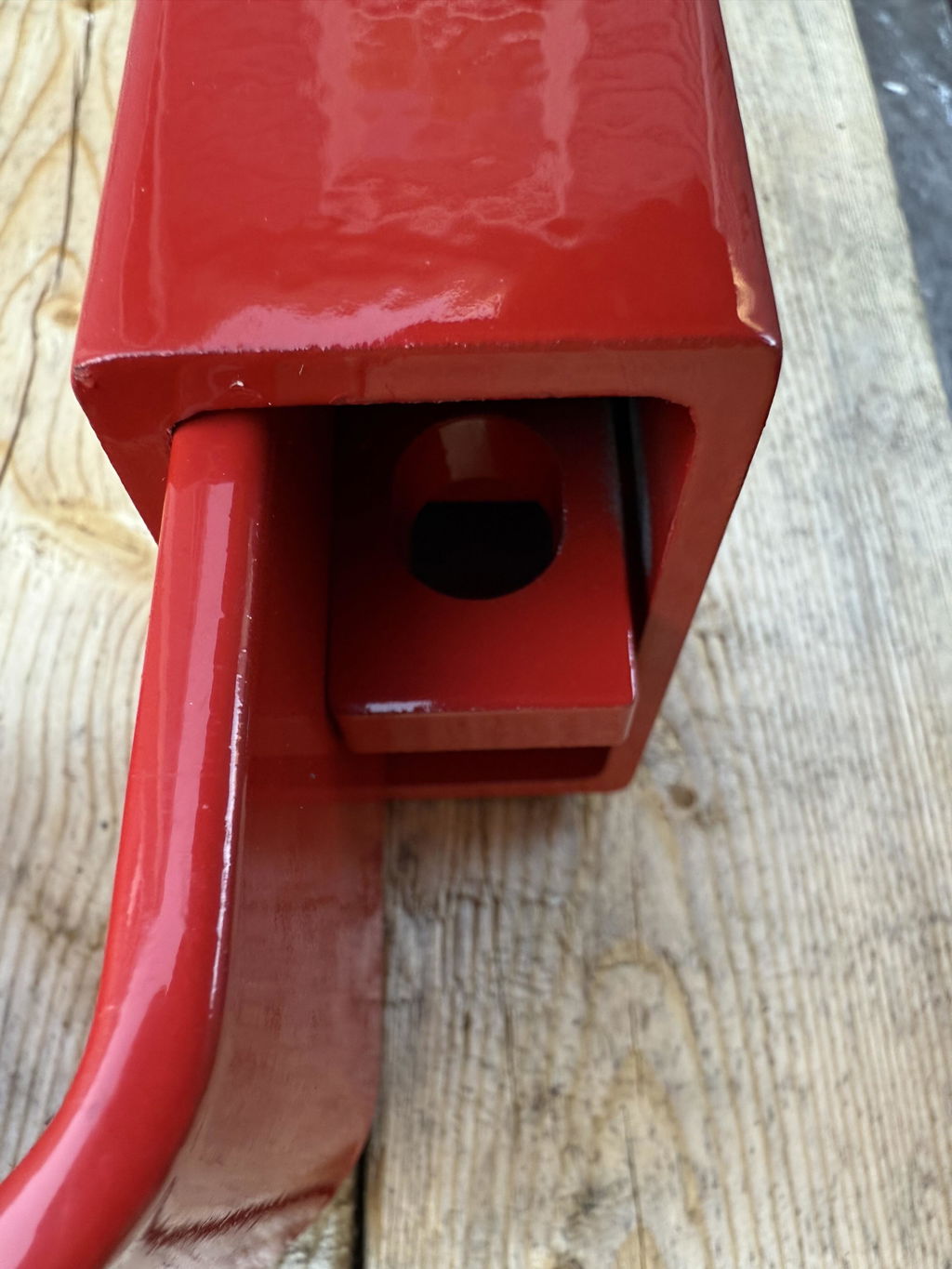
Conex box security locks are unique tools that protect shipping containers by locking the outer door bars with a heavy duty steel clamp on both upright bars. This design hides the lock shackle to stop bolt cutters from reaching the weak points of the door parts and stops thieves from prying the lock. These locks give a clear warning that stops theft and are easy to set up on many container sizes without using any extra tools. Using these locks is the best way to keep a jobsite container safe from the rising threat of cargo theft and gear loss. They provide strong protection that shields your assets while giving fleet managers a simple way to keep security the same across all of their units.
Protecting your assets requires more than just a simple padlock on the door hasp. You must understand how standard gear fails under pressure to find the best lock for shipping container security on your site. The next section examines Why Standard Conex Box Lock Points Are Vulnerable and how purpose-built hardware closes those gaps.
Conex Box Security Locks: Why Standard Conex Box Lock Points Are Vulnerable
Most people think the thick steel walls of a shipping container provide the main security. But the walls are rarely the point of attack. Thieves usually target the door hardware because it is the most exposed part of the unit. Standard conex box security locks often fail because they leave gaps that a simple pair of bolt cutters or a pry bar can hit.
Exposed door hardware risks
The locking bars and handles on a standard conex box sit on the outside of the doors. This design makes them easy to reach with tools. Thieves do not need to cut through steel plate when they can just shear off a soft-steel hasp. In fact, cargo theft losses in the United States hit $725 million in 2025. This was a 60 percent jump from the year before. You can find more about these trends in the Federal Maritime Commission cargo theft report from 2024.
Jobsite theft is also a big problem for builders. About 70 percent of construction pros say they have seen theft on their sites. Once gear is gone, the odds of getting it back are low. Less than 25 percent of stolen equipment is ever found and returned. These big losses happen because standard locks do not stop a fast attack. Using a shipping container locking system that covers these points is vital.
Weak points in standard lock boxes
Many containers come with a factory lock box. This steel shroud is meant to protect the padlock. But many older or cheap lock boxes still leave the padlock shackle partly open. A thief can use a small tool or a saw to reach the shackle from below. If the lock body is not fully hidden, the whole system can fail in seconds.
Soft metal is another issue. Many basic hasps use low-grade steel. A heavy pry bar can bend or snap these points with very little force. High-security locks like the BULL container lock fix this. They wrap around the locking bars to keep all parts of the lock hidden from view. This removes the spots that thieves use to break in.
What to Look For in a Conex Box Security Lock
Picking the right conex box security locks is more than just buying a thick chunk of metal. Cargo theft reached 725 million dollars in 2025 based on data from the Bureau of Justice Statistics. This big jump means you must use a lock that stops common tools. A good lock makes theft hard, loud, and slow. You want a lock that keeps your goods safe from bolt cutters and drills. Look for these key parts before you buy.
Hardened steel and hidden shackles
The best locks use thick, hardened steel to stop saws and torches. Soft steel is easy to cut with a battery power tool. You also need a hidden shackle design. This shape wraps the lock body around the shackle to block bolt cutters. If a thief cannot reach the shackle, they cannot snip it. A shipping container lock guide can show you why a hidden design is the standard for jobsite safety.
The BULL container lock uses this style to protect the locking bars on your box. It weighs over 26 pounds and uses high-grade steel. This heavy weight makes it very hard to move or pry. Standard padlocks often fail because their thin bars are easy to reach and cut. A shroud or clamp design is a better way to stop these attacks.
Anti-drill and anti-pry tech
Smart thieves do not just use force. Some use drills to destroy the lock core. High-end locks have anti-drill parts. These parts use hard discs that spin when a drill bit hits them. This stops the bit from biting into the metal. You should also look for a lock that is shim-proof. This means a thief cannot use a thin piece of metal to pop the latch open. These small details stop skilled theft attempts.
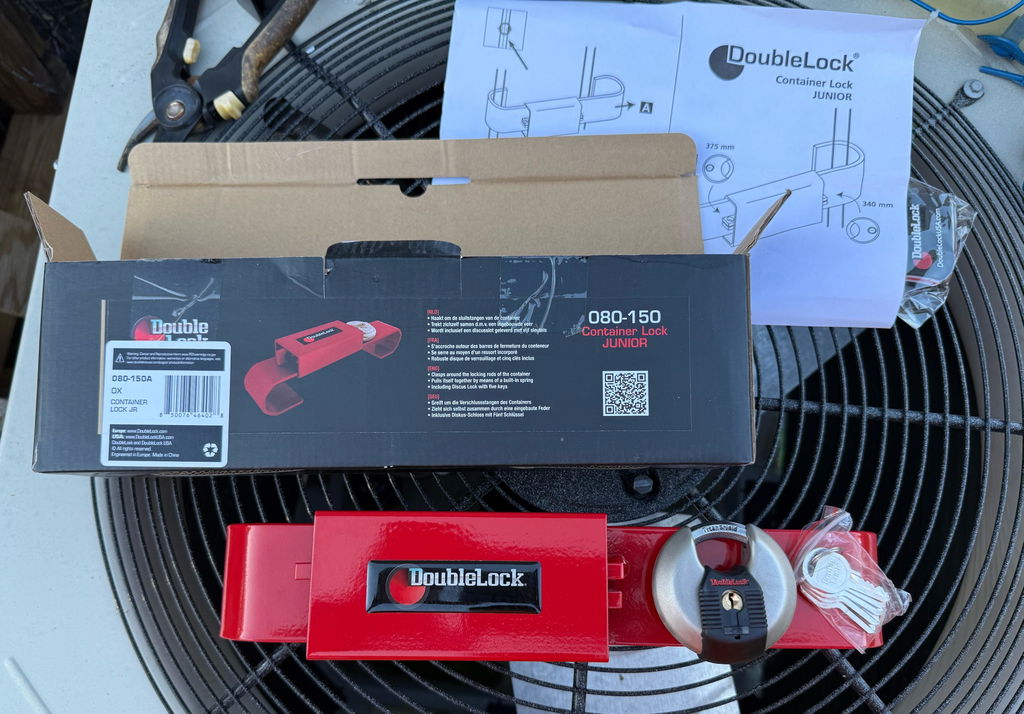
Pry bars are another common tool used against conex boxes. A good lock should have a tight fit that leaves no room for a bar to slide in. DoubleLock products use a clamp style that wraps around both door bars. This makes prying almost impossible. You can check a best lock for shipping container list to see how these clamp locks compare to standard boxes.
Weather proofing and visual alerts
Conex boxes sit outside in rain, snow, and salt air. A lock that rusts will eventually fail or get stuck. Look for tough coated finishes or stainless steel parts. The bright red color on DoubleLock gear also works as a sign. It tells thieves from far away that your box is protected. This visual warning can stop a theft before it even starts. Many thieves look for an easy mark and will skip a box that looks like a fortress.
Make sure the lock is easy to use without special tools. You should be able to set it up in seconds. If a lock is too hard to use, your crew might skip it. A tool-free setup like the RHINO lock saves time and keeps the jobsite secure. Check your shipping container security checklist to ensure your lock fits into your daily routine.
BULL Container Lock: Maximum-Duty Security for Conex Boxes
The BULL Container Lock is the heaviest tool in our line. It weighs 26.5 pounds and is made of solid hardened steel. This weight makes it a top choice for conex box security locks. Its size and strength keep your costly cargo safe. As the FBI warns of more cargo theft across the country, a heavy-duty barrier is key. This lock stops theft by being too tough to cut or break.
Safe Security Grade and Build
This lock is heavy and smart. It has an EU SCM HEAVY rating. This rank shows it can stand up to a large attack and meets high safety standards. At $319.99, the BULL container lock is a wise spend for long-term safety. The steel body resists saws and drills. It wraps around the door bars to hide the shackle. This removes the weak point found in most other locks.
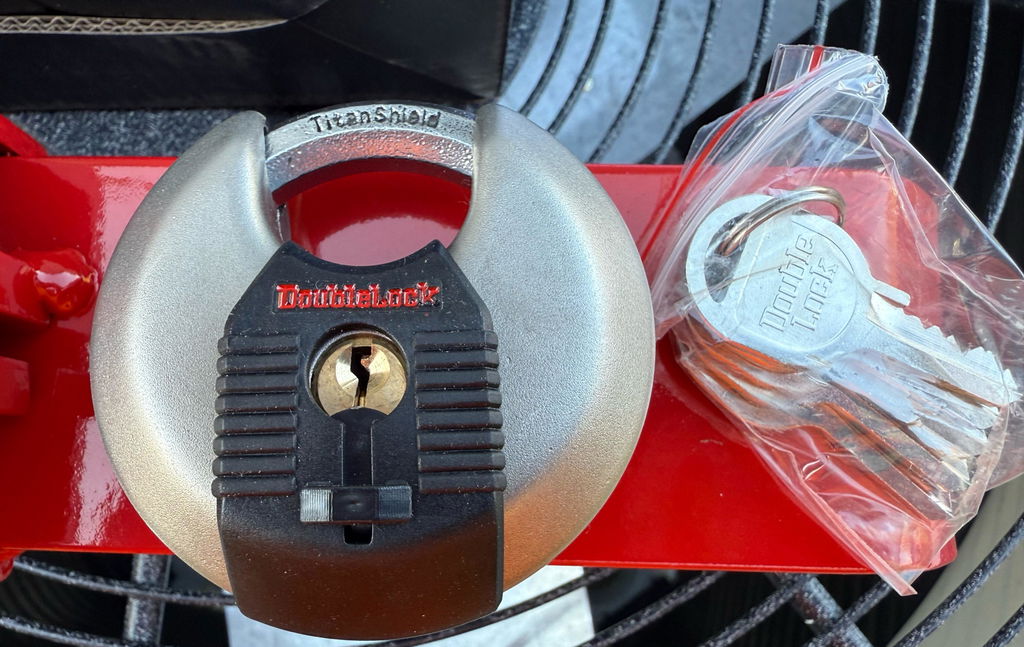
The build also helps in bad weather. It resists rust and wear in rain or snow. You get five laser-cut keys with every unit. These keys are hard to copy. This keeps your access safe at all times. When you look for the best lock for shipping container use, the BULL offers the thickest steel and best test scores.
Easy Fit for Fast Set Up
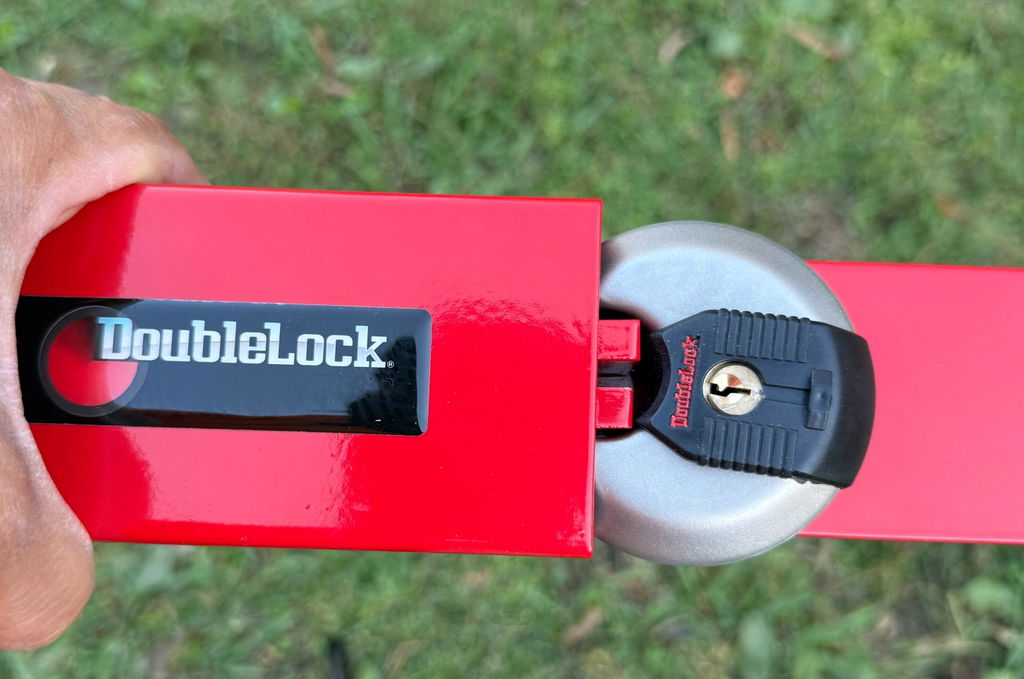
This lock is easy to use. You do not need tools to put it on your box. The clamp design sets up in seconds. It can fit bars that are 9.5 to 16.5 inches apart. This makes it a great choice for many types of boxes and trailers. You just slide the two parts over the bars and lock it. This saves time during a busy day.
The fast set up time helps busy crews. Staff can lock a box and move to the next task with no delay. Since it can fit many widths, you can move one lock between different boxes. The grip stays tight even if the bars are old or bent. This ensures your cargo stays safe during a long haul or in storage.
Visual Warnings and Fleet Options
The red finish on the BULL lock does more than look good. It is a clear warning. A thief can see from far away that your box is locked with a pro tool. This often stops a crime before it starts. They will look for an easier target with a basic lock. Our "strong locks, no bull" style shows through in this design.
For firms with many boxes, we offer a Key Alike fleet choice. You can order many locks that all open with the same key. This makes fleet control much easier. You do not have to track hundreds of keys. You get this setup at the same price as the standard lock. A single key system saves time and stops work delays from lost keys.
RHINO Container Lock: Ultra-Duty Protection for Cargo Containers
The RHINO Container Lock offers ultra-duty protection at a lower price point while still delivering industrial-grade security. At 16.7 pounds of high-grade hardened thick steel, it provides substantial theft deterrence for freight containers, trailers, gates, marine applications, and utility equipment. The RHINO carries EU SCM Standard certification, a recognized security benchmark that signals insurance-grade protection quality.
Design and Build
The RHINO features the same adjustable clamp-style design as the BULL but with a wider clamping range of 10.25 to 18 inches. This broader range makes the RHINO a better fit for containers with wider-set locking bars or non-standard door configurations. The weather-resistant body and red visual deterrent finish signal the same robust protection that the DoubleLock product line is known for. Five precision laser-cut keys come with each unit, and the lock installs without any special tools in seconds.
RHINO vs BULL: Choosing the Right Security Level
Both locks share the same core design philosophy: eliminate exposed shackles, wrap around both locking bars, and provide visible theft deterrence. The choice between them depends on the value of the cargo, site risk level, and budget considerations. The comparison table below shows the key differences at a glance.
| Feature | BULL Container Lock | RHINO Container Lock |
|---|---|---|
| Price | $319.99 | $269.99 |
| Weight | 26.5 lbs | 16.7 lbs |
| Certification | EU SCM HEAVY | EU SCM Standard |
| Clamping Range | 9.5" - 16.5" | 10.25" - 18" |
| Steel Type | Hardened steel (max grade) | High-grade hardened thick steel |
| Keys Included | 5 dual-chamber laser-cut | 5 precision laser-cut |
| Fleet KA Option | Yes (same price) | Yes |
| Best For | High-value cargo, heavy attack risk | Mid-tier fleet, utility, marine, gates |
The BULL is the right choice when cargo value exceeds the cost of the lock many times over and site conditions warrant the heaviest protection available. The RHINO is ideal for fleet managers who need consistent security across multiple containers at a lower per-unit cost. Both locks integrate into the same Key Alike master key system for fleets that use a mix of both models. Visit the RHINO container lock product page for full specifications and ordering details.
How to Lock a Conex Box Safely and Securely
Locking a shipping container needs more than just a simple lock. The design of these boxes leaves many spots open to attack if you do not use the right gear. Using a BULL container lock gives a heavy layer of safety that protects your goods from theft. You can secure your unit in minutes by following these steps.
Prepare the Doors
Start by closing both doors of the conex box all the way. You must turn the door handles until the vertical bars seat into the top and bottom cams. These bars must be flush against the door for the lock to fit well. Check that the handles are locked into their spots before you try to set the clamp.
Set the Clamp Lock
- Position your clamp lock so it wraps around both inner bars of the container.
- Slide the two halves of the BULL or RHINO lock together until the unit fits tight.
- Adjust the clamp to remove any gap so a thief cannot insert a pry bar.
- Turn the key to engage the locking system and secure the device in place.
- Pull on the lock body to verify that it is fully seated and locked.
- Test the doors by trying to pull them apart to ensure they do not move.
- Check the lock one last time before you leave to confirm it is secure.
Add a Lock Box for Padlocks
If you use a padlock, you should add a steel lock box over the hasp. A lock box is a thick steel cover that bolts to the door. It shields the lock shackle from bolt cutters. Without this cover, even a good lock is at risk of being cut. Cargo theft reached 725 million dollars in 2025 according to market data, so these extra steps are needed to stop theft at the jobsite.
For fleet managers, using a RHINO container lock offers a high level of protection that fits many sizes. These locks work well on trailers and gates too. Always use locks made of hardened steel that can resist drills and saws. A bright red lock also helps to keep thieves away from your gear.
Layered Security: Beyond the Conex Box Lock
A high-security lock is the centerpiece of any conex box security plan, but relying on a single defense is rarely enough. Thieves assess the full picture before making an attempt. A layered approach that combines physical barriers, environmental controls, and operational discipline creates a much harder target than any one measure alone.
Yard Controls and Container Placement
Where you place the container matters as much as which lock you use. Position containers in well-lit areas with clear sight lines from occupied buildings or guard stations. Motion-activated lighting that floods the container area when movement is detected eliminates the darkness that thieves rely on. Fencing around the storage yard adds another barrier, forcing intruders to cross more than one perimeter to reach the container.
Avoid placing containers against fences or walls that block visibility on one side. Leave enough space between containers for visual inspection from all angles. Simple layout choices can reduce the number of hiding spots available to someone attempting a break-in. Check the shipping container security checklist for a full rundown of yard control measures.
Surveillance and Access Controls
Security cameras serve both as evidence-gathering tools and visible deterrents. Place cameras to cover the locking mechanism area of each container. Signs announcing video surveillance compound the deterrent effect. For sites without constant power, solar-powered camera systems with cellular connectivity provide reliable coverage in remote locations.
Access logs and chain-of-custody records create accountability for everyone who interacts with the container. Record who opened or closed the container, at what time, and what was moved. This discipline helps detect internal theft patterns and supports insurance claims if cargo goes missing. The Federal Maritime Commission cargo theft report highlights the importance of documentation in post-theft investigations.
Inspection and Maintenance Routines
A lock is only effective when it is in good working condition. Inspect locks and door hardware weekly for signs of tampering, corrosion, or wear. Look for fresh tool marks around the lock body and hasp that might indicate an attempted break. Lubricate the locking mechanism periodically to prevent weather-related sticking.
Train every crew member on proper locking procedures. One person leaving the container unlocked or using a substandard backup lock can undo the protection that a BULL or RHINO lock provides. Consistent enforcement of security protocols across all shifts and all containers reduces the human error factor that thieves exploit.
Frequently Asked Questions
What is the best lock for a conex box?
The best lock for a conex box is a heavy-duty clamp-style lock like the DoubleLock USA BULL or RHINO. These locks wrap around the container vertical locking bars and eliminate the exposed shackle that bolt cutters target. The BULL carries EU SCM HEAVY certification at 26.5 pounds of hardened steel, while the RHINO offers SCM Standard protection at 16.7 pounds.
Can you cut through a conex box lock?
Hardened steel locks resist cutting with bolt cutters and most hand tools. Clamp-style locks that encase both locking bars leave no exposed shackle for tools to grip. While no lock is indestructible against a sustained attack with powered equipment. Purpose-built conex box security locks significantly increase the time, noise, and effort required to breach the container.
How do you lock a conex box securely?
Close both doors fully so the vertical locking bars align flush. Position a clamp-style lock like the BULL or RHINO to wrap around both locking bars. Adjust the clamp so it fits snugly with zero gaps. For padlock-based setups, add a steel lock box that shields the shackle from cutting tools. Test that the doors cannot be pried apart before leaving the container unattended.
Do I need a lock box with a clamp-style conex lock?
Clamp-style locks like the BULL and RHINO are self-contained. They wrap around the locking bars and the lock body itself shields the internal mechanism from attack. No separate lock box is needed. If using a heavy-duty padlock instead of a clamp lock, a steel lock box is essential to protect the shackle from bolt cutters.
What makes a conex box lock weather-resistant?
High-quality conex locks use hardened steel with powder-coated or corrosion-resistant finishes that withstand rain, dust, salt, and temperature swings. Weather resistance prevents rust that can jam locking mechanisms over time and weaken the structure. DoubleLock container locks include weather-resistant construction rated for outdoor jobsite conditions where containers sit exposed for months or years.
Secure Your Conex Box with High-Performance Locks
Conex box security locks from DoubleLock USA provide the industrial-grade protection that contractors, fleet managers, and storage operators need to protect valuable cargo and equipment. The BULL and RHINO container locks deliver EU-certified security with tool-free installation and weather-resistant construction that handles the toughest jobsite conditions.
Browse the container locks collection to find the right fit for your operation. Fleet and bulk buyers can request a wholesale quote through the DoubleLock USA wholesale channel. For immediate purchases, add to cart and ship direct. To discuss fleet pricing or large orders, call (561) 289-4865.