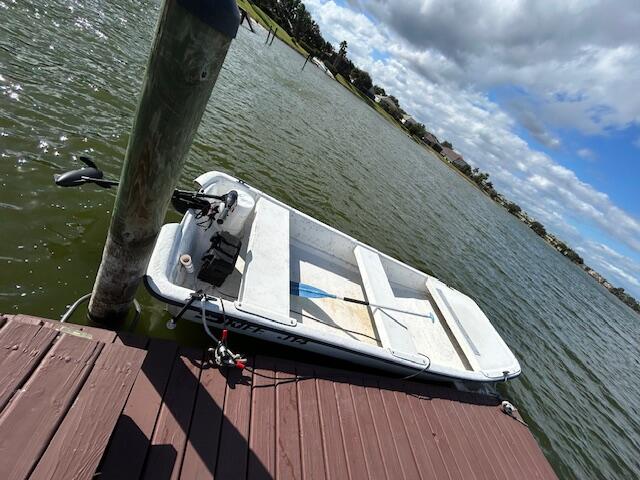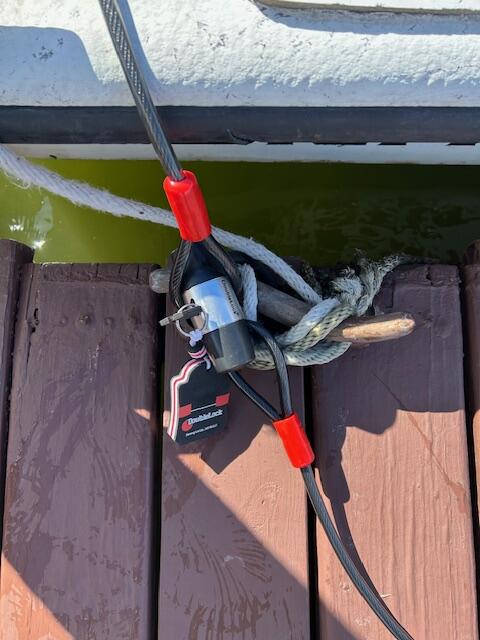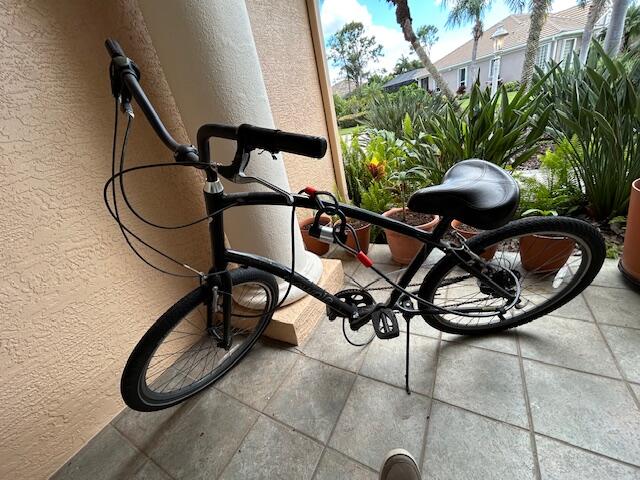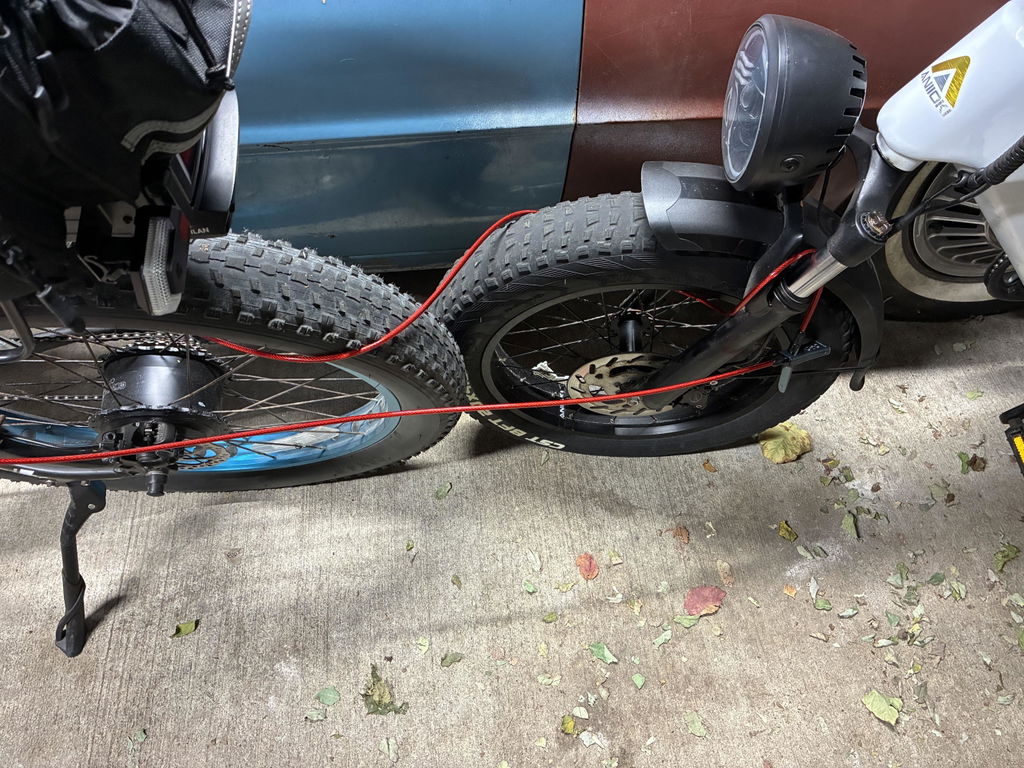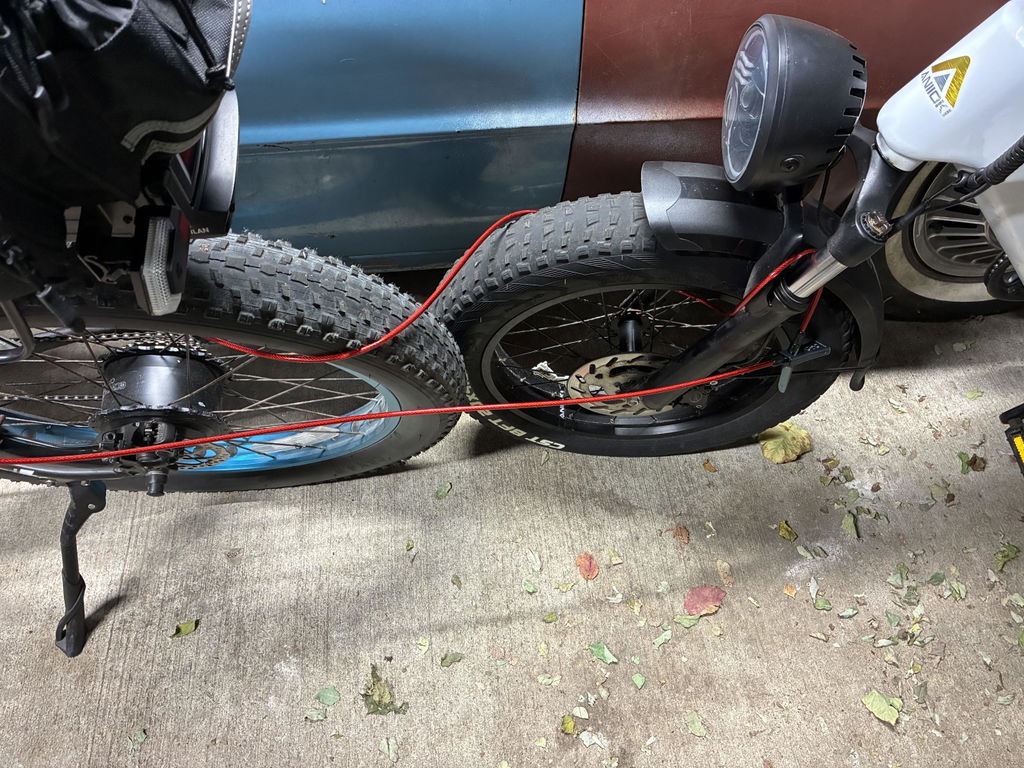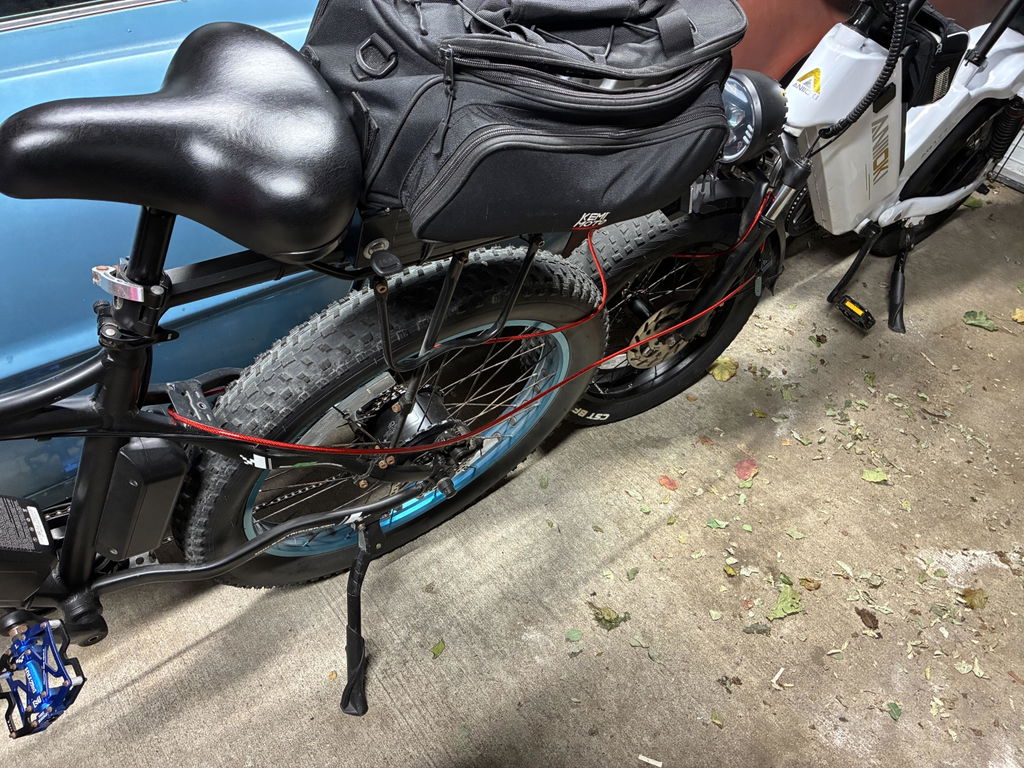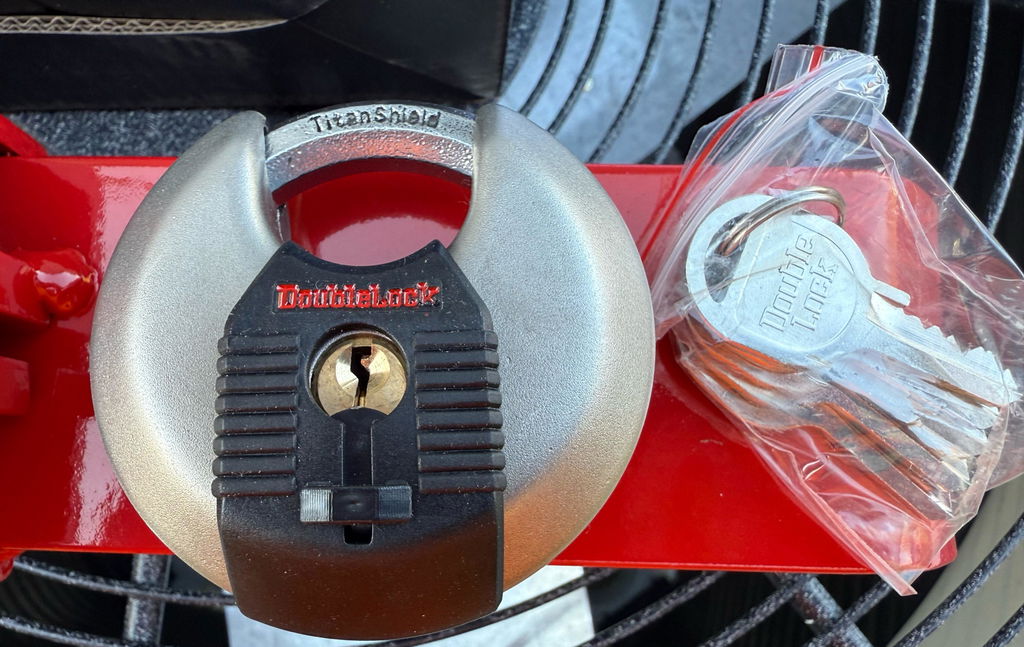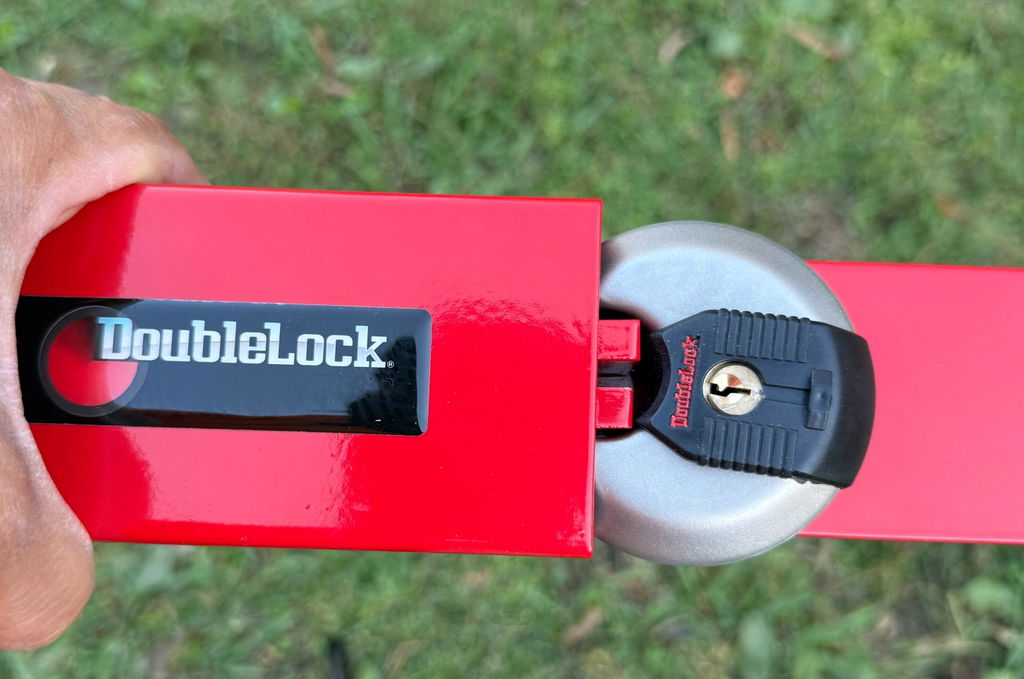


Shop the truck and trailer lock collection to compare purpose-built coupler, hitch pin, and receiver locks built for your setup.
To buy anti-theft trailer hitch lock hardware with confidence, first identify whether you need a coupler lock, locking hitch pin, or receiver lock. Choose purpose-built, weather-resistant hardware that fits your exact setup and treats the lock as a strong theft deterrent, not an undefeatable guarantee.
Why a Trailer Hitch Is a Target for Thieves
A trailer hitch exposes a direct path to a valuable asset. When a trailer sits unattended, a thief does not need to break into a building or defeat a complex alarm system. The attacker may only need to separate the trailer from its tow vehicle, connect it to another vehicle, and leave. That risk extends beyond the trailer itself. Cargo, tools, machinery, generators, recreational equipment, and marine gear can all increase the value of a single unattended unit.
The scale of cargo theft shows why trailer security deserves deliberate planning. The FBI describes cargo theft as a multi-billion-dollar criminal industry that targets both high-value goods and everyday consumer products. Its assessment also notes that organized theft rings target vulnerabilities throughout the logistics chain. Cargo losses reached $725 million in 2025, according to the customer research brief. The FBI's cargo theft overview explains why owners and fleet operators must treat physical access points as part of their security plan.
Thieves look for speed and low resistance
Not every theft involves a sophisticated operation. Opportunistic thieves look for equipment that offers a fast, quiet exit. Purdue Extension identifies opportunistic, career, and internal threats among the common types of trailer thieves. That distinction matters because a visible, purpose-built lock changes the calculation at the point of attack. A thief who expects a quick removal now faces additional time, noise, tools, and exposure.
A hitch lock does not make a trailer undefeatable. It creates a physical obstacle that complicates unauthorized coupling, detachment, or movement. That first layer matters most when the trailer sits in a driveway, jobsite, yard, or parking area where an attacker can work without immediate supervision. It matters even more when the asset carries equipment that would be expensive or disruptive to replace.
Storage facilities increase the exposure window
Storage facilities create a predictable risk pattern: trailers remain unattended for long periods, often with owners checking them only occasionally. Customer research identifies these facilities as high-risk environments that require robust physical security. A lock that visibly covers the coupler or secures the hitch connection gives staff. Owners, and neighboring tenants a clear security signal while adding a real barrier to removal.
Use the hitch lock as one part of a layered approach. A Federal Maritime Commission cargo theft report describes combatting cargo theft as a challenge that requires coordinated action across shipping, logistics, and physical security. The FMC's cargo theft report supports treating a lock as foundational hardware, not a complete security system. Pair it with controlled key access, well-lit parking, documented inspections, and a second security layer suited to the trailer and cargo.
That layered logic gives owners a practical standard: secure the connection thieves need to control first. If you need a deeper look at the hardware and deterrence features behind a truly secure anti-theft trailer hitch lock, start with the lock's fit, construction, visibility, and resistance to forced entry.
Coupler Locks vs Hitch Pins vs Receiver Locks
The right lock depends on which part of the towing system you need to secure. A coupler lock blocks the trailer from connecting to a tow ball. A locking hitch pin secures the hitch accessory inside the receiver. A receiver lock protects the receiver assembly and its removable components. These locks do different jobs, so choosing based on trailer type and use matters more than choosing the most impressive-looking product.
Use the comparison below to match the hardware to the theft risk you need to address. For many owners, one lock covers the primary vulnerability. A trailer that remains unattended, carries valuable equipment, or changes hands across a fleet may justify layered protection. No lock is undefeatable, but the right lock makes unauthorized coupling, removal, or movement more difficult and time-consuming.
| Lock type | What it secures | Cost | Installation effort | Security level | Best for |
|---|---|---|---|---|---|
| Coupler lock | Blocks a tow ball from entering the trailer coupler. | Low to moderate, depending on design and construction. | Low. Fit it across or into the coupler when the trailer is disconnected. | Strong primary deterrent against unauthorized coupling. | Parked utility, cargo, boat, and equipment trailers. |
| Locking hitch pin | Secures the hitch pin inside the vehicle receiver. | Low to moderate. | Low. Replace the standard cotter-pin setup with a locking pin. | Strong protection against removing the hitch accessory from the receiver. | Owners who tow regularly or leave a ball mount installed. |
| Receiver lock | Protects the hitch receiver assembly and its removable connection points. | Moderate, based on the receiver and lock design. | Low to moderate. Confirm the lock matches the receiver before fitting it. | Strong receiver-level deterrent for valuable towing equipment. | Trucks, SUVs, fleets, and high-value transport setups. |
Choose the lock around the trailer's vulnerable point
A coupler lock is the direct choice when the trailer sits detached from the tow vehicle. Its purpose is simple: prevent a thief from placing a compatible ball into the coupler and towing the trailer away. Coupler locks vary by hitch type, so verify the coupler size and model before ordering. A lock that does not fit tightly leaves the primary connection exposed.
A locking hitch pin addresses a different threat. It keeps the pin secured within the receiver and upgrades the common cotter-pin arrangement, which is easy to remove. Select the correct pin diameter and receiver fit, then use it when a ball mount, drawbar, or other hitch accessory remains installed. This option suits drivers who tow frequently and want practical security without removing the accessory after every trip.
A receiver lock protects the receiver assembly itself, making it useful when the hitch hardware represents a valuable or frequently targeted part of the vehicle. Match the lock to the receiver dimensions and the accessory being secured. If the trailer stays connected, consider which connection point a thief could attack first. Then address that point with the purpose-built lock rather than assuming one lock covers every vulnerability.
How to Buy an Anti-Theft Trailer Hitch Lock That Fits Your Setup
The right lock starts with the connection you need to secure. A coupler lock blocks a towing ball from entering the trailer coupler. A locking hitch pin secures the hitch accessory inside the receiver. A receiver lock protects the hitch assembly itself. Each option addresses a different theft point, so choose hardware that matches how your trailer connects, moves, and sits unattended.
-
Identify your hitch type
Start at the trailer's connection point. A ball coupler needs a coupler lock that fits over or inside the coupler and prevents unauthorized coupling. A receiver-mounted trailer or accessory needs a locking hitch pin that passes through the receiver and hitch shank. A removable receiver or hitch assembly may need a receiver lock to keep the assembly from being taken. If your setup uses more than one connection point, a layered approach may call for more than one lock. Review the trailer hitch lock pin guide before choosing a pin-based system.
-
Measure the coupler or receiver size
Do not rely on a product photo or a general label such as "universal." Measure the coupler opening and compare it with the lock's published dimensions. Coupler locks vary by hitch type, so owners must verify the size and model before purchase. For a locking hitch pin, measure the receiver and hitch-shank hole diameter, then confirm the usable pin length and head clearance. The lock should pass fully through the aligned holes without binding, excessive movement, or exposed hardware that interferes with the receiver.
-
Choose the lock type for the theft point
Use a coupler lock when the main risk involves someone attaching a vehicle to an unattended trailer. Use a locking hitch pin when you need to secure the trailer or hitch accessory to the receiver during towing or storage. Use a receiver lock when protecting the hitch assembly itself matters, especially on a high-value transport setup. A locking pin also upgrades a standard cotter-pin connection by replacing an easily removable retainer with a theft deterrent. Compare the options in this locking hitch pin buyer's guide.
-
Check materials, weather resistance, and key security
Look for rugged construction designed to resist forced entry and withstand the environment where the trailer operates. Effective physical deterrence must make cutting, prying, or removal more difficult and time-consuming. Outdoor trailers need weather-resistant hardware, while marine applications demand corrosion resistance around salt water. Check the key system as carefully as the lock body. Fleet managers should consider distinct keyed systems and a controlled key plan for multiple trailers. Protect keys and master-key information because access to a master key can compromise even a robust lock.
-
Verify compatibility before installation
Match the lock to the exact coupler, receiver class, pin diameter, and clearance around the connection. Test the fit before putting the trailer into service. The lock should close completely, leave no critical gap, and avoid contact with moving parts. Confirm that you can operate the key in the installed position and remove the lock without forcing it. A properly fitted hitch lock complicates unauthorized movement, but no lock is undefeatable. Select a serious deterrent for the value and exposure of the asset, then pair it with sensible storage and access controls.
What a Truly Anti-Theft Lock Is Made Of
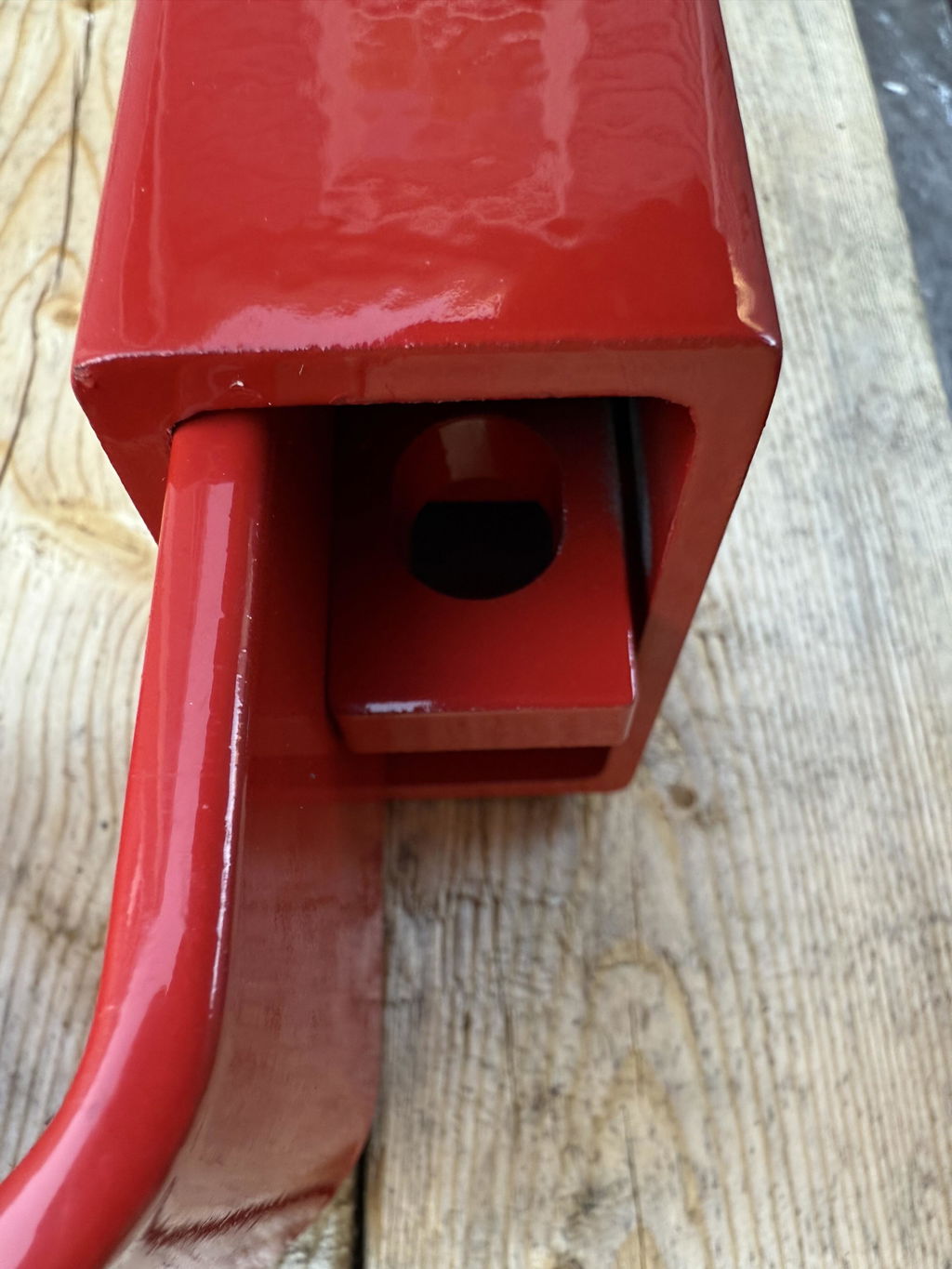
A serious anti-theft lock starts with the material surrounding the locking mechanism. Reinforced and hardened steel gives the body, shackle, or locking components the strength to withstand the force thieves apply with bolt cutters, grinders, and pry bars. That construction does not make a trailer invulnerable. It makes unauthorized removal slower, louder, and more difficult, which raises the risk for the thief and improves the lock's value as a physical deterrent.
Steel that resists forced entry
Thin stamped metal may look substantial until a thief attacks it at the weakest point. Industrial-grade construction uses robust steel components and precise fitment to reduce exposed gaps and limit leverage. A strong lock should force an attacker to spend more time cutting, grinding, or prying instead of allowing a quick defeat with common tools.
That distinction matters when a trailer sits unattended at a storage facility, jobsite, or roadside location. Purdue Extension identifies devices that slow down or complicate theft as effective deterrents against opportunistic thieves. A lock that demands significant time, noise, and effort can push a thief toward an easier target. Purdue's theft-prevention guidance supports that basic security principle.
Construction that stands up to the environment
Outdoor hardware faces more than deliberate attack. Rain, road spray, mud, temperature swings, and long storage periods can degrade poorly protected components and make a lock difficult to operate. Weather-resistant construction preserves the lock's function through the conditions trailers and equipment face every day. For marine applications, corrosion resistance becomes even more important because salt-water exposure accelerates deterioration. Boat owners and marine operators should select hardware designed for that environment rather than treating a standard indoor lock as an equivalent substitute.
Precision also matters. European engineering heritage reflects a focus on accurate manufacturing, consistent fit, and dependable mechanical operation. Those details support the larger industrial-grade build required for trailers, construction equipment, shipping assets, and marine hardware. The goal is not decorative weight. The goal is a purpose-built lock that fits its application and maintains a dependable barrier when the asset is parked.
Visibility adds another layer of deterrence
Physical strength works best when thieves recognize the obstacle before they commit to an attack. Bright, visible colors and an unmistakable locking body signal that the trailer has dedicated security hardware. Research from Purdue Extension notes that visible security measures can act as immediate psychological deterrents, encouraging opportunistic thieves to look elsewhere. A conspicuous lock does not replace hardened construction, but it can prevent a thief from mistaking an unsecured trailer for an easy opportunity.
No lock is undefeatable, and responsible security planning should acknowledge that limit. Choose hardware that matches the trailer, the environment, and the value of the asset, then combine it with sound parking and key-control practices. The strongest anti-theft lock reduces risk by making unauthorized movement difficult, time-consuming, and conspicuous.
Where to Buy an Anti-Theft Trailer Hitch Lock
Where you buy a trailer hitch lock affects more than convenience. General hardware retailers such as Lowe's may offer basic towing hardware, while specialty outdoor and equipment retailers such as Northern Tool may carry trailer-focused options. Those stores can work when you already know the exact lock type and dimensions your setup requires. The risk comes when a low-cost, generic lock leaves important questions unanswered: Does it fit the coupler or receiver? Will the locking mechanism withstand weather? Can you manage keys across multiple trailers?
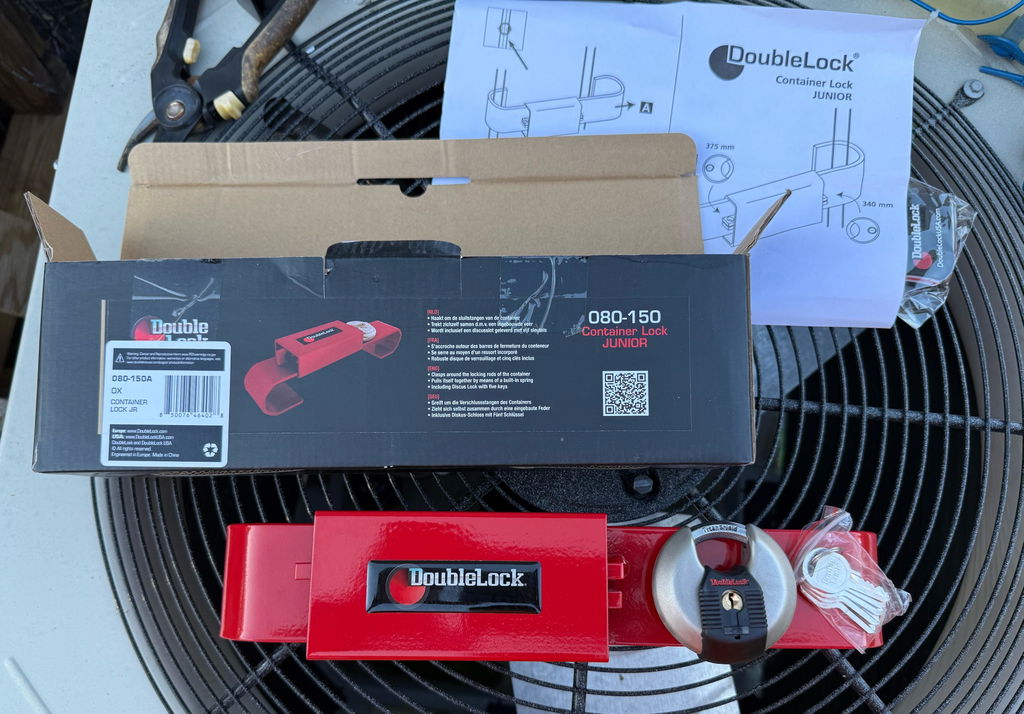
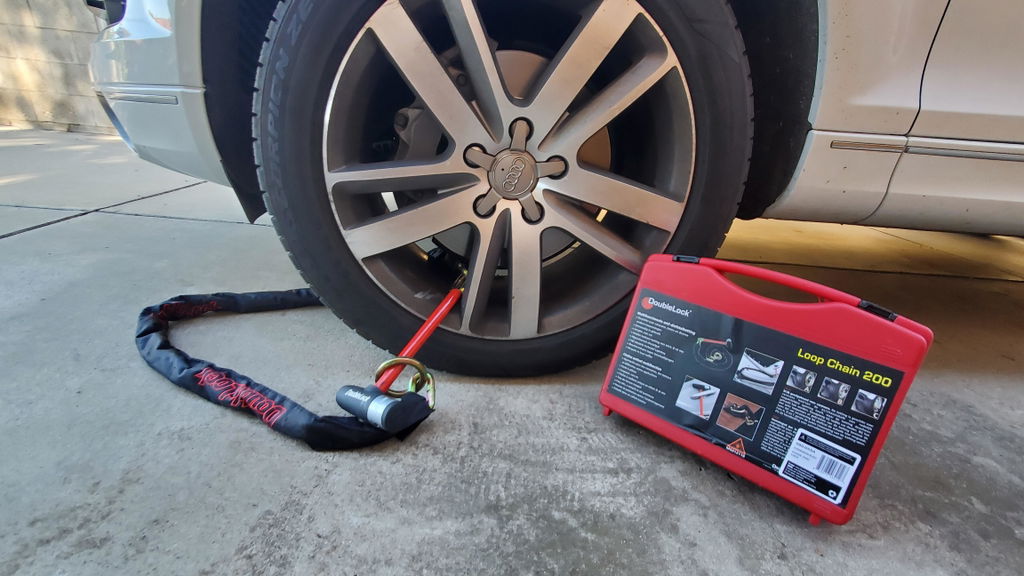
Buying direct from a security manufacturer gives you a clearer path to the right application. DoubleLock USA focuses on industrial-grade theft deterrence for trailers, shipping containers, construction equipment, and marine assets. That purpose-built focus matters because a coupler lock, hitch pin, and receiver lock secure different points in the towing system. A manufacturer can organize those choices by application instead of treating every lock as interchangeable.
Look for reinforced construction, weather-resistant components, and a locking design that makes unauthorized coupling or detachment more difficult. No lock is undefeatable, but a visible, purpose-built deterrent raises the time, noise, and effort required to move an unattended trailer. That makes the lock especially valuable when a trailer sits at a storage facility, jobsite, or yard.
Direct purchasing also makes fleet planning easier. Fleet managers need more than one lock in a box. They need consistent hardware, controlled key access, and a practical replacement process. A keyed system designed around fleet requirements can simplify key management across multiple trailers and support broader theft-deterrence and insurance-compliance procedures. Confirm the keying approach, quantities, and application compatibility before placing a bulk order.
For individual owners, start by matching the lock to your coupler, receiver, and towing routine. For contractors, logistics teams, rental operators, and other commercial buyers, ask about wholesale ordering and fleet requirements rather than piecing together unrelated retail products.
Shop the truck and trailer lock collection
DoubleLock USA also supports fleet and wholesale buyers who need bulk quotes, coordinated keying, or repeatable security hardware across a larger equipment group. Request a wholesale quote after confirming your trailer types, lock quantities, and key-management needs.
Frequently Asked Questions
What is the best anti-theft hitch lock for my trailer?
The best lock matches the point you need to secure. Choose a coupler lock to block a towing ball from entering the coupler. A locking hitch pin to secure the hitch accessory inside the receiver, or a receiver lock to protect the hitch assembly itself. Match the lock to your trailer type, coupler dimensions, receiver size, and storage conditions.
Do hitch locks prevent theft?
Hitch locks act as physical deterrents rather than absolute guarantees. A properly used lock complicates unauthorized coupling or movement, adds time and noise, and makes your trailer a less attractive target. Combine it with layered measures such as secure parking, lighting, and controlled key access. No lock is undefeatable.
Are coupler locks better than hitch pin locks?
Neither option is universally better. A coupler lock protects the trailer when it sits disconnected by blocking the coupler opening. A hitch pin lock secures the connection between the receiver and hitch accessory during towing. Many owners need both because each protects a different failure point.
How do I choose the right trailer hitch lock?
Start by identifying whether you need coupler, hitch pin, or receiver protection. Measure the coupler or confirm the receiver and pin diameter, then verify model compatibility before buying. Prioritize hardened, weather-resistant construction for outdoor storage, marine use, or jobsite exposure. Select a visible, purpose-built deterrent sized for the value and risk of the trailer.
Can I use an anti-theft lock while towing?
Some hitch pin and receiver locks are designed to remain installed during towing, while a coupler lock generally belongs on a disconnected trailer. Follow the product's installation and towing instructions. Never install a lock where it could interfere with full coupling, articulation, safety chains, or hitch movement.
Ready to Secure Your Trailer Setup?
The right lock starts with matching the hardware to your trailer, hitch, and towing equipment. Shop purpose-built options for the setup you need, or contact the DoubleLock team about a fleet order. Shop the truck and trailer lock collection and choose a practical theft deterrent built for real-world towing.