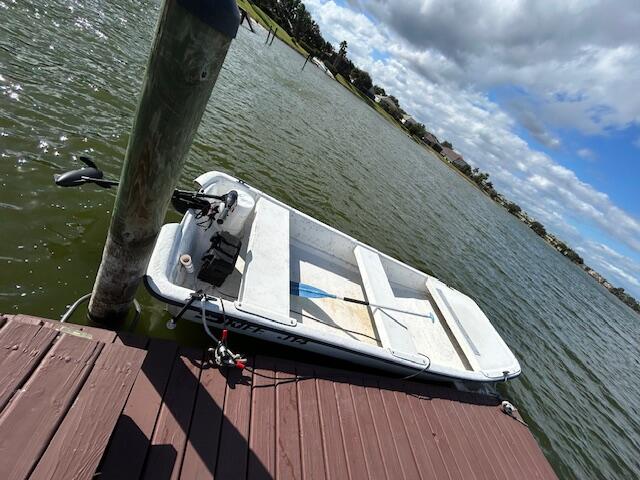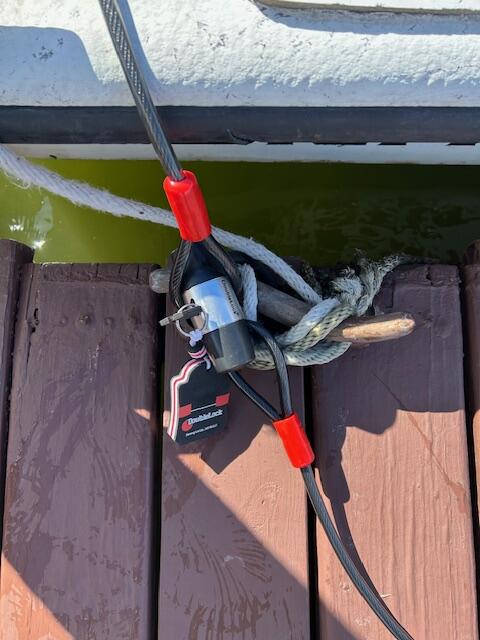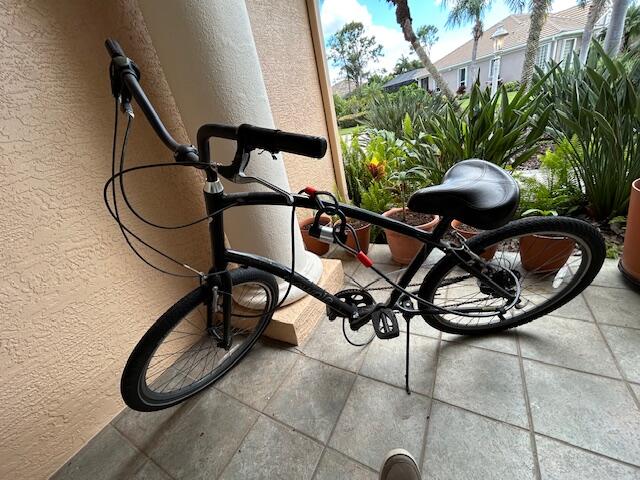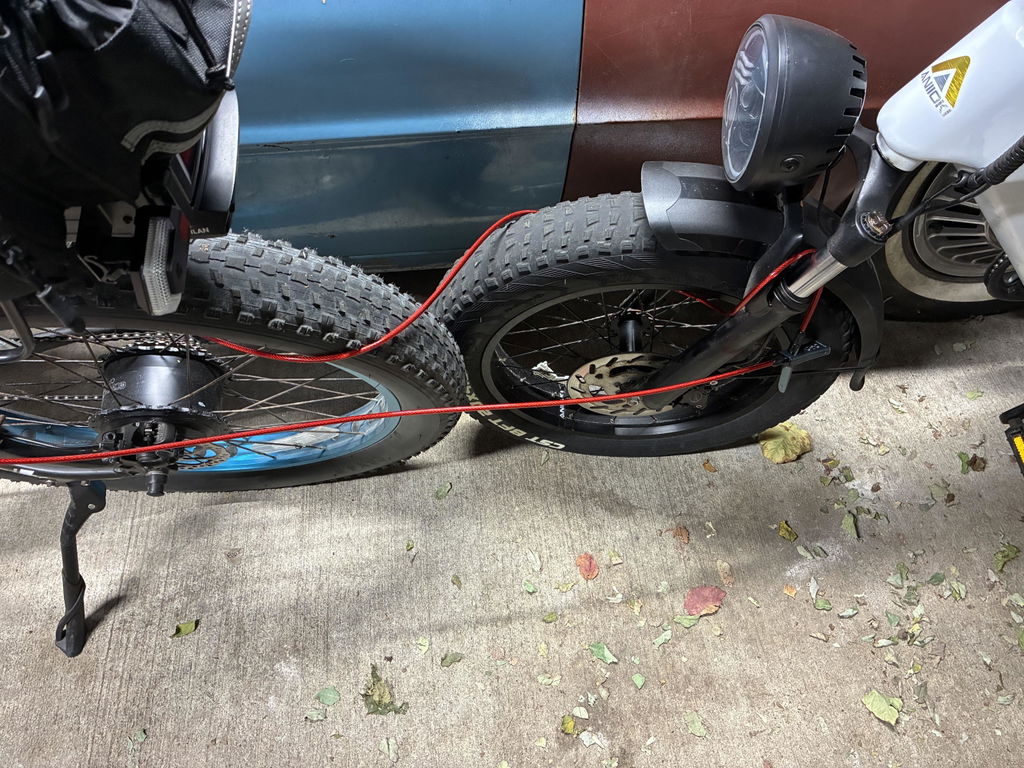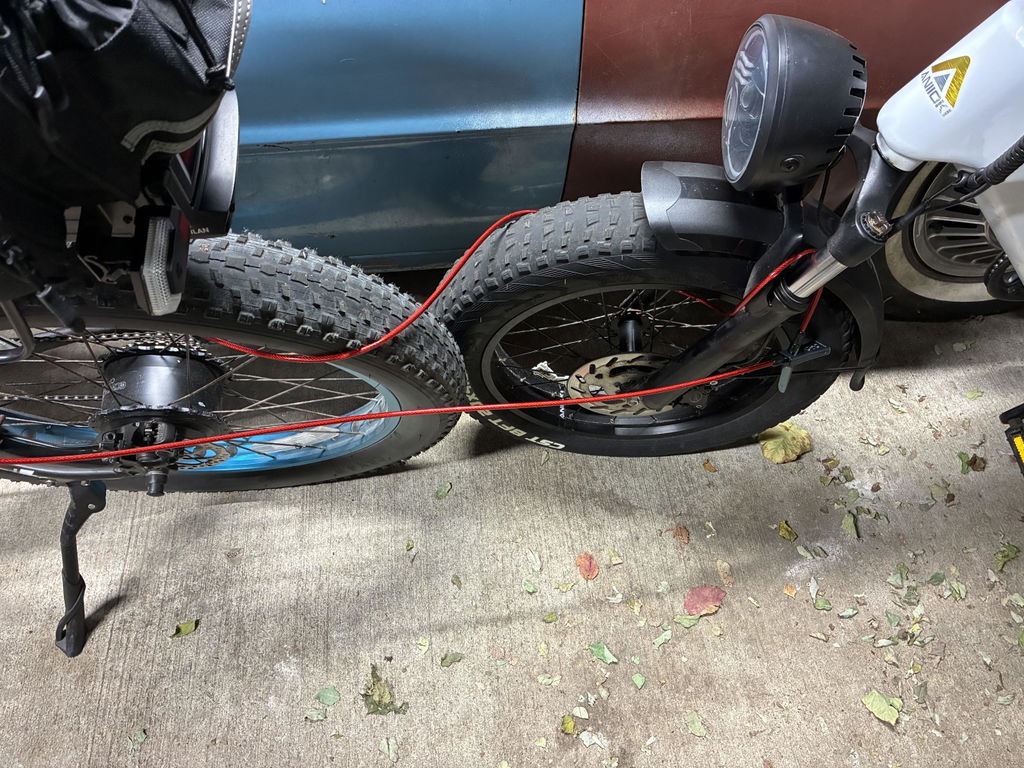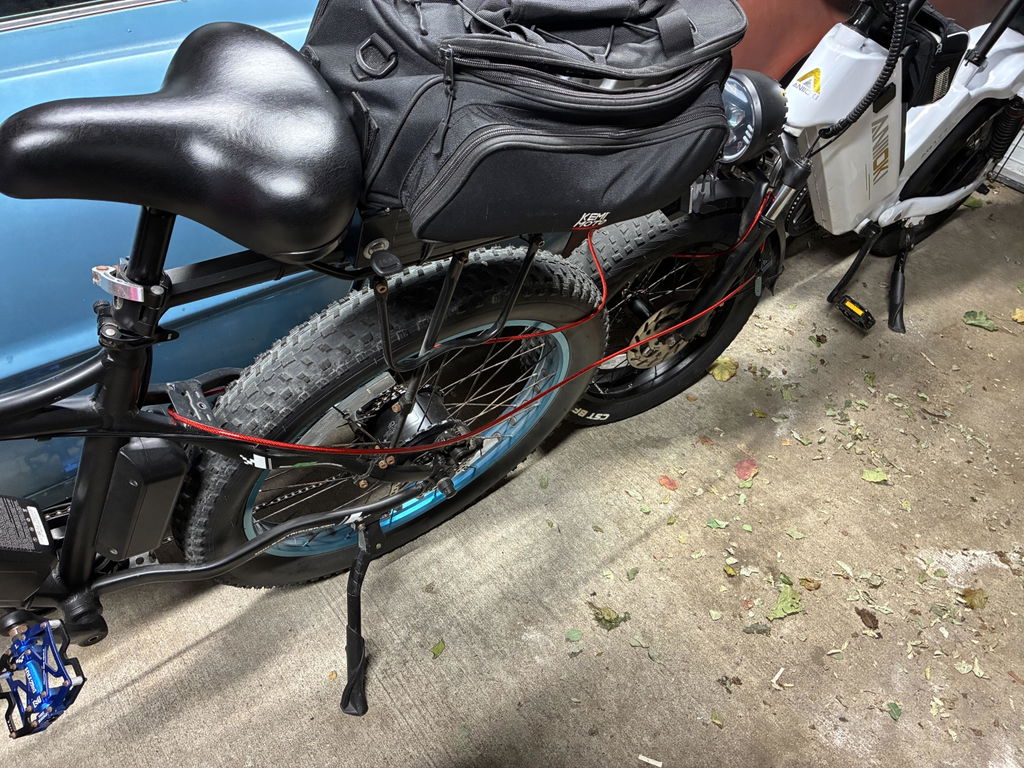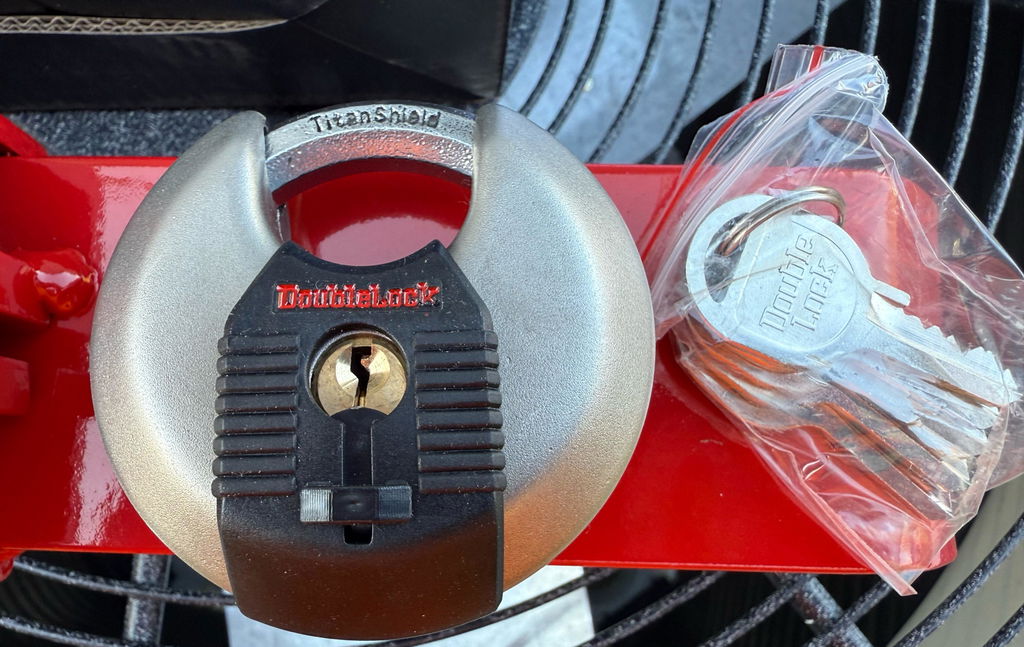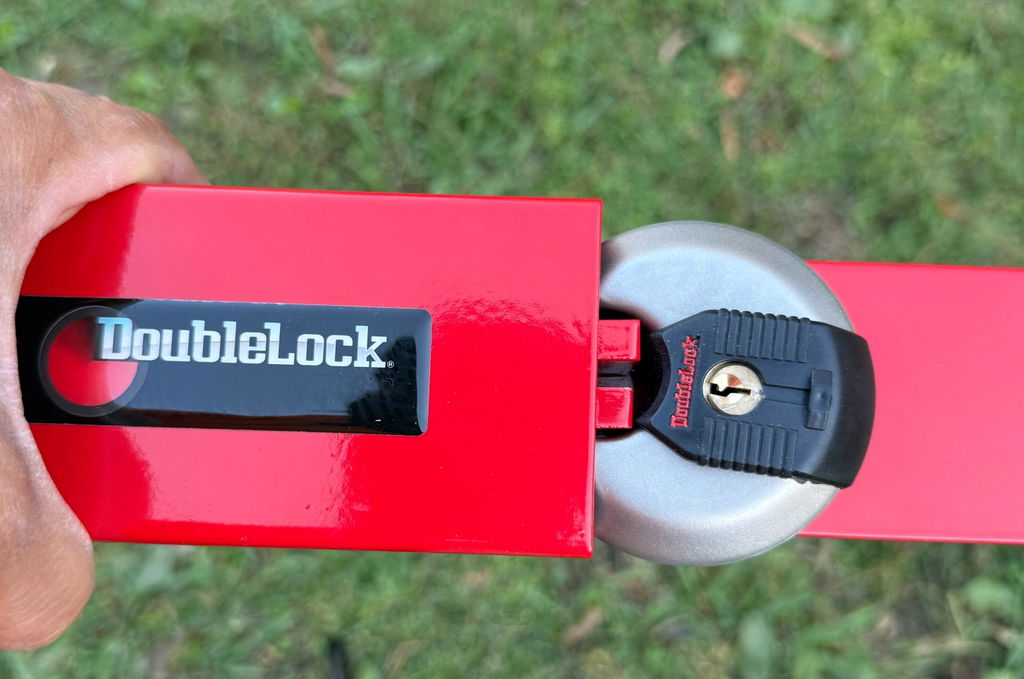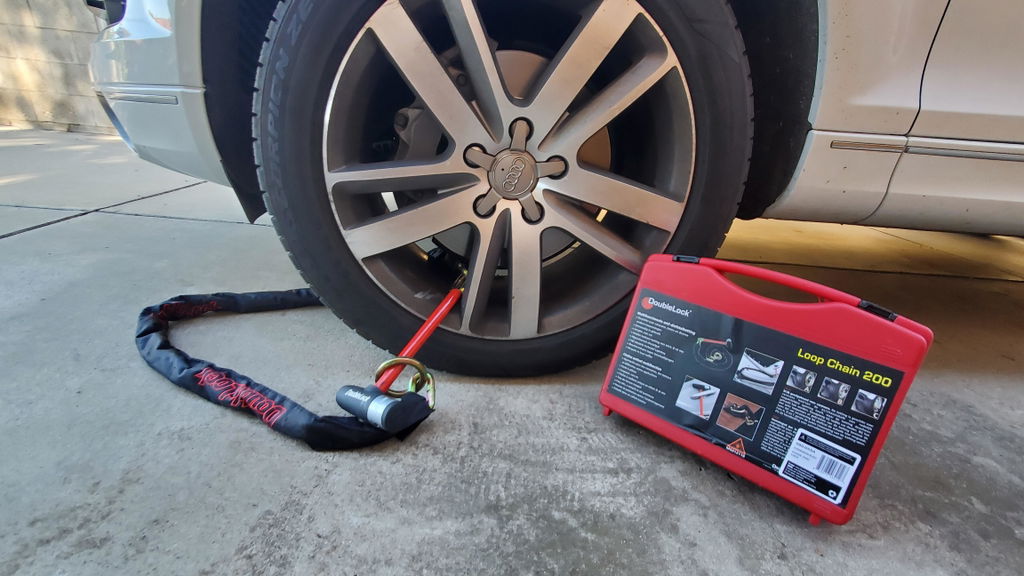

Securing your trailer requires a layered approach. Relying on a single security device leaves your investment vulnerable, but combining several tools creates a formidable defense. Your first and most visible layer of protection starts at the wheel. A bright, sturdy wheel clamp trailer device is a powerful visual deterrent. It sends a clear message: this trailer is protected, so move on. We'll cover what makes these devices so effective and how to pair them with other security gear for complete protection and peace of mind.
Key Takeaways
- Layer your security for maximum protection: A single lock is not enough. Combine a wheel clamp with a coupler lock, a locking hitch pin, and high-security padlocks to create a comprehensive system that secures every vulnerable part of your trailer.
- Use a wheel clamp as a visual deterrent: A clamp’s most important job is to make your trailer a difficult target. Its large, bright appearance signals to thieves that stealing it will be slow and noisy, encouraging them to move on.
- Ensure your clamp is high-quality and fits correctly: The effectiveness of a wheel clamp depends on its construction and fit. Choose one made from hardened steel with a pick-resistant lock, and make sure it fits your tire snugly to prevent it from being pried off.
What Is a Trailer Wheel Clamp and Why Use One?
A wheel clamp, sometimes called a tire lock or a boot, is a heavy-duty security device that attaches directly to the wheel of your trailer. It’s designed to prevent the wheel from rotating, which effectively immobilizes your trailer and makes it nearly impossible for someone to tow it away. By locking onto the wheel, it creates a strong physical barrier against theft.
The main reason you need a wheel clamp is for its power as a deterrent. These devices are typically large and brightly colored, sending a clear message to potential thieves that your trailer is protected. Most thieves are looking for a quick and easy target. When they see a robust clamp, they are more likely to move on to something less secure. It’s a simple and effective way to make your trailer a much harder target.
Beyond just looking tough, a quality wheel clamp provides a formidable physical barrier that is a key part of any trailer security plan. While no single device can offer a 100% guarantee against a highly determined thief, a wheel clamp makes the process of stealing your trailer much more difficult, time-consuming, and noisy. This added protection gives you peace of mind, knowing you’ve taken a critical step to secure your valuable asset.
Common Names and Broad Applications
While you might know it as a wheel clamp, this security device goes by several other names. You may hear it called a wheel boot, a parking boot, or even a Denver boot. Though the names vary, they all describe the same thing: a device that attaches to a wheel to prevent it from turning. This simple but effective concept has found a wide range of applications. Law enforcement and parking authorities use them to manage illegally parked vehicles and collect fines. For everyday people like us, they serve as a powerful tool to protect our property, from cars and RVs to the trailers we rely on for work and recreation.
The Origins of the Wheel Immobilizer
The story of the modern wheel immobilizer begins not in a security lab, but with a concert violinist. In 1944, a man named Frank Marugg, a musician and inventor from Denver, Colorado, created the first prototype. He was friends with several police officers and wanted to help them find a better way to handle parking violations without having to tow vehicles, which was a costly and cumbersome process. His invention was a relatively simple, yet ingenious, device that could be attached to a car’s wheel to stop it from moving. This allowed authorities to immobilize a vehicle on the spot, forcing the owner to address their outstanding fines before it could be removed.
The city of Denver officially began using Marugg’s invention in 1955, and it proved to be incredibly effective. The city was able to collect a significant amount of money in unpaid fines that might have otherwise been lost. The success of the device in Denver did not go unnoticed. Soon, other cities across the country and around the world began adopting this new tool for parking enforcement. What started as a solution for a local problem quickly became a global standard, paving the way for the robust security devices we use today to protect our own valuable assets from theft.
A Brief History of the "Denver Boot"
You’ve likely heard the term "Denver boot" used to describe a wheel clamp, and there’s a simple reason for that. The name is a direct nod to the device's origins in Denver, Colorado. Because Denver was the first city to widely adopt and popularize Frank Marugg's invention for parking enforcement, the device became inextricably linked with the city's name. Much like how some people call all tissues "Kleenex," the "Denver boot" became a generic term for this type of vehicle immobilizer. Even today, decades later and thousands of miles from Colorado, people still refer to these clamps as Denver boots, a testament to the city where it all began.
Beyond Theft Prevention: Other Official Uses
While our main focus is using a wheel clamp to prevent trailer theft, it’s interesting to see how authorities use the same tool for different purposes. For municipalities, the device is a versatile instrument for enforcement. Its most common official use is for punishing parking violations, immobilizing a vehicle that has overstayed its welcome or is parked illegally. It’s also an effective method for compelling payment of outstanding fines, as the vehicle remains unusable until the owner settles their debt. In some cases, authorities use them to stop suspended drivers from getting back on the road. This shows the device's power as a control measure, a principle we apply when we use one to secure our own property.
What to Look For in a Trailer Wheel Clamp
When you’re choosing a wheel clamp, you’re investing in peace of mind. The market is full of options, but not all of them offer the same level of protection. A great clamp does more than just block a wheel; it acts as a serious barrier to theft. The best ones share a few key characteristics that separate them from the rest. From the materials used to the way it fits your tire, every detail matters. Let’s break down the essential features to look for.
Look for Heavy-Duty Materials
The foundation of any effective security device is its physical strength. A great wheel clamp is made from high-quality, hardened steel that can resist cutting, drilling, and prying. Thieves often come prepared with tools, so the clamp’s material needs to be tough enough to withstand a determined attack. Look for features like drill-proof security mechanisms and advanced fastening systems that are designed to fail safely, remaining secured even when tampered with. Since your trailer is exposed to the elements, the clamp should also have a weather-resistant coating to prevent rust and corrosion, ensuring it functions properly for years.
Seek Out Independent Security Certifications
You don't have to take a manufacturer's word for it when they say their product is secure. Independent security certifications offer an unbiased assessment of a device's strength and resistance to tampering. Third-party testing bodies, such as Sold Secure, test products against common theft techniques and assign ratings like Gold, Silver, and Bronze. A wheel immobilizer with a 'Sold Secure Gold' approval, for example, has been proven to withstand a significant attack, giving you confidence that you're investing in a truly reliable product. When you see these certifications, you know the device has been put through its paces, offering a level of assurance that goes beyond marketing claims.
Ensure It Covers the Wheel Nuts
A determined thief might try to bypass a wheel clamp by simply removing the entire wheel and replacing it with a spare. This is why one of the most critical features to look for is a design that covers the wheel nuts. By shielding the lug nuts, the device prevents anyone from accessing them with a wrench. This simple but effective feature adds a major layer of protection, turning a potential quick job for a thief into a much more complicated and time-consuming challenge. When you shop for security equipment, always check if the wheel immobilizer is designed to protect the nuts, as this detail can make all the difference in foiling a theft attempt.
Prioritizing Pick-Resistant Mechanisms
Beyond the steel itself, the security mechanism is your next line of defense. A simple, mass-produced cylinder can be a weak point. High-quality clamps feature complex, pick-resistant cylinders that are difficult for thieves to manipulate. The key design is just as important. Unique, specially designed keys are much harder to copy than standard keys, which adds a significant layer of security. While you want a device that is tough for a criminal to defeat, it should also be straightforward for you to use. The best designs offer a balance of robust security and user-friendly operation.
Getting the Right Fit for Your Trailer's Wheels
A wheel clamp is only effective if it fits correctly. A clamp that is too loose can be wiggled around or even pried off the tire. A snug fit eliminates gaps and leverage points that a thief could exploit. Before you buy, you need to know your tire’s dimensions. Take a moment to measure the width and diameter of your trailer’s tire. Many clamps are adjustable to accommodate a range of sizes, but you should always check that your tire’s measurements fall comfortably within the product’s specified range. A secure fit is non-negotiable for reliable protection.
Check for Weather-Resistant Features
Your trailer spends its life outdoors, exposed to everything from intense sun and heavy rain to snow and ice. These elements can take a toll on your security equipment. A wheel clamp that isn't built to withstand the weather will degrade over time, becoming less effective and potentially failing when you need it most. That’s why weather resistance is a critical feature to look for. It ensures your investment continues to protect your trailer for years, regardless of the conditions. A well-made clamp will have specific features designed to fight off corrosion and keep the internal components functioning smoothly.
Protective Coatings
The first line of defense against the elements is a high-quality protective coating. Without one, the steel body of the clamp is vulnerable to rust and corrosion, which can weaken the metal and compromise its strength. Look for clamps with a durable, powder-coated or vinyl-coated finish. This not only protects the underlying steel from moisture but also prevents the mechanism from seizing up, ensuring you can easily attach and remove the clamp. A good coating is a sign that the manufacturer has considered the long-term durability of their product, giving you a reliable tool to secure your assets year after year.
Mechanism Protection
While the outer coating protects the body, the internal security mechanism also needs to be shielded from the environment. Dirt, dust, and moisture can work their way into the cylinder, causing it to jam or become difficult to operate. The best wheel clamps feature covered or sealed mechanisms that keep debris out. Some designs include a cap that fits over the keyhole, providing an extra barrier against the elements. This small detail makes a big difference in the device's reliability and longevity, ensuring the cylinder operates smoothly every time you need to access it.
Consider the Device's Weight
It might be tempting to opt for a lighter wheel clamp for easier handling, but in the world of physical security, weight is often a direct indicator of strength. A heavier device is typically constructed from thicker, more substantial materials like hardened steel. This added heft makes it significantly more resistant to common methods of attack, such as cutting, drilling, or prying. A lightweight clamp may be easier to carry, but it’s also easier for a thief to defeat. When you feel the solid weight of a quality clamp, you can be more confident in its ability to stand up to a determined assault, reflecting a heritage of robust construction.
The Power of a Strong Visual Deterrent
Sometimes, the best way to stop a theft is to prevent it from being attempted in the first place. A large, brightly colored wheel clamp is a powerful visual deterrent. When a potential thief scans a parking lot or storage area, they are looking for an easy target. A highly visible security device sends a clear message: this trailer is protected, and stealing it will be difficult and time-consuming. This simple visual cue can be enough to make them move on to an easier, unprotected target. In this way, the clamp’s presence can be just as valuable as its physical strength.
Your Wheel Immobilizer Options Explained
When you start looking for ways to secure your trailer's wheels, you'll find two main types of devices: clamps and chocks. Each one works a bit differently, and understanding the distinction is the first step toward choosing the right protection for your needs. One is a highly visible deterrent designed to stop a thief in their tracks, while the other offers a more functional block that works best as part of a larger security plan. Let's look at how they compare.
Understanding Clamp-Style Devices
You’ve likely seen these before. Clamp-style immobilizers, often called "boot locks" or "tire locks," are large, heavy-duty devices that attach directly to the wheel. They are typically painted in bright, attention-grabbing colors like yellow or red for a reason: they are meant to be seen. Their primary strength is as a powerful visual deterrent that tells potential thieves to move along before they even try. Many of these clamps are designed with a universal fit, making them a versatile choice for all kinds of equipment, from your work trailer and boat to an ATV or golf cart. They are one of the most common trailer security devices for a reason.
Understanding Chock-Style Devices
Unlike the highly visible clamp, a chock-style immobilizer is designed to prevent the wheel from rolling by blocking it. As the name suggests, it functions like a wheel chock but with a locking mechanism. While they effectively stop movement, they are generally smaller and less obvious than a clamp. Because of this, they are best used as an additional piece of a comprehensive security strategy. Think of it as one component of a layered security approach, where you combine multiple locks and devices to create a much tougher target for thieves. This could mean using a chock lock alongside a coupler lock and a high-security padlock.
Exploring Axle-Based Immobilizers for Trailers
While chocks simply block a wheel, axle-based immobilizers take a more aggressive approach to security. These heavy-duty clamps, often called wheel boots, are designed to fasten directly onto the wheel itself. By encasing a large portion of the tire and rim, they prevent the entire wheel and axle assembly from rotating. This is what makes it nearly impossible for a thief to simply tow your trailer away. Beyond physically immobilizing your trailer, their main strength is as a visual warning. Most are large and brightly colored, sending a clear signal that your equipment is protected. A potential thief looking for an easy target will likely see the clamp and decide to move on, never even attempting the theft.
A Look at Different Market Options
When you start looking at wheel clamps, you'll notice the market is full of options, but they don’t all provide the same level of protection. A quality clamp is an investment in peace of mind, and the best ones share a few key features. First, focus on the construction. Look for a device made from heavy-duty, hardened steel that can resist cutting, drilling, and prying. A thief with the right tools can defeat a flimsy clamp quickly. Second, a proper fit is non-negotiable. A device that is too loose can be wiggled around and pried off the tire, rendering it useless. A snug fit eliminates the gaps and leverage points a thief would try to exploit. Investing in a well-made security device that fits correctly ensures your trailer is genuinely protected.
How Effective Is a Trailer Wheel Clamp?
This is a question we hear often, and the honest answer is yes, wheel clamps are an incredibly effective part of a security plan. However, it’s important to understand their specific role. No single security device is completely foolproof. Instead, a wheel clamp’s primary job is to act as a powerful deterrent that makes your trailer a much less appealing target for thieves. It’s one essential layer in a comprehensive security strategy designed to protect your valuable assets. By understanding both its strengths and its limitations, you can use a wheel clamp to its fullest potential.
Understanding Their Role as a Deterrent
A wheel clamp is first and foremost a visual deterrent. Most thieves are opportunistic; they are looking for the easiest and quickest target they can find. When a potential thief sees a heavy-duty clamp on your trailer, they see a challenge that requires extra time, special tools, and a lot of effort. This immediately makes your trailer less attractive. As experts in theft prevention often point out, if your trailer is harder to steal than the one next to it, a thief will almost always choose the easier option. A quality clamp sends a clear message that your property is protected, encouraging would-be criminals to simply move on.
Where Wheel Immobilizers Fall Short
While a clamp is a strong deterrent, it's also helpful to be realistic about its limitations. A very determined professional can eventually defeat almost any security device. The key is to make the process as difficult, noisy, and time-consuming as possible. This is where the quality of your clamp matters immensely. Basic, low-cost models can often be removed quickly, offering little more than a false sense of security. A robust clamp made from hardened steel with a pick-resistant mechanism, like our DoubleLock Wheel Clamp, turns a potential theft into a major operation, increasing the thief’s risk of being caught. It’s a critical component of a layered security approach.
Layering Your Trailer's Security
A wheel clamp is an excellent starting point, but for true peace of mind, it’s best to think of trailer security as a layered system. A determined thief might try to find a way around a single lock, but multiple security points create a much more difficult challenge, often convincing them to look for an easier target elsewhere. By securing every vulnerable part of your trailer, you make it a less appealing prize. A complete plan involves more than just one point of protection. It means immobilizing the wheels, locking the coupler so it can't be hitched to another vehicle, securing the hitch to your own truck, and using high-quality padlocks on any doors or storage compartments. Each lock serves a specific purpose, and when used together, they form a comprehensive defense. This approach doesn't just protect your trailer from being stolen; it also secures the valuable equipment and materials you store inside. Think of it as building a fortress around your assets, where each lock is a wall that a thief has to breach. Let's look at how each layer works together to protect your property.
Immobilizing Your Trailer's Wheels
Wheel clamps are powerful visual deterrents. Their large size and bright colors signal to potential thieves that your trailer is protected, which can be enough to make them move on. While it's true that a very determined person might eventually defeat a wheel lock, most are looking for a quick and easy opportunity. A quality clamp makes the process slow, noisy, and difficult. The goal is to make stealing your trailer more trouble than it's worth. Think of a wheel clamp not as an unbreakable safe, but as the first and most visible line of defense in your overall security strategy.
Adding a Coupler Protection Device
The trailer coupler is the part that fits over the tow vehicle's hitch ball. If left unsecured, anyone can back up their truck, hitch your trailer, and drive away. A coupler lock is a simple device that fits into the coupler and blocks a hitch ball from being inserted. This makes it impossible for someone to tow your trailer. When choosing a lock, look for one made from hardened steel that resists cutting and drilling. DoubleLock USA offers a range of coupler locks designed to fit various trailer sizes, ensuring a snug and secure fit that protects this critical connection point.
Securing Your Trailer's Hitch Connection
When your trailer is attached to your vehicle, the hitch itself can be a weak point. Most hitches are held in place with a simple pin and clip, which can be removed in seconds. Replacing that standard pin with a locking hitch pin prevents anyone from detaching the entire hitch mount from your vehicle's receiver. This is especially important if you need to leave your trailer and vehicle unattended for any period. A locking hitch pin is an inexpensive and effective way to secure the connection between your trailer and your tow vehicle, adding another essential layer to your security plan.
Upgrading Your Security Hardware
Finally, don't forget to secure the contents of your trailer. Any doors, ramps, or onboard storage boxes should be fastened with high-security padlocks. These are not your average hardware store locks; they are specifically designed to resist picking, drilling, and other common tampering methods. Using a cheap, flimsy padlock on a heavy-duty trailer door is like locking your front door but leaving a window wide open. Investing in quality high-security padlocks ensures that your equipment, tools, and other valuables are just as protected as the trailer itself. It’s the final step in creating a truly comprehensive security system.
How to Properly Install Your Trailer Wheel Clamp
A wheel clamp is one of the most effective tools in your security arsenal, but it only works if you use it correctly. Proper installation is the difference between a minor inconvenience for a thief and a full-stop deterrent that sends them looking for an easier target. It’s about creating a secure fit that’s difficult to defeat. Before you begin, make sure you have the right clamp for your trailer. A clamp that’s too big can be slipped off, while one that’s too small won’t fit at all. Check your tire size and compare it to the clamp’s specifications. Investing in a high-quality, properly-sized clamp is the first step toward genuine peace of mind. Once you have the right gear, following a few simple best practices will ensure you get the maximum protection from your security products.
Correct Installation for Maximum Security
Getting the installation right is straightforward. First, always park your trailer on a level, stable surface. This prevents it from rolling and makes it easier to work around the wheel. When you attach the clamp, push it on as far as it will go, ensuring the arms are snug against the tire. You want a tight fit with no wiggle room, as any gap is a potential weakness a thief could exploit.
Position the clamp so the lock is difficult to reach, ideally facing inward toward the center of the trailer. This makes it harder for someone to drill or pick the lock. Many clamps are painted bright yellow or red for a reason. This high visibility acts as a powerful initial deterrent. A potential thief will see the clamp from a distance and likely decide your trailer isn't worth the trouble, which is exactly the outcome you want.
Maintenance and Smart Key Storage Tips
Your wheel clamp works hard to protect your trailer, so it’s important to keep it in top condition. Periodically inspect it for any signs of wear, rust, or damage. If you live in an area with harsh weather, it’s a good idea to lubricate the locking mechanism a couple of times a year to keep it operating smoothly. A quick clean to remove dirt and grime also helps prevent the lock from jamming.
Just as important is how you manage your keys. Never leave the key in or on the trailer, not even in a "hidden" spot. Keep the primary key with your vehicle keys and store the spare in a completely separate, secure place like your home or office. This simple habit ensures that a lost key doesn't compromise your entire security setup. Relying on equipment with a strong company heritage means you can trust its durability for years to come.
Managing Your Keys Safely
Your security is only as strong as your key management. A top-tier device is compromised if the key is left in a predictable spot. Never store the key on or inside the trailer, even in what seems like a clever hiding place. The best practice is to keep your primary key on the same ring as your vehicle keys, making it part of your daily carry. Your spare key should be stored in a completely separate and secure location, such as a safe in your home or office. This simple discipline ensures that even if one key is lost, your valuable trailer remains protected.
Understanding the Legal Landscape
While a wheel clamp is a fantastic tool for protecting your property, it’s also important to be aware of the rules surrounding its use. The legal landscape for immobilization devices can vary significantly from one place to another. What is perfectly acceptable on your private property might be restricted on a public street. These regulations exist to balance a property owner's right to security with public access and safety. Before you install a clamp, especially if you plan to park your trailer in a shared or public space, taking a few minutes to research your local ordinances can save you from potential fines or other legal headaches. A quick search for your city or county's rules on vehicle immobilization is a smart step.
The distinction often comes down to public versus private land. On your own driveway or property, you generally have the right to use any security measures you see fit to protect your assets. However, when you park on a public road, different rules may apply. Some municipalities have specific laws that govern the use of wheel immobilizers on public thoroughfares to prevent obstruction or perceived abandonment of a vehicle. Understanding these nuances ensures you are using your security equipment effectively and lawfully. This knowledge empowers you to protect your trailer confidently, no matter where it's parked, without unintentionally running afoul of local regulations.
Rules for Private and Official Use
It's helpful to recognize the difference between using a clamp for your own security and seeing one used for enforcement. As a private individual, your goal is theft prevention for your personal trailer. You are using the device to protect your own asset, and your main responsibility is to comply with local laws, particularly concerning where you park. On the other hand, official use involves municipalities, law enforcement, or private property managers using clamps for parking enforcement or asset control. These entities operate under a specific set of legal guidelines that grant them the authority to immobilize a vehicle. This distinction is why you might see a clamp on a car in a parking garage for unpaid tickets, which is a completely different context from securing your boat trailer in your driveway.
Consequences of Tampering with an Official Device
If you find your vehicle immobilized by an official device, it is crucial to follow the instructions provided for its removal. Attempting to tamper with, damage, or forcibly remove a clamp placed by a legitimate authority can lead to serious legal trouble. These actions can result in significant fines and even criminal charges for destruction of property or obstruction of justice. These devices are tools used to enforce laws and maintain order, and interfering with them is viewed as a serious offense. The best course of action is always to contact the issuing authority and resolve the underlying issue. Respecting the integrity of these official devices is an important part of any theft-proof trailer strategy.
Designing Your Ideal Trailer Security Setup
The most effective way to secure your trailer is with a layered strategy. While no single device can offer a 100% guarantee against a determined thief, combining multiple security measures makes your trailer a much less appealing target. Think of it as creating a series of obstacles that will make a potential thief decide it’s not worth the effort and move on. The goal is to make your trailer a powerful deterrent.
Your first layer should focus on the wheels. A high-quality, brightly colored clamp-style lock is an excellent visual signal to thieves. When someone sees that heavy-duty clamp, they know it will take time and effort to remove. For even more security, you can add locking lug nuts to each wheel.
Next, secure the hitch and coupler. A sturdy coupler lock prevents someone from simply hitching your trailer to their own vehicle and driving away. Combine this with a strong hitch pin lock. Finally, use high-security padlocks on any doors, gates, or storage compartments. The key is to use quality products at every point.
Beyond the hardware, where you park matters. Always choose well-lit areas with foot traffic or security cameras if possible. When you park, try to position the trailer so that access to the wheels and coupler is difficult, such as backing it up against a wall or another vehicle. By combining physical locks with smart parking, you create a formidable defense that protects your valuable assets.
Finding Reputable Security Gear for Your Trailer
Once you've identified the right security gear, the next step is finding a reliable place to buy it. Your best bet is to shop where you can trust the product quality and get good advice.
Big-box home improvement and hardware stores are a great starting point. Retailers like The Lowe's, Lowe's, and Northern Tools carry a solid selection of locks and security devices. The main benefit is being able to see and handle the products in person. This allows you to judge their weight and construction, giving you a practical feel for the durability of a potential wheel clamp or padlock.
For more specialized options, look to automotive or trailer supply stores. The staff at these shops are often experts and can offer specific recommendations for your trailer model. They typically carry products from brands that focus solely on vehicle security, which often means you'll find gear with more advanced features.
Of course, online marketplaces offer the widest selection. Websites like Amazon allow you to easily compare different products and read customer reviews. Checking the best-seller lists can give you a good idea of what’s popular and works well for other trailer owners. Another great option is to buy directly from a manufacturer. Companies that specialize in security, like DoubleLock, offer their full range of security solutions online, so you know you’re getting an authentic product backed by expert support.
Related Articles
- Choosing a Locking Hitch Pin for 2 Inch Receiver
- 5 Best Theft Proof Trailer Locks (Buyer's Guide)
- The Ultimate Trailer Hitch Lock Pin Guide
- King Pin Lock: The Ultimate Security Guide
- Your Complete Guide to the Locking Hitch Pin
Frequently Asked Questions
How do I choose the right size wheel clamp for my trailer? Finding the right fit is essential for the clamp to be effective. Before you purchase one, take a moment to measure the width and diameter of your trailer’s tire. Most quality clamps are adjustable, but they will list a specific range of tire sizes they can accommodate. Your tire’s measurements should fall comfortably within that range to ensure a snug fit that leaves no room for a thief to pry it off.
Is a wheel clamp by itself enough to protect my trailer? A wheel clamp is an excellent and highly effective deterrent, but it works best as one part of a complete security plan. Think of security in layers. While the clamp protects the wheel, you should also use a coupler lock to prevent unauthorized hitching and high-security padlocks to secure any doors or storage compartments. Combining multiple security devices makes your trailer a much more difficult target.
What's the difference between a wheel clamp and a chock-style lock? The main difference is their function as a deterrent. A wheel clamp is large, brightly colored, and designed to be seen from a distance, which often stops a thief before they even try. A chock-style lock is smaller and primarily works by physically blocking the wheel from rolling, making it less of a visual warning. A clamp is a powerful first line of defense, while a chock lock can be a good addition to a layered security setup.
Besides being strong, what else should I look for in a quality wheel clamp? While hardened steel construction is the most important feature, you should also pay close attention to the lock itself. Look for a model with a complex, pick-resistant cylinder and a unique key design that is difficult to duplicate. Also, consider its value as a visual deterrent. A brightly colored clamp is more likely to be noticed by a potential thief, which can be enough to make them move on to an easier target.
Does it matter how I position the clamp on the wheel? Yes, proper positioning can make a significant difference. For maximum security, you should always push the clamp as far onto the wheel as possible to get a tight fit. When you lock it, try to position the locking mechanism so it faces inward, toward the center of the trailer. This makes the lock much more difficult for a thief to access with tools like drills or picks.