
A storage unit lock has one job, but choosing it by size or appearance alone can leave an easy opening around the latch. The best lock for storage unit security is the one that fits the actual door hardware, limits access to the shackle, withstands the local environment, and complies with facility rules. Start with the latch, not the package. A well-matched lock can make forced entry slower, louder, and less convenient, while a poor fit can undermine even a substantial lock body.
Shop DoubleLock USA padlocks built for demanding security applications.
Best Lock For Storage Unit: What Is the Best Lock for a Storage Unit?
The best storage unit lock is usually a low-exposure design that fits the facility's latch without leaving excess room for cutting or prying tools. Disc locks often suit standard self-storage latches, cylinder locks suit doors built for them, and shrouded or puck-style locks can work where the hardware provides enough clearance.
There is no universal winner because storage doors vary. One facility may use a roll-up door with a sliding hasp, another may use a recessed latch. And another may require a lock cylinder that inserts directly into the door. Before buying anything, ask the manager which styles are accepted and whether the facility needs room to apply an overlock when an account issue occurs.
Begin with compatibility
A lock that cannot close fully, sits at an angle, or binds against the door is not a practical choice. Measure the latch hole diameter, the thickness of the metal the lock must pass through, and the available clearance around the locked hasp. If possible, take clear photos and measurements to compare with the lock dimensions before purchase.
Prioritize a tight, low-exposure fit
The exposed portion of a lock's shackle is a potential working area for cutting, twisting, or prying. Choose the shortest shackle that closes correctly without placing the lock under tension. A close fit does not make a lock undefeatable, but it can reduce leverage and discourage quick attacks with common hand tools.
Compare Storage Unit Lock Types
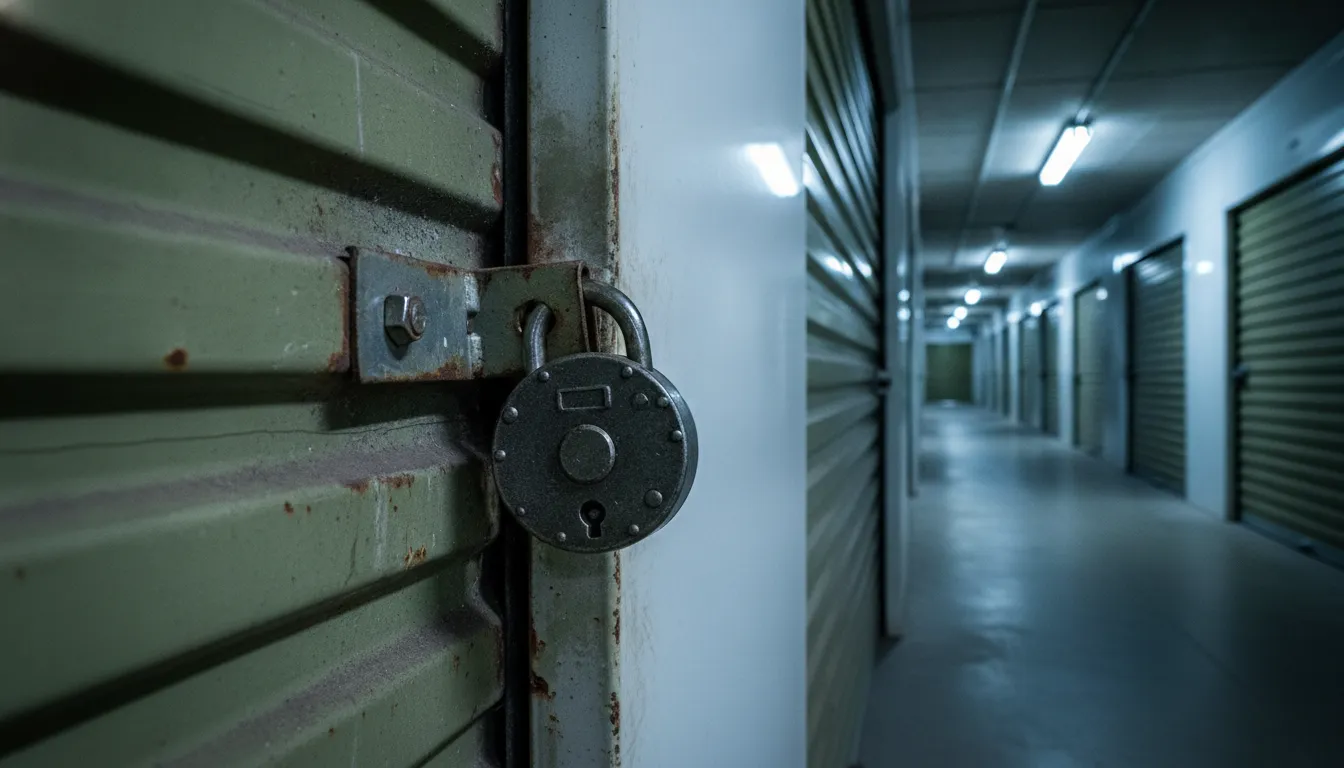
Disc, cylinder, shrouded, puck-style, and conventional padlocks solve different fit problems. Disc locks reduce exposed shackle area on many sliding latches. Cylinder locks eliminate an external shackle on compatible doors. Shrouded and puck-style designs limit tool access, while conventional padlocks offer broad compatibility but require careful sizing.
Disc locks
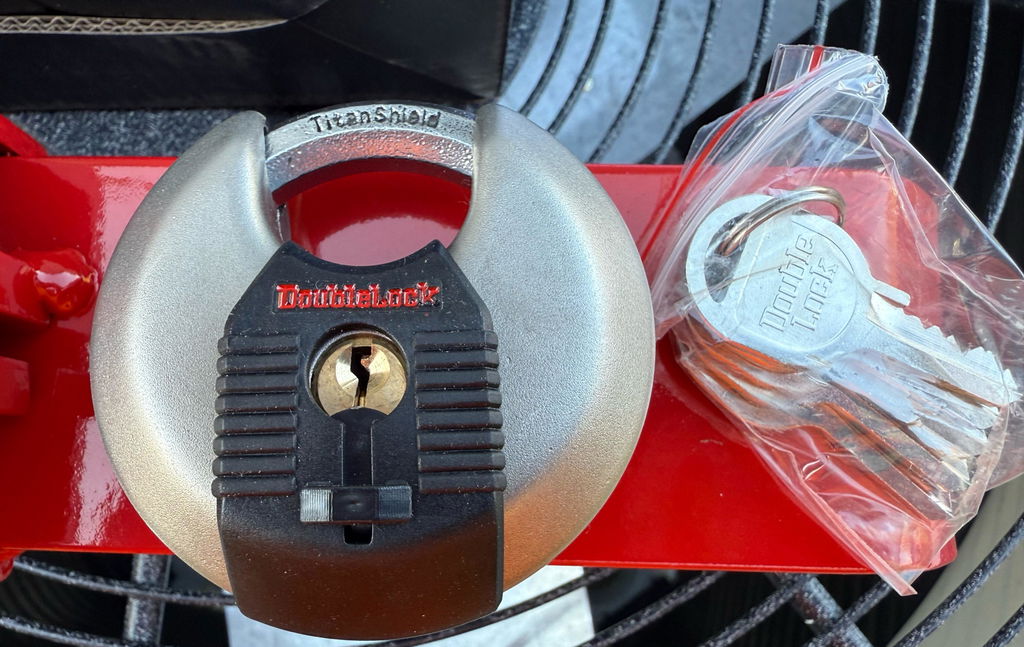
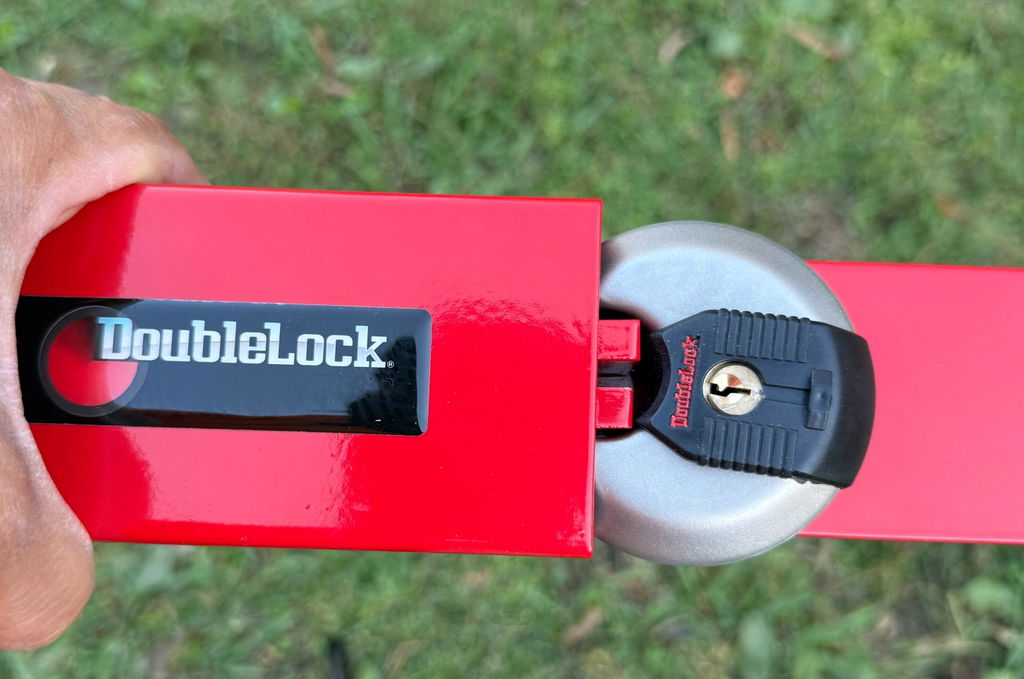
A disc lock has a round body with a short curved shackle. On a compatible storage latch, much of that shackle remains protected by the body. This layout generally provides less room for bolt cutters than a conventional padlock with a long open shackle. Disc locks remain vulnerable to determined attacks, so construction quality and fit still matter.
Cylinder locks
A cylinder lock inserts into a door designed to receive it. Because there is no external shackle, there is no shackle for a cutter to grab. The limitation is straightforward: it only works on a compatible door, and the facility may specify the exact format. Confirm requirements with management rather than assuming a cylinder will fit.
Shrouded and puck-style locks
Shrouded padlocks surround part of the shackle with body material. Puck-style locks can conceal the locking interface more fully when paired with the right hasp. Both can limit tool access, but their larger bodies may interfere with a recessed or narrow storage latch. Measure the available space carefully before choosing one.
Conventional padlocks
A standard padlock may be acceptable when a facility latch does not suit other formats. The concern is an overly long or thin shackle that remains easy to reach. If a conventional padlock is required, choose one that closes snugly and does not leave unnecessary clearance. Explore the DoubleLock USA padlock collection when comparing purpose-built security hardware.
| Lock type | Main advantage | Main limitation | Check before buying |
|---|---|---|---|
| Disc lock | Low exposed shackle area | May not fit every latch | Latch hole and body clearance |
| Cylinder lock | No external shackle | Requires a compatible door | Facility-approved cylinder format |
| Shrouded or puck-style lock | Limits access around locking point | Body can be too large for the hasp | Space around latch and hasp shape |
| Conventional padlock | Broad compatibility | Shackle may remain exposed | Shortest suitable shackle size |
Inspect the Door, Latch, and Facility
A lock is only one part of storage security. Inspect the door, latch, fasteners, frame, and surrounding area before relying on any lock. A damaged hasp or loose latch can fail independently of the lock. Facility access controls, lighting, cameras, and management practices also affect the overall level of deterrence.
Ask the facility the right questions
Confirm approved lock types, prohibited designs, and any dimensions the manager recommends. Ask how the property controls gate access, handles visitor logs, responds to alarms, and documents suspicious activity. Find out whether the facility performs routine rounds and how it will contact you if staff notice damage to your unit.
Examine the complete locking point
Slide the latch fully closed and look for loose bolts, bending, corrosion, or a gap that could accept a pry tool. Test the door for excessive movement. A sound lock cannot compensate for a hasp that pulls away from the door. Report damaged hardware to the facility and request repair before storing valuable property.
Check how the lock sits after closing
Once installed, the lock should close completely and operate without force. It should not leave a large open loop or swing so freely that the body becomes easy to grip and twist. Verify that the key can enter and turn normally, and make sure the door opens only after the lock and latch are released.
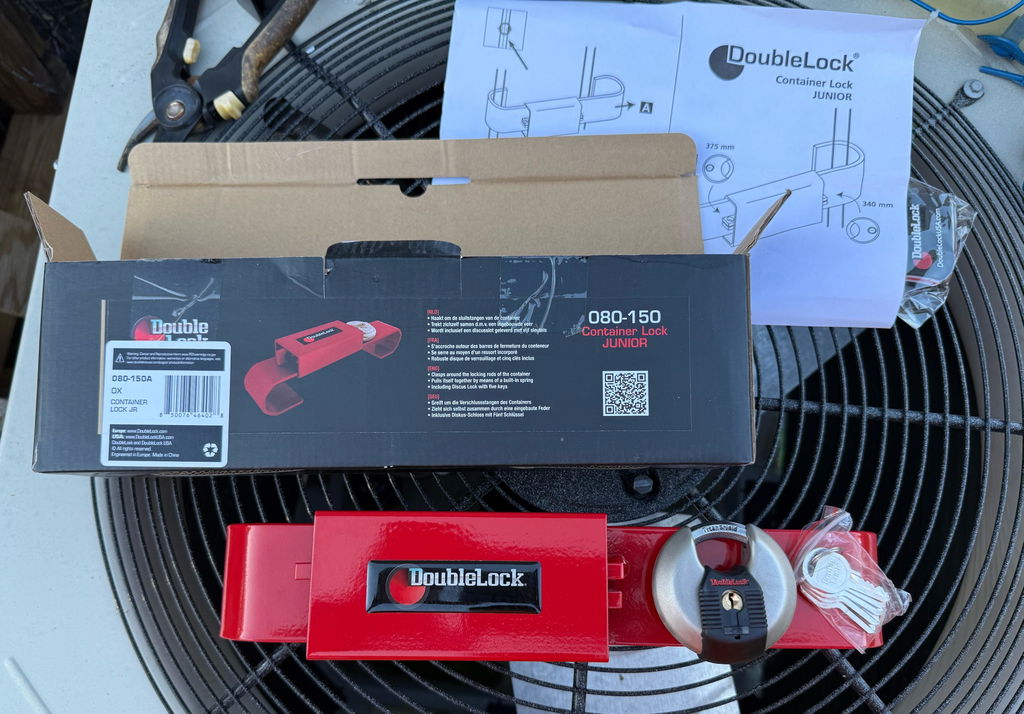
Need a more robust lock for a compatible heavy-duty application? Review the DoubleLock USA BULL container lock and verify all dimensions before purchase.
Why Shackle Exposure and Fit Matter
Shackle exposure matters because open space gives tools room to grip, cut, twist, or pry. A shorter, more protected shackle reduces that working area. The goal is not simply to buy the largest lock. It is to match a well-built lock closely to a sound latch without preventing normal operation.
A thick lock body may look imposing, but an oversized shackle can create leverage. Similarly, a small lock may fit the latch yet leave weak material or too much movement. Consider the lock and latch as a system. The door, hasp, shackle, body, and internal mechanism all need to work together under normal use.
Reduce room for common tools
Cutters need access around a shackle, and pry tools need a useful gap or edge. Disc and shrouded designs aim to reduce that access. A recessed latch can provide another physical barrier if the chosen lock fits inside it. Do not force an incompatible lock into a recess, as binding can damage the lock or prevent reliable closure.
Do not ignore the hasp
Attackers may target the easiest component rather than the lock itself. If the hasp is thin, loose, or heavily corroded, upgrading the lock alone will not resolve the weakness. Ask the facility to repair questionable door hardware. For larger steel storage applications, the shipping container lock buyer guide explains how lock and enclosure hardware should be considered together.
Use layers instead of relying on one claim
No lock can guarantee that a unit will never be entered. A better approach combines a closely fitted lock, a maintained door, controlled facility access, good lighting, regular visits, a current inventory, and appropriate coverage for stored property. Each layer can reduce risk or improve your ability to respond after a problem.
Account for Weather and Routine Maintenance
Outdoor and non-climate-controlled units expose locks to moisture, dust, heat, and freezing conditions. Choose hardware suited to the environment, keep the keyway clean, and inspect it regularly. Weather resistance supports reliable operation, but even suitable hardware needs maintenance and replacement when corrosion, damage, or stiffness appears.
Match the lock to its environment
Ask whether the unit door is sheltered or directly exposed to rain and wind. Coastal air, road salt, humidity, and dust can accelerate wear. Look for manufacturer guidance about materials, protective covers, and intended environments rather than assuming every metal lock has the same resistance. Avoid unsupported labels and compare documented specifications.
Maintain the lock without creating problems
Wipe away dirt and inspect the body, shackle, and keyway whenever you visit. Follow the manufacturer's instructions for lubrication because the wrong product can attract debris or interfere with internal components. Never force a stiff key. If the lock becomes difficult to operate, address it before the next visit leaves you unable to access the unit.
Watch for signs of tampering or wear
Fresh scratches, chips, deformation, looseness, or unusual resistance deserve attention. Photograph suspected tampering, notify facility management, and follow their incident process. Replace a compromised or unreliable lock rather than waiting for it to fail. Also inspect the latch and door, since visible marks may indicate that someone targeted a different component.
Use This Storage Unit Lock Buying Checklist
A disciplined buying process prevents the most common mistake: choosing a lock before understanding the door. Confirm facility rules, record latch measurements, compare low-exposure lock styles, account for weather, and test the final fit. Then support the lock with regular inspections and a basic inventory of the property inside.
- Confirm facility rules. Ask which lock formats are accepted and whether a specific cylinder or clearance is required.
- Photograph and measure the latch. Record the opening, material thickness, available body clearance, and any recess around the locking point.
- Inspect the door and hasp. Report looseness, corrosion, bending, or damaged fasteners before storing property.
- Compare compatible lock styles. Prefer a design that limits exposed shackle space without binding against the door.
- Review documented specifications. Check dimensions, intended environment, operation, and care instructions from the manufacturer.
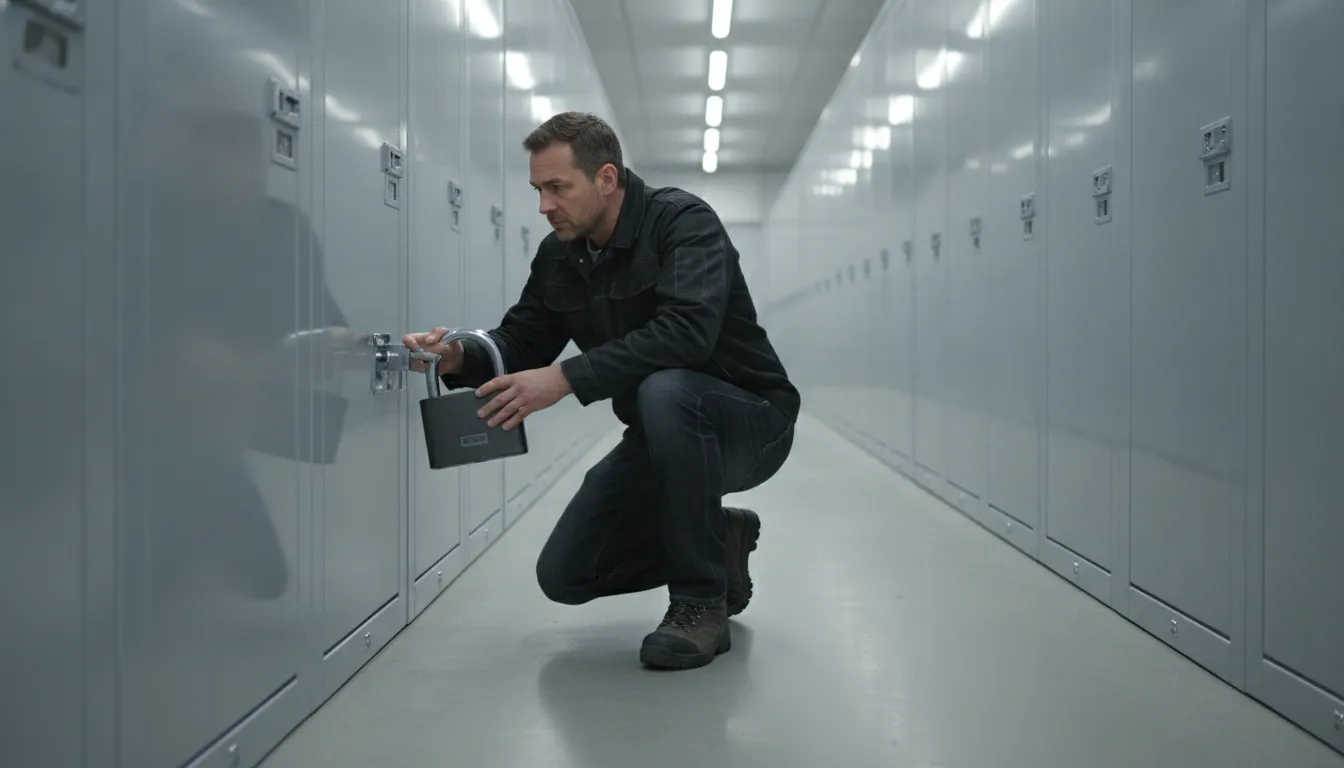
- Test the installed fit. Confirm the lock closes fully, turns smoothly, and does not leave unnecessary space for tools.
- Store keys responsibly. Keep a spare in a secure, separate location and limit who can access it.
- Inspect the unit regularly. Look for weather damage, tampering, or changes to the door and latch.
Keep a simple storage inventory
A lock helps deter unauthorized entry, but it cannot document what was inside after a loss. Create a basic inventory before moving property into the unit. Photograph valuable items, record identifying numbers where available, and keep receipts or ownership records somewhere other than the unit. Update the inventory when you add or remove important property.
Organize the unit so you can inspect the interior without moving every box. Keep valuable property away from the entrance and avoid labeling cartons with descriptions that advertise their contents. Do not store prohibited, hazardous, perishable, or irreplaceable items. Review the rental agreement for restrictions and confirm what protection, if any, applies to stored property. Facility security and a strong lock reduce risk, but they do not replace responsible storage decisions.
Plan for keys and authorized access
Limit spare keys to people who genuinely need access. Keep the primary and spare keys in separate, secure places, and do not attach the unit number or facility address to a key ring. If a key is lost or someone no longer needs access, replace or rekey the lock when the design permits. When several employees use a business storage unit, document who holds each key and retrieve it when responsibilities change.
Adjust the choice for larger storage applications
A self-storage roll-up door and a shipping container do not use the same locking arrangement. Containers may use locking bars, lock boxes, or application-specific hardware. If you are securing a container rather than a conventional rental unit, review the DoubleLock USA container lock collection and the Conex box lock guide for contractors. Confirm compatibility before selecting any product.
Compare the application, dimensions, and locking point before you buy. Browse padlocks or explore container locks for demanding security needs.
Frequently Asked Questions
What type of lock is best for a storage unit?
A disc lock is often a practical choice for a compatible self-storage latch because its round body limits exposed shackle space. A cylinder lock can be a strong option when it is built into the door. The right choice is the shortest, least-exposed lock that fits the facility's approved hardware.
Can I use a regular padlock on a storage unit?
You can use a regular padlock only if the facility allows it and the shackle fits the latch. Avoid a long, thin, exposed shackle. If a padlock is required, choose a sturdy model that sits closely against the latch and leaves as little working space as possible.
Are disc locks impossible to cut?
No. No lock is undefeatable. A disc lock can make common cutting and prying attacks more difficult because only a small portion of its shackle is exposed. But determined attackers may use other methods. Pair the lock with a sound door, a strong latch, and a well-managed facility.
How often should I inspect my storage unit lock?
Inspect the lock whenever you visit and perform a more deliberate check every few months. Look for rust, a stiff keyway, fresh scratches, looseness, or damage to the latch and door. Follow the lock maker's maintenance instructions, and replace hardware that no longer operates smoothly or fits securely.
Choose Security Hardware That Fits the Job
The right storage lock starts with verified dimensions and a clear understanding of the door, not a promise that one design can stop every attack. Match the lock closely to a sound latch, limit exposed shackle space, follow facility rules, and inspect the entire locking point over time. For purpose-built security hardware backed by decades of European engineering heritage, shop the DoubleLock USA catalog or call +1 561-289-4865 to discuss your application.