
A shipping container may look tough, but exposed door hardware can still give a thief room to work. The right lock reduces those attack points and matches the way you use the container.
Shop DoubleLock container locks or request a wholesale quote.
The best lock for shipping container security is usually a purpose-built crossbar lock or a well-fitted, protected-shackle padlock used with a lockbox. The right choice depends on the door hardware, site risk, access schedule, and whether you can permanently modify the container. No lock is undefeatable, but reducing exposed attack points can make forced entry harder, louder, and more time-consuming.
Best Lock For Shipping Container: What is the best lock for a shipping container?
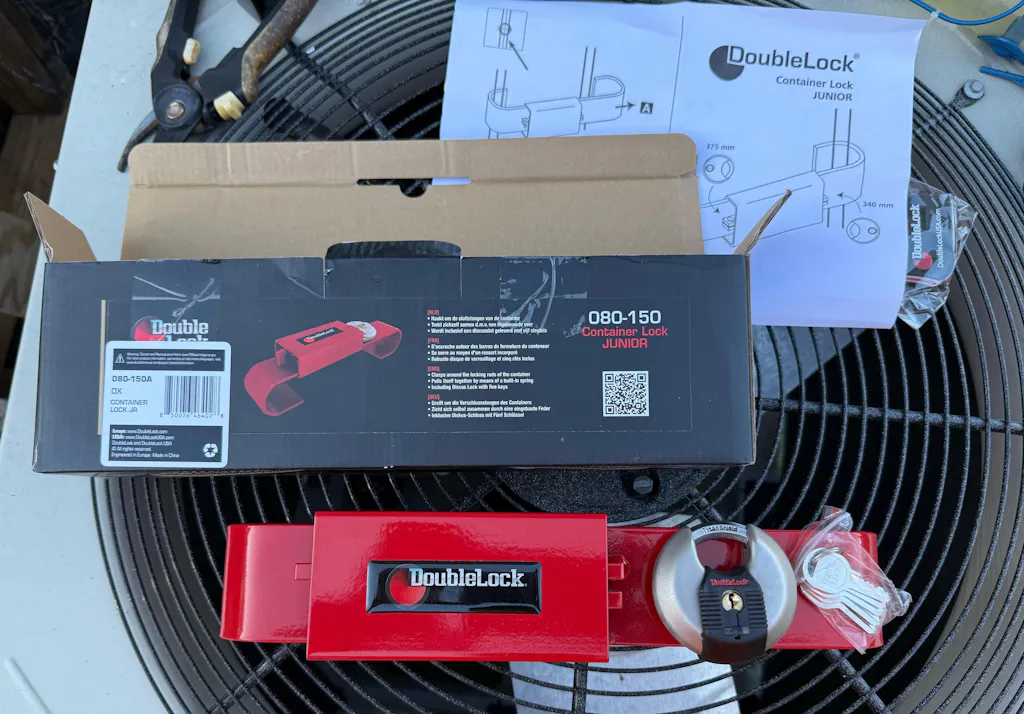
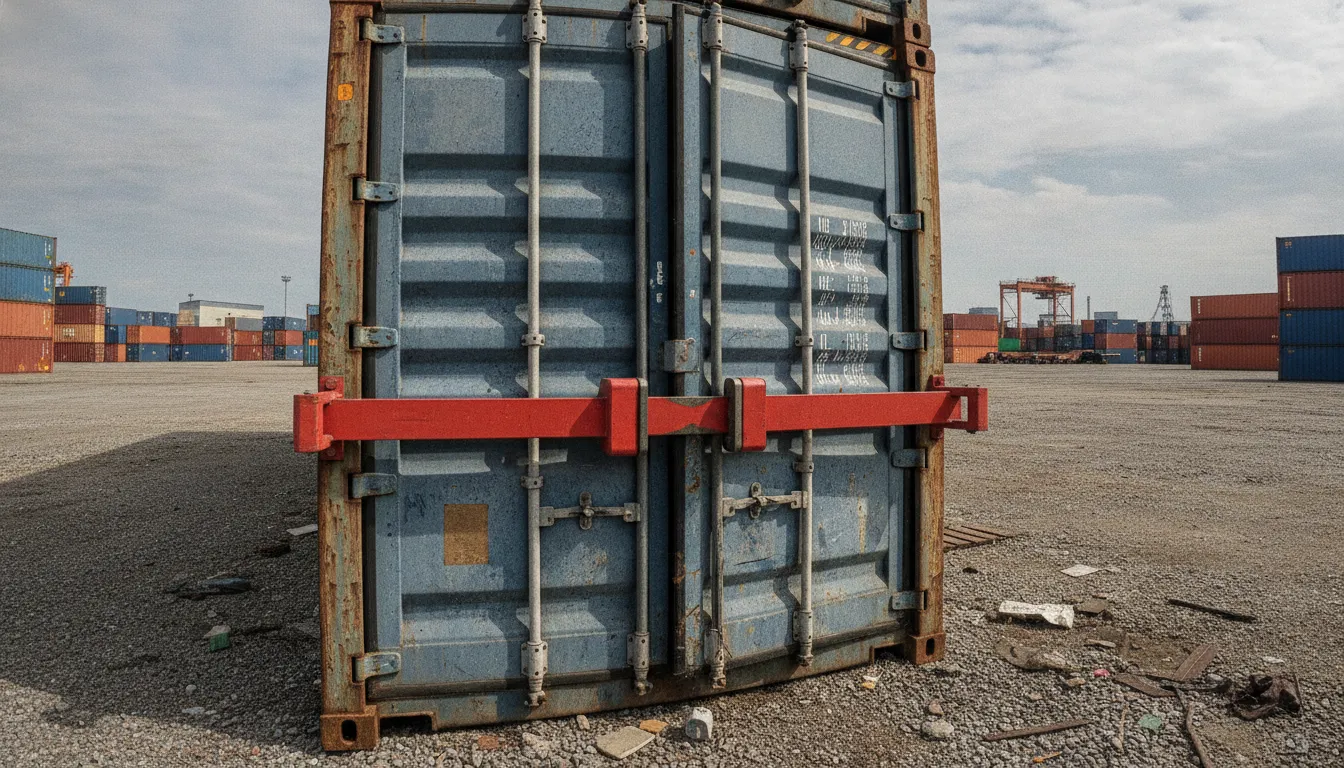
The best lock for a shipping container is a heavy-duty crossbar lock. This type of lock does more than just hold a door shut. It wraps around the metal locking bars and pulls them together. This creates a strong block of steel. For most users, the BULL container lock selection guide like the BULL series offer the best mix of strength and ease. They work on almost any storage box without the need for tools or welding.
Reduce theft risk and attack points
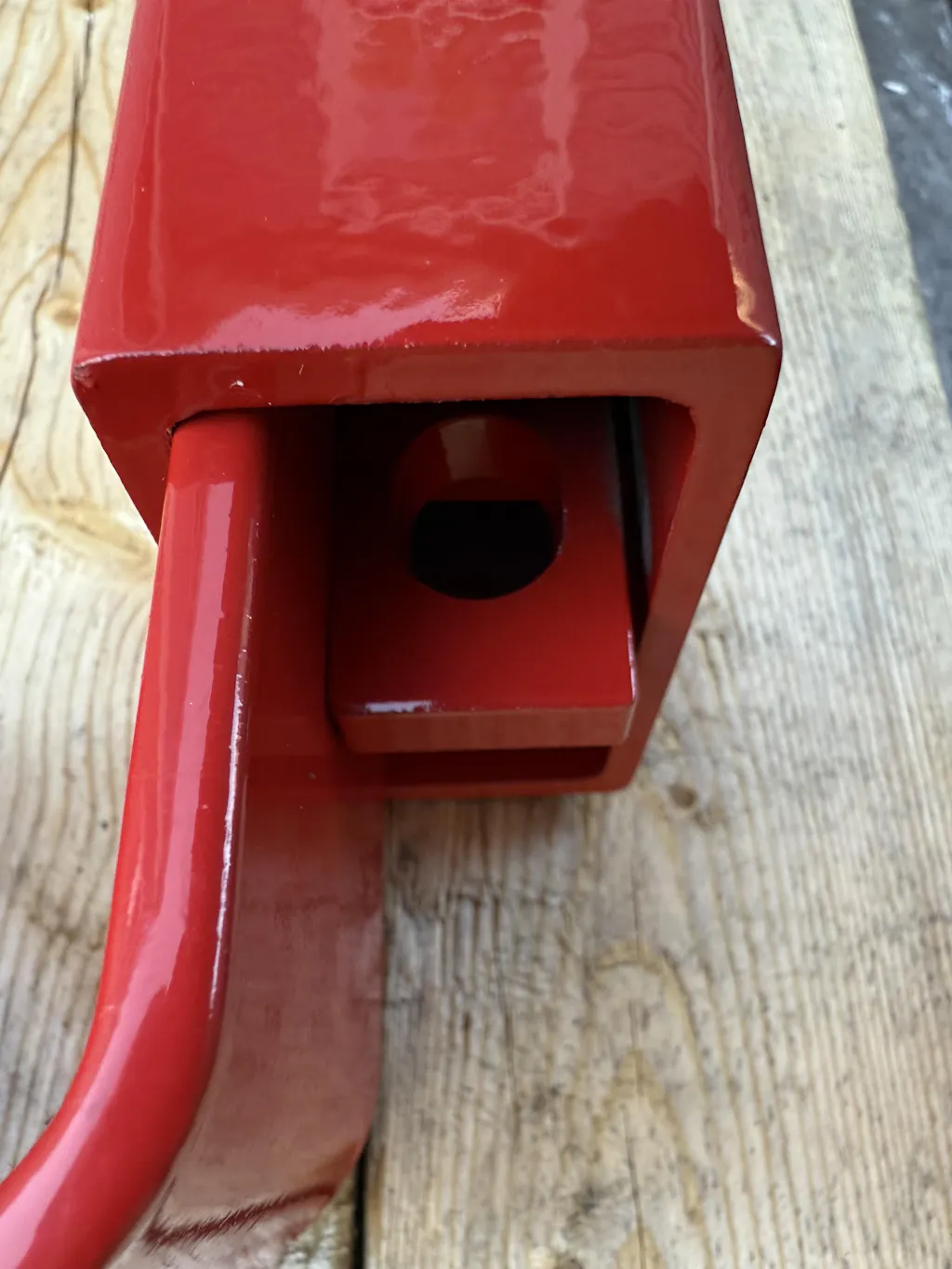
Cargo theft is a serious worry for fleet owners and site managers. Your goal is to reduce spots where a thief can use a tool. A basic padlock may hang off the latch where bolt cutters can reach it. A purpose-built crossbar lock sits across the locking rods, limiting access and making it harder to get a useful angle with a saw or cutter.
You also need to think about prying attacks. Some thieves use large bars to bend the door or the lock latch. Because a crossbar lock binds two bars together, it adds a lot of door strength. This means the lock helps the door resist force from the outside. Using a lock made of thick steel is a simple way to keep your tools and goods safe from most common crimes.
Match the lock to your door setup
Not all steel boxes are built the same way. You must check your door bars before you buy a lock. Most new boxes come with a steel lockbox already on the door. If your box has this shroud, you should use a puck lock or a shutter padlock. These locks fit inside the box where the metal walls protect them. If your box does not have a lockbox, a crossbar lock is your best bet. You can use an comparison of container lock types to get the same help as a factory box.
Check the space between your bars. Normal boxes have bars that are about 9 to 14 inches apart. Most high-end locks can adjust to fit this range. If you have a custom box or an old unit, measure the gap first. A lock that is too loose will rattle and might be easier to pry. A tight fit ensures the lock stays in place and does its job during a move or a storm.
| Lock Type | Best Use Case | Main Benefit |
|---|---|---|
| Crossbar Lock | Units without a lockbox | Blocks prying and hides the lock |
| Lockbox + Puck | New units with steel shrouds | Total cover from bolt cutters |
| Standard Padlock | Low-risk or indoor storage | Low cost and easy to swap |
Focus on weather and strength
Shipping containers often sit outside in the wind, rain, and sun. A lock that rusts shut is as bad as no lock at all. You need a lock made from high-grade steel with a thick coat of paint or zinc. This keeps the inner parts moving even in salt air near the coast. Our ultra-duty cargo container lock uses weather-proof parts to stop rust. This saves you from having to cut off your own lock when the key will not turn.
A covered keyhole keeps dust and ice out of the lock. This helps if you work on a dusty site or in a cold place. A lock that stays clean will last for many years and keep your costs low. It is better to buy one good lock than to buy ten cheap ones. Cheap locks often fail when the weather turns bad, but a strong lock keeps your gear safe in any storm.
Start with the container, cargo, and site
Finding the shipping container security solutions starts with a look at your own gear. You must check your site, your cargo value, and your door parts. These things tell you how much safety you need. High-value goods in a dark yard need more than a few tools in a fenced lot. Proper cargo security helps keep your supply chain safe from theft or loss.
Check your door hardware and lock box
Look at the door handles and bars. Most shipping units have a lock box. This metal shroud guards the padlock from bolt cutters. If you have a lock box, you will need a block or puck lock that fits inside it. Without a box, you may want an ultra-duty cargo container lock. These wrap around the vertical bars to stop the door from opening. Always check if the bars are straight and the seals are tight before you buy.
Account for cargo value and site risk
The best lock for shipping container use depends on what is inside. Risk is higher for items like tools or goods that thieves can sell fast. You should also look at the site where the unit sits. Is it in a high-crime area or a low-traffic zone? A good site plan plus a strong lock can reduce these risks.
Think about access frequency
How often will you open the doors? If you use the unit every day, you need a lock that is easy to remove. A versatile container security tool that stays on the bars might save time. For long-term storage, a heavy block lock inside a steel box is often the best choice. Think about who has keys and how you track them. Simple steps now can prevent a big loss later.
Which lock features matter most?
Choosing the best lock for shipping container safety starts with knowing which features stop a thief. Many people buy a simple lock and think their goods are safe, but containers face special risks. To keep your cargo secure, you must look for locks that use real walls and tough metals.
These parts work together to create a system that is hard to cut, pry, or drill. While no lock is easy to break, the right features act as a major stop. They force a thief to spend more time and use louder tools, which adds to their risk of being caught. This makes your container a much less good target for any passing thief.
Shackle shielding and tight fits
The shackle is the most weak part of any lock because it is the easiest place to cut. If a lock has a long shackle that sticks out, a thief can use a bolt cutter to snap it in seconds. You should choose a design that hides the shackle fully to protect your assets. This keeps the most vital part of the lock away from the reach of hand tools.
A shackle shield or a puck lock body wraps around the metal to block tool access. This design leaves less room for a saw or cutter to get a grip on the lock. A tight fit also reduces movement and makes the assembly a less convenient target.
High strength materials and pull force
The type of metal used in a lock body sets how it handles a heavy attack. You should look for locks made from aircraft-grade aluminum or hardened stainless steel. These metals are very tough but also fight rust over time. They can take heavy hits from a hammer or a drill without cracking or breaking open.
Hardened steel is more difficult to drill or cut than soft, thin metal. An ultra-duty cargo container lock uses a substantial physical barrier between your container doors and a thief. Material matters, but the lock must also fit correctly to perform as intended.
Weather resistance and cylinder protection
Since most containers stay outside, your lock must be able to survive the weather. Salt air, heavy rain, and freezing ice can ruin a cheap lock in just one season. A rusted lock might stay shut, but it can also jam and leave you unable to reach your own gear. This is why you need a lock built for long-term outdoor use.
DoubleLock uses 30 years of European engineering to build locks that thrive in the harshest places. This "Bull Strong, No Bull" approach means using coatings and metals that do not rust. This keeps the inside parts moving smoothly even after years of use in the wind and rain. It makes sure that your lock works perfectly every time you insert your key.
Protecting the lock cylinder is just as needed as protecting the shackle. A good lock should have a cover for the keyway to keep out dirt, dust, and ice. If debris gets inside the cylinder, the pins can stick, and your key will not turn. By choosing a lock that handles both thieves and the weather, you make sure your container stays safe for the long haul.
When does a removable container lock make sense?
Fixed locks are not always the best choice for every user. For many, a removable lock is the best lock for shipping container use. It gives you top safety without making a fixed change to the box. These locks work by clamping onto the vertical door bars. They stop the handles from turning and keep the doors shut tight. These locks are tough and take just seconds to set up or take down.
Security matters for containers in yards, on jobsites, and on the road. A heavy lock that you can move from one box to another is a practical way to guard changing inventory without permanently modifying every unit.
Protect your rented units
Many people rent containers for short-term storage or moves. Rental terms may stop you from drilling holes or welding parts to the box. Confirm the agreement before making any modification. A removable lock can solve this problem by leaving the steel doors unchanged.
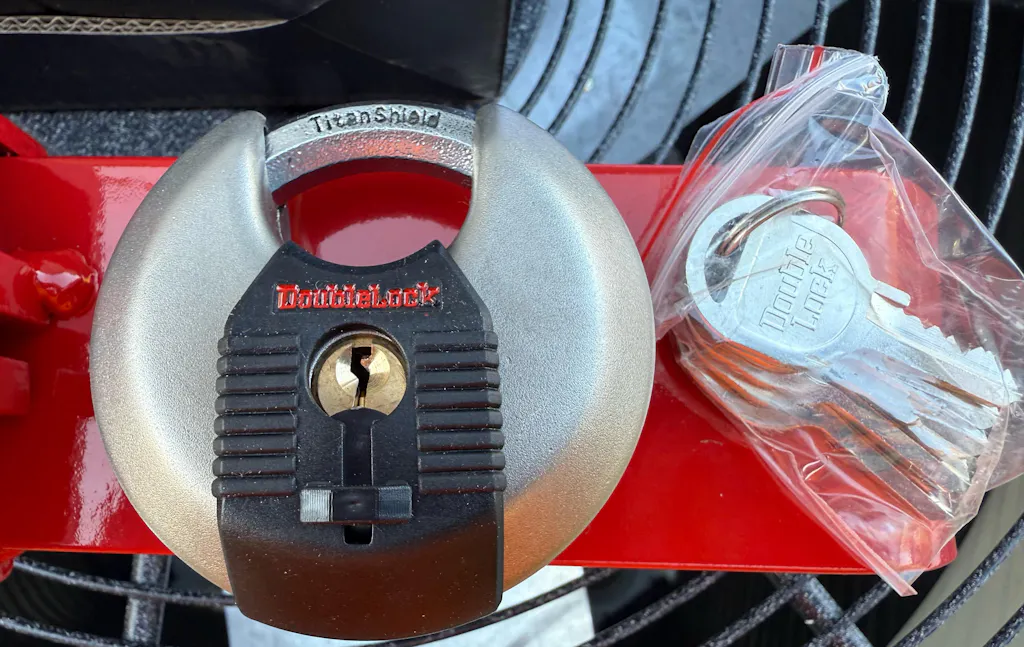
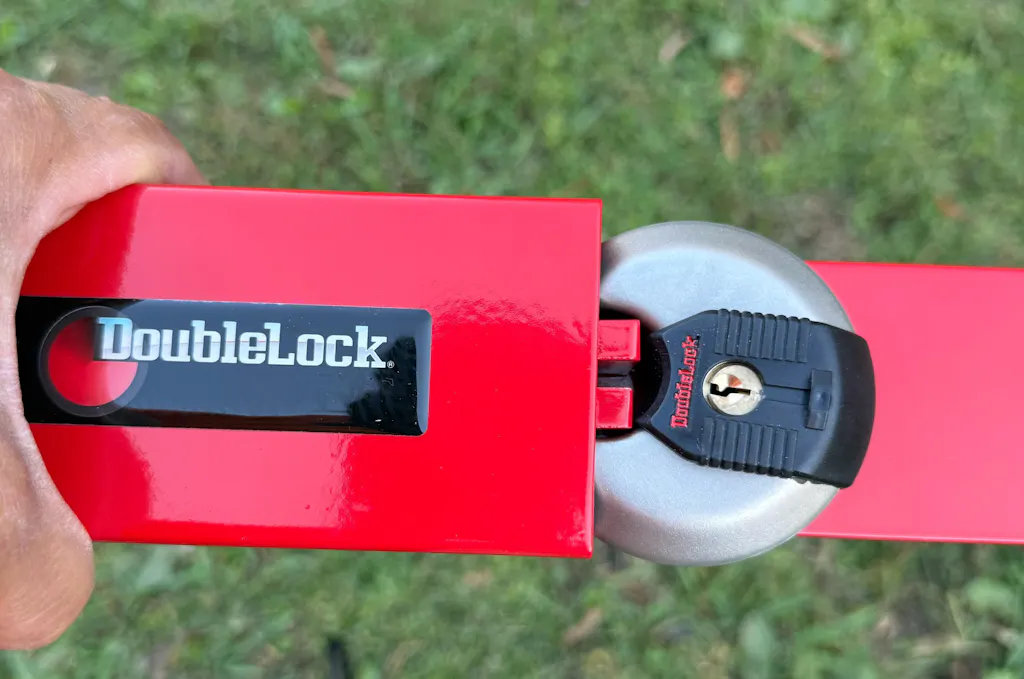
Using maximum security container locks like the DoubleLock BULL lets you secure the door bars with no tools. It slides onto the rods and locks with a key. These locks use powder-coated steel to resist rust and rain. This keeps the box safe and keeps the owner of the box happy. You can sleep well knowing your gear is safe without risk to your deposit or the box.
Move locks across your fleet
Fleet owners often have many boxes moving at the same time across different sites. You may only need to lock the units that are on a build site or in a risky area. Buying a fixed lock for every box in a fleet would cost too much and take a lot of time to set up. A removable system is much better for these users because it moves with the cargo as it goes from site to site.
An ultra-duty cargo container lock like the RHINO can move as your needs change. DoubleLock uses a Bull Rating to show how much force each lock can take. If one unit is empty, you can take the lock off and put it on a full one. This helps you manage your costs while keeping your gear safe from theft. It also means you need fewer locks to protect a large fleet of boxes in the field.
Set up fast site safety
Build sites and work yards need fast safety to protect tools and gear from theft. These sites often lack power and light, which makes them easy targets for thieves at night. You need a lock that is easy for staff to use but hard for crooks to break with common tools. Removable locks are great for this because they do not need power or complex tools to work well in the dirt and mud.
Using a substantial steel bar gives a clear visual sign that your container is not an easy target. Visible, purpose-built protection can encourage opportunistic thieves to look elsewhere. Pair it with good site controls because the lock is only one part of the security plan.
When should you install a lockbox?
A lockbox is a steel box welded or bolted to container doors. It covers the padlock to keep it safe from saws or bolt cutters. This is often the best lock for shipping container use when you store goods in high-risk areas. If your container sits in a place where theft is common, a lockbox adds a strong layer of defense.
Protect your lock from tools
The main job of a lockbox is to shield the shackle. Without one, even a heavy lock is at risk. Thieves often use large cutters to snap the metal shackle. A lockbox makes it hard to get a tool inside to make the cut. This is vital because cargo theft is a major threat to U.S. homeland security and supply chains. By hiding the lock, you force a thief to spend much more time and noise to get inside.
Permanent or mobile setups
You must decide if you want a permanent or mobile fix. A lockbox is usually a permanent change to the box. If you own your container for long-term storage, this is a smart move. But if you lease your unit, you might not be able to weld on a box. In those cases, you should use maximum security container locks that do not need welding. These heavy locks wrap around the locking bars to give you strong safety without the need for tools to set them up.
When to skip the lockbox
A lockbox is not always the best choice for every user. If you move your box often, a bulky lockbox can get in the way. It may also add weight to the door. For users who need fast access or have units in low-risk spots, a high-quality padlock is often enough. You can find ultra-duty cargo container lock options that use hidden shackles. These give you a lot of the same safety as a lockbox but are easier to move from one box to another as your needs change.
How to choose and use your container lock
Choosing the best lock for shipping container security needs a good plan. You should match your lock to the risk level and the shape of your unit. Using the lock the right way is just as key as the lock itself to keep your gear safe.
Check your container doors
Before you buy, look at your door bars. Most shipping containers have rods that vary in size and width. You must make sure the lock fits these bars without a big gap. If your unit has a lock box, you will need a special padlock that fits inside the steel case. Checking the fit first keeps you from buying a tool that is too small or too big for your doors.
Pick the right lock type
You can choose between bars you can move and locks that stay in place. Movable bars, like maximum security container locks, are best for units you move often. These bars slide over the rods and lock to stop the doors from opening. If you need a fixed fix, look for locks that bolt to the unit. Your choice should depend on if you want fast use or a long-term setup.
Follow the seven-step process
To get the best from your lock, follow these steps each time you lock your unit:
- Check the door bars and seals to make sure they are clear of dirt.
- Decide how much risk your site has to pick the right lock grade.
- Choose a movable bar for fast access or a fixed lock for long-term use.
- Check the fit by sliding the lock on the bars before you close it.
- Close the doors and set the lock as the maker says in the guide.
- Keep a list of your key codes or who has the keys.
- Look at the lock and door seals often to check for wear or damage.
Cargo security is a big part of U.S. homeland security, and your work helps the whole supply chain. Using an ultra-duty cargo container lock ensures your goods stay safe on a job site. You can also view shipping container locks to find a good fit for your needs.
Build security beyond the lock
A high-quality lock is your first line of defense, but it should not be your only one. Security for shipping containers works best when you use many layers of safety. This makes it harder for thieves to reach your cargo and helps you spot risks before they lead to a loss. Since container security is a key part of keeping supply chains safe, you should look at your whole site setup.
Manage your site view
Where you put your container can change its risk level. Try to keep doors facing each other or near a wall to stop easy access. Good lighting also helps stop theft. Use motion lights or bright lamps to remove dark spots where people could hide. Clear away tall weeds or junk that might block your view of the area. A clean site shows you are active and makes it easier for cameras to get a clear look at any movement.
Control access and track stock
Even the maximum security container locks need a solid plan for key control. Limit who can open the unit and keep a log of every time someone uses it. Daily checks are also vital. Walk your site once a day to look for signs of damage or tool marks. If you see a scratch on the door or a loose hinge, fix it right away. Small gaps in safety can lead to bigger problems if you do not catch them fast.
Use cameras and tech tools
Modern safety often includes tech alongside tough gear. Put cameras at heights where people cannot reach them to cut wires. You can also use sensors that alert you if a door opens after hours. When you pair these tools with an ultra-duty cargo container lock, you create a system that is hard to beat. This mix of physical strength and active watch gives you the best chance to protect your goods.
Frequently Asked Questions
Why should I use a lock box with my container lock?
A lock box is a steel housing that shields your lock from tools like bolt cutters. It acts as a main layer of safety for cargo. By covering the lock, you make it much harder for thieves to use force. While you can find basic locks at Lowe's, a heavy-duty lock box is better for high-value goods in outdoor sites. This setup stops unwanted entry and protects your assets.
Are standard padlocks secure enough for shipping containers?
Most cheap padlocks lack the strength to stop a ready thief. These locks often have open parts that thieves can cut in seconds. For real safety, you need a strong container lock like the BULL cargo lock. As thieves find new ways to attack weak hardware, strong locks provide a practical barrier that can reduce exposed attack points and protect your gear.
Are puck locks the best choice for shipping containers?
Puck locks are a top choice because they have no open shackle for a thief to cut. Their round shape fits into tight spots and resists prying. Many fleet managers use these locks for their simple build and high strength. They work best when paired with a matching hasp or lock box. This design helps stop common theft methods used at seaports and rail yards where cargo is at risk.
Can thieves cut shipping container locks?
Thieves can cut low-quality locks with power tools or large cutters. However, premium locks like the DoubleLock BULL are made from hardened steel and are much harder to break. No lock is 100% safe, but heavy-duty hardware acts as a strong deterrent. By making the theft take too much time or noise, you force the thief to move on. Using rugged locks is the best way to lower your risk.
Are you ready to find the best lock for your shipping container?
Every day you leave a cargo container without a high-quality lock, you risk losing thousands of dollars in tools, gear, and heavy equipment to theft. Waiting for a break-in to happen before you upgrade your security means you may already face project delays and the stress of insurance claims. Fixing weak points now with maximum security container locks keeps assets safe and ensures that your work stays on track without any costly surprises. A solid physical barrier acts as a clear warning to thieves and makes it clear that your cargo is not an easy target for crime. Choosing the right door protection today helps you avoid the high cost of lost goods and keeps your business running smoothly without any sudden gaps.
Ready to shop container locks or request a wholesale quote? Talk to an expert now to find the right safety for your fleet.