
Your trailer and the gear you haul are a big investment. Protecting it is just as important. But a cheap, flimsy lock offers a false sense of security and won't stop a determined thief. A robust, well-made coupler lock trailer device, however, is a small price to pay for genuine peace of mind. It’s the critical barrier standing between your valuable property and a potential criminal. This guide will help you understand what to look for in a high-quality lock, so you can be sure your investment is truly protected.
Key Takeaways
- Start with the right fit: The most important step is to measure your trailer's coupler and choose a lock that fits snugly, as a loose lock can be easily defeated.
- Invest in quality materials: Look for locks made from hardened steel with pick-resistant cores and weather-resistant coatings to ensure they stand up to both force and the elements.
- Use the right lock for the job: A coupler lock secures your trailer when it's parked and unhitched, while a hitch pin lock secures it to your vehicle while towing; using both provides complete protection.
What is a Coupler Lock and Why Your Trailer Needs One
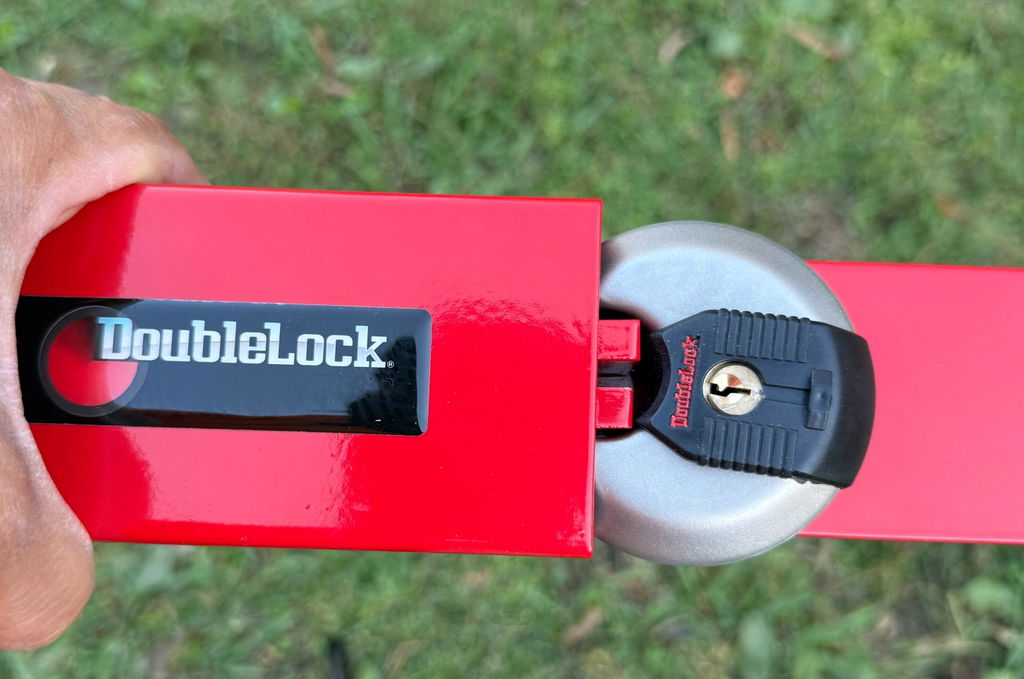
A coupler lock is a specialized security device designed to protect your trailer when it’s most vulnerable: parked and unhitched. It fits directly over the trailer’s coupler, which is the part that connects to your vehicle's hitch ball. By covering and blocking access to the coupler, this lock prevents a potential thief from simply hooking your trailer up to their own truck and driving off with it. If you own a trailer for work or recreation, a reliable coupler lock is an essential tool for securing your investment and giving you peace of mind.
How a Coupler Lock Stops Trailer Theft
A coupler lock’s primary job is to make stealing your trailer as difficult as possible. When secured over the coupler, it physically obstructs anyone from attaching a hitch ball. This simple but effective mechanism stops a quick, opportunistic theft in its tracks. Most thieves are looking for an easy target they can take in minutes. By adding this layer of protection, you force them to either give up or attempt a much more conspicuous and time-consuming removal process. The presence of a sturdy lock is often enough to deter criminals, making it a fundamental part of any trailer security plan. You can find a variety of robust coupler locks designed to fit different trailer types.
Coupler Locks vs. Hitch Pin Locks
Pros and Cons of Each Type
To properly secure your trailer, it's important to understand the difference between a coupler lock and a hitch pin lock, as they are not interchangeable. Each is designed for a specific scenario: a coupler lock protects your trailer when it’s parked and unhitched, while a hitch pin lock secures the ball mount to your vehicle during transport. A coupler lock’s main purpose is to cover the trailer’s coupler, physically stopping a thief from attaching it. This makes it the primary security for a parked trailer, offering robust protection and a strong visual deterrent. The main drawback is that it only works when the trailer is disconnected.
A hitch pin lock, on the other hand, replaces the standard pin and clip used to attach your ball mount, securing it to your vehicle's receiver hitch. The primary benefit is preventing the theft of your valuable ball mount and securing a critical connection point in your towing system. However, its limitation is that it offers no protection for the trailer itself when it is unhitched. Because each device addresses a different vulnerability, the most effective way to secure your equipment is to use both. They complement each other, providing a comprehensive system to protect your trailer from various theft scenarios and giving you confidence whether you're on the move or parked for the night.
Does It Just Look Tough, or Is It Actually Secure?
A high-quality coupler lock works on two levels: as a visual warning and a physical barrier. The sight of a solid, well-made lock signals to a potential thief that your trailer is not an easy mark. This visual deterrent can be incredibly effective, as many will simply move on to find a less protected target. Beyond its appearance, the lock provides real physical security. It’s built from tough materials designed to resist cutting, drilling, and picking. While a single lock is a critical first step, it’s most effective as part of a comprehensive security strategy. Our commitment to security is built on the principle of providing reliable, tough products that form the foundation of your protection plan.
Debunking Common Myths About Trailer Coupler Locks
One of the most common misconceptions is confusing a coupler lock with a hitch pin lock. These two devices serve entirely different purposes. A hitch pin lock secures your trailer to your vehicle while you are towing it, preventing the hitch from accidentally detaching. A coupler lock, on the other hand, is used to protect your trailer when it is parked and unhitched. Another myth is that a coupler lock is all you need. While it is an essential tool, it’s just one component of a complete security system. For a full overview of how to choose the right one, you can read our complete guide to coupler lock selection.
A Guide to Different Coupler Lock Types
When you start looking for a coupler lock, you’ll notice they aren’t all the same. The right one for you depends on your trailer type, how you use it, and the level of security you need. Coupler locks generally differ in three main areas: their design, the materials they’re made from, and the type of locking mechanism they use. Understanding these differences will help you sort through the options and find a lock that gives you confidence when you leave your trailer unattended. Let's look at the most common types you'll find.
Choosing Your Design: Universal, Adjustable, or Fixed?
Coupler locks come in a few different designs, each with its own pros and cons. Universal or adjustable locks are made to fit a range of coupler sizes. This versatility is great if you have multiple trailers or might upgrade in the future. However, their adjustable nature can sometimes create a little bit of slack, which can be a security weak point.
For a tighter and more secure fit, a fixed-design lock is often the better choice. These are built for a specific coupler size, leaving no room for a thief to pry or tamper with the lock. While less flexible, a fixed lock provides a snug fit that maximizes security for a single trailer. You can explore our full shop to see which design best fits your equipment.
Why Material Strength and Core Design Matter
The material of your lock is its first line of defense. A lock made from high-quality, heavy-duty materials is a small investment to protect your much more valuable trailer and everything in it. Look for locks constructed from hardened steel, which is incredibly difficult to cut or break.
Beyond the body of the lock, the core is just as important. Many of the best coupler locks feature pick-resistant cores and enhanced lock cylinders that make them difficult for thieves to manipulate. This feature, combined with weather-resistant coatings to prevent rust and corrosion, reflects our commitment to quality and ensures your lock performs reliably for years.
The Role of Hardened Steel in Preventing Cuts
Determined thieves sometimes use power tools, like angle grinders, to defeat locks. That’s why grinder-proof construction is a feature worth looking for. These locks are specifically designed with shapes and materials that make it hard for a grinder wheel to get a good angle or bite into the surface. This often involves thick, rounded casings and shrouds that protect the shackle.
Hardened steel is the key component here. This material is heat-treated to increase its toughness, making it resistant to drilling, cutting, and impact from a sledgehammer. When you see a lock with grinder-proof features and a hardened steel body, you know it’s built to withstand serious, brute-force attacks, providing true heavy-duty security.
How Advanced Mechanisms Add Another Layer of Security
The internal locking mechanism is the heart of your coupler lock. The most common type is a latch-style lock, which is designed to secure the latching mechanism on your trailer’s coupler, preventing it from being opened. This simple but effective design stops someone from being able to attach your trailer to their vehicle.
Other advanced mechanisms might include disc detainer locks or pin tumbler systems with security pins, which add another layer of protection against picking. Choosing the right size and style for your coupler is the most critical step in making sure your trailer is actually secure. If you're unsure which mechanism is right for your setup, feel free to contact us for guidance.
Pick-Resistant Cores and Disc Detainer Mechanisms
The internal mechanism is what truly determines a lock's strength against picking. When you're choosing a coupler lock, look for one with a pick-resistant core, which uses a complex design to stop a thief from manipulating it open. For an even higher level of security, many of the best locks incorporate a disc detainer mechanism. Unlike traditional pin systems that can be vulnerable to picking, these systems use a series of rotating discs that are much harder to defeat. Investing in a lock with these advanced internal defenses is a smart choice for protecting your trailer. Our complete guide can help you identify which features are most important for your specific equipment.
How to Choose the Right Coupler Lock for Your Trailer
Selecting the right coupler lock is about more than just picking one off the shelf. It’s a thoughtful process that ensures your trailer, and everything in it, stays exactly where you left it. A great lock fits correctly, matches your security needs, and stands up to both thieves and the elements. By considering a few key factors, you can find a reliable lock that gives you genuine peace of mind.
Start by Measuring Your Trailer's Coupler
The most critical step in securing your trailer is choosing a lock that fits perfectly. A lock that’s too loose can be easily broken or pried off, while one that’s too small simply won’t work. Checking your coupler size first helps you narrow down your options to find a lock that provides a snug, secure fit. Most trailer couplers have the size stamped directly on them, typically 1-7/8", 2", or 2-5/16". Getting the size right is the foundation of good security. You can explore our full collection of locks to find the right size for your needs.
Common Hitch Pin Lock Sizes
While a coupler lock protects your trailer when it's parked, a hitch pin lock is essential for security on the road. This device replaces the standard hitch pin and clip, and it secures your trailer to your vehicle while you're towing. Just as with coupler locks, getting the size right is non-negotiable for a secure connection. The size you need depends on your vehicle's hitch receiver, not the trailer's coupler. Most receivers are 1-1/4 inch, 2 inch, or 2-1/2 inches. Smaller 1-1/4 inch receivers typically use a 1/2-inch diameter pin, while the more common 2-inch and 2-1/2-inch receivers require a 5/8-inch diameter pin. Always check your hitch for its class and receiver size to ensure you buy the correct pin lock for a safe and secure tow.
How Much Security Do You Really Need?
Not all security situations are the same. Think about where you park your trailer and what you store inside it. For high-value assets or high-risk environments, you need a lock built for the challenge. A small investment in a lock made from hardened steel with pick-resistant features protects your much more valuable trailer and its contents. Our company’s story is built on a commitment to top-notch security, so we understand the importance of matching the lock to the risk. Don’t settle for basic protection when your assets demand more.
Don't Forget About Ease of Use and Maintenance
The best lock is one you use consistently. If a lock is difficult to operate, you might be tempted to skip using it for short stops, which is often when theft occurs. Look for a lock with a smooth mechanism that is easy to attach and remove. For complete security, use your coupler lock in combination with a hitch lock to secure the trailer to your vehicle while towing. A little routine maintenance, like cleaning and lubricating the keyway, will also ensure your lock functions properly for years to come.
Choose a Coupler Lock Built for the Elements
Your trailer and its lock live outdoors, exposed to everything from rain and humidity to intense sun and freezing temperatures. This is why weather resistance is not just a bonus feature, it’s a necessity. A lock made from inferior materials can rust and corrode, weakening its structure and causing the mechanism to seize. Look for locks made from hardened steel with a protective finish. These materials prevent corrosion and ensure your lock remains strong and functional, no matter the weather.
Keyhole Covers and Corrosion-Resistant Coatings
When you're looking at coupler locks, small details can make a big difference in long-term performance. A keyhole cover is one of those features. It’s a simple cap or slide that protects the keyway from dirt, dust, and moisture. This is especially important for trailers that are stored outdoors. Over time, debris can clog the locking mechanism, making it difficult or impossible to use your key. A cover prevents this, ensuring your lock operates smoothly when you need it. It’s a small feature that speaks volumes about the lock's design and its ability to withstand real-world conditions.
In addition to protecting the keyhole, the lock's body needs to be shielded from the elements. This is where corrosion-resistant coatings come in. High-quality locks are often made from hardened steel and then treated with a protective finish, like chrome plating or a powder coat. This coating acts as a barrier, preventing rust and corrosion that can weaken the lock's structure and cause the mechanism to seize. A lock that resists the weather is one you can depend on for years. This focus on durable materials is a core part of our heritage and commitment to building products that last.
Common Mistakes to Avoid When Choosing a Coupler Lock
A common mistake is confusing coupler locks with hitch pin locks. These two devices serve very different purposes. A coupler lock is designed to prevent someone from hitching your unattached trailer to their vehicle and driving away. A hitch pin lock, on the other hand, secures your trailer's hitch to your vehicle's receiver while you are towing. Using the wrong one leaves you vulnerable. Another frequent error is choosing a lock based on price alone. A cheap lock provides a false sense of security and is easily defeated.
Understanding Price Ranges and What You Get for Your Money
When you shop for a coupler lock, you'll find a wide range of prices, and it can be tempting to go for the cheapest option. However, the price often reflects the level of security you're actually getting. A lower-cost lock might serve as a minimal visual deterrent, but it’s likely made from softer metals that can be easily cut or broken. A small investment in a lock made from hardened steel with pick-resistant features protects your much more valuable trailer and its contents. Think of it as an investment in security that matches the value of what you're protecting. Our company’s philosophy is built on providing this level of dependable security, ensuring your peace of mind is worth the price.
What to Expect in a Coupler Lock Kit
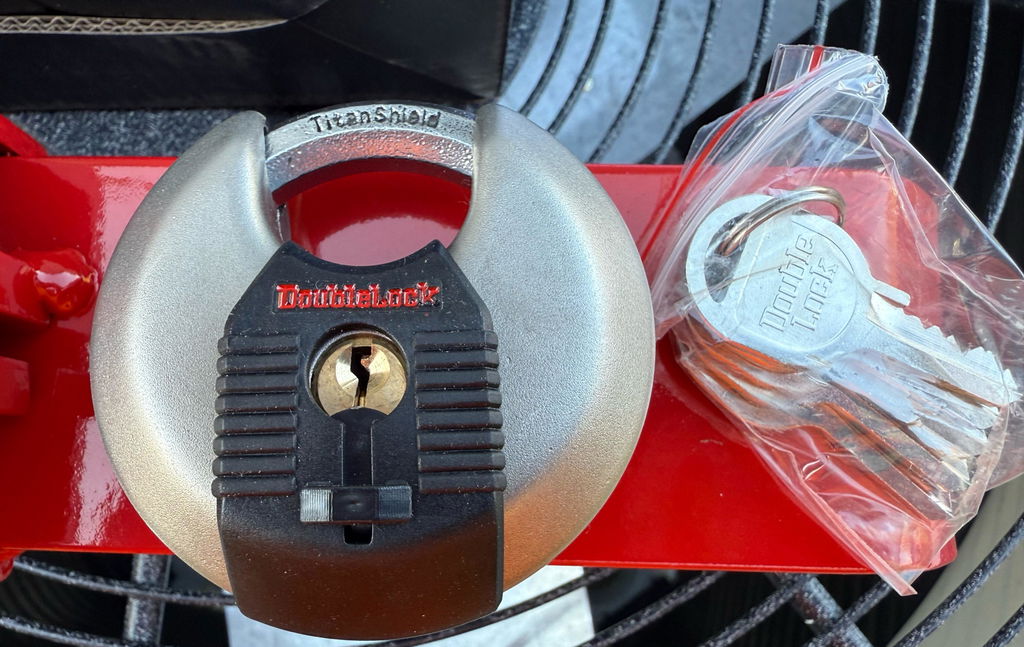
A high-quality coupler lock works on two levels: as a visual warning and a physical barrier. When you purchase a kit, you should expect more than just a piece of metal. A good kit typically includes the lock itself, a set of keys (usually with a spare), and often a weather cap to protect the keyhole from dust and moisture. The design of the lock is also part of what you get; its robust appearance signals to thieves that your trailer is well-protected. This combination of a strong physical presence and tough internal components is what makes a lock effective. Our designs reflect a heritage of toughness, ensuring every part of the kit contributes to its overall security.
Considering Warranties, Shipping, and Customer Support
A manufacturer's warranty is a good indicator of their confidence in the product's durability. Look for a clear warranty that protects you against defects. Beyond that, reliable customer support is invaluable. Choosing the right size and style for your coupler is the most critical step in making sure your trailer is actually secure, and a knowledgeable support team can guide you to the perfect fit. If you have questions about which lock is right for your trailer or need help with installation, don't hesitate to reach out to an expert. Good service ensures you not only buy the right product but also use it correctly for maximum protection.
California Prop 65 and Other Product Warnings
You may notice a label on some products mentioning California's Proposition 65. This warning is required by California law for products that contain any chemicals from a state-maintained list, even in very small amounts. It is a "right-to-know" law intended to inform consumers. These warnings are common on a vast range of items, from hardware to coffee. The presence of a Prop 65 warning does not mean a product is unsafe, but rather that it contains a substance that is on the state's list. It’s a standard compliance measure you’ll see across many industries.
What Separates a Good Coupler Lock from a Great One?
When you’re ready to buy a coupler lock, you’ll find plenty of options. But not all locks offer the same level of protection. A flimsy lock is just for show, while a high-quality one is a real investment in your trailer’s security. Knowing what features truly matter is key to protecting your property and giving you confidence that your trailer will be right where you left it.
Understanding the DoubleLock USA Standard of Quality
The foundation of any reliable lock is its material. A lock made from hardened steel with weather-resistant and pick-resistant features is a small investment to protect your trailer and its contents. Hardened steel is specially treated to withstand cutting, drilling, and other brute-force attacks. At DoubleLock USA, our commitment to quality means we only use materials that provide real security. These features are the difference between a visual deterrent and a truly secure barrier against theft. Look for them as your baseline for protection.
Evaluating a Coupler Lock's Strength and Security Features
Choosing the right size for your coupler lock is the most critical step in making sure your trailer is secure. An ill-fitting lock, no matter how strong, leaves gaps a thief can exploit. Checking your coupler size first helps you find a lock that provides a snug, secure fit. Once you know your size, you can compare different security solutions to find one that matches your needs. Look for solid construction and a locking mechanism that feels smooth yet sturdy.
Simple Maintenance for Long-Term Security
A great lock is a long-term tool, and it requires a little care to perform at its best. Regular maintenance is important to keep your lock working properly for years. Every few months, clean off any dirt and apply a small amount of lubricant to the keyhole and internal mechanism. This simple step prevents rust and ensures the components don't seize up, especially in wet or cold conditions. A well-maintained lock is one you can always count on to open smoothly for you and stay shut for everyone else.
Your Monthly Inspection and Lubrication Schedule
To keep your coupler lock in top condition, a simple routine is all you need. Plan to inspect it once a month by wiping away any dirt or grime and checking for signs of wear or rust, particularly if your trailer is stored outdoors. Every few months, apply a small amount of graphite-based lubricant directly into the keyway. This simple action prevents the internal mechanism from seizing and ensures your key turns smoothly every time. A little consistent upkeep goes a long way in maintaining the reliability of your security hardware, making sure it’s always ready to protect your property.
Layering Security for Total Peace of Mind
For the best security, use both a hitch pin lock and a coupler lock. They protect different parts of your setup at different times, creating a more complete defense. A coupler lock prevents someone from hitching your unattached trailer to their vehicle. A hitch pin lock secures the trailer to your tow vehicle, preventing theft while you’re parked. Using them together creates multiple layers of protection that make your trailer a much harder target. This strategy is about making a thief's job as difficult as possible.
Beyond the Coupler: Wheel Locks and Securing Safety Chains
A coupler lock is an excellent starting point, but true security comes from creating multiple obstacles. Think in layers. In addition to securing the coupler, consider adding a wheel immobilizer. These devices function like a parking boot for your trailer, physically preventing the wheel from turning, and are a powerful visual deterrent. Another often-overlooked vulnerability is the safety chains. A determined thief might try to bypass the coupler entirely and simply drag the trailer away by its chains. You can easily secure these chains with a separate, heavy-duty security device, adding another simple yet effective layer to your defense strategy.
The Role of GPS Trackers in Trailer Recovery
While physical security devices are designed to prevent a theft from happening, a GPS tracker serves a different but equally important purpose: recovery. A tracker won't stop a criminal from taking your trailer, but it dramatically increases your chances of getting it back. These small devices can be hidden discreetly on your trailer, providing real-time location data to your phone or computer. If a thief manages to defeat your physical security measures, a GPS tracker gives law enforcement a powerful tool to track and recover your stolen property. It’s a modern safety net that complements your traditional security setup.
Related Articles
- 5 Best Theft Proof Trailer Locks (Buyer's Guide)
- 5th Wheel Lock for Semi Trailer: The Ultimate Guide
Frequently Asked Questions
What's the difference between a coupler lock and a hitch pin lock? This is a common point of confusion. A coupler lock is for when your trailer is unhitched and parked; it covers the coupler to stop someone from hooking it up to their truck. A hitch pin lock is used while you are towing; it secures the hitch to your vehicle's receiver so it can't come loose or be stolen while attached. They serve two distinct, important functions.
Is a coupler lock all I need to secure my trailer? A high-quality coupler lock is the most important first step, but for the best protection, it should be part of a layered security plan. Combining it with other measures, like a hitch pin lock when you're towing or even a wheel chock lock, makes your trailer a much more difficult target for thieves.
What is the most important factor when choosing a coupler lock? The single most critical factor is getting the right fit. Before you even start comparing materials or features, you need to measure your trailer's coupler size. A lock that fits snugly leaves no room for a thief to pry it off, making it far more effective than even the strongest lock that's too loose.
How can I make sure my lock lasts a long time? A good lock is built to withstand the elements, but a little maintenance goes a long way. To keep the mechanism working smoothly, it's a good idea to clean any dirt or grime out of the keyway every few months. Applying a small amount of lubricant will prevent rust and ensure it operates reliably for years.
Should I choose a universal lock or one that fits my specific coupler size? A universal lock offers flexibility, which is useful if you own multiple trailers with different coupler sizes. However, for maximum security, a lock designed for your specific coupler size is usually the better option. This type of lock provides a tighter, more secure fit, which minimizes any gaps that could be exploited.