
After investing in a shipping container, your next thought should be how to protect what's inside. The value of your tools, materials, or merchandise far exceeds the cost of a proper security device. Thinking of security as an expense is a mistake; it’s an investment in protecting your assets from significant loss. A weak point of entry is an open invitation, while a robust system is a powerful deterrent. That’s why a specialized shipping container security lock is essential. It is engineered to defeat common break-in methods, from bolt cutters to drills, ensuring your investment is protected by more than just steel walls.
Key Takeaways
- Prioritize strong materials and smart design: Look for locks made from hardened steel with features like hidden shackles, as these elements provide the best defense against cutting and tampering.
- Match the lock to your specific needs: Consider your container's location, its contents, and the climate it's in, as a high-risk area requires a more robust lock than a secure yard.
- Proper installation is just as important as the lock itself: A great lock is most effective when it fits snugly, is protected by a lock box, and receives regular maintenance to ensure it functions correctly.
What Is a Shipping Container Security Device?
A shipping container security lock is much more than a standard padlock. It’s a heavy-duty device specifically engineered to protect the contents of a shipping container from theft and unauthorized entry. Think of it as the final, crucial layer of defense for your valuable cargo, whether it's stationary on a job site or in transit across the country.
Most shipping containers feature double cargo doors secured by steel bars and a cam system. A high-quality container lock works with this existing mechanism to create a formidable barrier. The goal is to make it incredibly difficult for anyone without a key to gain access. These locks come in several forms, from robust padlocks to specialized cargo door locks, each offering a different approach to security.
The most effective ones are built from materials like hardened steel or boron alloys. The core principle is simple: the lock's body and shackle must be stronger than the tools used to attack them, like bolt cutters or drills. This focus on durable construction is what separates a true container lock from a general-purpose one. Unlike a simple lock you might use on a shed, a shipping container lock is designed to withstand harsh weather, resist tampering, and defeat aggressive break-in attempts. It’s an essential tool for anyone in the construction, marine, or hardware industries who relies on containers for storage or transport.
Exploring Different Container Security Mechanisms
When it comes to securing a shipping container, you have several options. The best choice depends on how you're using the container and the level of security you need. Let's walk through the most common types of locks so you can find the right fit for your property.
Robust Security Clasps
These are not your average gym locker padlocks. A true heavy-duty padlock is made from hardened steel to resist cutting, drilling, and other brute-force attacks. Look for models with thick, shrouded shackles that leave little room for bolt cutters to get a grip. While a standard padlock might seem sufficient, investing in a high-security model specifically designed for outdoor and industrial use is a critical first step. They offer a straightforward and effective layer of security for almost any container, making them a popular and reliable choice for stationary storage.
Single-Use Bolt and Seal Systems
If your container is being used for shipping, you’ll likely encounter bolt and seal locks. These are typically single-use devices designed to secure container doors during transit. Each seal has a unique serial number that gets logged, creating a clear record. If the seal is broken upon arrival, you know the contents have been tampered with. While they are essential for supply chain integrity and serve as excellent tamper-evident seals, they aren't meant for long-term, stationary security. For storage, you’ll want to pair them with a more robust lock.
Protective Housings and Puck-Style Devices
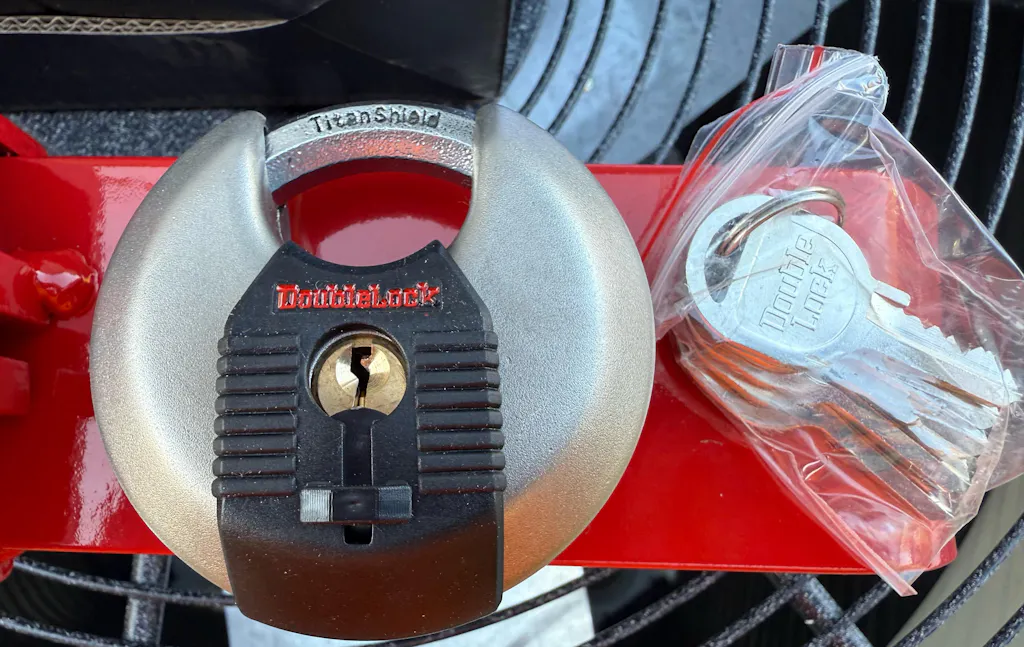
A lock box is a thick steel housing welded directly onto the container doors, creating a protective shroud around your padlock. This simple addition makes a huge difference, as it shields the lock from direct attacks by bolt cutters or grinders. Lock boxes are often paired with puck locks, which are round with a hidden shackle, making them incredibly difficult to pick, pry, or cut. This combination is one of the most effective ways to secure a container, as it protects the lock’s most vulnerable point. Many modern containers come with a pre-installed lock box for this reason.
Disc-Based and Specialized Security Systems
For an even higher level of protection, you can use locks engineered specifically for shipping containers. Disc locks, similar to puck locks, feature a circular design that minimizes shackle exposure, making them highly resistant to cutting. Other specialized locks are designed to fit directly onto the container’s vertical locking rods or cam keepers. These custom-fit solutions leave no weak points for a potential thief to exploit. While they may represent a larger initial investment, these specialized locks provide tailored security that is perfectly integrated with the container’s own hardware.
HASP Kits for Enhanced Security
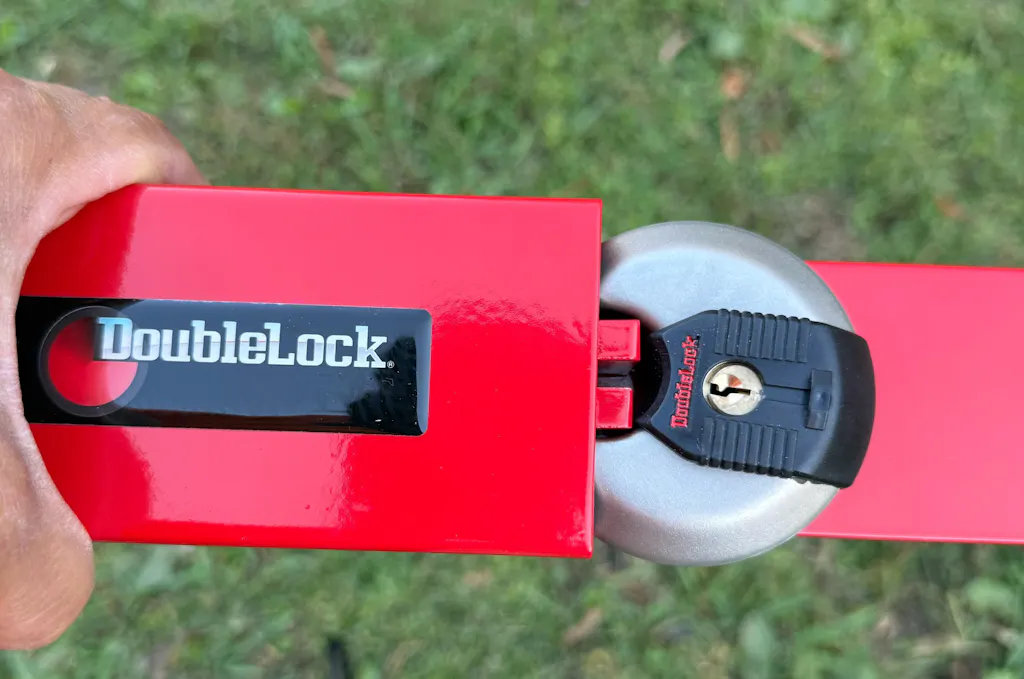
A HASP kit is a powerful upgrade that reinforces the entire locking point on your container. Think of it as a heavy-duty mounting plate for your padlock. These kits are designed to replace or supplement the standard latch system, creating a much stronger foundation that is significantly more resistant to prying and force. By installing a HASP kit, you ensure that the strength of your security device isn't undermined by a weaker attachment point. This is especially important for older containers or those that will be left unattended in high-risk areas. When you pair a robust padlock with an equally tough HASP, you create a security system where every component works together to provide maximum protection for your assets.
Cargo Door Bar Locks
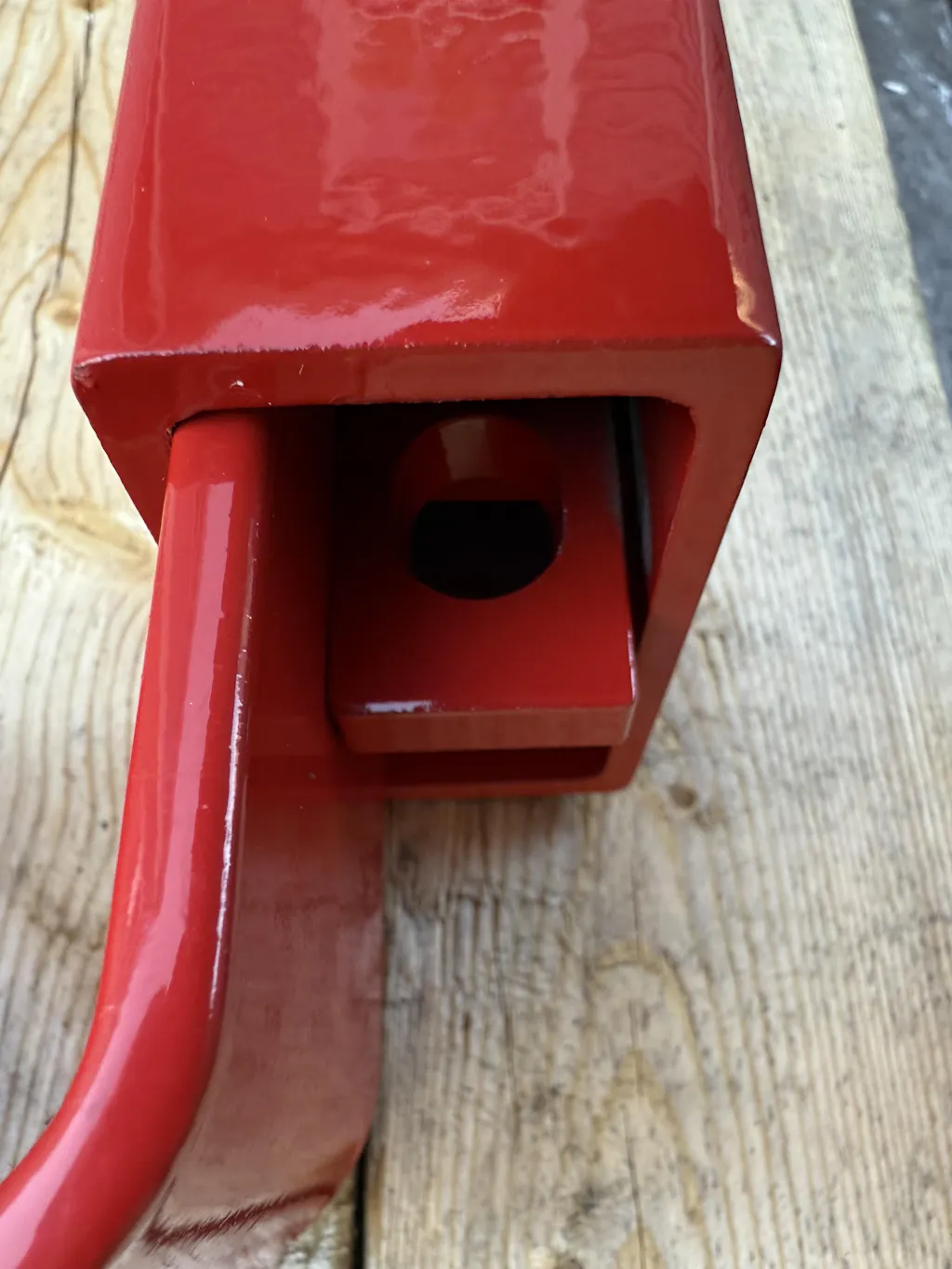
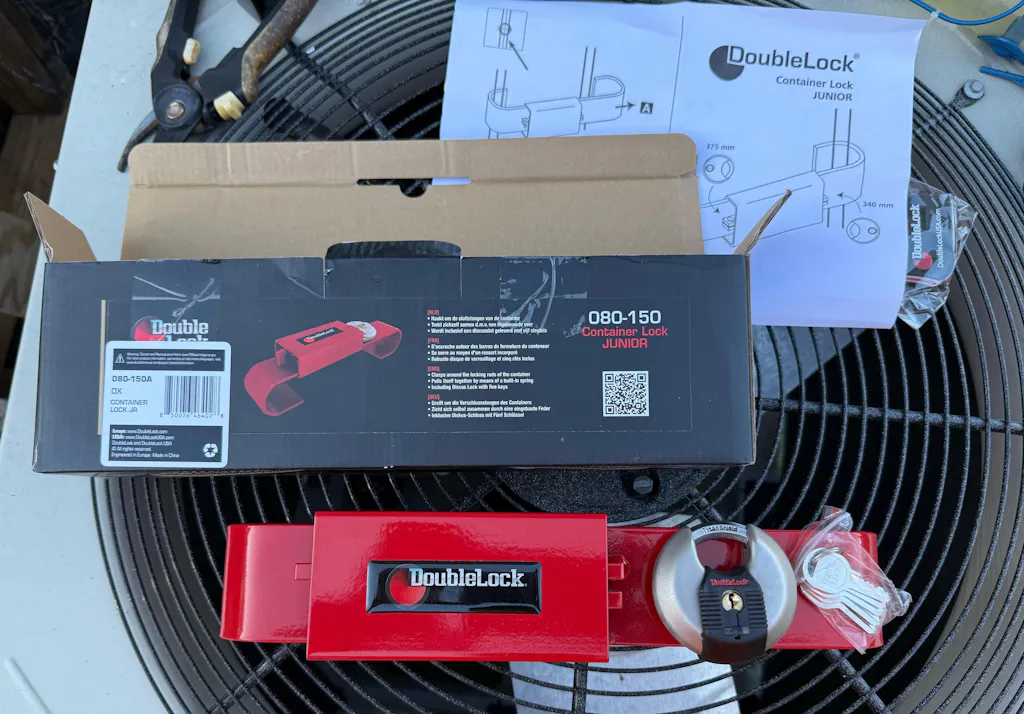
For an external layer of security that physically braces your container doors, a cargo door bar lock is an excellent choice. This device is designed to connect the two inner vertical locking bars, preventing them from being rotated and opened. Made from strong, solid steel, these removable devices are ideal for securing containers on job sites, in storage yards, or even during transit on semi-trailers. Their design makes it incredibly difficult for anyone to force the doors apart. It’s a straightforward yet highly effective method for adding another barrier against unauthorized entry. This type of security hardware is a visible deterrent that signals your container is well-protected.
Combination Padlocks
Combination padlocks offer a convenient, keyless security solution for your shipping container. They are a great option when multiple people need access, as you can simply share a code instead of duplicating and distributing keys. This eliminates the risk of lost or stolen keys compromising your security. While some may question their durability compared to keyed versions, modern heavy-duty combination padlocks are built to withstand harsh conditions and resist tampering. When choosing one, it's important to select a high-quality model from a trusted brand. For many stationary storage applications, a well-made combination padlock provides a perfect balance of reliable security and user-friendly access for your entire team.
Complementary Security Hardware
A high-quality security device is the cornerstone of your container's protection, but it works best as part of a broader strategy. Thinking about security in layers is the most effective way to protect your property. This means creating an environment that deters potential thieves before they even try to tamper with your container. Simple additions like lighting and surveillance can make a huge difference, turning your container from an easy target into a high-risk proposition for anyone with bad intentions. By integrating your physical security with other measures, you build a comprehensive defense system that offers true peace of mind.
Lighting, Camera, and Anchor Systems
To create a truly secure environment, consider adding lighting, cameras, and anchoring systems. Motion-activated floodlights are a powerful deterrent, as they eliminate shadows and expose anyone who approaches your container after dark. Visible security cameras also make potential thieves think twice, and they provide valuable evidence if an incident does occur. For ultimate protection against theft of the entire container, an anchor system can be used to bolt it directly to a concrete slab or foundation. Combining these elements with a strong security device creates a multi-layered defense that protects your assets from every angle. If you need advice on a complete setup, our team is always here to help.
What to Look For in a Container Security Device
When you're securing a shipping container, not just any lock will do. The value of your cargo, whether it's for business or a personal move, demands a lock designed for the job. The best container locks share a few key characteristics that set them apart from standard hardware. Understanding these features will help you choose a lock that provides real security and peace of mind. Let's look at what makes a container lock truly effective against both the elements and potential threats.
Will It Withstand the Elements?
Shipping containers face everything from salty sea air to freezing rain and intense sun. A lock that can't handle the weather is a lock that will fail. Corrosion can seize up the locking mechanism or weaken the body, making it easy to break. That's why you should look for locks made from materials specifically chosen for their durability. Solid, aircraft-grade aluminum is an excellent rust-proof option. Similarly, many high-security locks use hardened steel with a special coating to prevent rust and ensure the lock works smoothly year after year. This focus on quality materials is essential for long-term reliability.
How Well Does It Resist Forced Entry?
A determined thief will often try to attack a lock with force, using tools like bolt cutters or drills. Your container lock needs to be prepared for this. The most effective defense is a body and shackle made from hardened steel. This material is incredibly tough to cut through and can resist drilling attempts that would compromise a lesser lock. When you're comparing options, check the product specifications for mentions of hardened steel construction. This single feature is one of the most important for preventing a brute-force break-in. A lock built to withstand these attacks is a fundamental part of any solid security solution.
Focusing on the Container's Weakest Point
When securing a shipping container, it's crucial to recognize where to focus your efforts. While the steel walls seem imposing, the real vulnerability lies elsewhere. The doors and their locking bars are the weakest parts of a container, which makes your choice of security device absolutely critical. A well-designed mechanism does more than just fasten the doors; it reinforces the existing hardware and makes it difficult for tools to cut or pry. It also serves as a powerful visual deterrent, signaling to potential thieves that the container is well-protected and not an easy target. A proper security device isn't just a barrier; it's the first and most important line of defense for the container's most susceptible point.
To effectively protect your container, you need a security device built from materials that can withstand a determined attack. Look for options made from hardened steel or boron alloys, as these are significantly more resistant to cutting and drilling attempts. The core principle is that the device's body and shackle must be stronger than the tools used to attack them. For an extra layer of security, consider installing a lock box. This is a thick steel housing that is welded directly onto the container doors, creating a protective shroud around your padlock. This simple addition makes a huge difference, as it shields the device from direct attacks by bolt cutters or grinders, fortifying the container's weakest point.
The design of the security device itself also plays a huge role in its effectiveness. For optimal security, consider using disc-style or puck-style devices. These specialized mechanisms feature a circular design that intentionally minimizes how much of the shackle is exposed. With little to no shackle visible, there is no room for bolt cutters to get a grip, which neutralizes one of the most common methods of forced entry. This clever design, combined with robust materials, creates a formidable defense. By focusing on a combination of strong materials and a smart design that protects the container's most vulnerable areas, you can be confident that your property remains secure against unauthorized access.
Designs That Conceal and Protect
The design of a lock is just as important as the material it's made from. One of the most secure designs features a hidden or shrouded shackle. By covering the shackle, the lock leaves no room for bolt cutters to get a grip, instantly neutralizing one of the most common methods of attack. Other anti-tamper designs might include features that cover more of the container's door latch, making the entire mechanism harder to access and manipulate. These clever designs create a much tougher challenge for anyone trying to force their way in. They show a deep understanding of how to protect valuable assets, which is a core part of our story.
Real-World Threat-Based Design
The best security solutions are created with a clear understanding of how break-ins actually happen. It’s not just about being strong in theory; it’s about countering real-world tactics. For any shipping container, the weakest points are the doors and their locking bars, not the heavy steel walls. A threat-based design focuses on these vulnerabilities. This means using materials like hardened steel that can withstand attacks from bolt cutters and drills. It also involves creating designs that physically shield the security mechanism. For example, some of the most effective container security systems use a thick steel housing or a circular shape to cover the most vulnerable parts, making a direct assault nearly impossible. This robust appearance serves as a strong deterrent, encouraging thieves to find an easier target.
Why Build Quality and Materials Matter
Ultimately, a lock's strength comes down to the quality of its components and how they are put together. Beyond just hardened steel, look for advanced materials like boron alloys, which offer an even higher level of resistance to cutting and sawing. The lock's internal mechanism should also be well-constructed to prevent picking or bumping. A premium lock feels solid and heavy in your hand, a testament to its dense, high-quality materials. Investing in a lock with superior construction means you're not just buying a deterrent; you're buying a durable piece of security equipment designed for years of reliable service. You can explore a range of high-security options built with this principle in mind.
High-Grade Materials for Maximum Resistance
The most effective security devices are built from materials like hardened steel or boron alloys. The core principle is simple: the device's body and shackle must be stronger than the tools used to attack them, such as bolt cutters or drills. This isn't just about making something heavy; it's about material science. Hardened steel is heat-treated to increase its toughness, making it incredibly difficult to cut or deform. Boron alloys take this a step further, offering an even higher level of resistance. When you choose a security mechanism made from these advanced materials, you are investing in hardware that is specifically engineered to defeat brute-force attacks, ensuring your assets remain protected by top-tier security hardware.
Ensuring a Fit for Varied Door Spacing
A security device is only as good as its fit. A loose or ill-fitting mechanism can create a critical vulnerability, giving a potential thief the leverage needed to pry it off or the space to slip in a cutting tool. While shipping containers are built to standard dimensions, there can be minor differences in the spacing of the door hardware. That's why it's so important to choose a device that fits snugly. Many modern containers come with a pre-installed protective housing for this reason, as it creates a standardized and shielded point of connection. Before you buy, measure your container's hardware or consider an adjustable security system to guarantee a tight, secure fit. If you have questions about what will work best for your setup, you can always contact our team for guidance.
Considering Country of Origin and Certifications
Where a security device is made can tell you a lot about its quality. Reputable manufacturers often design their security devices based on how theft actually happens, not just on how the device looks. This real-world approach to design, combined with stringent quality control standards, results in a more reliable product. A company's manufacturing heritage often reflects a commitment to excellence that you can trust. For many businesses, especially those in construction or working on government projects, knowing the country of origin isn't just a preference—it can be a contractual requirement. Choosing a device with a transparent and reputable manufacturing background provides an extra layer of confidence in its ability to protect your property.
Specialized Certifications
Beyond the materials and design, official certifications offer third-party validation of a security device's quality and suitability for specific applications. For instance, some devices are "Cage Code Certified," which might be important for certain buyers, like government or military contractors. A CAGE Code is a unique identifier assigned to suppliers of government agencies, signifying that the company meets specific federal standards. This type of certification is a clear indicator of a product's reliability and the manufacturer's credibility. For commercial users, this level of verification provides peace of mind, assuring them that the security solution they choose is trusted by organizations with the highest security demands, making it a smart choice for our wholesale partners.
Which Brands Offer the Best Container Security?
When you start shopping for a container lock, you’ll find a few key players who consistently deliver on quality and security. Each brand has its own strengths, so understanding what they offer can help you make a confident choice. From locks built to withstand harsh marine environments to those designed for maximum resistance against brute force attacks, there’s a specialized solution for your needs. Let's look at some of the top brands in the industry and what makes their products stand out. Knowing the differences will help you select a lock that provides the right level of protection for your valuable assets.
DoubleLock USA: High-Security Solutions
At DoubleLock USA, our focus is on creating robust security solutions you can trust. We offer a range of high-security locks designed specifically for shipping containers, with an emphasis on durability and resistance to tampering. Our products are engineered to withstand determined attacks, giving you peace of mind whether your container is in transit or stationary. We build our locks with top-quality materials to handle tough conditions without compromising security. This commitment to unbeatable protection is why you’ll find our locks at major retailers like The Lowe's and Lowe’s, providing accessible, professional-grade security for your most important assets.
Squire: Professional-Grade Security Devices
Squire is another well-respected name in the security industry, known for its professional-grade locking mechanisms. The company provides high-security padlocks that offer strong and reliable protection against unauthorized access. Many professionals in logistics and shipping rely on Squire for its consistent performance and tough construction. Their locks are built to resist common methods of attack, including cutting and picking. If you're looking for a lock with a long history of reliability and a reputation for strength, Squire offers solid options that are trusted across the industry for securing high-value goods in shipping containers.
Brand Heritage and Warranty
A brand's history and the warranty it offers speak volumes about the quality of its products. A company with a long-standing reputation has a track record to uphold, and a solid warranty shows they are confident their security devices will perform as promised. For example, a brand like Squire backs its products with a 10-year warranty, which is a strong indicator of their trust in their own manufacturing and materials. This kind of assurance is crucial when you're protecting valuable assets. It means the company is prepared to stand behind its engineering for the long haul, giving you confidence that the lock won't fail when you need it most. It’s a signal that the product was designed not just to sell, but to last through harsh weather and determined attacks.
At DoubleLock USA, we share that same commitment to lasting quality. Our own brand heritage is built on a foundation of creating security solutions that are both robust and reliable, specifically for demanding environments like construction sites and shipping ports. When you choose a lock from a brand that confidently guarantees its work, you're not just buying a product; you're investing in a promise of security and durability. This gives you genuine peace of mind, knowing your property is protected by a company that stands firmly behind its craftsmanship and engineering, day in and day out.
CISA: Systems Designed for Containers
CISA stands out because it designs locks specifically for the unique demands of shipping containers. Rather than adapting general-use padlocks, CISA container locks are purpose-built to fit container latching systems perfectly, which can greatly reduce vulnerabilities. These locks are recognized for their durability, ease of installation, and excellent tamper resistance. Because they are engineered for this one job, they often provide a more integrated and secure fit than one-size-fits-all solutions. For anyone seeking a specialized system designed from the ground up for container security, CISA is a brand worth considering.
ABUS: Built for Any Weather
If your container will be exposed to rain, snow, or salty sea air, ABUS is a brand you should know. They are particularly well-known for their advanced weatherproof technology, making their locks ideal for outdoor and marine applications. ABUS locks are made with corrosion-resistant materials inside and out, ensuring they function smoothly and remain secure even after long-term exposure to the elements. This robust construction means you won’t have to worry about a lock seizing up or degrading over time. For long-lasting security in challenging environmental conditions, ABUS provides some of the most durable options available.
How High-Security Devices Counter Common Threats
A high-security lock is more than just a visual deterrent. It’s an active defense system designed to counter the specific methods criminals use to target shipping containers. Understanding how these locks protect against common threats can help you see why investing in a quality solution is so important for securing your assets. From brute force attacks to opportunistic theft during transit, the right lock is engineered to stand up to the challenge.
Securing Cargo While on the Move
Containers are most vulnerable when they’re on the move. Thefts at rest stops and hijackings are serious risks, making a reliable lock your first line of defense. High-security locks are specifically designed to prevent unauthorized access while cargo is in transit. A formidable lock makes your container a much harder target, encouraging thieves to move on to an easier one. This is crucial in preventing the types of cargo theft that can occur when a shipment is temporarily unattended. A strong lock ensures your container remains secure throughout its entire journey, from departure to arrival.
Defeating Cutters and Tamper Attempts
When a thief decides to use force, the lock’s material is what stands between them and your property. The core principle of a high-security lock is that its body and shackle must be harder than the tools used for an attack, like bolt cutters or drills. That’s why top-tier hardened steel locks are constructed from materials like boron alloys, which can withstand extreme cutting and drilling attempts. This physical toughness is a non-negotiable feature. It’s not just about a complex key; it’s about building a lock that simply won’t break, bend, or be cut open when faced with a direct assault.
Guarding Against Bypass Techniques
Beyond brute force, a good lock also protects against more subtle attacks. Many high-quality shipping containers have a built-in lock box, which is a steel housing that shields the padlock. This feature, combined with a lock that has a hidden or shrouded shackle, makes it nearly impossible for bolt cutters to get a grip. Furthermore, the internal design of a high-security lock is built to resist picking and other forms of tampering. These advanced locking mechanisms provide another critical layer of security, making it much more difficult for an intruder to compromise the lock without resorting to heavy-duty tools that create noise and attract attention.
How to Choose the Right Security for Your Container
Selecting the right lock for your shipping container isn't just about picking the biggest one. The best choice depends on what you're storing, where your container is, and its specific design. A thoughtful approach ensures you get the security you actually need. By considering a few key factors, you can confidently find a lock that protects your assets. Let's walk through how to make the right decision.
Start by Assessing Your Risk
First, take a moment to evaluate your specific security requirements. What are you storing inside the container? High-value equipment and merchandise demand a more robust solution than general supplies. The location of your container also plays a huge role. A container in a well-lit, fenced yard has different security needs than one sitting on an isolated construction site. Heavy-duty shipping container locks are a critical part of your overall security plan. For containers in high-risk areas, you might even consider pairing a top-tier lock with other security measures to create multiple layers of defense.
Match the Device to Your Container
Next, look at the container itself. Most standard shipping containers feature double cargo doors secured with steel bars and a cam and lock system. Your lock needs to be compatible with this setup. While a standard padlock might seem sufficient, locks specifically designed for shipping containers often provide a much better fit and higher security. These locks are built to integrate seamlessly with the container's existing hardware, leaving less room for tampering. Before you shop for a lock, take a close look at your container's doors and locking rods to ensure you choose a model that will work effectively with your specific unit.
Consider Your Climate and Daily Use
Finally, think about the environment where your container will be. Will it be exposed to harsh weather like rain, snow, or salty sea air? If so, you'll need a lock made from corrosion-resistant materials, such as hardened steel with a protective coating, to prevent rust and seizure. Also, consider how often you'll need to access the container. If it's for long-term storage, a complex, high-security lock is ideal. If you need daily access, you might prioritize a lock that is both secure and easy to operate. Investing in a quality lock that suits your environment and usage will give you confidence that your property is safe.
How Much Should You Spend on Container Security?
The price of a shipping container lock often reflects its security level. While it can be tempting to choose the cheapest option, it’s helpful to think of a lock as an investment in protecting the value of what’s inside your container. A higher price point usually means stronger materials, more complex mechanisms, and better resistance to tampering, cutting, and drilling.
Understanding the different price tiers can help you find the right balance between your budget and your security requirements. Whether you need basic deterrence for a low-risk situation or maximum protection for high-value assets, there’s a solution available. Let’s break down what you can expect to pay and the features you’ll get for your money.
Entry-Level Options ($30-$75)
In the $30 to $75 range, you’ll find locks that provide fundamental security. These options are a solid first line of defense and are certainly better than leaving your container unsecured. They are typically suitable for containers stored in a supervised location or for those holding lower-value contents. While they may deter opportunistic thieves, they might not hold up against a more determined attack. The market offers a wide variety of shipping container locks at this entry-level price point, giving you plenty of choices for basic protection.
Professional-Grade Security ($75-$150)
For a significant step up in security without a premium price tag, the mid-range tier is a popular choice for many professionals. Locks in the $75 to $150 bracket often feature more robust materials and designs that offer greater resistance to force. For example, you can find locks like the Lockitt TL82A UCS that provide a great balance of security and value. Many locks in this category also offer convenient features like a “Keyed Alike” option, which allows you to use a single key for multiple containers, simplifying access and key management.
Top-Tier Systems ($150+)
When your container holds valuable equipment, inventory, or irreplaceable items, investing in a premium lock is the best course of action. Priced at $150 and up, these locks are engineered for maximum protection. They are typically constructed from hardened steel to withstand serious cutting and drilling attempts, giving you confidence that your assets are protected. These are the kinds of high-security options designed to defeat sophisticated break-in methods. Choosing a lock from this tier is about more than just security; it’s about securing your peace of mind.
High-End and Specialized Systems ($150+)
When your container holds valuable equipment, inventory, or irreplaceable items, investing in a premium lock is the best course of action. Priced at $150 and up, these locks are engineered for maximum protection. They are typically constructed from hardened steel to withstand serious cutting and drilling attempts, giving you confidence that your assets are protected. Many of these high-end locks also feature advanced designs, like hidden or shrouded shackles, which leave no room for bolt cutters to grip. This focus on durable construction and innovative design is what separates true container locks from general-purpose ones. Ultimately, choosing a lock from this tier is about more than just security; it’s about securing your peace of mind against the most determined threats.
How to Properly Install Your Container Security Device
A high-security lock is only as strong as its installation. To get the most out of your security investment, it’s important to follow a few best practices. Proper installation and maintenance create a formidable barrier against theft and ensure your lock functions correctly for years. This process starts before you even attach the lock and continues with simple, routine checks. Here’s what you need to know to secure your container effectively.
Steps for a Smooth Installation
Before you unbox your lock, inspect your shipping container. Ensure the locking rods are straight and the doors align correctly, as a misaligned door can prevent a proper fit. Once the container is ready, focus on the lock itself. A quality container lock should have a hardened steel or boron alloy shackle that is at least 10 to 12 millimeters thick for a strong defense against cutting. When you select a lock, make sure it fits snugly within the container’s locking mechanism to minimize any exposed areas that could be targeted.
Installation Best Practices and Mistakes to Avoid
For an extra layer of security, install a lock box. This is a thick steel housing welded onto the container doors, creating a shroud that conceals your lock from bolt cutters and grinders. Another best practice, especially for businesses, is to maintain a key register to track who has access. A common mistake is using a lock with a shackle that’s too long. This leaves a gap that can be exploited with a crowbar, so always choose a lock that fits as tightly as possible to the hasp.
Maintenance Tips for Lasting Protection
Your container lock is constantly exposed to the elements, so regular maintenance is essential. Every few months, inspect it for signs of wear, rust, or attempted tampering. If you notice damage, replace the lock immediately. To keep the mechanism operating smoothly, apply a graphite or silicone-based lubricant to the keyway and shackle. This prevents seizing in cold or wet climates. For comprehensive site security, you might also install security cameras pointed at the container doors. This not only helps monitor for suspicious activity but also acts as a powerful deterrent.
Is a High-Security Container Device Worth It?
Choosing the right security for your shipping container is one of the most important decisions you can make to protect your property. Whether you're securing valuable tools on a construction site, storing inventory for your business, or keeping personal belongings safe during a move, the contents are worth protecting. A high-security lock is more than just a deterrent; it’s a fundamental investment in the safety of your assets. While a standard fastening device might seem sufficient, it often presents an easy opportunity for thieves. Opting for a superior security mechanism provides a powerful defense against theft, helps you meet important compliance requirements, and ultimately offers lasting peace of mind. When you secure your container with top-tier hardware, you’re not just closing a door. You’re safeguarding your business, your projects, and your valuables from significant risk and potential loss. It's a proactive step that reinforces the entire security of your operation.
Deterring Opportunistic Theft
An unsecured or poorly secured container is an easy target. Professional thieves often look for the path of least resistance, and a flimsy or standard-issue fastening device can be an open invitation for a quick break-in. A high-security mechanism, however, acts as a strong visual deterrent. Its robust construction and complex design signal that your container is well-protected, encouraging criminals to move on to a softer target. Many modern shipping containers also feature a built-in steel housing that shields your hardware from bolt cutters and saws. When paired with a formidable securing device, this system creates a powerful defense that is extremely difficult to breach, buying you valuable time and protection against even determined attacks.
Meeting Insurance and Compliance Standards
Securing your container’s contents is not just about physical protection; it’s also about financial and professional responsibility. Many insurance policies for goods in transit or storage have specific stipulations for the quality of security hardware used. In the event of a theft, using a non-compliant or inadequate device could put your entire claim at risk, leaving you to cover the losses yourself. Furthermore, certain industries and client contracts mandate specific security standards to protect high-value cargo. Investing in a certified, high-security system ensures you meet these critical requirements, protecting you from liability, preventing contractual disputes, and keeping your business in good standing with partners and insurers.
The Long-Term Value of Peace of Mind
While a premium security system has an upfront cost, it’s a small price to pay compared to the potential losses from a single incident. A break-in can lead to stolen inventory, damaged goods, costly project delays, and a spike in your insurance premiums. The ripple effects can disrupt your entire operation. By making a one-time investment in a reliable security solution, you prevent these expensive and stressful situations. More importantly, you gain invaluable peace of mind. Knowing your assets are protected by hardware built on a heritage of security allows you to focus on your work without worrying about the safety of your container and its contents, day or night.
Related Articles
- 5 Types of Container Locks to Secure Your Cargo
- The Best Locks for Shipping Containers: A Buyer's Guide
- How to Choose the Best Shipping Container Locks
Frequently Asked Questions
What makes a shipping container lock different from a regular heavy-duty padlock? The main difference comes down to purpose-built design and materials. While a general heavy-duty padlock is strong, a true container lock is engineered to integrate perfectly with a container's specific locking mechanism. This snug fit leaves no vulnerable gaps for prying. They are also typically made from superior materials, like hardened steel or boron alloys, designed to withstand the high-powered cutting and drilling tools a determined thief might use.
My container is in a secure, fenced-in yard. Do I really need a high-security lock? A secure location is an excellent first step, but a high-security lock provides a critical final layer of defense. Fences can be cut and gates can be breached. A formidable lock protects your assets from both external and internal threats, ensuring the container itself remains the strongest point in your security plan. It also helps you meet the stringent requirements often set by insurance providers, which may not cover losses if the container was inadequately secured.
How do I protect my lock from being cut by bolt cutters? The most effective way to defend against bolt cutters is to choose a lock designed to deny them access. Look for models with a hidden or shrouded shackle. This design feature covers the most vulnerable part of the lock, leaving no room for a cutter's jaws to get a grip. For even greater protection, pair this type of lock with a container's built-in lock box, which is a steel housing that completely shields the lock from direct attacks.
Will a container lock rust or freeze up in bad weather? A quality container lock is built to withstand harsh environmental conditions. Reputable brands use corrosion-resistant materials like solid aluminum or hardened steel with a protective coating to prevent rust and degradation. The internal mechanisms are also designed to resist seizing in wet or freezing weather. To ensure smooth operation for years, you can apply a graphite-based lubricant to the keyway once or twice a year.
Is a more expensive lock really worth the investment? Yes, when you consider what you're protecting. The price of a lock generally reflects the quality of its materials and the complexity of its design. A higher-priced lock is typically made from tougher, hardened metals that are much more difficult to cut or drill. It also contains more sophisticated internal mechanisms that resist picking. Think of it as an investment in the total value of your container's contents; the upfront cost is minimal compared to the potential loss from a single break-in.