
A shipping container might seem like a fortress, but its standard latching mechanism is a well-known weak point. Whether you're storing valuable construction equipment, business inventory, or personal belongings, that vulnerability can put everything at risk. Relying on a simple fastener is often not enough to deter a determined thief. True security comes from a purpose-built solution designed specifically for the unique challenges of a container. A complete shipping container locking system addresses these weaknesses directly, creating a formidable barrier against unauthorized access. This guide will walk you through what makes a system effective, the different types available, and how to choose the right one for your assets.
Key Takeaways
- Match your lock to your specific needs: Assess the value of your contents and the container's location to determine the right level of security. Always opt for durable, weather-resistant materials like hardened steel for reliable protection.
- Create a layered security system: A high-quality lock is your most important defense, but it works best as part of a larger strategy. Enhance your protection by adding surveillance, security lighting, and smart placement to deter potential threats.
- Install correctly and maintain regularly: A lock's effectiveness depends on proper installation and consistent care. Double-check alignment during setup and perform routine inspections and lubrication to ensure your lock functions reliably for years.
What Is a Shipping Container Locking System?
A shipping container locking system is a set of security devices designed to protect the contents of a container from theft and unauthorized entry. Think of it as the complete security package for your container. These systems go beyond a simple padlock, often incorporating multiple components that work together to create a formidable barrier. Understanding what makes up a robust system is the first step toward securing your valuable assets, whether they are on a construction site, in transit, or used for storage.
Key Components of a Container Lock
The foundation of any system is a heavy-duty, tamper-proof lock. At DoubleLock USA, our container locks are specifically designed to provide maximum security against break-ins. Because containers are exposed to the elements, these locks must also be made from weather-resistant materials, like steel, to prevent them from breaking down over time. For an added layer of security, many systems include a crossbar lock. This device spans the width of the container door handles, making it much harder for anyone to tamper with the doors. Some systems also use cargo door locks that cover the container’s vertical locking rods for even more protection.
Why Container Security Is Crucial
Security is a primary concern for anyone storing valuable items in a shipping container, from construction equipment to business inventory. A container is only as secure as its weakest part. Without a proper lock, there is little stopping a thief from getting inside and taking your valuable equipment or personal belongings. Investing in a high-quality locking system is not just about buying a lock; it’s about creating peace of mind. It ensures that your assets are protected, whether the container is sitting on your property or being transported across the country.
What Are the Different Types of Container Locks?
Choosing the right lock for your shipping container can feel like a big decision, but it doesn't have to be complicated. The best choice depends entirely on your specific situation. Think about what you're storing, where the container is located, and how often you need to access it. A container holding valuable construction equipment on an open job site requires a different level of protection than one used for personal storage in your backyard. There isn't a single "best" lock, but there is a "right" lock for your needs. Understanding the main types of container locks is the first step toward finding the perfect security solution for your property.
Different locks offer different features, from heavy-duty physical barriers that are tough to break to simple, tamper-evident seals that show if someone has tried to get in. Some people even use multiple locks together to create layers of security, which can be a very effective strategy. For example, you might use a robust internal lock for primary security and add a crossbar lock as a strong visual deterrent. We'll walk through the most common options available so you can make an informed choice that gives you confidence and peace of mind.
Heavy-Duty Padlocks and Lock Boxes
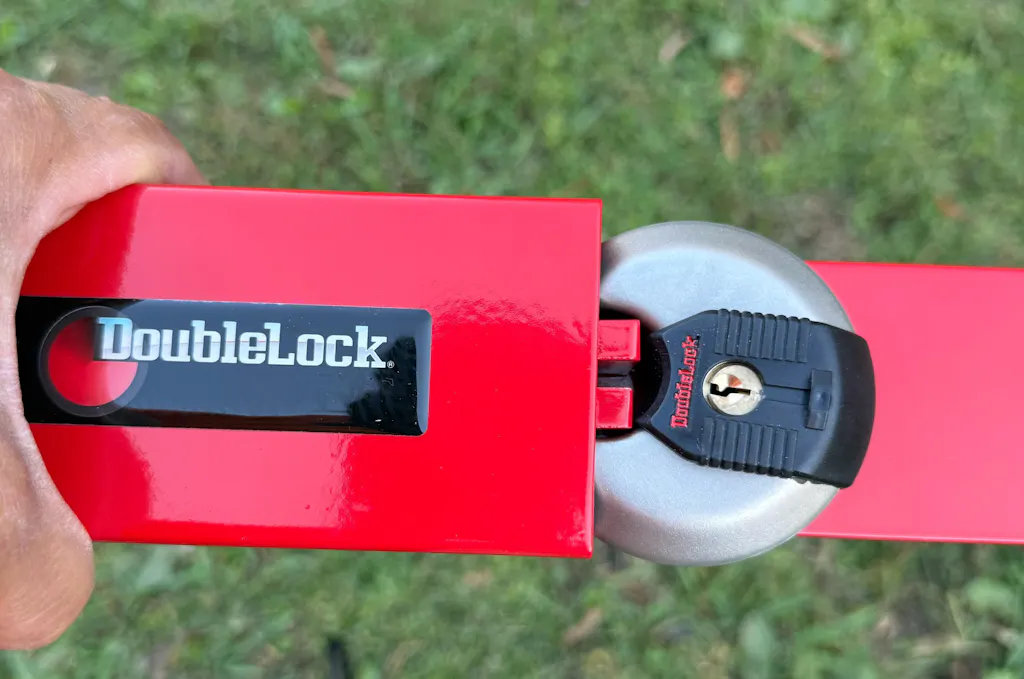
When you think of securing something, a padlock is probably the first thing that comes to mind. For shipping containers, heavy-duty padlocks are a reliable and popular choice. These are not your average gym locker locks; they are built from hardened steel to resist cutting, drilling, and picking. To add another layer of security, you can pair a heavy-duty padlock with a lock box. A lock box is a steel housing that gets welded onto the container doors, creating a protective shroud around the padlock. This setup shields the lock's shackle, making it nearly impossible for bolt cutters to get a grip. It’s a straightforward and effective way to secure your container.
Puck and Discus Locks
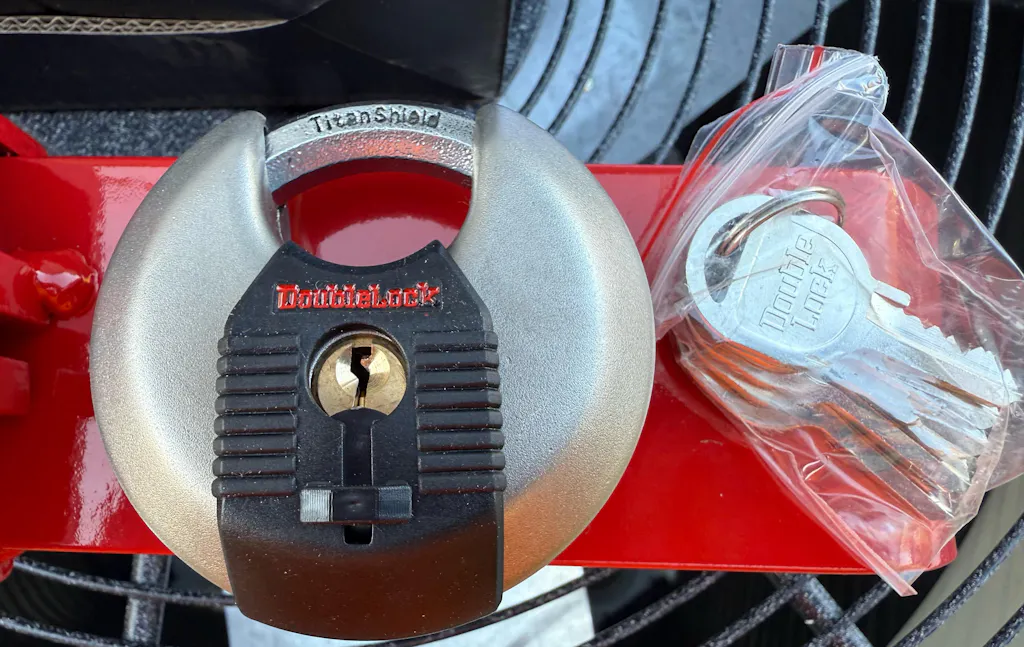
Puck and discus locks get their names from their round, flattened shape, which is a key part of their design. This shape leaves very little of the shackle exposed, which is the most vulnerable part of a traditional padlock. With less area to attack, these locks are highly resistant to being cut or pried open. The DoubleLock Crab Lock, for example, features a hardened stainless steel body that resists both corrosion and impact. This makes discus locks an excellent choice for shipping containers that are exposed to harsh weather conditions, as they provide durable security that lasts.
Crossbar Locks (Cargo Door Locks)
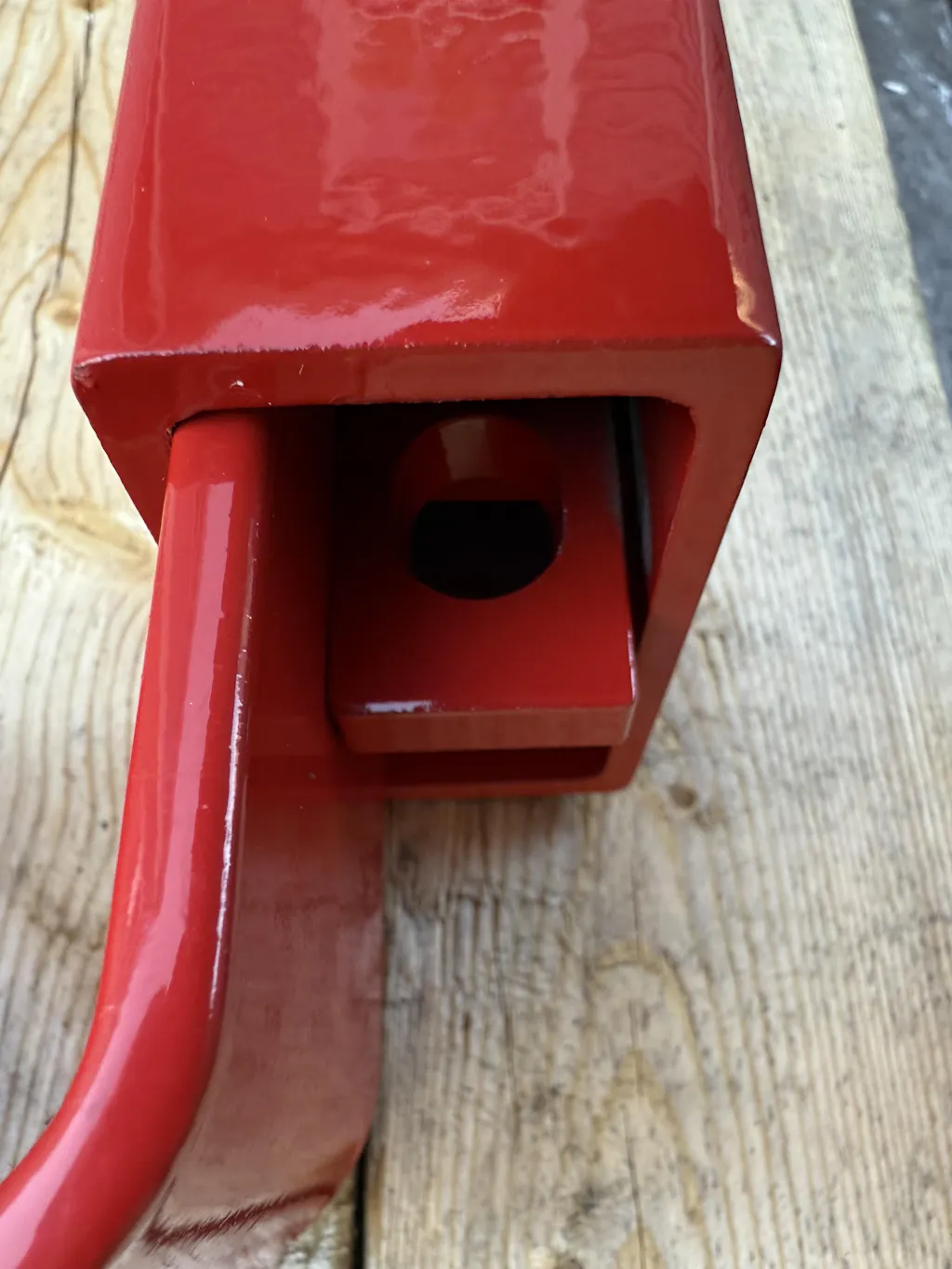
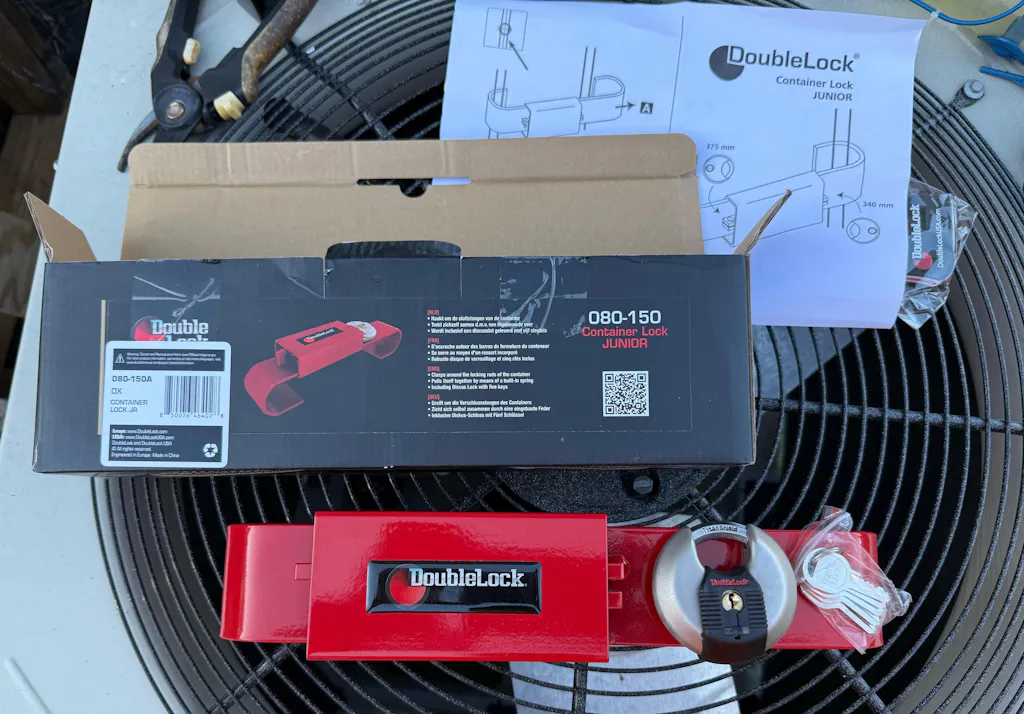
Crossbar locks, also known as cargo door locks, offer a high-visibility layer of security. These devices are designed to span across the vertical locking rods on a container's doors, holding them securely together. By bracing the two rods, a crossbar lock makes it extremely difficult to force the doors open. They are typically adjustable, allowing them to fit a variety of container sizes. Because they are large and externally mounted, they also act as a strong visual deterrent. A potential thief will see the robust lock from a distance and will likely decide that breaking in is not worth the time or effort.
Bolt Seals and Tamper-Evident Options
Unlike the other locks we've discussed, bolt seals are designed for a different purpose. Their main job is not to prevent a break-in but to prove that one has occurred. These are single-use security seals that consist of a steel bolt and a locking mechanism. Once the bolt is secured, it cannot be removed without being cut, which provides clear evidence of tampering. Each bolt seal has a unique serial number printed on it for tracking purposes. They are essential for the shipping and logistics industry to ensure cargo integrity during transit. While not a primary security device on their own, they are often used with a heavy-duty lock for comprehensive protection.
Internal vs. External Locking Systems
Container locks can be categorized as either internal or external. External locks, like padlocks and crossbar locks, are mounted on the outside of the container. They are visible, which acts as a deterrent, but they are also exposed to weather and potential tampering. Internal locking systems, on the other hand, are installed inside the container doors. The mechanism is hidden from view and protected from direct attacks with tools like bolt cutters or grinders. This makes them a very secure option, though they can be more complex to install. Your choice between an internal or external system will depend on whether you prefer a visible deterrent or a concealed security solution.
How Do Shipping Container Locks Work?
Shipping container security systems are more than just a deterrent; they are specialized devices engineered to protect valuable cargo across long distances and in various environments. Unlike a simple fastener you might use on a shed, a container security device is built to integrate with the container's own structure, creating a much stronger defense. These systems are designed to face determined thieves, powerful tools, and harsh weather for weeks or months at a time.
At their core, these devices rely on a combination of strong mechanical designs, features that resist tampering, and durable construction that holds up against the elements. A high-quality security mechanism doesn't just secure a container's doors. It creates a formidable barrier that is difficult to bypass, damage, or compromise. For example, a device might have a simple turning mechanism, but its real strength comes from a hardened steel body that resists bolt cutters and a design that shields its most vulnerable parts from attack. The most effective systems integrate these three elements seamlessly, providing a comprehensive security solution that addresses multiple threats. Let's look at how each of these components works to keep your container and its contents safe.
Mechanical Locking Mechanisms
The foundation of any container security device is its mechanical design. These securing mechanisms are the physical barriers that prevent the doors from opening. One of the most effective types is the crossbar fastener, which fits across the vertical rods on the container doors. By securing these rods together, it makes prying the doors open nearly impossible without first destroying the device itself. This simple but powerful mechanical principle is the first line of defense, turning the container's own door hardware into part of the security system. It’s a straightforward approach that provides a significant amount of strength and resistance against forced entry.
Tamper-Proof Design Features
Beyond the basic mechanics, high-security devices include features specifically designed to be tamper-proof. This means they are engineered to resist common break-in techniques like drilling, cutting, and picking. For instance, many of our heavy-duty security solutions are built with hardened steel bodies and shielded shackles that leave no room for bolt cutters to get a grip. Some also feature anti-drill plates and complex internal mechanisms that frustrate attempts at manipulation. These intentional design choices are what separate a standard fastener from a true security solution. They anticipate a thief’s methods and build in countermeasures to stop them before they can succeed, ensuring your container remains secure.
Weather-Resistant Construction
A container security device is useless if it rusts shut or falls apart after a few months outdoors. That’s why weather-resistant construction is so critical. Shipping containers are exposed to everything from salty sea air to freezing rain and intense sun. Quality container security systems are made from materials like hardened or stainless steel that are specifically chosen for their ability to resist corrosion and withstand extreme temperatures. This focus on durability ensures the mechanism functions reliably for years, maintaining its integrity and strength. A device that can endure harsh conditions provides consistent security, giving you peace of mind that your assets are protected no matter the weather.
What Are the Pros and Cons of Each Locking System?
Choosing the right lock for your shipping container isn't a one-size-fits-all decision. The best option depends on what you're storing, where the container is located, and how often you need to access it. Each type of lock comes with its own set of strengths and weaknesses. A simple padlock might be enough for basic storage in a secure area, while a high-value shipment crossing the country will require something much more robust. Understanding these differences is the first step toward finding the perfect balance of security, convenience, and cost for your specific needs. Let's look at the pros and cons of the most common locking systems so you can make a confident choice.
Padlock and Discus Lock Pros and Cons
Padlocks and discus locks are popular for a reason. They are generally affordable, easy to use, and versatile. For container security, you’ll want a heavy-duty model made from hardened steel that is designed to be weather-resistant. A quality discus lock, like the DoubleLock Crab 2.0, features a shielded shackle that makes it incredibly difficult for bolt cutters to get a grip, offering strong resistance against cutting and prying.
The primary downside is the potential vulnerability of an exposed shackle on standard padlocks. If the shackle is easy to access, it can be a target. This is why many people pair a heavy-duty padlock with a lock box, which is a steel housing that surrounds the lock to protect it from direct attacks.
Crossbar Lock Pros and Cons
If you need to take your container’s security to the next level, a crossbar lock is an excellent choice. These devices, also known as cargo door locks, are a powerful visual deterrent. They work by spanning across the vertical locking bars of the container doors, holding them securely together. This design makes it extremely difficult for anyone to tamper with the handles or force the doors open. A crossbar lock adds another level of security that is ideal for containers holding high-value goods or those left in unmonitored locations.
On the other hand, crossbar locks are bulkier and heavier than other locks, which can make them a bit more cumbersome to install and remove regularly. They also represent a higher upfront investment, so they may be more than you need for simple storage.
Internal Lock Pros and Cons
Internal locking systems offer a unique and highly secure solution because they are installed inside the container. This means the mechanism is completely protected from the elements and, more importantly, hidden from external view. Since would-be thieves can't see the lock, they can't easily drill, cut, or tamper with it. This provides a permanent security solution that keeps the container locked even without any external devices.
The main considerations for internal locks are the installation and cost. They typically need to be professionally installed, sometimes requiring welding, which makes them a permanent modification to your container. This might not be suitable for rented units. They are also one of the more expensive options available.
Bolt Seal Pros and Cons
Bolt seals are a crucial component for securing shipping containers, but their primary role is different from other locks. They are designed for tamper evidence, not brute-force prevention. Each bolt seal has a unique serial number, providing a clear indication if a container has been opened during transit. They are single-use, inexpensive, and easy to apply, making them essential for logistics and supply chain security.
However, a bolt seal offers minimal physical security. It can be removed quickly with a pair of bolt cutters. Because of this, bolt seals should never be used as the sole locking mechanism. Instead, they should be used in conjunction with a high-security lock, like a heavy-duty padlock or crossbar lock, to create a comprehensive security strategy.
How to Choose the Right Container Lock
Selecting the right lock for your shipping container comes down to what you need to protect and where it’s located. While most containers have a basic lock, it’s rarely enough to secure valuable assets. A high-quality lock is an essential investment for protecting your property on a construction site, in a shipping yard, or on your land. Thinking through a few key factors will help you find a lock that offers the right balance of strength, durability, and ease of use.
Assess Your Security Needs
First, think about what you’re protecting. The value of the contents, whether it's expensive equipment or commercial inventory, should directly influence your choice of lock. Also, consider the container's location. A container in a secured yard has different security needs than one in an isolated area. You’ll want a solution that offers serious strength and is simple for you to operate. A good starting point is to browse different types of locks to see what features align with the level of protection you need for your assets and location.
Consider Materials and Durability
A lock’s material is the foundation of its strength. For a shipping container, look for locks made from hardened steel, which is treated to resist cutting, sawing, and drilling. A durable lock is one that is difficult to breach through brute force. The design should feel solid, without weak points like an exposed shackle that can be targeted with bolt cutters. The quality of the materials reflects the lock's ability to withstand an attack, so this isn't an area to compromise. Our commitment to quality is built on using materials that provide reliable, long-lasting security.
Factor in Weather and Environment
Shipping containers are exposed to the elements, and your lock will be too. Rain, humidity, and extreme temperatures can cause rust and corrosion, which can weaken a lock or cause it to seize. If your container is near the coast, salt spray is another major concern. Look for locks specifically described as weather- and corrosion-resistant. These models often feature protective coatings or are made from materials like stainless steel that hold up against moisture. A lock that can endure its environment will function reliably for years, ensuring your container remains secure no matter the weather.
Balance Your Budget and Value
While price is a factor, it’s helpful to view a container lock as an investment. The cost of a premium lock is minimal compared to the potential loss from a break-in. A cheaper lock might save you money upfront but could fail when you need it most, offering a false sense of security. Instead of focusing only on the price, consider the long-term value. A well-made, durable lock provides peace of mind and reliable protection. For businesses securing multiple containers, exploring wholesale options can provide excellent value without compromising on the quality needed to protect your inventory.
What Security Features Should You Look For?
When you're ready to invest in a locking system, it’s important to look past the price tag and examine the specific features that provide real security. A lock is your first line of defense, so its ability to withstand tampering, brute force, and even the weather is what truly matters. The best locks for shipping containers and other high-value assets share a few key characteristics. Focusing on these features will help you find a solution that offers genuine peace of mind, ensuring your property stays protected against a wide range of threats.
Hardened Steel Construction
The foundation of any great lock is the material it's made from. For maximum security, look for locks constructed from hardened steel. This isn't your average metal; it's steel that has been heat-treated to increase its toughness and resistance to cutting, prying, and impact. A lock made from heavy-duty, hardened steel is a powerful deterrent because it can’t be easily broken with brute force. When you’re protecting valuable equipment or inventory, choosing a lock with a solid, tamper-proof body is a non-negotiable first step. You can find a variety of high-quality locks designed specifically for this purpose.
Anti-Drill and Anti-Cut Protection
Determined thieves often come prepared with tools like drills and bolt cutters. That’s why superior locks include features designed to defeat these specific attacks. Anti-drill protection often involves strategically placed hardened steel plates or pins inside the lock cylinder that break drill bits on contact. Similarly, anti-cut designs use thick, hardened steel shackles or bodies that are too robust for standard bolt cutters to handle. For example, the DoubleLock RHINO is a one-piece container lock made from thick steel, providing maximum resistance to these common break-in methods. These features are essential for creating a truly secure barrier.
Corrosion Resistance
A shipping container lock spends its life exposed to the elements. Rain, humidity, and salty air can cause rust and corrosion, which can weaken a lock’s internal mechanism and structural integrity over time. A compromised lock is an unreliable one. Always choose a lock that is specifically rated as weather- and corrosion-resistant. These locks are often made with materials like stainless steel or feature protective coatings that shield them from moisture and environmental damage. This ensures your lock functions smoothly and remains strong for years, reflecting a true commitment to unbeatable security no matter the conditions.
Key Control and Access Management
A lock is only as secure as the control you have over its keys. Good key control means knowing exactly who has a key and preventing unauthorized copies from being made. Some high-security locks use patented keyways that make it difficult for keys to be duplicated without your permission. It's also worth considering your access needs. Do you need an external lock that’s easy for multiple people to use, or an internal system for more limited access? Thinking through who needs access and how you’ll manage the keys is a critical part of your overall security plan. If you have complex needs, it's always a good idea to contact an expert for advice.
How to Enhance Container Security
A high-quality lock is your first and most important line of defense, but creating a truly secure environment for your shipping container involves a layered approach. Think of your lock as the foundation. By adding other security measures, you build a more robust system that deters theft and protects your valuable assets. Combining a strong lock with surveillance, smart technology, and strategic placement makes your container a much harder target for potential thieves. Let's look at some of the most effective ways to reinforce your container's security beyond the lock itself.
Surveillance and Alarm Systems
Adding eyes and ears to your container setup can be a powerful deterrent. Visible security cameras, like CCTV systems, signal to potential intruders that they are being watched, which can often be enough to make them move on. For comprehensive coverage, place cameras where they can capture all access points, especially the container doors. Many modern systems allow you to monitor the feed remotely from your phone or computer. Pairing cameras with an alarm system adds another layer of protection. These systems can detect unauthorized entry or tampering and trigger a loud siren while sending an alert directly to you.
GPS Tracking and Smart Technology
If your container is on the move or stored in a remote location, knowing its whereabouts is critical. GPS tracking devices are small, easy to install, and provide real-time location data, allowing you to monitor your container's journey and quickly locate it if it goes missing. Beyond tracking, smart security devices can send instant alerts to your phone if a door is opened, if motion is detected inside, or even if there are significant changes in temperature or humidity. This technology gives you immediate insight and control, no matter where you are.
Physical Barriers and Strategic Placement
How and where you place your container can significantly impact its security. If possible, position it in a well-lit, visible area. A simple but highly effective tactic is to place the container doors facing a wall, building, or another heavy obstruction, leaving very little room for anyone to tamper with the locks. For added protection, consider installing physical security barriers like concrete bollards or a secure fence around the container. These measures make it physically difficult for unauthorized individuals to even approach your container, let alone attempt a break-in.
Security Lighting Solutions
A well-lit environment is a thief’s worst enemy. Dark, shadowy areas provide cover for criminal activity, so illuminating the space around your container is a simple and effective security upgrade. Motion-activated floodlights are an excellent choice, as the sudden burst of light can startle intruders and draw attention to their presence. For containers in locations without easy access to electricity, solar-powered security lights are a practical and cost-effective solution. Ensure the lighting covers all sides of the container, especially the doors, to eliminate any potential hiding spots.
How to Install Your Container Lock
Once you’ve selected the right lock for your shipping container, the next step is proper installation. A high-quality lock is only as effective as its installation, so taking the time to do it correctly is essential for ensuring your container’s security. Below, we’ll walk through the installation process, common mistakes to watch out for, and the tools you’ll need to get the job done.
Step-by-Step Installation Guide
The installation method for your lock box will typically be either weld-on or bolt-on. For a permanent, high-security fixture, a weld-on lock box is an excellent choice. This process involves using a welder to attach one half of the box to the left container door, then positioning and welding the other half to the right door. If you don't have access to welding equipment, a bolt-on lock box is a more straightforward option. You can install a bolt-on lock box in minutes by carefully positioning it over the door seam and securing it with the provided bolts. Always follow the manufacturer's specific instructions for your lock model.
Common Installation Mistakes to Avoid
A couple of common errors can undermine your container's security, but they are easy to avoid with a little care. The most frequent mistake is improper alignment. If the two halves of the lock box don't line up perfectly, you'll struggle to insert and operate the padlock. This not only compromises security but can be a major frustration. Before you finalize the installation, double-check that everything is aligned. Another oversight is forgetting to test the lock. After you've installed the box, place your padlock, lock it, and unlock it a few times. This simple check confirms that the mechanism works smoothly and helps you avoid getting accidentally locked out. You can find more details on proper lock box usage and installation to prevent these issues.
Tools and Hardware Requirements
Having the right tools on hand will make the installation process much smoother. For a weld-on lock box, you will need a welder. For a bolt-on installation, a power drill with the correct bit size is essential. Both jobs will likely require some basic hand tools, such as a tape measure for alignment, a marker, and wrenches to tighten bolts. When it comes to hardware, a bolt-on kit should include all the necessary high-tensile bolts, nuts, and washers. Make sure you use the hardware provided, as it's designed to withstand force and tampering. If you need to source your own, choose components rated for high-security applications. A good installation overview will often list the specific tools required.
How to Maintain Your Container Lock
A quality lock is your first line of defense, but even the toughest hardware needs care to perform its best. Your container lock is constantly exposed to dust, moisture, and temperature changes, all of which can affect its internal mechanisms. By creating a simple maintenance schedule, you can extend the life of your lock and ensure your assets remain protected. These straightforward practices will help you keep your locking system in top working condition.
Create a Regular Inspection Routine
Set aside time to regularly check your entire locking system. Shipping containers are typically secured with steel bars and a cam mechanism, so your inspection should include these components and the padlock. On a monthly basis, look at your lock for any signs of rust, damage, or attempted tampering. Test the key to make sure it inserts and turns smoothly without sticking. A quick visual check can help you spot potential issues before they become serious security risks. This simple habit ensures your heavy-duty padlock continues to function as your most reliable security asset.
Cleaning and Lubrication Best Practices
Keeping your lock clean and lubricated is essential, especially if it’s exposed to the elements. Use a stiff brush to clear away any dirt from the keyway and around the shackle, then wipe the lock body with a dry cloth. To keep the internal parts moving smoothly, apply a lubricant specifically designed for locks. A quality graphite or Teflon-based spray can prevent rust and protect against moisture. Regular lubrication ensures the mechanism operates correctly, reducing the chance of it seizing up when you need it most.
When to Replace Your Locking System
Even with proper care, locks don’t last forever. It’s important to know when to get a replacement to maintain security. If you notice significant rust or corrosion, it’s a clear sign the lock’s integrity is compromised. Other red flags include a key that consistently sticks, a shackle that’s difficult to open, or any visible signs of wear like deep scratches. If your lock has been tampered with or a key is lost, replace it immediately. When it’s time for an upgrade, choose a new locking system that offers robust, weather-resistant protection.
Related Articles
- 5 Types of Container Locks to Secure Your Cargo
- The Best Locks for Shipping Containers: A Buyer's Guide
- How to Choose the Best Shipping Container Locks
Frequently Asked Questions
Is a heavy-duty padlock enough to secure my shipping container? A high-quality, heavy-duty padlock is an excellent foundation for your security, but its effectiveness can be greatly increased when paired with a lock box. A lock box is a steel housing that gets welded or bolted onto the container doors, creating a protective shroud around the padlock. This setup shields the most vulnerable part of the lock, the shackle, making it nearly impossible for bolt cutters to gain leverage. For many situations, this combination provides a very high level of security.
What's the best way to protect my lock from rust and bad weather? The best defense starts with choosing a lock made from corrosion-resistant materials, like stainless or hardened steel with a protective coating. Beyond that, regular maintenance is key. A couple of times a year, use a stiff brush to clean any dirt or debris from the keyway and lock body. Then, apply a graphite or Teflon-based lubricant spray designed for locks. This simple routine helps prevent moisture from causing rust and ensures the internal mechanism operates smoothly for years.
My container is in an unmonitored, remote location. What should I prioritize for security? For a container in an isolated area, a strong visual deterrent is just as important as physical strength. A crossbar lock is an excellent choice because it is large, visible, and makes it clear that the container is well-secured. This alone can discourage potential thieves. You could also combine a crossbar lock with a heavy-duty padlock in a lock box for a layered defense. Additionally, consider placing the container so the doors face a wall or other obstruction, making it physically difficult for anyone to work on the locks.
What's the difference between a lock that prevents break-ins and one that shows tampering? A lock designed to prevent a break-in, like a padlock or crossbar lock, uses physical strength and hardened materials to create a barrier against force. Its main job is to stop someone from getting inside. A device like a bolt seal, on the other hand, is designed for tamper evidence. It can be cut off easily but has a unique serial number and cannot be resealed once broken. This provides proof that the container was opened, which is crucial for logistics and shipping, but it offers very little physical protection on its own.
Besides a good lock, what is the most effective thing I can do to improve my container's security? Strategic placement is one of the most effective and low-cost security measures you can take. If possible, position your container in a well-lit area. More importantly, place the container doors facing a building, a heavy barrier, or another container, leaving only a few feet of space. This simple step denies a potential thief the room needed to use tools like bolt cutters or pry bars effectively, significantly increasing the difficulty of a break-in attempt.