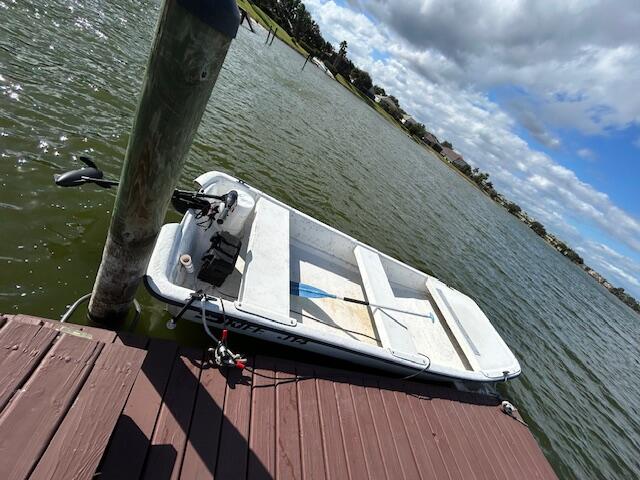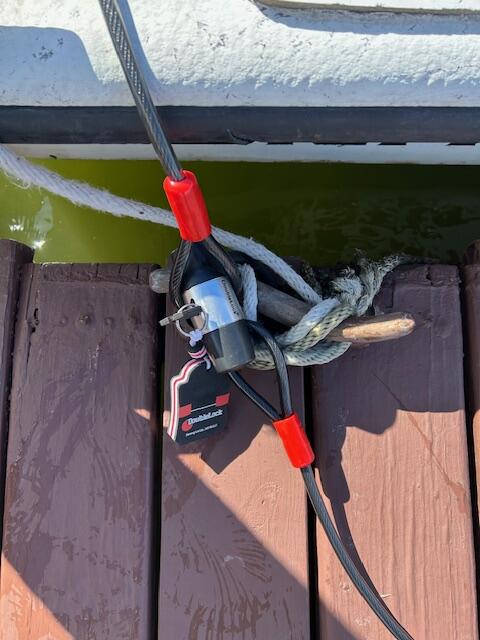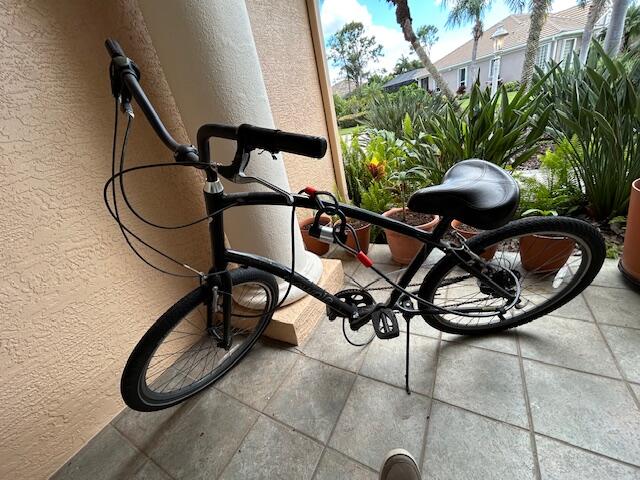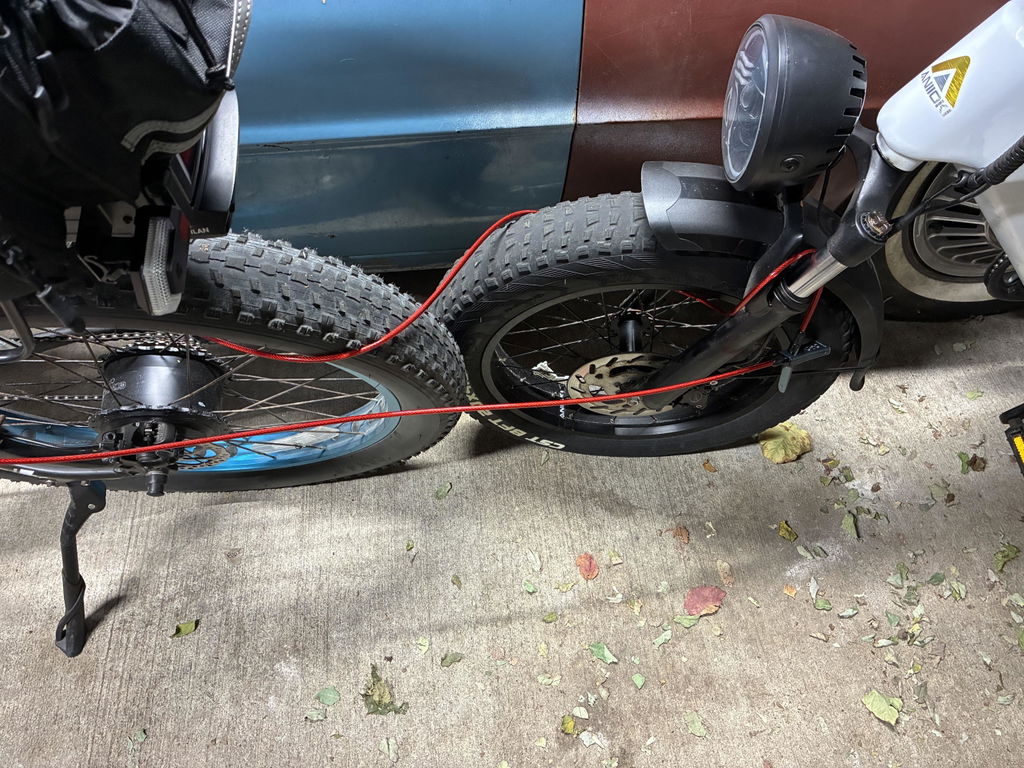


An unsecured trailer parked at a busy jobsite can vanish in under two minutes. Heavy towing equipment requires robust physical barriers to stop determined thieves cold.
Protect your fleet with the truck and trailer security collection from DoubleLock USA.
A proper pintle hitch lock installation protects towing equipment by physically blocking the lunette ring from engaging with a tow vehicle hook. To secure a pintle coupler, you must select a lock that fits your specific lunette eye size. Insert the heavy-duty locking pin through the coupler and engage the mechanism fully to prevent unauthorized removal. Applying a strong lock like the SCORPION Tow Hitch Lock stops thieves from hooking up your trailer and driving away with valuable fleet assets. According to guidelines from the Georgia Department of Driver Services, towing safety begins with verifying that all coupler components are secure. Proper mounting helps fleet managers establish a reliable layer of physical security that deters opportunists in any environment.
If you want to keep your towed equipment secure, you need to understand how these heavy-duty coupling systems function. Our guide will walk you through proper pin fitment and setup. The path to protecting your fleet starts with What a Pintle Hitch Lock Is and How It Works.
What a Pintle Hitch Lock Is and How It Works
A pintle hitch is a heavy-duty towing system. It uses a hook and a ring to link a truck to a trailer. The hook, called a pintle hook, is on the tow vehicle. The ring, called a lunette ring or eye, is on the trailer tongue.
When you drop the ring onto the hook, a latch closes to shut the loop. This connection is strong. It allows lots of movement, which makes it ideal for rough ground and heavy loads.
The pintle and lunette coupling
This design is common on jobsites and fleet yards. Work crews, rental firms, and farm teams use it daily. The system can pull very heavy weights.
But the hook and ring setup has one major flaw when it is not hooked up to a truck. Any thief with a truck can back up to your trailer, drop the ring onto their hook, and drive away. It takes just seconds to steal an expensive trailer.
Safe towing starts with basic checks. Before operating, you must check for worn, damaged, or missing parts, and make sure the mount is secure. These safety rules, backed by the Georgia Department of Driver Services, keep your rig safe on the road.
The same towing parts that wear out over time also need active security. A worn, loose, or unchecked hitch is simple for a thief to bypass.
The theft risk of open hitches
This is where a pintle hitch lock comes into play. It is a tough metal block that fills the open space inside the lunette ring. When the lock is in place, a thief cannot drop the ring onto a hook.
To understand how a pintle hitch lock works, think of it as a physical plug. It takes up the exact space that a tow hook needs to couple with the trailer.
A strong locking pin holds the metal block inside the ring. This pin passes through the center of the lunette eye. A heavy lock secures the pin on the other side.
This setup stops anyone from sliding the lock out of the ring. It turns the open coupler into a solid piece of steel that no one can hook up to. The design is simple, but it is very strong.
The lock as a physical barrier
High-security trailer locks bring industrial grade design to your gear. DoubleLock USA started in 2024 to bring a thirty-year Dutch legacy of heavy duty security to the American market. This European-engineered standard provides top-tier physical security for fleets and job sites.
Still, you must remember that no lock is undefeatable. A focused thief with heavy power tools can cut through almost anything given enough time. Security locks act as tough deterrents that slow down thieves and force them to look for easier targets.
How to Prepare for Your Pintle Hitch Lock Installation
A proper pintle hitch lock installation protects your heavy trailer from theft. You do not need to be an expert to do this task. But you must gather the right items and check your towing gear first. This planning is key for fleet teams, jobsite crews, and trailer owners who haul heavy equipment. Taking a few minutes to prep ensures your trailer remains secure on the road or in the yard.
Tools and gear requirements
You might think a heavy lock needs complex tools to set up. But most high-security hardware options need no special tools. Our locks use European engineering standards to ensure they are tough yet easy to install. You do not need to carry a heavy tool box or buy rare equipment. You only need the lock itself, the matching keys, and a clean workspace. This makes the security setup simple and fast for fleet teams and single owners alike. You can focus on protecting your gear instead of finding special wrenches to complete the job.
Coupler and mount inspection
Before you place the lock, you must check your towing setup. Inspect the pintle hook and mount for worn, damaged, or missing parts. You should also check the mounting surface to confirm that the hook mount is secure. A loose or damaged mount could let the pintle hook separate during a trip. These steps align with state safety checks listed in the Georgia state driver manual guidelines for towing equipment. A secure mount keeps you safe and stops thieves from taking your gear. When the mount is strong, your locking device can do its job to deter thieves.
Sizing and locking engagement
Once your mount is safe, you must check two key fit factors. First, look at the pin size for your coupler. The pin must match the lunette ring or hook opening exactly. A pin that is too thin allows too much play and makes the lock easy to pry off. Second, you must verify that the locking mechanism engages fully. A lock that is only half shut will fail when a thief tries to strike or pull it. Make sure the locking mechanism snaps or turns into place with a clear, solid feel. You can find robust locking systems that fit different pin sizes in our truck and trailer security collection online.
To help you prepare, verify these four main checks before you start:
- Look for bad cracks or deep rust on the hook and mount.
- Measure the pin width to confirm it fits the ring hole.
- Test the lock key to ensure the mechanism moves freely.
- Ensure you have a clear area around the trailer tongue to work safely.
How to Size the Locking Pin for Your Pintle Coupler
The danger of a wrong pin fit
Choosing the right pin is a vital step in secure towing. If a pin is too small, it leaves excess play that can wear down your hitch. This play can let thieves bypass your lock. Proper pin size controls how well the locking mechanism engages. Before you tow, you must run basic checks. Under Georgia commercial driver safety rules, you must check for worn, damaged, or missing parts, and ensure the mount is secure. If a mount is loose, the hook could break away from the truck during transit. A loose fit also causes friction that ruins the metal over time. This makes the hitch unsafe for highway use and easy for a thief to break.
Required sizes for pintle couplers
You need to take two main sizes to find the correct pin. First, measure the hole of your lunette ring. Next, measure the receiver hole on the pintle hook. The pin must fit snug in these holes to block play. Choosing a lock from a solid truck and trailer security collection ensures the pin matches standard towing sizes. Standard setups often use a pin with a width of five-eighths of an inch. But some heavy-duty systems use larger pins. You must measure your specific hitch to make sure you get the right size. Never guess the size of your security pin.
Steps to size your locking pin
Follow these steps to find the perfect pin size for your setup. Using the right steps ensures your trailer remains safe on the road and secure when parked. For heavy trailers, the SCORPION Tow Hitch Lock from DoubleLock USA is a great reference for a perfect fit. It is designed to match standard couplers and stop theft cold.
- Measure the lunette opening. Use a caliper or tape measure to find the inner width of your trailer eye. Most standard rings have a three-inch hole, but you need the exact number to find the right lock.
- Measure the receiver hole. Check the width of the pin hole on your pintle hook mount. The locking pin must pass through this hole without rubbing, but it must not wobble once inside.
- Match the pin diameter. Choose a pin that matches the smaller of your two measurements. A thin pin leaves loose play in the mount, which weakens your lock and lets thieves damage the hitch.
- Check the shoulder length. The locking pin needs a shoulder length that spans the full width of your hitch. Ensure the pin extends far enough on both sides to let the locking head click into place.
- Verify the engagement. Slide the pin in and make sure it fully blocks the pintle opening. A good lock must fit tight against the hitch steel so a thief cannot pry it loose.
Step-by-Step Pintle Hitch Lock Installation
Locking your trailer is vital to stop theft. If you want more details on guarding your fleet, check our guide on heavy-duty trailer security. Fitting a heavy lock on your lunette ring is a simple task. Let us look at the steps to install your lock the right way.
Preparations and parts
You do not need special tools to mount your lock. Most DoubleLock products are built for fast and easy setup, with no extra steps. Before you start, check your gear. Make sure to inspect the pintle hook mount for any worn or damaged parts. A clean surface helps the lock fit tight.
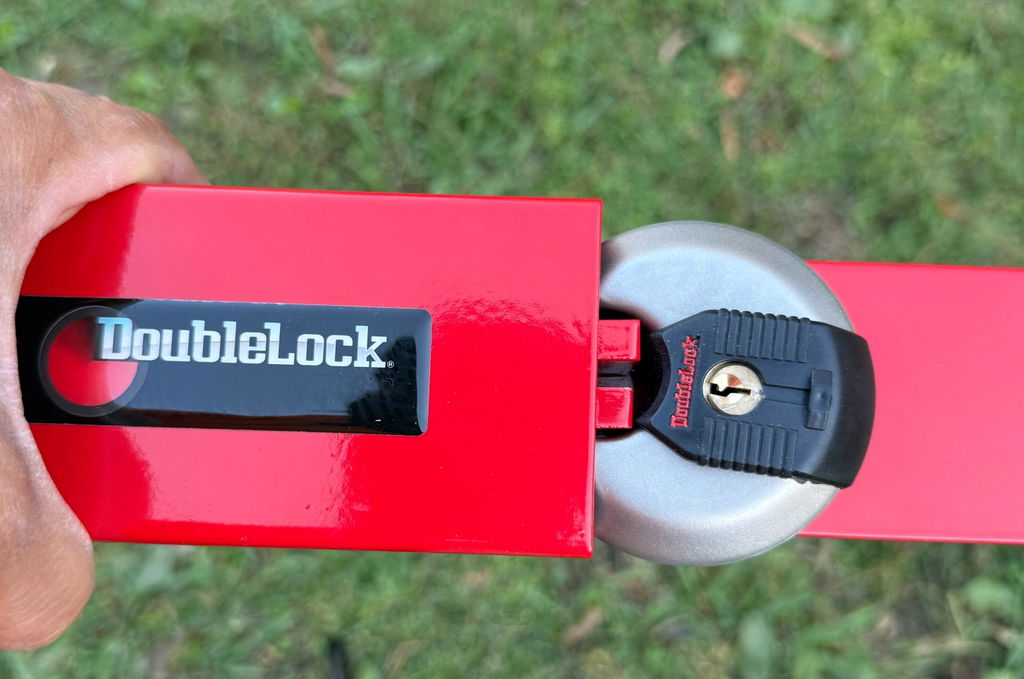
For pintle hitches, we recommend the SCORPION Tow Hitch Lock. It costs $199.99 and stops theft. This lock has a bright red finish that acts as a strong warning to thieves. The red color warns thieves that your gear is locked tight.
Lock mounting sequence
Fitting the lock takes only a few minutes. You must follow the steps to get the best fit. Proper pin sizing is key. You must make sure the pin fits the coupler hole without too much play.
If the pin is too thin, the lock will wobble. If the pin is too thick, it simply will not slide into the hole. Use the correct pin size. This simple step ensures a snug and safe fit. Follow the steps below to lock your trailer.
- Clean and inspect the pintle coupler and lunette ring. Remove all dirt, grease, or rust from the metal surface.
- Align the lock body over the pintle receiver. Make sure the pin holes line up well on both sides.
- Push the locking pin through the holes in the receiver and lock body. It should slide in smooth without force.
- Engage the lock by pushing it in. Keep pushing until the locking part fits deep with a click.
- Check that the lock is blocked and cannot release. Pull on the lock body to make sure it is locked tight.
- Remove the key from the lock. Store the key in a safe place so you do not lose it.
Testing the lock fit
After you pull the key, double check your work. Full engagement of the locking part is key to protect your trailer. If the lock does not seat all the way, a thief might pry it open. This simple check makes sure that your gear stays safe.
Grab the lock and pull it hard. It should not budge or wobble. If it is loose, check the pin size and start over. A secure lock stops theft on the road or in the yard.
Fitment Checks for Common Pintle and Lunette Ring Systems
Pintle systems connect heavy loads with a hook and ring setup. You will find these rigs on flatbed trailers, dump trailers, and heavy work gear. Each hook style works with an exact ring size. When you start your pintle hitch lock installation, you must know what system you have to ensure a tight fit. A poor match will let the ring slip and slam.
Types of pintle towing systems
When choosing locks, think about the type of rig you run. A lunette ring needs a lock that fits inside the eye. For drawbar setups, you will need a device that grips the outer frame. You can read our heavy-duty trailer security guide to learn more about choosing the right fit.
A ball-and-ring setup combines two varied styles. It has a standard hitch ball with a latching hood on top. This lets you use a standard coupler or a lunette ring on the same truck. This system is highly useful for fleet owners who tow many kinds of gear.
A comparison of fitment choices
A perfect fit prevents the trailer from sway and bounce on the road. If the ring is too loose in the hook, it will cause harsh wear. Over time, this wear can ruin both parts and lead to a crash. Use the chart below to find the main specs to track.
| System Type | What to Measure | Common Fitment Pitfall |
|---|---|---|
| Lunette ring couplers | Inside ring eye width and ring thickness. | Buying a pin that is too small for the eye. |
| Drawbar eye hitches | Eye inner width and hook shank thickness. | Getting a lock with too short of a pin. |
| Ball-and-ring combinations | Coupler ball size and ring eye gap. | Using a standard ball that does not lock. |
Safety checks before you tow
Before you head out on the road, safety must come first. The Georgia Department of Driver Services warns that you must check for worn, damaged, or missing parts before you tow. You also need to make sure the hook mount is secure. If your pintle hook is not tight to the mounting face, it can break free while you drive.
Do not ignore the lock itself during your walk. A dusty or rusted keyway can jam when you try to open it. Spray a dry lock spray inside the slot once a month to keep it smooth. A clean lock lasts longer and keeps your trailer safe.
To protect your gear from theft, a strong lock is key. These devices are grouped under our truck and trailer security line. They block thieves from hooking up to your trailer when you leave it parked. For heavy loads, you should use locks built for severe duty.
Installation Mistakes That Compromise Pintle Security
A proper pintle hitch lock installation protects heavy-duty equipment from thieves. But simple errors during setup can make even the strongest lock fail. Knowing these errors is key to keeping your trailer or fleet safe.
Incorrect pin sizing and fitment
Using a locking pin that is too small or too long is a common mistake. Correct pin sizing and full lock engagement decide how well your lock protects your cargo. If a pin is too small, a thief can quickly pry the lock off with simple tools. If it is too long, the lock will rattle and leave room for bolt cutters. You must make sure the lock fits tight against the lunette eye.
To stop this, fleet owners should buy from a high-grade truck and trailer security collection that matches their coupler size.
Skipping the pre-install check
You must inspect the trailer coupler mount before towing or locking your trailer. State road safety rules warn that you must inspect the mount for worn, damaged, or missing parts before use. A weak or damaged mount can allow a thief to remove the whole coupler from the frame. If the pintle hook is loose, the lock cannot do its job.
When locking your trailer, you should also think about layered defense. Adding chain and cable security stops thieves from moving the trailer even if they break the mount. Using both tools creates a strong barrier that stops quick bypass attempts.
Debris and road grime can also block full lock engagement. Dirt or rust inside the coupler hole stops the pin from sliding all the way in. When this happens, the lock looks secure but is still unlocked. You should clean the coupler and lock pin before every use.
Ignoring coupler wear and tear
A worn pintle hook or loose lunette ring can make your lock useless. If coupler parts are thin or bent, the lock will have too much play. This play lets thieves use crowbars or jacks to pry the lock open. You should replace any worn parts before you set up your security gear.
Regular care is just as important as the lock itself. Steel couplers stretch and wear down over years of towing heavy loads. Checking the mount for cracks or loose bolts ensures that your trailer hook remains firm. A solid mount is the base of your entire security system.
For fleets, handling keys is another big risk factor. Drivers often skip locking their trailers when they have to carry too many keys. Using key-alike options for your fleet-wide locks solves this issue. This choice makes daily security simple and ensures that crew members lock every trailer at the jobsite.
How to Lock Up a Pintle Hitch When Parked Overnight
Leaving a parked trailer overnight invites quick theft. Thieves look for easy targets. An open ring lets anyone hook up and tow your gear. Strong locks stop these crimes before they start.
While no lock is undefeatable, a tough barrier forces thieves to move on. You can learn more about this in our pintle hitch lock security guide. Protecting your property does not have to be hard.
Step-by-step lock application
First, park on a flat surface and block the trailer wheels. Then, you must clean the lunette eye of any dirt or grease. Next, apply a tough lock to block the inner opening. The SCORPION Tow Hitch Lock, found in our truck and trailer security collection, serves as a purpose-built option for these heavy-duty systems.
Priced at $199.99, it gives strong physical defense for work or personal gear. This lock blocks the loop so a thief cannot insert a hook or coupler. Make sure you seat the lock pin fully into the frame before you turn the key. A loose pin hurts your safety and makes the lock easy to pry open.
Georgia DDS rules state that drivers must check for worn, damaged, or missing parts before using towing gear (dds.georgia.gov). Use this same rule when you park overnight. Inspect your pintle ring and locking pin for wear. If you find rust, cracks, or loose bolts, fix them before you leave the site.
These weak spots make it easier for thieves to break your setup. Once the lock is secure, remove the key and store it in a safe place. Never leave the key near the trailer or inside an unlocked truck cab.
Fleet key options and high-visibility deterrents
Fleet managers face big problems when they must secure many trailers. Managing dozens of keys can slow down your crew. To solve this, look for locks that offer key-alike options. This feature lets your workers use one key for many locks.
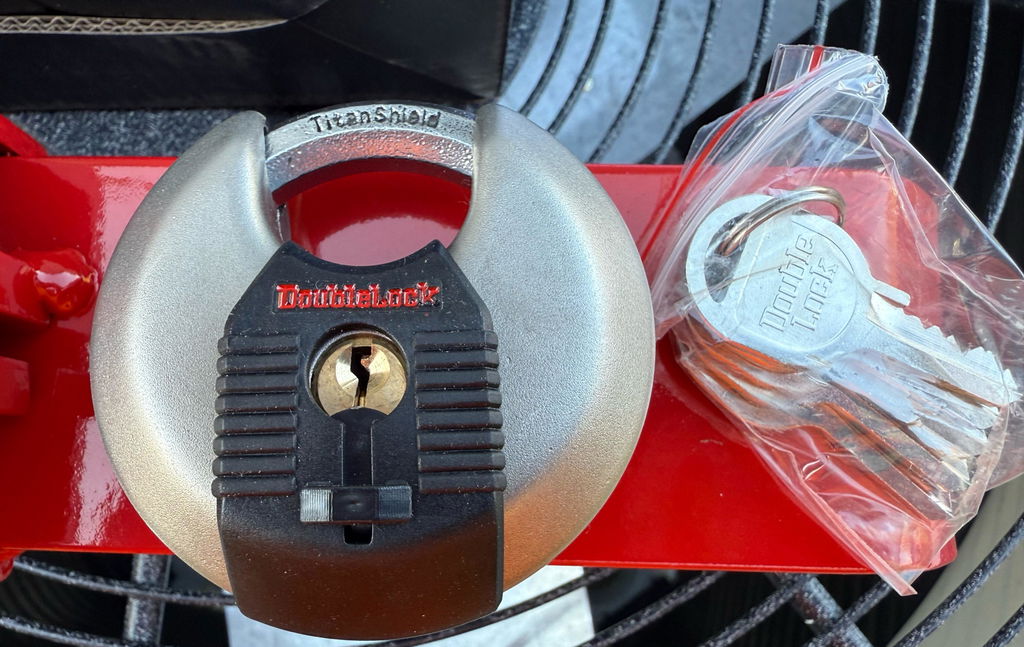
You should also choose locks with a bright red finish. A bright red lock stands out in the dark. It shows thieves from a distance that your gear has tough security. This visual warning stops many theft attempts before a tool even touches the metal.
Defensive parking methods
How you park your trailer also affects its security. When parking overnight, try to block the pintle ring. You can back the trailer close to a wall, fence, or other vehicles. This setup leaves no room for a thief to fit a truck in front of your hitch.
Using solid barriers alongside your SCORPION lock adds more defense. No single defense is perfect, but joining these methods cuts your risk. Your equipment stays safe and ready for the next day.
Frequently Asked Questions
How to lock up a pintle hitch?
To lock up a pintle hitch when parked, install a heavy-duty pintle lock like the DoubleLock Scorpion over the lunette ring or hook. This block stops a thief from coupling your trailer to their tow vehicle. According to Georgia safety rules on the Department of Driver Services website, you must secure the mount and inspect for wear.
How to install a hitch lock?
To install a pintle hitch lock, slide the lock body over the lunette ring or coupling hook. Line up the lock pin with the mount hole and push the pin through. Then, press the lock cylinder until the locking mechanism clicks to engage fully. Turn the key, pull it out, and pull on the lock to test the fit.
How does a pintle lock work?
A pintle lock works by filling the empty space inside the lunette ring of a trailer. By blocking this opening, the lock prevents a thief from dropping the trailer ring onto a tow ball or pintle hook. This physical barrier stops towing equipment from being hooked up and driven away.
Do you need special tools to install a pintle lock?
No, you do not need special tools for pintle hitch lock installation. Most heavy-duty locks are built for quick, tool-free setup on the road or in the fleet yard. You simply slide the pin into place and turn the key to lock the trailer coupler.
Ready to Secure Your Trailer and Prevent Costly Theft?
Leaving your heavy trailers and towed gear unsecured overnight invites quick theft, high replacement costs, and costly project delays. A single stolen trailer or asset can quickly halt your daily jobsite work, leading to missed deadlines and ruined business budgets. Installing a strong, heavy duty lock on your equipment right now stops thieves cold and keeps your daily work moving. Do not wait until after a painful theft occurs to protect your expensive fleet towing gear. Secure your towing setups today so you never have to face the sudden, painful loss of your main work tools and equipment.
Ready to protect your fleet? Call (561) 289-4865 to shop pintle hitch locks and truck and trailer security hardware.