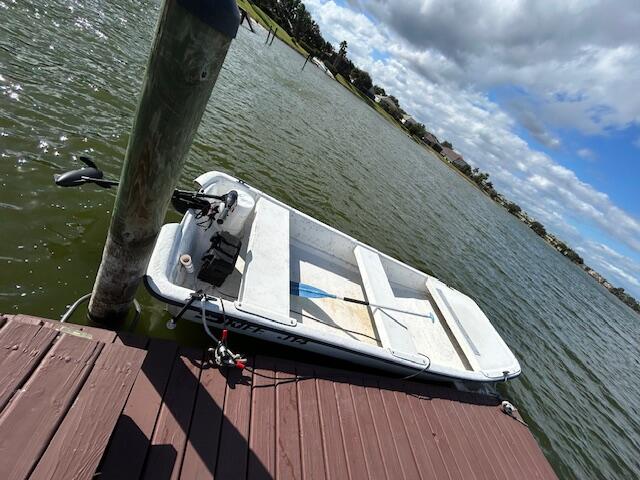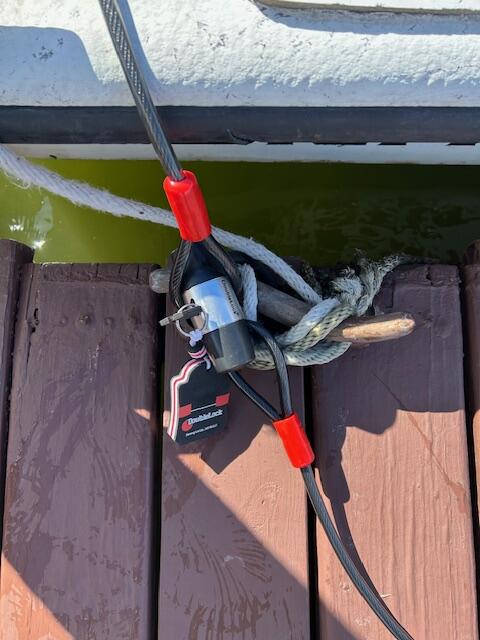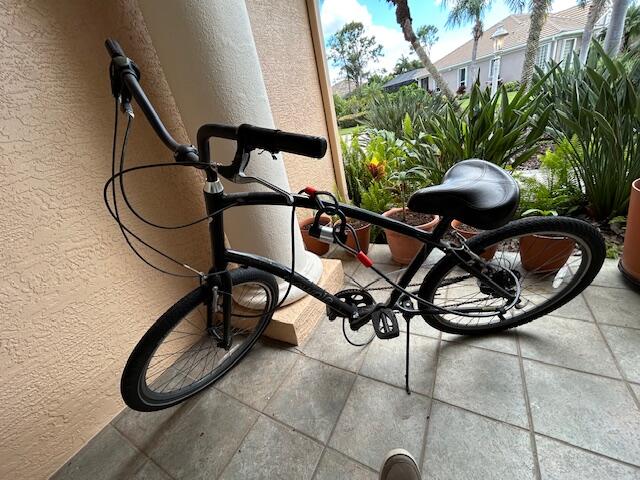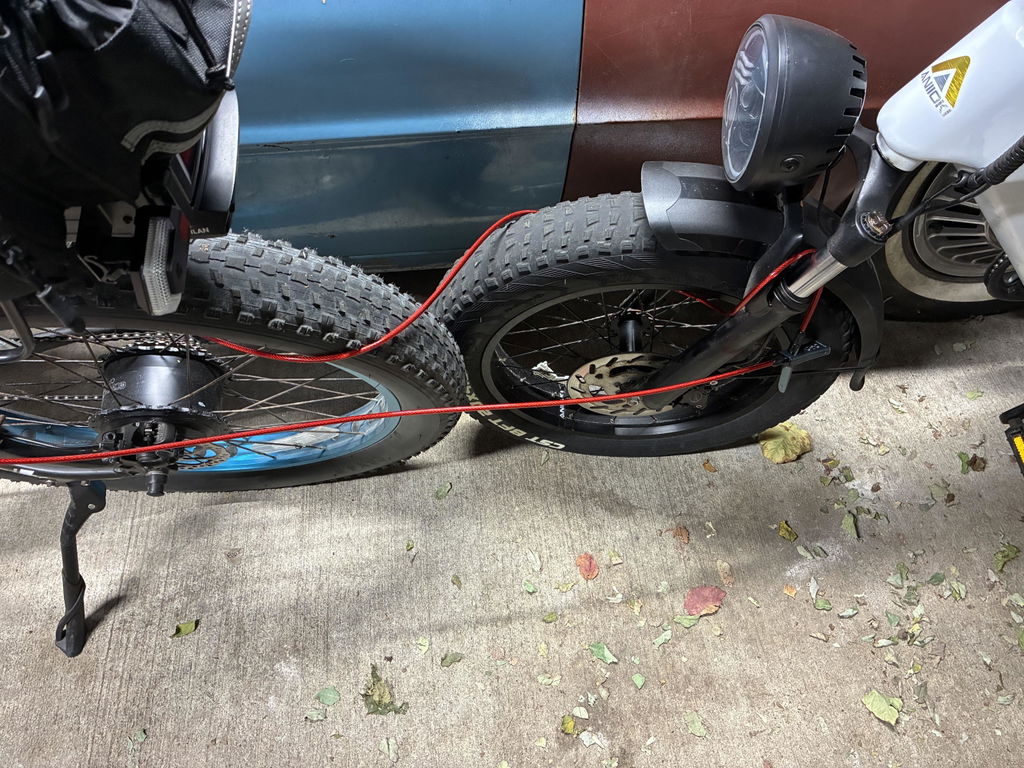

The security device that works for a backyard shed in a dry climate may not be the right choice for a boat dock in a coastal area. The environment is the single most important factor when selecting outdoor security hardware. Salty air accelerates corrosion, construction sites introduce dust and debris, and freezing temperatures can seize a mechanism completely. Choosing the best outdoor combination padlock weatherproof model requires matching its features to the specific challenges it will face. This article will break down what to look for based on your environment, ensuring you select a device that provides lasting, reliable protection for your specific needs.
Key Takeaways
- Prioritize smart materials and protective design: Choose a lock with a rust-resistant body, like brass, and a hardened steel shackle for security. Features such as shrouded shackles and dial covers offer extra protection from both weather and forced entry.
- Select a lock based on its intended use: A padlock for a coastal area requires marine-grade materials to resist salt corrosion, while one for a construction site needs a cut-resistant, heavy-duty build. Matching the lock to the environment is key for long-term reliability.
- Perform simple, routine maintenance: You can extend your padlock's life by positioning it with the dials facing down to prevent water entry. Cleaning and lubricating the lock twice a year will keep the mechanism working smoothly and prevent jams from rust or ice.
What to Look for in a Weatherproof Outdoor Combination Padlock
Choosing the right outdoor padlock means looking beyond just the price tag. A truly durable outdoor padlock is a combination of smart material choices, protective design features, and proven security. When you're securing a gate, a shed, or equipment on a construction site, you need a lock that can stand up to rain, sun, and freezing temperatures without failing. Understanding a few key features will help you find a reliable lock that keeps your property safe year-round.
Our Top Recommendation: DoubleLock USA
You don't always need the most expensive lock on the shelf to get great protection. For most needs, a mid-range lock provides a great balance of security and durability, giving you reliable protection without overspending. We design our padlocks with this principle in mind, focusing on high-quality materials and thoughtful engineering that deliver dependable security for your home or business. By prioritizing what truly matters in an outdoor lock, you get peace of mind knowing your investment is both effective and sensible.
Padlocks with Rust-Resistant Brass Bodies
The first thing to check is what the padlock is made of. When you're shopping for a reliable padlock, look for locks made from weather-resistant materials such as brass, laminated steel, or aluminum. These materials are your first line of defense against rust and corrosion. A brass body, for example, won't rust when exposed to moisture, making it an excellent choice for rainy or humid climates. Checking the packaging for these materials is a simple step that ensures your lock will last through the seasons without seizing up.
Models with Shrouded Shackles for Extra Protection
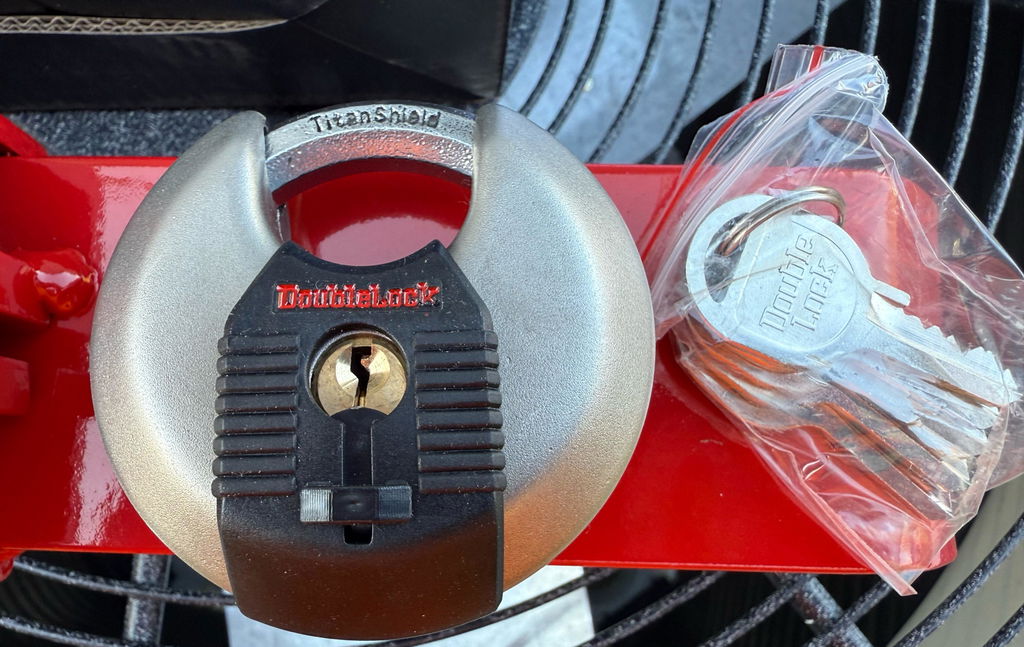
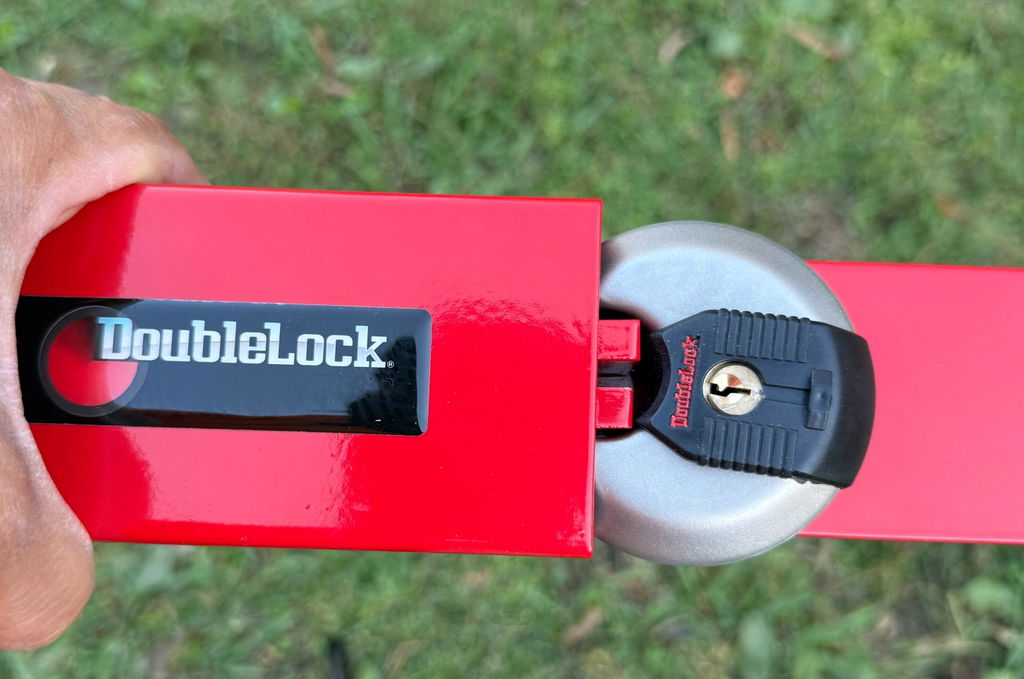
A shrouded shackle padlock features a design where the lock's body extends up to cover the sides of the shackle. This clever design does two important things. First, it makes the shackle much harder for bolt cutters to access, adding a significant layer of security. Second, by minimizing moisture exposure, a shrouded padlock helps prevent rust and freezing, keeping your lock operational when you need it most. It’s a simple feature that offers a major upgrade in both security and weather resistance for any outdoor application.
Options with Marine-Grade Coatings
It's important to know that "weatherproof" and "waterproof" aren't the same thing. Weatherproof locks are designed to resist the effects of weather, like UV rays and light rain, but they aren't necessarily sealed against constant moisture. If you're securing items in a coastal area, on a boat, or in any environment with heavy rain and humidity, look for a lock with a marine-grade coating. This specialized finish provides superior protection against the corrosive effects of saltwater and persistent dampness, ensuring your lock functions smoothly for years.
Padlocks Made with Hardened Steel Components
While a rust-resistant body is crucial for longevity, the lock's core strength comes from its shackle. For maximum security, look for a padlock with a hardened steel shackle. This material is incredibly difficult to cut, saw, or break. A lock that combines a weather-resistant body, like brass, with a hardened steel shackle gives you the best of both worlds: durability against the elements and robust protection against tampering. This combination of materials is a hallmark of a well-designed, high-security padlock built for tough outdoor conditions.
What Makes a Combination Padlock Weatherproof?
When you need to secure property outdoors, not just any padlock will do. The term "weatherproof" indicates that a lock has specific features designed to stand up to rain, sun, ice, and dirt. A truly weatherproof padlock is built from the inside out to resist the elements, ensuring it works reliably when you need it and doesn't fail due to rust or freezing. Understanding what makes a lock durable is the first step in choosing the right one for your needs. It comes down to a combination of smart material choices, protective design, and engineering that accounts for harsh environmental conditions.
Choose Rust-Resistant Materials
The foundation of any good outdoor padlock is the material it’s made from. Exposure to moisture is the primary cause of rust, which can seize a lock’s internal mechanism and compromise its strength. To avoid this, look for locks made from inherently weather-resistant materials such as brass, laminated steel, or aluminum. Brass is an excellent choice because it doesn't rust, making it ideal for wet or humid environments. Laminated steel bodies offer strength and are often coated for extra protection against corrosion. The right materials ensure your lock’s body and shackle maintain their integrity for years. You can explore a range of durable options in our full collection of security products.
Look for Sealed Mechanisms and Protective Covers
It’s important to know that "weatherproof" is not the same as "waterproof." A weatherproof lock is designed to resist the effects of weather, like UV rays and light rain, but it isn't necessarily sealed against complete submersion. The best outdoor padlocks include features that shield their internal components. This can include rubber seals or O-rings around the shackle and protective covers over the combination dials. These elements create a barrier that keeps water, dust, and grime from getting inside the lock. This protection is crucial for preventing the internal pins and springs from rusting or freezing in cold climates, which could leave you locked out.
How a Shrouded Shackle Protects from Weather
A shrouded shackle padlock features a design where the lock's body extends up to cover the sides of the shackle. This design is well-known for providing excellent protection against bolt cutters, but it also offers a significant weatherproofing advantage. By covering most of the shackle, the shroud minimizes its exposure to rain, snow, and ice. This simple but effective feature helps prevent rust and freezing, keeping your lock operational when you need it most. When moisture can't settle on the shackle, it's less likely to corrode or freeze solid, ensuring smooth operation year-round. Our commitment to thoughtful design is part of our heritage in creating reliable security.
Check for Temperature and Corrosion Resistance
A great weatherproof padlock is engineered to handle more than just rain. It needs to resist corrosion, extreme temperatures, and other environmental factors. If you live in a coastal area, salt in the air can accelerate corrosion, so a marine-grade lock is a wise investment. In places with freezing winters, you need a lock that won’t jam with ice. High-quality weatherproof padlocks are tested to perform reliably in both scorching heat and sub-zero cold. This resilience ensures the lock functions properly no matter the season, providing consistent security for your gates, sheds, or equipment.
Which Features Should You Prioritize?
When you're looking for the right outdoor combination padlock, it’s easy to get lost in the details. Focusing on a few key areas will help you make a confident choice. A great padlock balances weather resistance with solid security and the right fit for your needs. By prioritizing these features, you can find a lock that protects your property through any season without failing when you need it most. Let's break down what really matters.
Key Weatherproofing Technologies
A padlock labeled "weatherproof" is built to handle environmental stress like UV rays and rain, but it's not always completely sealed from moisture. The first thing to check is the material. The most durable outdoor padlocks are typically made from brass, laminated steel, or aluminum because these materials resist corrosion well. Beyond the body, look for design features that add another layer of defense. A protective cover over the combination dials can keep out debris and ice, while a sealed shackle entry point prevents water from getting inside and damaging the internal mechanism. These thoughtful details are what separate a truly reliable lock from one that will seize up after a few storms.
Security and Cut Resistance
Weatherproofing is essential, but it doesn't mean much if the lock can be easily broken. A strong outdoor padlock needs to withstand both the elements and any attempts at tampering. When you're comparing options, pay close attention to the shackle. A hardened steel shackle is significantly more difficult to cut than a standard one. Some models also include a shrouded shackle, which leaves very little of the metal exposed and makes it tough for bolt cutters to get a grip. Inside the lock, anti-pick mechanisms add another layer of security. Combining smart material choices with protective design ensures your padlock is a real deterrent against theft.
Find the Right Size for Your Application
Choosing the correct padlock size is just as important as its material and security features. A lock that’s too small for the job might not close properly, while one with a shackle that’s too long can create a weak point that can be pried open. Before you buy, measure the hasp or chain you plan to secure. The padlock should fit snugly, with just enough room for it to lock comfortably. This ensures the lock functions as intended and provides maximum security. For specific uses, like securing equipment at a construction site or a gate in a coastal area, you’ll want to select a high-quality lock designed for that environment.
How to Compare Padlock Performance
It can be tough to tell one padlock from another in the hardware aisle. While they might look similar, their performance varies dramatically, especially outdoors. To choose wisely, you need to look beyond the packaging. Comparing padlocks comes down to three key areas: the strength of their materials, their ability to resist corrosion, and how well they hold up in extreme weather. Let's walk through how to evaluate each one.
Understand Security Ratings and Material Strength
The foundation of a good padlock is its material. When shopping, look for locks made from weather-resistant materials like brass, laminated steel, or aluminum. Brass is excellent for resisting rust, making it ideal for marine use, while hardened steel offers superior cut resistance for high-security needs. The shackle, the U-shaped part, should also be hardened steel to prevent cutting. Some locks also have security ratings from standardized tests, where a higher rating means better protection against picking, drilling, and force. Checking these details helps you find high-quality locks that match your security requirements.
What Salt Spray Tests Reveal About Durability
Durability isn't just about brute strength; it's about resisting the elements. This is where salt spray testing comes in. This process exposes a padlock to a salty mist, simulating years of corrosion in just a few days. It’s a tough test that reveals how well the lock’s materials and coatings prevent rust. A padlock that performs well here is an excellent choice for coastal areas, boats, or any humid environment. This kind of rigorous testing is part of a larger commitment to top-notch security, ensuring the lock you buy today will function smoothly for years.
Evaluate Performance in Extreme Temperatures
A padlock needs to work reliably in scorching heat and freezing cold. Extreme temperatures cause problems: internal moisture can freeze the mechanism shut, while intense heat can make metal parts expand and stick. Look for padlocks rated for a wide temperature range. These often use special lubricants and are designed with tolerances that allow for expansion and contraction. A truly durable outdoor padlock combines smart material choices, protective design features, and proven security. This ensures your lock won't fail you when the weather is at its worst.
How Much Should You Pay for a Quality Weatherproof Padlock?
When you’re shopping for a weatherproof combination padlock, you’ll find a wide range of prices. The cost is usually a good indicator of the lock’s quality, from the materials used to the security features inside. While it might be tempting to grab the cheapest option, think of a padlock as an investment in protecting your property. Spending a little more upfront can save you from the cost and frustration of dealing with a rusted-out lock or a break-in.
A truly durable outdoor padlock is a combination of smart material choices, protective design features, and proven security. The key is to match the padlock to your specific needs. You don’t need a maximum-security lock for a garden shed, but you also don’t want a budget lock protecting expensive equipment on a job site. Understanding the differences between price points helps you make an informed decision instead of just guessing. We can break down the options into three main price categories to help you find the right balance of security, durability, and value. This way, you can confidently choose from the many high-quality locks available and get the peace of mind you deserve.
Budget-Friendly Options: Under $15
In this price range, you’ll find basic padlocks suitable for low-risk situations. Think of securing a backyard gate, a small toolbox, or a shed containing garden tools. These locks typically offer fundamental weather resistance, often featuring a laminated steel body with a plastic cover to shield it from light rain and dust. While they provide a visual deterrent, they are generally built with less robust materials and simpler locking mechanisms. They can be a practical choice for temporary use or for securing items of lower value, but they may not withstand prolonged exposure to harsh weather or a determined attempt at forced entry.
Professional Grade: $15-$40
This mid-range category is the sweet spot for most people, offering a great balance of security and durability without a hefty price tag. These padlocks are built with tougher, more weather-resistant materials like solid brass and stainless steel, which naturally resist rust and corrosion. You’ll also find better design features, such as rubber gaskets around the shackle and protective covers for the combination dials to keep water and grime out. For most needs, from securing equipment on a trailer to locking up a commercial storage unit, a professional-grade padlock provides reliable, long-lasting protection you can count on day in and day out.
Heavy-Duty Security: $40+
If you’re securing high-value assets or need a lock for an extremely corrosive environment, a premium padlock is a wise investment. These top-tier locks are engineered for maximum security and durability, often using hardened steel for cut resistance and marine-grade metals to fight off rust in coastal areas. They feature complex locking mechanisms that are difficult to pick and thick, shrouded shackles that leave little room for bolt cutters. A truly durable outdoor padlock is a combination of smart material choices and protective design, making it a wise investment for anyone needing serious protection for construction equipment, boats, or industrial sites.
Common Myths About Outdoor Padlocks
When you're looking for a reliable outdoor padlock, it's easy to get tripped up by some common misconceptions. Believing these myths can lead you to choose a lock that doesn't fit your needs, leaving your property vulnerable. Let's clear up a few of the most persistent myths so you can make a confident and informed decision. Understanding the facts will help you find a padlock that provides the right level of security and durability for your specific environment.
Myth: "Weatherproof" Means "Waterproof"
One of the most frequent points of confusion is the difference between "weatherproof" and "waterproof." Many people use the terms interchangeably, but they mean very different things for a padlock. A weatherproof lock is designed to resist the effects of weather, like UV rays and light rain, but it isn't necessarily sealed against moisture. If your lock will be exposed to heavy downpours or constant dampness, understanding this distinction is critical. A truly waterproof lock is sealed to prevent any water intrusion, which is a higher level of protection than what most outdoor situations require. For most applications, a quality weatherproof lock is exactly what you need.
Myth: A Higher Price Guarantees Durability
It’s tempting to assume that the most expensive padlock on the shelf is automatically the best, but that isn't always the case. While quality often comes at a cost, price alone isn't a reliable indicator of durability. For most needs, a mid-range lock provides a great balance of security and durability, giving you reliable protection without overspending. Instead of focusing on the price tag, examine the lock's features. Pay attention to the materials, the shackle's thickness, and the locking mechanism. You can often find a great balance of security and durability without choosing the priciest option.
Myth: All Metals Offer the Same Security
The material a padlock is made from has a huge impact on its performance, and not all metals are created equal. It's a common mistake to think any metal lock will do the job. Different materials offer different benefits. For example, locks made from weather-resistant materials such as brass, laminated steel, or aluminum each provide varying degrees of protection. Brass is excellent at resisting rust, making it ideal for marine environments. Hardened steel, on the other hand, offers superior cut resistance. Choosing the right materials for your environment is one of the most important steps in selecting a reliable outdoor padlock.
How to Maintain Your Outdoor Padlock
Even the most durable outdoor padlock benefits from a little routine care. Think of it as protecting your investment. A few simple maintenance steps can significantly extend the life of your lock, ensuring it functions smoothly for years to come. It’s important to remember that "weatherproof" means a lock is designed to resist the elements like rain and UV rays, but it doesn't mean it's completely sealed off from moisture or debris. Regular maintenance is what keeps the internal mechanisms working correctly, preventing frustrating jams and failures.
Taking the time to care for your lock ensures it provides the reliable security solutions you depend on, season after season. Whether your padlock is exposed to salty sea air, freezing winters, or dusty construction sites, a consistent care routine will keep it in top condition. These practices help prevent corrosion and wear, making sure your lock is always ready to secure your property.
Install and Position It Correctly
How you install your padlock can make a big difference in its longevity. The best practice is to position it with the combination dials or keyway facing downward whenever possible. This simple step uses gravity to your advantage, preventing rain, snow, and ice from settling directly into the lock’s most sensitive parts. Water that gets inside can freeze and expand or cause internal components to rust over time. If you can, try to place the lock in a spot that offers some natural cover, like under an eave or overhang, for an extra layer of protection from direct weather exposure.
Clean and Lubricate It Regularly
Keeping your padlock clean and lubricated is essential for smooth operation. Dirt, dust, and grime can work their way inside, causing the dials to stick or the shackle to jam. At least twice a year, wipe down the lock body and shackle with a clean cloth. For stubborn debris in the dials, a small, stiff brush can work wonders. After cleaning, apply a quality lubricant to keep the internal parts moving freely. This is especially important in coastal areas where salty air can accelerate corrosion. A graphite or silicone-based lubricant is often a good choice for this task.
Follow Seasonal Care and Troubleshooting Tips
Different seasons bring different challenges. In the winter, moisture inside a lock can freeze, making it difficult or impossible to open. Regular lubrication helps displace moisture and prevent freezing. If your lock does freeze, a bit of lock de-icer can solve the problem. In humid or rainy climates, focus on preventing rust by keeping the lock clean and well-lubricated. If you are securing high-value assets or your lock is in an extremely corrosive environment, investing in a premium padlock is always a smart move. If the dials ever feel stiff, it’s a clear sign that it’s time to clean and lubricate.
Find the Right Padlock for Your Environment
Choosing the right outdoor combination padlock means thinking carefully about where you’ll use it. A security device that works perfectly for a backyard shed in a dry climate might not hold up in the salty air of a coastal town or on a demanding construction site. Different environments expose a padlock to unique challenges, from corrosive salt and constant moisture to dust, debris, and extreme temperatures. When you match the padlock’s features to its surroundings, you ensure it will function reliably for years to come.
It’s not about finding a single "best" option, but about finding the best option for a specific job. This approach saves you from the frustration of a seized or broken device down the line. For example, a padlock with an open shackle might be fine for a storage unit, but it could be a vulnerability on a construction site where bolt cutters are common. Similarly, a standard steel body might rust quickly near the ocean. Taking a moment to consider these environmental factors is the most important step in your selection process. Let’s look at what to prioritize for a few common outdoor settings to make sure your valuables stay secure, no matter the weather.
For Marine and Coastal Areas
If you live near the coast, you know that salt is tough on metal. The salty, humid air can cause rust and corrosion at an accelerated rate, quickly seizing up a standard padlock. For boats, docks, and coastal properties, you need a security solution built to withstand these harsh conditions. Look for padlocks made with corrosion-resistant materials, such as those with a stainless steel shackle. The best options have undergone rigorous salt spray testing to prove their durability. A heavy-duty protective cover also adds another layer of defense, shielding the internal mechanism from the elements and keeping it operational when you need it most.
For Construction and Industrial Sites
Construction and industrial sites demand toughness. Your equipment needs to withstand dirt, debris, and rough handling, and a padlock in this environment should be just as durable. A model with a shrouded shackle is an excellent choice for these settings. The padlock’s body extends up to protect the sides of the shackle, leaving less of it exposed. This design minimizes weak points for potential cutting and shields the mechanism from moisture that can lead to rust or freezing in cold weather. When you need reliable security on a busy job site, choosing a padlock with these protective features is a smart move for your business assets.
For Gates and General Outdoor Storage
For everyday outdoor use on gates, sheds, and self-storage units, you need a solid balance of weather resistance and security. Prioritize padlocks made from materials like brass or laminated steel, which hold up well against rain and humidity. It’s also wise to check for security features like multiple key pins, which make the device more difficult to pick. A quality combination padlock gives you convenient, keyless access without sacrificing strength. When browsing for the right fit, you can find a wide range of dependable padlocks designed specifically for these common outdoor applications, giving you peace of mind for your property.
Related Articles
- How to Find the Best Outdoor Padlock Weatherproof
- The Expert's Guide to Heavy Duty Brass Padlocks
- OSPREY Padlock 50mm – Marine-Grade
Frequently Asked Questions
What's the difference between a "weatherproof" and a "waterproof" padlock? This is a great question because the two terms are often confused. A weatherproof padlock is designed to resist common outdoor elements like rain, sun, and dust. A waterproof lock, however, is completely sealed to prevent any water from getting inside, even if it's submerged. For most situations, like securing a gate or a shed, a high-quality weatherproof lock provides all the protection you need.
Do I need to spend a lot of money to get a good outdoor padlock? Not necessarily. While price can be an indicator of quality, the most expensive option isn't always the right one for the job. The best approach is to focus on the features. A mid-range padlock made with durable materials like brass or hardened steel often provides an excellent balance of security and weather resistance for most residential and commercial needs.
Besides the material, what other design features should I look for? The design of the lock is just as important as the material. Look for a model with a shrouded shackle, where the body of the lock extends up to cover the sides of the shackle. This makes it much harder for bolt cutters to get a grip and also shields the shackle from rain and ice. Protective covers over the combination dials are another great feature that helps keep out dirt and moisture.
How can I make my outdoor padlock last longer? A little maintenance goes a long way. When you install your lock, try to position it so the combination dials face downward. This helps prevent water from settling inside. A couple of times a year, wipe the lock clean and apply a graphite or silicone-based lubricant to the internal mechanism to keep everything moving smoothly and prevent rust.
What kind of padlock is best for a coastal or very rainy area? If your lock will be exposed to salty air or constant moisture, you need to be selective. Salt is extremely corrosive to many metals. For these environments, look for a padlock with a solid brass body and a stainless steel shackle. A lock with a marine-grade coating offers the highest level of protection against rust and will ensure your lock functions properly for years.