
Thieves are opportunistic; they look for the easiest and quickest targets. An unsecured or poorly secured outboard motor is an open invitation. The goal of any good security strategy is to make your motor a difficult and time-consuming target, encouraging a thief to move on. A high-quality lock is your first and most important line of defense. This article will help you think like a security expert. We’ll explore what makes a lock resistant to common attack methods and provide detailed outboard motor lock reviews so you can see how top models perform, giving you the tools to make your boat a hard target.
Key Takeaways
- Focus on high-quality materials: A lock's strength comes from what it's made of. Choose one constructed from hardened steel or marine-grade stainless steel to effectively resist both brute-force attacks and corrosion from the elements.
- Think beyond a single lock: The most effective security involves multiple layers. Use a quality physical lock as your foundation, then add other deterrents like secure storage or a boat cover to make your motor a much harder target.
- Invest in quality to prevent loss: The price of a good lock is minimal compared to the cost of replacing a stolen motor. Opting for a well-engineered model from a trusted brand is a smart financial decision that provides genuine security and peace of mind.
Is Your Outboard Motor at Risk?
Your outboard motor is one of the most valuable and vulnerable pieces of equipment on your boat. It represents a significant financial investment and countless hours of enjoyment on the water. Because they are easy to access and remove, they have become a prime target for thieves looking for a quick score. The unfortunate reality is that motor theft is more common than many boat owners realize, and it happens with surprising speed. A thief can remove an unsecured motor in just a few minutes, leaving you with a significant loss and a ruined day, or even an entire season, on the water.
The problem is widespread. In Germany alone, reports show that between 1,000 and 1,300 outboard motors are stolen each year, and thieves often find it easy. While many anti-theft devices are sold to protect them, their actual effectiveness varies quite a bit. This is why simply having a lock isn't enough; you need to have the right one. Understanding how thieves operate and the real risks involved is the first step in securing your investment properly and ensuring your peace of mind.
How Thieves Target Motors
Thieves are opportunistic. They look for the easiest targets, which are often motors left unsecured on the transom, especially on boats stored in driveways, at marinas, or even in dealer lots. They may work alone or in groups, using simple tools like wrenches and bolt cutters to quickly detach a motor. Some may even cause further damage to your boat in the process. A flimsy or poorly designed security device offers little resistance and can be defeated in seconds, giving you a false sense of security while doing nothing to deter a determined criminal.
The Real Cost of a Stolen Motor
The cost of a stolen motor goes far beyond its sticker price. You also have to consider the expense of rigging a new one, the potential damage to your boat’s transom during the theft, and the significant disruption to your life. A good security device protects your investment and prevents the immense hassle of filing police reports, dealing with insurance claims, and spending weeks or months waiting for a replacement. While it might be tempting to choose a cheaper option, more expensive mechanisms generally offer better materials and more thoughtful design, which translates directly to better protection for your property.
How to Choose an Outboard Motor Lock
Choosing the right outboard motor lock can feel like a big decision, but it doesn’t have to be complicated. When you know what to look for, you can easily find a device that gives you confidence and keeps your motor secure. The best one for you will depend on your specific needs, but a few key features are universal signs of quality. By focusing on the material, weather resistance, and overall design, you can find a reliable solution that protects your investment. Let’s walk through the most important factors to consider.
Material and Construction
The strength of an outboard motor lock starts with its materials. For maximum security, you should look for one made from hardened or carbon steel. These materials are tough and can stand up to brute force attacks. Some of the best designs also include features like free-spinning collars, which prevent thieves from getting a firm grip with tools like wrenches. A rust-proof finish is also essential, as it protects the steel from the elements and keeps the mechanism functioning properly for years. A solid buyer's guide can help you compare these features across different models.
Weather and Corrosion Resistance
Your outboard motor lives in a harsh environment, especially if you’re in saltwater. Your security device needs to be able to handle it. Corrosion is a major enemy of any hardware used on a boat. Models made from materials like stainless steel or brass are excellent choices because they naturally resist rust and degradation. Some tests have shown that even well-designed units can show rust after only two months if they are not made from the right materials. A device that seizes up from corrosion is not only difficult to use but also offers compromised security.
Resistance to Attack
A security device’s primary job is to resist being broken, picked, or drilled. This is where you’ll often see a difference between cheaper models and higher-quality options. A well-made outboard motor lock is specifically engineered to withstand attacks from common tools like drills, saws, and screwdrivers. While it might be tempting to save a few dollars, a higher price point often reflects superior materials and a more complex internal design that is harder to defeat. Investing in a model that has been tested for its resistance to attack gives you a much stronger defense against theft.
Locking Mechanism
The heart of any security device is its mechanism. This is what prevents it from being opened without the correct key. Look for models with complex keyways and internal components that are difficult to pick. Some high-security designs use barrel keys or other non-standard formats that are harder for thieves to manipulate. The mechanism should also be protected within the housing to prevent it from being drilled or punched out. A quality device is one part of a complete security strategy, but its mechanism is the foundation of its effectiveness. This commitment to quality is part of our company heritage.
Ease of Use
Security shouldn't be a chore. If a device is difficult to put on or take off, you’ll be less likely to use it consistently. The best outboard motor locks are designed for simple and straightforward operation, allowing you to secure your motor quickly at the end of the day. A good design means you can install it without special tools or a lot of effort. Don't let the fear of a complicated setup stop you from protecting your motor. Many of the most secure outboard motor locks on the market are also the easiest to use.
A Review of Top Outboard Motor Locks
When you start looking for an outboard motor lock, the number of options can feel overwhelming. How do you know which one will actually protect your investment? A good lock does more than just look tough; it needs to be built from strong materials that can withstand a thief's tools and the harsh marine environment. To make your decision easier, I’ve looked at some of the most popular and effective models on the market. Each of these locks offers a different combination of security features, durability, and user-friendly design. Some are built like fortresses, while others offer a balance of solid protection and everyday convenience.
We'll compare five top contenders to see how they stack up. We'll look at the DoubleLock Outboard Motor Lock, known for its clever anti-theft design, alongside other respected brands like Stazo and Motorloc. My goal is to give you a clear picture of what each lock does best, so you can find the right fit for your boat and your peace of mind. I'll break down the materials they use, from hardened steel to marine-grade stainless steel, and explain what that means for you. We will also consider how they hold up against common attack methods and the elements. Whether you prioritize maximum-security features, corrosion resistance for saltwater use, or simple, practical design, there’s a lock here that will meet your needs. Let's get into the specifics of each one.
DoubleLock Outboard Motor Lock
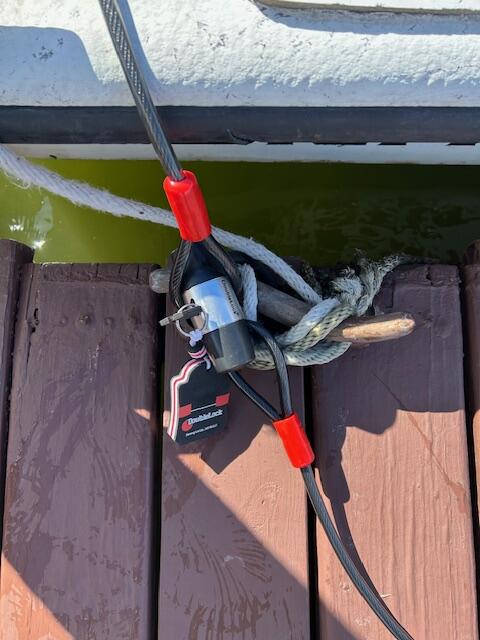
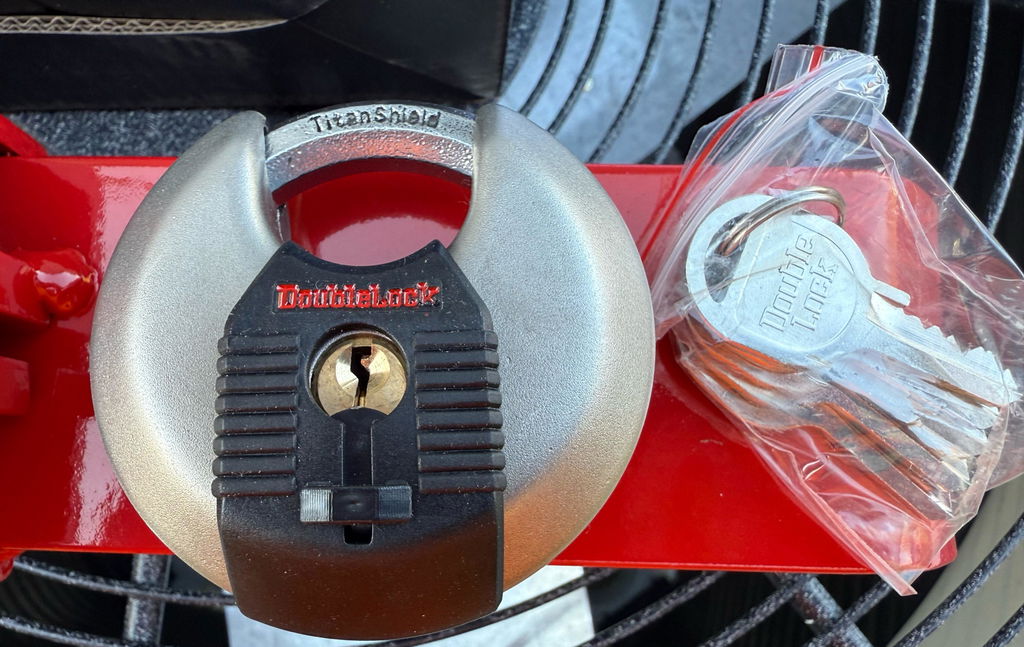
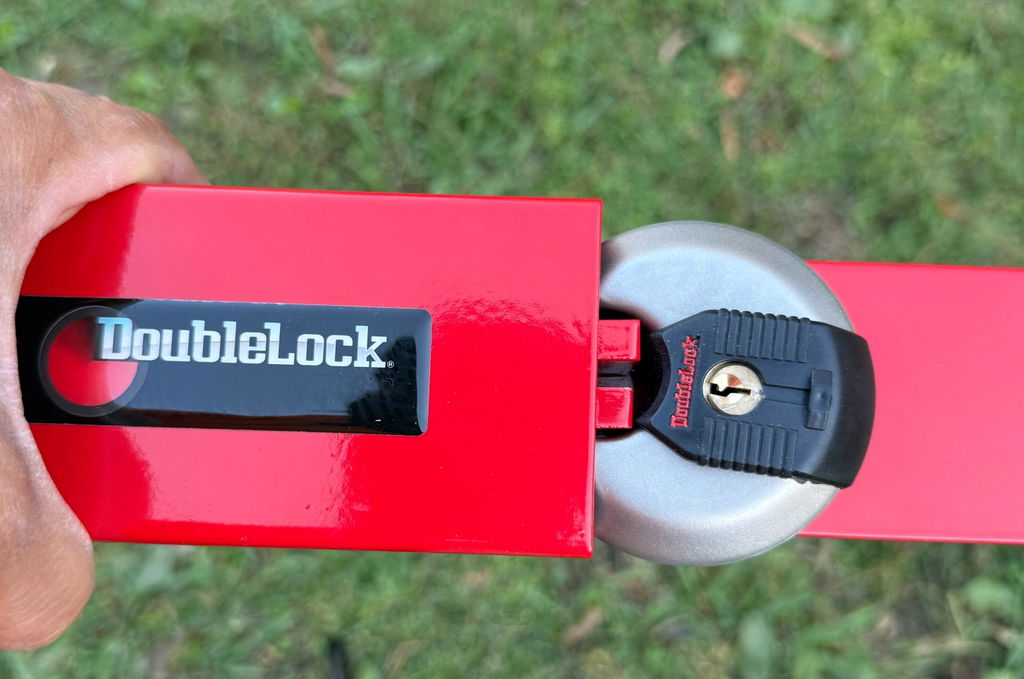
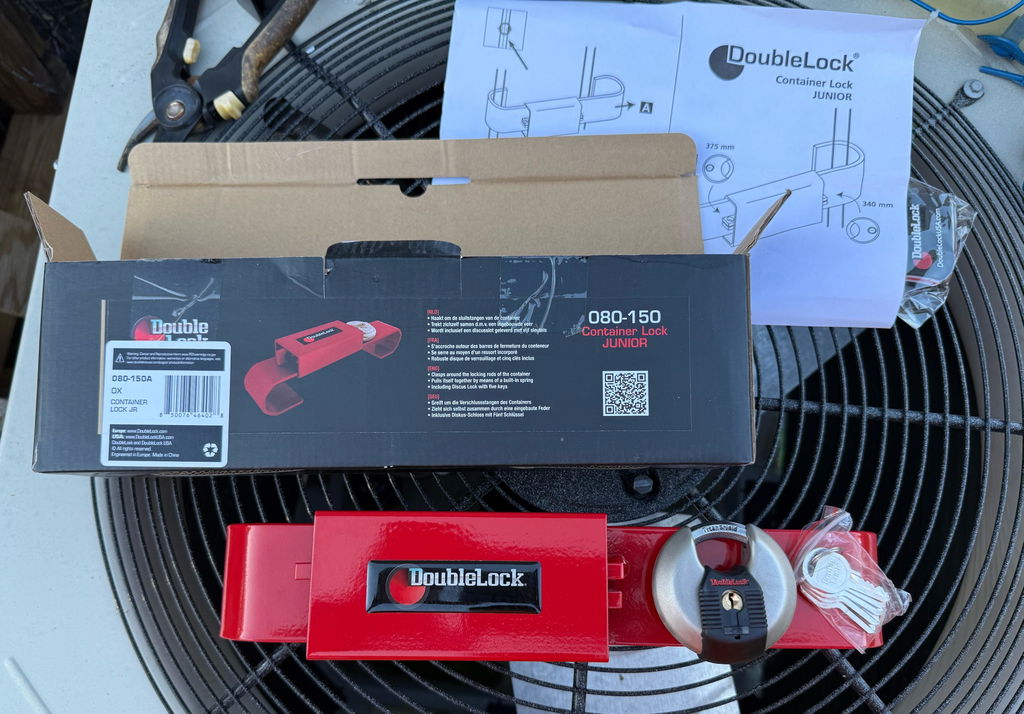
The DoubleLock Outboard Motor Lock is designed with security in mind, using hardened steel to resist cutting and drilling attempts. What makes it unique is its use of free-spinning collars, a feature that prevents thieves from getting a firm grip with tools like pipe wrenches or pliers. This simple but effective detail can frustrate a theft attempt before it even gets started. The lock is also finished with a durable, rust-proof coating, which is essential for maintaining its integrity in wet and salty conditions. This model provides a thoughtful combination of strength and smart design to keep your motor secure season after season.
Stazo SmartLock
The Stazo SmartLock is known for its impressive heavy-duty construction. Made from thick stainless steel, it offers exceptional strength and is built to resist determined attacks. Reviewers often point out that it is extremely difficult to pick or drill, giving you confidence that your motor is well-protected. A small but significant feature is the inclusion of an O-ring inside the lock, which prevents it from rattling against the motor clamp. This thoughtful detail ensures quiet operation, so you don't have to listen to clanking noises while your boat is on the move or docked.
Motorloc Atlantic Slot Loc
The Motorloc Atlantic Slot Loc is praised for its robust design, which is specifically engineered for marine environments. It is constructed from tough, marine-grade 316 stainless steel, a material highly valued for its ability to resist rust and corrosion, even in saltwater. This makes it an excellent choice for boaters who frequently venture into coastal waters. Many users and reviewers consider it one of the best outboard locks available because it combines this superior durability with reliable security. If you need a lock that will hold up against the elements as well as it holds up against thieves, this is a strong contender.
Islander Outboard Motor Lock
The Islander Outboard Motor Lock is a popular choice that balances security with practical, user-friendly features. Its stainless steel construction gives it a clean look and provides good resistance to rust. One of its most convenient features is the attached cable that connects the pin to the main body of the lock, which prevents you from accidentally dropping and losing the pin overboard. While it may not have the extreme heavy-duty build of some other models, it serves as a good deterrent against opportunistic thieves. It’s a solid, reliable option for boat owners who want dependable security without any hassle.
Stazo Smartlock Quick Link
For those who prioritize maximum security, the Stazo Smartlock Quick Link is often considered one of the most secure options on the market. This lock is recognized for its heavy and solid build, which presents a formidable challenge to any potential thief. In independent tests, it proved to be nearly impossible to defeat without specialized cutting tools or causing significant damage to the motor or boat itself. This level of protection makes it a top choice for boat owners who store their vessels in high-risk areas or simply want the highest degree of security available for their valuable outboard motor.
A Comparison of Security and Durability
When you’re choosing a lock for your outboard motor, you’re really looking at two key factors: security and durability. Security is how well the lock resists an actual theft attempt. Durability is how well it stands up to the elements over time, especially in a harsh marine environment. While any lock can stop a casual thief, a determined one with tools requires a much tougher defense. Finding a lock that excels in both areas is the goal.
Generally, a higher price point often indicates a more secure and well-made lock. Cheaper options might save you money upfront, but they can have issues with their internal mechanisms, construction quality, or overall security. Investing in a high-quality lock from a trusted brand like DoubleLock USA means you’re paying for better materials and engineering. This gives you the peace of mind that your motor is protected by a lock designed to withstand both thieves and nature.
Security Ratings and Tamper Resistance
A lock’s primary job is to be difficult to defeat. The level of tamper resistance often depends on the quality of its materials and the complexity of its locking mechanism. Some locks can be picked or broken in minutes with common hand tools, while others require specialized equipment and create a lot of noise. When shopping, look for information on independent security certifications. These ratings give you a clear idea of a lock’s strength. A higher rating means it can withstand more sophisticated attacks for a longer period, making it a much stronger deterrent against serious thieves.
Long-Term Durability at Sea
The marine environment is relentless. Constant exposure to saltwater, humidity, and sun can destroy a poorly made lock. Rust is a major issue, as it can weaken the lock’s body and seize its internal mechanism, rendering it useless. This is why material choice is so important. The best outboard motor locks are made from marine-grade 316 stainless steel, a material specifically formulated to resist corrosion in saltwater environments. While locks made from standard steel might look fine on the shelf, they will quickly degrade at sea, compromising the security of your motor. Always check the material specifications before you buy.
What Independent Tests Show
Independent reviews and tests offer an unbiased look at how a lock performs under pressure. For example, one comprehensive test by YACHT magazine subjected several popular locks to a three-minute attack using common tools. The results were revealing. Heavier, more solidly built locks made from hardened steel or stainless steel consistently performed the best, with some models being impossible to open within the time limit without causing significant damage. These tests confirm that a lock’s weight and solid construction are often good indicators of its ability to resist a brute-force attack, validating the choice to invest in a more robust model.
Common Problems to Watch For
Choosing an outboard motor lock isn't just about picking the strongest-looking one off the shelf. Even well-designed products can have weaknesses, and knowing what to look for can save you from future headaches. When you’re investing in security, you want a solution that stands up to both thieves and the elements. Some common issues can turn a promising motor lock into a liability.
The marine environment is tough on equipment. Constant exposure to moisture, salt, and sun can degrade materials quickly. A lock that performs well on day one might fail after a few months at sea if it’s not built for the conditions. Beyond weather-related wear, you also have to consider how a lock holds up against an actual theft attempt. Some are surprisingly easy to defeat with basic tools. Finally, practical issues like noise and the degradation of small components can affect your experience. Being aware of these potential problems will help you make a smarter purchase and properly maintain your gear for long-term security.
Rust and Moisture Issues
Rust is a primary enemy of any metal equipment used near water, and outboard motor locks are no exception. Because they are constantly exposed to spray and humidity, locks made from standard steel can begin to corrode, compromising their strength and integrity. A rusted lock is a weak lock. Some tests have shown rust appearing in as little as two months, often because a single internal part was not made of stainless steel. When you're looking for a reliable solution, you need to prioritize materials that can handle the moisture.
Look for outboard motor locks constructed from high-grade, corrosion-resistant materials like SCM435 hardened steel or stainless steel. These materials are designed to withstand harsh marine environments without degrading. Don’t just take the "weatherproof" label at face value. Check the specifications to ensure all critical components, both internal and external, are built to resist rust. A lock that can fend off corrosion is one you can trust to protect your motor season after season.
Vulnerability to Simple Tools
While no security device is completely invincible against a determined professional, your main goal is to deter the opportunistic thief. Many thefts are crimes of convenience, carried out with simple hand tools like hammers, pry bars, or bolt cutters. Unfortunately, some motor locks on the market can be broken in less than 10 seconds with minimal effort. A low-quality lock provides a false sense of security, giving you little more than a minor speed bump for a potential thief.
The key is to choose a lock with a proven resistance to these kinds of attacks. Hardened steel construction is a good starting point, as it’s much more difficult to cut or break than standard metal. The design of the locking mechanism itself also matters. A robust design makes it harder for someone to quickly pry or hammer the lock off your motor. Investing in a well-constructed lock makes your motor a much less appealing target.
O-Ring Wear and Tear
A small but critical component in many motor locks is the O-ring. This rubber gasket creates a seal that helps keep water and debris out of the internal locking mechanism. While it seems minor, a failed O-ring can lead to major problems. Over time, exposure to saltwater, UV rays, and temperature fluctuations can cause the rubber to become brittle, crack, or break entirely.
Once the O-ring is compromised, moisture can seep into the lock’s inner workings, leading to the rust and corrosion we discussed earlier. This can cause the mechanism to seize up, making it difficult for you to unlock it when you need to. When inspecting a potential motor lock, pay attention to the quality of the O-ring. A thick, pliable gasket is a good sign. It’s also wise to periodically check the O-ring for signs of wear as part of your regular boat maintenance.
Rattling and Noise
A less critical but incredibly annoying issue is a noisy motor lock. If the lock doesn't fit snugly on your outboard, the engine's vibrations can cause it to rattle loudly against the motor or transom clamps. This constant noise can easily ruin a peaceful day on the water. While it doesn’t impact the lock's security, it significantly detracts from your boating experience.
This problem often comes down to a poor fit. Some manufacturers include foam padding or rubber inserts to help dampen vibrations and create a tighter connection, which can make a big difference. Before buying, try to find a lock that is known to fit your specific motor model well. A secure, quiet fit ensures your motor is protected without creating a constant, irritating rattle while you’re underway.
Is One Outboard Motor Lock Enough?
This is a question many boat owners ask. While a high-quality security device for your outboard is the most critical step you can take, relying on a single point of protection might leave you vulnerable. True peace of mind comes from creating a comprehensive security strategy. Thinking in layers is the best way to deter thieves and ensure your motor stays exactly where you left it. A robust approach combines physical deterrents, smart practices, and even electronic surveillance to create a formidable defense against theft.
How to Layer Your Security
A single, strong anti-theft device is a great start, but layering your security is a far more effective strategy. Think of it like securing your home; you wouldn't just rely on one measure. The goal is to make your boat and motor as inconvenient a target as possible. A good security device for your motor is most effective when used with other preventative steps. For example, storing your boat in a well-lit, secure area or using a heavy-duty boat cover can add significant hurdles for a potential thief. These additional measures work together to protect your investment and prevent the headache of replacing a stolen motor.
Combining Physical and Electronic Security
When building your security plan, it’s helpful to think about both physical and electronic measures. Always prioritize strong physical restraints first. A tough, well-made device that fastens your motor to the transom is your primary defense. These items are designed to resist cutting, drilling, and prying. Electronic systems, such as GPS trackers or audible alarms, are excellent secondary layers. They can alert you to a theft in progress or help you recover your property afterward. However, they should not be your only line of defense. Remember that electronic systems are a good supplement, but they are not a replacement for robust physical security.
How a Quality Lock Affects Insurance
Beyond preventing theft, investing in a top-tier motor restraint can have a positive financial impact. Many insurance companies recognize the value of proactive security measures. By demonstrating that you've taken serious steps to protect your property, you may be eligible for a lower premium on your boat insurance. When you speak with your insurance agent, be sure to mention the specific anti-theft devices you use. Using a certified, high-quality motor fastener might help you get a discount, making a great security device an even smarter investment for your peace of mind and your wallet.
Where to Buy an Outboard Motor Lock
Once you know what to look for in an outboard motor lock, the next step is finding the right place to buy one. You have several options, from specialty marine retailers to large online marketplaces. Knowing where to shop can help you find the best selection and price for your needs.
Retailers and Online Stores
You can find outboard motor locks at both physical stores and online. Major retailers like West Marine and Bass Pro Shops carry a solid selection of locks designed specifically for marine use. You can also find reliable options from brands like DoubleLock USA at large hardware stores, including Northern Tool and Lowe's. Shopping in person allows you to see the lock’s construction and feel its weight before you buy.
Online platforms such as Amazon also offer a huge variety of products. The main benefit here is the ability to easily compare different models and read customer reviews. As BoatUS notes, many boaters appreciate the convenience of online shopping, where they can compare prices and user feedback before making a choice.
Boat Shows and Seasonal Sales
Attending a boat show is a great way to see the latest security gear from different manufacturers all in one place. Vendors often run exclusive deals and discounts at these events, so you might find a high-quality lock for a lower price. It’s also a chance to talk directly with product experts and ask specific questions about installation or durability.
Keep an eye out for seasonal sales, especially in the spring and early summer as boating season gets underway. Many retailers offer promotions on boating gear during this peak period. Signing up for newsletters from your favorite marine or hardware stores can help you stay informed about upcoming sales so you don’t miss an opportunity to save.
What to Expect on Price
The price for an outboard motor lock typically ranges from $30 to $150. The cost depends on the brand, materials, and security features. While it might be tempting to go for the cheapest option, remember that this lock is protecting a motor that costs thousands of dollars. A flimsy lock is a weak deterrent for a determined thief.
Investing in a well-made lock from a reputable brand provides better security and greater peace of mind. According to The Boat Galley, it’s worth spending more on a higher-quality lock, especially for more expensive outboard motors. Think of it as a small, one-time investment to protect a much larger one. Before you buy, it’s always a good idea to compare prices across a few different retailers to ensure you’re getting a fair deal on the lock you choose.
Related Articles
- 5 Best Outboard Motor Security Locks of 2026
- Protecting Your Boat Engine: Why the Barracuda Outboard Lock Is Essential for Marine Security
- BARRACUDA Lock | Outboard Motor Lock
- Outboard Motor Lock – Barracuda by DoubleLock USA
Frequently Asked Questions
Why should I spend more on a motor lock when cheaper ones are available? Think of it as an investment to protect a much larger one. Cheaper locks often use lower-grade materials that can be broken with simple tools in seconds. They also tend to rust quickly in a marine environment, which can cause the mechanism to seize or fail. A higher-quality lock is made from hardened or stainless steel, designed to resist both tampering and corrosion, giving you reliable security that lasts.
Is a single outboard motor lock enough to prevent theft? A high-quality lock is your most important defense, but the best strategy involves multiple layers of security. Combining a strong physical lock with other deterrents, like storing your boat in a secure, well-lit area or using a boat cover, makes your motor a much less attractive target. Some owners also add electronic measures like GPS trackers as a secondary backup.
What is the single most important thing to look for when choosing a lock? If you have to focus on one thing, make it the material. A lock made from marine-grade stainless steel or hardened steel offers the best defense. These materials provide superior resistance against cutting or brute-force attacks and, just as importantly, they stand up to the corrosive effects of saltwater and humidity, ensuring the lock works properly for years.
How can I prevent my motor lock from rattling while I'm on the water? A rattling lock is usually a sign of a poor fit. To avoid this, look for models that are known to fit your specific motor snugly. Some manufacturers include features like foam padding or rubber inserts specifically to dampen vibrations and eliminate noise. A secure, quiet fit ensures your motor is protected without creating an annoying distraction.
Can using a quality outboard motor lock affect my insurance premium? Yes, it certainly can. Many insurance providers offer discounts to boat owners who take proactive steps to secure their property. Using a certified, high-quality motor lock demonstrates that you are a responsible owner. It's always a good idea to talk to your insurance agent and let them know about the specific security devices you use, as it could lead to a lower premium.