
A motorcycle left on a trailer, outside a shop, or in long-term storage faces different theft opportunities. A wheel lock may stop a quick roll-away, but it does not secure the frame to an anchor or protect the trailer itself. Strong security starts by matching each lock to the way the bike is parked, transported, or stored.
Shop truck and trailer locks now to build your layered motorcycle anti-theft setup.
A motorcycle anti-theft lock reduces theft risk by adding time, noise, and physical resistance, especially when you combine a disc lock or U-lock with a chain, fixed anchor, trailer lock, or alarm. The National Institute of Justice found that anti-theft devices reduce vehicle theft, supporting a layered approach rather than reliance on one device alone. Read the NIJ evaluation.
No lock makes a motorcycle impossible to steal. The practical goal is to force a thief to defeat multiple barriers while you place the bike in a visible, well-lit location. That strategy begins with understanding how each security layer covers a different weakness.
How a Motorcycle Anti-Theft Lock Factors Into a Layered Security Plan
Why one lock leaves a gap
A single lock creates one obstacle. A determined thief can attack that obstacle with the right tool, enough time, or a second person to lift and load the motorcycle. A disc lock that prevents the wheel from turning does not stop someone from carrying the bike away. A cable that loops through the frame may secure the motorcycle to a weak fixture or leave the wheel as the only protected component.
Use the lock to control a specific failure point, not to make an absolute promise. The National Institute of Justice reports that anti-theft devices reduce auto thefts by an estimated 311 to 445 thefts per 100,000 registered cars each year and describes these devices as cost-effective theft-reduction measures. Read the NIJ evaluation for the underlying findings.
Build layers that attack different problems
Start with a disc lock to stop the motorcycle from rolling. Add a cable or chain through the frame, then lock it to a fixed, immovable object. That frame connection matters. A wheel-only lock adds resistance, but it does not keep a thief from loading the motorcycle into a van.
For motorcycles stored or moved on a trailer, add a third layer at the transport equipment. Secure the trailer coupler, hitch, or other vulnerable connection so a thief cannot simply take the loaded trailer. During a stop, keep the wheel, frame, and trailer security working together. A GRIZZLY U-Lock gives owners another heavy-duty option for securing a frame or wheel to an appropriate anchor point. Select an anchor that cannot be cut, pulled out, or carried away with the motorcycle.
| Security layer | Primary job | Best for | Limit to know |
|---|---|---|---|
| Disc lock. | Blocks the front wheel from rolling. | Short-term parking and quick stops. | Does not anchor the bike to a fixed object. |
| Cable or chain lock. | Secures the frame to a fixed anchor. | Securing one or multiple bikes to a post or anchor. | Cables resist cutting tools less than solid chains. |
| U-lock. | Hardened frame or wheel locking. | Heavy-duty frame-to-object connection. | Requires a solid, immovable locking point. |
| Trailer coupler or hitch lock. | Blocks unauthorized trailer hookup. | Storing or stopping with a loaded trailer. | Must match the specific hitch hardware. |
| Ground anchor. | Creates a fixed point for a chain. | Long-term storage in a fixed spot. | Installation location determines its strength. |
Make the theft attempt visible and impractical
Security works best when it changes the thief's calculation before tools touch the motorcycle. Bright, substantial locks act as visual deterrents and signal that the bike will require more time and noise to remove. Park in a well-lit, visible location, keep the motorcycle covered only when the cover will not conceal a security device. And inspect every lock, cable, and attachment point for wear.
No lock is invincible. The objective is to increase the time, noise, and effort required until the theft becomes an impractical risk. A layered plan does exactly that. It combines physical resistance, a fixed anchor, and visible deterrence instead of asking one device to carry the entire security burden.
Disc Locks: Portable Rotor Protection When You Park
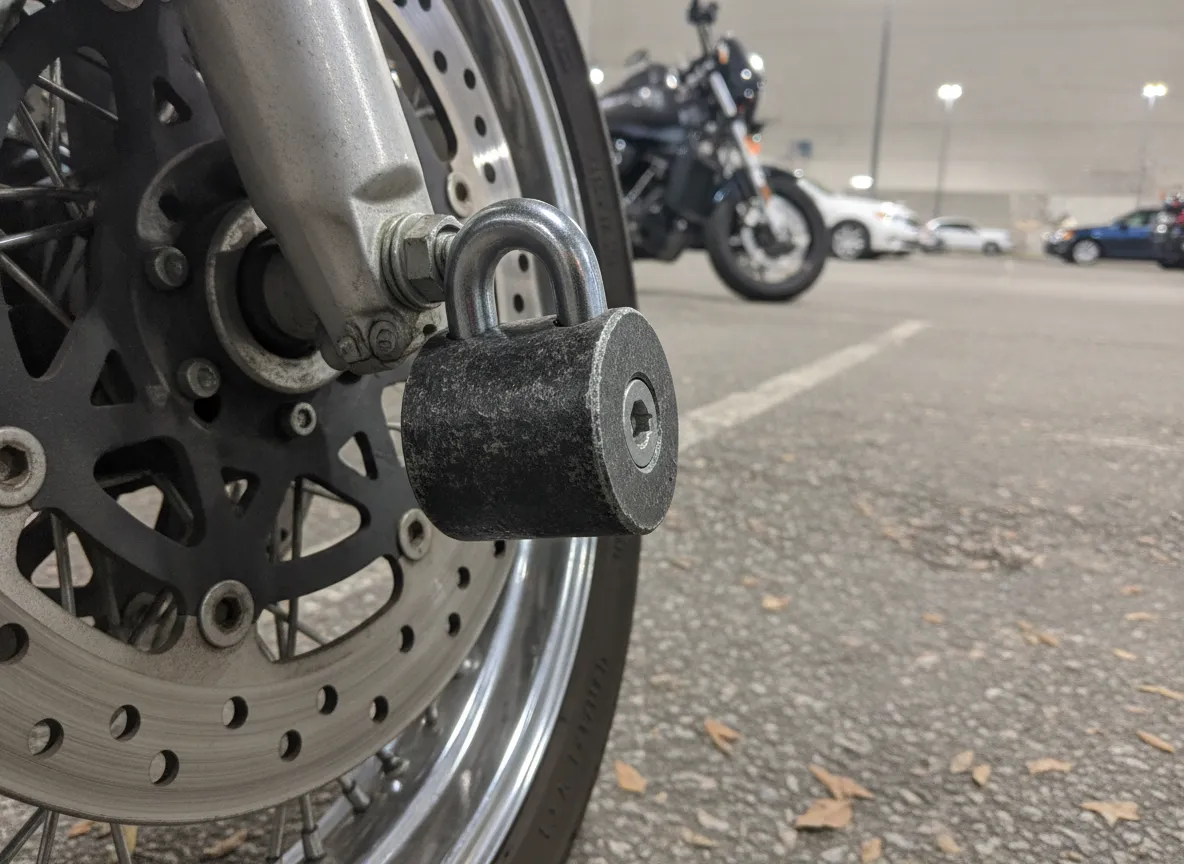
A disc lock gives your motorcycle a compact barrier at the front wheel. The lock fits through a drilled brake rotor, stopping the wheel from turning and making the bike difficult to roll away during short-term parking. Disc locks are a common motorcycle anti-theft lock because they travel easily, install quickly, and create a visible obstacle without adding a bulky chain to every ride.
How a disc lock protects the rotor
The CRAB Discus Lock 2.0 is built for riders who want portable rotor protection without sacrificing serious hardware. Its hardened steel construction resists common physical attacks, while a drill-resistant cylinder adds protection at the locking point. The weather-resistant keyway helps keep the mechanism ready through changing outdoor conditions. The lock includes five precision-cut keys, so you have practical spares for your riding gear, garage, or trusted backup.
At 2.75 by 2.75 by 1.25 inches, the CRAB Discus Lock 2.0 fits the rotor without turning everyday parking into a storage problem. Confirm that the lock pin fits an open rotor hole and that the lock body clears the caliper before riding. Keep the lock away from painted surfaces and check it regularly for wear, corrosion, or damage that could affect operation.
A disc lock prevents the motorcycle from being wheeled away, but it does not anchor the bike to the ground or an immovable object. That distinction matters. A thief may still load a secured motorcycle onto a vehicle if the parking area allows enough time and access. For higher-risk locations or longer parking periods, pair the disc lock with a frame-to-object security device such as the GRIZZLY U-Lock and a suitable chain or lock point.
Use the disc lock as one layer in a practical parking routine: choose a well-lit location. Engage the lock before walking away, and attach a reminder cable if the lock does not include one. When you need a different locking format for equipment, gates, or storage points, review DoubleLock's padlocks collection. No lock is undefeatable, but a hardened, visible barrier raises the time, noise, and effort required for theft.
Cable Locks and Loops for Securing Multiple Bikes
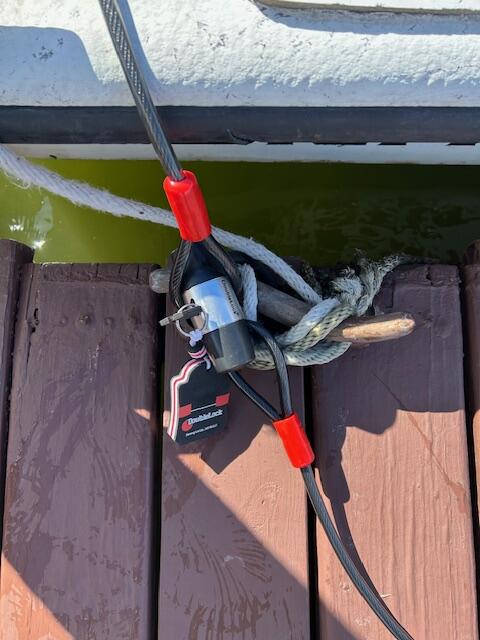
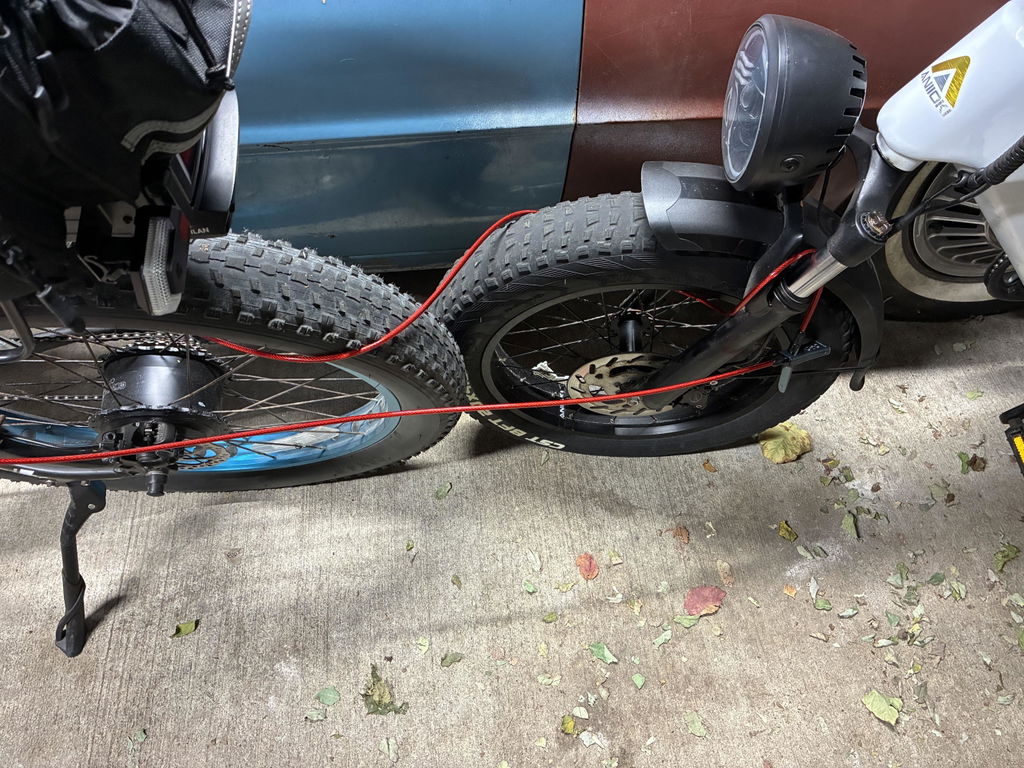
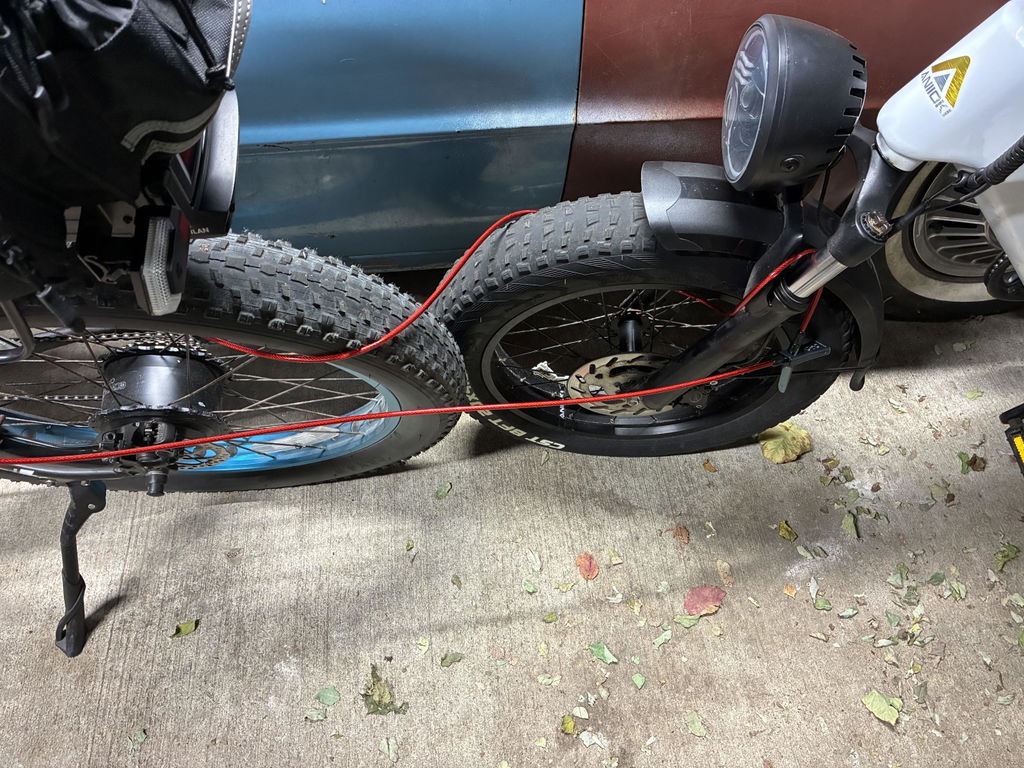
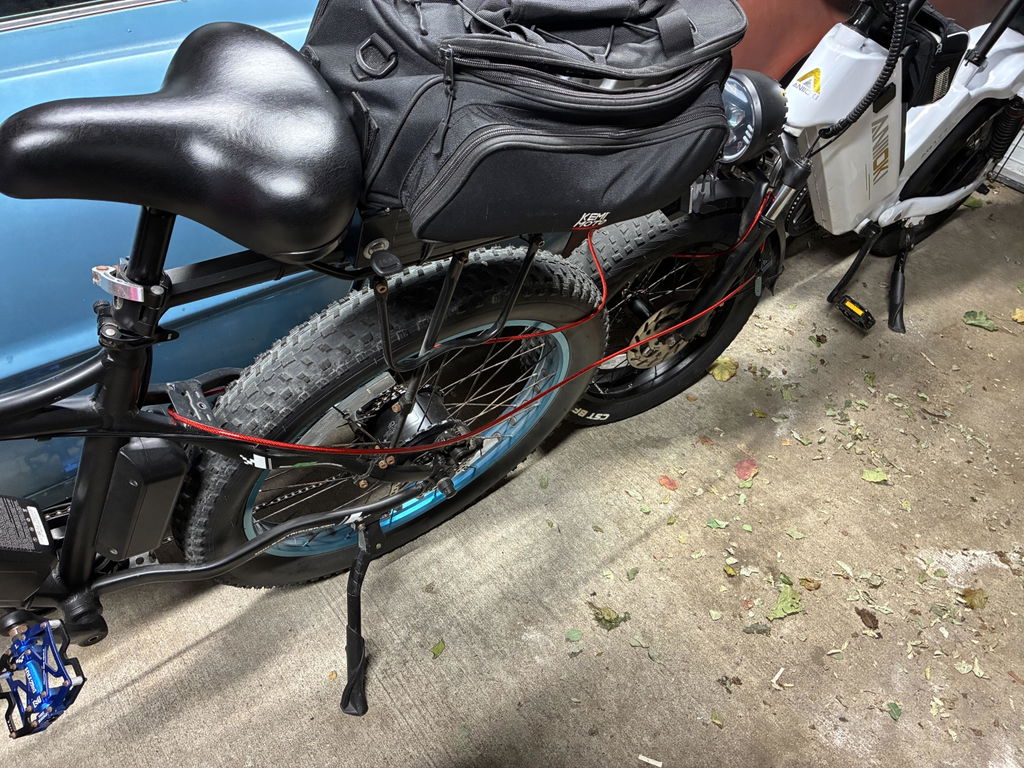
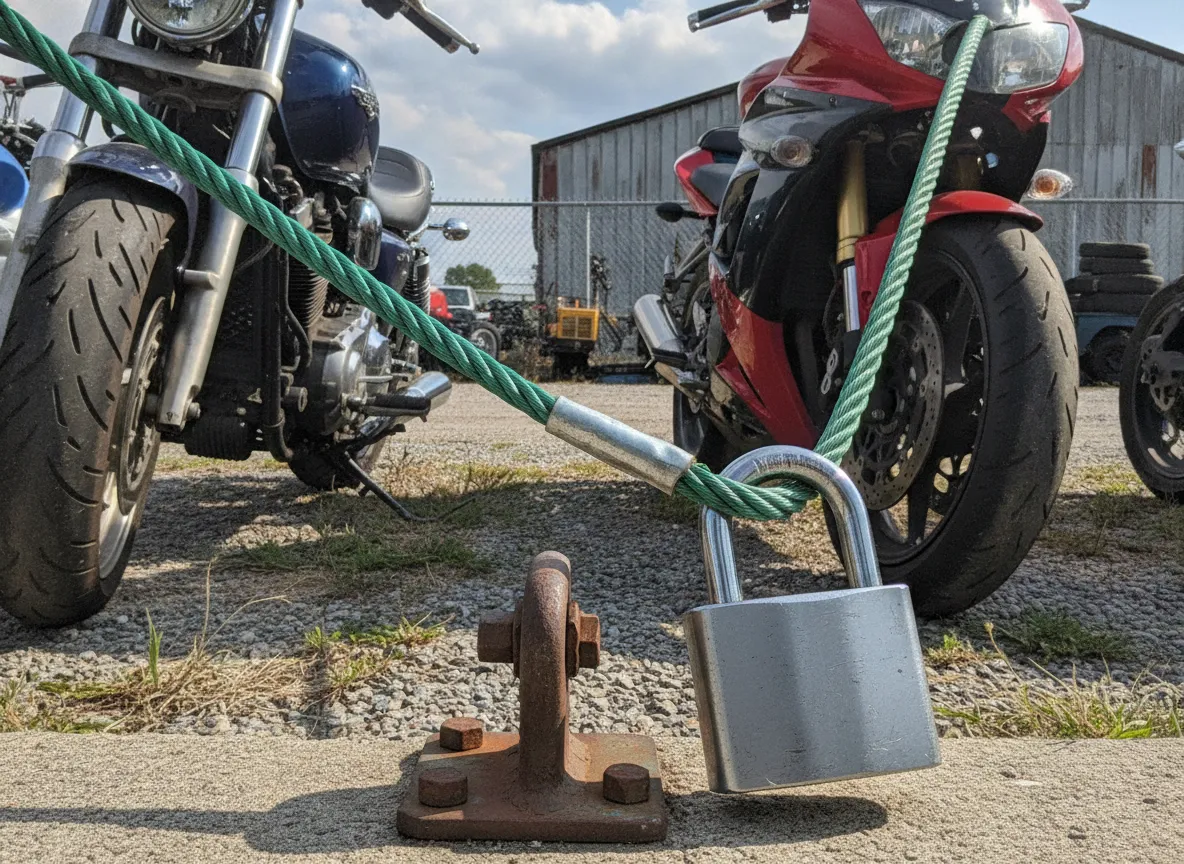
When you need to secure two or more motorcycles, dirt bikes, or bicycles at one location, a long cable creates flexible reach that a compact lock cannot. Run the cable through the frames or designated lock points on each bike, then connect the ends to a substantial lock. This approach keeps the group together and lets you secure multiple machines to a fixed object when the site provides one.
Run one loop through multiple frames
Route the cable through the frame of every bike rather than through wheels alone. A wheel-only connection leaves the frame easier to separate from the security device. Keep the loop tight enough to limit slack, but leave enough room to avoid forcing the cable against sharp edges or painted surfaces. Direct contact with paint can cause cosmetic damage, so place a protective barrier between the locking device and finished bodywork where needed. This is a practical detail that preserves the equipment while you secure it.
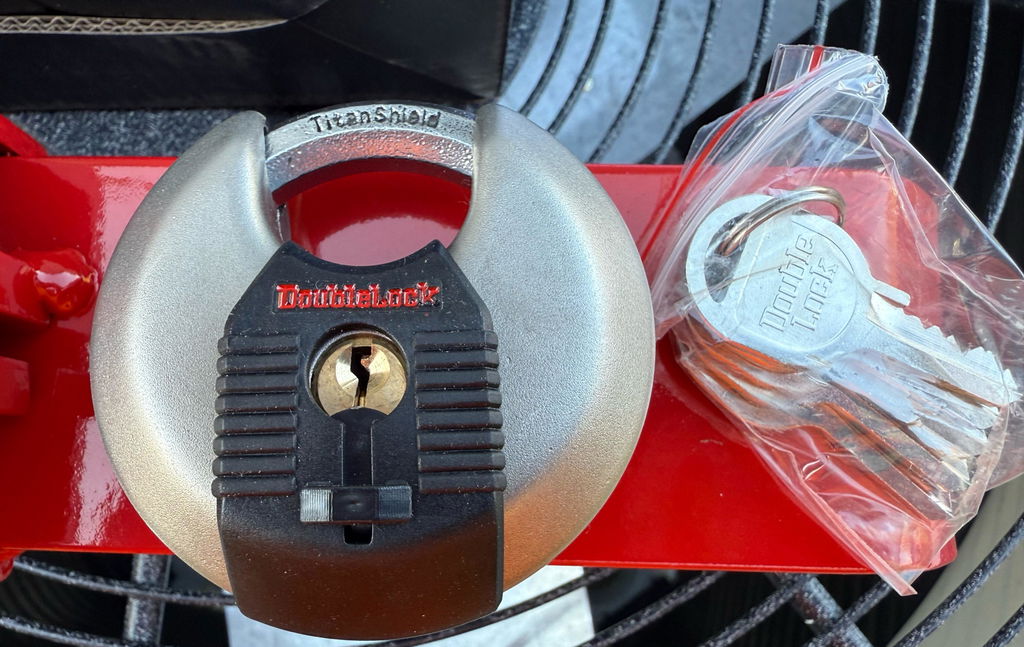
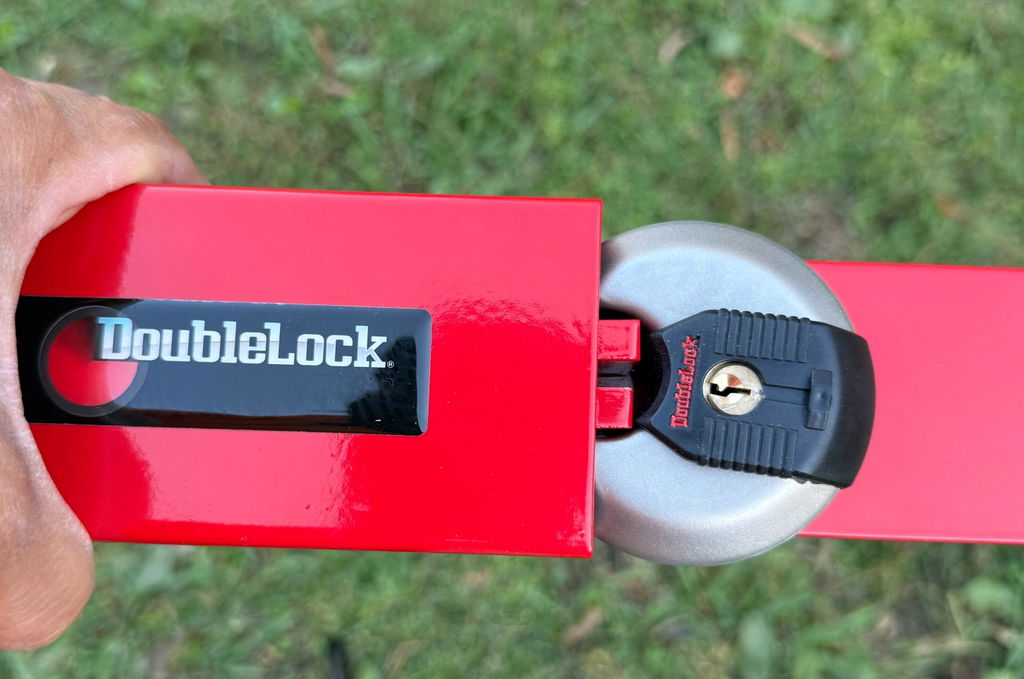
The DoubleLock BEAST Ultra Duty Cable & Lock Bundle suits group security and longer reach. Its 20mm heavy-gauge, vinyl-coated cable is available in a 9.8-foot version priced at $109.99, along with a 16.4-foot XL variant. The bundle pairs the cable with an EU insurance-rated U-lock and includes three laser-cut keys. Choose the shorter cable when the bikes sit close together. Use the XL length when you need to pass through several frames or reach a ground anchor.
Match the cable to the risk and the equipment
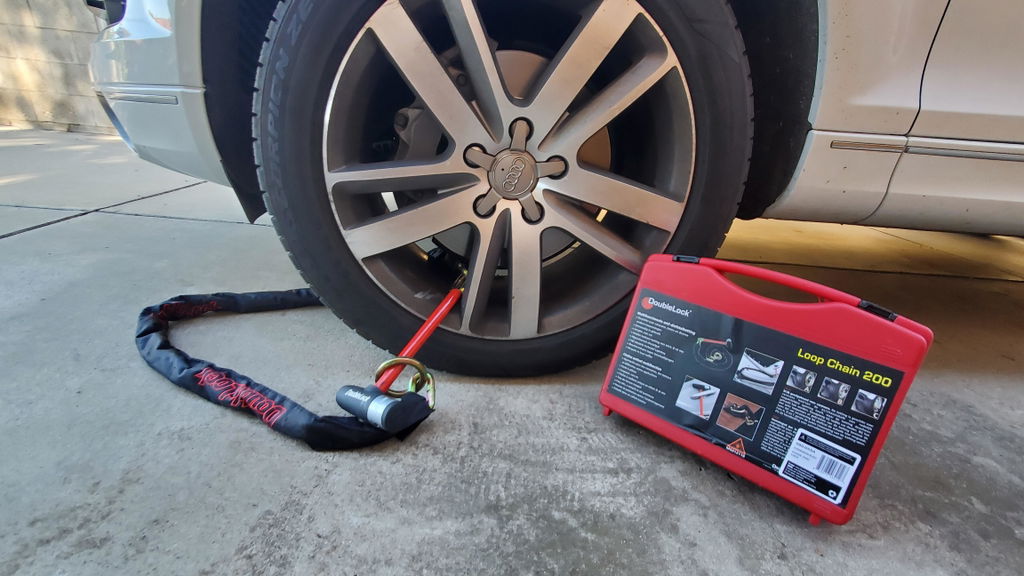
Cables offer useful flexibility and lower carrying weight, but they generally provide less resistance to cutting tools than solid chains. Treat them as one layer in a security plan, not as an undefeatable barrier. For higher-risk parking or long-term storage, compare a steel security cable with a heavier chain and lock combination. Chain performance depends on more than appearance. Link diameter and steel composition both affect how effectively a chain resists attack. Review the available chain and loops options when the site allows a heavier setup.
Inspect the cable jacket, lock body, shackle, and keyway for wear or damage before every extended trip or storage period. Replace a device when corrosion, fraying, deformation, or a compromised coating reduces reliable operation. A sound locking routine combines the right length, a protected contact point, and equipment that remains mechanically dependable.
Browse DoubleLock chains and loops to tighten your multi-bike security layer.
Dirt Bike Trailer Security Starts at the Coupler, Kingpin, and Hitch
A loaded dirt bike trailer presents more than one theft target. Criminals may take the bikes, the trailer, or both, especially when the rig sits unattended at a trailhead, hotel, fuel stop, or overnight parking area. Effective dirt bike trailer security closes the gaps at the connection points first, then protects the cargo during transit.
Start with the coupler. A coupler lock blocks unauthorized access to the trailer's latch and makes a quick hookup far more difficult. Use it whenever the trailer is disconnected, even if the trailer remains inside a locked yard or garage. A visible, purpose-built lock also signals that the trailer is secured before a thief spends time testing it.
Kingpin protection matters for fifth-wheel and commercial trailer applications. The LION Kingpin Lock, listed at $99.99, fits over the kingpin and prevents an unauthorized tractor from coupling to the trailer. It gives fleet operators and powersports haulers a direct way to secure the trailer connection rather than relying on a padlock placed somewhere away from the hitch.
Pintle-hitch users need the same attention at their connection point. The SCORPION Pintle Hitch Lock, listed at $199.99, protects the pintle-style coupling from unauthorized hookup. Match the lock to the hitch hardware and inspect the fit before every trip. A lock that rattles, binds, or leaves excessive exposed space deserves correction before the trailer moves.
Protecting a loaded dirt bike trailer during transit
Trailer security does not end when the coupler engages. Use quality tie-downs and add trailer locks during transit, as recommended in the transport guidance documented by Hiplok (transport security guidance). Secure each dirt bike through a strong frame point or approved tie-down location. Keep straps protected from unnecessary abrasion, and position locks so they do not strike painted surfaces during travel.
For a fixed parking location, a ground anchor creates a stationary point for a chain or other locking device. That anchor reduces the risk of someone simply loading the trailer or bike onto another transport vehicle, according to Cycle Gear's security guidance (ground-anchor guidance). During a trip, combine the trailer's coupler or kingpin lock with cargo restraint and a visible motorcycle lock. This layered approach strengthens powersports security without pretending any single lock is impossible to defeat.
Build the right setup from DoubleLock USA's truck and trailer locks collection, then inspect every locking point before departure and after arrival.
Securing Powersports in Storage: From Jet Skis to Snowmobiles
Storage changes the threat profile for every powersports machine. A jet ski in a covered lot, an ATV in a storage unit, or a snowmobile in a garage may sit unattended for weeks or months. Build security around the machine, the structure, and the surrounding conditions. The goal is to increase the time, noise, and effort required to steal it, not to pretend any lock is undefeatable.
Anchor the machine for long-term storage
For extended storage, a heavy-duty ground anchor paired with a hardened chain provides maximum resistance. The anchor creates a fixed point, while the chain connects the machine to something an attacker cannot simply lift into a truck. Route the chain through a substantial frame point or another manufacturer-approved structural location. Keep the chain tight enough to limit movement, but avoid contact that could damage painted or finished surfaces.
Choose the security hardware for the machine and the environment. Marine equipment faces moisture and salt exposure. Snowmobiles may remain in cold, damp buildings. ATVs often share space with tools, fuel, and trailers. Use industrial-grade deterrents designed for demanding applications, and place padlocks where an attacker cannot easily reach them with leverage or cutting tools. Inspect every device for wear, corrosion, looseness, or damage before storage and throughout the season. A compromised shackle, chain, or anchor weakens the entire setup.
Make the storage location work for you
Physical hardware works better when the location adds pressure. In covered lots and outdoor storage areas, choose a well-lit, high-traffic position when you have a choice. Visibility creates a first line of defense and makes covert loading harder. In a garage or storage unit, keep access points secured, maintain clear sightlines, and avoid placing valuable equipment directly beside doors or gates.
Add an alarm when the storage environment supports one. Systems triggered by movement or tilt sensors can detect tampering before a thief moves the machine far. An alarm draws attention and creates another problem for the attacker, especially when paired with a fixed anchor and chain. Test the sensor after installation and confirm that normal loading, cover removal, or routine maintenance does not create avoidable false alarms.
For owners who move equipment between home, storage, and job locations, extend the same approach to transport. Secure the trailer and coupler with purpose-built truck and trailer locks, then inspect the full system before departure. Layered powersports security keeps the machine harder to move, the hardware harder to defeat, and the theft attempt harder to complete.
Shop truck and trailer locks now to secure your powersports equipment.
Frequently Asked Questions
What is the best anti-theft device for a motorcycle?
The strongest setup matches the parking or transport risk. Use a disc lock to stop the bike from rolling, then add a chain or cable that secures the frame to an immovable anchor. For trailer travel, add a hitch or coupler lock so thieves cannot simply take the trailer. Layered anti-theft devices reduce theft risk more effectively than relying on one lock alone, according to the National Institute of Justice: NIJ research on anti-theft devices.
How do I lock a motorcycle so it is harder to steal?
Pass the chain through the frame rather than only through a wheel, and connect it to a solid, immovable object whenever one is available. Add a disc lock to block wheel movement, position the locks off the ground, and keep them clear of painted surfaces. Park in a well-lit, high-traffic area, and inspect every lock for wear before use.
Are disc locks effective for motorcycle security?
Disc locks provide a practical first layer for short-term parking because they prevent the wheel from turning and travel easily with the bike. They do not anchor the motorcycle, so a thief may still lift or load it. Pair a disc lock with a frame-secured chain, cable, or ground anchor when the bike will sit unattended for longer periods.
What lock should I use when transporting a motorcycle?
Use separate controls for the motorcycle and the trailer. Secure the bike with rated tie-downs and a frame-connected lock, then protect the trailer with a coupler or hitch lock. A ground anchor or fixed trailer point gives a chain a stronger target than a loose wheel. Review the setup after loading, and check that no lock or strap contacts painted bodywork.
Ready to Secure Your Powersports Equipment?
The right lock setup gives your motorcycle, dirt bike, or other powersports equipment a stronger layer of protection during transport and storage. Start with purpose-built hardware for the trailer, coupler, hitch, or equipment you need to secure. Shop truck and trailer locks for individual needs, or contact DoubleLock USA for a wholesale quote when you are securing a fleet or buying in bulk.