
It's one of the most common security mistakes: relying on the wrong tool for a high-stakes job. Using a simple cable to protect thousands of dollars worth of equipment is a risk many people take without realizing the consequences. A braided steel security cable is an excellent and practical tool, but its effectiveness depends entirely on the situation. It’s designed to be a deterrent against crimes of opportunity, not a foolproof barrier against a determined thief with a pair of bolt cutters. This guide will give you an honest look at what these cables can and cannot do, ensuring you protect your property appropriately.
Key Takeaways
- Match your security to the situation: A braided steel cable is a practical choice for deterring casual theft of everyday items in low-risk areas, but high-value assets require more robust solutions like heavy-duty chains.
- A cable is only as strong as its lock and anchor: Your security is compromised if you use a flimsy lock or attach your cable to a weak object. Always pair your cable with a quality hardened steel padlock and a solid, immovable anchor point.
- Layer your defenses for valuable equipment: For critical assets like trailers or construction tools, relying on a single cable is not enough. Combine different security types, such as a puck lock and a heavy chain, to create a more formidable barrier against theft.
What Is a Braided Steel Security Cable?
A braided steel security cable is one of the most versatile tools for protecting your belongings. You’ve likely seen them looped through bicycle frames or securing a grill on a patio. At its core, it’s a flexible cable made from many strands of steel woven together, designed to be a strong and visible theft deterrent. This braided construction gives it a unique combination of strength and flexibility, allowing you to secure items of various shapes and sizes to a fixed object. While they are incredibly useful for certain situations, it's important to understand how they're made and what they're best suited for. This knowledge will help you choose the right security for your specific needs.
The Anatomy of a Steel Security Cable
The strength of a security cable comes from its intricate construction. It all starts with high-strength alloy steel, a material chosen for its durability and ability to withstand tough conditions. Instead of using a single, thick piece of wire, manufacturers twist multiple steel strands together. A common design involves weaving several smaller cables around a central core, creating a single, much stronger cable. This multi-strand, braided design makes the cable more difficult to cut through than a solid wire of the same thickness. It’s this thoughtful engineering that gives our security cables the resilience needed to protect your gear.
Core Materials: High-Carbon and Galvanized Steel
The real strength of a security cable lies in its core materials. Most are crafted from high-carbon or galvanized steel, chosen for their impressive durability. The magic is in the braid. Instead of a single solid wire, these cables are made of many steel strands twisted together. This design offers a great balance of flexibility and a sturdy resistance to cutting forces, making the cable much harder for a casual thief to snip through with basic tools. This braided structure also helps prevent someone from using leverage to try and break the cable apart. It’s a simple but effective engineering choice that makes a significant difference in its performance as a deterrent.
Protective Coatings: Vinyl, Rubber, and More
The colorful outer layer on a security cable isn't just for looks; it serves a critical purpose. This protective coating, usually made of vinyl or rubber, acts as a shield for both the cable and your property. The vinyl jacket protects the inner steel strands from moisture and corrosion, which is especially important for outdoor or marine use. More importantly, this coating ensures the cable won't scratch or damage the finish on your equipment. As one hardware expert notes, the vinyl coating is a good feature because it protects your belongings from getting scratched while they are secured. It’s a small detail that shows a commitment to protecting your gear in every way possible.
Why Is the Vinyl Coating So Important?
You’ll notice that most steel security cables have a smooth, often black, coating. This isn't just for looks; it's a protective vinyl layer that serves two key functions. First, it acts as a weatherproof shield, protecting the steel inside from moisture that can cause rust and corrosion. A rusty cable is a weak cable, so this coating is essential for long-term reliability. Second, the soft vinyl protects your valuables from scratches and dings. Whether you're securing a painted bike frame or patio furniture, the coating ensures the cable itself doesn't cause any damage. It’s a simple feature that reflects a commitment to quality and durability.
Weather and Chemical Resistance
When you secure equipment on a construction site or near the water, you're battling more than just theft. Constant exposure to rain, saltwater, and job-site chemicals like grease or solvents can seriously degrade your gear. This is where the protective vinyl coating on a braided steel cable becomes so critical. It acts as a non-porous shield, preventing moisture and corrosive substances from reaching the inner steel strands. Without this barrier, rust and chemical damage can weaken the cable from the inside out, compromising its strength. This protective layer is essential for long-term reliability, as it shields the steel from weather and other environmental hazards. It’s a feature that ensures your security cable remains dependable, giving you confidence that your valuable assets are properly protected day after day.
Key Technical Features to Look For
When you're choosing a security cable, the small details can make a big difference. Not all cables offer the same level of protection, and understanding the key technical features will help you select the right one for your needs. The diameter of the cable, the material of its core, and the type of protective coating all contribute to its overall strength and longevity. Paying attention to these elements ensures you get a reliable tool that stands up to the elements and provides a solid deterrent against theft. It’s about making an informed choice rather than just grabbing the first cable you see on the shelf.
The Strength of a Braided Design
The braided construction of a steel security cable is its most important feature. Instead of a single, solid wire, these cables are made from many thin strands of steel woven together around a central core. This design provides a unique combination of strength and flexibility. The interwoven strands distribute force, making the cable much more difficult to cut with simple tools compared to a solid wire of the same thickness. This flexibility also allows you to easily secure items of different shapes and sizes, from construction equipment to a generator on your trailer, by looping it around and through your property and a fixed anchor point.
Cables with Built-In Locks and Alarms
Some security cables come with an integrated locking mechanism, which can be convenient. These often use either a key or a combination dial, eliminating the need to purchase a separate padlock. While this offers a streamlined solution, the security of the entire setup depends on the quality of that built-in component. Other cables on the market even feature alarms that sound when the cable is tampered with, adding an audible deterrent. However, the most secure and versatile approach is often to pair a high-quality braided steel cable with a separate, robust padlock. This allows you to choose a padlock that meets your specific security standards.
When Should You Use a Steel Security Cable?
Braided steel cables have a specific job, and they do it well. Think of them as a convenient, flexible tool for situations where you need a basic layer of security. They are not designed to protect high-value assets in high-risk areas, but they are quite effective in a few key scenarios where their flexibility is an advantage. Understanding when to use one is the key to getting the most out of this security tool.
For Quick Stops and Low-Risk Areas
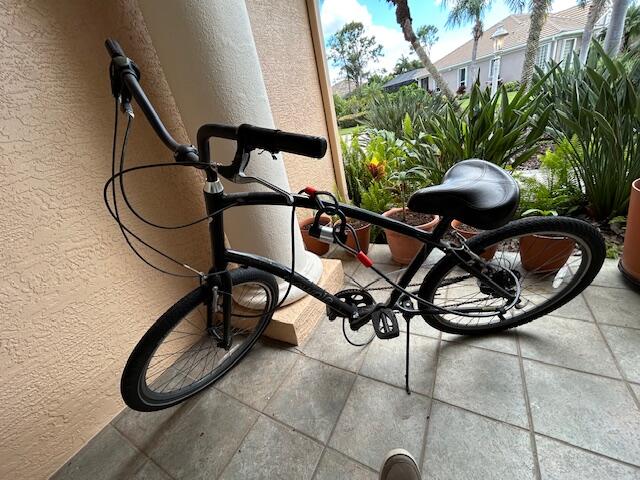
A braided steel cable is a practical choice for securing everyday items in low-risk environments. Their versatility makes them useful for things that aren't prime targets for determined thieves. You might use one to lock your bicycle to a rack for a short trip into a store or to secure a couple of patio chairs together overnight. They’re also great for keeping items like trash cans, picnic tables, and kayaks from wandering off. In these situations, the goal is to prevent a crime of opportunity, and a simple cable is often enough to do the trick.
Protecting Your Grill, Kayak, and Other Outdoor Gear
When you need to secure gear that lives outside, a braided steel cable can be a great fit. Most of these cables come with a vinyl coating that serves two important purposes. First, it protects the steel from the elements, preventing rust and corrosion from rain and humidity. Second, it protects your belongings from getting scratched or scraped by the metal cable. This makes them ideal for securing a barbecue grill to your deck post or locking down outdoor equipment without damaging the paint or finish. It’s a simple way to add a layer of protection against casual theft.
Use in Marine Environments
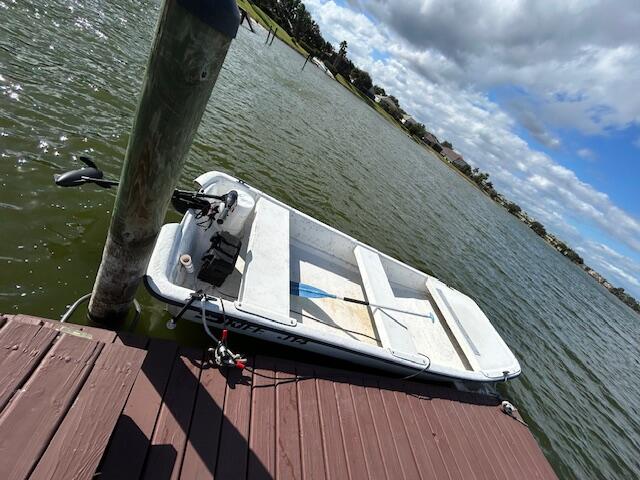
Anyone who spends time on the water knows that salt and moisture are tough on equipment. In these conditions, a vinyl-coated braided steel cable is particularly effective. The vinyl coating acts as a crucial barrier, protecting the steel inside from the rust and corrosion that saltwater and humidity can cause. Since a rusty cable is a weak cable, this protective layer is essential for reliable performance season after season. In addition to weatherproofing, the soft vinyl also prevents the cable from scratching or damaging your valuables. When you’re securing a kayak, jet ski, or expensive fishing gear, you can be confident the cable itself won’t leave marks on delicate surfaces or painted finishes.
How a Cable Can Visually Deter Thieves
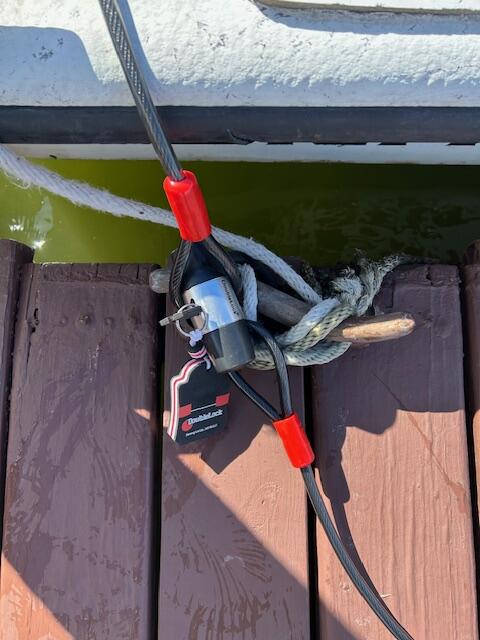
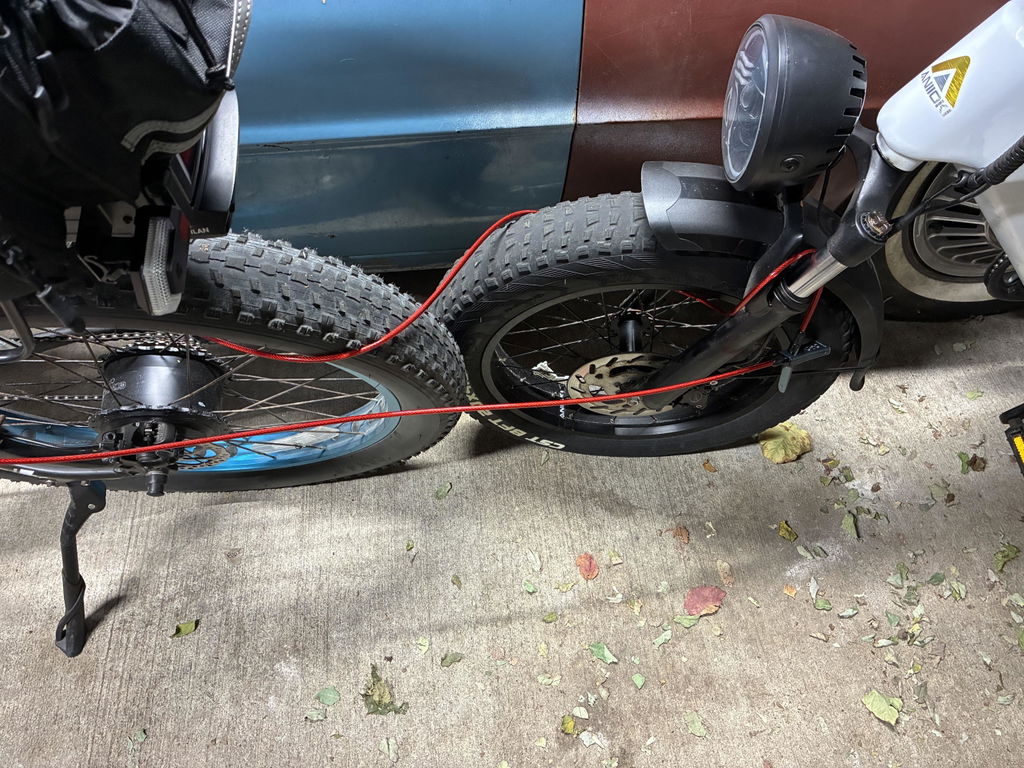
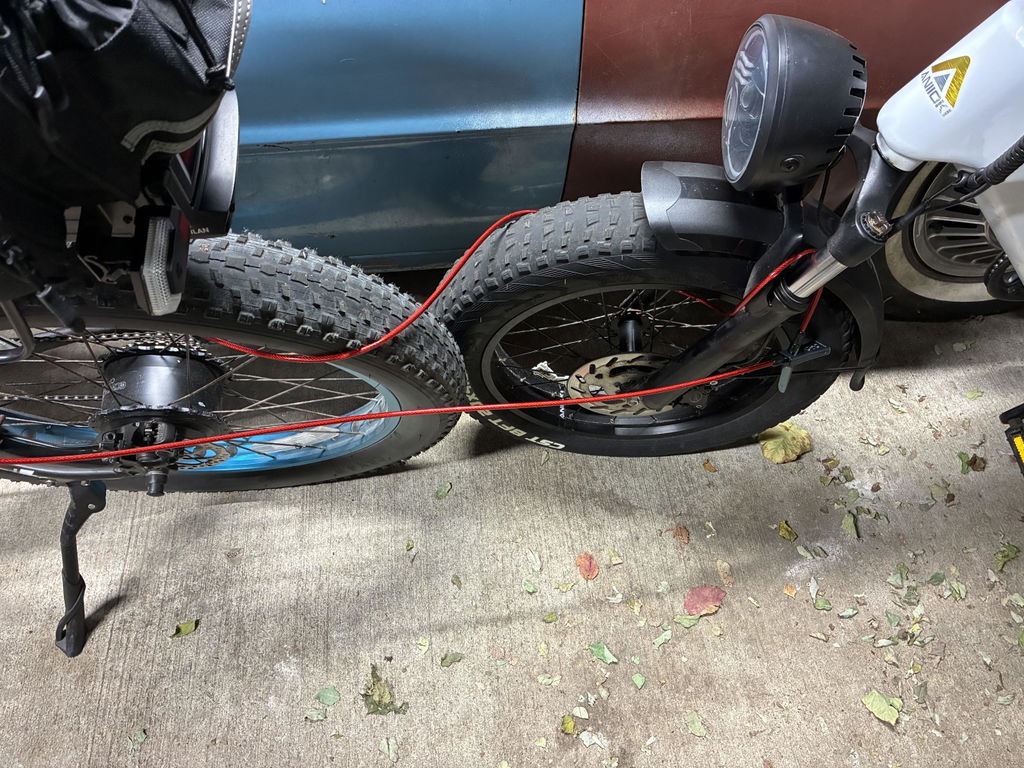
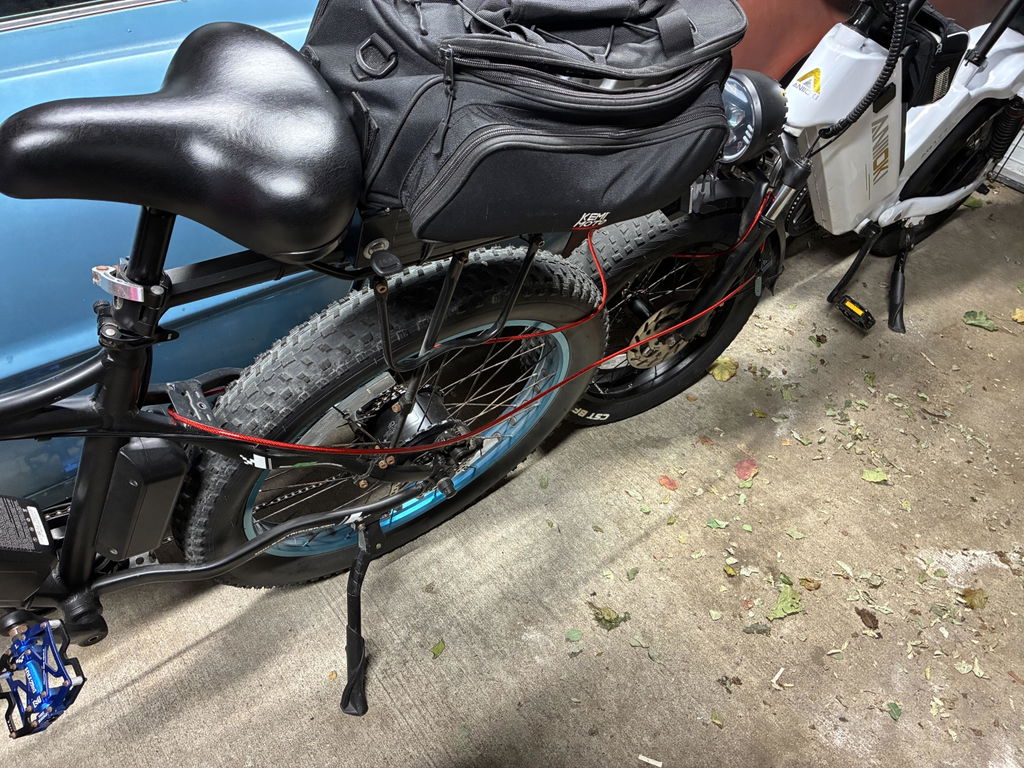
It’s important to be realistic about the limitations of a braided steel cable. Their greatest weakness is that they can be cut with a pair of bolt cutters. Because of this, you should never rely on a cable as the only security for something truly valuable. Instead, think of it as a visual deterrent. A thief looking for an easy target might be discouraged by the sight of a cable and move on. For better protection, you can pair a cable with a more robust lock. For example, you can run a cable through your motorcycle's wheels and then secure the ends with a hardened steel padlock.
Securing Laptops, Firearms, and Tools
When it comes to protecting high-value items like laptops, firearms, or power tools, a braided steel cable should not be your only line of defense. These are critical assets, and relying on a single cable is not enough. Instead, think of the cable as one component in a layered security system. For instance, you can use a cable to tether a laptop bag to a desk leg in a shared office or secure a locked toolbox to a structural beam on a job site. While a determined thief could cut the cable, it acts as a significant deterrent to casual theft and makes a quick grab-and-run much more difficult. The key is to combine different security types to create a more formidable barrier, especially for expensive equipment.
Are Steel Security Cables Easy to Cut?
Braided steel cables are a popular choice for securing everything from grills to construction equipment, and for good reason. They’re flexible, lightweight, and easy to use. But when it comes to security, the most important question is: how well do they stand up to a determined thief? The honest answer is that it depends, but many common steel cables have a significant vulnerability. While they can deter a casual attempt, they often fall short against someone with the right tools.
Why Bolt Cutters Are a Cable's Worst Enemy
The main issue with braided steel cables is their weakness against a common tool: the bolt cutter. For a thief, a pair of bolt cutters can slice through many cables in seconds. One person on Reddit described the process as being like cutting hair with scissors, which gives you a clear picture of how quickly it can happen. This is because the braided design, which gives the cable its flexibility, is also what makes it susceptible to the shearing force of a bolt cutter. The individual strands are no match for the focused pressure, making this a quiet and effective method for thieves.
Which Tools Can Cut Through a Steel Cable?
Bolt cutters are the most cited threat, but they aren't the only tool that can make short work of a steel cable. Depending on the cable's thickness, even heavy-duty wire cutters or tin snips can get the job done. For thicker, more robust cables, a portable angle grinder will cut through in moments, though it creates more noise. The point is that the tools required to defeat a standard cable are not difficult to find or use. This accessibility is what makes relying solely on a cable for high-value items a risky proposition. It’s a security layer best suited for lower-risk situations.
The Risk of Simple Hand Tools
The real danger isn't just that a cable can be cut, but how easily it can be done. The tools required to sever a braided steel cable aren't exotic or hard to find. We're talking about common hand tools like bolt cutters, heavy-duty wire cutters, or even tin snips for thinner cables. These are items that can be purchased at any hardware store or might already be in a thief's toolbox. This accessibility is what makes relying on a cable alone for high-value assets so precarious. When you're tasked with securing your equipment, you have to consider that a thief's methods might be simple, quiet, and quick. This is why understanding the limitations of a cable is the first step toward choosing a truly effective security solution.
The Balance Between Flexibility and Strength
So, if cables can be cut, why use them at all? It comes down to a trade-off between strength and convenience. The flexibility of a braided steel cable is its greatest asset. It allows you to secure items to oddly shaped posts, weave through frames and wheels, or bundle multiple pieces of equipment together. They are also lighter and easier to transport than heavy chains. Many cables also feature a vinyl coating, which is a practical touch that prevents rust and protects your gear from scratches. You get versatility that a rigid lock can't offer, but you sacrifice the raw power of something like a hardened steel padlock.
Expert Warnings on Cable Security
While braided steel cables offer flexibility, security experts consistently caution against using them as a primary defense for valuable items. The convenience of a lightweight, easy-to-use cable can create a false sense of security, leaving your property vulnerable. The core message from professionals is clear: a cable is a deterrent for low-risk situations, not a reliable barrier against a prepared thief. For anything you can’t afford to lose, whether it’s a bicycle or expensive tools on a job site, relying solely on a cable is a significant gamble. Understanding these expert warnings is the first step toward making smarter security decisions.
Why Cables Are a High-Risk Choice for Bicycles
Bicycles are one of the most common items secured with cables, and unfortunately, they are also one of the most frequently stolen. Security specialists are unified in their message that security cables are the worst choice for protecting a bike. The reason is simple: they are incredibly easy for thieves to defeat quickly and quietly. A small pair of bolt cutters, which can be easily concealed in a backpack, can snip through most cables in a matter of seconds. This isn't an issue reserved for high-crime areas; it's a fundamental weakness of the cable itself. Relying on one to protect your bike, even for a few minutes, is a risk that often doesn't pay off.
The Myth of the Thick Cable
Many people believe that a thicker cable offers significantly more protection, but this is a dangerous misconception. While a thicker cable might require a slightly larger tool, it can still be cut with relative ease. Thieves know this and actively look for items secured with cables because they represent an easy score. It doesn't matter if your bike or equipment is inexpensive; thieves target what is fastest to steal. Research from the Harvard Police Department once found that nearly two-thirds of all stolen bikes had been secured with a cable. This statistic highlights that cables are not just vulnerable; they are a preferred target for theft, making them an unreliable choice for protecting your property.
How Do Steel Cables Compare to Other Options?
Choosing the right security tool means understanding its strengths and, more importantly, its weaknesses. While braided steel cables are a popular choice for their flexibility and ease of use, they are not always the best option for every situation. The level of security you need depends entirely on what you are protecting and where it is located. A cable might be perfectly suitable for securing a gas grill on your back patio, but it falls short when protecting expensive tools on a job site or a boat at a marina.
Thinking of security in layers is a helpful approach. A cable can be one of those layers, but it rarely should be the only one, especially for high-value items. Its primary function is often as a visual deterrent or a way to secure items in low-risk environments. When you need more substantial protection, it’s time to look at how cables compare to other, more robust options. Understanding the differences between a flexible cable, a heavy chain, a U-lock, and a hardened padlock will help you build a security system that truly protects your property instead of just giving the appearance of security. Let's break down how these tools stack up against each other.
Braided Steel Cable vs. a Heavy-Duty Chain
The main difference between a steel cable and a heavy-duty chain comes down to flexibility versus brute strength. A braided cable is pliable and easy to wrap around objects of various shapes and sizes. This convenience, however, is also its weakness. The small, woven strands that give a cable its flexibility are also what make it vulnerable to cutting.
In contrast, heavy-duty chains are built with thick, solid, and often heat-treated steel links. This construction makes them far more resistant to bolt cutters and saws. While a chain is less flexible and much heavier, it provides a significant increase in security. For securing gates, trailers, or heavy equipment, a high-quality chain is almost always the superior choice.
Braided Steel Cable vs. a U-Lock
When it comes to resisting cutting tools, U-locks have a clear advantage over cables. As many have unfortunately learned, a pair of bolt cutters can slice through most braided steel cables in a matter of seconds. The design of a U-lock, which features a solid steel shackle in a rigid "U" shape, presents a much greater challenge to thieves.
Defeating a quality U-lock typically requires a power tool like an angle grinder, which creates noise and takes more time. This makes them a much stronger deterrent in public or high-traffic areas. While a U-lock offers less flexibility in what it can secure, its rigid design is precisely what makes it so effective against the most common methods of attack.
Braided Steel Cable vs. a Hardened Security Device
This comparison is less about choosing one over the other and more about understanding their relationship. A security cable is only as strong as the lock that fastens it. You can have the thickest, toughest cable available, but if you pair it with a cheap, flimsy padlock, your security is compromised. The padlock is the critical point that thieves will often target first.
A quality hardened steel padlock is designed to resist drilling, picking, and direct physical attacks. When you use a cable, always pair it with a lock that matches or exceeds the cable's strength. This ensures you are not creating an obvious weak point in your setup. Think of the lock as the anchor of your security system; it should be the strongest component.
High-Security and Custom Cable Options
While a standard braided steel cable is a useful tool, some situations call for a more specialized solution. If you’re securing high-value equipment or dealing with a unique setup, a generic cable might not provide the level of protection or the perfect fit you need. For these higher-stakes scenarios, you can find advanced options designed to go beyond basic deterrence. Exploring extra-thick or custom-made cables can provide the specific security that your valuable assets demand. These options address the common weaknesses of standard cables by focusing on enhanced strength and a tailored design.
Extra-Thick Cables for Higher-Risk Scenarios
When your assets are particularly valuable or vulnerable, you should consider using an extra-thick cable. Some specialized cables are built with extreme strength in mind, featuring diameters of 20mm or more. These are not your average cables; they are designed for tactical use to protect gear, tools, and other high-value equipment. Their immense thickness makes them incredibly resistant to cutting, with some tests showing they can withstand even large bolt cutters. This level of resilience makes them an excellent choice for securing property on an open construction site or in other high-risk environments where a standard cable would be an easy target.
Custom-Length Cables with Reinforced Loops
Sometimes, the biggest security challenge is simply finding a cable that fits. A cable that is too long can be cumbersome and leave excess slack, while one that is too short is useless. You can order a custom-length cable made to your exact specifications, which solves this problem by ensuring a snug and secure fit. Many of these custom options also come with reinforced eye loops on both ends, adding significant strength at the connection point. This feature is critical, as the loop is where the cable interfaces with your padlock, and reinforcing it helps prevent a potential weak point from being exploited by a thief.
Stepping Up Security for Your Most Valuable Gear
Braided steel cables are a great starting point for securing everyday items, but they aren’t the right tool for every job. When you need to protect high-value equipment, like trailers, construction tools, or marine gear, it’s time to bring in more robust hardware. A determined thief with a pair of bolt cutters can get through a simple cable in seconds. For assets that are critical to your business or personal life, you need security solutions designed to withstand a serious attack. Upgrading your approach doesn’t have to be complicated. It’s about choosing the right type of equipment designed for higher-risk situations and using it correctly to create a formidable defense.
Choose a Hardened Steel Security Device
Using a heavy-duty padlock is one of the most effective ways to improve your security. Unlike basic locks, these are specifically engineered to resist tampering and cutting. The key is to look for models made from hardened steel, an alloy that is heat-treated to increase its toughness and durability. This process makes the metal much more difficult to breach with tools like bolt cutters or drills. Pairing a high-quality padlock with a security chain or hasp creates a strong anchor point that serves as a powerful deterrent for your most valuable belongings.
Pair Your Device with a High-Security Chain
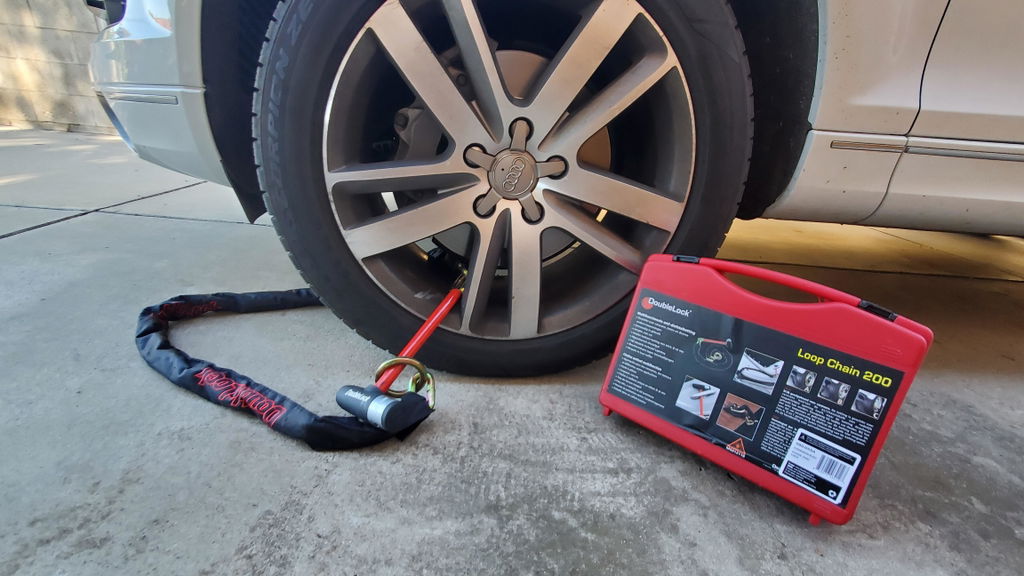
For a significant step up from a steel cable, choose a high-security chain. While cables offer flexibility, heavy-duty chains provide superior strength. Their solid, thick links are much harder to cut through than braided steel strands. Many security chains also feature a protective coating, which prevents rust and corrosion while also protecting the finish on your equipment. Whether you’re locking up a generator at a job site or securing a boat to a dock, a high-security chain offers a level of protection that a cable simply cannot match.
Using Puck-Style Devices for Trailers and Containers
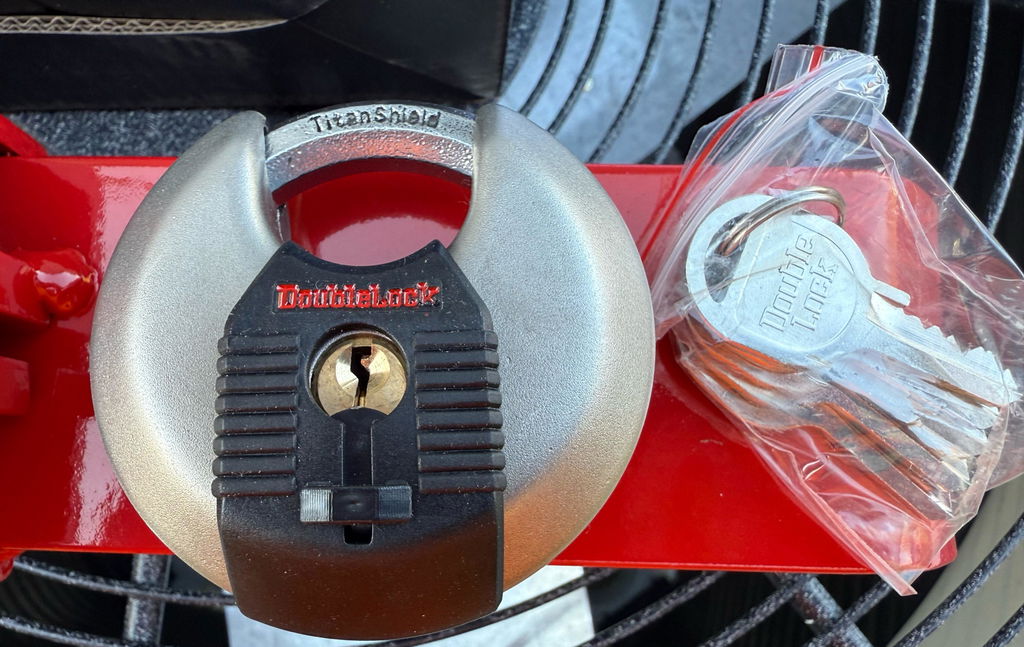
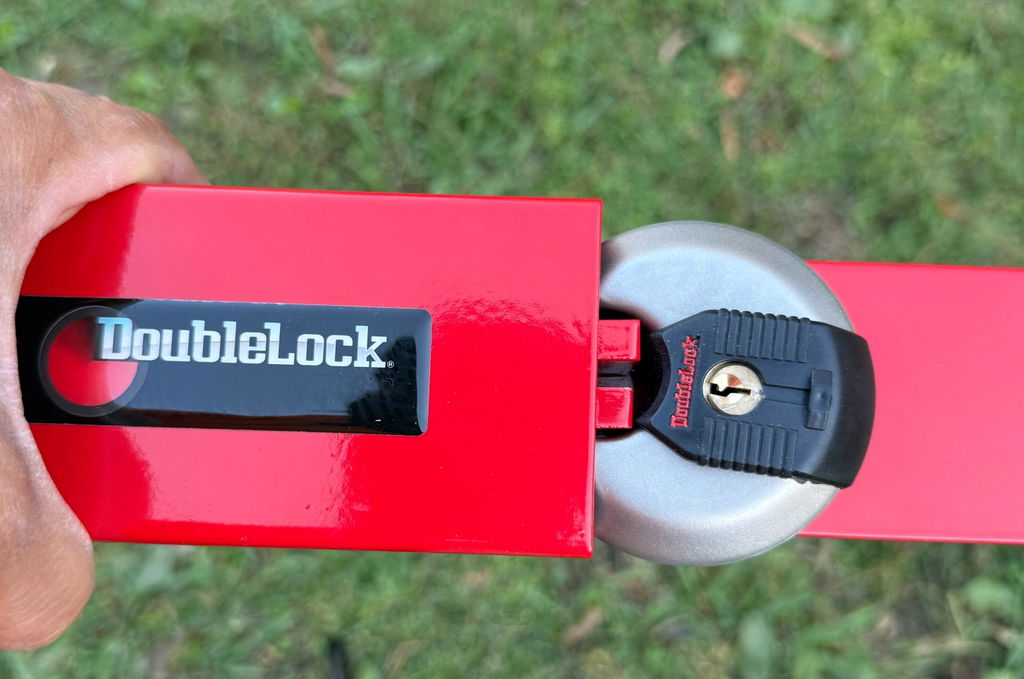
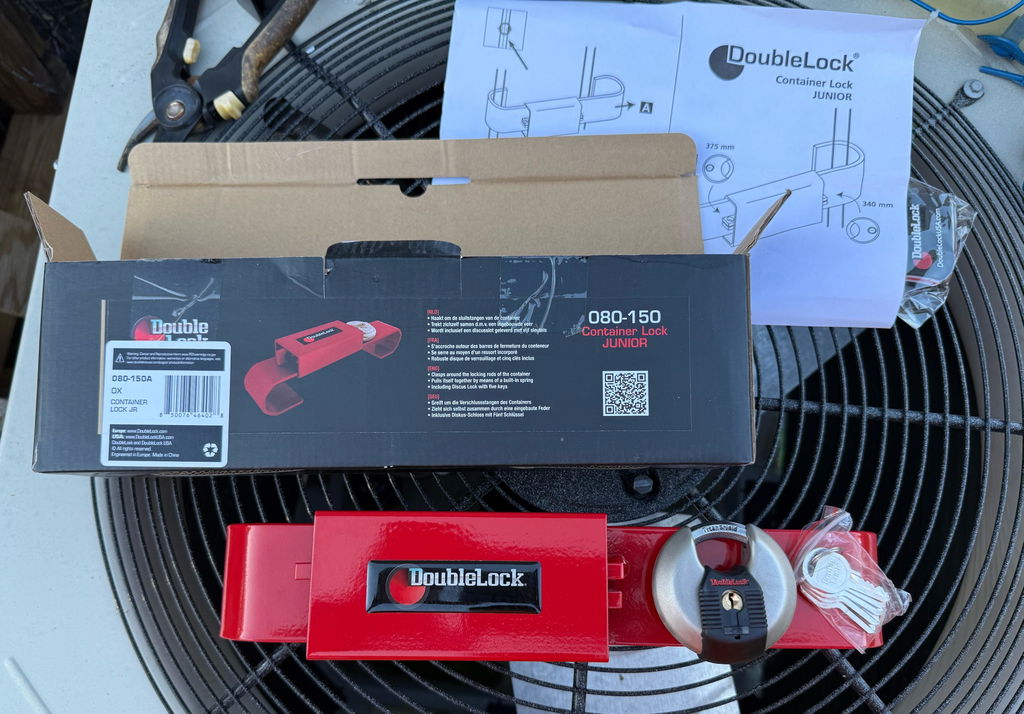
If you need to secure trailers, shipping containers, or storage units, a puck lock is an excellent choice. Their unique, circular shape is self-contained, leaving no shackle exposed. This clever design makes them highly resistant to being cut with bolt cutters or pried open. Puck locks fit snugly over the door hasp, creating a solid barrier that is incredibly difficult to defeat. They provide peace of mind for assets that are often left unattended in remote or high-traffic areas, making them a staple in the construction and shipping industries.
Why Layering Your Security Is a Smart Move
The most effective way to protect your high-value items is to layer different security measures. Relying on a single point of defense can leave you vulnerable. Instead, create a system that forces a potential thief to defeat multiple obstacles. For example, you could use a puck lock on your trailer doors and secure the trailer itself with a heavy-duty chain and a hardened steel padlock. This multi-faceted approach is far more effective at deterring theft. It’s also wise to regularly inspect your equipment for any signs of wear or tampering and to invest in security solutions you can trust.
How to Use Your Steel Security Cable Correctly
A braided steel cable is a useful tool for securing your property, but its effectiveness depends entirely on how you use it. Simply looping it through your gear isn't enough. To create a real deterrent, you need to be strategic about your setup, from the lock you choose to the object you attach it to. Following a few key practices will help you make the most of your cable's security potential and ensure it provides the protection you need. These simple steps can make a significant difference in keeping your belongings safe.
How to Properly Secure and Store Your Cable
Think of your cable and lock as a team; one is not effective without the other. A thick steel cable is pointless if it’s paired with a flimsy lock that can be easily broken. Always use a heavy-duty padlock to secure the ends of your cable. Proper locking mechanisms are essential to deter theft. When you’re not using your cable, store it properly to extend its life. Coil it neatly and keep it in a dry, protected area to prevent the steel from rusting and the vinyl coating from degrading due to sun exposure. Proper storage keeps your cable in reliable condition for when you need it most.
Why You Should Inspect Your Cable for Wear
Regular inspections are crucial for maintaining your cable's integrity. Before you use it, take a moment to check for signs of wear and tear. Look for broken or frayed wires poking through the vinyl coating, as these can weaken the cable. Also, check the coating itself for deep cuts or cracks, which can expose the steel to moisture and lead to rust. A compromised cable is an easy target for thieves. Making a quick inspection a regular habit ensures your security cable remains a reliable part of your setup. This simple check can help you prevent rust and spot damage before it becomes a problem.
Finding a Solid, Immovable Anchor Point
Your security cable is only as strong as the object it’s attached to. When securing your items, always use a solid anchor point that cannot be easily moved, broken, or dismantled. Good examples include a cemented-in-ground post, a thick metal railing, or a welded part of a trailer frame. Avoid looping your cable around wooden fence posts, small trees, or anything that a thief could cut through or lift. The goal is to make it impossible to simply carry away your secured item along with whatever it's attached to. Choosing a sturdy anchor point is one of the most important steps in creating an effective security system.
Pairing Your Cable with the Right Padlock
A security cable is only as strong as the padlock you use with it. It's a simple truth that's often overlooked. You can invest in the thickest, most durable cable on the market, but if you secure it with a flimsy, low-quality padlock, you've created an obvious weak point for any potential thief. They will almost always attack the easiest target first, and a cheap lock is an open invitation. The right padlock should be made from hardened steel, designed to withstand physical attacks like cutting or drilling. When you're building your security setup, think of the cable and the lock as a single system. The lock is the heart of that system, and it needs to be just as tough as the cable it's securing. Choosing a quality hardened steel padlock ensures your entire setup is strong, not just one part of it.
How Do You Choose the Right Level of Security?
Selecting the right security tools comes down to a simple question: What are you trying to protect, and what is the risk? A one-size-fits-all approach doesn’t work because the security needed for a lawnmower in your backyard is different from what’s required for expensive equipment on a job site. Before you buy a cable or a lock, take a moment to assess your specific situation. This simple step ensures you invest in the right level of protection without overspending or leaving your valuables vulnerable. By matching your security to the item and its environment, you can create a practical and effective defense.
First, Assess the Value of Your Item
Think about the specific items you need to secure. A braided steel cable is a great, flexible option for a wide range of everyday possessions in lower-risk settings. It’s often used to secure things like bicycles, kayaks, barbecue grills, patio furniture, and ladders. These are items that you want to keep safe from casual theft. The main goal is to create a visible deterrent that stops someone from simply walking away with your property. Before you decide on a cable, make a quick list of what you’ll be locking up and consider its replacement value and how easy it would be for a thief to target. This will give you a clear idea of the baseline security you need.
Remember That All Items Are Targets
While it’s smart to match your security to an item's value, it’s also important to remember that thieves often look for easy opportunities, not just high-ticket items. The context of where your gear is stored plays a huge role in its risk level. A cable might be fine for a grill on a secluded patio, but it falls short when protecting tools on an accessible job site. The main weakness of a braided steel cable is its vulnerability to bolt cutters, which can slice through one in seconds. Because of this, you should never rely on a cable as the sole defense for anything you can’t afford to lose. The most effective strategy is to layer your security, creating a more challenging target even with simple additions.
Match Your Security Method to the Environment
A security cable is only as strong as the lock you pair it with. Since most cables don't include a lock, the choice is up to you, and it’s a critical one. Using a cheap, flimsy lock on a sturdy cable is like barring a window but leaving the front door wide open. For high-value items or things stored in high-risk areas, you should always pair your cable with a high-quality lock. It’s also important to be realistic about the limitations of steel cables. For expensive equipment or anything that would be a major target for determined thieves, you may need to look beyond a cable and explore more robust security solutions like heavy-duty chains and hardened steel padlocks.
What Makes a Security Device Truly Effective?
The lock you choose is just as important as the chain or cable it secures. A braided steel cable's security is limited by the lock you pair it with, as a flimsy lock creates a weak link for thieves to exploit. So, what separates a basic lock from one that offers real protection? It comes down to key features that stand up against both brute force and clever attacks. Understanding these elements helps you make a smarter choice for your security needs.
Look for Hardened Steel Construction
The foundation of a strong lock is its material. Always look for locks made from hardened steel, which has been heat-treated to increase its toughness. This makes it highly resistant to cutting, sawing, and grinding. A thief with bolt cutters, who might snip through a cable or a standard lock shackle in seconds, will be stopped in their tracks by hardened steel. For maximum protection, ensure both the lock's body and its shackle are made from this material. When you're looking for reliable security, choosing from a selection of hardened steel locks is the first step toward genuine peace of mind.
Ensure It Resists Picking and Drilling
A strong body is only half the battle. A determined thief might attack the internal mechanism instead of trying to cut the lock. This is where pick and drill resistance is crucial. Picking involves manipulating the pins inside the lock cylinder to open it without a key. High-security locks use complex pin systems to make this incredibly difficult. Drilling is a brute-force attack aimed at destroying the cylinder. Secure locks often include anti-drill plates or hardened pins to protect the mechanism. Our company heritage is built on designing locks that defend against these kinds of sophisticated attacks.
Where to Find High-Quality Security Gear
You can find high-quality locks at major hardware and tool retailers, but it’s important to know what to look for. Don't just grab the first lock you see. Read the packaging and check for the features we've discussed: hardened steel construction, a thick shackle, and anti-pick or anti-drill properties. Reputable brands are transparent about their products' security features. Investing in a well-made lock from a company dedicated to security is always a wise decision. You can explore a full range of high-security options to find the right fit for your trailer, gate, or construction equipment.
Related Articles
Frequently Asked Questions
So, is a braided steel cable enough to protect my expensive tools on a job site? For high-value items in a high-risk environment like a job site, a braided steel cable alone is not the right choice. Its main weakness is that it can be cut relatively easily with bolt cutters. A cable is best used as a deterrent for everyday items in low-risk areas. For expensive tools, you should use a more robust solution, like a heavy-duty security chain paired with a hardened steel padlock.
What's the most common mistake people make when using a security cable? The biggest mistake is pairing a strong cable with a weak lock or a poor anchor point. A cable's security is completely dependent on the lock you use to fasten it and the object you attach it to. Using a cheap, flimsy padlock or looping the cable around something that can be easily broken, like a wooden fence post, makes the cable's strength irrelevant.
If cables can be cut, why should I even bother using one? Cables serve a specific purpose where their flexibility is a major advantage. They are an excellent tool for preventing crimes of opportunity in low-risk situations. Think of it as a strong visual deterrent that stops someone from casually walking away with your grill or kayak. Their value is in their convenience and versatility for securing odd-shaped items where a rigid lock won't work.
Does the vinyl coating on the cable actually improve its security? The vinyl coating doesn't add significant resistance against cutting tools, but it plays a vital role in the cable's longevity and usability. It protects the steel strands inside from rust and corrosion caused by moisture, which keeps the cable strong over time. It also prevents the metal cable from scratching the paint or finish on your belongings, like a bicycle frame or outdoor furniture.
How do I choose the right padlock to go with my cable? When selecting a padlock, look for one that is stronger than the cable itself. The key feature to look for is a body and shackle made from hardened steel, which is specifically designed to resist cutting and sawing. A quality lock will also have features that protect against picking and drilling. Choosing a lock with these features ensures you aren't creating an obvious weak point in your security setup.