
You’ve likely spent time and money securing your trailer with a quality coupler lock. But what about the expensive hitch assembly connecting it to your truck? The standard pin holding your ball mount in place is a major vulnerability. It’s held by a simple clip that a thief can remove in seconds. This is the weak point many people overlook. A locking hitch pin is designed to solve this specific problem. It replaces the standard pin with a hardened steel bar and a keyed lock, securing the direct connection to your vehicle and protecting your valuable equipment.
Key Takeaways
- Protect your hitch, not just your trailer: A locking hitch pin secures the ball mount directly to your vehicle. This simple step prevents thieves from stealing your expensive hitch, a weak spot that a standard pin or a coupler lock can't protect.
- Prioritize material and measurement: Choose a pin made from hardened steel to resist cutting and corrosion. Before you buy, measure your receiver's width to guarantee a snug fit, which is essential for both security and safe towing.
- Combine locks for total security: A locking hitch pin is only one part of a solid security plan. Use it alongside a coupler lock to protect your entire setup, securing your gear whether it's attached to your truck or parked on its own.
What Is a Locking Hitch Pin?
A locking hitch pin is a simple but essential tool designed to keep your trailer securely attached to your vehicle. Unlike a standard hitch pin, which is held in place by a simple clip, a locking pin adds a crucial layer of security. Its primary job is to prevent theft by locking the ball mount into your vehicle's trailer hitch receiver. This means no one can simply walk up, pull out the pin, and drive away with your expensive hitch or, in some cases, your entire trailer. Think of it as the first line of defense for your towing setup, providing peace of mind whether you're on the road or parked.
How It Secures Your Trailer
A locking hitch pin works by replacing the standard pin and clip with a solid steel pin that features a keyed lock on one end. You slide the pin through the holes in your hitch receiver and ball mount, just as you would with a standard pin. Then, instead of a simple clip, you attach the lock to the end of the pin and turn the key. This mechanism physically blocks the pin from being removed until it's unlocked. This simple action secures your entire hitch assembly to your truck, making it a formidable deterrent for would-be thieves looking for an easy target.
Why Standard Pins Aren't Enough
A standard hitch pin, often secured with just a small cotter pin or clip, is designed only to keep the ball mount from sliding out of the receiver. It offers no real protection against theft. Anyone can remove the clip and pull the pin in seconds. This leaves your expensive hitch vulnerable. While a coupler lock protects your trailer when it's unhitched, it does nothing to stop someone from stealing the hitch right off your vehicle. A locking hitch pin specifically addresses this vulnerability, securing the connection point between your vehicle and your towing equipment.
Debunking Common Hitch Pin Myths
One common myth is that any pin will do the job. However, the quality and material of your hitch pin matter immensely. A cheap, low-quality lock can create a false sense of security and can be easily broken or picked. Investing in a well-made lock from a company with a strong heritage of security is far less expensive than replacing a stolen trailer or valuable equipment. Another misconception is that a single lock is enough. True security comes from a layered approach. A locking hitch pin is a critical component, but it works best as part of a comprehensive security plan for your entire setup.
What Makes a Locking Hitch Pin Secure?
Why Material Strength Matters
The strength of a locking hitch pin starts with its foundation. When you’re towing valuable equipment, the last thing you want is a pin that can be easily cut or broken. That’s why it’s essential to choose a pin made from premium, heavy-duty materials. Look for options constructed from solid hardened steel, which offers incredible resistance to shearing and cutting attempts. This type of material ensures your pin can handle the heavy loads and stresses of towing without failing. A well-made pin provides not just security, but also the confidence that your connection is solid for the long haul.
A Look at Different Security Designs
A strong pin is only half the equation; the locking mechanism itself is what truly secures your trailer. Standard clips can fall off, but a high-security lock is designed to deter theft. The best locking hitch pins feature complex internal designs, like pin tumbler or disc detainer systems, that are resistant to picking and drilling. These mechanisms require a specific key, making it much more difficult for someone to simply unhitch your trailer and drive away. When you invest in a quality lock, you are adding a critical layer of protection that a simple pin and clip cannot offer.
Barbell, Right-Angle, and Deadbolt Styles
Beyond the material, the physical design of the lock itself plays a big part in its effectiveness. You'll often see barbell and right-angle styles, which are popular for their straightforward strength and ease of use. The barbell design, in particular, is known for its robust, durable construction that provides a secure fit. For an even higher level of security, some pins use a deadbolt mechanism. This style is more resistant to tampering and often includes features like a reversible key for easier locking and unlocking. Understanding these different locking pin types helps you choose a design that matches both your security needs and your day-to-day convenience.
Advanced Mechanisms: Triple Ball Bearing Systems
The most secure locking hitch pins have sophisticated internal mechanisms designed to withstand forced entry. While a basic lock might deter a casual thief, a determined one requires a more complex challenge. This is where features like triple ball bearing systems come into play. This type of mechanism enhances the lock's resistance to being pulled or pried apart, providing a much stronger hold. It creates a smoother operation for you while making it incredibly difficult for anyone to manipulate the lock. When you see advanced features like this, it’s a clear sign that the lock was built with superior security as the top priority.
Built for All-Weather Protection
Your hitch is constantly exposed to the outdoors, from rain and road salt to mud and dust. A reliable locking hitch pin must be built to endure these harsh conditions. Corrosion can weaken the steel and cause the locking mechanism to seize, leaving you with a pin that’s either insecure or impossible to remove. Look for features like a durable chrome finish, a weatherproof rubber cap over the keyhole, and internal O-rings that seal out moisture and debris. This kind of thoughtful design is built on a heritage of creating products that last, ensuring your lock works smoothly every time you need it.
What to Look for in a Locking Hitch Pin
When you’re ready to buy a locking hitch pin, knowing what to look for can make all the difference. A reliable pin does more than just connect your trailer; it provides security and stability for every trip. The right features ensure your pin can handle heavy loads, resist theft attempts, and endure harsh conditions. Focusing on material quality, lock design, weather resistance, and proper fit will help you choose a product that offers true peace of mind on the road.
Steel, Chrome, or Stainless: What's the Difference?
The foundation of a great locking hitch pin is the material it’s made from. You need something that can stand up to the constant stress of towing without bending or breaking. Look for pins made from high-quality materials like hardened or stainless steel. These metals offer excellent durability and strength. Just as important is corrosion resistance. A pin that rusts can become weak and difficult to use, compromising its security. A solid steel construction ensures your pin remains reliable through rain, humidity, and road salt, protecting your investment for years to come.
A Note on Weaker Materials: Why to Avoid Aluminum
While you might see some hitch pins made from aluminum, it’s a material you should steer clear of for security purposes. The primary issue is its lack of strength. Aluminum simply doesn't have the resistance to cutting and shearing that you get from solid hardened steel. This weakness means it can be broken more easily, either by a determined thief or under the simple stress of towing. Opting for a cheaper, less durable material creates a false sense of security, leaving your valuable equipment vulnerable. The strength of your hitch pin is the very foundation of your towing security. Choosing a premium, heavy-duty material isn't just a suggestion; it's essential for genuine peace of mind.
Pin Tumbler vs. Tubular: Which Design is Better?
Not all locking mechanisms are created equal. A basic lock might deter a casual thief, but a determined one requires a more robust solution. It’s worth taking the time to compare different lock types to find one that meets your security needs. Some models feature complex internal designs that are resistant to picking, drilling, and bumping. Heavy-duty, theft-resistant pins are specifically engineered for maximum trailer security. By researching your options, you can find a lock that provides a higher level of protection, making your trailer a much harder target for theft.
Why Weather Resistance Is a Must-Have
Your hitch pin is constantly exposed to the elements, so weather resistance is a critical feature. A quality pin should be designed to withstand various weather conditions, from intense sun and heat to freezing rain and snow. This means the locking mechanism should be protected from moisture and debris that could cause it to seize up or fail. Look for features like rubber caps that cover the keyhole and finishes that prevent rust. A weather-resistant pin will operate smoothly every time you use it, no matter what conditions you’ve been towing in.
How to Get a Snug, Secure Fit
Even the strongest lock is useless if it doesn’t fit your receiver correctly. An improper fit can lead to rattling, excessive wear, and even a catastrophic failure while towing. Before you buy, it’s essential to ensure compatibility between your vehicle’s hitch receiver and the pin. For a 2-inch receiver, you need a pin designed specifically for that size to guarantee a snug and secure connection. A perfect fit not only maximizes security but also ensures the pin can handle the towing forces correctly, giving you a safe and stable connection between your vehicle and trailer.
Preventing Noise with Anti-Rattle Features
That constant clanking and rattling you hear when towing isn't just annoying; it's a sign of movement between your hitch and receiver. This is where anti-rattle features make a huge difference. Many locking hitch pins are designed with rubber O-rings or other tight-fitting components that dampen this movement. This simple addition not only creates a much quieter and more pleasant towing experience but also contributes to a more stable connection. By reducing the constant friction and impact, it also helps prevent premature wear on both your hitch and receiver, extending the life of your equipment.
Sizing Your Locking Hitch Pin Correctly
Choosing the right locking hitch pin is about more than just security; it’s about getting a perfect fit. A pin that’s too loose can rattle, causing unnecessary wear on both the pin and your receiver. One that’s too tight simply won’t work. While most 2-inch receivers follow a standard size, it’s always a good idea to measure yours to be certain. Taking a few moments to confirm your measurements ensures you buy the right pin the first time, giving you a secure connection for confident towing. Let's walk through how to find the right size for your setup.
How to Measure Your Hitch
First, you need to confirm your receiver size. The "2-inch" measurement refers to the height and width of the square opening on your hitch. To find the right pin length, you need to measure the span, which is the distance from the outside of one receiver wall to the outside of the other. Simply use a tape measure to get this width. This measurement tells you the minimum usable length your locking pin needs to pass through both sides of the receiver tube. Ensuring compatibility between your vehicle’s receiver and the hitch pin is the most important step for a secure fit.
Decoding Pin Diameter and Length
Locking hitch pins have two key measurements: diameter and usable length. For a 2-inch receiver, the standard pin diameter is 5/8 of an inch. The usable length, or span, is the distance from the shoulder of the pin to where the lock engages. This length must be greater than the receiver span you measured. When looking at options, pay attention to the materials. You should always choose pins made from high-quality materials like hardened or stainless steel. These materials provide the durability and corrosion resistance needed to protect your trailer in any weather. You can find a variety of durable locking hitch pins designed for this purpose.
Matching Your Pin to Your Hitch Class
Your trailer hitch isn't a one-size-fits-all component; it's rated in different classes based on the amount of weight it can safely tow. These hitch classes, which range from I to V, directly correspond to the pin diameter you need. Using a pin that’s too small for your hitch class can create a dangerous weak point in your towing system. The pin is responsible for bearing a significant amount of shear stress, and an undersized one could fail under load. Matching your pin to your hitch class is the first step in ensuring a connection that is not only secure from theft but also structurally sound for the road.
Class I & II Hitches (1/2-Inch Pins)
Class I and II hitches are designed for lighter-duty towing. You’ll typically find them on passenger cars and smaller SUVs, used for things like bike racks or small utility trailers. These hitches have a smaller receiver opening and require a 1/2-inch diameter pin. While the loads are lighter, the equipment attached is still valuable and a target for theft. A standard pin and clip can be removed in seconds, but a locking pin adds a crucial layer of security. It ensures that whatever you’re hauling stays securely attached to your vehicle, giving you confidence when you have to leave your vehicle unattended.
Class III, IV & V Hitches (5/8-Inch Pins)
When you move up to Class III, IV, and V hitches, you’re dealing with serious towing capacity. These are the hitches found on trucks and large SUVs, built to pull heavy loads like boats, construction equipment, and large campers. To handle the increased stress, these setups require a thicker, 5/8-inch diameter pin. Given the value of what you’re towing, security is paramount. Choose a pin made from hardened steel to resist cutting and corrosion. Before you buy, measure your receiver's width to guarantee a snug fit, which is essential for both security and safe towing on long hauls.
Understanding Receiver Sizes
While hitch classes provide a great guideline, the most accurate way to get the right fit is by measuring your receiver opening. This is the square tube on your hitch where you insert the ball mount or other accessories. The size of this opening determines the pin diameter and length you’ll need. The most common sizes are 1-1/4-inch, 2-inch, and 2-1/2-inch. Taking a moment to confirm this measurement with a tape measure removes any guesswork and ensures you purchase a pin that fits perfectly, preventing rattling and wear while maximizing security.
Common Sizes: 1-1/4-Inch, 2-Inch, and 2-1/2-Inch Receivers
Generally, a 1-1/4-inch receiver corresponds to Class I and II hitches and uses a 1/2-inch pin. The larger 2-inch and 2-1/2-inch receivers are found on Class III, IV, and V hitches and require a 5/8-inch pin. When looking at options, pay attention to the materials. You should always choose pins made from high-quality materials like hardened or stainless steel. These materials provide the durability and corrosion resistance needed to protect your trailer in any weather. A well-made pin is a small investment that protects the much larger investment of your trailer and its contents.
Does Towing Capacity Affect Your Pin Choice?
Your final choice should accommodate your entire towing setup. While most locking pins are designed for standard hitch receivers, think about your specific application, whether you’re hauling a boat, an RV, or a utility trailer. Some hitches or accessories might have thicker walls, requiring a pin with a longer usable length. The goal is to find a pin that fits snugly without being difficult to install or remove. A versatile pin that works with a wide range of trailers gives you flexibility and peace of mind, knowing your connection is always secure.
What is Shear Strength?
When you're comparing hitch pins, you will often see a "shear strength" rating. This number tells you how much side-to-side force a pin can take before it could break or fail. It’s a critical measure for towing, as your hitch connection endures constant stress from turns, bumps, and sudden stops. A pin with high shear strength can handle these dynamic forces, but its value goes beyond just towing safety. This same strength is what makes a pin resistant to being cut by a thief. For instance, a standard 5/8-inch pin can have a shear strength of over 20,000 pounds, offering a huge safety margin. This impressive durability comes directly from the material, which is why pins made from hardened steel are the superior choice for keeping your connection solid and secure.
Locking Hitch Pins vs. Other Security Methods
When you’re securing a trailer, it’s easy to assume one lock is all you need. But different locks protect different parts of your setup. Understanding these distinctions is the first step toward building a security plan that truly protects your equipment. Let's look at how locking hitch pins fit into a broader security strategy and why a single lock often isn't enough.
A Look at Different Trailer Security Tools
To secure your trailer properly, you need to know the two main players: locking hitch pins and coupler locks. A locking hitch pin has one specific job: it secures your ball mount or another hitch accessory to your vehicle's receiver. This prevents a thief from walking away with just that component. In contrast, a coupler lock protects the entire trailer when it’s unhitched from your vehicle. It fits over the trailer's coupler, making it impossible for someone to hook up your trailer to their truck and drive off. Each lock addresses a different point of vulnerability.
Why One Security Device Isn't Enough
Relying on a single lock leaves a significant gap in your security. If you only use a locking hitch pin, your trailer is completely unprotected once you detach it. A thief could simply attach it to their vehicle and be gone in minutes. Likewise, if you only use a coupler lock on your unhitched trailer, you’re leaving your expensive ball mount exposed. Without a locking pin, anyone can slide the standard pin out and steal the hitch right off your truck. Because these locks serve two very different purposes, using just one means you’re only doing half the job of protecting your assets.
Creating a Layered Security Plan
The most effective way to protect your trailer and accessories is to create a layered security plan. This means using multiple types of locks together to deter potential thieves. The foundation of any solid plan is using both a high-quality locking hitch pin and a durable coupler lock. This combination protects your equipment whether it's attached to your vehicle or parked on its own. A layered approach makes your setup a much harder target. A thief looking for an easy score will likely move on. Investing in a comprehensive security system is a small price to pay for the peace of mind that comes with knowing your trailer and gear are safe.
Adding Coupler Locks and Safety Chain Locks
A coupler lock is your trailer's best defense when it's parked and unhitched. This device fits directly over the trailer's coupler, physically blocking anyone from hooking it up to their own vehicle and driving away. It’s an essential piece of the puzzle, but you can take it a step further by also securing the safety chains. A sturdy padlock through the chain links can prevent a thief from simply dragging your trailer away if they can't hitch it properly. By combining a locking hitch pin for when you're connected, a coupler lock for when you're parked, and a lock for your safety chains, you create a formidable, multi-point security system that addresses every potential weakness.
Advanced Deterrents: GPS Trackers
For particularly valuable trailers or equipment stored in higher-risk areas, you might consider adding a GPS tracker. While physical locks are designed to stop a theft in progress, a tracker offers a different kind of security. It won't prevent someone from taking your trailer, but it can be instrumental in helping you recover it if the worst happens. Think of it as a final layer of protection that provides peace of mind. Your primary defense should always be a robust physical security system, built on a heritage of reliability, but adding a tracker gives you a powerful tool for recovery if your other deterrents are ever defeated.
How Trailer Theft Happens (And How a Good Pin Helps)
Understanding how thieves target towing setups changes the way you think about protection. Most trailer theft is not elaborate. It is fast, opportunistic, and exploits the one spot owners overlook. Thieves scope out vehicles in parking lots, rest stops, and driveways. When they find a trailer secured only at the coupler, they look at the ball mount next. A standard hitch pin takes seconds to remove with nothing more than a flathead screwdriver. The ball mount slides out, the trailer drops onto a hitch they already have loaded in their truck, and they are gone before anyone notices.
This is precisely the vulnerability a locking hitch pin is engineered to close. By replacing that removable clip with a keyed, hardened-steel lock, you eliminate the easiest grab. A thief who cannot pull the pin in seconds will move to a softer target.
The same logic applies at every connection point in your towing setup. Your trailer coupler is exposed when the trailer sits unhitched in a driveway or storage lot. Your hitch assembly is exposed the moment it is mounted to your vehicle without a locking pin. Building a layered defense means thinking through each scenario independently:
- Trailer attached and parked: A locking hitch pin secures the ball mount to the receiver so the entire hitch assembly stays with your truck.
- Trailer detached and stored: A coupler lock blocks any other vehicle from hitching up and hauling your trailer away.
- High-value towing on the road: Combining both locks means a thief would need to defeat two independent mechanisms at two different points, which is an effective deterrent against all but the most organized theft operations.
Cargo theft losses reached $725 million in 2025, a 60 percent increase year over year, according to industry data. That figure covers freight, but the underlying behavior, organized, fast, and targeted applies just as directly to trailers, boats, and recreational equipment. The right locks do not just protect hardware. They protect everything you are hauling.
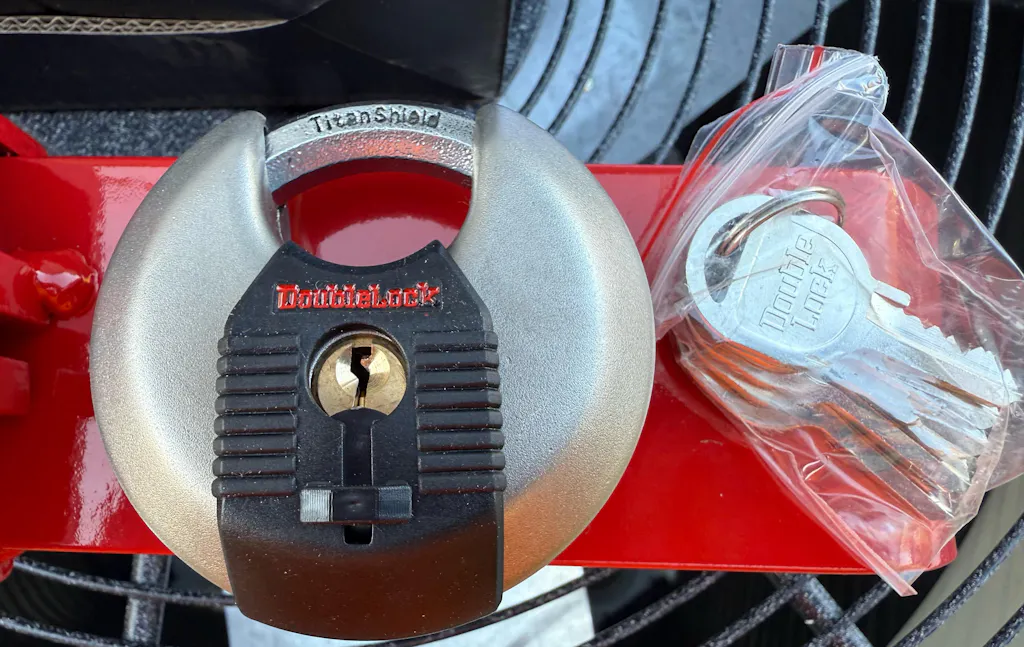
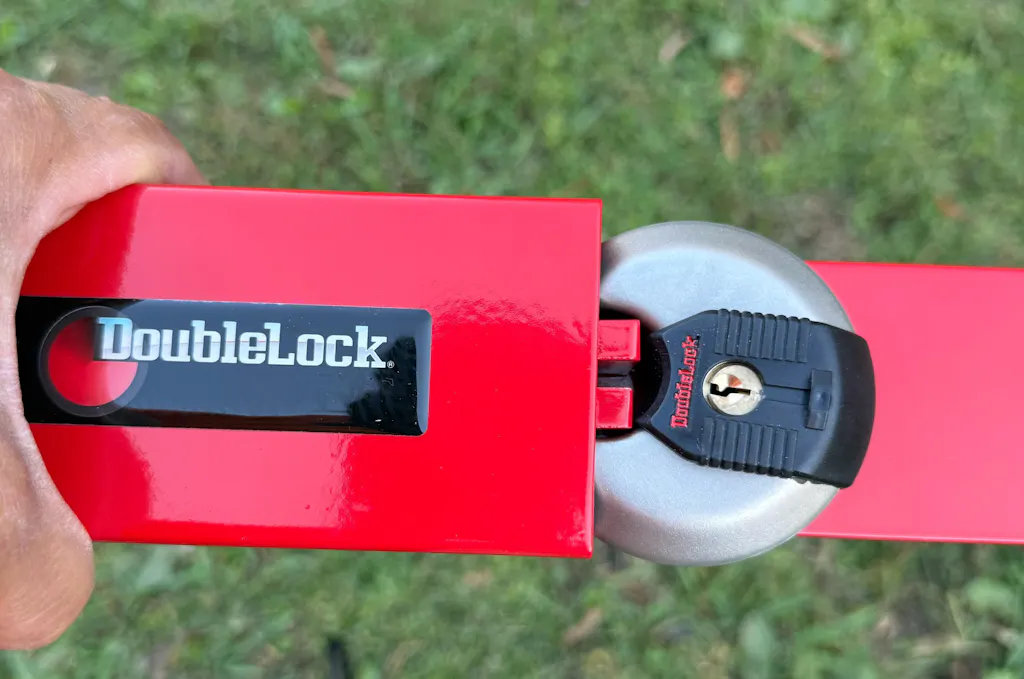
DoubleLock USA products are built from more than 30 years of European security expertise. Every lock in the lineup is designed to meet or exceed the standards that European insurers use to certify security equipment. When you see that heritage behind a product, you are not just buying a pin. You are buying a proven approach to stopping theft at the source.
Assessing Your Environment and Risk Level
The security you need depends entirely on your surroundings. A trailer left overnight in a dimly lit hotel parking lot faces a much higher risk than one stored in a locked garage. Think about the places you frequent: construction sites, boat ramps, or public storage lots. These are often prime locations for opportunistic thieves who are looking for the easiest target they can find. Most theft isn't a sophisticated operation; it's a quick grab. By making your setup even slightly more difficult to steal, you encourage thieves to move on. A robust security plan isn't just about having locks; it's about understanding your specific vulnerabilities and addressing them before they become a problem.
Common Mistakes to Avoid When Buying
Choosing the right locking hitch pin is straightforward when you know what to look for. To make sure you get the best fit for your needs, let's walk through a few common missteps people make and how you can easily sidestep them. A little foresight goes a long way in keeping your trailer and cargo secure.
Getting the Wrong Size
A locking hitch pin only works if it fits correctly. A pin that’s too short won’t engage the lock, and one that’s too long can rattle or get snagged. The key is to ensure compatibility between your tow vehicle’s receiver and the pin you select. Before you buy, take a moment to measure the width of your hitch receiver. This simple step guarantees a snug, secure connection and saves you the headache of a return trip to the store. A proper fit is the first step toward reliable security for your setup.
Sacrificing Quality for a Lower Price
It can be tempting to grab the cheapest option on the shelf, but security isn't the place to cut corners. Lower-quality pins often use inferior metals that can rust, bend, or break under stress. For true peace of mind, it’s best to choose pins made from high-quality materials like stainless or hardened steel for long-term durability and corrosion resistance. Think of it as an investment. Paying a little more for one of our high-quality locks means you get a product built to withstand both tampering and tough weather, protecting your valuable equipment for years to come.
Forgetting to Consider Ease of Use
The most secure lock is the one you actually use. If your locking hitch pin is difficult to operate, you might be tempted to skip using it for short trips, which is when theft often occurs. Look for a design that’s easy to handle. The locking mechanism should be smooth and straightforward, even when you’re wearing gloves or dealing with bad weather. A simple, user-friendly design means you’ll secure your hitch every single time without a second thought. Convenience is a key part of consistent security.
Thinking One Device is All You Need
A locking hitch pin does an excellent job of securing your hitch to your vehicle, but it’s only one piece of the puzzle. A common mistake is assuming one lock protects everything. As security experts point out, a hitch pin lock won't protect your trailer when it's unhitched, and a lock on the trailer's tongue won't stop a thief from taking the hitch itself. The best approach is to create a layered security plan. Consider how you can secure other vulnerable points to create a comprehensive defense that deters even the most determined thieves.
Ignoring Key Design and Security
Beyond the strength of the steel, the security of your locking hitch pin comes down to its core: the lock and key. It’s an aspect that’s easy to overlook, but the design of the locking mechanism is what separates a real deterrent from a purely decorative one. A poorly designed lock can be a significant vulnerability, regardless of how tough the pin itself appears. Not all locking mechanisms are created equal, and a basic design might stop an opportunistic amateur but won't stand up to a determined thief. Understanding what makes a key and its corresponding lock secure helps you make a choice that truly protects your property.
The Risk of Universal Keys
A common mistake is assuming any lock will do the job, but a cheap, low-quality pin often creates a false sense of security. Some generic locks use simple, mass-produced mechanisms with very common key patterns, making them surprisingly easy to defeat. A truly secure lock features a more complex internal design and a unique key that is difficult to replicate. Investing in a well-made lock from a company with a strong heritage of security is far less expensive than replacing a stolen trailer or valuable equipment. It ensures the key in your hand is one of a select few, not one of thousands that could potentially open your lock.
Practical Tips: Replacement Keys and Key Numbers
Once you have a quality lock, managing the keys is the next step. The first thing you should do is record the key number and store it in a safe place. If you ever lose your keys, this number is essential for getting a replacement. For those managing multiple trailers or pieces of equipment, consider purchasing a 'keyed alike' set. This allows you to use a single key for all your locks, which simplifies your keychain and your daily routine. When you shop for security solutions, looking for this feature can make managing your assets much more convenient without compromising on protection.
How to Install and Maintain Your Locking Hitch Pin
Once you have the right locking hitch pin, putting it to work is simple. Proper installation and a little routine care will ensure your lock performs reliably for years, giving you confidence every time you tow. Following these steps will help you get the most out of your investment and keep your trailer secure.
How to Install Your Pin in Minutes
Installing your locking hitch pin should only take a few moments. Start by aligning the hole on your trailer hitch with the receiver tube on your vehicle. Slide the pin through the aligned holes until it comes out the other side. Instead of using a standard clip, you’ll attach the locking mechanism. Secure the lock onto the end of the pin, turn the key to engage the deadbolt, and give it a gentle tug to confirm it’s locked in place. Always cover the keyhole with the included dust cap to protect the internal components from dirt and moisture.
Keeping Your Hitch Pin in Top Shape
To keep your locking hitch pin in top condition, a little maintenance goes a long way. Periodically, take a moment to inspect the lock for any signs of rust or wear. We recommend spraying a bit of lubricant, like graphite or silicone, into the keyhole every few months to keep the mechanism moving smoothly. This is especially important if you live in an area with harsh weather or road salt. This small step helps uphold the commitment to quality that ensures your gear stays protected trip after trip. Regular cleaning with a cloth also prevents grime from building up.
Lubricating Your Lock for Longevity
A key part of maintaining your lock is regular lubrication. Over time, dust, road grime, and moisture can work their way into the locking mechanism, causing it to stick or become difficult to operate. To prevent this, it’s a good practice to apply a small amount of lubricant directly into the keyhole every few months. A graphite or silicone-based spray works best, as it won't attract dirt the way oil-based lubricants can. This simple action is especially important if you frequently tow in wet climates or areas where roads are salted in the winter. By keeping the internal components moving freely, you ensure your lock operates smoothly and reliably, upholding the robust security it was designed to provide.
Troubleshooting Common Hitch Pin Issues
The most common issue with any outdoor lock is a mechanism that gets sticky from rust or debris. If you find the key is difficult to turn, avoid forcing it. First, try cleaning out the keyway with compressed air to remove any hidden dirt. Next, apply a generous amount of penetrating lubricant and let it sit for a few minutes before gently trying the key again. If your lock is consistently giving you trouble, it might be time for a replacement. For any specific questions about your product, you can always reach out to us for support.
Where to Find the Best Locking Hitch Pins
Once you know what to look for in a locking hitch pin, the next step is finding where to buy one. High-quality hitch pins are available through both major retailers and online stores, giving you the flexibility to shop in a way that works best for you. Whether you prefer to inspect a product in person or compare options from home, you can easily find a lock that meets your security needs.
Finding Quality Pins at Major Retailers
When you need a reliable locking hitch pin, your local hardware store is an excellent place to start. Major retailers like The Northern Tool, Lowe's, and Northern Tools carry a selection of high-quality security products designed for towing. The main benefit of shopping in-store is the ability to see and handle the lock before you buy it. You can feel the weight of the steel, test the locking mechanism, and make sure it feels sturdy enough for your needs. You can find a range of dependable DoubleLock USA products at these trusted locations, making it simple to pick up exactly what you need.
Shopping Online vs. In-Store
Deciding between shopping online or in-store often comes down to personal preference. Online marketplaces offer a vast selection, allowing you to compare dozens of models, features, and prices from the comfort of your home. Customer reviews can also provide valuable insight into a product's real-world performance. On the other hand, buying from a physical store means you get the product immediately, with no waiting for shipping. You can also easily return or exchange it if it’s not the right fit. Many retailers, like Lowe's, offer both options, so you can browse online and then pick up your chosen lock in person.
Considering Cost vs. Security Level
When you're standing in the aisle, it can be tempting to grab the cheapest option on the shelf, but security isn't the place to cut corners. Lower-quality pins often use inferior metals that can rust, bend, or break under stress, creating a false sense of protection. For true peace of mind, it’s best to choose pins made from high-quality materials like stainless or hardened steel for long-term durability and corrosion resistance. A well-made lock is a small investment compared to the cost of replacing a stolen trailer or expensive equipment. Prioritizing strength and reliability from the start ensures your gear is protected by a product built to last.
The Convenience of Keyed-Alike Sets
If you use multiple locks to secure your setup—one for the hitch pin and another for the coupler, for example—managing different keys can be a hassle. This is where keyed-alike sets come in handy. Many brands offer the option to purchase multiple locks that all operate with the same key. This simplifies your keychain and saves you from fumbling through different keys to find the right one. It’s a small feature that makes a big difference in daily use, especially when you’re trying to hitch or unhitch your trailer quickly. When you manage your keys more easily, you streamline your entire security process.
Checking for a Product Warranty
A product warranty is more than just a policy; it’s a reflection of a company’s confidence in its own craftsmanship. When a manufacturer stands behind its products with a solid warranty, it shows they’ve built their equipment to withstand real-world use. Before making a purchase, take a moment to check for warranty information. This gives you a clear path for recourse if the lock fails due to a defect. A company with a strong heritage of security understands that a warranty provides customers with an extra layer of assurance, reinforcing that you've invested in a product designed for reliability.
Making a Smart Investment in Security
Ultimately, purchasing a locking hitch pin is about more than just securing a piece of equipment. It’s an investment in your peace of mind. A high-quality lock prevents theft and, just as importantly, ensures your trailer remains safely connected to your vehicle on the road. Choosing a durable, theft-resistant pin means you can travel with confidence, knowing your property is protected by a reliable mechanism. This commitment to security is at the core of our heritage, as we believe the right lock provides not just protection, but also the freedom to focus on the journey ahead.
Related Articles
- The Ultimate Pintle Hitch Lock Buyer's Guide
- Kingpin Trailer Lock
- 5th Wheel Lock for Semi Trailer: The Ultimate Guide
Frequently Asked Questions
What’s the difference between a locking hitch pin and a coupler lock? Think of them as protecting two different scenarios. A locking hitch pin secures your ball mount to your vehicle's hitch receiver, preventing someone from stealing the hitch itself. A coupler lock, on the other hand, protects your trailer when it is unhitched from your vehicle by blocking another truck from connecting to it.
Do I really need both a locking hitch pin and a coupler lock? Yes, if you want to fully protect your equipment. Using only one leaves a major security gap. A locking hitch pin protects your hitch when you're towing, but your trailer is vulnerable when parked alone. A coupler lock protects your parked trailer, but your expensive hitch is exposed. Using both together creates a layered defense that makes your entire setup a much less appealing target for thieves.
How can I be sure I'm buying the right size pin for my hitch? The best way is to measure. For a standard 2-inch receiver, you'll typically need a pin with a 5/8-inch diameter. The more important measurement is the usable length, or span. Use a tape measure to find the distance across the outside of your receiver tube. The pin's usable length needs to be slightly longer than this measurement to ensure the lock can engage properly.
Is it worth paying more for a high-quality locking pin? Absolutely. A lower-priced pin often uses softer metals and simpler locking mechanisms that can be easily broken, cut, or picked. Investing in a pin made from hardened steel with a complex lock design provides real security, not just the appearance of it. A quality lock is a small, one-time purchase that protects your much more valuable trailer and equipment for years.
What should I do if my lock gets stuck or is hard to turn? First, avoid forcing the key, as this can cause it to break. The most common cause is dirt or debris inside the keyhole. Try cleaning it out with a quick blast of compressed air. If it's still stiff, apply a penetrating lubricant into the keyway and let it sit for a few minutes before trying again. Regular, light lubrication every few months can prevent this from happening.