
Cargo theft losses in the United States reached $725 million in 2025 alone. Protecting high-value freight starts with removing the friction that prevents drivers from using locks every single time. Using standardized security hardware ensures your protection is both consistent and easy to manage across every asset in your fleet.
Request a DoubleLock USA fleet security quote
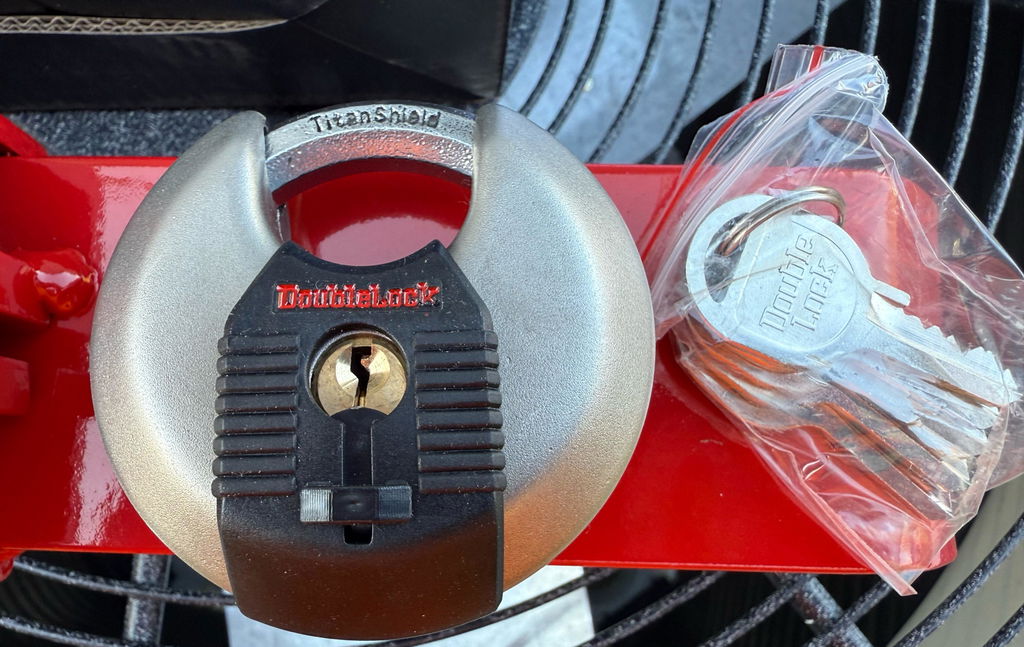
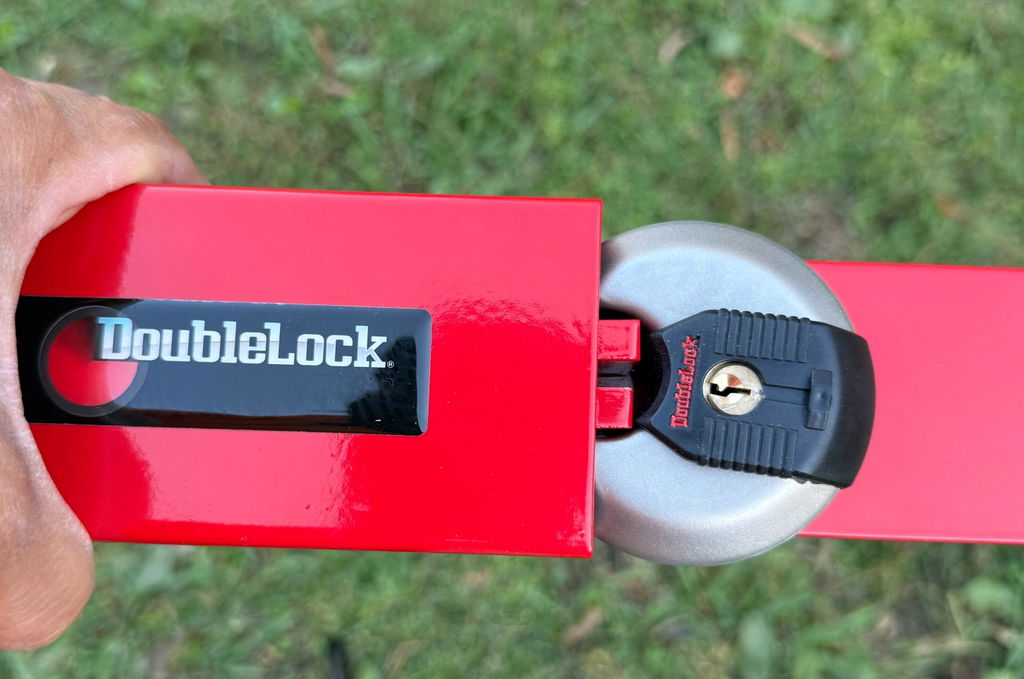
Keyed alike locks for fleet operations let authorized personnel open every lock in a defined asset group with one key. They simplify access, reduce key-ring clutter, and support consistent security procedures. Because one lost key can expose the group, fleet managers should pair keyed-alike hardware with strict key logs, asset grouping, and prompt rekeying.
What are keyed alike locks for fleet operations?
Keyed alike locks for fleet use are security tools built to open with one key. One matching key can unlock many assets, such as trailers, cargo boxes, and site gates. Each lock has the same pin layout inside. This setup lets fleet managers keep their work moving without the stress of a large key ring. For cargo teams, these systems provide a smart way to manage large groups of gear. DoubleLock USA uses its 30-year European roots to build these tools with great strength. These systems are not just for ease of use. They also help firms keep a steady level of safety across every truck and yard.Checking key systems for fleet security
Fleet managers often choose from three main types of lock setups. Keyed different locks use a unique key for every single lock. This is safe but hard to manage for a large team. Master keyed systems use levels. They have unique keys for staff and one master key for an authorized manager. This adds a weak spot. If the master key is lost, the whole site is at risk. Keyed alike locks for fleet use offer a good middle ground. They give same-level security across the whole fleet. The FBI reports that cargo theft is a big risk for carriers. High-quality tools like the FALCON X padlock help stop these losses in areas where loads are left alone.| System Type. | Key Use. | Best For. | Main Risk. |
|---|---|---|---|
| Keyed Different. | One key per lock. | Single assets. | Key loss and clutter. |
| Master Keyed. | Layered access. | Office buildings. | Master key theft. |
| Keyed Alike. | One key for all. | Fleet trailers. | Single key loss. |
Work gains for cargo teams
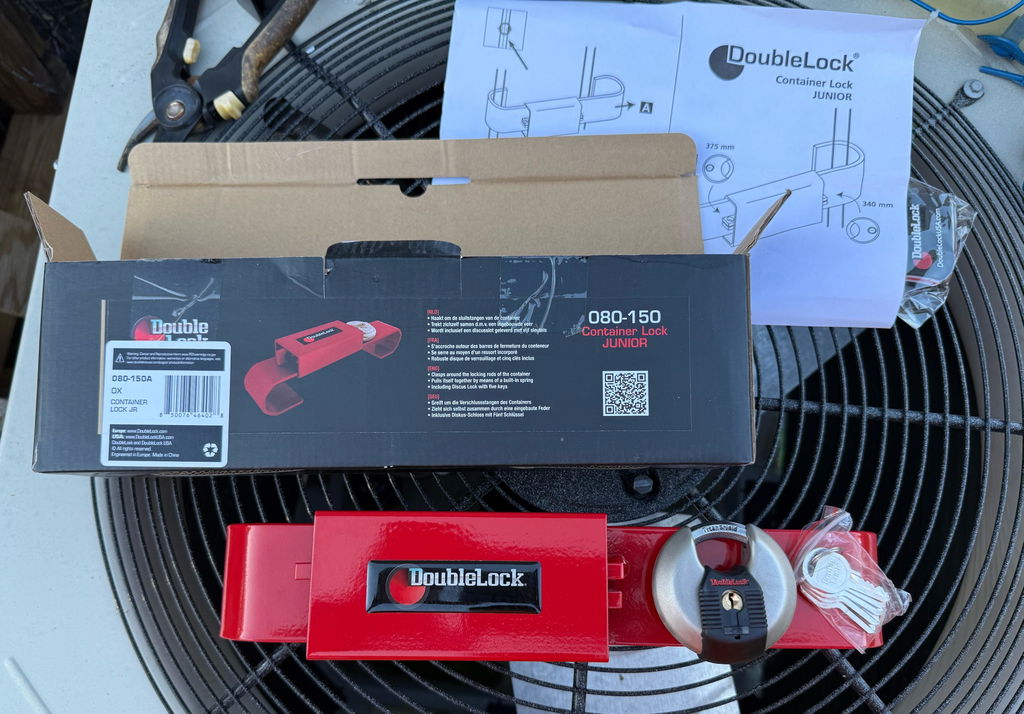
Using a single key saves time for field crews and truck drivers. Instead of hunting for the right key, workers can focus on their jobs. The resulting efficiency can lower the cost of owning fleet gear. It also makes teaching new staff much simpler. They only need to learn one key to lock their whole load. This easy path helps keep high fleet security levels across the team. When every lock is the same, it is easier to track and check them. In 2025, cargo theft reached $725 million. Strong locks help protect the firm's bottom line. Same-key locks also help firms follow CBP safety rules for freight. These rules say firms must check their risk on a set schedule. High-grade tools like the BULL container lock support a more consistent program. The hardware provides a strong physical deterrent at truck stops or rail yards. By using the same keyed alike lock set, firms can ensure every trailer has the same level of protection. Tools like the RHINO and LION locks also fit into these systems. For bulk purchases, fleet teams can use quote paths to obtain current pricing for the whole fleet.Building a secure key plan
Setting up a key plan needs a focus on the right tools. The NIST guide says that good key control is a core part of safety. For a fleet, this means using tools that can stand up to bad weather and force. Products with the HEAVY or ULTRA "Bull Rating" are best for road use. These locks are built to last and keep cargo safe from theft. When you use one key for many locks, you also save money on making new keys. This makes it a cost-smart choice for large groups. It stops the need to cut and track hundreds of unique keys.How to choose keyed alike locks for fleet security
Picking the right keyed alike locks for fleet use is a big task. It is not just about ease. It is about keeping your cargo safe and your team fast. Cargo theft is a major risk for all carriers. The FBI reports that thieves often target loads left alone at truck stops or rail yards. To protect your goods, you need a plan that grows with your business. Keyed alike systems let you use one key for many assets. The system eliminates the work of handling hundreds of unique keys.
Audit your fleet assets
First, look at what you need to lock up. Do you have dry vans, flatbeds, or heavy gear? Each asset might need its own kind of lock. You should list every access point on your trailers and trucks. A keyed alike lock set is often the best choice for a single trailer. It lets one key open the coupler, the door, and the gear box. For a full fleet, you must decide if one key should open every asset. You could also group them by region or truck type. This audit helps you find gaps in your current security.
Match security ratings to risk
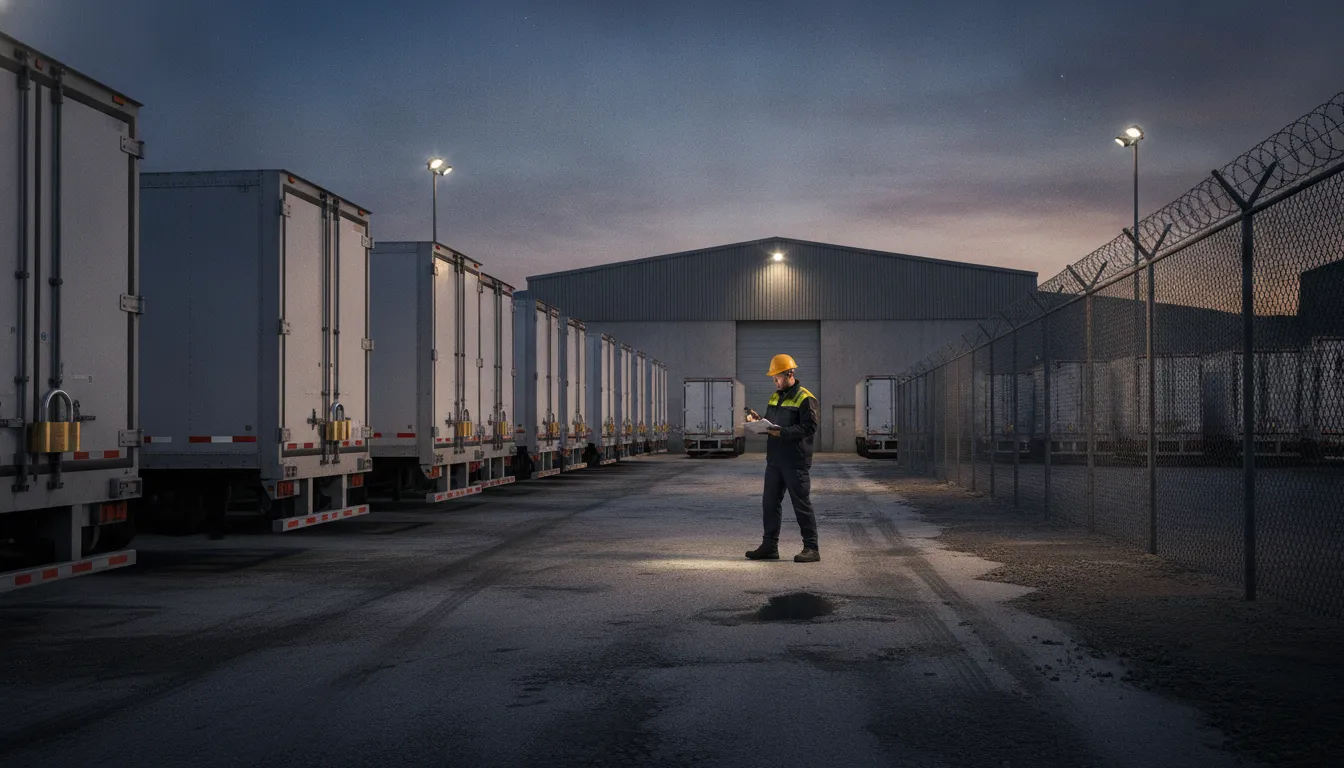
Not all locks offer the same level of safety. You must match the lock strength to the value of the cargo. The Bull Rating system helps you pick. ULTRA locks give the most security for high-value freight. HEAVY locks work well for commercial fleets on the move. STRONG locks stop people from trying to steal items on a whim.
The CBP suggests that carriers should check their security every few months to find weak spots. You should also think about the weather. Salt and rain can ruin cheap locks. Choose locks with strong metal parts that can handle the grit of the road.
Steps to select the right system
Once you know your assets and risks, you can start the buy process. Follow these steps to find the best keyed alike locks for fleet needs. This process will help you save time and cut down on costs.
- List all lock points. Count every trailer door, gate, and tool box that needs a lock to find your total.
- Check the weather. Salt and ice can jam low-cost locks, so pick gear that can handle the rain and snow without rusting.
- Review key control. It is best to keep a log of every key you give out to your drivers or site crews.
- Look for growth. Choose a vendor that can add more locks to your key code as you buy more trucks.
- Check the metal. Make sure the lock bodies use hardened steel or heavy-duty alloys to stop thieves.
- Ask for a quote. Reach out to a pro for a bulk price to save your team money on your order.
These steps make your choice clear. A good system cuts the work for your field crews. They only need to carry one key to get the job done. It can also reduce the cost of making new keys. If a driver loses a key, you only need to cut one new one instead of a whole ring. This simple change improves your site security and makes your fleet run better every day.
How do you control the risk of one key opening many locks?
Using keyed alike locks for fleet control can materially improve daily access efficiency. Your crews no longer have to waste time hunting through a large ring of keys to find the right match for a trailer. But this ease of use brings a certain safety risk. If one key opens many locks, then a single lost or stolen key puts many assets in danger at once. You must balance the gain in speed with a plan to limit this real risk.
Stopping this risk begins with the right mindset. You must view your locks as guards rather than walls that cannot be broken. As the "Bull Strong" brand voice suggests, the goal is to give strong safety that makes theft too hard for most thieves. By tracking your keys and grouping your locks, you can keep your fleet safe while still using the speed of a single key.
Divide your fleet into security groups
One of the best ways to manage risk is to avoid having one key that opens every lock in your whole firm. This creates one weak spot that is far too big. Instead, use groups to break your fleet into small, clear sets. You can set up your fleet security by the depot site, the type of gear, or the work crew. This ensures that a problem in one area does not spread to the rest of your firm.
Say you use one keyed alike lock set for all the trailers at your north depot and another set for the south depot. Within those groups, you can further split by asset type. You might have one key for all your BULL container locks and another for your LION kingpin locks. This way, if a driver loses their kingpin key, your cargo boxes stay locked tight. This plan follows C-TPAT safety rules, which ask firms to check risk and use safety steps based on their unique needs.
Maintain strict key control logs
A strong lock is only as good as the plan behind it. You must keep a main log that shows exactly who has every key at all times. When you give a key to a driver, you should write down the date, the key ID, and the person in charge. When they finish their shift or a job, they must check the key back into a safe spot. This creates a clear trail of who has each key.
Steady checks are also a key part of risk control. You should count your real keys every month to make sure none are missing. If a key is lost, you need to know about it fast. A lost key that you do not find for weeks is a major hole in your safety.
You should also have a clear rule in your staff book about key safety. A written policy reinforces that keys are high-value items requiring constant care. When you treat your security assets with the same care as your fleet trucks, you build a culture of safety that stops theft before it starts.
Set triggers for rekeying assets
Even with your best work, keys will in time be lost, stolen, or copied. You need a set of clear "triggers" that tell your team when it is time to change the locks in a group. A lost key is the most common reason to change, but it is not the only one. Think about changing locks if a lock shows signs of prying or if a worker leaves on bad terms. You should also act after any theft at a job site.
The FBI says that cargo theft is a big threat to firms. Thieves often watch truck stops and rail yards for a chance to steal. If you think a key has been leaked, you must act fast. High-quality locks like the FALCON X let you swap the inner parts without having to replace the whole lock body. This makes changing locks much faster and saves money.
You do not have to buy entire new sets of locks. Instead, you just swap the cylinders and give your crew a new key set. Taking quick action when a trigger happens means that a small slip does not turn into a huge loss of cargo or gear.
Match the lock system to every fleet asset
Fleet assets come in many shapes and sizes. To keep your work moving, you must choose the right lock for each job. Using fleet security standards helps you stop theft and makes your daily work easier. When you use keyed alike locks for fleet assets, your team stays fast and safe. They do not have to hunt for the right key for each door or gate.
Security is about having a system that works for your whole crew. The CBP says that truckers should check their risks often. Regular risk checks reveal weak spots in the yard or on the road. By matching your locks to your gear, you build a wall of safety that is hard to break. You also cut down on the time it takes to lock and open assets each day.
Protect trailers and kingpins
Trailers are big targets for thieves. They often sit alone in lots or at truck stops. The FBI reports that most cargo theft happens when a load is left without a guard. To stop this, you need a keyed alike lock set for your trailer fleet. This set can include LION kingpin locks and SCORPION tow hitch locks. These tools are built to stay strong in bad weather and rough use.
Using one key for your LION and SCORPION locks saves time for your drivers. They can lock the kingpin and the hitch with the same key they use for trailer doors. This cuts the number of keys they have to carry. It also means they are less likely to lose a key on a long haul. When every trailer uses the same key code, your office work gets simpler too. You do not have to track hundreds of unique key numbers for each truck.
Secure cargo containers and freight
Cargo theft is a material risk that costs fleets millions of dollars each year. In 2025, cargo losses hit $725 million. This risk makes high-tier locks a must for any freight firm. The BULL and RHINO container locks are designed for these tough jobs. They use the Bull Rating system to show their strength. For your best cargo, you should use locks with an ULTRA rating. This is our top level of safety for high-value loads.
The BULL Container Lock is ready in a keyed-alike style. This is great for fleets that move many boxes at once. You can use the same key for every BULL lock on your ship or train. The shared-key configuration supports efficient access while maintaining a strong physical theft deterrent. It also supports consistent compliance with internal security rules. Using high-grade locks demonstrates a serious approach to cargo security and can strengthen trust with customers and partners.
Guard heavy equipment and gates
Building sites and yards need more than just trailer locks. You also have to secure gates and heavy machines. Thieves often target tools and gear from niche stores like Northern Tool. To stop them, use the HAMMERHEAD equipment lock and FALCON X padlocks. These locks are built for the dirt and rain of a job site. They stay smooth even when they get wet or dusty from a long day of work.
The FALCON X padlock is a tough tool that works well for gates and chains. You can set up your yard so that one key opens the front gate and every machine lock. This keyed-alike plan means your crew can get to work faster. They do not have to wait for someone with a master key to show up. It also means you have fewer keys to replace if one gets lost in the mud.
- Use HAMMERHEAD locks for diggers and loaders.
- Set up FALCON X padlocks for all outer gates.
- Keep a few RED HAWK padlocks for smaller tool boxes.
- Use the BARRACUDA lock for boat motors in your fleet.
By using a single key system, you make your whole site more secure. You can give each lead hand one key that opens what they need. This keeps your gear safe and your team on task. It is a smart way to manage your assets and your risk. This plan helps you save money on keys and keeps your gear where it belongs.
What should you include in a fleet lock quote request?
Requesting a quote for a large security system is a vital step for any fleet manager. To get a fair price and the right gear, you must share clear details about your assets and your team's needs. A well-prepared request helps vendors like DoubleLock USA give fleet security tools that match your risks. Giving the right data early stops delays and ensures your locks arrive ready for use.
Specify counts and lock types
The core of your request should list the total number of locks you need. Break this down by use, such as trailer couplers, kingpins, or cargo doors. For example, you might need a keyed alike lock set for each truck in your group. Using specific names like the BULL container lock or the LION kingpin lock helps the vendor know the security level you need. Standard hardware across your entire operation makes it easier to manage and keep your gear in good shape.
It is also smart to list the types of assets you want to protect. Heavy machines, dry vans, and flatbeds often need different locks. According to the FBI, cargo theft includes taking goods from a commercial freight shipment. Using high-security rear door locks and air cuff locks is a best practice to protect these loads. By matching your lock types to your asset list, you ensure that every weak point in your fleet has a strong physical deterrent.
Build a keyed-alike lock plan for your fleet
Detail your key management needs
For fleet owners, the goal is often to use keyed alike locks for fleet to save time. In your quote request, explain how you want to group your keys. You might want all locks for one truck to use the same key. Or, you may want every lock in a regional hub to match. Keyed alike systems allow one key to open many locks. This lowers the number of keys your drivers must carry. Training new staff is simpler because they only need to learn the approved procedure for one key group.
You should also plan for growth and key replacement. Ask the vendor about their policy for adding more locks to your keyed alike system later. National standards, such as those from NIST, give guidance on how to manage keys for better security. Knowing if you can get extra keys or matching locks in six months is vital for your long-term ROI. A clear plan for spare keys and re-keying will save your team time and money as your fleet grows.
Think about weather and timeline factors
Fleet gear often faces rain, road salt, and high heat. Tell the vendor if your assets will be near the ocean or if they will face snow and ice. DoubleLock USA makes rugged hardware with weather-resistant features for these conditions. By sharing your weather data, you can choose locks with the right parts to stop rust and jams. This ensures your locks work well even in the toughest field spots.
Finally, include your needed timeline and delivery spots. Fleet security shifts often happen during fix times or when new trucks arrive. Giving a clear date helps the vendor plan their work and shipping to meet your needs. For large orders, use official wholesale channels to obtain current pricing and support. Sharing these details ensures that your security plan happens on time and stays in your budget.
Frequently Asked Questions
What are the benefits of keyed alike locks for fleet management?
Keyed-alike locks help fleet managers run their business better. They let one key open many locks, which saves time for workers. Instead of holding heavy rings of keys, a driver only needs one. According to DoubleLock USA, these systems lower the cost and stress of handling keys. They also make training new staff faster because there is only one key to learn. This simple tool helps teams stay fast and safe on the job.
Is using keyed alike locks a safe option for fleets?
Yes, keyed-alike locks are a safe choice for large fleets. While no lock is perfect, these systems help you keep the same safety level for all your gear. They stop the risk of a weak lock being used by mistake. Research from the FBI shows that cargo theft is a major threat to trucks. Using strong, matching locks like the FALCON X helps stop thieves. These locks act as a hard barrier to protect your goods from theft.
What is the difference between keyed alike and master keyed systems?
Keyed-alike systems use one single key for every lock. This is very simple for fleet teams to use. In a master keyed system, each lock has its own key, plus one master key that opens all of them. Master keyed systems are more complex and can be less safe if the main key is lost. Matching lock systems from DoubleLock USA help keep your site secure while cutting down on the total number of keys you need.
How much does it cost to have locks keyed alike for a fleet?
The cost of keyed-alike locks depends on lock type, security rating, quantity, key grouping, and ordering requirements. The BULL Container Lock is listed at a verified $249.99, but product prices can change. Fleet buyers should use wholesale quote pages to receive current pricing for their specific mix of trucks, trailers, gates, and equipment.
Ready to simplify fleet security with keyed-alike locks?
Keeping track of many keys for the many trailers and gates in your fleet is a slow job that adds to your risk of theft. You can request a bulk quote and end this mess by switching to a keyed-alike lock set from DoubleLock USA to save time now. A one key system makes all your work faster and it keeps your valuable goods much safer from the very first day you use it.
Ready to request a fleet security quote? Call +1 561-289-4865 to talk to a security expert about your needs and protect your cargo. Our team is here to help you find the best way to secure your assets and save time.