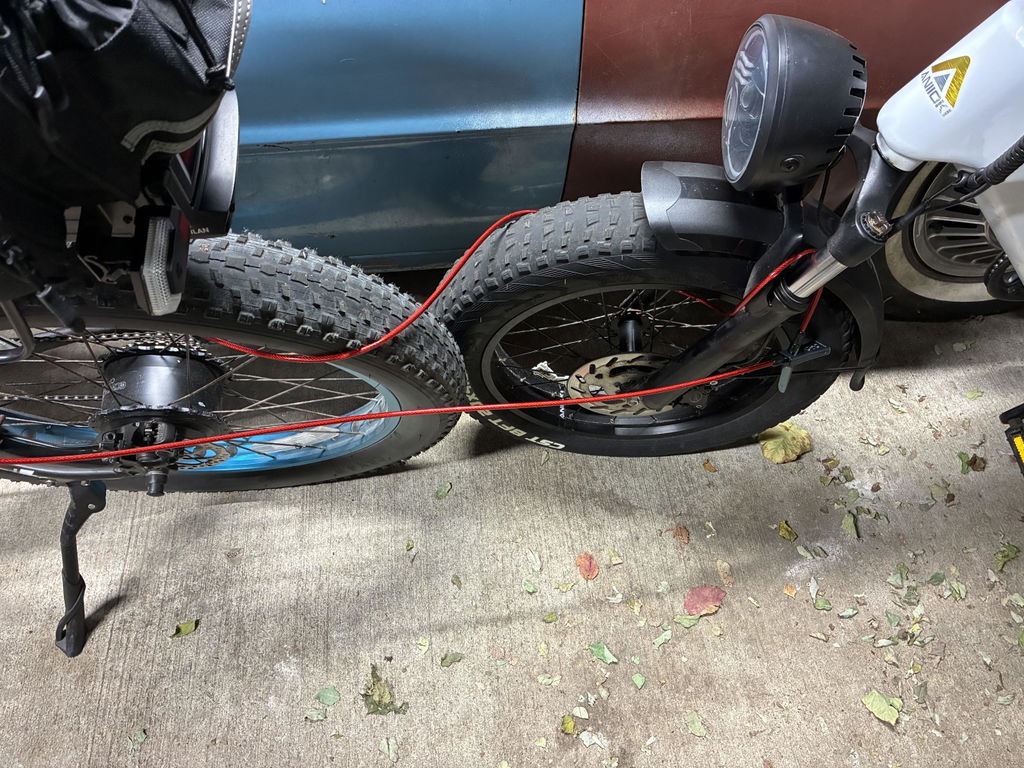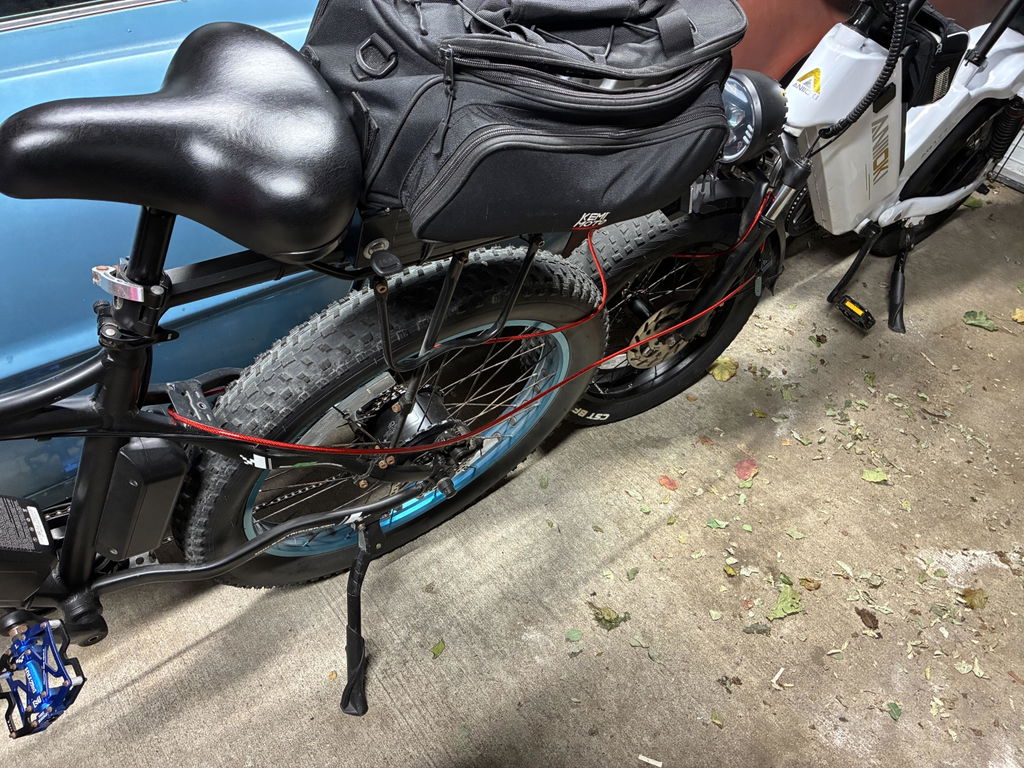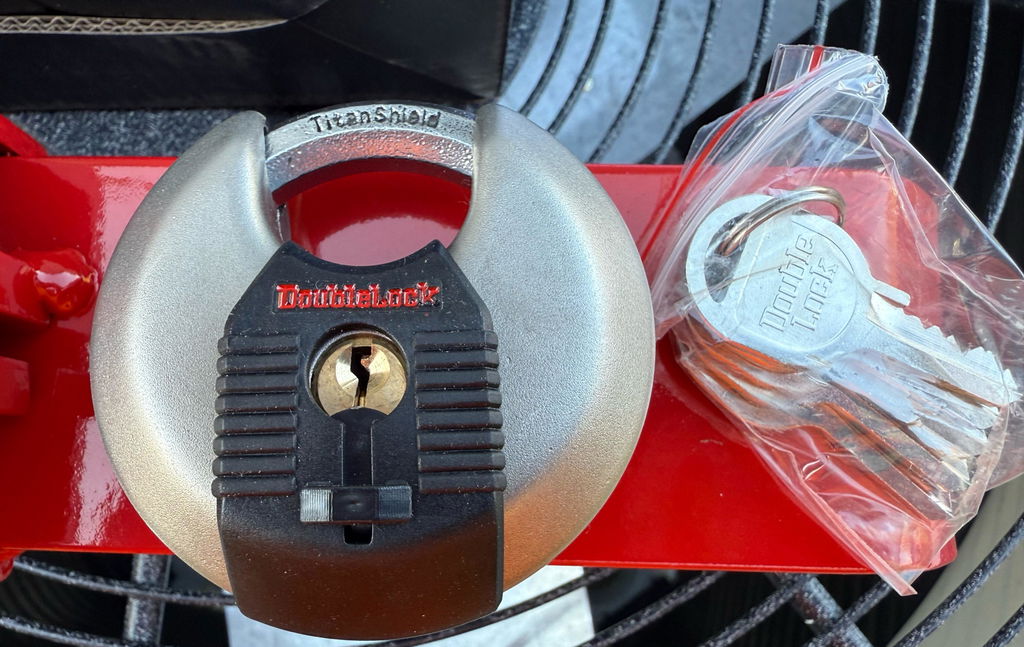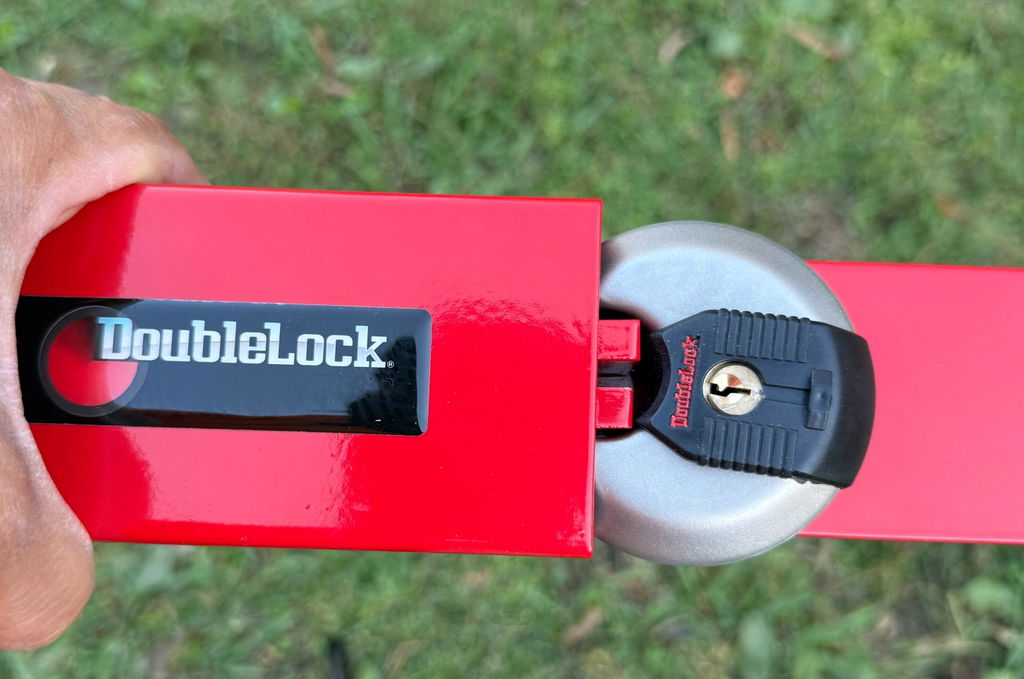

A job box protects your tools only as well as its weakest point. On an active construction site, dust, rain, vibration, and repeated handling test every latch and lock, while valuable equipment stays exposed during breaks and overnight shutdowns. Construction theft costs the industry as much as $1 billion annually, and less than 25% of stolen equipment and materials is likely to be recovered, according to ENR.
The right jobsite tool box lock combines a hardened, weather-resistant design with a shackle and locking body that resist common attack points. Choose the lock around the box hasp, exposure, and the value of the tools inside. Then add a second layer by securing the box itself to the truck, trailer, or site structure.
DoubleLock USA builds heavy-duty security hardware for demanding jobsite applications. Start by understanding why these locks take more punishment than ordinary padlocks, then match the lock format and security features to the conditions your toolbox faces every day.
Shop DoubleLock padlocks and discus locks to secure your job box against weather, dust, and daily jobsite abuse.
Why Jobsite Tool Box Locks Take Real Punishment
Construction theft is not a minor inconvenience. Estimates place the industry's losses at as much as $1 billion each year, while less than 25% of stolen equipment and materials are likely to be recovered. The replacement burden also reaches beyond the price of a tool. Replacing stolen equipment can extend project timelines and escalate costs, especially when supply shortages delay the next shipment. As inflation and material shortages raise resale values, those conditions have emboldened criminals. Construction theft remains a persistent jobsite risk, not a problem that ends when the crew leaves for the day.
A jobsite tool box lock sits directly between that risk and the tools your crew needs to work. It faces sun, rain, dust, mud, concrete grit, and temperature swings. Workers throw boxes into truck beds, drag equipment across rough surfaces, and open and close the hasp throughout the week. The lock also sits at the point where thieves apply force. A pry bar does not need to defeat the entire tool box if it can break, twist, or bypass a weak lock or hasp.
The lock becomes the weak point
Heavy steel or reinforced storage cannot deliver its full value when the locking hardware gives way first. The lock must keep the hasp closed through routine handling while resisting the leverage, impact, and contamination common to active jobsites. That demands more than a small consumer padlock chosen for convenience. It demands construction suited to outdoor exposure and a design that makes unauthorized access harder and noisier.
DoubleLock USA builds heavy-duty security locks for construction and jobsite applications. A properly selected lock does not make a tool box undefeatable, and no security device should promise that. It acts as a visible deterrent and reduces the opportunity for fast theft. Pair it with sound storage practices and broader site controls, then inspect the lock and hasp regularly for damage, corrosion, or excessive wear. The box protects the contents only when the lock remains the strongest practical point of entry.
Choose the Right Jobsite Tool Box Lock: Discus Locks vs. Padlocks
The right lock depends on the latch, the available clearance, and how much exposure the hardware faces. A discus-style lock keeps the shackle largely shielded inside a compact body. A conventional padlock gives you more flexibility when the job box has a compatible hasp or when you need one lock style across several storage points. Both approaches create a serious physical deterrent, but neither makes a tool box undefeatable.
| Option | Best fit | What it does well | Check before buying |
|---|---|---|---|
| CRAB Discus Lock | Job boxes with a hasp that accepts a discus-style body | The rounded body limits exposed shackle area and presents a purpose-built profile for demanding outdoor storage. | Confirm the lock body and shackle opening fit the box hasp without binding. |
| RED HAWK Padlock | Heavy-duty hasps and general jobsite storage points | A versatile padlock format supports straightforward installation and replacement across compatible latches. Its edge-to-edge locking design adds a useful layer of physical security at the locking interface. | Measure hasp thickness, hole diameter, and clearance around the shackle. |
| FALCON X Padlock | Job boxes and other equipment that require a robust padlock format | Provides a strong, adaptable option when a box does not require a dedicated discus profile. It also works well as part of a consistent lock plan across a crew or fleet. | Match the shackle dimensions to the latch and account for dirt, corrosion, and working-room restrictions. |
Use purpose-built specifications as your baseline
A purpose-built job box lock should treat the environment as seriously as the threat. PACLOCK's 10-Series provides a useful market reference: its published specifications include a 6061 aluminum body. A hardened stainless steel shackle, a six-pin pick- and bump-resistant cylinder, and weatherproof all-metal components. The product page also states that its shackle fits standard jobsite box latches. Those details show what to evaluate, not a requirement to choose one brand or lock format: body material. Shackle resistance, cylinder design, weather protection, and latch compatibility all matter. Review the PACLOCK 10-Series specifications for that reference point.
Choose the CRAB when the box has a compatible hasp and shackle shielding is the priority. Choose a RED HAWK or FALCON X when padlock flexibility, edge-to-edge locking, or a consistent fleet-wide format matters more. Shop DoubleLock padlocks to compare the available options, then verify fit before putting the lock into daily service.
Browse the rental and construction security collection to match the right lock format to your job box.
What to Look For in a Job Site Tool Box Lock
Tools stored in a jobsite box remain a prime target, even when the box itself looks substantial. Choose a lock that adds meaningful resistance to cutting, prying, picking, weather, and repeated daily handling. A heavy-duty lock should slow an opportunistic thief, protect the latch, and make the box a harder target than the next unsecured one.
Start with a hardened shackle and a strong body
Look for a hardened steel or hardened stainless-steel shackle sized for the box latch, with as little exposed clearance as possible. A thick shackle raises the work required for cutting attacks. The lock body also matters. All-metal construction avoids relying on fragile exterior parts and stands up better to the knocks, dust, moisture, and temperature swings common on active jobsites.
Weather-resistant construction is vital for construction and jobsite security. Water and grime can corrode exposed components, seize a cylinder, and turn a security device into a daily frustration. A weatherproof design with metal body components is a practical requirement when the toolbox stays outdoors rather than a feature reserved for occasional bad weather.
Choose a cylinder that resists common manipulation
The keyway deserves the same attention as the shackle. A pick-resistant, bump-resistant cylinder makes common manipulation attacks more difficult and gives the lock a stronger security profile. As a useful reference point when comparing specifications, PACLOCK's 10-Series jobsite box lock uses a six-pin cylinder alongside a hardened stainless-steel shackle. Do not treat a pin count as a guarantee. The complete lock design, key control, latch fit, and installation all affect real-world resistance.
Tamper-resistant details should also limit access to the shackle and protect the cylinder from direct attack. A lock that fits the toolbox latch closely gives thieves fewer places to insert tools. Match the lock to the latch before buying, then confirm that the shackle closes fully without forcing or binding.
Give edge-to-edge locking its own consideration
On a padlock, edge-to-edge locking is a meaningful differentiator. The locking mechanism engages across the full width of the shackle rather than relying on a single engagement point at one side. That design can reduce leverage around the shackle and makes the lock harder to attack through twisting or pulling. It also supports a tighter, more deliberate connection between the lock and the latch.
Review the DoubleLock USA padlock collection for industrial-grade options, then select the model that matches the latch, exposure, and threat level. No lock is undefeatable. The goal is straightforward: use a durable, tamper-resistant lock to reduce risk, deter theft, and keep valuable tools behind a barrier that demands time and effort to defeat.
Securing Your Toolbox to a Truck Bed or Trailer the Right Way
A lock on the toolbox lid protects the contents, but it does not stop someone from taking the entire box. When the toolbox rides in a truck bed or on a trailer, secure the container to the vehicle or trailer structure as part of the locking plan. Construction tools kept in jobsite tool boxes are prime targets, so every connection should create another obstacle without making daily access impractical.
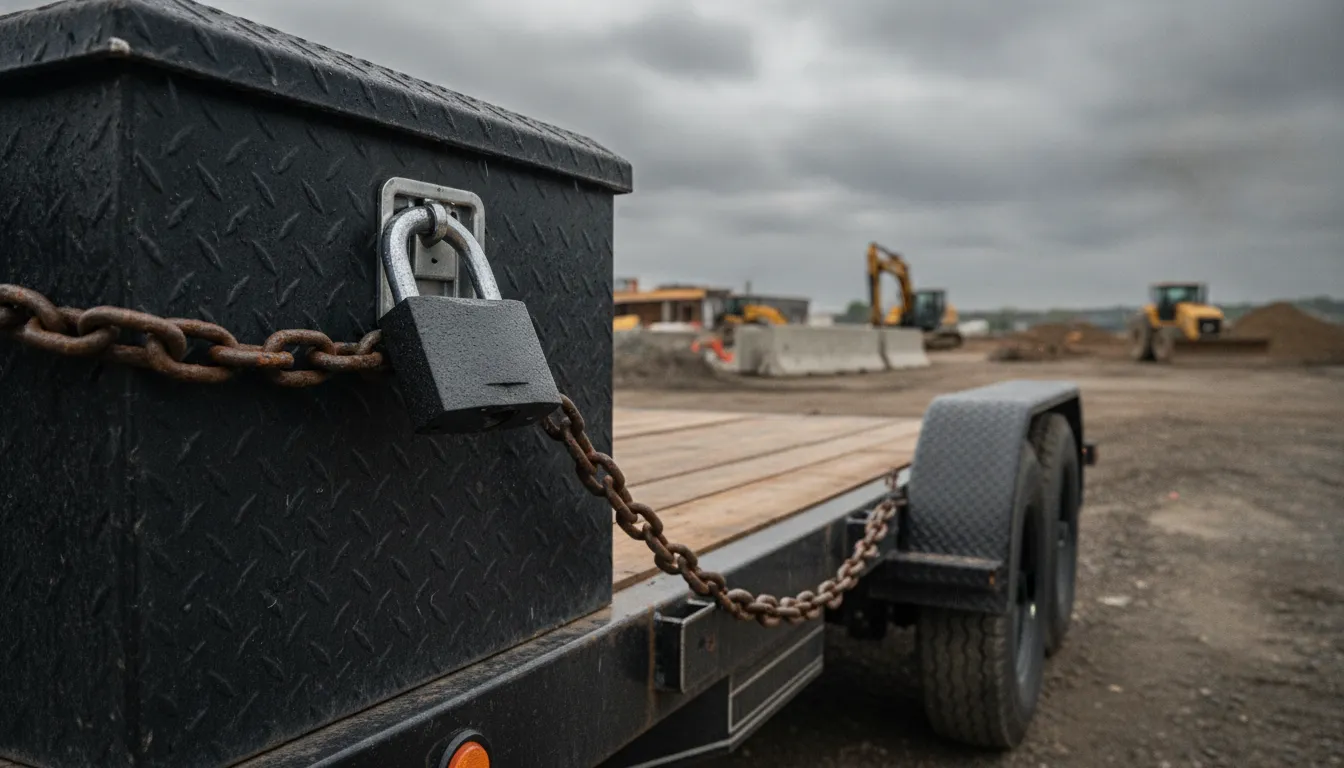
- Position the box against a solid surface. Set the toolbox tight against the truck bed wall, trailer frame, or another fixed structural point. Keep the lid, hasp, and attachment points accessible for inspection, but avoid leaving enough clearance for someone to work a cutting tool around the lock or chain. Confirm that the box does not shift when you push it from side to side.
- Choose a load-bearing anchor point. Identify a factory tie-down, reinforced bed point, trailer frame member, or other solid anchor that can withstand force. Do not rely on a thin sheet-metal panel, a removable accessory, or a loose eye bolt. The anchor should sit close to the toolbox so the restraint stays tight instead of leaving slack that an intruder could exploit.
- Run hardened security hardware through the box and around the anchor. Pass a hardened cable or chain through the toolbox loop, handle, or purpose-built attachment point, then route it around the fixed anchor. Keep the chain or cable as short and tight as the setup allows. A correctly sized restraint limits movement and makes it harder to manipulate the box or gain leverage. Browse the Chain and Loops Collection for hardware suited to this type of connection.
- Lock the connection with a heavy-duty padlock. Use a serious lock rather than a light utility padlock. A RED HAWK or FALCON X Padlock gives the restraint a purpose-built security point, while the right shackle clearance keeps the lock seated correctly. Close the shackle fully, check that the locking mechanism engages, and keep the body positioned where it is less exposed to impact. Review the Truck and Trailer Collection for vehicle-focused security options.
- Account for weather and exposure. Truck beds and trailers put locks directly in rain, road spray, dust, and temperature changes. For a weather-exposed setup, consider a discus lock such as the CRAB Discus Lock. Its enclosed shackle design reduces exposed shackle area, while a weather-resistant lock helps preserve dependable operation outdoors. Maintain the lock according to its product guidance and inspect it before every trip.
This setup works as a deterrent and risk reducer, not an absolute guarantee. Use it alongside controlled access, good lighting, and sensible tool management. The goal is to make the toolbox harder to attack, harder to remove, and less attractive than an unsecured target.
Weather Resistance: Why Outdoor Tool Storage Demands a Tougher Lock
A jobsite lock faces more than a thief. Rain works into seams and keyways, humidity accelerates corrosion, salt air attacks exposed metal, dust grinds into moving parts, and ultraviolet exposure gradually weakens exterior finishes. A cheap lock may still look intact while its cylinder binds, its shackle corrodes, or its latch mechanism seizes when the crew needs access.
Moisture turns small weaknesses into lock failures
Outdoor tool storage rarely gets a controlled environment. A toolbox mounted on a truck or trailer may sit through wet weather, temperature swings, airborne grit, and coastal conditions before anyone opens it again. Water and contaminants collect around the locking point. If the lock depends on thin plating, soft hardware, or poorly protected internal parts, corrosion can make normal operation difficult and maintenance a constant chore.
That creates two security problems. A stuck lock can tempt workers to leave the box unsecured, and a damaged mechanism may no longer engage the latch fully. Weather-resistant construction is therefore vital for construction and jobsite security, not a cosmetic upgrade. The lock must continue to operate reliably after repeated exposure to the conditions that surround the storage box.
All-metal construction is the deciding factor
When comparing locks, inspect the materials used throughout the security path. Favor corrosion-resistant stainless steel or alloy components, a substantial shackle, and an exterior designed to keep grit and moisture away from critical moving parts. An all-metal build provides a stronger foundation than a lock that relies on vulnerable plastic components at the body, shackle, or latch interface.
For a useful industry reference, PACLOCK describes its 10-Series jobsite box lock as using aluminum. Brass, and stainless-steel components to make the lock weatherproof, with a hardened stainless steel shackle. Those material choices illustrate the standard to look for when evaluating an outdoor lock, but always verify the construction and fit of the specific product you choose. DoubleLock applies an industrial-grade approach to security hardware for demanding applications, including construction and jobsite use.
Choose a lock that matches the environment, then inspect and maintain it as part of the site routine. A weather-resistant lock is a deterrent and risk reducer, not an absolute guarantee against forced entry. For equipment exposed to weather and daily abuse, review the rental and construction security collection for purpose-built options.
Layered Jobsite Security: The Lock Works Inside a Wider Defense
A job box lock protects the box, not the entire jobsite. An unattended box behind weak fencing remains an attractive target, even when you choose an industrial-grade lock. Treat the lock as one layer in a broader plan that makes the site harder to enter, harder to navigate, and harder to monitor without detection.
Build a controlled perimeter
Start with locked, climb-resistant fencing around the active work area. Post clear surveillance warnings and trespass penalties where visitors and passersby can see them. Limit access points to the fewest practical gates, then keep those gates secured and accountable during off-hours. Fewer entry routes reduce opportunities for unauthorized access and make it easier for crews to notice something out of place.
Place the job box where legitimate workers can reach it without leaving it exposed at the perimeter. Anchor the storage equipment as appropriate for the site and keep high-value tools out of open view. A strong lock reduces risk at the box, while thoughtful placement reduces the number of easy approaches a thief can take.
Make the site visible after dark
Nighttime lighting is critical, especially around gates, storage areas, equipment routes, and blind corners. Pair abundant lighting with cameras and alarms so the site does not rely on a lock alone. Lighting removes concealment. Cameras add visibility and a record of activity. Alarms create a faster response when someone crosses a protected boundary or interferes with storage.
For high-risk locations, on-site guards provide a visible and immediate deterrent. A guard presence does not replace fencing, lighting, monitoring, or a properly fitted lock. It adds human judgment and an active response layer when the site needs more than passive controls.
Use a plan crews can follow
Assign responsibility for closing gates, checking the job box, arming alarms, and reviewing camera alerts. Include those steps in the end-of-shift routine instead of treating security as an afterthought. The construction site theft prevention checklist can help supervisors turn these layers into a repeatable closeout process.
Industrial-grade security works best as a deterrent and risk reducer, not as an absolute guarantee. Combine the right job box lock with a controlled perimeter, restricted access, lighting, monitoring, and a consistent crew routine. That layered defense forces a thief to overcome several obstacles instead of relying on one point of failure.
Shop the Truck and Trailer Collection for locks and hardware built for vehicle-mounted tool storage.
Frequently Asked Questions
What is the best lock for a jobsite toolbox?
The best lock matches the toolbox hasp, exposed weather conditions, and theft risk. Choose a heavy-duty lock with weather-resistant construction and a body and shackle that leave little room for cutting or prying. A CRAB Discus Lock suits many exposed job boxes, while a RED HAWK or FALCON X Padlock may fit compatible hasps and other storage points. Treat any lock as a deterrent and risk reducer, not an absolute guarantee against theft.
How do I replace a jobsite toolbox lock?
First identify the toolbox model and determine whether it uses a padlock, cam lock, or integrated locking mechanism. Measure the existing lock opening, shackle clearance, and mounting points before ordering a replacement. If you lost the keys and the box remains locked, contact the toolbox manufacturer or a qualified locksmith rather than forcing the mechanism. Test the replacement with the lid open, then confirm that the latch fully engages before returning the box to service.
Are all job box locks the same size?
No. Toolbox hasps, lock tabs, cam-lock openings, and shackle clearances vary by box design. Compare the lock body dimensions, shackle diameter, inside height, and opening width with the hardware on your box. A lock that fits the hole may still leave enough exposed shackle for an attacker to attack. Check the manufacturer specifications and measure the box hardware before purchasing.
What is a pick-resistant lock for a jobsite toolbox?
A pick-resistant lock uses a cylinder designed to make unauthorized manipulation more difficult than with a basic lock. Cylinder design matters, but so do the lock body, shackle protection, toolbox hasp, and how securely the box is anchored. Pair a high-grade lock with restricted access, lighting, and other site controls. Layered security reduces opportunities for theft instead of relying on one component alone.
Ready to secure your jobsite toolbox?
The right lock gives your tools a stronger layer of protection against opportunistic theft and harsh jobsite conditions. Choose purpose-built DoubleLock USA security hardware for toolboxes, equipment, and bulk fleet needs. Shop the DoubleLock USA padlocks and discus locks, or contact the team to request a wholesale quote for fleet and bulk orders.