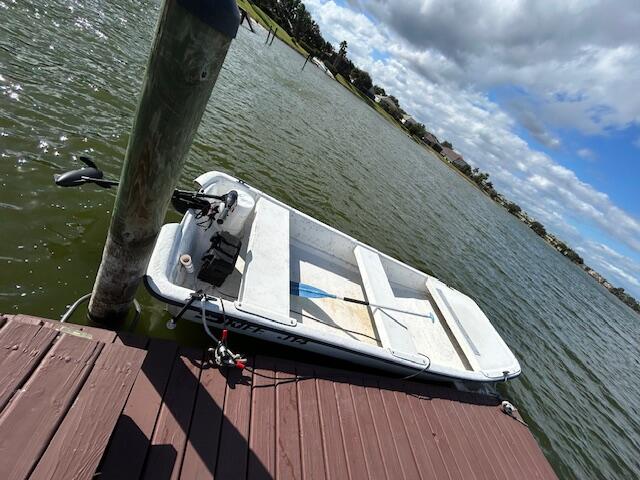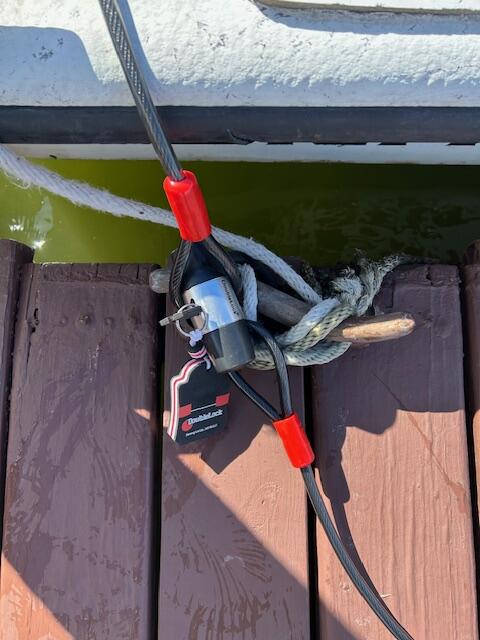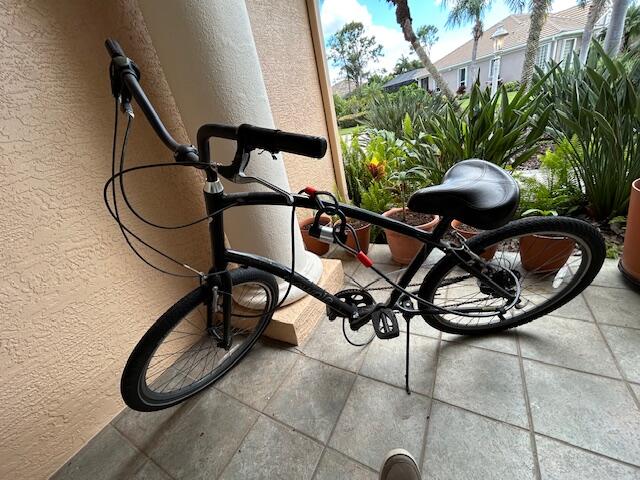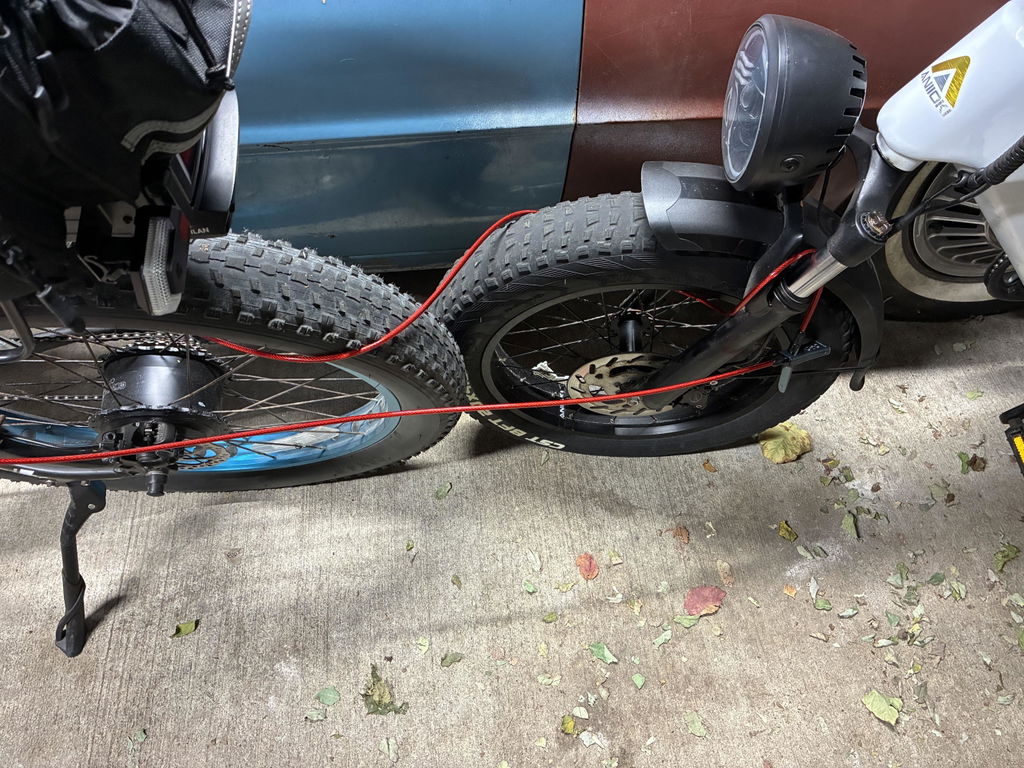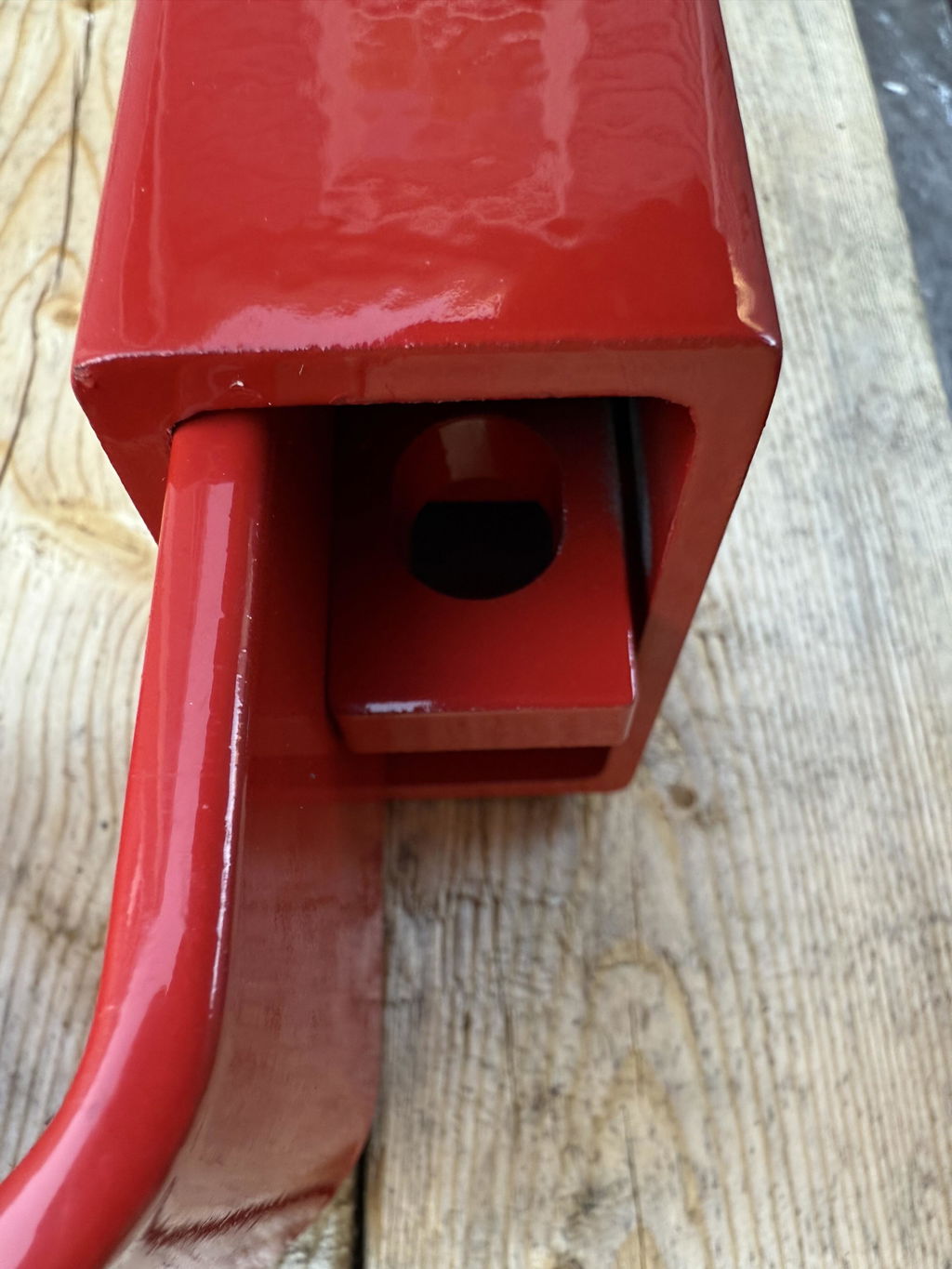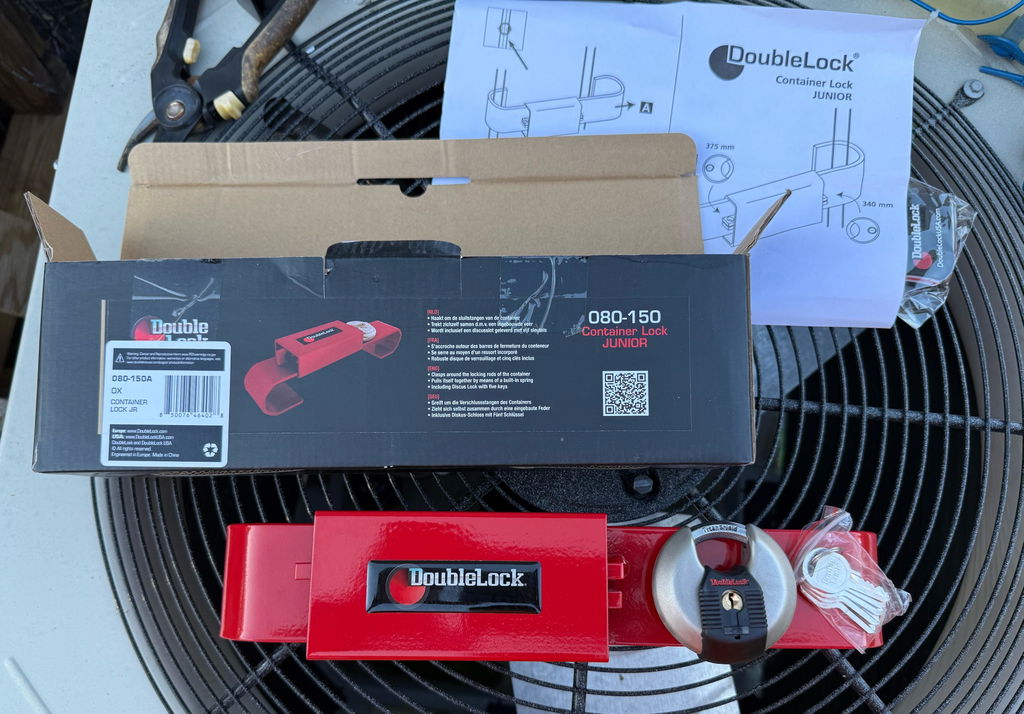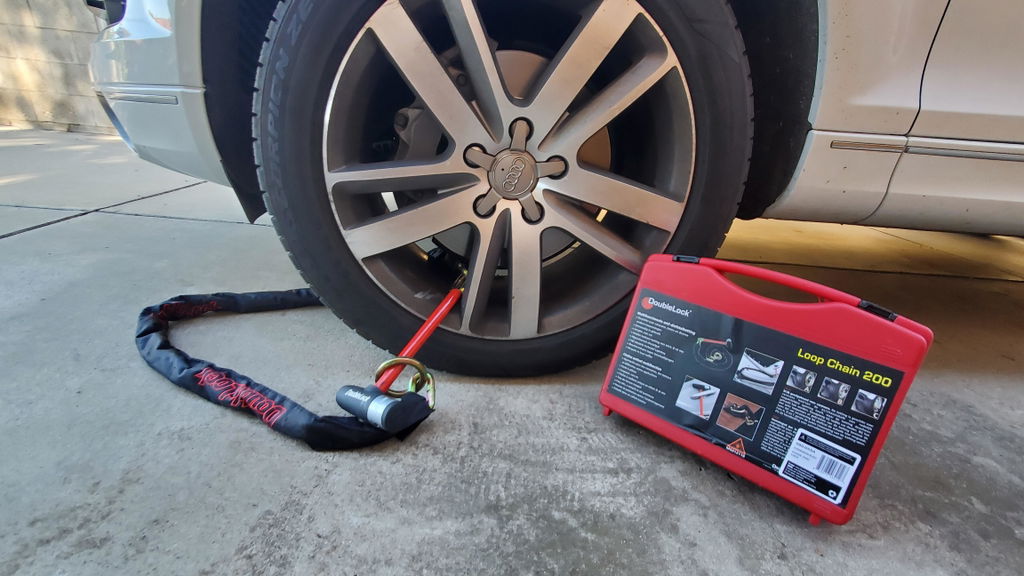



An unsecured outboard motor can be an appealing target when a boat is left at a dock, in storage, or on a trailer. A visible, properly fitted lock adds a practical layer of theft deterrence.
Shop the BARRACUDA outboard motor lock to add purpose-built physical security to your boat.
How to lock an outboard motor starts with matching a purpose-built marine lock to the motor's mounting style. Smaller clamp-mounted motors typically need a lock that covers or secures the clamp handles. Larger bolt-mounted motors need a compatible bolt-style lock. Follow the lock and motor manufacturers' instructions, confirm that the device does not interfere with operation, and inspect it routinely. A lock is a deterrent and risk reducer, not a guarantee against theft.
How to lock an outboard motor in 5 steps
Boat engine theft is a real threat for owners. The National Insurance Crime Bureau (NICB) reported 4,461 watercraft thefts in the U.S. in 2022. To keep your motor safe, you need a strong lock and a clear plan. Follow these steps to learn how to lock an outboard motor and prevent loss.
Pick the right lock
First, make sure your lock fits your motor. Some locks only work with specific brands or bolt patterns. The BARRACUDA Outboard Motor Lock has a universal fit for major brands like Yamaha, Mercury, and Honda. Check your motor specs before you buy to ensure the lock can cover the mounting bolts or toggle handles.
Set up the boat
Park your boat on a flat surface if it is on a trailer. If it is in the water, tie it tight to the dock. This keeps the boat steady while you work on the engine. Make sure you have enough room to reach the transom where the motor meets the boat. Clear away any fuel lines or wires that might get in the way of the lock.
- Check the motor fit Check that your outboard is set firmly on the transom. Check that the mounting bolts or wing nuts are tight. A loose motor can make it easier for a thief to bypass a lock or damage your boat.
- Position the lock Slide the lock body over the toggle handles or the mounting bolts. For a bolt-lock style, the device should cover the nut to stop a wrench from turning it. If using a handle lock, it should encase both wing nuts so they cannot be turned.
- Set the locking bar Insert the locking bar through the lock body. Some locks use a heavy brass pin or a steel bolt. Push it all the way in until it clicks or aligns with the keyhole. For the best security, use a lock made of weather-resistant metal like stainless steel.
- Test the fit Try to move the lock with your hand. It should not rattle or slide off. A snug fit is key to marine security and stops noise while you are on the water. If the lock is loose, use a spacer if the maker provides one.
- Keep your keys safe Lock the device with your key and test it one last time. Write down the key code or take a photo of it. Store the spare key in a safe spot away from the boat. This helps you get a new key if you lose the main one later.
Check the lock often
Salt water and dirt can harm your lock over time. Spray the keyhole with a light oil once a month to keep it moving smooth. Check for signs of rust or wear on the metal body. If the lock feels stuck or hard to turn, clean it right away to keep your engine safe from theft.
Choose the right outboard motor lock
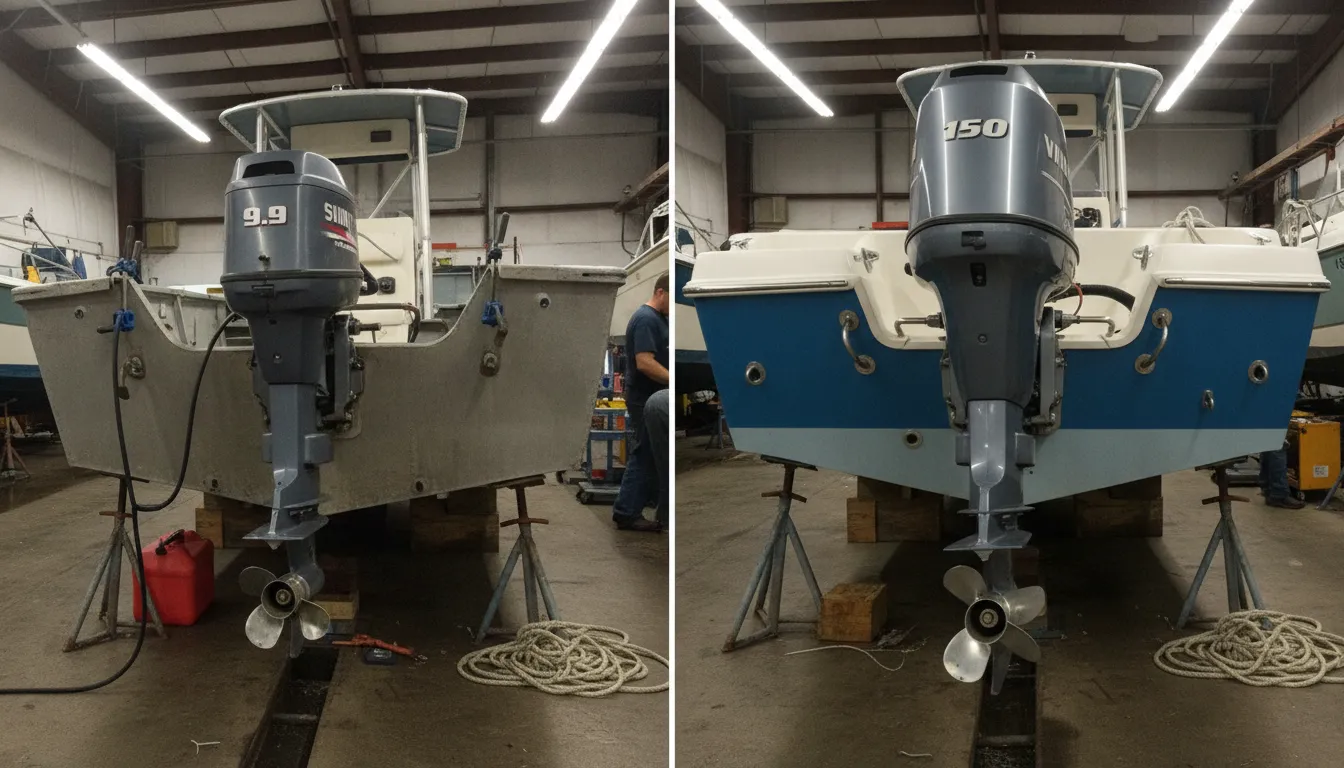
Choosing a lock for your boat engine starts with knowing your gear. You must find a lock that fits your exact motor size and mounting style. Most thieves look for easy targets with no seen safety. A strong lock acts as a clear warning. It shows that you care about safety. The BARRACUDA outboard motor lock is a top choice for boat owners who want expert grade safety.
Lock types for motor mounts
You must know how your motor stays on the transom before you buy a lock. Many small engines use toggle handles. These are screws you turn by hand to tighten the motor to the boat. Larger engines often use heavy bolts. Each type needs a new kind of shield. When you learn how to lock an outboard motor, you will see that a full sleeve is best. It slides over the bolts or handles to block all tool reach.
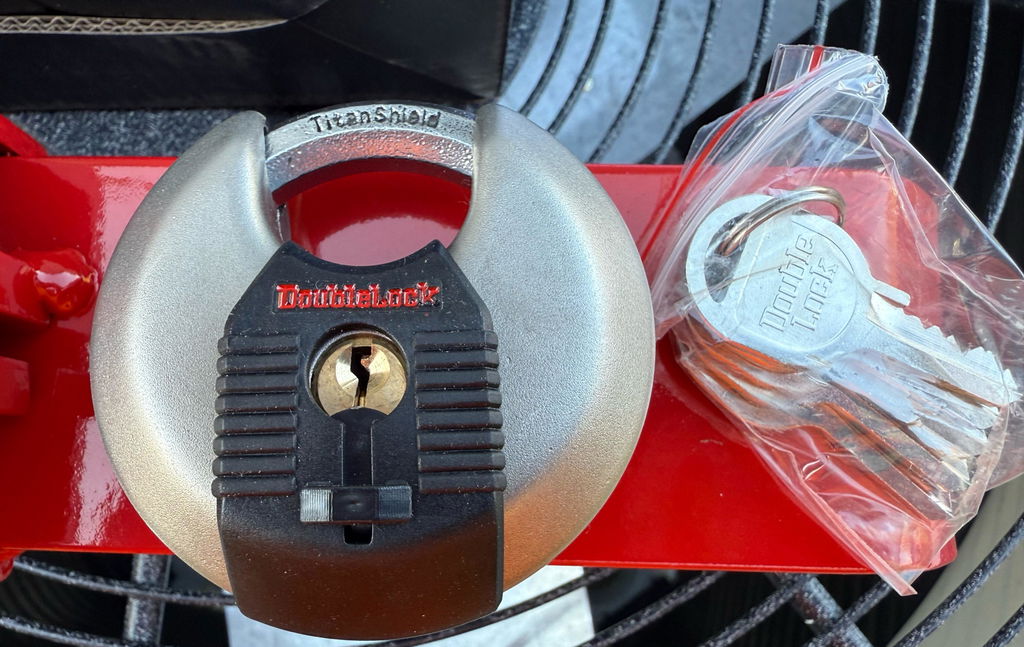
Fit is another key point for your safety. A loose lock can rattle or make it easy for a thief to get a pry bar inside. You should look for a lock that offers a tight, snug fit on the engine. DoubleLock designs locks to work with many brands like Yamaha and Suzuki. This makes sure the lock stays in place and does its job. A proper fit stops the engine from being moved or taken without your key.
Marine grade lock parts
The sea is a harsh place for metal. Salt water can eat through cheap locks in a single season. You need a lock made of high grade steel or iron. It must have a finish that stops rust and wear. A rusty lock might fail to open when you need it. It could also become weak and easy to break. High grade locks use coatings that keep the metal strong even in salt air.
The risk of theft is high in many coastal areas. Based on data from the National Insurance Crime Bureau, there were 4,461 boat thefts in the U.S. in 2022. Florida had the most thefts with nearly 900 cases. Using a heavy lock made of tough metal is the best way to avoid being a part of these stats. Tough parts make it hard for thieves to use saws or cutters on your gear.
Key and drill safety
A good lock must do more than just sit on the bolt. It needs a high grade core that can stop picking and drilling. Many cheap locks use simple keys that are easy to copy or bypass. You should look for a lock with a secure key system. This keeps your engine safe even if a thief has a set of master keys. The lock should also have a cover for the key hole to keep out dirt and salt.
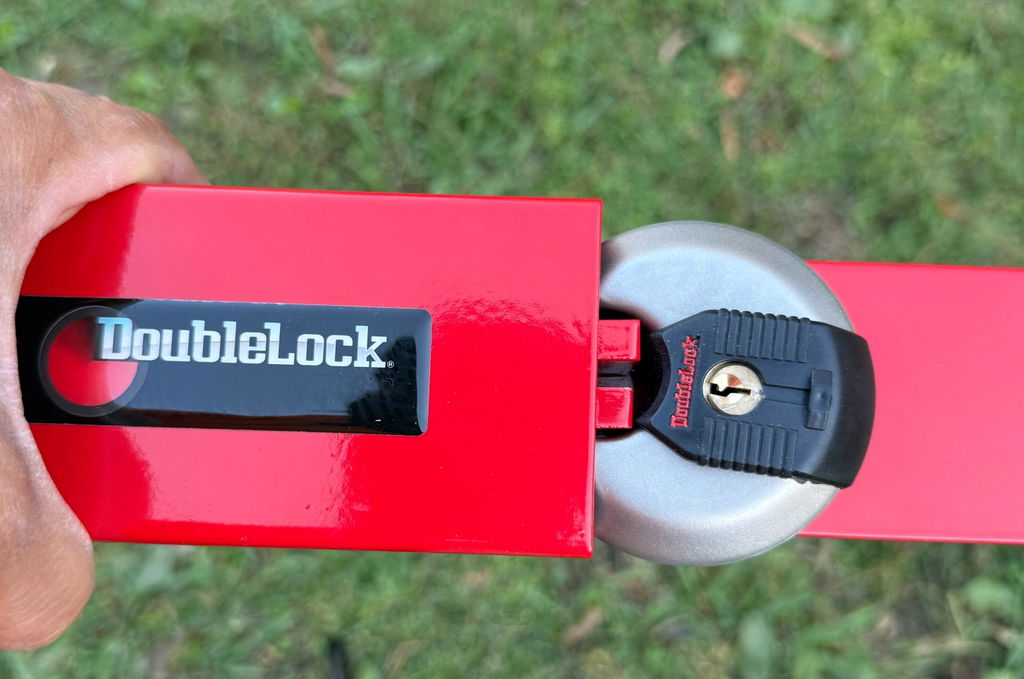
Ease of use is also vital for boat owners. You want a lock that you can check and use with ease. A bright color or a bold shape makes it easy to see that the lock is on. This helps you do a quick check before you head out on the water. It also warns people on the dock that your boat is secure. A lock that is hard to see might not stop a thief from trying to steal your motor.
| Lock Feature | Toggle Handle Lock | Bolt-On Motor Lock |
|---|---|---|
| Mounting Style | Fits over hand screws | Fits over engine bolts |
| Motor Size | Small to medium engines | Large, high power engines |
| Tool Resistance | Blocks pliers and grips | Blocks saws and pry bars |
| Security Level | High for portable motors | Best for fixed engines |
| Ease of Install | Quick to put on and take off | Needs tools for the bolts |
No matter which lock you choose, you should use it every time you leave your boat. Most thefts happen when a boat is left for just a short time. Keeping your engine locked is the best way to protect your boat and your gear. The "Bull Strong, No Bull" approach means using the best tools for the job. Do not settle for a weak lock that will not last in the water.
Where should an outboard motor lock be placed?
The best spot for a lock depends on how your motor sits on the boat. Most small boat motors use simple hand-tight clamps on the back of the boat. Larger boat engines usually stay in place with big metal bolts that go through the boat frame. To learn how to lock an outboard motor well, you must find these points first. Placing a lock over these parts makes it hard for a thief to take the motor.
Locking small clamp-on motors
Small motors often have two screw clamps that hold them to the boat. You should place the lock over these clamp handles to keep them from turning. The BARRACUDA outboard motor lock fits over these handles and locks them together. This stops someone from loosening the clamps and lifting the motor off. The National Insurance Crime Bureau (NICB) says you should also chain and lock detachable motors to the boat to stop theft.
Securing large bolted engines
Big motors use heavy bolts to stay in place. For these, you should place a lock over one or more of the mounting nuts. This type of lock stops a thief from using a wrench to undo the bolt. A good lock will cover the nut fully so it cannot be cut or turned. It is a good idea to check your engine guide to see which bolts are best to use. This way, you do not block the motor controls or the tilt system when you add the lock.
Tips for safe lock fit
When you put on a lock, make sure it does not get in the way of how the boat works. You need to be able to steer and tilt the motor without the lock hitting anything. A lock should fit tight so it does not rattle while you are on the water. Check that the lock does not touch wires or fuel lines. Using a marine security guide can help you find the best spot for your specific boat and motor type.
Avoid common installation mistakes
Learning how to lock an outboard motor is a key part of boat care. Even the best gear can fail if you do not set it up right. Thieves look for weak spots or loose fits. Small errors during setup can make your motor an easy target. By avoiding these common slips, you keep your gear safe and ready for the water.
Picking the wrong lock style
One big error is using a lock that does not fit your engine brand. Some locks only work with specific bolt patterns or clamps. If the lock is too small, it might not cover the vital parts. If it is too big, it will rattle and could be pried off. You should choose a universal fit like the BARRACUDA Outboard Motor Lock to ensure it works with brands like Yamaha or Mercury. Always check that the lock matches your motor size before you buy it.
Leaving a loose fit
A loose lock is a loud sign to thieves. If a lock can move or slide, a thief can use tools to snap it. You must tighten all bolts to the right level. Some boaters fear they will hurt the transom, so they leave the bolts too loose. This gap lets a crowbar get a grip. A snug fit is the best way to stop a theft attempt. Check the fit often, as vibration from the motor can loosen parts over time.
Skipping the motor chain
Relying on just one tool is a risk. While a clamp lock is great, adding a chain gives you more safety. The National Insurance Crime Bureau suggests you chain and lock detachable motors to the boat. This double layer makes your boat a hard target. If a thief beats one lock, the chain still holds the motor in place. It takes more time and louder tools to cut through two types of gear.
Blocking engine parts
A lock should not get in the way of how your boat runs. Some people set up a lock so it hits the fuel line or wires. This can cause leaks or power loss while you are out at sea. Before you finish the job, move the motor through its full range. Turn it left and right and tilt it up. Make sure the lock does not rub against the hull or pinch any hoses. A safe lock should guard the motor without making it hard to use.
Build a layered marine security plan
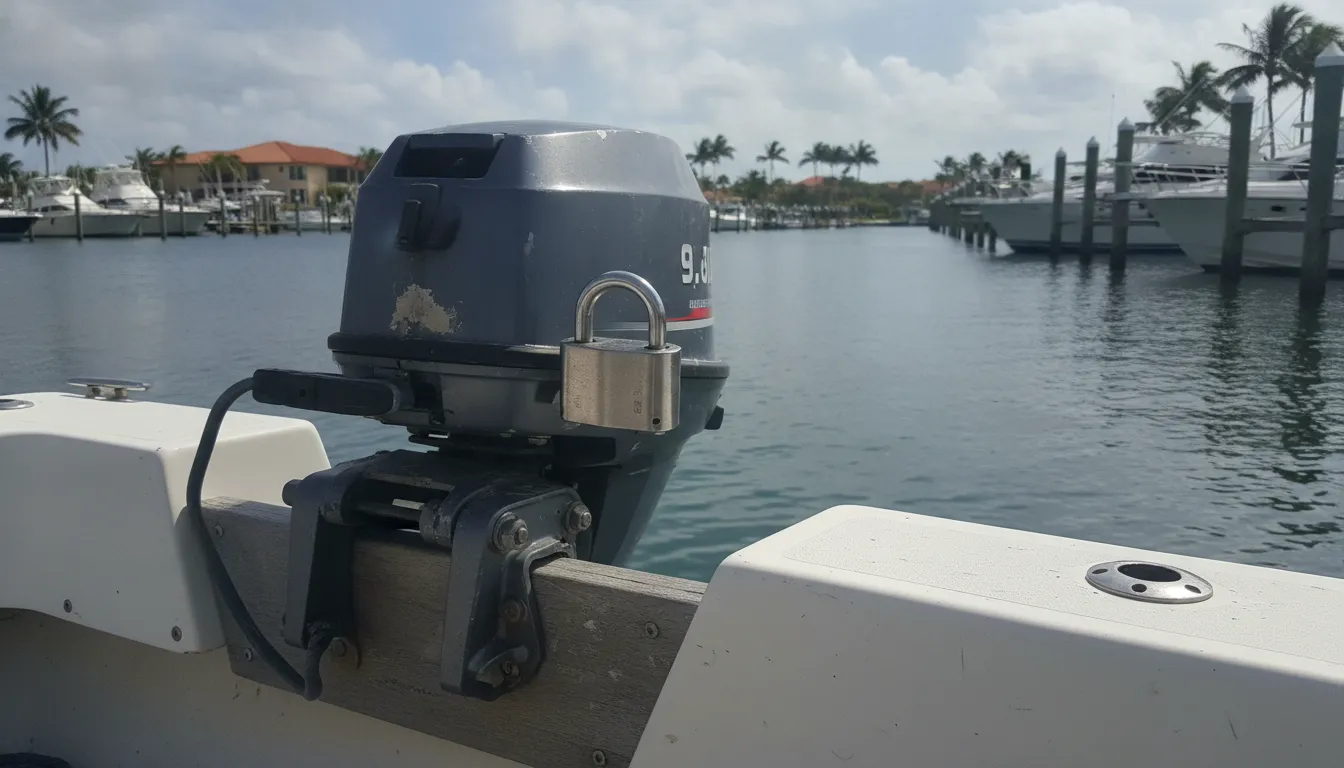
Marine security is more than just one lock. A strong plan uses many layers to stop thieves. When you add friction at every step, you make your boat a hard target. This is vital because 4,461 watercraft were stolen in the U.S. in 2022, according to the National Insurance Crime Bureau. Most thefts happen when owners leave gear easy to take. By using many layers, you protect your motor, boat, and trailer at the same time.
Secure the outboard motor first
The engine is the most costly part of your boat. It is also the easiest part for a thief to sell. To keep it safe, you must use a lock that fits your motor bolts. You should also look for how to lock an outboard motor with gear made for salt water. A good lock stays on the motor while you are on the water and while you are at the dock. This adds a physical bar that most thieves will not want to fight.
For high-value engines, a tough BARRACUDA outboard motor lock is a smart choice. It fits most major brands and resists cutting or prying. When you combine this with other locks, you create a system that is hard to beat. Always check that your lock is made of hardened steel to stop quick attacks with hand tools.
Manage your storage and lighting
Where you park your boat matters as much as the locks you use. If you keep your boat on a trailer, try to park it in a well-lit area. Good light makes it hard for a thief to hide while they work. If you are at a marina, choose a spot with clear sight lines or cameras. These steps do not stop a thief on their own, but they add to the risk for them.
You can also use a marine security guide to find the best spots for storage. If you store your boat at home, keep it behind a fence or in a locked garage if you can. If it must stay in the drive, face the hitch away from the street. This makes it much harder for someone to hook up and drive away with your gear.
Keep records and run routine checks
Good records help you if a theft does occur. Write down your motor serial number and keep it in a safe place. You should also take clear photos of your boat and engine from many angles. These help the police and your insurance firm if you need to file a claim. Regular checks of your gear are also a key part of a layered plan.
Take a few minutes each month to look at your locks for signs of wear or rust. Check that your bolts are tight and your keys work smooth. A lock that is hard to open for you might also be easy to break for a thief if it has rust. By keeping your gear in top shape, you ensure your layers of security stay strong year after year.
Maintain your outboard lock for marine use
Marine zones are tough on gear. Salt and water can damage even the strongest locks over time. To keep your boat safe, you must maintain your safety tools. Knowing how to lock an outboard motor is only the first step. Steady care ensures the lock works when you need it most. Without it, salt can jam the parts and leave your motor at risk.
Rinse and dry after salt water use
Salt water is very harsh on metal. It speeds up rust and can make moving parts stick. After a day on the ocean, rinse your outboard lock with fresh water. This wash removes salt crystals before they can cause harm. Use a low-pressure hose to clean all gaps. Avoid high pressure as it may force salt deeper into the lock body. This simple task keeps the metal clean and the lock easy to use.
Drying is just as vital as rinsing. Trapped water can lead to pits in the metal. Use a soft cloth to wipe down the lock after you rinse it. If you leave the boat in the water, check the lock often. The National Insurance Crime Bureau notes that locking your motor is a key step to prevent theft. A clean lock stays strong and stays ready for any trip. It also helps the lock last for many years of service.
Check for rust and wear
Inspect your lock every few months. Look for small spots of rust or changes in color. Catching these signs early can save the lock. If you see surface rust, clean it with a mild brush. Most marine locks use coatings that fight the weather. But these can wear down if they hit hard spots. Make sure the BARRACUDA lock body is still smooth and solid. A solid body is your best defense against a thief.
Check the fit of the lock on your engine. Shaking from the motor or waves can loosen parts. A loose lock might rattle and damage the engine bracket. Tighten any bolts if they seem off. If the metal has deep cracks, it is time to buy a new one. A weak lock will not stop a thief with the right tools. Changing a worn lock is much cheaper than buying a new motor. Steady checks give you peace of mind while on the water.
Care for the lock barrel
The key hole is the weak spot of the lock. Dust and salt can build up inside the barrel. This makes it hard to turn the key. Use a dry lube like graphite or a spray made for it. Never use thick grease or oil. These can trap grit and jam the pins inside. Spray a small amount into the key hole twice a year. This keeps the inner parts moving without any lag.
Work the key back and forth a few times to spread the lube. This keeps the action smooth. If the key starts to stick, do not force it. Forcing a stuck key can break it off inside the lock. Clean the key itself too. A dirty key can carry salt into the barrel. If you follow these steps, your lock will protect your motor for a long time. Good care means your boat stays where you left it.
Should you keep the motor locked while trailering?
Many boat owners feel a false sense of safety when their boat is on a trailer. They think that theft only happens at the dock or in a marina. But trailering actually makes your boat more of a target for thieves. A trailer lets a thief move the whole boat to a private spot where they can strip the motor. You should always keep your engine safe during every part of your trip.
Why road travel grows theft risk
A boat on a trailer is easy to reach. Thieves do not need to get in the water to find your transom. They can work fast in a dark parking lot or a quiet driveway. Based on the National Insurance Crime Bureau, many boats are stolen each year. Many of these thefts happen when the boat is stored on land or being moved. A trailer makes it easy for a thief to hook up and drive away with your whole boat.
Outboard motors are the most common part of the boat to be stolen. They are easy to sell and hard to track. When you stop for gas or a room, your boat is often left alone. A thief only needs a few basic tools to take a motor that has no lock. Using a strong lock makes sure your engine stays where it belongs on the road. It shows thieves that your boat is a hard target that is not worth the risk.
Props are not safety locks
It is key to know the split between motor props and safety locks. Many boaters use transom savers to protect their engine during travel. These tools help lower stress on the boat frame from road bumps. But they do not offer any theft safety. A transom saver can be taken off in seconds without any special tools. It keeps the motor from bouncing, but it does not keep it from being stolen.
To truly protect your boat, you must learn how to lock an outboard motor with tough gear. A special safety device like the BARRACUDA lock covers the mounting bolts. This makes it hard for a thief to unscrew the motor. These locks use heavy steel and complex keys to stop even the best thieves. They give the rugged safety you need for peace of mind while towing.
Choosing the right road lock
The best lock for towing is one that fits your engine well and resists the weather. You need a device that can handle road salt, rain, and dirt without rusting. Our BARRACUDA Outboard Motor Lock is built with European engineering to last. It has a design that works with top brands like Yamaha and Mercury. This lock is a needed part of any marine security guide for owners who travel.
When you are on a trip, check your lock every time you stop. Make sure it is still tight and shows no signs of tampering. Adding a motor lock with a trailer hitch lock adds even more safety. By using the right tools, you can focus on the fun of your boat trip. Rugged locks are the only way to make sure your motor stays on your boat from the driveway to the ramp.
Frequently Asked Questions
How can I secure an outboard motor from theft?
Match a purpose-built marine lock to the motor's mounting style, install it according to the manufacturers' instructions, and confirm it does not interfere with operation. Use the lock as one layer alongside secure storage, trailer security, and routine inspections.
Are outboard motor locks universal for all boat engines?
No. Fit depends on the motor's clamp or bolt mounting style, dimensions, and the lock manufacturer's compatibility guidance. Check the motor and lock specifications before buying, and do not force a device that does not fit correctly.
Should I lock an outboard motor while the boat is on a trailer?
A compatible motor lock can deter theft while the boat is stored on a trailer. Also secure the trailer connection, choose a visible storage location, and follow the lock manufacturer's guidance for travel and storage.
How often should I inspect a marine motor lock?
Inspect it before trips and after exposure to saltwater or harsh weather. Rinse away salt and debris, dry the lock, check for corrosion or damage, and maintain the keyway according to the manufacturer's instructions.
Can an outboard motor lock guarantee the motor will not be stolen?
No lock is undefeatable. A properly fitted outboard motor lock adds time, friction, and visible deterrence, which can reduce risk when combined with other practical security measures.
Ready to protect your boat engine?
Leaving your boat engine without a lock is a risk that can cost you thousands in repairs or a full loss. Most thefts happen fast and thieves look for the easy mark. If you wait until after a theft to act, you lose your boat and your time on the water. Locking your outboard motor now keeps your gear safe so you can focus on your next trip. Strong physical security is the best way to stop a thief before they start. You get peace of mind and your boat stays where you left it. Do not wait for a bad day to happen when you can stop it today with the right gear.
Ready to protect your boat engine? Shop marine security locks for individual purchases, or build a wholesale quote for fleet and bulk needs.