
A heavy duty padlock should combine a hardened or protected shackle, a durable body, weather resistance, reliable keying, and a close fit with the hasp or chain. DoubleLock USA recommends matching the entire locking system to the asset and threat level. No padlock is undefeatable, but the right fit can deter theft and reduce easy tool access.
Compare DoubleLock USA padlocks for outdoor security.
What makes a heavy duty padlock worth buying?
In short: A worthwhile heavy duty padlock limits access to its shackle, resists common hand tools and weather, and fits the surrounding hasp, chain, or mount without leaving room for leverage.
Tough materials and tool resistance
A heavy duty padlock is more than just a big piece of metal. It is a tool built to stop theft and damage in rough spots. High-quality locks often use steel mixed with other parts to boost strength. For example, adding boron to steel can make a lock shackle four times stronger than plain ones (Source: War-Lok). This extra hardness helps the lock stand up to cutting and sawing.
Strong locks must resist the tools that thieves use most often. A heavy-duty model is built to withstand:
- Large bolt cutters and hand saws
- Heavy sledgehammer strikes
- Pry bars and other prying tools
A lock that can take these hits helps keep high-value gear safe. Studies show that high-value equipment needs strong metal locks to stay secure. Picking a lock with a hidden shackle also makes it hard for tools to get a grip on the metal.
The lock as part of a system
Buying a strong lock is only the first step. You must also think about the hasp, the chain, and the mount point. A tough lock on a weak hasp will not stop a thief. They will just cut the hasp or pull it from the door. You should see your lock as one part of a full security system. This means every piece of the chain must be as strong as the lock itself.
Look at the whole picture when you set up your gear. Secure storage works best with the right hardware and clear rules for use. For instance, securing a shipping container works best with a lock made for that shape. If the lock fits tight to the door, there is no room for a pry bar to fit. This setup lowers the risk of theft at loading docks or transit sites.
Matching the lock to the risk
Pick your lock based on the value of what you want to protect. Not every gate needs a costly lock. But items like trailers or heavy tools are prime targets. You can find the right trailer gear at places like Northern Tool. A heavy duty padlock for trailer security can stop a thief from taking your gear. The type of system you need often depends on the past theft nearby.
Think about the weather where you will use the lock. Outdoor locks face rain, salt, and dirt every day. Look for locks with chrome plating to stop rust and wear. Good care also keeps the lock working for a long time. One quick spray of oil can keep the inner parts moving well. By picking the right lock for your real threat, you can lower your risk and keep your assets safe.
Start with the shackle and lock fit
The shackle is the most exposed part of any lock. It is the first point of attack for most thieves. Choosing a heavy duty padlock starts with checking the shackle fit. Pick a lock that fits your hasp or chain but leaves no room for tools. A tight fit stops a thief from using a bolt cutter or pry bar in the gap. The goal is to make the lock hard to reach and even harder to grip.
Choose a strong shackle metal
Basic locks often use simple steel that is easy to cut with a cheap tool from a store like Lowe's. For high risk areas, you need a shackle made of boron steel or hardened alloys. Boron is a chemical part that can make steel up to four times stronger. These locks resist saws and bolt cutters better than standard locks. They can also stand up to heavy strikes from a sledgehammer, making them great for work sites and remote gates.
The shape of the metal also matters. Some shackles are round, while others are eight-sided. The flat sides of an eight-sided shackle can make it harder for a bolt cutter to get a good bite. This small change in design adds an extra layer of safety. When you buy a lock, check the metal specs to ensure it is built for industrial use. Look for "hardened" or "alloy" on the label to be sure.
Measure the gap and thickness
Measure the hole in your hasp before you buy. If the shackle width is too large, the lock will not fit. If it is too thin, it leaves a big gap for a saw or a pry tool. You also need to check the space inside the shackle, known as the clearance. Check the space from top to bottom and from side to side to ensure a snug fit. A shorter shackle is safer because the less metal that is showing, the less a thief can cut.
This forces the lock body to sit close to the door or gate. It makes it hard for someone to use a tool against the metal. Always test the fit with the door closed and the hasp in place. A lock that fits well will not rattle or hang low. If your hasp allows it, choose a lock with a short loop to keep the system secure.
Shrouded versus open shackles
An open shackle is easy to use on many types of hardware but is easy to reach with a bolt cutter. A shrouded shackle has metal walls that guard the sides of the loop. This covers the most weak spots and protects the lock from both saws and prying tools. It is a smart choice for any outdoor asset that stays in a public spot.
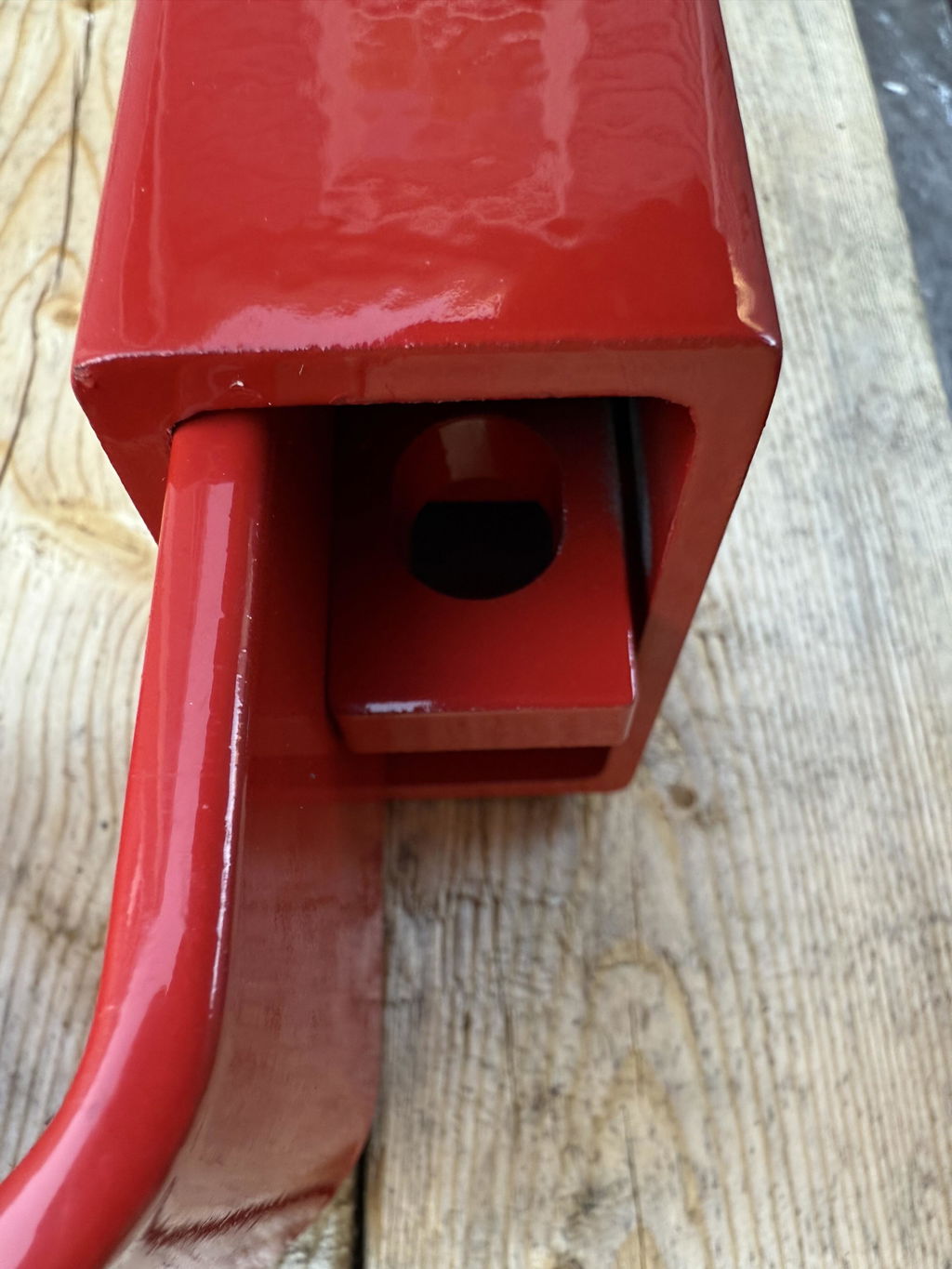
Hidden shackle locks cover the shackle fully within the lock body or a special hasp. These are the top choice for heavy duty padlocks for shipping containers. While they cost more, the added safety is worth it for high-value gear. These locks remove the shackle as a target and force a thief to attack the thick lock body instead.
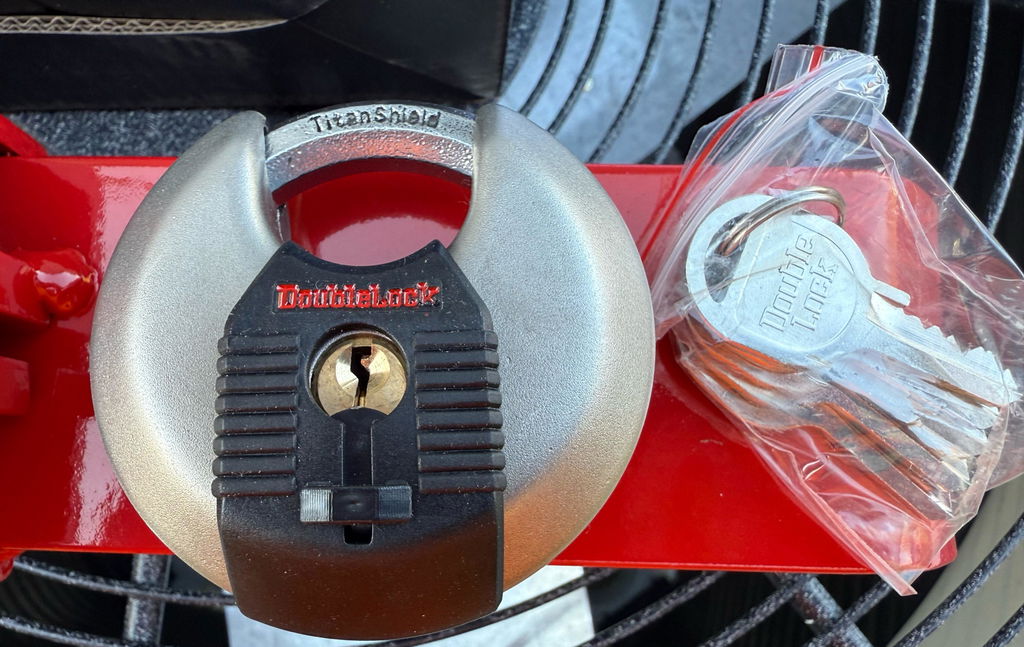
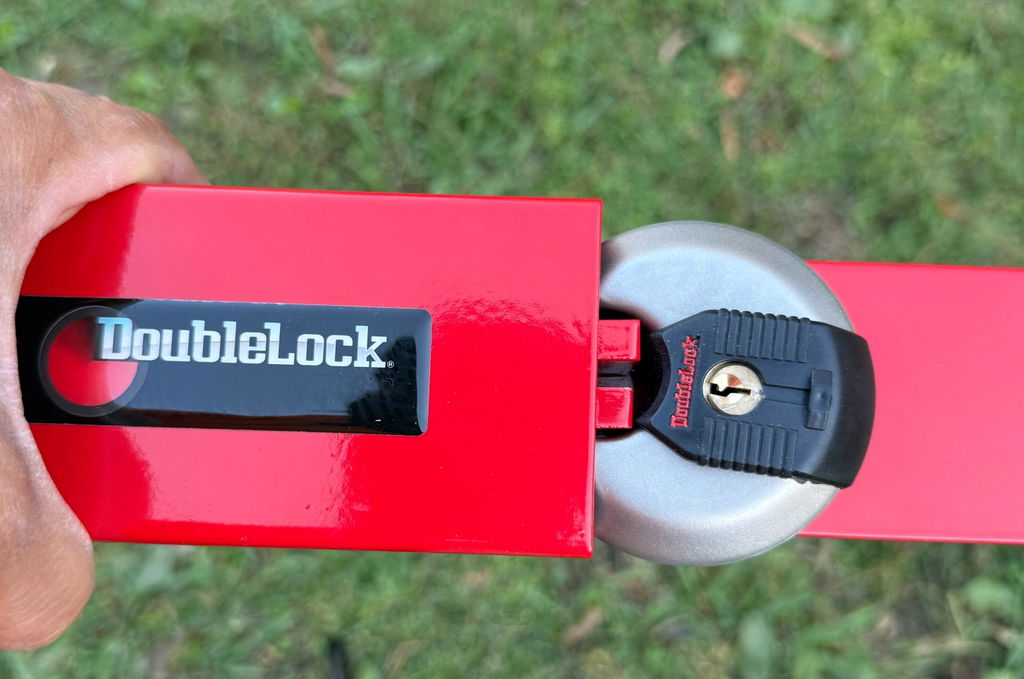
DoubleLock USA offers purpose-built options for different risk levels. Compare the stainless steel discus lock, RED HAWK ultra duty padlock, or FALCON X max duty brass padlock when evaluating shackle exposure, fit, and outdoor conditions.
Proper hardware choice is just one part of a full security plan. Using physical locks helps to lower the risk of theft for high-value gear. These systems work best when you pair them with clear site rules. As stated by the National Library of Medicine, security systems are needed to protect vital gear from theft or damage. A good lock is a strong deterrent that makes a thief look for an easier target.
Choose body materials for the environment
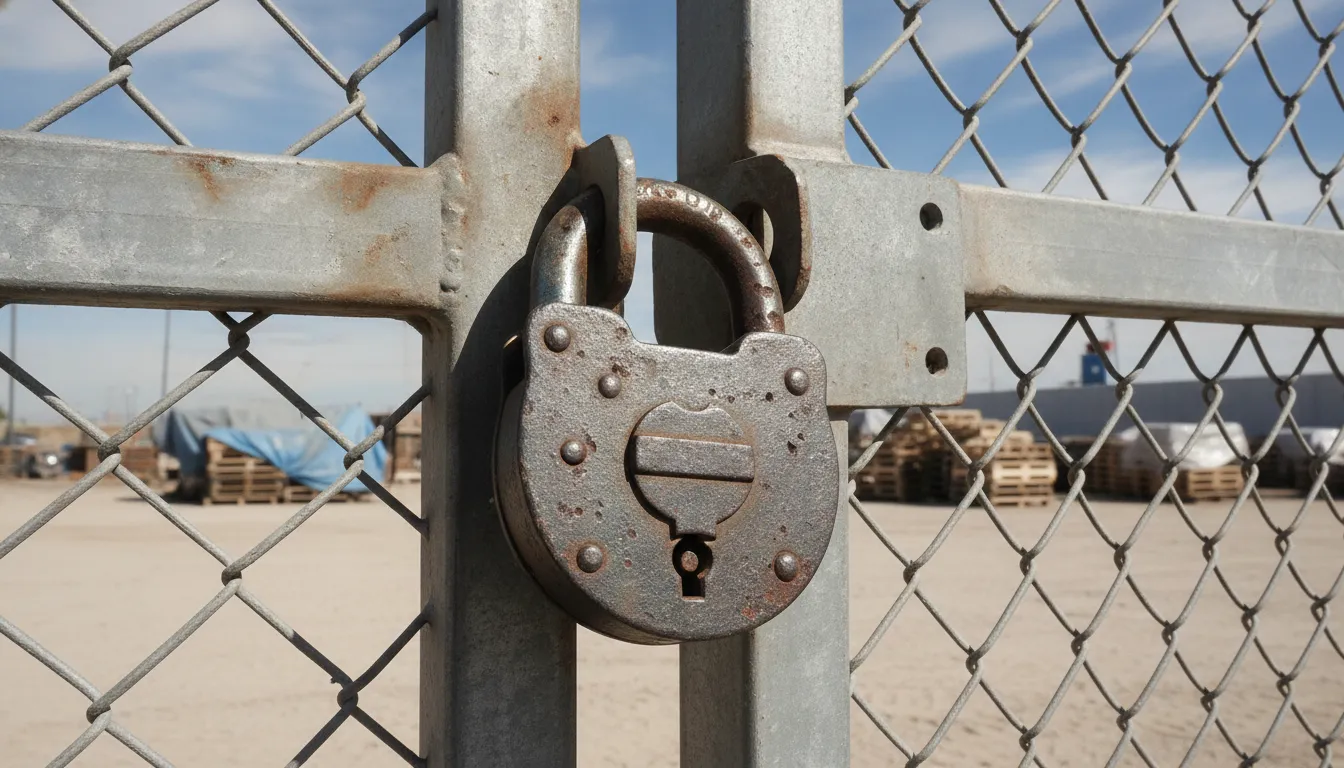
Selecting the right build for a heavy duty padlock depends on where you use it. Risks like salt air, rain, or cold can cause low-grade locks to fail. Industrial hardware must resist both force and wear. High-value gear at loading docks and transit areas needs locks that handle the threats of the location. The National Center for Biotechnology Information notes that security systems must match local risks.
Metal choices for strength
The metal of a lock body dictates its strength and life. Hardened steel is a top choice for high-risk sites. It resists cutting and impact from tools. To increase strength, makers often add boron as an alloy. This can make the steel four times stronger than standard options. Boron steel is great for resisting saws and bolt cutters on jobsites. But plain steel can rust if it gets wet. For damp areas, look for locks with clear defense layers.
Protective layers and covers
Weather protection keeps the parts of a lock moving. Chrome plating is a common way to add a layer against rust and wear. This layer helps the lock body stay clean and work in dusty or damp places. For the best results, use a lock with a cover that guards the keyway. This stops dirt, ice, or salt from clogging the lock. Keeping moisture out is vital for the long-term use of any lock in an outdoor spot.
| Material | Best Place | Main Benefit |
|---|---|---|
| Hardened Steel | Indoor Jobsites | Resists hard impacts |
| Boron Alloy Steel | High-Theft Areas | Top cut resistance |
| Chrome Plated Steel | Humid Locations | Rust and wear defense |
| Covered Solid Body | Extreme Outdoor | Key and grit protection |
Lock care and maintenance
Even the best heavy duty padlock needs basic care to last. Regular checks ensure the lock works when you need it. This is true for locks protecting high-value gear in shipping or transit. A single spray of a good lubricant is often all you need to keep parts moving. You should also check for any build-up of dirt or salt often. For fleet buyers, a quick check of all locks helps stop lockouts. You can also shop the catalog for locks built for your needs.
How should you evaluate the cylinder and keying?
In short: Choose a cylinder and keying plan based on who needs access, how many locks the site uses, and how tightly the organization must control key copies.
The cylinder is the part of the lock where you put the key. It is the heart of any heavy duty padlock. Rooted in years of European engineering, a strong cylinder stops common tricks like picking or drilling. When you buy a lock, you must think about how you will use it and who needs to get in. Each job needs its own key setup to keep tools and gear safe.
Keyed alike vs keyed different
Most locks come in two main ways: keyed alike or keyed different. If you buy a set that is keyed different, each lock has its own key. This is good for a small shop where each person only needs to open one door. But it can be hard if you have ten locks on one trailer. You would have to carry a lot of keys and guess which one fits each lock.
Keyed alike locks let you open many locks with just one key. This setup is great for trailer owners who use many locks on one rig. It saves time and makes your daily work easier. Many pros choose this for their heavy duty padlock sets to avoid losing time on the job. Note that custom keyed locks may take a few extra days to ship because they are built to order.
Master key systems for fleets
Large fleets and job sites often need more control. A master key system lets each user have a key for their own lock. At the same time, a boss can have one master key that opens every lock in the group. This is key for fast access during a crisis. It helps teams stop the theft of high-value gear or vital tools on a busy site.
When you set up a fleet system, you should look for top safety levels. Some brands rank their locks as Basic, High, or Max Security. For pro use, you should always aim for the best level. This makes sure the cylinder can stand up to heavy use and bad weather. You can find these high-end options at expert shops like Northern Tool or in our own store.
Key control and site safety
Key control is about who can make copies of your keys. Some locks use restricted keys that a local shop cannot cut. You must go back to the maker to get more keys. This stops staff from making extra copies without your word. It is a big part of a full safety plan for any large firm.
Good key control cuts the risk of someone stealing or hurting your assets. You should check the cylinder for parts like anti-drill plates or pick-proof pins. These small parts make a big change when a thief tries to break in. Always pick a cylinder that fits your needs to get the best protection for your money.
Which heavy duty padlock fits each outdoor application?
In short: Use a weather-resistant, close-fitting padlock for gates and sheds, a shrouded or hidden-shackle design for job boxes, and purpose-built hardware for containers and trailers.
Choosing a lock depends on what you need to guard. A lock for a yard gate has different needs than one for a trailer. You should match the strength and design of your lock to the risk of the asset. High-value gear needs better locks to stop theft. Using the right tool for the job makes your property a harder target for thieves.
Securing outer gates and storage sheds
Gates and sheds are the first line of defense for most properties. For these uses, a heavy duty padlock is a good visual sign to thieves. You need a lock that can stand up to the sun, rain, and cold. Look for locks with chrome plating to prevent rust and stuck cores over time.
Standard locks from stores like Lowe's work for low-risk items. But for remote sites or high-value stock, you need thicker shackles. Hardened steel or boron shackles help stop bolt cutters and saws. A thick body also helps the lock survive hits from a sledgehammer. If you buy a lock from Northern Tool, make sure the shackle size fits your hasp.
Guarding job boxes and jobsite equipment
Jobsite boxes hold thousands of dollars in tools and gear. These boxes often sit in open areas where thieves have time to work. Security for job sites needs hardware that is part of a broad security system to lower risks. Standard locks might not fit the wells on many tool boxes.
Purpose-built equipment locks are made to fit these tight spaces. They often have hidden shackles that thieves cannot reach with tools. If you use a standard padlock here, make sure it has a shrouded shackle. This design covers the lock's weakest part. It stops a thief from using a saw or bolt cutter on the metal.
Tough locks for containers and trailers
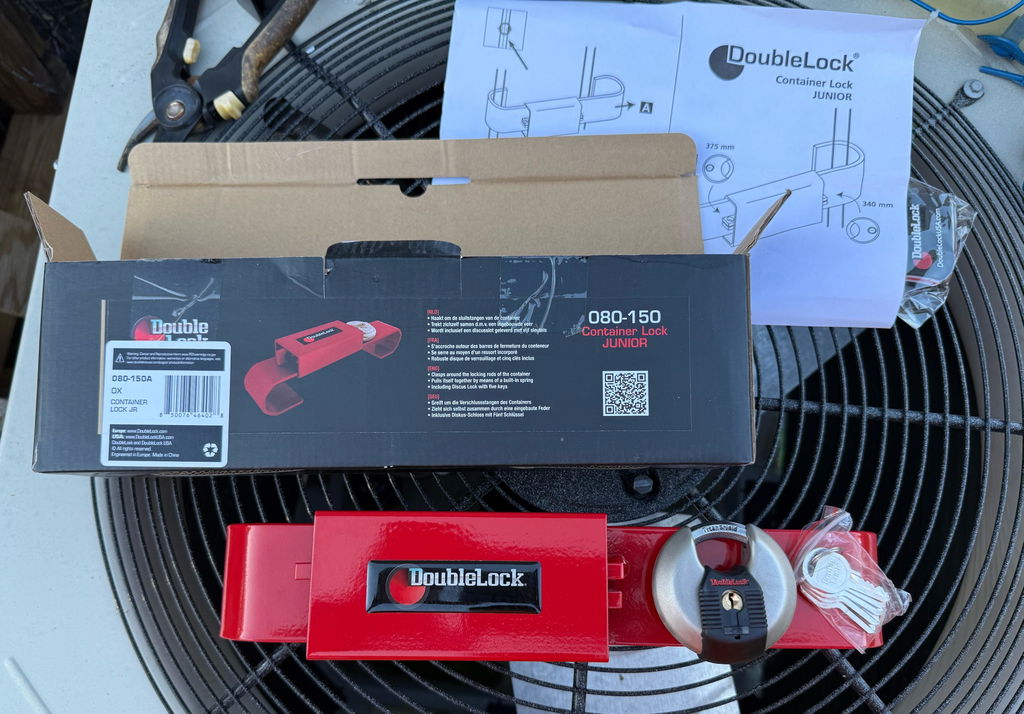
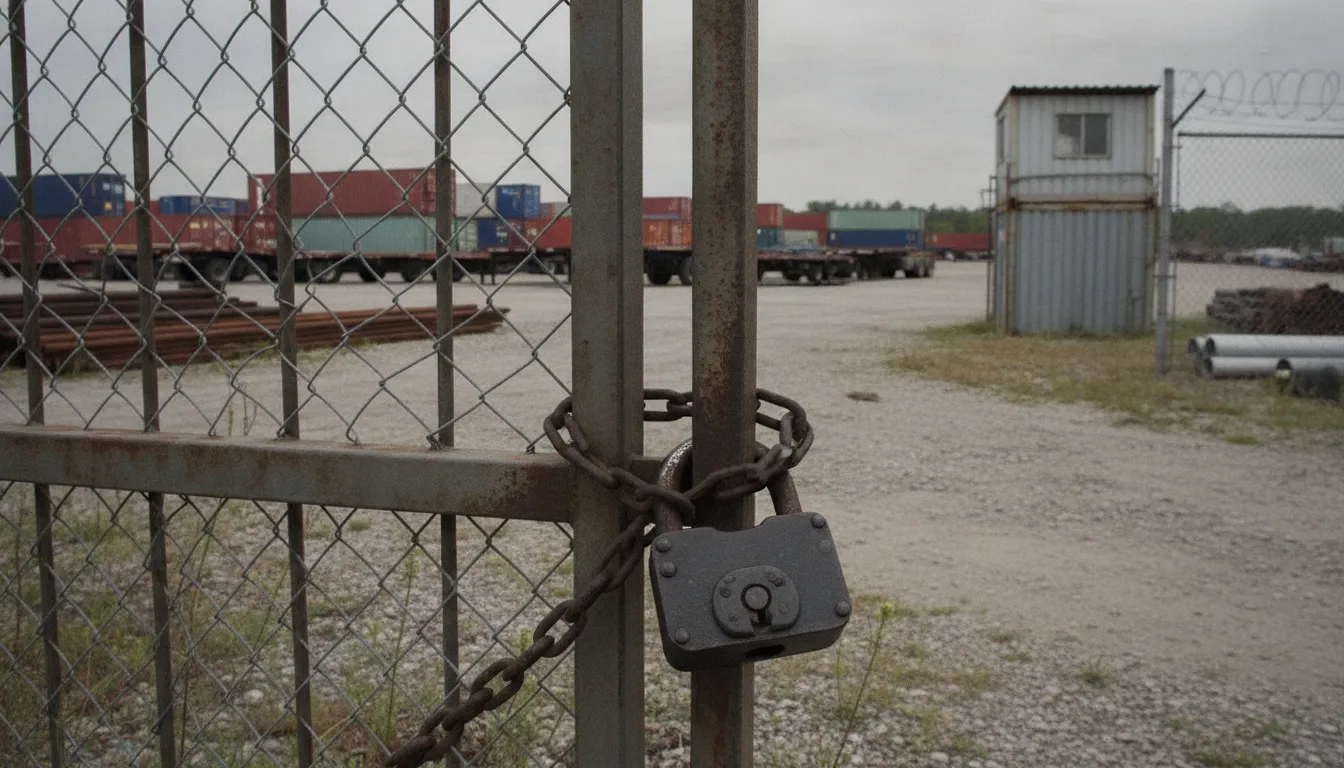
Shipping containers and trailers face unique risks during transit or storage. For specialized applications, compare the BULL container lock, heavy steel chain and padlock, and BEAST cable and shackle bundle.
A standard padlock on a container door is easy to break with a grinder or bolt cutters. A standard padlock on a container door is easy to break with a grinder or bolt cutters. This is where specialized locks like the BULL or RHINO series excel. These locks wrap around the door bars or fit inside a lock box to stop tampering. They are built for the heavy abuse of the shipping world.
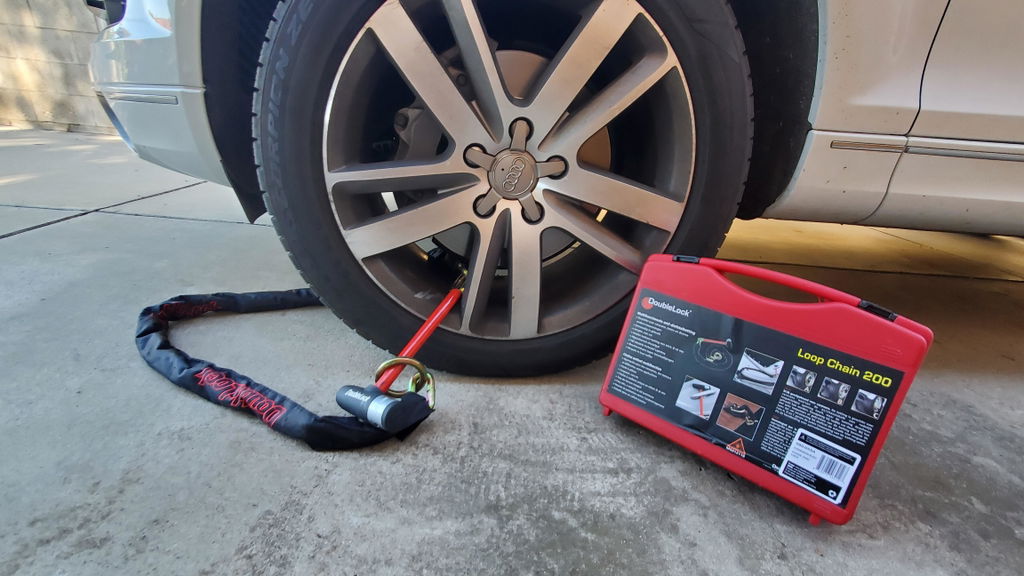
For trailers, a kingpin lock or a tow hitch lock is needed. These tools stop a thief from hooking up your trailer and driving away. Using secure locking mechanisms made for specific trailer parts is much safer than a chain and lock. Solid hardware is built to handle the heavy weight of work gear. This "no bull" way to secure assets keeps your property where it belongs.
A practical heavy duty padlock buying checklist
Picking a heavy duty padlock is more than just choosing the biggest lock on the shelf. You need to know how the lock will work with your gear and the risk at your site. A good plan helps you find the right tool for the job. This keeps you from spending money on parts that do not fit your needs or your budget.
Many people buy a lock without looking at the latch first. If the shackle is too thick, it will not fit through the hole. If it is too thin, a thief can cut it with a simple tool. You must match the strength of the lock to the cost of the items you want to guard. This could be anything from a shipping container to a fleet of trucks.
Site risk check
Before you buy, look at the threats near your area. High-price gear needs better locks to stop theft or harm. The National Center for Biotechnology Information notes that your security needs depend on the history of theft in your spot. You should think about any past crimes at your site or on nearby lots.
If your site has seen crime before, use strong locks that can stand up to saws or bolt cutters. A tough lock acts as a clear sign that your gear is not an easy mark. For job sites with costly tools, you need a lock that can take a hit from a sledgehammer and stay shut. This reduces the risk of someone taking your vital gear.
Size and fit
A lock that is too big for your latch is not helpful. You must check the hole in your latch to make sure the shackle can pass through it. The shackle is the U-shaped metal loop that holds the lock to the hasp. You also need to check the space inside the shackle. This space must be wide enough to fit over the hasp or chain you are using.
If you need to guard a job site, you can read our guide on how to secure a construction site. This guide helps you learn more about picking the right tools for big areas. Match the lock size to the cost of the items you want to keep safe. A small lock on a large shipping container will not give you the peace of mind you need.
- Check the latch hole. Look at the hole on your gate or box. Check the width to make sure a thick shackle can slide in and out with ease. Use a tool to measure the hole if you are not sure.
- Pick the best metal. Choose boron steel for the shackle if you need to stop people from cutting it. Boron makes the steel much tougher and harder to break. It is four times stronger than plain steel and resists bolt cutters.
- Look for weather coats. If the lock stays out in the rain, pick one with a chrome layer or a plastic case. This stops rust and keeps the lock moving in the snow. Outdoor locks face a lot of wind and dust that can clog the pins.
- Choose a key type. Think about if you want each lock to have its own key. You may want one key to open every lock you own to save time. This is often called keyed-alike. It is a great choice for fleet owners who have many locks to open.
- Plan for lock care. Get a dry spray to keep the inside of the lock clean. A quick spray once a year helps the lock last much longer. Do not use oil, as it can trap dirt and make the lock hard to turn over time.
- Record your key codes. Write down the code for your keys and store it in a safe spot. This lets you get a new key made if you ever lose the old one. Most brands give you a small tag with the code when you buy the lock.
Using these steps makes your site much safer. A good lock is a clear sign to thieves that your gear is well guarded. Take the time to check each point so you only have to buy once. This simple work now saves you from a big loss later.
Maintain the lock and the hardware around it
A heavy duty padlock is a vital tool to lower risk, but it needs care to stay strong. Industrial gear faces harsh weather, dirt, and wear that can affect how it works. Good upkeep keeps the lock as a solid deterrent for your high-value assets. Follow these steps to keep your security hardware in top shape.
Inspect for wear and damage
Check your locks at least once every three months. Look for signs of rust, cracks, or deep marks that could weaken the metal. Make sure the shackle closes and opens without a catch. If the lock feels gritty or tight, it may have dust stuck inside the key hole.
You should also check the hasps and chains used with the lock. Even the best padlock cannot protect your gear if the metal it holds is weak or rusted. Make sure all bolts are tight and the base is solid. Security hardware works with site policies, so regular checks should be part of your routine.
Clean and oil the key hole
Dirt and salt can build up inside a lock and cause it to jam. Use canned air to blow out dust from the hole before you add any oil. Do not use thick oils as they can grab more dirt and lead to clogs over time.
Most brands suggest a light, dry oil to keep the small parts moving. One spray of a product like Slick 50 is often all that is needed for care. Put the oil on the key and slide it in many times to spread the liquid across the pins. This simple step helps the lock last much longer in outdoor areas.
Manage keys and find old locks
Good key habits are just as vital as the lock itself. Keep a list of who has a key and do not make copies without a record. If a key gets bent or worn, swap it out fast so it does not snap inside the lock. Use secure locking systems and change your list when staff leave.
Know when it is time to buy a new lock. If you see deep rust that does not wipe away, or if the lock stays stiff after cleaning, it may be time to part with it. A lock that is hard to use may get left open, which creates a gap in your safety. Buying a new lock is a small cost compared to losing your vital gear.
Frequently Asked Questions
Which padlock is best for outdoor use?
For outdoor use, you need a lock that resists rust and bad weather. Look for a body made of stainless steel or brass. A covered key hole helps keep dirt and salt out of the inner parts. Based on Master Lock data, you should pick a lock with a high safety rank for the best help. This keeps your gear safe from rain and sun for a long time.
Are hidden shackle padlocks more secure?
Yes, hidden or shrouded shackles are much harder to break. These locks keep the shackle inside the body so tools cannot reach it. This design makes it very hard for a thief to use bolt cutters or a saw. A heavy duty padlock with this shape makes it much harder to get a grip. It is a top choice for gates and trailers where safety is the main goal.
Can bolt cutters break a heavy duty padlock?
Most cheap locks snap fast when cut, but heavy duty locks are built to resist these tools. They use hard metals like boron steel to stop the blades from biting in. Research from War-Lok shows that adding boron can make steel four times stronger than normal. While no lock is perfect, these tough parts force a thief to use loud power tools that draw eyes to the site.
How do I choose a heavy duty lock for a storage unit?
First, check the size of the hole on your storage door. You want a lock with a thick shackle that fits tight. A puck lock or a disc lock is often best for these units. These shapes leave very little room for a tool to slide in and cut the metal. Choosing the right fit helps you lower the risk of theft for your high-value gear or own items.
Ready to secure your gear with heavy duty padlocks?
Weak locks on your gates or trailers make theft easy for those with simple tools. One break-in can stop your job and cost you a lot of money in lost gear. If you wait until after a theft, you have just lost time and money. Get a tough lock now to stop thieves and keep your assets safe from harm. This small step saves you time and stress in the long run. A strong lock acts as a shield for your most prized gear. It keeps your business moving forward without the fear of theft. You work hard for your tools so you should keep them safe from those who want to take them. Start now to make sure your gear stays right where you left it for your next big job.
Shop DoubleLock USA padlocks or request a wholesale quote for fleet and bulk needs. You can also call +1 561-289-4865 to talk to a security expert.