
A tractor, ATV, irrigation pump, or livestock trailer can leave a farm in minutes, while replacing it or missing a critical work window can disrupt an entire season. Rural theft has also grown beyond opportunistic grabs. One agricultural security report describes gangs targeting tractors worth more than £100,000, showing why valuable equipment needs deliberate protection.
Farm equipment theft prevention starts with layered physical security: lock machinery and trailers with purpose-built, industrial-grade devices. Secure smaller tools and components, mark and photograph every asset, and check remote equipment on an unpredictable schedule. No lock makes a farm untouchable, but visible, weather-resistant deterrence raises the effort required and reduces the opportunity for theft.
That strategy must account for how farms actually operate. Open acreage, distant outbuildings, seasonal storage, and equipment spread across fields create security gaps that a single gate or shed lock cannot close. Understanding those rural vulnerabilities is the first step toward building protection that holds up beyond the farmhouse.
The Unique Security Challenges of Rural Farm Properties
Farm equipment theft creates a larger operational threat than the loss of a single machine. Agricultural theft and related rural criminal activity cost the United States billions of dollars each year, according to the University of Arkansas Division of Agriculture. The damage extends beyond the equipment's replacement value. If a tractor, implement, irrigation component, or quad bike disappears during planting or harvest, the farm can lose an entire window of productivity. Fields still need work, livestock still need care, and seasonal deadlines do not move because a critical machine is gone.
Rural properties give thieves several advantages that urban and commercial sites often do not. A farm may cover hundreds or thousands of acres with multiple access roads, outbuildings, fields, and storage areas. Those broad perimeters make continuous observation difficult. Remote equipment may sit far from the farmhouse, neighboring properties, or public roads, leaving no natural surveillance when an intruder arrives. A thief can cut a gate, load an implement, or move a trailer before anyone notices.
Seasonal storage creates a predictable target
Many machines work intensely for a short season and then remain idle for months. Planting and harvesting equipment, livestock trailers, ATVs, generators, and irrigation components can spend long periods parked in open sheds, behind barns, or beside fields. That predictable downtime gives organized thieves time to study routines and identify equipment that owners may not inspect every day. Research on rural crime describes a shift from small, opportunistic thefts toward organized gangs targeting high-value machinery, including tractors worth more than $100,000.
Consumer locks do not match the exposure
A lightweight consumer padlock may suit a backyard shed, but it does not address a farm's perimeter, weather, or asset-value demands. Rural equipment security needs industrial-grade locks designed for exposed gates, trailers, containers, and heavy machinery. The same access problem appears on construction sites: 70% of construction professionals surveyed through the customer knowledge base have witnessed jobsite theft. Farms face a similar dynamic, with valuable equipment spread across large, lightly monitored work areas.
Farm equipment theft prevention starts with making every asset harder to access, move, and conceal. Strong physical deterrence will not make any property undefeatable, but it raises the effort and risk for thieves. Purpose-built security hardware gives farm owners a practical first layer of defense where distance, seasonal storage, and limited visibility turn ordinary locks into weak points.
Securing Tractors and Heavy Machinery with Immobilization Locks
A tractor or loader represents more than equipment value. When a thief moves it off the property, the loss can interrupt planting, harvesting, construction work, or daily operations. Immobilization locks attack that risk at the point of movement. Instead of relying on an alarm that thieves may ignore or silence, a physical lock blocks the machine from being driven away until an authorized operator removes it.
Lock the machine against unauthorized movement
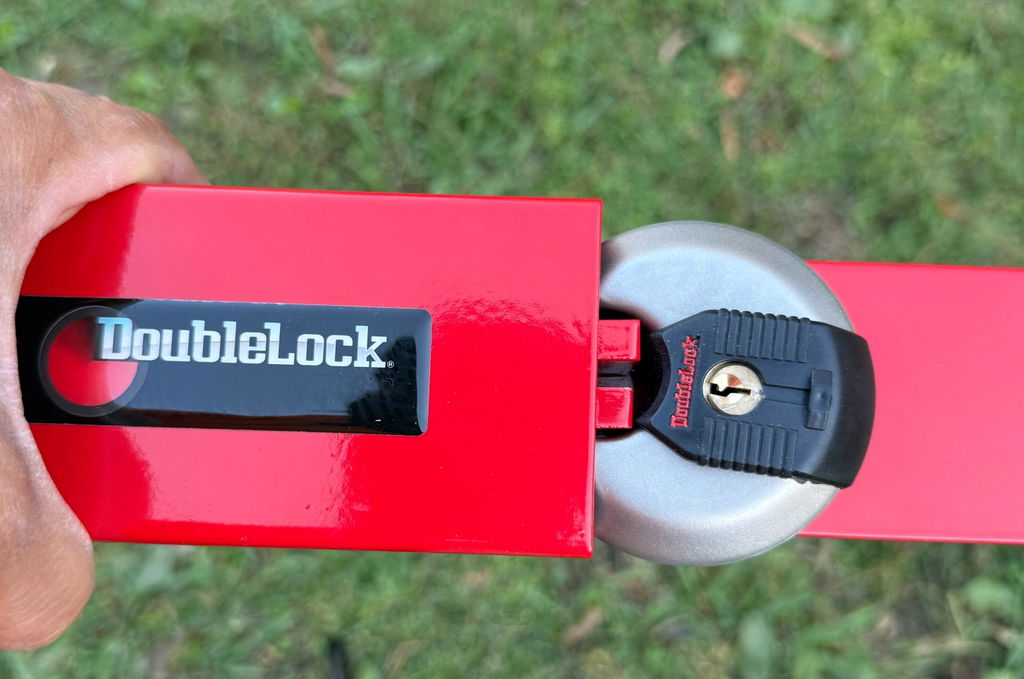
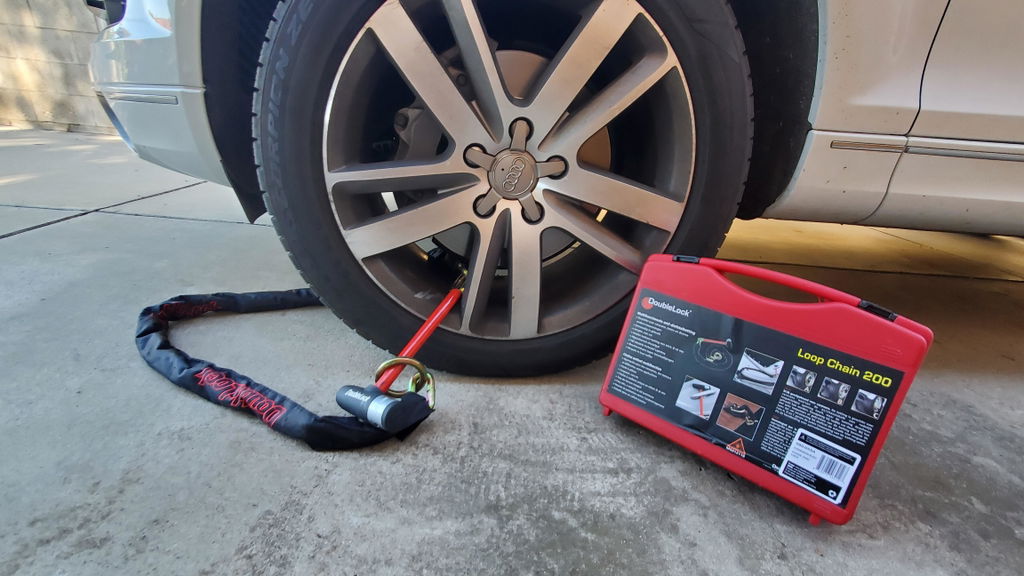
DoubleLock USA's MAMMOTH Equipment Lock provides heavy machinery immobilization for tractors and other large equipment. At $99.99, it gives owners a purpose-built physical barrier for machinery that may otherwise sit exposed in a field, yard, or remote storage area. The HAMMERHEAD Equipment Lock, priced at $199.99, secures backhoes, loaders, and implements with industrial-grade protection suited to demanding equipment environments.
Choose the lock based on the machine and the attachment point. Then install it where a thief cannot simply bypass the control or move the equipment with another vehicle. A visible lock also changes the thief's calculation before an attempted theft begins. Industrial-grade physical locks reduce the success of opportunistic theft by adding a direct, time-consuming obstacle to unauthorized movement. No lock makes valuable machinery undefeatable, but a serious physical barrier raises the effort and reduces the chance of a quick getaway.
Build identification into the deterrent
Physical immobilization works best alongside clear ownership identification. The University of Arkansas Division of Agriculture recommends placing an identification number on farm equipment and advertising that the equipment carries an ID tag. Mark tractors, implements, and detachable components in locations that remain visible during an inspection but do not interfere with operation. Keep photographs and identifying details in a current equipment inventory so you can spot a missing asset quickly and provide useful information after a theft.
Match the lock to outdoor conditions
Farm machinery often remains outdoors through rain, dust, mud, temperature changes, and long periods of inactivity. Weather-resistant construction matters because corrosion or contamination can compromise a security device before the equipment needs protection most. Inspect the lock during routine maintenance, clear away debris, and confirm that the locking mechanism operates smoothly before seasonal storage.
For equipment moved with a pintle trailer, extend the same strategy to the hitch connection. Review this pintle hitch security guide to secure the transport system as well as the machinery itself.
How to Protect ATVs, Livestock Trailers, and Seasonal Equipment
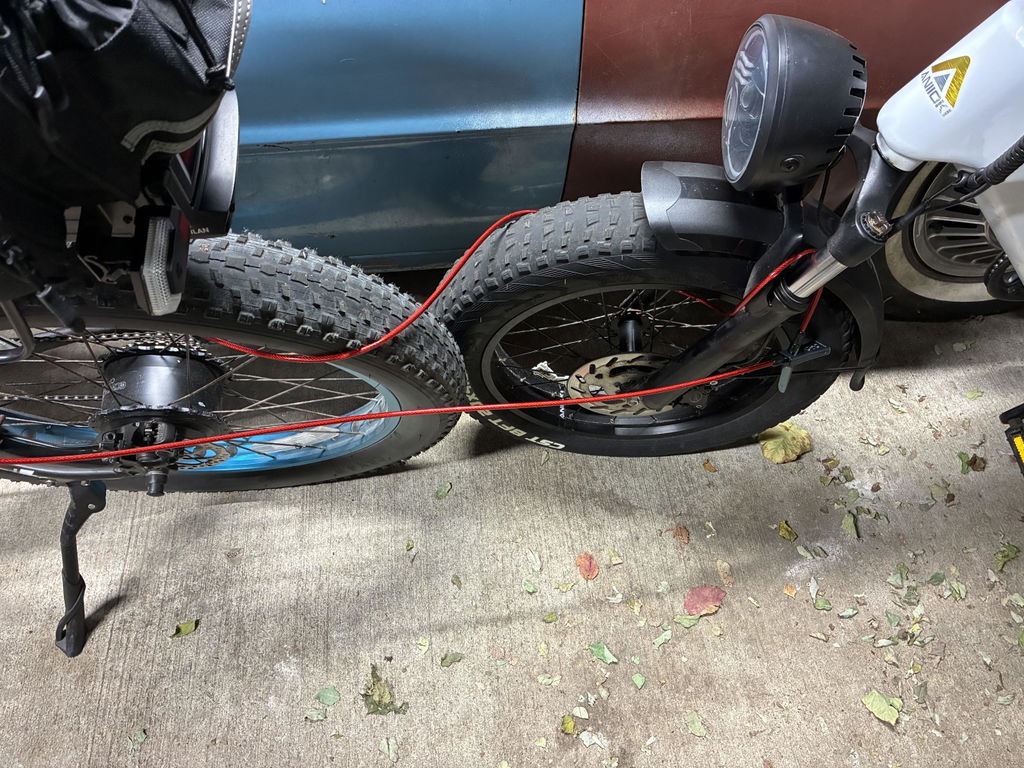
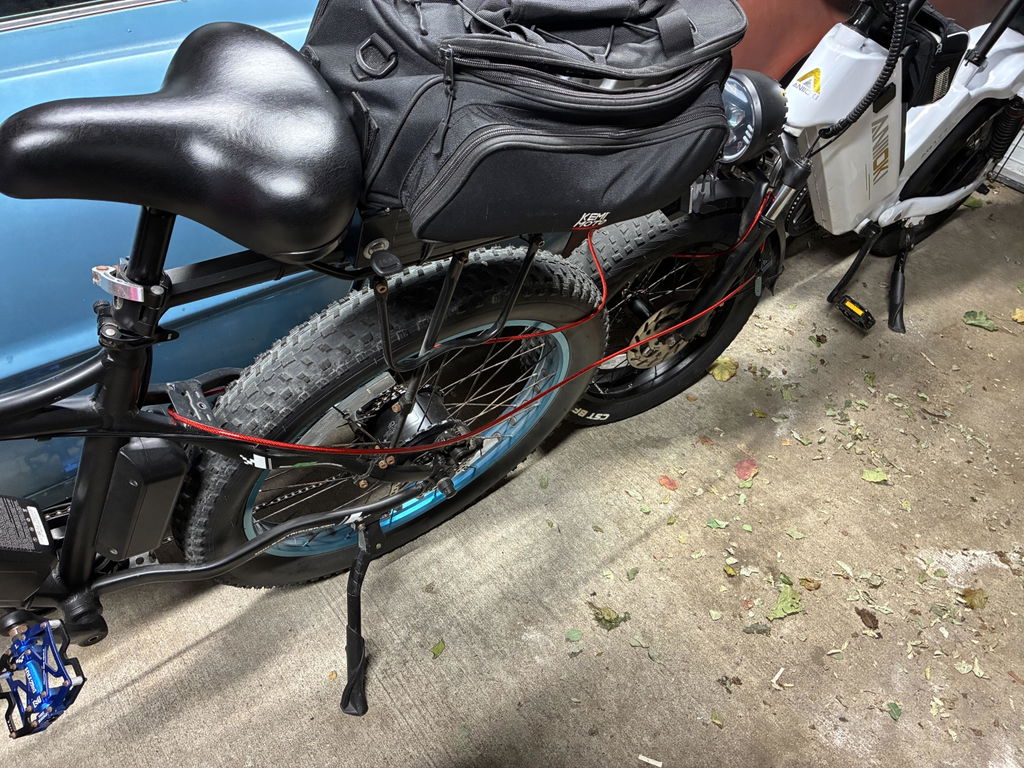
ATVs and livestock trailers often sit beyond the daily view of the farm, especially when equipment moves between fields or remains in a remote location for weeks. That distance gives thieves time and limits your ability to respond. NFU Mutual data reported ATV theft up 31% and agricultural vehicle theft claims up 18%, reinforcing the need to secure mobile equipment before storage becomes an afterthought.
Lock the trailer at its primary theft point
Start with the hitch. A trailer lock blocks unauthorized coupling and turns a parked livestock or equipment trailer into a harder target. The SCORPION Pintle Hitch Lock costs $199.99 and secures pintle-style connections. For trailers with a kingpin, the LION Kingpin Lock costs $99.99 and protects the connection thieves need to move the trailer.
Choose the lock that matches the trailer hardware, then add a repeatable inspection routine. Check the hitch lock whenever you visit a remote field, after severe weather, and before the next seasonal move. For a broader setup, follow this guide to layered security for your trailer and review the complete trailer locks collection.
Secure the equipment carried on the trailer
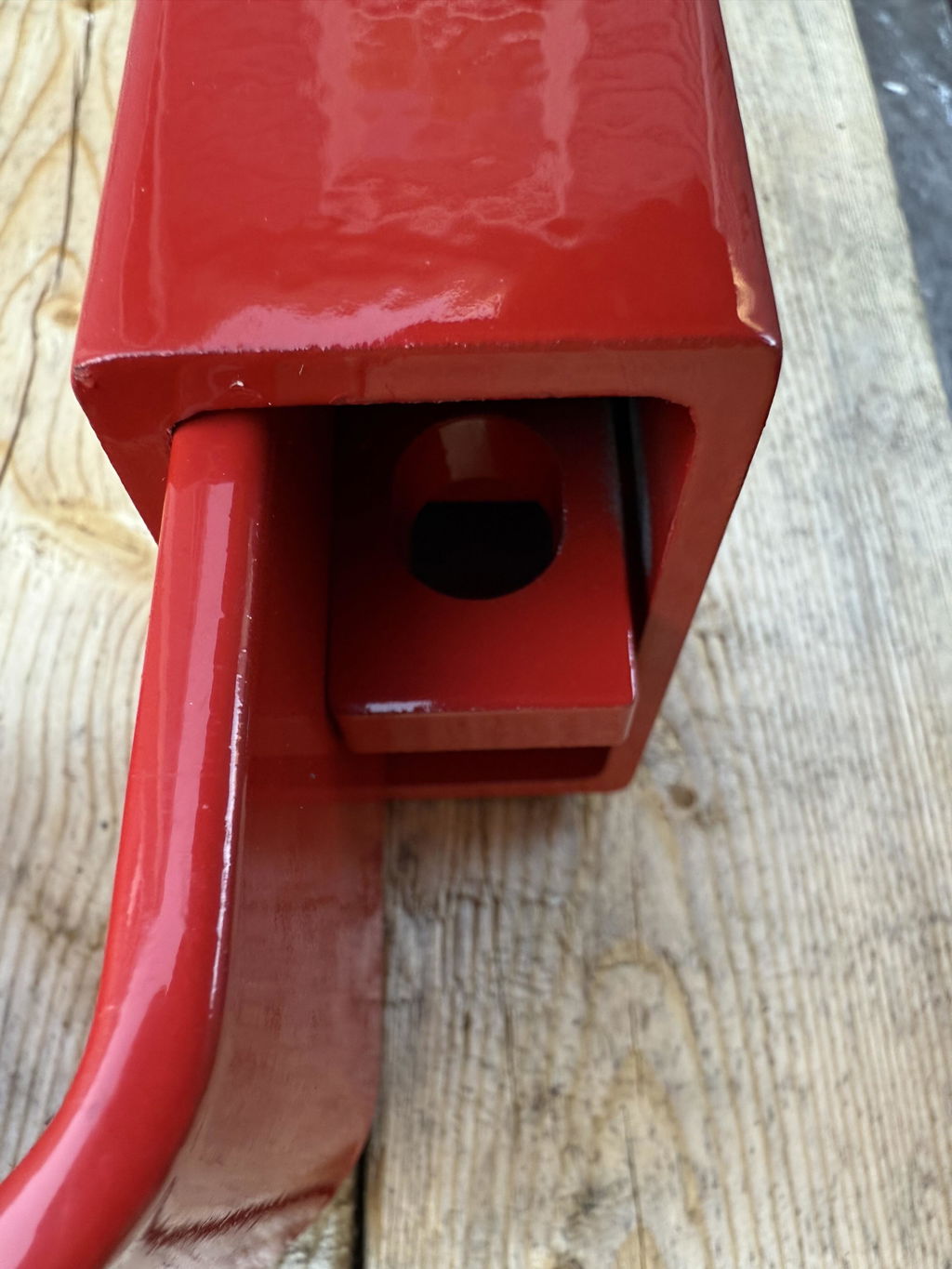
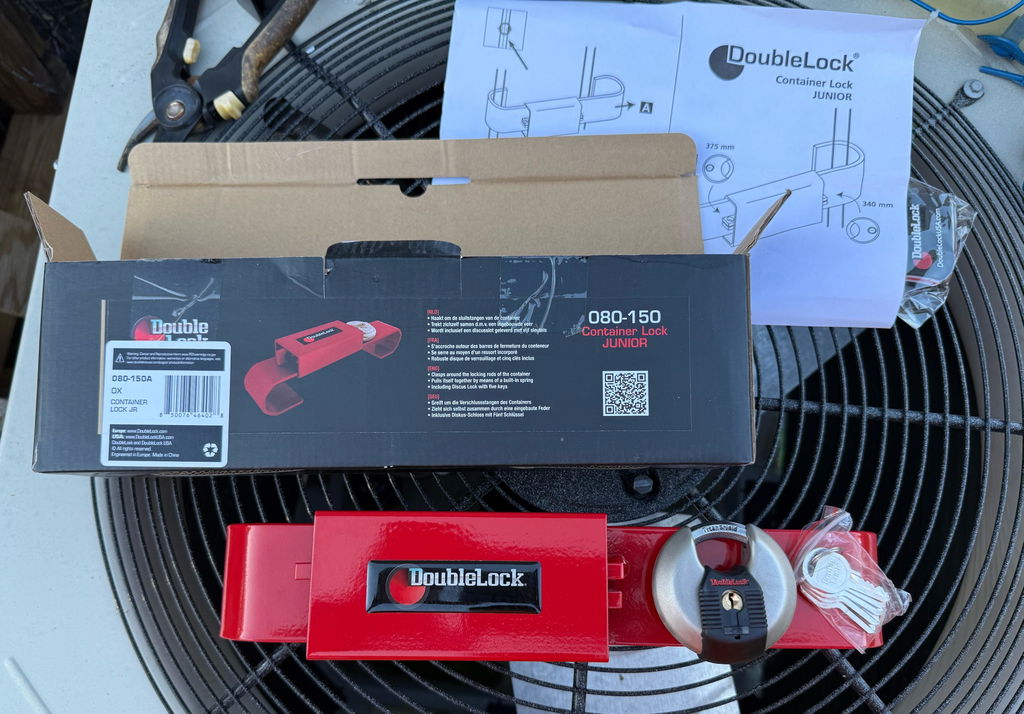
Trailer security does not protect toolboxes, fuel-related gear, or small equipment left on the deck. The OX Container Lock Jr. Bundle costs $99.99 and adds purpose-built protection for tool boxes and equipment storage on trailers. Use it alongside the trailer hitch lock so thieves cannot simply abandon the trailer and take the contents.
Outdoor storage demands more than a strong mechanism. Weather-resistant construction is critical when locks face rain, dust, mud, and changing temperatures for long periods. Inspect contact points for debris, confirm each lock fully engages, and record the equipment location during every visit. These simple checks create a durable deterrent for equipment that cannot stay within sight, while acknowledging that no lock makes a remote asset completely undefeatable.
Storage Container and Gate Security for Remote Farm Locations
Farm security does not stop at the equipment shed. A property may include miles of fence line, multiple access roads, remote fields, and storage containers that sit out of sight from the farmhouse. That distance creates opportunities for thieves to test gates and target tools without drawing immediate attention. Build each access point into a layered security plan: lock machinery storage sheds, secure toolboxes, and protect containers whenever equipment is not in use. The University of Arkansas Division of Agriculture recommends these physical measures as part of farm equipment theft prevention.
Make Every Farm Gate a Visible Deterrent
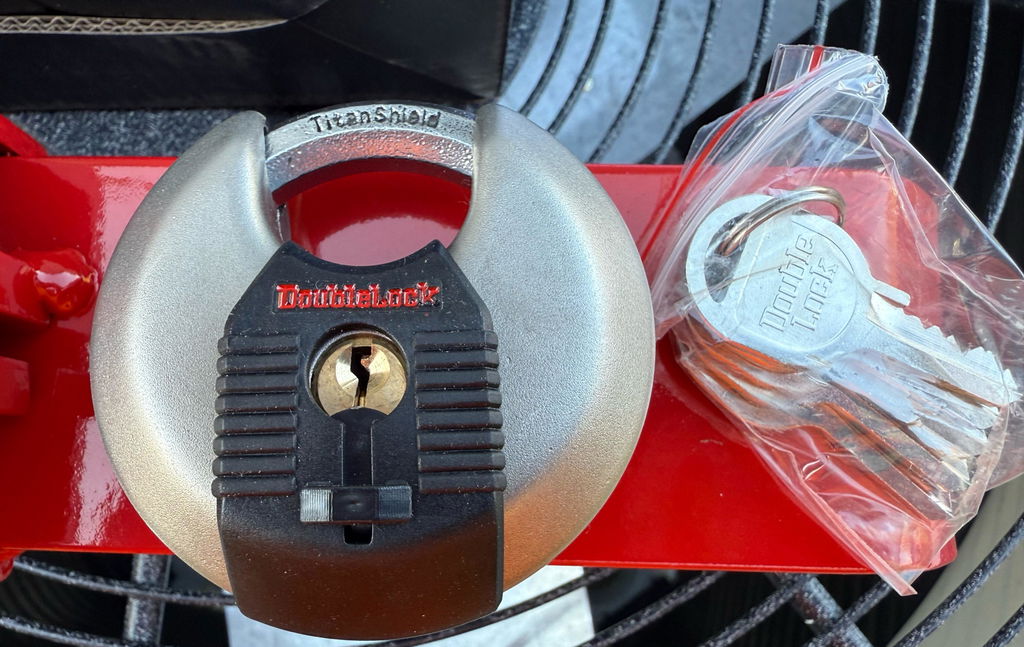
Gate locks face a demanding environment. Rain, dust, mud, heat, and direct sun can degrade ordinary hardware, while a weak lock gives thieves a clear entry point along an otherwise unmonitored perimeter. The RED HAWK Padlock, priced at $59.99, gives gates and fence lines an industrial-grade locking point. Its boron steel shackle resists bolt cutters and saws, creating a stronger barrier at vehicle entrances, equipment yards, and restricted pasture areas.
Use the lock where it remains visible and pair it with a properly fitted chain or hasp. A prominent, purpose-built padlock signals that the property owner takes access control seriously. No lock makes a remote farm undefeatable, but a hardened lock increases the time, effort, and noise required for forced entry. Those factors push opportunistic thieves toward easier targets.
Protect Tools Inside Remote Containers
Storage containers and outbuildings often hold chainsaws, generators, hand tools, parts, and other assets that thieves can remove quickly. The SPIDER Container Lock, priced at $189.99, protects tool containers and storage units with purpose-built container security. Place it on containers located near fields, livestock areas, or secondary work sites where staff do not pass throughout the day.
For maximum-duty storage container security, the BULL Container Lock is available at $319.99. Select the lock according to the container's exposure, contents, and replacement cost. Keep the hasp, door hardware, and surrounding frame in sound condition so the lock remains the strongest part of the entry system. Inspect outdoor locks regularly, clear debris from moving parts, and replace damaged hardware before the next planting or harvest cycle.
Building a Farm Equipment Theft Prevention Strategy That Works
Effective farm equipment theft prevention does not depend on one lock, camera, or tracking device. It creates several barriers that make equipment harder to identify, access, move, and resell. No single solution is bulletproof, but layered deterrence stops most opportunistic thieves.
| Asset Type | Recommended Lock | Price | Application |
|---|---|---|---|
| Tractor / heavy machinery | MAMMOTH Equipment Lock | $99.99 | Immobilizes wheeled and tracked equipment |
| Backhoe / loader / implement | HAMMERHEAD Equipment Lock | $199.99 | High-strength protection for demanding environments |
| Farm gate / fence line | RED HAWK Padlock | $59.99 | Boron steel shackle resists cutters and saws |
| Tool container / storage unit | SPIDER Container Lock | $189.99 | Purpose-built container and outbuilding security |
| Trailer toolbox / deck storage | OX Container Lock Jr. Bundle | $99.99 | Protects items carried on trailers |
| Pintle hitch trailer | SCORPION Pintle Hitch Lock | $199.99 | Blocks unauthorized pintle coupling |
| Kingpin trailer | LION Kingpin Lock | $99.99 | Prevents fifth-wheel trailer theft |
Start with a complete equipment record
Maintain a photographic inventory of tractors, implements, trailers, tools, irrigation components, and other valuable assets. Photograph identifying marks, serial numbers, and the equipment in its normal storage location. Store the files in the cloud or another secure location, then update the inventory when equipment moves, changes hands, or receives a new attachment. A current record exposes missing assets quickly and gives law enforcement useful recovery information.
Mark equipment with an identification number and make the marking visible. Tag long pipe sections, irrigation valves, engines, fans, and movable machinery. Visible identification tells thieves that the equipment is traceable. It also makes quick resale more difficult. The University of Arkansas Division of Agriculture recommends both regular equipment inventories and visible identification as practical theft deterrents.
Combine physical barriers with visibility
Match each DoubleLock USA product to the asset and the access point. Use a MAMMOTH Equipment Lock for heavy machinery, a RED HAWK Padlock for gates and smaller secured points. And SPIDER or OX container locks for toolboxes, storage containers, and remote equipment stores. Lock machinery sheds whenever possible, secure toolboxes, and choose weather-resistant hardware for equipment that remains outside. Industrial-grade locks create a direct physical barrier while lighting and clear sightlines from the farmhouse remove hiding places.
GPS tracking adds another layer for mobile, high-value equipment. A tracker does not replace a physical lock, but it can support faster location checks and recovery efforts if someone moves an asset. Place trackers where they remain protected and maintain an up-to-date list of which device belongs to each machine.
Make monitoring unpredictable
Set random check times for irrigation equipment, remote sheds, gates, and less-visible storage areas. A changing schedule prevents thieves from learning when nobody checks a particular field or outbuilding. Ask employees, family members, or trusted neighbors to report unfamiliar vehicles and activity, and report suspicious behavior promptly. Consistent investment across locks, lighting, marking, inventory, GPS tracking, and random patrols keeps security active instead of reactive. DoubleLock USA supplies industrial-grade farm security hardware direct and through Northern Tool, giving farm operators a practical foundation for a layered plan.
Shop the full DoubleLock USA catalog to build security around your farm's equipment, storage areas, and perimeter.
Frequently Asked Questions
What is the most effective first step in farm equipment theft prevention?
Start with a documented inventory. Photograph tractors, implements, ATVs, trailers, irrigation components, and valuable tools, then record identification numbers and distinctive features. Store the records in a secure cloud account or other location away from the equipment. A regular, time-varying inventory schedule makes missing assets easier to spot and less predictable to anyone monitoring the property. University of Arkansas Extension guidance recommends maintaining equipment inventories and photographs.
How should farmers secure tractors and implements when they are not in use?
Park equipment in a locked machinery shed whenever practical, then add an industrial-grade immobilization lock to high-value machines stored outside. Secure toolboxes and smaller implements separately, and mark equipment with an identification number. Advertise that the equipment carries an ID mark, because visible ownership identification creates another deterrent. No lock makes equipment impossible to steal, so combine physical locks with lighting, visibility, inventory records, and irregular checks.
How can I protect irrigation equipment in remote fields?
Use layered protection rather than relying on distance from the farmhouse. Mark pipes, valves, engines, fans, and other fixed components with identifying numbers. Check remote irrigation assets frequently at changing times, and record their condition during each visit. Quick detection matters because stolen irrigation equipment can disrupt watering and damage crops. Report suspicious activity immediately to local law enforcement.
What lock should I use for a livestock or equipment trailer?
Choose a hitch lock that matches the trailer connection, then secure the trailer whenever it sits unattended. A pintle-style trailer needs a pintle hitch lock, while a fifth-wheel-style trailer needs a kingpin lock. Use a weather-resistant device because farm equipment often remains outdoors in changing conditions. Add a hardened padlock or chain where the trailer design allows it, and keep the trailer in a visible, well-lit position when possible.
Secure tractors, implements, ATVs, and livestock trailers with purpose-built locks that fit the demands of rural equipment storage. Review the DoubleLock USA trailer locks collection to choose the right protection for your operation. For bulk orders, contact us to discuss wholesale options and build a security plan around your equipment, storage areas, and trailers.