
A warehouse yard does not need to look vulnerable to become a target. Unsecured gates, exposed containers, and equipment left beyond the building give opportunistic thieves and organized cargo theft crews a clear path to test your perimeter. A weak lock also turns a routine access point into a costly interruption for shipping, inventory control, and daily operations.
A commercial gate lock creates a stronger first barrier by securing the yard's primary entry point with hardware built for repeated outdoor use, physical abuse, and changing weather. The right lock should match the gate, hasp, access routine, and value of the assets behind it.
Effective yard security starts at the boundary, but it does not end there. Facility managers must assess how the gate controls access, how quickly an intruder could defeat it, and what a breach would disrupt before selecting hardware for the rest of the site.
Why Warehouse Yards Need a Commercial Gate Lock
Warehouse yards, distribution facilities, and equipment lots face two different threats. Opportunistic criminals look for an easy opening, while organized cargo-theft groups assess how much resistance a site presents. The perimeter gate sits at the start of both evaluations. When the gate gives way quickly, an intruder gains a path toward trailers, containers, machinery, and stored inventory. A commercial gate lock turns that entry point into a deliberate security decision instead of a weak link.
The Gate Is the First Test
A fence does not secure a yard when the gate hardware offers little resistance. Criminals can test a site after hours, study shift patterns, or exploit a lock that facility staff cannot inspect consistently. A robust lock and compatible hasp create a physical barrier that demands time, tools, and exposure. That friction matters. Perimeter security exists to mitigate unauthorized access to high-value areas, and the gate is where that perimeter must perform first. Warehouse security locks should support the facility's actual operating conditions, not just the appearance of a secured entrance.
Access control also depends on knowing who enters controlled areas. NIST describes physical access control systems as tools that verify identity and grant access at controlled points. A lock does not replace employee credentials, cameras, lighting, or entry logs. It gives those controls a physical foundation. Pair a heavy-duty gate lock with a documented key or access policy, routine inspections, and clear responsibility for closing the yard.
The Real Cost of a Breach
A breach can remove more than goods from a site. Missing inventory forces teams to reconcile records, contact carriers, investigate footage, and manage claims. Damaged gates or hasps require repairs. Dispatch teams may delay or reroute loads while managers determine what remains secure. Those interruptions consume labor and disrupt customer commitments even when the stolen goods represent only part of the loss.
Operational pressure grows when one compromised entrance exposes multiple assets. An open yard may provide access to loaded trailers, shipping containers, fuel, tools, or rental equipment in the same incident. Fleet and logistics operators can reduce that concentration of risk by treating every access point as part of the security plan. Review the freight and logistics security collection when the site needs hardware for multiple vehicles, gates, or storage areas.
Strong perimeter hardware cannot guarantee that no theft will occur. It does force an intruder to overcome a purpose-built barrier before reaching the assets inside, which is exactly where a warehouse yard security plan should begin.
What the Latest Cargo Theft Data Means for Your Yard
National cargo theft data gives facility managers a clear reason to examine the physical points where freight enters, waits, and leaves. Verisk CargoNet's analysis of 2025 activity estimated that US and Canadian cargo theft losses surged 60% to nearly $725 million. Confirmed incidents also increased 18% year over year, rising from 2,243 to 2,646. The numbers point to a threat that reaches beyond a single truck or shipment.
The average value taken in each confirmed theft rose 36%, reaching $273,990 from $202,364 in 2024. Organized groups are targeting higher-value freight, and the theft mix continues to change. CargoNet also reported a 77% increase in metals theft, driven by demand for copper, while theft geography moved beyond traditional hotspots. Review the full CargoNet 2025 theft trends analysis for the source data.
For a yard manager, these figures translate into a practical question: where does an intruder meet the first meaningful physical barrier? In many facilities, that point is the vehicle gate. A weak latch, exposed hasp, or undersized lock gives an intruder a simple route into the yard. Where trailers, containers, metals, equipment, and staged freight may sit with limited supervision.
Walk the perimeter as if you were testing it, not admiring it. Check whether the gate closes fully, whether the locking hardware sits within reach of cutting tools, and whether the lock remains protected from rain, dirt, and repeated handling. Confirm that employees can secure the gate consistently at every shift change. A commercial gate lock should match the gate hardware, withstand the outdoor environment, and give your team a deliberate access point instead of a makeshift closure.
Then extend the same inspection to containers and equipment. A secured perimeter does not protect freight that remains exposed after an authorized entry, and a strong gate does not compensate for an unprotected container door. Treat gates, containers, and equipment locks as physical choke points. Each one gives your facility a chance to stop unauthorized access before a national theft trend becomes a loss on your property.
Padlock vs. Keyless: Choosing the Right Commercial Gate Lock Style
The right gate lock depends on how your yard operates, who needs access, and what the entry point must withstand. Three common approaches cover most commercial sites: a heavy-duty padlock secured through a hasp, a mechanical code lock, and an electric lock tied to an access-control system. Each solves a different access problem. For exposed outdoor yards where dependable mechanical security matters most, a hardened padlock and properly matched hasp provide the strongest all-weather foundation.
| Decision factor | Heavy-duty padlock and hasp | Mechanical keyless code lock | Electric fail-open lock |
|---|---|---|---|
| Durability and strength | Hardened steel construction and edge-to-edge locking create a robust physical barrier. RED HAWK and FALCON X padlocks suit demanding perimeter use. | Solid mechanical construction supports regular gate use, but the code mechanism adds moving parts that require inspection. | Provides controlled locking through an installed latch and access system. The electronic components add another failure point. |
| Weather resistance | Strong choice for exposed yards when the padlock, hasp, and gate hardware match the environment and receive routine maintenance. | Keyless gate locks offer weather-resistant outdoor access, yet the exposed keypad or code mechanism still faces rain, dirt, and wear. | Outdoor-rated components are necessary. Moisture, dirt, wiring, and temperature changes can affect system reliability. |
| Key management | Requires controlled key distribution, replacement, and return procedures. That process gives managers a clear physical access trail. | Eliminates physical keys and supports code-based entry. Managers must change codes when personnel or contractors change. | Supports credentials, schedules, and centralized access control when integrated with the site's system. |
| Complexity and cost | Simple to install and operate with compatible hasps and gate hardware. The site avoids power, wiring, and software dependencies. | More involved than a padlock, but it avoids batteries, wiring, and network administration. | Highest installation and operational complexity because it depends on power, wiring, configuration, and maintenance. |
| Best-fit yard role | Outdoor storage yards, equipment lots, trailer yards, and locations that prioritize rugged, always-available mechanical security. | Staff entrances, service gates, and sites that need key-free access without a full electronic system. | Managed facilities that need timed access, credential logs, or integration with broader security controls. |
For most exposed commercial yards, start with the physical barrier rather than the access technology. A quality hasp paired with a RED HAWK or FALCON X padlock keeps security functional during power loss and limits the number of electronic components exposed to weather. Use a code or electric lock when the access workflow justifies its added complexity, not because technology alone makes a gate harder to defeat.
Hardened Steel and Weather Resistance: What Survives Outdoors
A yard gate faces more than a determined intruder. Sunlight, rain, salt air, dust, and repeated temperature swings all test the lock between the gate and the property it protects. Choose a lock that maintains its strength and operates reliably after months outdoors. Not one that looks substantial on installation day and seizes at the first sign of corrosion.
Hardened steel shackles and bodies create a stronger physical barrier against common attack tools. Specialized mechanisms also limit bolt-cutter access, which makes the lock a more effective theft deterrent than a basic soft-steel design. A pry-resistant lock body matters just as much as the shackle. If an attacker can reach the lower shackle gap or force the housing away from the latch, material strength alone does not solve the exposure.
Outdoor service adds another requirement: the mechanism must keep moving. Corrosion-resistant coatings protect exposed metal, while a sealed or shielded mechanism limits the entry of water, grit, and road salt. Inspect the lock routinely, clear debris before it packs into the keyway, and replace hardware that shows binding or structural damage. These maintenance checks support the lock, but they do not replace a purpose-built outdoor design.
What Is Edge-To-Edge Locking?
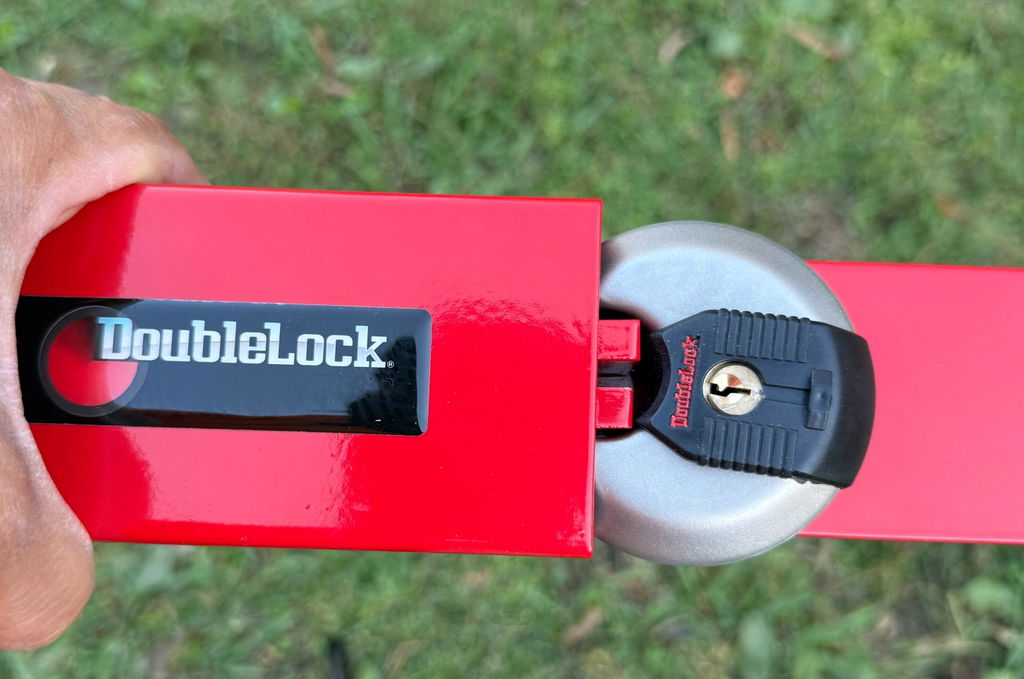
Edge-to-edge locking secures the shackle across the full width of the padlock body. That design removes the exposed lower-shackle gap that bolt cutters typically target. Instead of leaving a cutter-friendly opening beneath the body, the lock presents a more enclosed locking profile at the point where the gate latch holds the shackle.
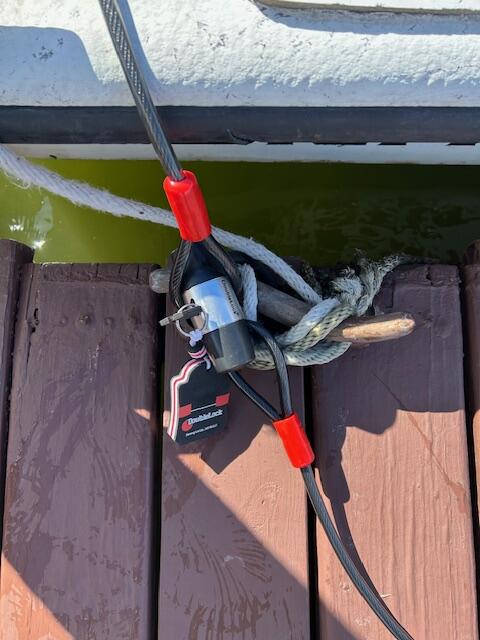
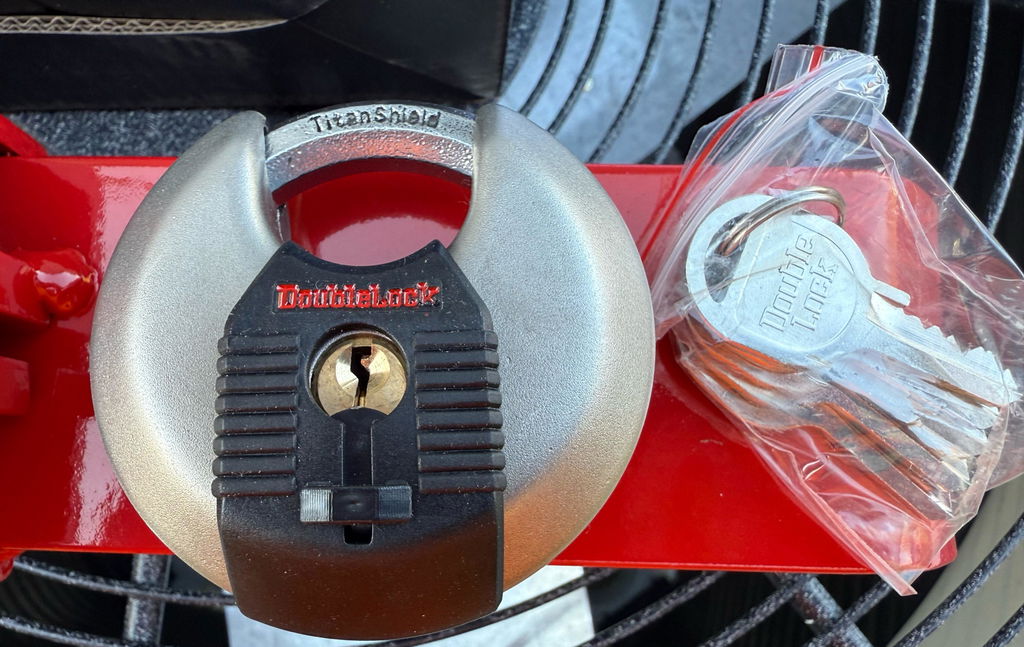
Double-locking adds another layer of resistance by holding the shackle at both ends rather than relying on a single locking point. Together, double-locking and edge-to-edge construction create a more deliberate barrier for perimeter gates, especially where an exposed padlock would face repeated tampering. Review the RED HAWK and FALCON X heavy-duty padlocks when comparing options for an outdoor commercial gate lock.
Fit still determines whether the design works in the field. Measure the gate frame, latch opening, shackle clearance, and mounting position before ordering. As general market context, industrial latches commonly accommodate gate openings from 2 to 6 inches, but that range does not represent a DoubleLock product specification. Match the lock and latch to the actual frame, then confirm that the closed gate leaves no easy path to the shackle or hardware.
Beyond the Gate: Layering Locks Across the Storage Yard
A secured perimeter controls access, but it does not protect every asset inside the yard. Once a person crosses the gate, shipping containers, trailers, equipment, and inventory create separate opportunities for theft. Treat each high-value point as its own security layer. Industrial-grade padlocks and container locks are essential for high-security storage yards because they protect the assets that a perimeter lock cannot reach.
Securing Shipping Containers
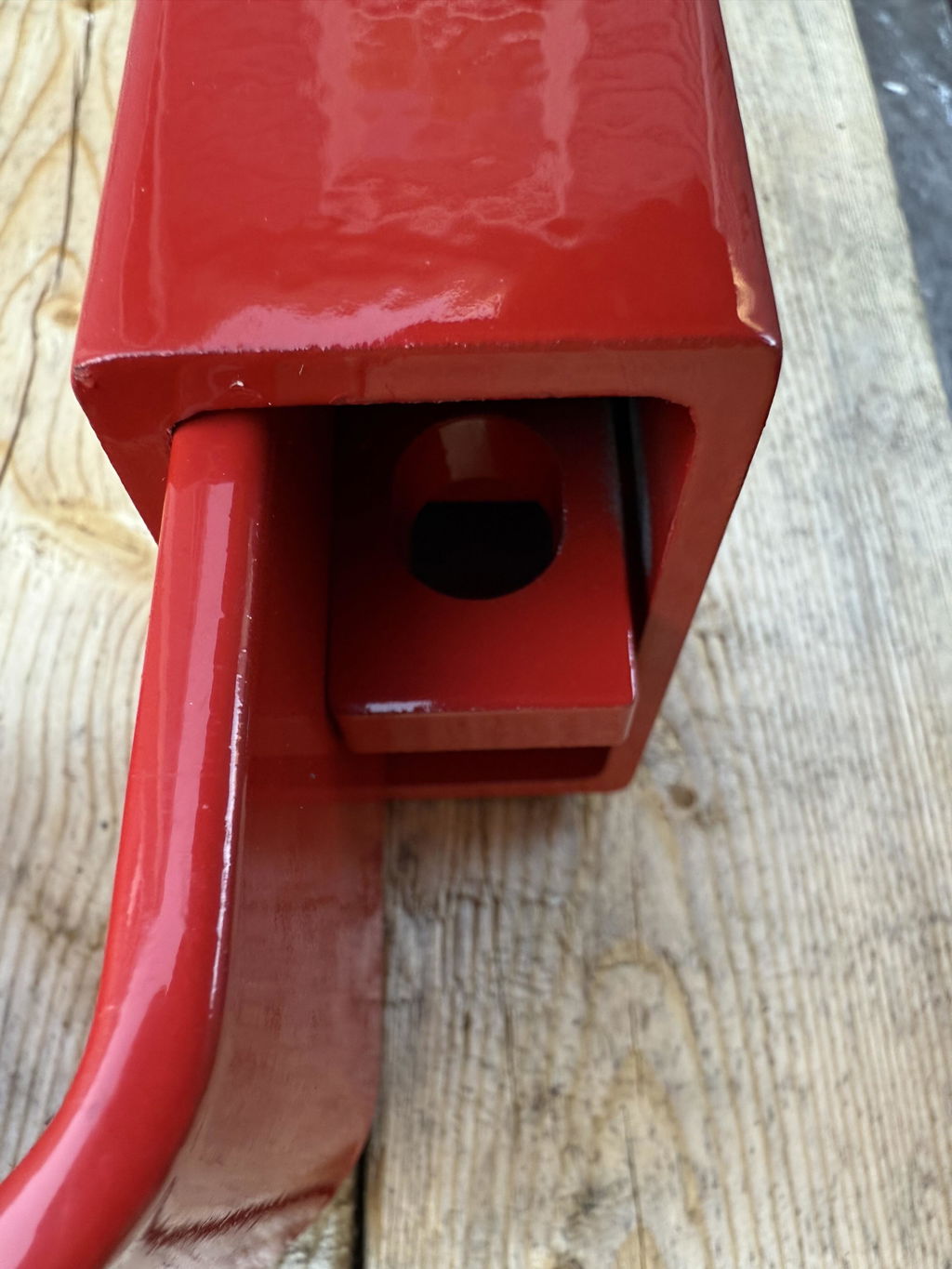
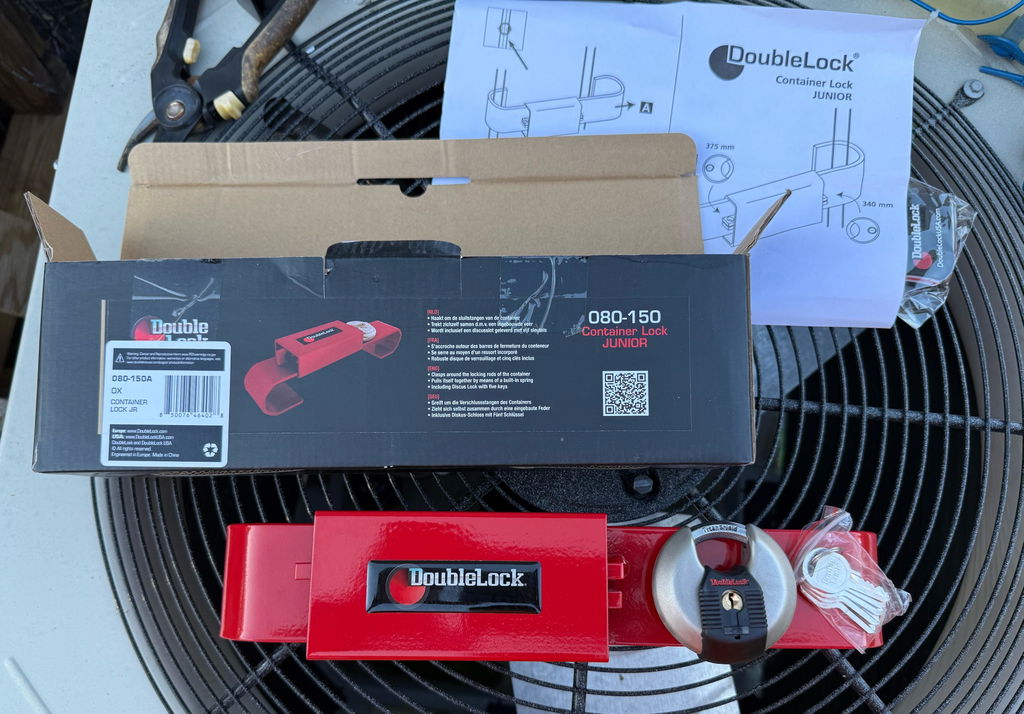
Shipping containers and sea-cans often hold tools, spare parts, materials, and finished goods. Their door lock rods and exposed hardware need purpose-built protection, not a light-duty padlock hanging from an accessible hasp. BULL and RHINO container locks secure the container doors around the locking hardware, placing the lock at the point where an intruder would otherwise attack the mechanism.
Use container protection consistently across the yard. A locked gate with unsecured containers leaves a predictable second target, while a container lock without perimeter control leaves thieves more time and freedom to work. For a deeper look at container-door security and layered hardware, see the shipping container locking system guide. Review the container lock collection when matching protection to the containers on site.
Equipment, Trailers, and Inventory
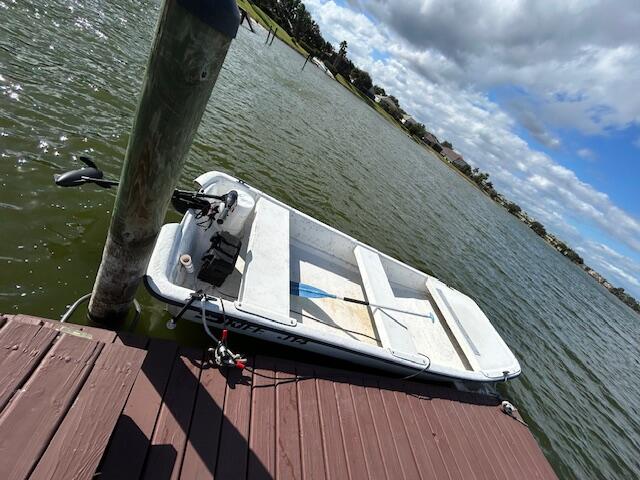
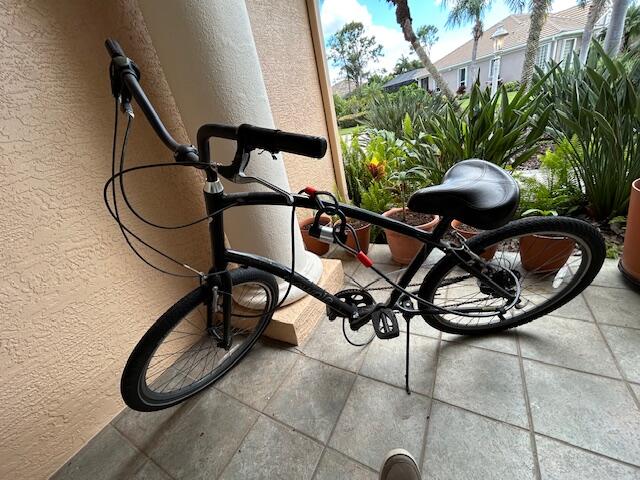
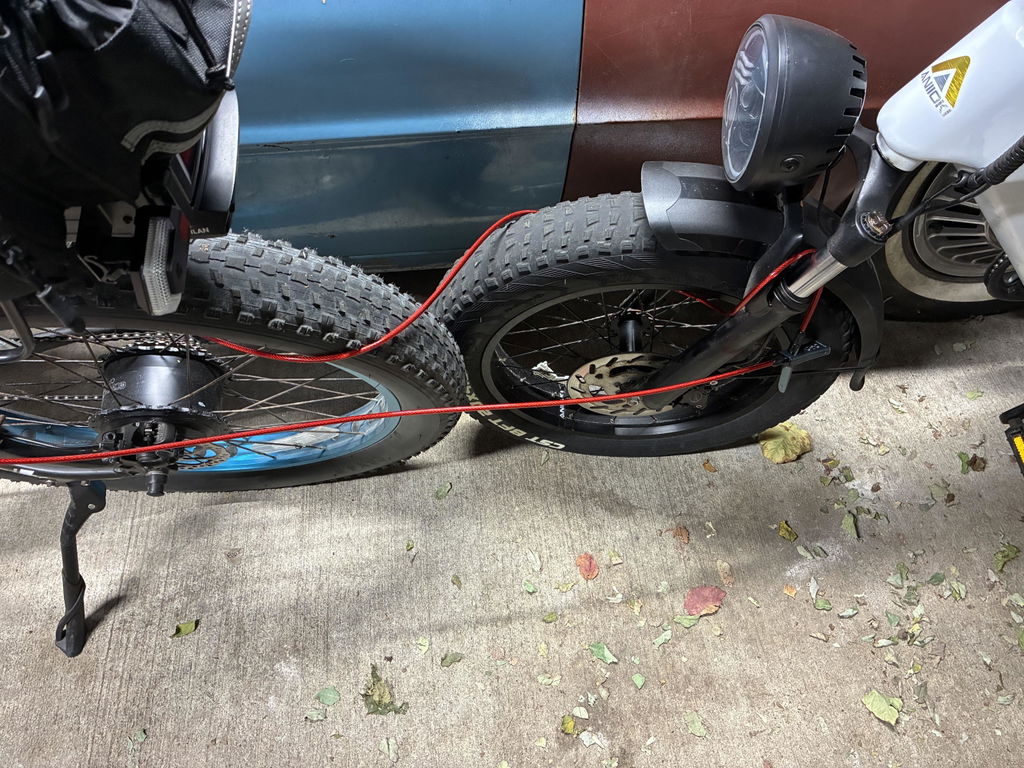
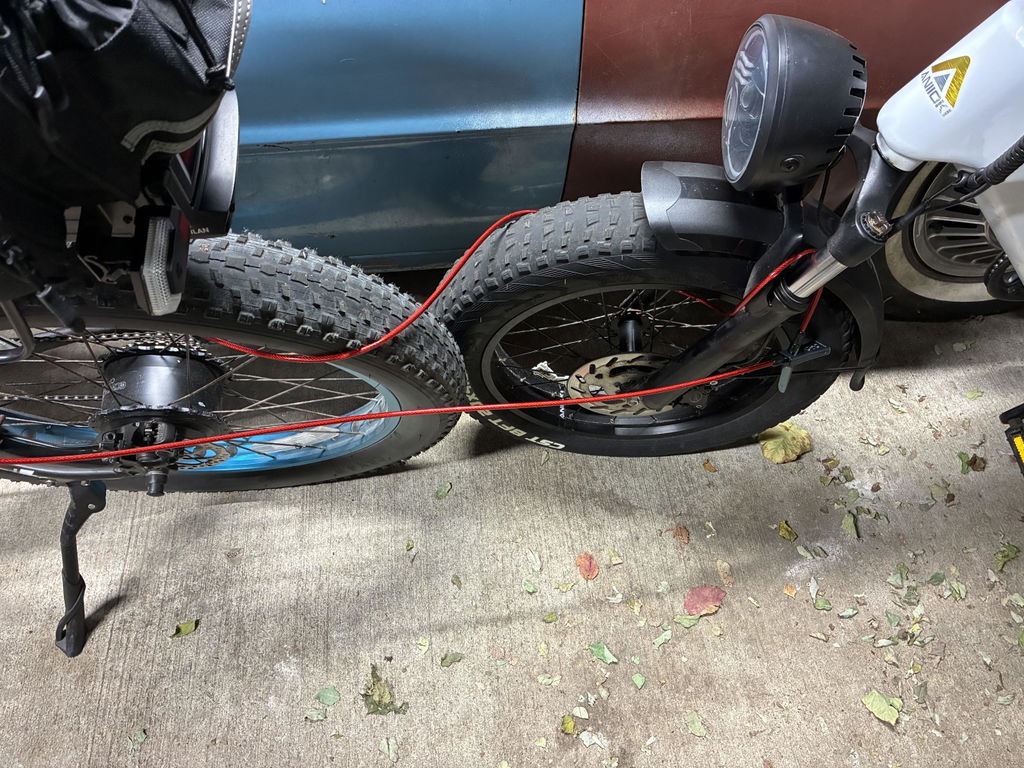
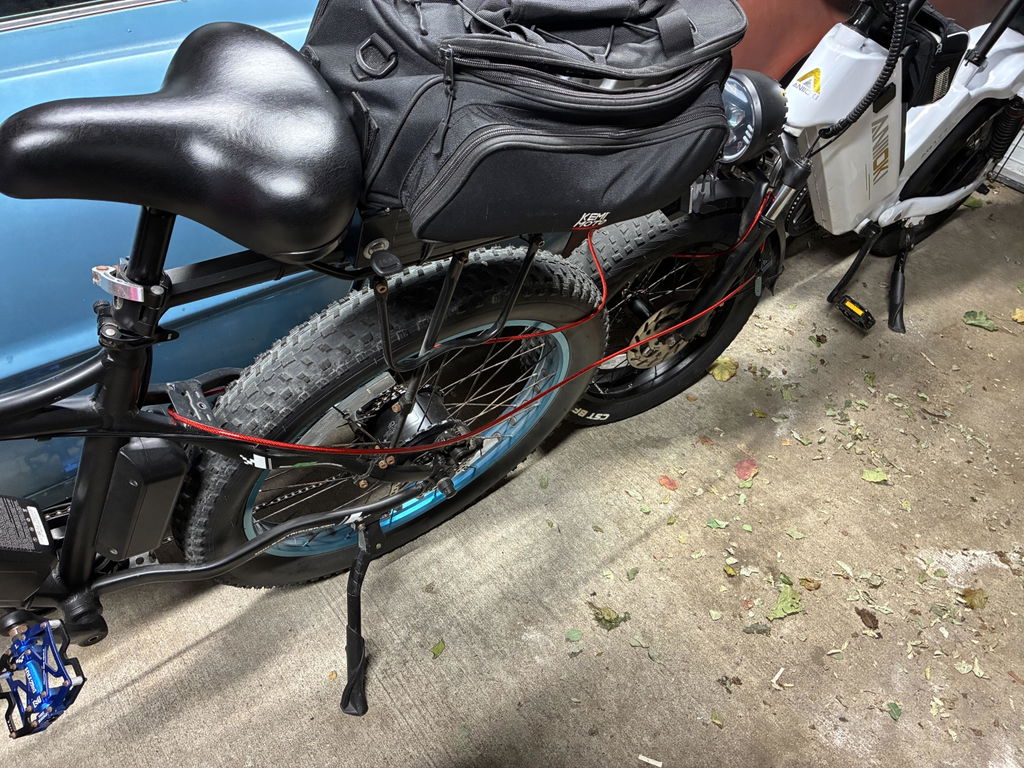
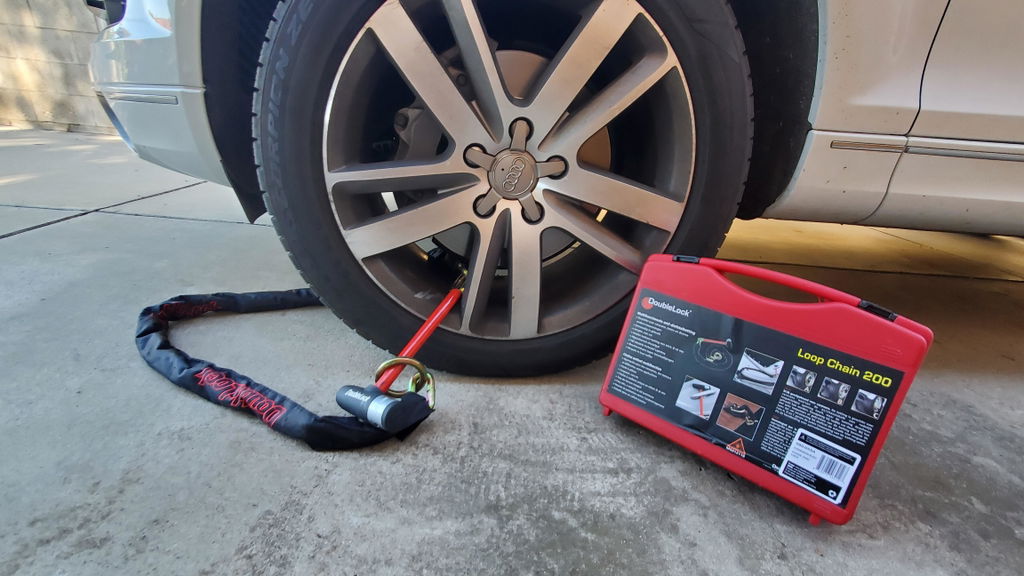
Anchor mobile equipment to a fixed point whenever the layout allows it. The BEAST cable and lock bundle creates a practical connection for equipment and trailers, while a LION kingpin trailer lock protects a parked trailer by securing its coupling point. These layers address different theft paths, so a thief cannot simply bypass one device and move the asset.
Secure storage cages, material racks, and smaller inventory areas with heavy padlocks installed through properly fitted hasps. Place the lock body where it stays protected from direct cutting access, and inspect anchors for looseness, distortion, or corrosion. Choose hardware that fits the door, cage, or equipment rather than forcing one lock style across every application.
No lock is undefeatable. The goal is to create delay, visible resistance, and multiple decisions that raise the effort and risk of theft. Combine the perimeter with container, trailer, equipment, and inventory controls, then inspect every layer as the yard changes.
Building a Yard Security Plan That Holds Up Over Time
A durable yard plan gives every access point a defined control, not just a stronger lock at the main entrance. Facility managers should build the plan around the way people, vehicles, trailers, and equipment move through the property.
- Audit every entry point. Walk the entire perimeter and document vehicle gates, personnel gates, fence breaches, container rows, loading areas, and less-visible service entrances. Note which openings stay unlocked, which gates share keys, and where a person or vehicle could bypass the intended route. Repeat the walk after layout changes, temporary fencing, or seasonal operations.
- Harden the primary gate. Install a heavy-duty commercial gate lock over a solid hasp that matches the gate frame and latch geometry. Size the padlock and hasp together so the shackle does not leave unnecessary attack space. A RED HAWK or FALCON X padlock gives the gate a purpose-built locking point, but the surrounding hardware must also resist prying and pulling.
- Secure containers, trailers, and equipment separately. Do not treat the perimeter gate as the only barrier. Use BULL or RHINO container locks for shipping containers, a BEAST cable bundle for movable equipment and inventory, and a LION kingpin lock for parked trailers. Match each lock to the asset and its exposure. Explore the rental and construction security collection for yards that cycle equipment between jobs.
- Layer monitoring and lighting. Add clear lighting around gates, container rows, blind corners, and loading zones. Pair those improvements with cameras, access logs, or guard checks suited to the site. Monitoring gives managers visibility, while physical locks slow unauthorized access. Neither layer should carry the full burden alone.
- Control keys and inspect hardware on schedule. Assign keys by role, record who receives them, and remove access promptly when personnel or contractors leave. Yards serving renters and construction crews cycle many people through the gate, so disciplined key control matters as much as durable hardware. Inspect padlocks, hasps, hinges, and anchor points on a routine schedule. Replace corrosion-seized, bent, loose, or damaged locks before they become an access failure. For multi-site operations or bulk hardware needs, use the wholesale security hardware program.
Review the plan after every incident, layout change, and equipment expansion. A repeatable inspection cycle keeps security aligned with the yard you operate now, rather than the yard you secured months ago.
Frequently Asked Questions
What is the best commercial gate lock for security?
The right lock matches the gate, hasp, exposure, and access routine. For an outdoor warehouse or storage yard, choose a heavy-duty padlock with hardened steel construction, a protected shackle, and a mechanism designed to resist bolt-cutter access. Edge-to-edge locking adds another important layer by limiting exposed shackle space. Pair the lock with a properly anchored hasp or gate hardware that is at least as strong as the lock.
Are keyless gate locks effective for outdoor security?
Keyless gate locks provide durable, weather-resistant, key-free access for many outdoor entries. They fit sites that need controlled access without distributing physical keys. Review the lock's construction, code-management process, drainage, and maintenance requirements before choosing one. A keyless design does not replace a strong gate, sound hinges, lighting, or monitoring.
How do you choose a commercial-grade lock for a gate?
Start with the gate's opening, frame, latch, and hasp alignment. Then assess exposure to rain, dust, salt air, and repeated daily use. Select hardened steel and a specialized mechanism that limits cutting and prying access. Confirm that authorized staff can operate and inspect the lock consistently. For multiple facilities, standardize compatible hardware and control key or code access through a documented process.
Are there waterproof keyless locks for outdoor gates?
Some keyless gate locks are designed for weather-resistant outdoor use, but no lock should be treated as maintenance-free or completely immune to water intrusion. Check the manufacturer's installation and care requirements, keep the mechanism clean, and inspect it after severe weather. For harsh storage-yard conditions, compare keyless access with a sealed, heavy-duty padlock that your team can service and replace on schedule.
What features should a commercial gate lock have?
Look for hardened steel, protected locking components, weather-resistant construction, and a design that limits bolt-cutter access. Edge-to-edge locking is a valuable differentiator for perimeter security. Match the lock to a reinforced hasp, latch, or anchor, and choose an access method that your staff can manage without creating uncontrolled spare keys or shared codes. No lock is undefeatable, so layer it with fencing, lighting, monitoring, and secured containers.
Ready to Strengthen Your Yard Security?
A properly selected lock gives your gates, containers, and stored equipment a stronger physical barrier against unauthorized access. Shop heavy-duty padlocks for single-site needs, or contact DoubleLock USA about wholesale yard security for larger operations. Talk to our team about the right hardware for your gate and storage layout.