
A parked boat trailer at a quiet boat ramp takes less than sixty seconds to steal. Thieves target these bare rigs while owners are far out on the water. Standard towing hitches offer almost no real defense against a fast thief.
Secure your trailer before you launch. Shop the DoubleLock USA trailer and towing collection for coupler locks, hitch pin locks, and chain locks built to stop ramp theft.
A boat trailer lock is a heavy-duty device that blocks thieves from hitching your trailer to their own vehicle. To secure your trailer at the ramp, you must block the coupler, lock the receiver pin, and chain the frame. Guidelines from the Louisiana Department of Wildlife and Fisheries state that boat owners must lock the trailer tongue when leaving it alone. Adding a hardened steel lock to the trailer tongue prevents thieves from simply backing up and towing your boat away. Combine coupler locks with receiver locks and safety chains to build a layered defense that stops most quick theft. These physical barriers force thieves to use loud power tools, making your rig a high-risk target.
Why do thieves target boat trailers so often, and how can you stop them? To protect your gear, you can use a high-security lock like the TITAN hitch pin lock. We look at these threats in the next section, and the path begins with understanding the real risk.
The Real Risk: Why Boat Trailers Are Prime Theft Targets
A boat trailer lock is your first line of defense against a multi-billion-dollar theft industry. Boat trailers are easy to steal because they can be hooked up and towed away in under a minute with no boat motor needed. Without a lock securing the coupler, any thief with a truck can drive off with your entire rig.
Owning a boat is a major investment. But without a strong LION kingpin trailer lock, your vessel is an easy target. Each year, thieves steal more than 4,000 watercraft across the country. The average cost of a stolen boat is over 35,000 dollars.
High-value targets on wheels
Boats on trailers are at high risk because they can move fast. A thief does not need to start the boat motor to steal it. They only need to hook the trailer to a truck and drive away. Once on the road, a stolen rig is hard to find.
Many owners spend thousands of dollars to protect their boats but ignore the trailer. But a trailer without a boat trailer lock invites theft. Storing a boat on a trailer makes it easy for thieves to target both assets at once.
Risks at the launch ramp
The launch ramp is a busy place, which makes it a prime spot for theft. When you launch your boat, you must leave your truck and trailer alone. In those few minutes, a thief can back up, hook your trailer, and drive off before you return.
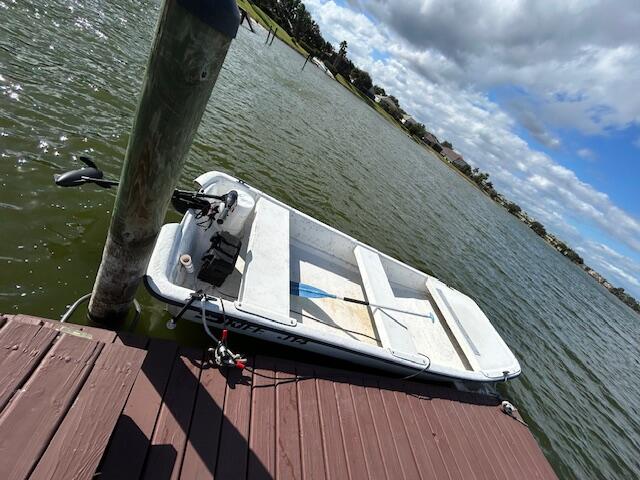
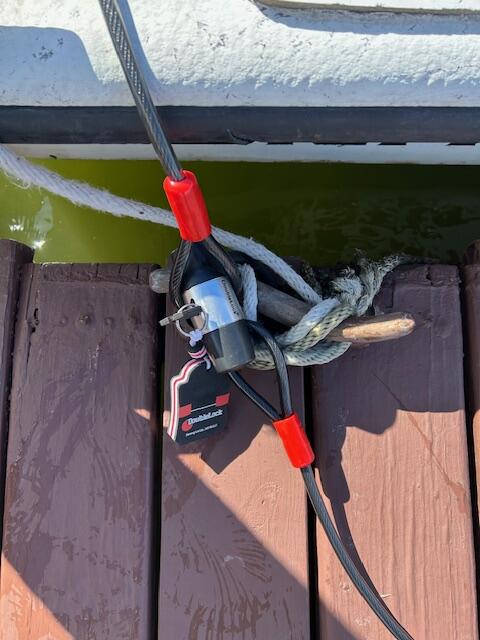
If you moor your boat, you should secure the vessel to the dock with a steel cable and lock. This stops a thief from taking the boat while you park your truck. Using both dock and trailer locks protects your assets at both ends.
State guides suggest that you lock the trailer tongue to a secure post to stop theft. Using a strong boat trailer lock keeps the coupler secure while you are out on the water. These simple steps make your rig a much harder target.
Prime times for trailer theft
Theft does not just happen at busy ramps on sunny days. In fact, thieves often strike when you least expect it. State data shows that thieves often target trailers during bad weather or the off-season. During these times, boat yards and ramps are quiet, giving thieves plenty of time to work.
To lower this risk, you must secure your boat trailer even when you store it. You can chain your trailer to a fixed object in a well-lit area as the Louisiana Department of Wildlife and Fisheries recommends. When a trailer is hard to move, thieves will likely move on to an easier target.
Hitch Pin Locks and Receiver Locks: Securing the Connection Point
A hitch pin lock replaces the standard cotter pin on your trailer hitch receiver with a keyed locking mechanism. This prevents thieves from pulling the pin, removing your ball mount, and connecting your trailer to their own truck. Without a locking pin, a thief can steal your trailer in seconds with no tools.
Many boaters focus only on the coupler when securing their tow setup. But the link between your vehicle and trailer has two main parts. A weak connection point lets thieves steal your boat in seconds. You must protect the receiver and hitch pin to secure the entire tow system.
Standard hitch pin vulnerabilities
A standard hitch pin secures the ball mount to the receiver. This pin stays in place with a simple cotter pin that a thief can pull in seconds. No tools are needed. Once the pin is out, a thief can slide your ball mount from the receiver, slip their own mount in, and drive away.
To prevent this, you must replace the standard pin with a high-quality TITAN hitch pin lock that has a keyed head. This head prevents theft and turns the connection point into a solid barrier. When you park at the ramp, a locking pin keeps your vehicle and trailer connected. Using a strong boat trailer lock stops quick theft, and the state of Louisiana suggests that you lock the trailer tongue to a fixed object.
Titan receiver protection for standard towing
Most boaters pull their vessels with class III or class IV receivers that need tough, rust-free parts. The Titan receiver lock costs $29.99 and fits these common setups. It uses a stainless steel pin to resist wet ramp conditions, as water can rust standard steel locks fast. A rusted lock can fail during transit or jam when you try to open it.
The Titan lock uses an edge-to-edge lock head design that leaves no gaps for bolt cutters. A thief cannot get a grip on the pin with common hand tools. It also has a watertight dust cap to keep water and road grime out of the cylinder. According to industry guides, stainless steel hitch pin locks are a critical component for secure towing.
Scorpion pintle locks for heavy industrial loads
Standard receiver pins do not fit heavy-duty boat trailers that use pintle hitch systems. These heavy trailers need a different type of protection to stay secure. Fleet managers and boat owners use special towing hardware because a standard pin will not provide enough strength. You need a tough lock to secure these trailers.
The heavy-duty SCORPION tow hitch lock costs $199.99 and protects pintle systems by blocking the tow ring. It uses thick steel to resist cutting, which stops thieves from hooking up. This heavy lock is bright red. When a thief sees this lock, they know they cannot steal the trailer quickly.
Trailer Coupler Locks: Blocking the Tongue Connection
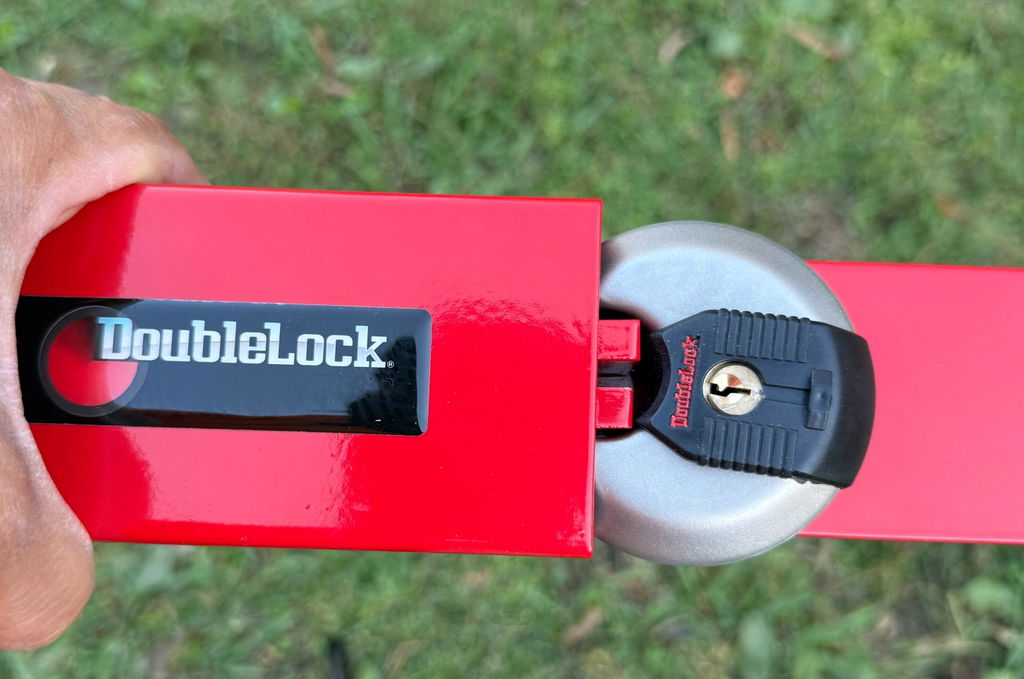
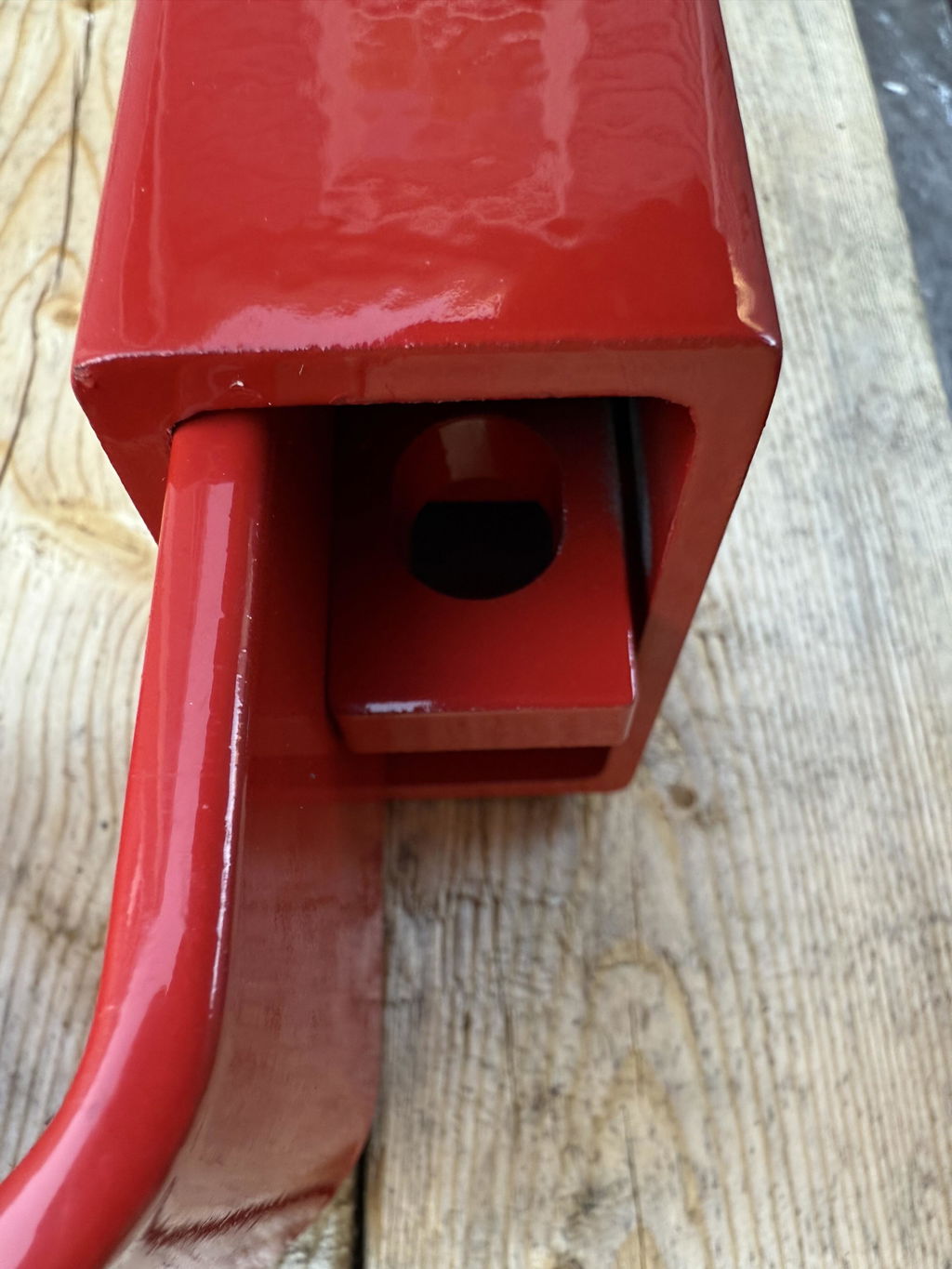
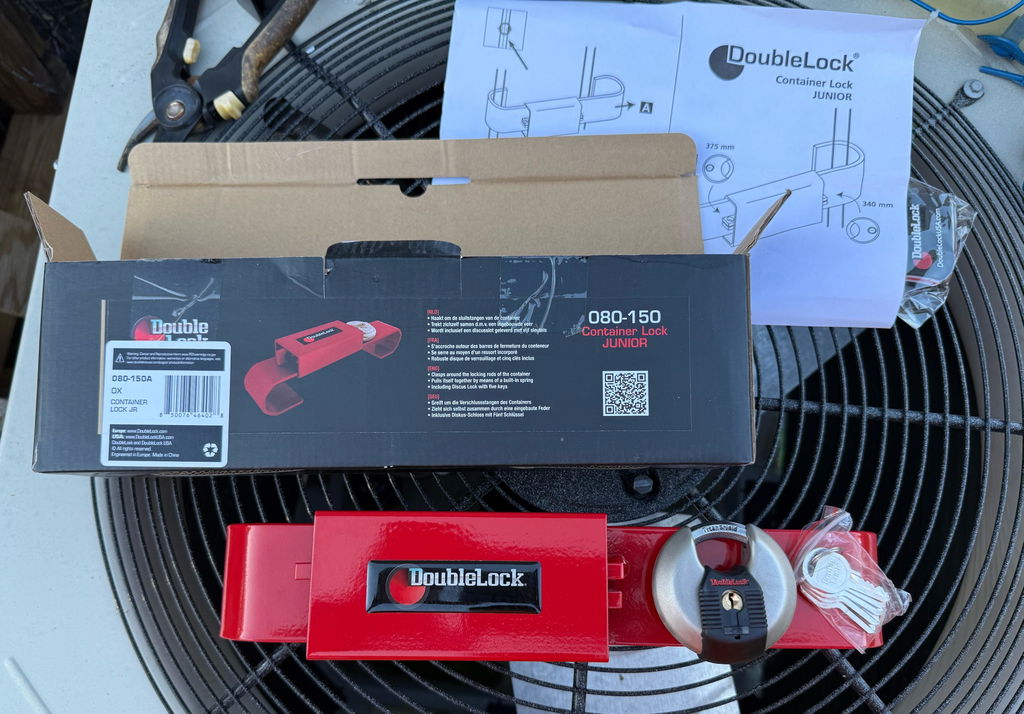
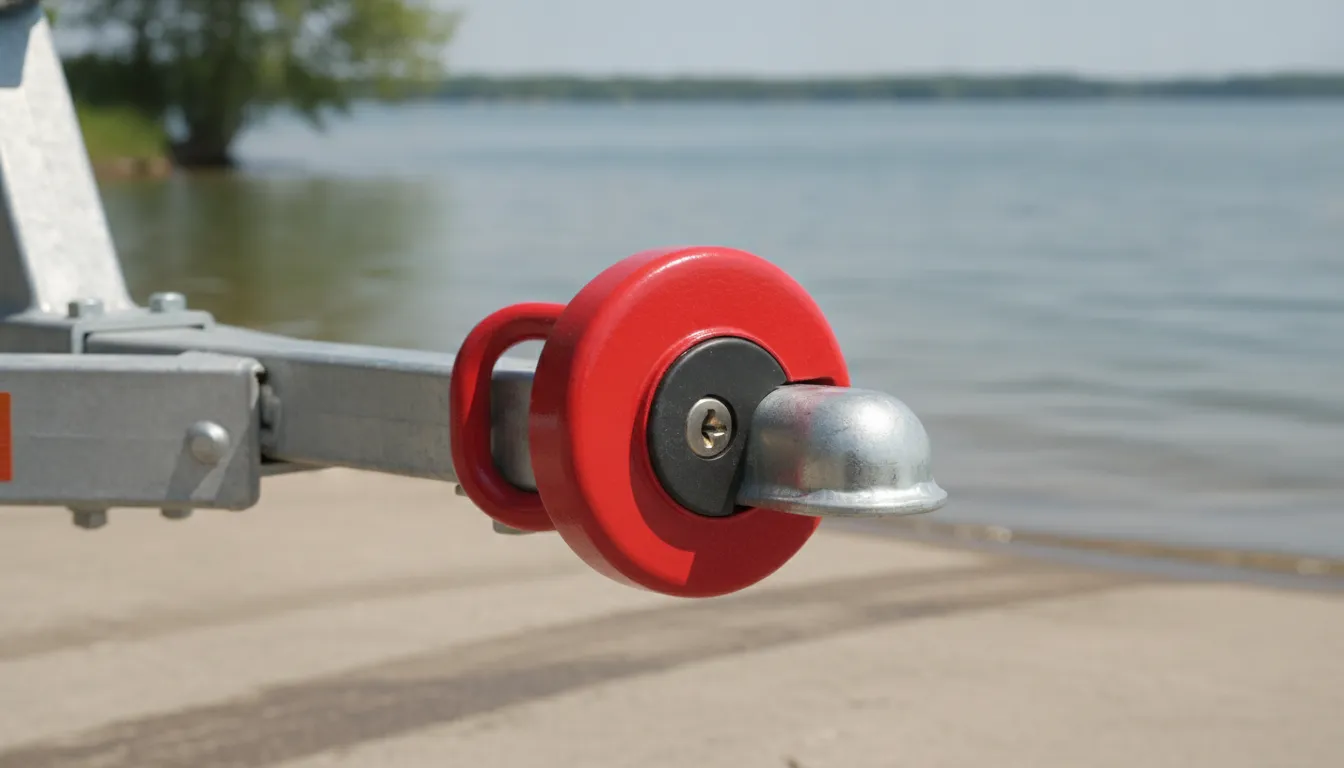
A coupler lock fits over or inside the trailer tongue to block the ball receiver, preventing a thief from lowering your trailer onto their tow ball. This is the single most visible security measure at any boat ramp and the first thing a thief notices when scouting targets.
Leaving a boat and trailer parked at a ramp invites risk, but a coupler lock stops theft cold. These strong devices block access to the coupler. This blocks a thief from attaching your boat trailer to their own truck.
State boat safety rules say to always use a trailer hitch lock when you leave your boat unattended. Locking the trailer tongue or chaining it to a strong post stops a thief from driving away with your gear.
How coupler locks stop theft
A coupler lock fits over or inside the trailer tongue. When you install the lock, it blocks the ball receiver. This means a thief cannot lower your trailer onto their own tow ball. Boat ramps are busy places, and thieves look for easy targets. A bright coupler lock acts as a major warning. It shows you protect your gear, forcing thieves to find another boat.
Marine environments are harsh on security hardware. Saltwater can quickly rust cheap locks, making them easy to break or causing them to freeze shut. Our locks use strong metals and smart designs. This ensures they resist rust and stay strong, even after years of use at saltwater boat launches.
Kingpin locks for heavy trailers
For heavy-duty boat trailers with fifth-wheel or kingpin setups, standard coupler locks will not work. You need a strong lock to block the towing point. The LION Kingpin Trailer Lock gives industrial-grade security for these trailers.
This tough lock sells for a sale price of $99.99 and carries an EU SCM HEAVY rating. It covers the kingpin with solid steel, so a thief cannot hook up their truck. If you tow large boats or manage a towing fleet, this lock protects your gear.
Securing the coupler latch point
Many boat owners forget the coupler latch point. A thief can quickly lift a loose latch and release the trailer from your truck. To stop this, you can use a smaller lock on the latch itself.
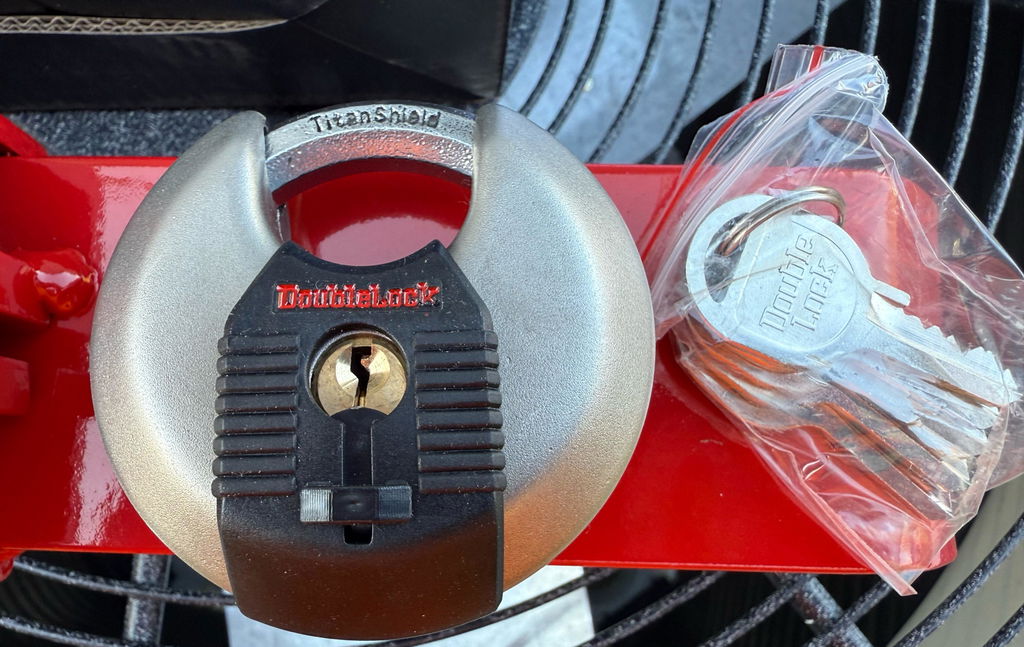
The CRAB Discus Lock starts at $19.99 and fits tightly on most coupler latch points. This flat discus lock has a tight curved shackle that leaves no room for bolt cutters. It also features edge-to-edge locking, which protects the shackle from direct cuts. This design covers the lock body fully, making it hard to cut with saws or pry bars. If you have many trailers, you should use keyed-alike trailer security. This lets you open your coupler locks, hitch pin locks, and discus locks with a single key.
Building a Layered Security System for Dock, Ramp, and Storage
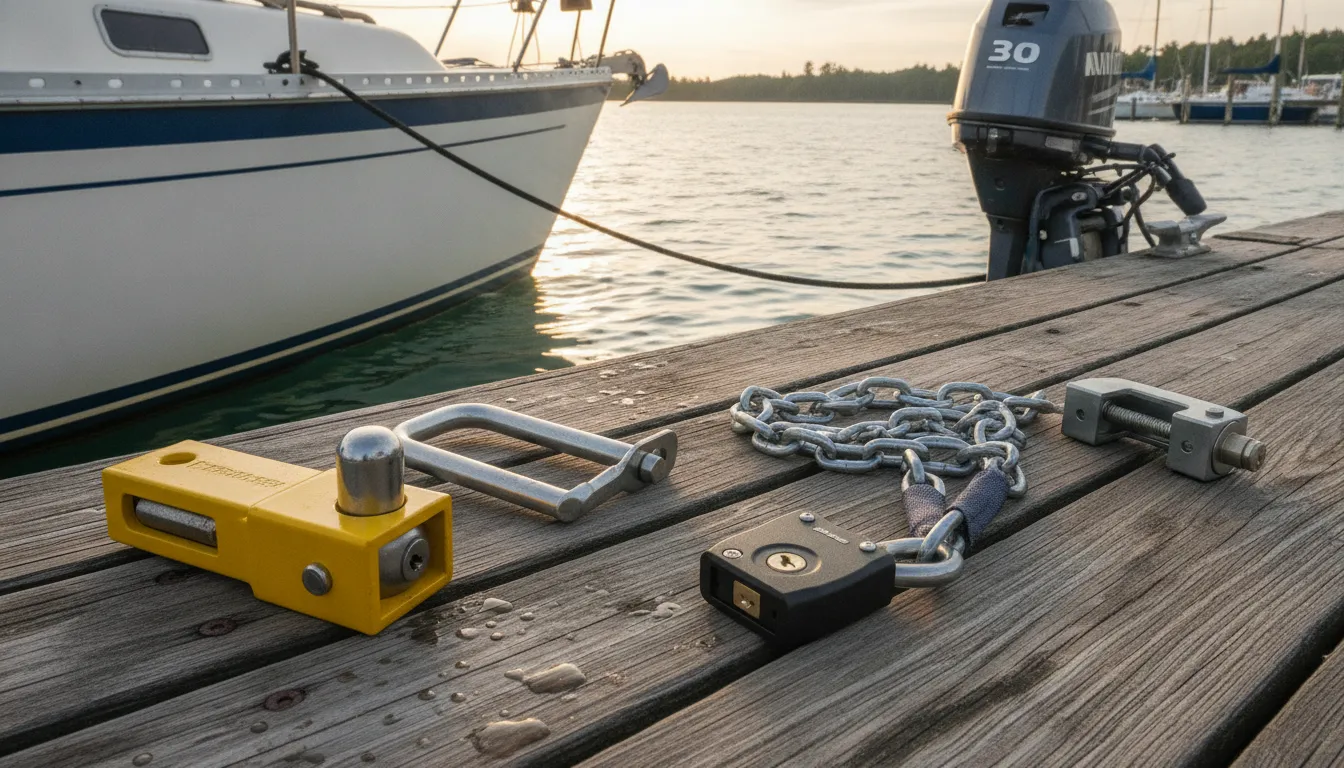
A layered trailer security system uses multiple lock types at different attack points to create a defense-in-depth strategy. No single lock makes your trailer theft-proof, but combining coupler locks, hitch pin locks, chain locks, and motor locks forces thieves to spend too much time and make too much noise.
No single boat trailer lock makes your trailer fully theft-proof. But using more than one lock creates a strong shield that stops thieves cold. If you leave your boat at the ramp, a single lock is not enough. By using different locks together, you make theft a slow, loud, and risky task.
Four steps to secure a trailer
- Put a coupler lock on the tongue. A coupler lock blocks the coupler socket so no one can hook up to your trailer. This protects your trailer at the boat ramp when you are out on the water.
- Secure the ball mount with a hitch pin lock. This lock keeps thieves from pulling your hitch pin and taking the whole ball mount. Without it, a thief can slide the mount out of the receiver.
- Chain the frame to a fixed anchor with the HAMMERHEAD Equipment Lock. This heavy-duty chain and lock bundle costs $199.99 and secures your trailer to a dock post. It uses a hardened steel chain that resists cutting tools.
- Lock the outboard motor. Use the BARRACUDA Outboard Motor Lock, which costs $119.99, to secure the motor clamps directly to the transom. This blocks access to the mounting bolts so thieves cannot unbolt your motor.
| Lock Type | Protection Point | Key Feature | Price |
|---|---|---|---|
| LION Kingpin Trailer Lock | Kingpin / fifth-wheel | EU SCM HEAVY certified, cover plate conceals bolts | $99.99 |
| SCORPION Tow Hitch Lock | Pintle hitch / tow ring | Thick steel blocks tow ring, red visual deterrent | $199.99 |
| TITAN Hitch Pin Lock | Receiver / ball mount | Edge-to-edge lock head, stainless steel pin | $29.99 |
| CRAB Discus Lock | Coupler latch / hasp | Shrouded shackle blocks bolt cutters | From $19.99 |
| HAMMERHEAD Equipment Lock | Trailer frame / dock cleat | 6.8 ft chain with shackle lock bar | $199.99 |
Storage and environmental deterrents
Where you park your boat trailer matters just as much as the locks you use. The Louisiana Department of Wildlife and Fisheries says to chain your trailer to a fixed object in a well-lit area to deter theft. Thieves do not want to work in the spotlight where people can see them.
For long-term storage, you should keep your boat, trailer, and motor out of sight. The Louisiana Department of Wildlife and Fisheries advises storing your gear in a fenced area or locked building. Storing your trailer inside a garage or behind a tall fence removes the target from view.
Using multiple locks can be a hassle if you have to use a different key for each one. You can make your setup easy by using a keyed-alike trailer security system so one key opens everything. Check out the DoubleLock USA trailer locks collection to find the right hardware for your boat.
Why Saltwater Corrosion Resistance Matters for Boat Trailer Locks
Saltwater acts as an electrolyte that accelerates rust on exposed steel, which means a standard lock can seize up or fail within weeks of regular use at coastal boat ramps. Marine-grade locks use stainless steel components and weather seals to resist this decay and stay functional season after season.
When you use a boat trailer lock near boat ramps, docks, and coastal bays, the salt air and wet conditions speed up metal decay. Standard retail locks rust quickly in these conditions because they lack marine-grade protection. A seized lock is worse than useless if it freezes when you need to unhitch your trailer at a busy ramp.
The Threat of Saltwater Rust
Saltwater acts as an electrolyte that speeds up the rusting process. When salt water coats steel, it drives oxidation far faster than fresh water. Standard locks often rely on cheap steel or thin zinc plating that breaks down in weeks under coastal air.
According to the Louisiana Department of Wildlife and Fisheries, boat owners must use a boat trailer lock to secure their gear at public launches. Salt air on coastal docks accelerates rust on any exposed steel. If your lock lacks salt-resistant coatings, the internal springs and locking pins will soon corrode and bind.
The Risk of Seized Ramp Hardware
A lock that seizes from rust is useless when you need to unhitch at the ramp. A frozen lock or broken key causes costly delays. Many boaters must use grinders or saws to cut off their own rusted locks. This emergency cutting ruins a day of fishing and leaves your boat vulnerable.
Cutting a seized lock damages your trailer tongue. You must choose marine-grade metals like stainless steel to prevent this costly damage. For towing setups, using stainless steel hitch pin locks ensures the connection remains secure and easy to open.
Marine-Grade Protective Solutions
DoubleLock USA builds security products just to fight saltwater decay. For entry-level security on gear and storage boxes, the OSPREY marine-grade padlock series ($12.99-$19.99) offers low-cost corrosion resistance. These padlocks feature special weather seals and heavy-duty plating to block moisture. They provide rugged protection for boat compartments, coolers, and dock boxes.
DoubleLock USA also builds larger towing solutions, such as the LION Kingpin Trailer Lock and SCORPION Tow Hitch Lock. These locks use elite European engineering to withstand both physical attacks and coastal weather. You can browse the full DoubleLock USA trailer locks collection to find the right fit for your towing setup.
Your Boat Trailer Lock Checklist: What Every Owner Needs
Every boat owner needs a minimum of three lock types to cover the critical attack points. You need a coupler lock for the tongue, a hitch pin lock for the receiver, and a chain lock for the frame. This three-point system stops the most common trailer theft methods used at ramps and storage lots.
Essential Trailer Locks
Protecting a boat and trailer takes more than one lock. Thieves look for easy targets at boat ramps and parking lots. You must secure every connection point to keep your property safe. A good security plan stops theft before it starts. It forces a thief to move on to an easier mark.
A high-quality boat trailer lock acts as a strong physical barrier. It also helps when you leave your boat alone. Focus on the main parts of your trailer first to build a solid defense. Doing this makes your setup much harder to steal.
Vessel and Motor Security
- Use a hitch pin lock on the receiver. This lock stops someone from pulling the hitch pin out and stealing your entire trailer setup. It keeps your trailer locked tight to your truck.
- Install a coupler lock on the trailer tongue. This stops a stranger from hooking up to your trailer. It blocks access to the coupler cup so no other ball can fit inside.
- Chain the trailer frame to a fixed object using the HAMMERHEAD Equipment Lock ($199.99). This heavy chain secures your trailer when parked at a dock or storage lot.
- Lock the outboard motor with the BARRACUDA Outboard Motor Lock ($119.99). The Louisiana Department of Wildlife and Fisheries suggests locking your motor and fuel tanks directly to the craft to reduce theft risk.
- Remove the spare tire from the trailer. Put the spare trailer tire in the trunk of your car to reduce trailer appeal.
- Park in a well-lit area. Bright lights deter thieves and make your boat a hard target. Thieves do not like to work where people can see them.
Parking and Slip Tactics
When you park at a marina, back your boat into the slip. This simple step makes it much harder for thieves to remove your boat quickly. You can also set up a kill switch in a hidden spot to stop anyone from starting the engine without your key.
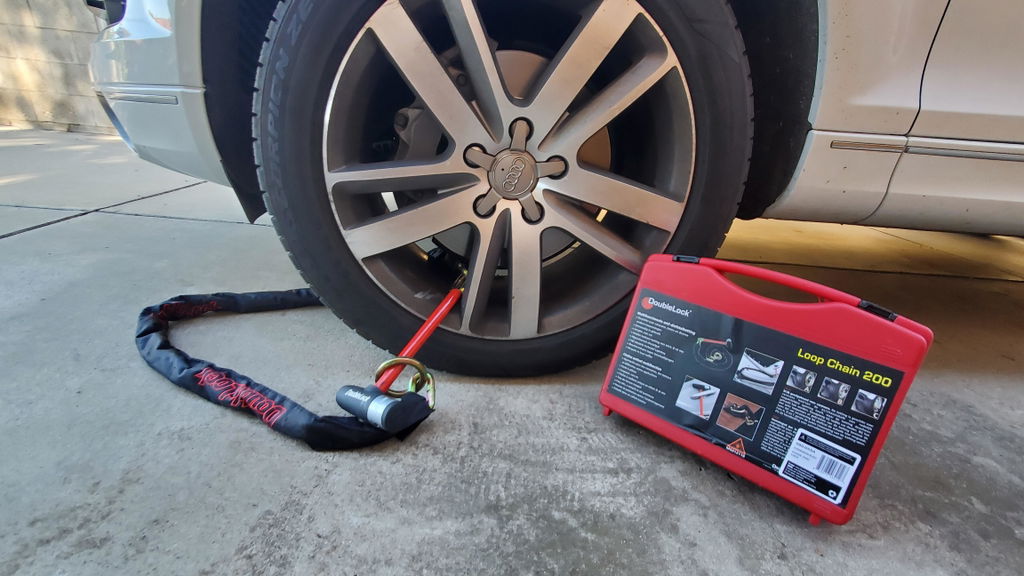
For long storage times, remove the spark plugs or propellers. The Louisiana Department of Wildlife and Fisheries advises taking these extra steps to protect your gear. To secure your trailer frame, run a heavy cable and lock bundle through the wheels. You can find more locks in the DoubleLock USA trailer locks collection online.
Frequently Asked Questions
How do I secure my boat trailer at the dock?
To keep your trailer safe at the dock, you should chain it to a strong, fixed object in a well-lit spot. According to the Louisiana Department of Wildlife and Fisheries, chaining the trailer to a fixed object stops quick theft. You can also lock the trailer tongue to a solid post or tree. This stops a thief from simply hooking the trailer to their own truck and driving away while you are out on the water.
Do I need a hitch lock for my boat trailer?
Yes, you must use a lock on your trailer. Leaving a trailer without a lock makes it an easy target. The Louisiana Department of Wildlife and Fisheries states that you should always use a trailer hitch lock when your boat trailer is left alone. A good coupler lock or hitch pin lock stops a thief from hooking up your trailer and towing it away.
Are boat trailer locks worth the cost?
Yes, they are worth the price. Boat trailer theft can lead to huge losses. A quality lock is a cheap way to protect your boat. According to DoubleLock USA, rugged steel locks act as a key deterrent to stop thieves. No lock is completely unbreakable, but using a tough lock lowers your risk and keeps your gear safe.
What is the best boat trailer lock to prevent theft?
The best setup uses more than one lock to protect different points. You should secure the coupler, the hitch receiver, and the wheels. A high-quality stainless steel lock works best because it resists rust in wet marine spots. As noted in this DoubleLock USA guide, using strong materials like stainless steel ensures your locks remain reliable and tough to cut.
Ready to contact our trailer security experts for your boat trailer?
Leaving your boat trailer without a lock at a launch ramp makes your valuable marine gear an easy target for active thieves. If you do not secure your trailer setup now, a thief can hook up your trailer and boat and drive off in just seconds. Using a keyed-alike trailer security pack makes it simple to protect all of your towing gear today so you can boat without any worry.
Ready to contact our trailer security team? Our security professionals are always here to help you select the best defense for your trailer and boat. Please shop DoubleLock USA trailer and towing locks today to secure your marine investment and stop trailer theft before it starts.