
A thief’s greatest asset is speed. They look for easy targets—ones they can hit quickly without drawing attention. A standard lock on a shipping container is an open invitation, as it can be broken in seconds. The primary job of a high-security shipping container lock is to be a powerful visual deterrent. When a thief sees this robust device, they know breaking in will be loud, difficult, and time-consuming. This dramatically increases their risk of getting caught. Choosing the right one sends a clear message: this container is not an easy target.
Key Takeaways
- Invest in a purpose-built lock: Standard padlocks are not sufficient for shipping containers. Choose a lock made from hardened steel with a concealed shackle and weather-resistant features to effectively prevent cutting, drilling, and corrosion.
- Create layers of security: A high-quality lock is your foundation, but true protection comes from a complete system. Supplement your lock with a steel lock box, place the container in a well-lit area, and consider using alarms or cameras to deter thieves.
- Understand your lock options: Different lock types serve different needs. Heavy-duty padlocks offer a strong baseline, puck locks provide excellent bolt cutter resistance, and crossbar locks add a powerful secondary barrier for maximum security.
Is Your Shipping Container as Secure as You Think?
Shipping containers are built to withstand the elements, but their standard locking mechanisms are often not enough to stop a determined thief. It’s easy to assume that a massive steel box is secure on its own, but the truth is, its security is only as strong as its weakest point: the lock. Whether you're using a container for on-site storage at a construction project, keeping inventory for your business, or protecting personal belongings, the contents are valuable. A break-in doesn't just mean a loss of property; it can lead to project delays, operational downtime, and a frustrating sense of vulnerability.
Adding a high-security lock is a straightforward step to protect your assets and give you peace of mind. This isn't just about adding any padlock. It's about choosing a lock specifically designed for the unique challenges of securing a container. We've built our company on a commitment to security, and we know that the right lock does more than just fasten a door. It acts as a powerful visual deterrent. It’s about creating a barrier that is so difficult and time-consuming for criminals to overcome that they simply move on to an easier target. Think of it as an essential investment in the safety of your property.
The Top Security Risks for Shipping Containers
While shipping containers look tough, they are frequent targets for theft. The standard latch is a well-known weak point, and without reinforcement, it can be compromised quickly. In fact, a recent survey showed that 60% of people using commercial storage containers experienced a security issue within a single year. This highlights a significant vulnerability for anyone relying on a container to keep tools, equipment, or goods safe. Investing in one of our high-quality locks is a critical measure to secure your property against break-ins and prevent the container itself from being stolen.
Focusing on the Door Hardware
A shipping container's thick steel walls can create a false sense of security. While they are incredibly durable, the main weakness of a container is its door hardware. This is the area intruders will almost always target. Standard latches and fastening points are not designed to withstand a determined attempt at forced entry. They can be bypassed with common tools, making them the most vulnerable part of the entire structure. Your security strategy should therefore be centered on reinforcing this specific point of failure, because the protection of your container is only as strong as the mechanism guarding its doors.
A generic security device from a hardware store is not enough to deter a prepared criminal. These can often be cut or broken in moments. The key is to make the process of breaking in as difficult, loud, and time-consuming as possible. A robust, purpose-built security mechanism acts as a powerful visual deterrent, signaling that your container is not an easy target. The strength of this hardware comes from its materials and design. You need a solution made from hardened steel that fits tightly against the door, concealing any areas that could be exploited with tools. Investing in the right security hardware sends a clear message that your assets are well-protected.
Debunking Common Myths About Container Security
A common mistake is assuming any standard padlock will do the job. The reality is that most basic locks can be cut, picked, or smashed open in minutes. While it's true that no lock is completely invincible, the goal of a high-security lock is deterrence. A properly designed shipping container lock makes the process of breaking in significantly harder. It’s specifically engineered to cover and reinforce the door’s most vulnerable parts, like the latch and hasp. This forces a potential thief to spend more time and use louder tools, dramatically increasing their risk of being caught.
Myth: Remote Locations Are Safer
Another common belief is that placing your container in an isolated area keeps it safe. The logic seems sound—out of sight, out of mind. However, this seclusion can actually work against you. When a container is hidden from public view, it also means there are no witnesses. This gives a potential thief the privacy and uninterrupted time they need to work on a lock without the fear of being seen. A remote location can make your container more vulnerable, not less, because it allows for a prolonged attack. This is why having truly robust security hardware is even more critical in isolated settings; it must be strong enough to withstand a determined effort when no one is around.
Myth: A Basic Security Device Is Enough
It’s easy to think that any padlock is better than no padlock, but this is a dangerous assumption. A common mistake is believing a basic security device will do the job. The reality is that most standard padlocks are not built to withstand the force used by determined criminals and can be cut or broken in minutes. The goal of a high-security lock is deterrence. It sends a clear visual signal that breaking in will be difficult, noisy, and time-consuming. A properly designed shipping container lock makes the process of breaking in significantly harder, which is a core part of our design philosophy and a principle we've built into every product.
How to Choose the Right Shipping Container Lock
Choosing the right lock for your shipping container goes beyond picking the biggest one on the shelf. You need a lock built to handle specific threats and harsh conditions. A standard padlock simply won't do the job when it comes to protecting high-value assets. The most effective container locks share a few key characteristics that make them incredibly difficult for thieves to defeat. When you’re ready to shop for a lock, focus on its material strength, design, and ability to withstand the elements. These three features are the foundation of true container security.
Prioritize Cut and Drill Resistance
The first thing to check is a lock’s resistance to cutting and drilling. Thieves often target a container's door hardware, and a basic lock presents little challenge. A high-security shipping container lock is made from hardened materials designed to destroy drill bits and resist bolt cutters. It should also be constructed to shield the most vulnerable parts of the container's latching system. Think of it less as just a lock and more as a piece of armor for your container's entry point. This reinforcement is critical for preventing forced entry and protecting what’s inside.
Look for High-Quality Materials
The materials used to make a lock determine its strength. For true security, look for locks made from hardened steel or other robust metals designed to stand up to cutting tools. It’s a common misconception that the thick walls of a shipping container are its main defense. In reality, the door hardware is the most vulnerable point. A lock made from weak materials can be broken quickly, making the container's inherent strength irrelevant. That's why the best security solutions rely on materials that can handle significant force. This focus on quality materials is a core part of our company's heritage and is essential for creating a lock that delivers genuine security.
Why a Concealed Shackle Is a Game-Changer
A lock’s shackle, the U-shaped part that passes through the latch, is often its weakest point. That’s why a concealed shackle design is such a valuable feature. Puck locks are a great example of this, as their circular shape completely hides the shackle from view, leaving no exposed area for bolt cutters to grab. By enclosing the locking mechanism, these designs eliminate the most common leverage points that thieves try to exploit. When a shackle isn't visible or accessible, it makes a brute-force attack significantly more difficult and time-consuming for a potential intruder.
Ensure It’s Built to Withstand the Elements
Shipping containers are constantly exposed to the outdoors, so your lock needs to be tough enough to handle everything from rain and humidity to dust and extreme temperatures. Look for locks specifically rated for outdoor use. Materials like stainless steel and protective coatings prevent rust and corrosion, which can cause a lock to seize up and fail over time. A lock that rusts shut is not only insecure but can also become a major hassle for you to open. A durable, weather-resistant lock ensures reliable performance year after year, no matter the conditions.
Understand the Locking Mechanism
Beyond brute force attacks, sophisticated thieves may try to manipulate a lock's internal mechanism without breaking it. This is known as a bypass attack, and it includes techniques like picking or shimming. A truly secure lock is designed not just to be strong, but also to be smart. It anticipates these more subtle methods of entry and incorporates features to defeat them. Understanding how a lock protects itself from manipulation is just as important as knowing how much force it can withstand. It’s this internal engineering that separates a basic deterrent from a high-security solution.
Bypass and Shim-Proof Designs
A well-designed shipping container lock should fit snugly against the door, leaving no gaps for tools to be inserted. This is crucial for preventing shimming, where a thin piece of metal is used to push the latching mechanism open. The best locks are specifically engineered to be bypass-proof by hiding any potential access points and creating a tight seal around the container’s hardware. This design philosophy ensures that the only way to open the lock is with the correct key. It effectively neutralizes attacks that rely on finesse rather than force, adding a critical layer of protection for your valuable assets.
Evaluate Keying Options and Convenience
While security is the number one priority, the day-to-day usability of your lock is also a key factor. The right choice will depend on how you and your team need to access the container. Do you have multiple containers to manage, or will different people need access at different times? Thinking through these operational details will help you select a keying system that provides security without creating unnecessary logistical headaches. A lock should make your property safer, not make your job harder. Considering these options ahead of time ensures you get a system that works for you.
Keyed Alike vs. Keyed Different
When you shop for multiple locks, you’ll often see two main options: keyed alike or keyed different. "Keyed different" means each lock has its own unique key, which is ideal if you need to grant access to specific containers to different individuals. "Keyed alike," on the other hand, allows you to open a whole set of locks with a single key. This is incredibly convenient if you are the sole person managing several containers on a job site or at a storage facility. It simplifies key management and saves you from fumbling with a large, confusing ring of keys.
Helpful Features like Tethers and Interchangeable Cores
Small details in a lock's design can make a big difference in its daily use. For instance, some locks come with a steel wire tether that keeps the lock attached to the container even when the doors are open. This simple but effective feature prevents the lock from being misplaced or dropped in the mud, ensuring it’s always ready when it’s time to secure the container. Another useful feature is an interchangeable core, which allows you to rekey the lock without replacing the entire unit. This is perfect for situations where keys are lost or you need to change access permissions quickly.
Exploring the Main Types of Container Locks
Choosing the right lock for your shipping container comes down to understanding the different designs available. Each type offers a unique approach to security, and the best one for you depends on your specific needs and the level of protection you require. From robust padlocks to specialized bar locks, knowing the core features of each will help you make an informed decision. Let's look at three of the most effective options for securing your container.
Heavy-Duty Padlocks: A Versatile Option
A high-quality, heavy-duty padlock is a foundational tool for container security. Unlike standard locks, these are built from hardened steel and designed to resist cutting, prying, and drilling. Look for models with a thick, closed shackle, which leaves very little of the U-shaped bar exposed and makes it difficult for bolt cutters to get a grip. Block locks are another excellent variation, offering a solid body that further protects the shackle. When you select a padlock, prioritize materials and design over a low price point, as a strong lock is your first line of defense.
Monoblock Designs
Monoblock designs take the concept of a solid body to the next level. These security devices are typically machined from a single block of hardened steel, creating a formidable barrier with no obvious seams or weak points to exploit. This one-piece construction makes them exceptionally resistant to drilling and brute-force attacks. Much like a puck-style device, a monoblock’s form factor is designed to completely enclose the shackle, shielding it from bolt cutters and prying tools. By reinforcing the container's existing latch system, these robust security devices create a unified defense that is both a physical obstacle and a strong visual deterrent to any would-be thief.
Puck-Style Locks: Bolt-Cutter Proof Security
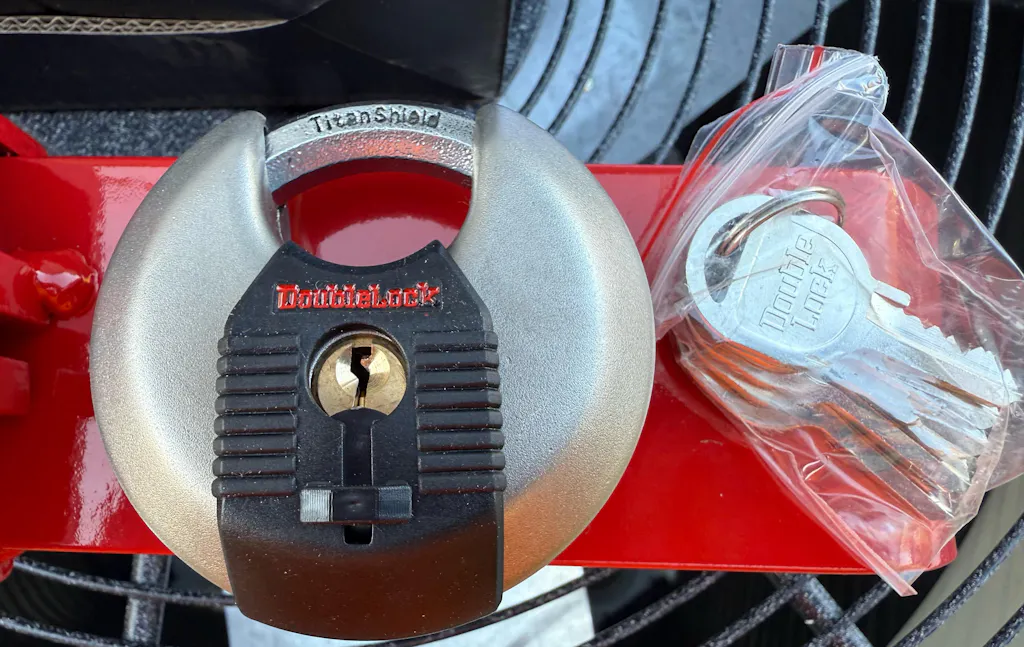
Puck locks get their name from their round, hockey puck-like shape. Their key advantage is a design that completely conceals the shackle within a solid steel body. Since there is no exposed U-bar to cut or pry, they present a significant challenge to thieves. These locks are fitted over the container's latch system, and the internal locking pin secures the doors together. This design makes them a popular choice for anyone looking for a lock that is inherently resistant to bolt cutters. Their unique shape and function offer a streamlined and effective way to protect your assets.
Heavier Weight for Added Strength
When you're evaluating a lock, don't underestimate the importance of its physical weight. A heavier lock is often a stronger lock because that weight comes from dense, high-quality materials like hardened steel. This solid construction is what makes it so resistant to brute-force attacks. A thief trying to drill or cut through a substantial block of steel will have a much harder time than with a lightweight, standard lock. The heft itself is part of the deterrent. It signals that the lock is a serious obstacle. This principle is why our most effective security solutions are built to be substantial, providing a physical and psychological barrier against theft.
Crossbar Locks: For Maximum Door Security
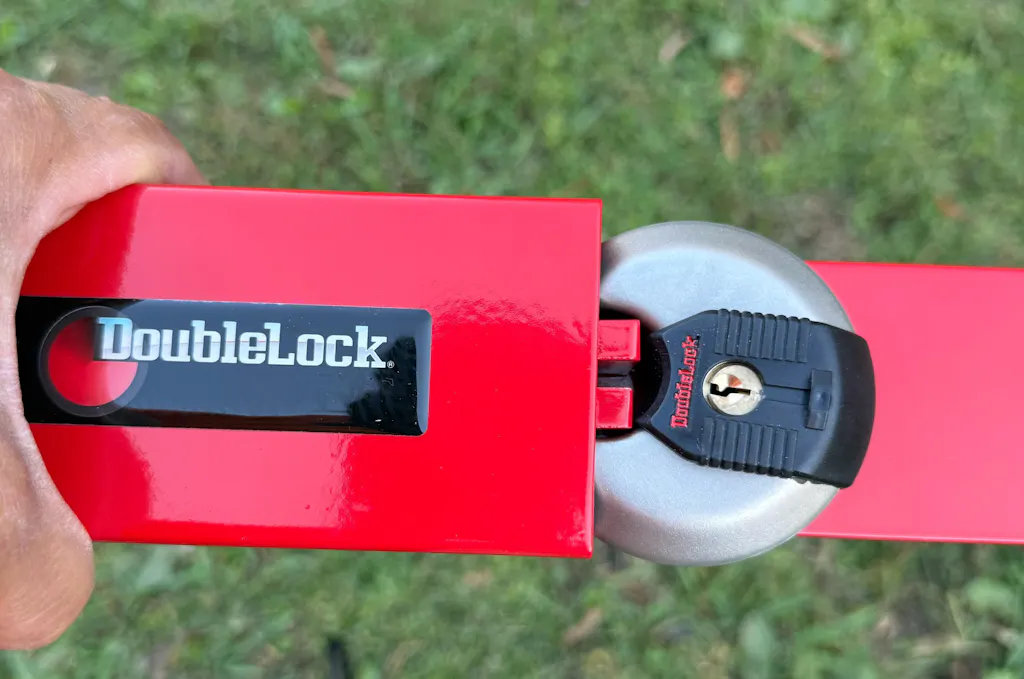
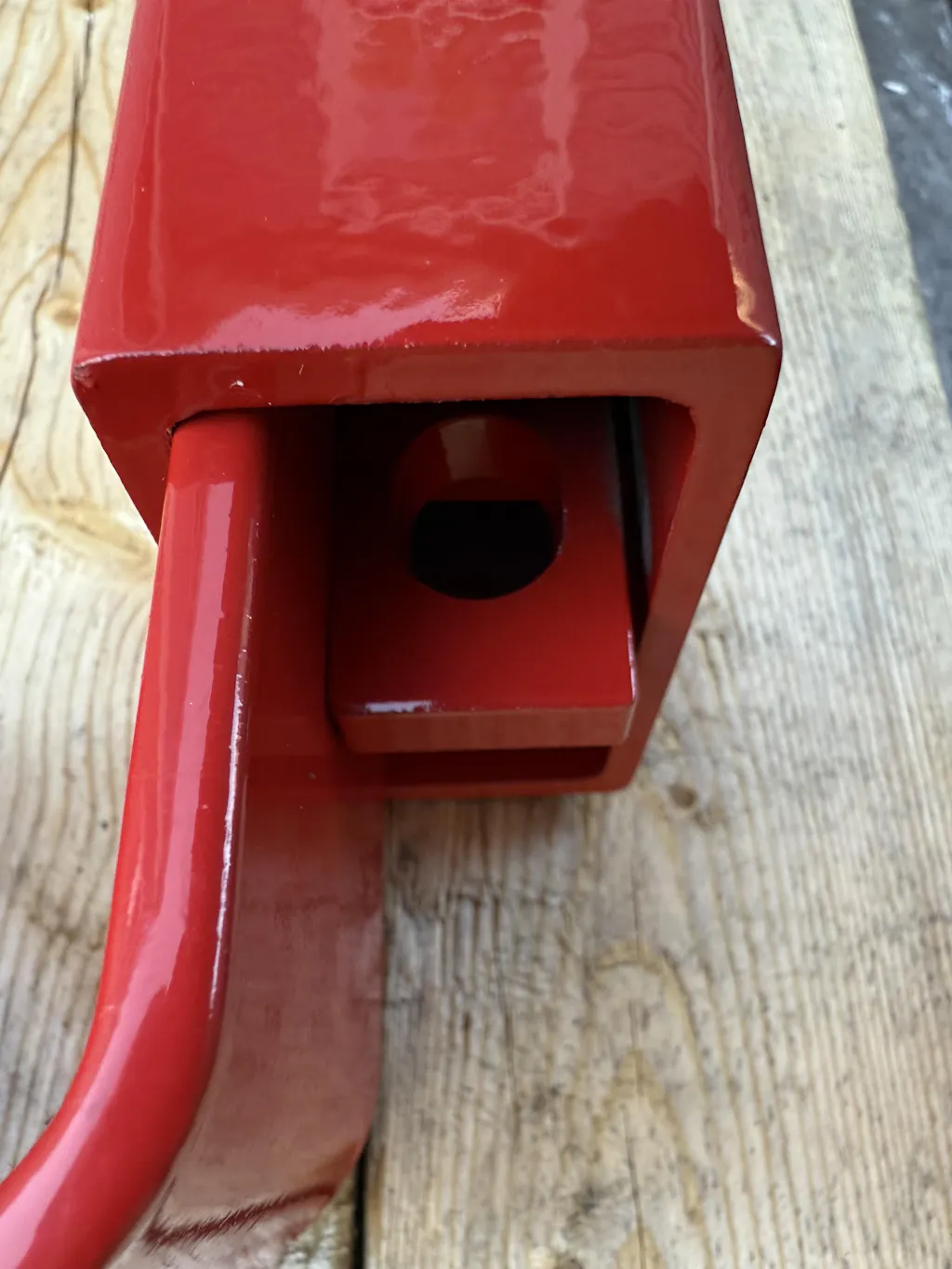
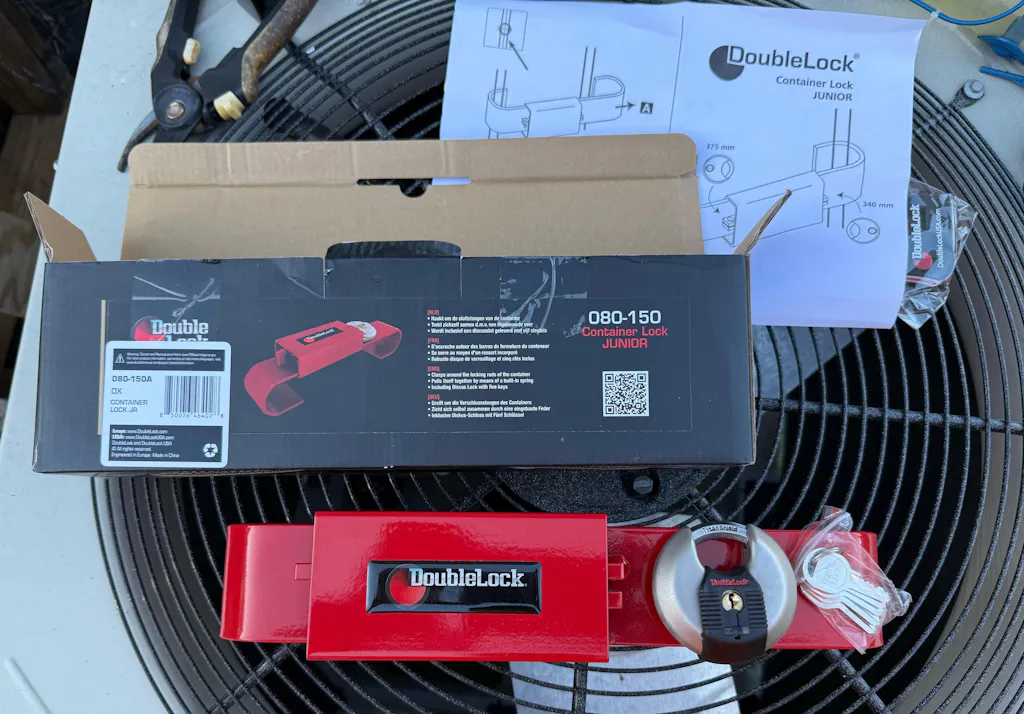
For an even higher level of security, consider a crossbar lock. This device is a heavy steel bar that extends across both container doors, physically preventing them from being swung open. The bar is held in place by the container's vertical locking rods and secured with its own integrated, high-security lock. Even if a thief manages to defeat the primary padlock on the door handle, the crossbar lock acts as a powerful secondary barrier. These specialized locks are a strong visual deterrent and are designed to clamp tightly onto the doors, making it nearly impossible to force them apart.
Our Recommended High-Security Container Locks
When it comes to securing your shipping container, choosing the right lock is one of the most important decisions you’ll make. The market is full of options, but only a few provide the heavy-duty protection needed to truly secure your assets. A high-quality lock is an investment in peace of mind, offering a formidable defense against theft and tampering. To help you make an informed choice, we’ve gathered some of the most trusted and effective locks specifically designed for the rigors of container security. Here are a few top-rated options known for their strength, durability, and reliable performance.
For Toughness: DoubleLock USA Heavy-Duty Models
At DoubleLock USA, we specialize in creating security solutions that stand up to tough conditions. Our heavy-duty locks are engineered specifically for shipping containers, focusing on reinforcing the most vulnerable parts of the door mechanism. Made from hardened steel, these locks are built to resist cutting, drilling, and prying attempts. Their design often includes a shrouded or concealed shackle, which leaves very little of the lock exposed to bolt cutters. This makes them an excellent first line of defense for anyone serious about protecting the contents of their container, whether it’s on a construction site, at a port, or on your personal property.
For Reliability: The Abus Granit Series
Abus is a name that frequently comes up in conversations about high-security locks, and for good reason. The Abus Granit series is particularly well-suited for shipping containers due to its exceptional durability and resistance to manipulation. These locks are crafted from hardened steel alloy and feature a special coating that provides superior corrosion resistance, making them ideal for outdoor use in various climates. Many models also incorporate advanced features like the ABUS-Plus disc cylinder, which offers extreme protection against picking. Their robust construction makes them a reliable and popular choice for securing high-value assets.
For a Custom Fit: PACLOCK’s Container-Specific Designs
PACLOCK offers a range of locks designed with the specific needs of container security in mind. Their UCS (Universal Cylinder System) series is a standout, allowing you to key multiple locks alike, which is a huge convenience if you manage several containers. This means one key can open all your locks, simplifying access without sacrificing security. PACLOCKs are made in the USA from high-grade materials like steel and aluminum, providing solid resistance against physical attacks. Their focus on both strength and user-friendly features makes them a strong contender for anyone looking for a practical and secure locking solution.
For Brute Strength: American Lock Solid Steel Models
American Lock has built a strong reputation for producing tough, reliable padlocks that are well-suited for industrial and commercial applications, including shipping containers. Their solid steel padlocks are known for their strength and ability to withstand harsh weather and determined attacks. These locks often feature boron alloy shackles for superior cut resistance and rekeyable cylinders that offer flexibility for your security setup. Choosing a well-established brand like American Lock provides confidence that you are getting a product that has been tested and proven in real-world security situations, making it a dependable option for protecting your container.
Your Step-by-Step Guide to Securing a Container
Choosing a robust lock is the first step, but how you use it makes all the difference. A high-security lock can only do its job if it’s installed and supplemented correctly. Proper installation ensures you get the full benefit of the lock’s design, while adding extra layers of protection can deter even the most determined thieves. Let's walk through the essential steps to make sure your container is as secure as possible.
How to Install Your New Lock for a Perfect Fit
A quality shipping container lock is engineered to do more than just fasten the doors. It’s designed to cover and reinforce the parts of the door mechanism that are most vulnerable to attack. When installing your lock, make sure it fits snugly and engages properly with the container’s locking rods and handles. A loose or improperly fitted lock can be easily manipulated or bypassed.
Always choose a lock that is specifically made for shipping containers. These high-quality locks are built to withstand the specific stresses and attack methods common to this application. It’s also wise to match the lock to the value of what you're storing. Protecting high-value equipment or inventory warrants a more significant investment in a top-tier security solution.
Accommodating Uneven Doors
Shipping container doors can become misaligned over time, especially if the container is placed on soft or shifting ground. This can make the doors difficult to operate and, more importantly, create security gaps. If the doors don't seal correctly, it can be impossible to properly engage your high-security lock, leaving your assets vulnerable. Before you even place your container, make sure the ground is as level as possible. If you notice the doors are binding or not closing flush, use shims or sturdy leveling blocks under the corners of the container to stabilize it. A well-maintained container with properly aligned doors is not only easier to use but also presents a much stronger defense against unauthorized access.
Operating Container Doors Safely and Correctly
The Proper Open and Close Sequence
Operating heavy container doors correctly is important for both their longevity and your security. Always open both doors fully and secure them in the open position to avoid putting unnecessary stress on the hinges, which can lead to damage over time. When it's time to close up, make sure the doors are properly aligned before engaging the vertical locking rods. Forcing them shut when they are misaligned can bend the hardware and compromise the door's integrity. Once the doors are flush and the rods are secured, you can confidently apply your security device, knowing it has a solid foundation to work with.
Safety Best Practices
Beyond just locking it up, operating a shipping container requires a few safety considerations. Before you swing the doors open, be mindful that the contents may have shifted during transport or settling. A quick check can prevent items from unexpectedly falling out and causing an injury. When moving heavy equipment or inventory in and out, always use proper lifting techniques to protect your back. It's also a good habit to regularly inspect the door hinges and locking mechanisms for wear and tear. Proactive maintenance ensures the doors operate smoothly and reliably, preventing them from jamming shut or failing when you need access most.
Why You Should Add a Lockbox for Extra Protection
For an even higher level of security, consider installing a lock box. This is a heavy-gauge steel housing that gets welded directly onto the container doors, creating a protective shroud around your padlock. With a lock box in place, the padlock’s shackle is completely concealed, making it nearly impossible for thieves to get access with bolt cutters, angle grinders, or saws. It’s a simple addition that dramatically increases the effort required to breach your container.
While installing a lock box adds an extra step and cost, it provides a formidable defense against common break-in methods. This added layer of physical security is a worthwhile investment, especially for containers in remote or unmonitored locations. By hiding the lock from view and direct attack, you create a powerful visual and physical deterrent that sends a clear message to would-be thieves to move on.
Think Beyond the Lock: How to Layer Your Security
A high-quality lock is the cornerstone of your security plan, but it shouldn't be the only component. True security involves creating multiple layers of defense that work together. Think of it as building a complete system around your assets. When you make it difficult for a potential thief at every turn, you significantly reduce your risk. Each additional measure, from where you place your container to the technology you use, adds another barrier. This layered approach ensures that even if one security measure is challenged, others are still in place to protect your property. A determined thief might be prepared to deal with a single lock, but they are far less likely to attempt a break-in if they have to contend with alarms, cameras, and strategic placement. It's about making your container an unattractive and difficult target. This comprehensive strategy is what professionals use to secure high-value sites, and the same principles apply to your shipping container. By thinking beyond the lock, you move from basic protection to a robust security posture that offers genuine peace of mind. Let's look at a few practical steps you can take to build these layers.
Add a Second Line of Defense with Alarms and Cameras
Modern technology offers powerful tools for protecting your assets. Installing an alarm system with motion sensors or door contacts can be a strong deterrent. The moment someone tries to tamper with your container, a loud alarm can scare them off and alert you or a security service. Pairing an alarm with surveillance cameras adds another critical layer. Visible cameras alone can make a thief think twice. If a break-in does occur, the footage provides valuable evidence for law enforcement. These modern security tools are more accessible than ever and give you the ability to monitor your property from anywhere.
Why Container Placement Is a Critical Security Step
Where you put your container matters just as much as what you use to lock it. If possible, position it so the doors are up against a solid wall, fence, or another container. This simple step makes it much harder for anyone to access the doors with pry bars or cutting tools. Always choose a well-lit, high-visibility area for placement. Thieves prefer to work in the dark and out of sight, so eliminating shadows and secluded spots makes your container a less appealing target. This strategy costs nothing to implement but can make a significant difference in your overall security.
Don't Forget to Anchor Your Container
For long-term storage or high-value assets, consider anchoring your container to the ground. This prevents the most brazen type of theft: someone simply hauling the entire container away. You can secure it to a concrete slab or use heavy-duty ground anchors designed for this purpose. This method physically fastens the container to your property, making it an immovable fixture. While it requires more initial setup, anchoring provides an exceptional level of security against sophisticated theft attempts. It’s a crucial step for anyone looking to create a truly secure storage solution.
Protecting Against High Winds and Storms
While a strong security setup protects your container from theft, it’s also important to secure it against the elements. Shipping containers are built tough, but they can be surprisingly vulnerable to extreme weather, especially when empty. High winds can tip or move an unsecured container. To increase its stability, add weight inside with heavy items like sandbags or gravel. Strategic placement also helps; positioning your container against a building or natural windbreak reduces its exposure. For the highest level of protection, anchoring the container to a foundation makes it an immovable fixture. This not only keeps it safe during a storm but also reinforces your defense against theft, creating a complete asset protection plan.
Where to Find the Best High-Security Container Locks
Once you know what to look for, the next step is finding where to buy a reliable shipping container lock. The right vendor ensures you get a genuine, high-quality product instead of a cheap imitation. Your best options fall into three categories: buying straight from the source, visiting a trusted hardware store, or shopping with an online expert. Each path has its own advantages, depending on what you prioritize, from specialized knowledge to immediate convenience.
Buying Directly From the Manufacturer
Purchasing directly from the manufacturer is often the most reliable way to secure your assets. When you buy from the source, you get access to expert advice and the company’s complete product line, ensuring you find the perfect fit for your container. This approach eliminates the risk of counterfeit products and gives you confidence that you’re getting a lock built with the highest quality standards. For instance, you can explore our full range of locks to see specialized designs engineered for maximum protection and durability, straight from the people who made them.
Checking Your Local Hardware Retailers
If you need a lock right away, major hardware retailers are a convenient choice. Stores like The Northern Tool and Lowe's carry a selection of heavy-duty locks suitable for shipping containers. While a standard padlock isn't enough, these retailers often stock tougher options designed to resist tampering and harsh weather. The main benefit here is accessibility; you can see the lock in person and take it home the same day. Just be sure to choose a reputable brand known for its commitment to security, as quality can vary on the shelves. Our company heritage is built on providing that reliability.
Shopping With Online Security Specialists
For those who prefer to do their research, online security specialists offer a wide and curated selection of high-security locks. These websites often provide detailed specifications, customer reviews, and helpful comparisons that you might not find elsewhere. They focus specifically on security hardware, so their inventory is typically filled with products engineered to protect against theft and withstand the elements. Shopping with an online security expert allows you to compare different models and find a lock that meets your exact security requirements, all from the comfort of your home or office.
Related Articles
- 5 Types of Container Locks to Secure Your Cargo
- How to Choose the Best Shipping Container Locks
- The Best Locks for Shipping Containers: A Buyer's Guide
Frequently Asked Questions
I already have a large, heavy padlock. Isn't that sufficient for my container? While a heavy padlock is better than nothing, locks designed specifically for shipping containers offer unique advantages. They often feature concealed or shrouded shackles, which protect the most common point of attack from bolt cutters. They are also made from hardened steel alloys that resist drilling and prying. A standard padlock, even a large one, usually leaves its shackle exposed, making it a much easier target for a quick break-in.
Besides a strong lock, what is the simplest thing I can do to make my container more secure? Strategic placement is one of the most effective security measures, and it costs nothing. If you can, position your container so the doors face a wall, building, or another solid barrier. Leaving only a few feet of space makes it extremely difficult for someone to use tools like pry bars or grinders on the doors. This simple act of limiting physical access can deter many potential thieves before they even try.
When should I use a crossbar lock in addition to a regular padlock? A crossbar lock is an excellent choice when you need a higher level of security, especially for containers storing high-value goods or located in remote, unmonitored areas. Think of it as a powerful secondary barrier. Even if someone manages to defeat the main padlock, they still have to deal with a heavy steel bar physically holding the doors together. It provides a very strong visual deterrent and makes a forced entry attempt significantly more difficult.
Can't a determined thief just cut through any lock with the right tools? It's true that no lock is completely indestructible given enough time and the right equipment. The goal of a high-security lock is not to be invincible; it is to be a powerful deterrent. By using hardened materials and designs that resist common tools, a quality lock makes breaking in a loud, difficult, and lengthy process. This dramatically increases the thief's risk of getting caught, which is often enough to make them abandon the attempt and look for an easier target.
What's the benefit of buying a lock directly from a manufacturer instead of a retail store? Buying directly from a manufacturer gives you confidence that you are getting an authentic, high-quality product rather than a potential counterfeit. You also gain access to the company's full range of specialized security products and can get expert advice to ensure you choose the right lock for your specific needs. While retailers offer convenience, a direct purchase often provides a more tailored and reliable security solution.