
Shopping for a security device can be overwhelming. You're faced with dozens of options, all claiming to be the toughest. How do you know which outboard motor lock will actually protect your motor? We cut through the marketing hype and did the hard work for you. Our team put these devices through rigorous, real-world tests to see which ones hold up and which ones fail. This guide is your clear, straightforward path to the best options available, breaking down the features, materials, and performance of our top picks so you can choose with confidence.
Key Takeaways
- Focus on Quality Construction: The best defense comes from strong, corrosion-resistant materials like marine-grade stainless steel that stand up to both physical attacks and rust. Smart design features, such as anti-tamper collars, provide an extra degree of security.
- Confirm Compatibility for a Secure Fit: An ill-fitting lock offers little protection, so always check that the model you choose is designed for your motor's specific size and mounting style. This simple step ensures the lock performs as intended.
- Create a Layered Security System: A single lock is a great start, but combining it with other measures creates a much stronger deterrent. Consider adding a heavy-duty security cable or a GPS tracker to fully protect your investment.
Understanding the Risk of Outboard Motor Theft
Before choosing a security device, it’s helpful to understand the specific challenges you’re up against. Outboard motor theft isn’t just a minor inconvenience; it’s a calculated crime that can leave you with significant financial loss and ruin your time on the water. Thieves often target motors because they are valuable, portable, and can be difficult to trace once removed. They look for easy opportunities, like boats left unsecured in a marina, on a trailer in a driveway, or even at a dock. Understanding their methods and motivations is the first step in building an effective defense and ensuring your investment remains exactly where you left it.
A Look at Recent Theft Statistics
It’s easy to think theft won't happen to you, but the numbers show it's a widespread issue for boat owners. To put it in perspective, reports from Germany indicate that between 1,000 and 1,300 outboard motors are stolen each year, which highlights the persistent risk. While a simple security device might deter someone looking for an easy opportunity, a determined individual with tools can often defeat basic measures. The real goal of a security system is to make theft as difficult and time-consuming as possible. Beyond just physical protection, there's also a financial consideration. Many boat insurance companies require the use of a "purpose-made lock" to cover theft, making a high-quality device a necessary investment for comprehensive protection.
Our Top-Rated Outboard Motor Locks
Securing your outboard motor is one of the smartest moves you can make as a boat owner. It’s a valuable piece of equipment, and leaving it unprotected is a risk you don’t need to take. With so many locks on the market, finding the right one can feel overwhelming. We've spent time researching and comparing the top options to help you make a confident choice. Our goal is to identify locks that offer real security, not just a visual deterrent. We looked for products that stand up to determined thieves and the harsh marine environment.
During our research, we found several standout designs. For instance, some locks, like the McGard outboard motor lock, use a free-spinning collar that makes it extremely difficult for thieves to get a grip with standard tools. Others, such as the Stazo SmartLock, are known for their incredibly robust construction, earning a reputation as one of the strongest options available. These locks focus on brute-force resistance, using hardened steel to defeat saws and bolt cutters.
Each lock has its own strengths, whether it's a clever anti-theft mechanism, superior materials, or a design that covers critical mounting hardware. In our detailed review below, we’ll break down our top picks, including our own DoubleLock USA Marine Security Lock, to show you how they performed. We'll cover everything from material quality to ease of installation so you can find the perfect match for your motor and your peace of mind.
How to Choose the Right Outboard Motor Lock
Choosing the right outboard motor lock is one of the most important steps you can take to protect your investment. With so many options available, it helps to know what separates a basic lock from a truly secure one. It comes down to three key areas: the quality of the materials, the cleverness of the design, and the precision of the fit. Focusing on these details will help you find a lock that offers real peace of mind on and off the water.
Focus on Strong, Corrosion-Resistant Materials
The foundation of any good lock is the material it’s made from. You want something that can stand up to both determined thieves and harsh marine environments. Look for locks constructed from high-strength metals like hardened steel, carbon steel, or stainless steel. These durable materials are your first line of defense because they resist cutting, drilling, and prying. Brass is also a great option, particularly for its excellent corrosion resistance, which is essential when your boat is exposed to saltwater and humidity. A lock made from weaker metals simply won’t provide the long-term security you need.
Don't Overlook These Key Design Features
Beyond strong materials, a lock’s design plays a huge role in its effectiveness. Smart features can make a thief’s job much more difficult. For example, some locks include a free-spinning collar, which prevents anyone from getting a firm grip to twist or wrench it off. Another feature to look for is a recessed or shrouded shackle, which hides the most vulnerable part of a padlock from bolt cutters. This design adds an extra layer of security that can deter an attack. A well-designed lock will also be built to minimize rattling noise and resist rust, ensuring it works smoothly for years.
Ensuring the Lock Fits Your Motor
A motor lock is only effective if it fits correctly. A loose or ill-fitting lock can be easily defeated or may not provide any protection at all. Before you buy, you must confirm that the lock is compatible with your specific outboard motor. Many manufacturers provide a list of specific part numbers that match up with different motor brands, horsepower ratings, and mounting bolt thread sizes. Take the time to measure your motor’s mounting bolts and check the manufacturer’s compatibility chart. This simple step ensures you get a snug, secure fit that properly protects your motor.
How We Tested Each Outboard Motor Lock
Choosing the right outboard motor lock can feel overwhelming, but we’re here to help you sort through the options. To create this guide, we put each lock through a series of hands-on tests designed to mimic real-world conditions. Our goal was to find out which locks truly deliver on their security promises and which ones fall short. After all, many products sold for protection do not always offer the security you actually need.
We focused on four key areas to determine our rankings: strength against tampering, material quality, overall value, and ease of use. We believe a great lock performs well across all these categories, giving you reliable security without being a hassle to install or operate. This comprehensive approach ensures our recommendations are based on practical performance, not just marketing claims. By breaking down our process, we want to give you the confidence to choose a lock that will effectively protect your investment.
Testing for Strength and Tamper Resistance
A lock’s primary job is to resist being broken. We tested each model’s strength by seeing how well it stood up to common theft methods. This included using hand tools and specialized lock-picking tools for a set period, simulating a thief’s attempt to quickly disable the lock and get away with your motor. Locks that could withstand these attacks for longer scored higher. A lock that can be defeated in under a minute simply isn’t doing its job, so we made resistance to tampering a top priority in our evaluation.
Will It Stand Up to Salt and Sun?
The materials a lock is made from directly impact its strength and longevity, especially in a marine environment. We looked for locks constructed from high-grade materials like hardened steel, stainless steel, or brass, as these are known to resist cutting and drilling. We also paid close attention to corrosion proofing. Saltwater and humidity can cause even a strong lock to seize up or rust over time. Our ultimate buyer's guide explains that a lock’s ability to fend off corrosion is just as important as its brute strength, so we prioritized models built to last in harsh conditions.
Balancing Price and Long-Term Value
While it’s tempting to grab the cheapest option, a good motor lock is an investment in your peace of mind. We compared the price of each lock to the features, materials, and security it offered to determine its overall value. Spending a little more on a quality lock is far more affordable than replacing a stolen outboard motor. Our rankings reflect which locks provide the best security for your money. The most expensive option is not always the best fit, so we focused on finding that sweet spot where price and performance meet.
How Easy Is It to Install and Use Daily?
A security device is only effective if you use it consistently. If a lock is difficult to install or a pain to operate every time you use your boat, you might be tempted to skip it. We evaluated how straightforward the installation process was for each lock, noting whether the instructions were clear and if it could be done quickly. Most of the locks we offer are designed for simple installation. We also considered the day-to-day experience, like how smoothly the key works and how easy it is to attach and remove the lock.
A Review of 8 Top Outboard Motor Locks
After putting a wide range of outboard motor locks through their paces, we’ve narrowed down our top contenders. This list covers options that stand out for their strength, durability, and overall value. When you're protecting something as valuable as an outboard motor, settling for a flimsy security device just isn't an option. You need a solution that can stand up to determined thieves and the harsh, corrosive marine environment. We focused on products that offer real security, not just a visual deterrent.
While some locks come with a higher price tag, it's important to remember what you're paying for. A device with higher-quality materials like stainless steel, complex key mechanisms, and anti-tamper designs offers significantly more protection. Think of it as an investment in your peace of mind on and off the water. We evaluated each item on this list based on its ability to resist tampering, its material quality, and how easy it is to install and use. You can find a variety of security solutions that fit different needs and budgets, but the one thing they all have in common is a commitment to keeping your gear safe. Here are the eight that made our final cut.
1. DoubleLock USA Marine Security Lock
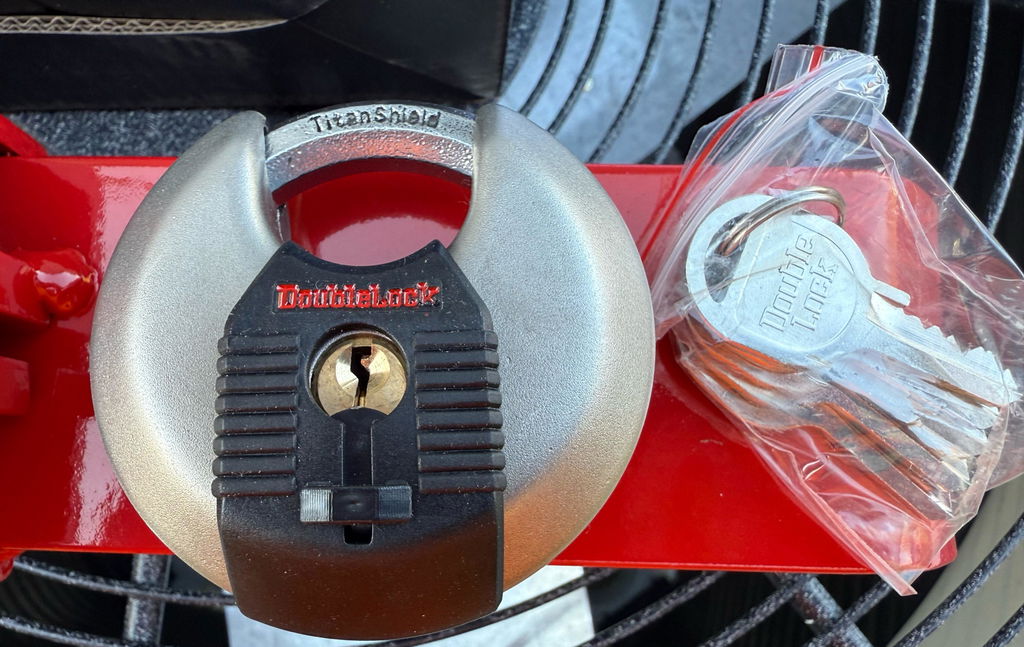
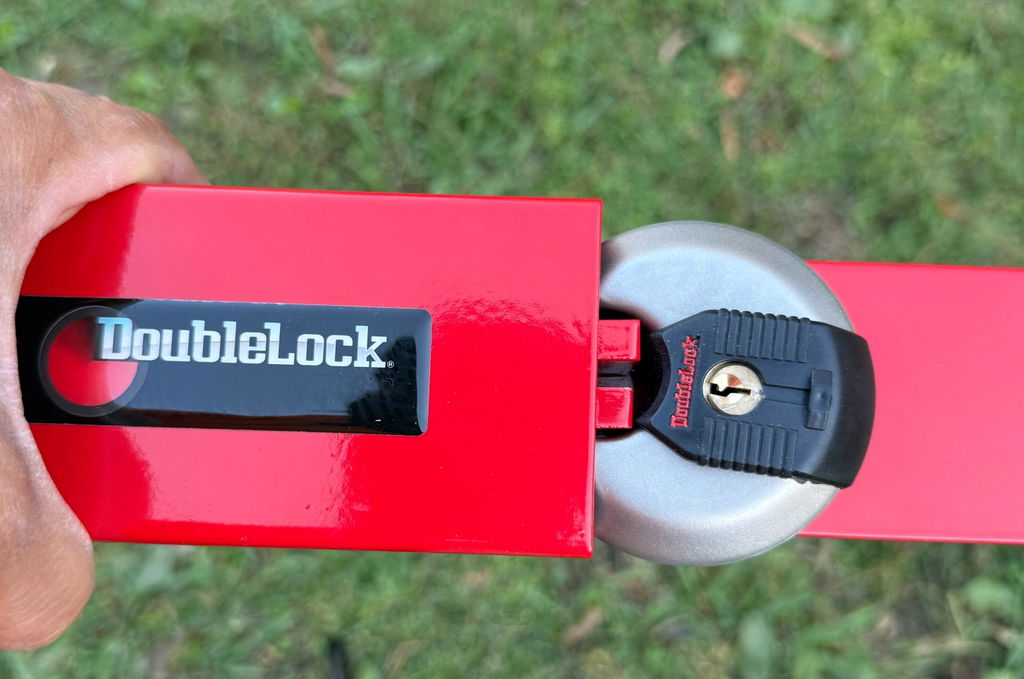
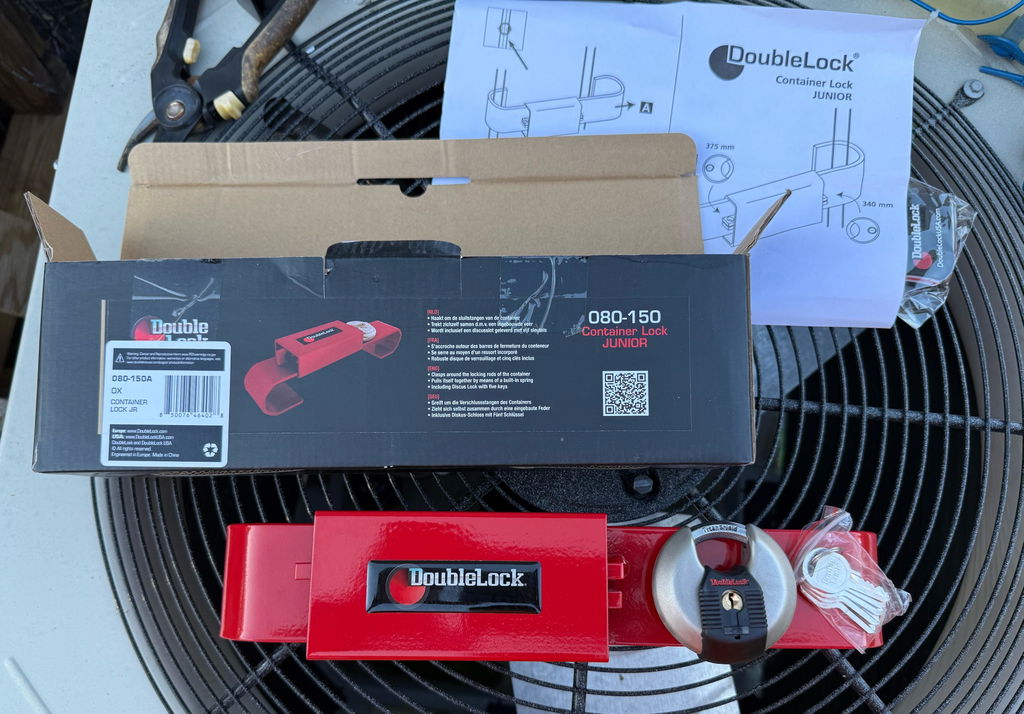
The DoubleLock USA Marine Security Lock is purpose-built to prevent outboard motor theft. It’s constructed from high-quality, corrosion-resistant materials, so you know it will hold up against both tampering and the elements. The robust design is specifically engineered to resist cutting and prying, giving you confidence when your boat is docked. A security device with a proven track record in testing is a worthwhile investment for protecting your motor. This one checks all the boxes for serious marine security, combining a tough build with a reliable locking mechanism that’s made for the real world.
2. McGard 74039 Outboard Motor Lock
McGard is a well-known name in security, and its 74039 Outboard Motor Lock lives up to the reputation. This device is recognized for its durable, through-hardened steel construction and a free-spinning collar that makes it extremely difficult for thieves to grip with tools. It’s designed to fit a wide range of popular outboard motors, providing a snug and secure fit that acts as a strong deterrent. The key design is also unique, adding another layer of protection against picking. For boat owners looking for a reliable and time-tested option, the McGard lock is a solid choice.
Pricing and Technical Details
When it comes to pricing, most of the McGard outboard motor security devices are set at $51.89, with one specific model priced at $60.93. On the technical side, these units are designed with versatility in mind. You’ll find five different thread sizes available to accommodate a variety of motors. According to the manufacturer's product details, all of the listed devices use a standard 5/8-inch hex size for installation. This information is helpful for ensuring you have the right tools on hand and can select the precise model needed for your equipment before you make a purchase.
Compatibility and Verifying Fit
A security device is only effective if it fits correctly, as a loose or poorly fitted unit offers almost no protection. It is critical to check the correct thread size for your specific outboard motor before buying. Manufacturers typically provide detailed charts with part numbers that correspond to different motor brands, horsepower ratings, and mounting bolt specifications. It’s also worth noting that McGard states they are not responsible if motor manufacturers change their thread sizes without notice. Taking a few minutes to confirm compatibility is a necessary step to ensure you get a snug, secure fit that will properly protect your motor.
3. Panther 75-8000 Marine Lock
If you’re looking for a lock that balances strong security with user-friendly design, the Panther 75-8000 is an excellent option. It’s praised for being easy to install and operate, so you won’t be fumbling with it at the dock. Made from marine-grade stainless steel, it’s built to last in saltwater environments without rusting or seizing up. The narrow profile allows it to fit in tight spaces where other, bulkier devices might not. It’s a practical and effective solution for boaters who want dependable security without any unnecessary hassle.
4. TylerBay Outboard Security Lock
The TylerBay Outboard Security Lock is another strong contender, designed with a heavy-duty build that prioritizes theft prevention. This lock features a solid, tamper-resistant body that completely covers the motor’s mounting bolts, leaving no weak points for a thief to exploit. Its straightforward design makes installation quick, and the materials are chosen for their ability to withstand marine conditions over the long term. It offers a great combination of robust security and convenience, making it a popular choice for boat owners who need a reliable device they can set and forget while feeling confident their motor is safe.
5. Proven Industries Latch Pin Lock
Proven Industries offers a unique approach with its Latch Pin Lock. Instead of a traditional clamp-style device, this model secures the motor’s latch pin, effectively immobilizing it. This design is specifically tailored for certain types of motor mounts, so be sure to check compatibility with your setup. It’s constructed from heavy-duty steel and features a puck-style mechanism that is notoriously difficult to pick or drill. For those with a compatible motor, this lock provides a highly specialized and effective layer of security that can withstand serious attempts at removal.
6. Fortress Marine Anchor Lock
While primarily designed for securing anchors, the Fortress Marine Anchor Lock is a versatile and heavy-duty piece of hardware that also works well as an outboard motor lock. Its robust, all-metal construction is built to handle extreme conditions and provides a formidable barrier against theft. The design is simple but effective, relying on sheer strength to keep your equipment safe. If you value multi-purpose gear or are looking for one of the toughest security devices on the market, the Fortress lock is worth considering for its brute force protection and durability.
7. SeaSense Outboard Motor Lock
The SeaSense Outboard Motor Lock is a popular choice for its versatility and ease of installation. It’s designed to fit most outboard motors, making it a great go-to option if you’re not sure about specific sizing. The lock is made from brass and chrome-plated steel, offering good resistance to corrosion in both fresh and saltwater. It also includes rubber inserts to prevent rattling and ensure a snug fit, which is a nice touch for a quieter ride. For a straightforward, no-fuss lock that gets the job done, the SeaSense model is a reliable and affordable pick.
8. Attwood Marine Security Lock
Attwood is a trusted brand in the marine industry, and its security lock reflects that reputation. This device is known for its solid build quality and dependable performance. It features a simple yet effective design that secures over the motor’s clamp handles, preventing them from being loosened. The lock is compatible with a wide range of outboard motors, and its durable construction is designed to resist both physical attacks and corrosion from the marine environment. It’s a solid, all-around performer that provides peace of mind without being overly complicated to use.
9. Master Outboard Security Device
The Master Outboard Security Device is a common sight at many docks, and for good reason. It uses a simple but effective design: a hollow steel bar coated in soft plastic slides over your motor’s clamp handles, preventing them from being loosened. This setup is quite resistant to basic attacks, as the steel is difficult to cut with a standard hacksaw. It’s a straightforward solution that provides a solid visual deterrent and functional security. However, some users report that the device can rattle against the engine, and over time, the plastic coating can wear away, exposing the steel underneath to potential rust.
10. Islander Outboard Securing Tube
With its sleek look and high-quality stainless steel construction, the Islander Outboard Securing Tube is an attractive option. Like similar models, it’s a hollow tube that slides over the clamp handles to secure them. Its greatest strength is its excellent rust resistance, making it a great fit for saltwater environments where corrosion is a constant concern. While it offers good everyday protection against opportunistic theft, it’s important to note its construction. During testing by Practical Sailor, the thin, hollow design was found to be vulnerable to cutting, so it may not be the best choice for high-risk areas.
11. Fulton Outboard Motor Securing Bar
The Fulton Outboard Motor Lok is a bar-style device that clamps directly onto the engine handles. Made from hardened steel, it’s designed to resist prying and comes in as one of the more affordable options on the market. A thoughtful feature is the inclusion of soft foam pads, which help minimize rattling and protect your engine’s finish. While the price is appealing, there are some trade-offs to consider. The paint finish can rust relatively quickly in a marine environment, and the foam pads have a tendency to trap water, which can also lead to corrosion over time.
12. Stazo SmartLock Security Device
For those who prioritize maximum security, the Stazo SmartLock is a heavy-duty contender. This device is crafted from thick stainless steel and attaches to a single engine clamp, making it incredibly robust. Its unique locking mechanism is designed to be highly resistant to picking and drilling, earning it a reputation as one of the strongest options available. It’s an excellent choice for boaters who keep their vessel in areas with a higher risk of theft. One critical point to remember is that the keys are specialized; if you lose them, getting a replacement or removing the device can be extremely difficult.
Which Type of Motor Lock Is Right for Your Boat?
Choosing the right outboard motor lock starts with understanding your specific needs. The best lock for your boat depends on how your motor is mounted, the environment you boat in, and the size of your engine. Getting these details right is the first step toward effective security. By focusing on the lock type, its materials, and the overall fit, you can confidently select a product that will keep your motor safe. Let's walk through the key factors to consider.
Clamp-On vs. Bolt-Through: Which Is Better?
Outboard motor locks generally come in two styles: clamp-on and bolt-through. The correct choice depends on how your motor is attached to your boat. Clamp-on locks are made for smaller motors that are secured to the transom using hand-tightened clamp screws. They are easy to install and remove, offering a convenient security solution. In contrast, bolt-through locks are designed for larger, more powerful motors that are bolted directly through the boat’s transom. These locks provide a more permanent and robust form of security by protecting the mounting bolts themselves. Check your motor’s mounting system to determine which type of lock you need.
The Pros and Cons of Steel, Stainless, and Brass
The material of your lock is its primary defense against cutting, drilling, and other forms of tampering. You should look for locks made from high-strength metals like hardened steel or carbon steel. For marine applications, however, you also have to account for corrosion. This is where marine-grade stainless steel is the superior choice. It provides excellent strength while offering exceptional resistance to rust, even in harsh saltwater conditions. Some locks also feature brass components, which are also naturally corrosion-resistant. Investing in a lock made from quality, marine-ready materials ensures it will protect your motor season after season. You can see examples of these durable materials in our own line of locks.
Getting the Right Size Lock for Your Motor
A motor lock is only effective if it fits properly. A lock that is too loose can be pried or hammered off, while one that is too tight may not engage correctly or could damage your motor’s hardware. To prevent this, you must match the lock to your specific motor. Manufacturers typically design locks for certain horsepower (HP) ranges or for specific mounting bolt diameters. Before making a purchase, check your motor’s specifications and compare them against the lock’s compatibility information. Many brands offer detailed charts to help you find the right fit, ensuring you get a snug, secure connection that provides real protection.
Securing Small Motors Under 45 HP
If you have a smaller motor under 45 horsepower, it's likely attached with simple clamp screws, which unfortunately makes it an easy target. A standard U-style security device on the mounting bolts might seem like enough, but thieves can often defeat them with basic tools like bolt cutters. For real protection, you need a more specialized approach. Security experts suggest a stronger defense, like a 'cap lock' made from tough stainless steel that completely covers the nut. Another great option is a 'rail lock' that goes over both bolts. These designs are significantly harder to break, forcing a thief to waste time and likely move on.
Securing Large, Bolt-On Motors
Larger, bolt-on motors have a natural security advantage because they are fastened from inside the boat. This means a thief would have to get into your boat just to access the mounting hardware, which is a major deterrent on its own. While that’s a great starting point, you can easily add another layer of security for complete confidence. The most effective method for these motors is to swap the standard nuts for special locking bolts. They operate like the locking lug nuts on a car's wheels, requiring a unique tool for removal. This simple and effective upgrade is typically all you need to prevent a theft.
How Much Should You Spend on a Motor Lock?
Deciding on a budget for an outboard motor lock is about balancing cost with peace of mind. Think of it as an investment in protecting a valuable piece of equipment. Reliable options typically cost between $50 and $150, and spending a bit more on a quality lock is always less expensive than the headache and cost of replacing a stolen motor. The price often reflects the quality of the materials and the complexity of the lock's design, so it’s helpful to understand what you get at each price point. A higher price tag usually means tougher materials like hardened steel and more sophisticated engineering designed to stop a thief in their tracks.
While a basic lock might deter an opportunistic thief, a more robust model is built to resist drilling, cutting, and prying from determined criminals. The environment where you keep your boat also plays a role. If you're in a busy, well-lit marina, a standard lock might be sufficient. However, if your boat is stored in a more remote or less secure location, investing in a top-tier lock becomes much more important. We'll break down the common price ranges so you can find the right level of security for your needs and your budget, ensuring your motor stays right where you left it. Ultimately, the amount you spend should align with the value of your motor and your personal tolerance for risk.
What You Get for Under $75
In this price range, you can find solid, dependable locks that offer a significant deterrent. This is the starting point for real security, not flimsy, easily-broken products. An entry-level lock from a reputable brand will be made from quality materials designed to resist casual tampering. A well-made lock is a crucial part of your outboard motor security, and spending $60 to safeguard an asset worth thousands is a smart decision. It provides a strong visual deterrent and makes your motor a much harder target for thieves.
When to Invest in a High-Security Lock ($75+)
Moving into this higher price range gets you advanced security features and superior materials. These locks are built to withstand more determined attacks, including those using specialized tools or brute force. For example, a German test on various locks showed that top-tier models could not be opened easily, offering maximum protection. These premium locks often use hardened steel and complex, drill-resistant mechanisms. If you frequently moor your boat in high-risk areas or simply want the best possible protection for a valuable motor, investing in a high-security lock is a wise choice.
Tips for Finding a Good Deal on a Motor Lock
Finding a good deal on a motor lock isn't about the lowest price; it’s about the best value. For security hardware, "you get what you pay for" often holds true, as a higher price usually indicates better materials and design. Look for a lock that balances cost with robust features. The best deal is a lock that fits your budget and provides reliable protection. Most importantly, make sure you shop for a lock that is compatible with your specific motor. An expensive lock is useless if it doesn't fit properly, so always check the manufacturer's specifications for your motor's brand and horsepower.
Outboard Motor Security and Your Insurance Policy
Protecting your outboard motor with a quality security device is about more than just preventing theft; it’s also about satisfying the requirements of your insurance provider. Many boat owners are surprised to learn that their policy may contain specific clauses about the security measures they must have in place. Failing to meet these requirements could put your coverage at risk in the event of a loss. Insurers want to see that you are taking proactive and reasonable steps to safeguard your valuable equipment. This means that the type and quality of the security hardware you choose can directly impact your financial protection.
Understanding this connection between physical security and your insurance policy is a critical part of responsible boat ownership. It’s not just about getting a check after something goes wrong; it’s about creating a comprehensive protection plan for your investment. By selecting a robust security solution and keeping proper records, you not only make your motor a harder target for thieves but also ensure you are in a strong position if you ever need to file a claim. In the following sections, we’ll explore what insurers look for, the hidden risks of a theft attempt, and how to prepare for the claims process.
Understanding Your Insurer's Requirements
When you purchase boat insurance, it’s essential to read the fine print. Many policies will not cover the theft of an outboard motor unless it was secured with an approved anti-theft device. Insurers often have specific standards for what qualifies as adequate protection. According to organizations like the National Insurance Crime Bureau, which works to combat insurance fraud and crime, insurers frequently look for security hardware made from high-strength materials like hardened steel or marine-grade stainless steel. Using a device made from these materials demonstrates that you are taking your security seriously, which is exactly what your provider wants to see.
The Risk of Transom Damage During a Theft Attempt
A stolen outboard motor is a significant loss, but the damage often doesn’t stop there. Thieves are rarely concerned with being gentle, and a common method of attack involves brute force. As experts at publications like Practical Sailor have pointed out, a determined criminal may try to pry or wrench a motor free, causing severe damage to your boat’s transom in the process. This can lead to costly structural repairs that may not be fully covered by your insurance. Investing in a high-quality security mechanism helps protect not only your motor but also the integrity of your boat itself by withstanding these aggressive removal attempts.
What to Expect from an Insurance Claim
If your motor is stolen despite your best efforts, being prepared can make the insurance claims process much smoother. Insurers will require proof of ownership and evidence of the security measures you had in place. This is why keeping detailed records is so important. In the event of a theft, resources from the Insurance Information Institute highlight the importance of having your documentation in order. Be sure to save the receipts for both your outboard motor and the security hardware you purchased. Taking photos of the device properly installed on your motor also serves as powerful evidence that you complied with your policy’s requirements, potentially speeding up your claim and ensuring a fair settlement.
Common Mistakes When Buying an Outboard Motor Lock
Choosing the right security for your outboard motor is a big decision. To make sure you get a device that offers real protection and lasts for years, it helps to know what pitfalls to look out for. A little bit of research upfront can save you a lot of frustration down the road. By avoiding these common errors, you can feel confident that your motor is properly secured every time you leave your boat.
Mistake 1: Settling for a Low-Security Lock
When it comes to securing your motor, not all security devices are created equal. It can be tempting to grab the cheapest option on the shelf, but that often comes at a cost to your peace of mind. Many lower-priced security mechanisms simply don't offer adequate protection, using weaker materials or simpler designs that are easier to defeat. Investing in a high-quality outboard motor lock means you're getting a product built with security as the top priority. A well-made device is an investment in protecting your valuable motor from theft.
Mistake 2: Forgetting to Check Motor Compatibility
An outboard motor security device only works if it fits correctly. Before you make a purchase, it’s essential to confirm that the mechanism is compatible with your specific motor. Manufacturers typically provide detailed fitment guides based on the motor’s brand, horsepower, and even the thread size of the bolts. Take a moment to measure your motor’s mounting bolts and check the manufacturer’s specifications. Choosing the right fit ensures the device installs securely and provides the intended level of protection, without any rattling or loose connections that could compromise its effectiveness.
Mistake 3: Underestimating Weather and Corrosion
Your motor and its security device will face harsh conditions, especially in saltwater environments. Corrosion is a serious issue that can cause a mechanism to seize up or rust through, rendering it useless. Some security products can show signs of rust after just a couple of months on the water. Look for devices made from marine-grade stainless steel or other corrosion-resistant materials. A product designed to withstand the elements will continue to function smoothly and provide reliable security season after season. This durability is a key part of our company heritage and what we build into every product.
Mistake 4: Neglecting Regular Lock Maintenance
Even the toughest security device needs a little care to perform its best. Getting into a simple maintenance routine can significantly extend the life of your outboard motor security mechanism. After each use, especially in saltwater, take a minute to rinse the device with fresh water and dry it thoroughly. Periodically applying a marine-grade lubricant to the keyhole and any moving parts will keep everything operating smoothly. These small steps prevent corrosion and ensure your security device is always ready to protect your motor, as detailed in our buyer's guide.
Your Guide to Installing and Maintaining Your Motor Lock
Choosing a great outboard motor lock is the first step. The next is making sure you install and care for it correctly. Proper installation ensures the lock is as secure as it can be, while regular maintenance fights off the harsh effects of the marine environment, especially saltwater. Let’s walk through the simple steps to get your lock set up and keep it in top condition.
A Step-by-Step Installation Guide
You don't need to be a marine mechanic to install an outboard motor lock. Most manufacturers understand the importance of a user-friendly design, so you’ll find that many locks are quite simple to set up right out of the box. Your lock will come with specific instructions, and it's always best to follow those closely. Generally, for a clamp-on style, you’ll slide the lock over your motor’s two clamp handles, making sure it’s snug. Then, you’ll engage the locking pin or bar and turn the key. This straightforward installation process is a key feature of a well-designed lock, often taking less than a minute to complete.
How to Maintain Your Lock in a Marine Environment
The marine environment is tough on gear, and your motor lock is no exception. To ensure its longevity, a simple maintenance routine is essential. After each trip, especially in saltwater, take a moment to rinse the lock with fresh water. This washes away corrosive salt deposits. Dry it well, and periodically apply a marine-grade lubricant to the keyhole and any moving parts to keep them operating smoothly. Here’s another practical tip: when you install the lock, try to position the keyhole facing down. This simple adjustment helps prevent water from collecting inside, which can lead to rust and a seized mechanism over time. Consistent care helps your lock withstand the elements and protect your motor season after season.
The Importance of Regular Lubrication to Prevent Seizing
Lubrication is a critical part of your maintenance routine, acting as preventative care for your security device. Over time, constant exposure to moisture and salt will cause the internal components of any mechanism to corrode and seize. When that happens, you might find your key will not turn or the entire device is stuck, leaving you unable to secure or release your motor. To prevent this frustrating scenario, you should regularly apply a marine-grade lubricant to the keyhole and all moving parts. This simple action creates a protective barrier that repels water and stops rust from forming. It’s a small step that ensures your security device functions smoothly when you need it, helping you protect your investment for years to come.
How to Stop Your Motor Lock from Rattling
A common annoyance for boaters is the rattling sound a motor lock can make when the boat is underway. While it doesn’t affect security, it can certainly disrupt a peaceful day on the water. Some manufacturers have already addressed this. You’ll find that certain locks come with built-in foam or rubber padding to absorb vibrations and eliminate noise. If your lock doesn’t have this feature, you can easily add a small piece of dense foam or rubber inside the lock housing. This small modification can make a big difference in your boating experience. When you browse our collection, look for models that mention anti-rattle features for a quieter ride.
Beyond the Lock: More Ways to Secure Your Boat
An outboard motor lock is an excellent first line of defense, but a truly secure boat requires a more comprehensive strategy. Think of security in layers. The more obstacles you put in a thief’s way, the more likely they are to give up and move on to an easier target. Combining your motor lock with other security measures and smart habits creates a robust system that protects your investment and gives you peace of mind, whether your boat is in the water, on a trailer, or in storage.
The Importance of Layered Security
Relying on a single lock is a common mistake. For truly effective protection, you need to layer your security. Start by pairing your outboard motor lock with other physical deterrents. A heavy-duty security cable, for example, can add a significant barrier. It’s also wise to store your boat in a well-lit, secure location whenever possible. A simple boat cover can work wonders by protecting your motor from the elements and keeping it out of sight from opportunistic thieves. Finally, take a moment to record your motor’s serial number and keep it somewhere safe. This simple step is crucial for recovery efforts and insurance claims if the worst should happen.
Making Your Motor a Less Attractive Target
Thieves often look for a quick and easy score, so making your motor appear less valuable can be a surprisingly effective deterrent. Instead of advertising a shiny, new engine, you can disguise it. One popular tactic is to remove the branded engine cover, or cowling, and replace it with a plain fabric cover or even an old, scuffed-up spare one. This simple change makes your motor look older and less desirable, which can cause a potential thief to overlook it. As many experienced boaters suggest, this strategy makes the motor harder for thieves to sell quickly, reducing their incentive to steal it in the first place. It’s a low-cost way to make your boat a less appealing target.
Engraving Your Motor for Identification
Permanently marking your motor is another smart layer of security. By engraving a unique identifier, like your driver’s license number or a personal code, onto the motor, you create a permanent link back to you. This serves two purposes. First, it acts as a deterrent, since thieves know that marked property is harder to sell and carries a higher risk of being traced. Second, if your motor is stolen and later recovered, the engraving provides law enforcement with a clear way to identify you as the rightful owner. While it shouldn't be your only security measure, engraving is a simple, one-time task that makes recovery much more likely and makes your equipment a less attractive prize for criminals.
Removing the Motor for Secure Storage
For owners of smaller, portable outboards, the most foolproof security method is to simply take the motor with you when you leave the boat. A thief can’t steal what isn’t there. Storing your motor in a secure garage, storage space, or even inside your home completely removes the opportunity for theft at the dock or marina. For larger boats, you might consider storing it in a secure cabin. Of course, this isn’t a practical solution for everyone, as larger motors can be extremely heavy and difficult to move. But if your motor is light enough to carry, many agree that removing it is the most secure method available. It requires extra effort, but it offers complete peace of mind.
Add GPS Trackers and Security Cables
Adding a couple of key pieces of hardware can make a huge difference. A heavy-duty security cable is a great way to physically tether your motor to the boat or a dock, making a quick theft much more difficult. When you combine a cable with a high-quality lock, you create a powerful deterrent.
A GPS tracker is another smart addition to your security toolkit. These small devices can be discreetly attached to your motor, providing real-time location tracking directly to your phone. If your motor is ever stolen, a GPS tracker dramatically increases the chances of recovery by showing you exactly where it is. It’s a proactive measure that helps you stay in control.
GPS for Recovery vs. Physical Security for Prevention
When securing your motor, it’s helpful to think in two stages: prevention and recovery. Physical security, like a tough outboard motor lock, is your tool for prevention. Its job is to make stealing your motor so difficult that a thief gives up. This should always be your first line of defense, as electronic systems are a good extra layer but not a replacement for physical security. A GPS tracker, on the other hand, is for recovery. It comes into play after a theft occurs, helping you track your motor’s location. While a tracker is incredibly useful for getting your property back, it doesn’t stop the initial crime. The most effective strategy is to combine both. Using a strong physical lock as your foundation and a GPS tracker as a backup creates a layered security system that makes your motor a much harder target and gives you a plan if the unexpected happens.
Practice Smart Storage and Mooring Habits
Your daily habits play a huge role in keeping your boat and motor safe. When you’re not on the water, always try to store your boat in a secure, well-lit area. Thieves prefer to work in the dark where they are less likely to be seen. If you store your boat on a trailer, consider using a coupler lock and a wheel boot to prevent the entire trailer from being stolen. Using a boat cover is another simple but effective habit. It conceals your motor from view, making your boat a less tempting target, while also protecting it from sun and rain. These small, consistent actions form a strong foundation for your boat’s security.
Related Articles
- 5 Best Outboard Motor Security Locks of 2026
- Protecting Your Boat Engine: Why the Barracuda Outboard Lock Is Essential for Marine Security
- Outboard Motor Lock – Barracuda
Frequently Asked Questions
How do I know for sure if a lock will fit my specific outboard motor? The best way to ensure a perfect fit is to check the lock manufacturer's compatibility chart. These charts typically list motor brands, horsepower ratings, and sometimes even specific model years that the lock is designed for. You may also need to measure the diameter of your motor's mounting bolts or the span of the clamp handles. Taking a few minutes to confirm these details before you buy is the most important step to guarantee the lock will be effective.
Is a more expensive lock actually more secure? Generally, a higher price point reflects more advanced security features and stronger materials. While a mid-range lock provides a solid deterrent, premium locks often use hardened steel, complex key mechanisms, and anti-tamper designs that can withstand more aggressive attacks from determined thieves. The right choice depends on the value of your motor and where you store your boat. Think of it as an investment in a higher level of protection and peace of mind.
My boat is always in saltwater. What should I look for to prevent my lock from rusting? For saltwater environments, material choice is critical. You should prioritize locks made from marine-grade stainless steel or those with significant brass components, as these metals offer the best natural resistance to corrosion. Beyond the material, look for designs that protect the locking mechanism from water intrusion. A simple maintenance habit, like rinsing the lock with fresh water after each use, will also significantly extend its life.
Besides a good lock, what is the single most effective thing I can do to protect my motor? Layering your security is the most effective strategy. If you add just one more thing, make it a visual and physical deterrent. Storing your boat in a well-lit area makes it a less appealing target. Additionally, using a simple boat cover conceals your motor from view, which can stop an opportunistic thief from even considering your boat. Out of sight truly is out of mind for many criminals.
What's the difference between a clamp-on and a bolt-through lock, and which one do I need? The choice depends entirely on how your motor is attached to the boat. Clamp-on locks are designed for smaller motors that are secured to the transom with hand-tightened clamp screws. These locks slide over the handles to prevent them from being loosened. Bolt-through locks are for larger motors that are bolted directly to the transom. These locks cover the nuts on the mounting bolts, preventing them from being removed. You need to choose the style that matches your motor's mounting system.