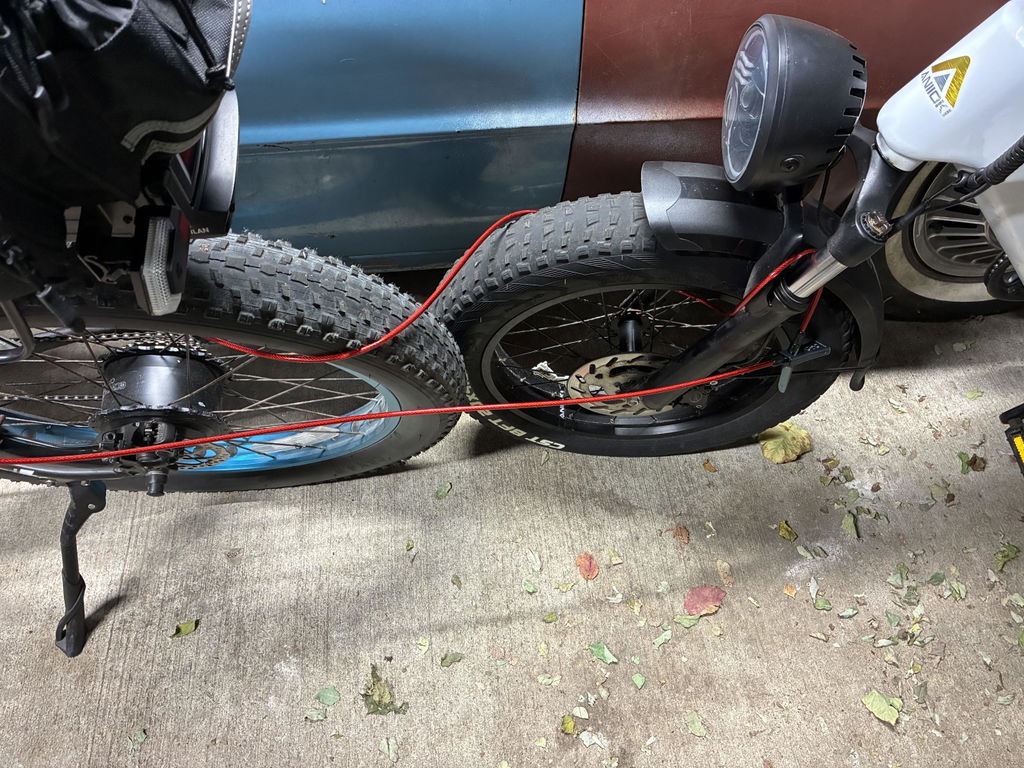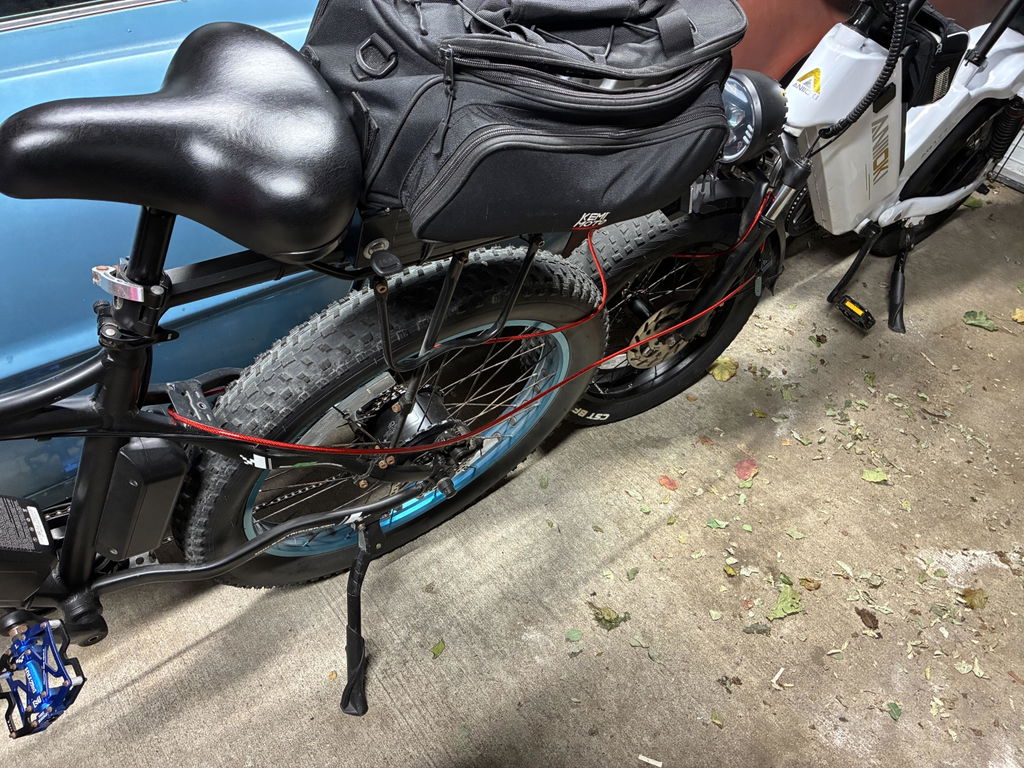

When you think of strength, steel is probably the first material that comes to mind. So why would you choose a brass padlock to protect your most valuable assets? While steel offers immense resistance to cutting, it has a significant weakness in outdoor settings: rust. Brass, on the other hand, provides a powerful combination of security and natural corrosion resistance, making it the ideal choice for marine, construction, and other demanding environments. Understanding the trade-offs between these two materials is the first step to selecting the right lock. This guide will provide a clear comparison, explaining exactly when and why a heavy-duty brass padlock is the superior option. Many of the best heavy duty brass padlock reviews highlight these unique advantages, and we’ll break down the science behind why brass often outperforms steel for long-term outdoor reliability.
Key Takeaways
- Choose the Right Material for the Job: Prioritize brass for its natural corrosion resistance in outdoor and marine settings, but consider a weather-protected steel lock when defending against brute-force attacks is your main concern.
- Look for Key Security Features: A truly heavy-duty padlock combines several elements, so check for a thick, hardened shackle to resist cutting and an anti-pick mechanism to prevent tampering.
- Invest in Quality and Control: Select a lock from a reputable brand with high manufacturing standards for lasting performance, and consider a model with restricted keys to prevent unauthorized duplication.
A Quick Look at Heavy-Duty Brass Padlocks
When you’re searching for a reliable lock, you’ll find a lot of options out there. Heavy-duty brass padlocks are a popular choice for good reason. They combine the strength needed for serious security with the unique properties of brass. But what exactly makes them a solid pick for your security needs?
First, let’s talk about the material itself. Brass is an alloy of copper and zinc, and it has a fantastic quality: it’s naturally resistant to corrosion. This is a huge deal if you need a lock for your boat, shed, or gate that will be exposed to rain, humidity, or salty air. Unlike some other metals, a brass padlock won’t easily rust and seize up, ensuring it works when you need it to. This makes them an ideal choice for both outdoor and residential use.
The "heavy-duty" part of the name points to its overall construction. These aren't your average school locker locks. A heavy-duty design means the padlock is built for durability and strength, ready to endure tough conditions and deter tampering. While you might see steel padlocks on high-security industrial sites, there are key differences between brass and steel. Brass is generally lighter, making the locks easier to handle for everyday use, and it's often more affordable. This makes them a cost-effective and practical choice for securing everything from construction equipment to your backyard gate. When you need dependable security without the industrial-grade bulk, a heavy-duty brass padlock from our shop is often the perfect solution.
What Makes a Brass Padlock "Heavy-Duty"?
When you see the term "heavy-duty" on a padlock, it’s easy to be skeptical. Is it just a marketing buzzword, or does it actually mean something? A true heavy-duty padlock is a system where every component is designed for maximum resilience. It’s not just about being big or heavy; it’s about smart, robust engineering that stands up to both brute force and clever attacks. The strength of a padlock is determined by its weakest point, so a truly secure lock has no weak points. This philosophy is central to how we approach security.
Thinking about security this way is part of our company heritage, and it’s what separates a reliable lock from a simple deterrent. A heavy-duty brass padlock combines the inherent weather-resistant properties of brass with hardened components designed to thwart break-in attempts. When you’re choosing one, you’re looking for a specific set of features that work together to protect your property, whether it's a construction site trailer or a boat slip at the marina. From the shackle that resists cutting to the internal mechanism that prevents picking, every detail matters. Let’s break down exactly what you should look for to ensure you get the protection you need.
Look for a Thick, Cut-Resistant Shackle
The shackle is the exposed metal loop of the padlock and often the first target for a thief with bolt cutters. A heavy-duty padlock should feature a thick, cut-resistant shackle to defend against this kind of physical attack. The diameter of the shackle is a critical detail; a thicker shackle is physically harder to cut.
Beyond thickness, the material is just as important. While the body of the padlock is brass, the shackle is typically made from a different, stronger material like hardened steel or a boron alloy. These materials are specifically treated to resist sawing and cutting. When you’re comparing options, pay close attention to the shackle’s specifications. It’s a clear indicator of the lock’s ability to withstand a direct assault.
Examine the Anti-Pick Locking Mechanism
While a strong shackle protects against brute force, the locking mechanism inside the padlock body is what guards against more subtle attacks. An effective anti-pick locking mechanism is essential for any heavy-duty padlock. This feature makes it incredibly difficult for someone to manipulate the lock’s internal pins and open it without a key.
High-security locks often use special types of pins, like spool pins or serrated pins, instead of the standard pins found in cheap locks. These security pins are designed to catch and bind up when a picking tool is used, providing feedback that can trick a novice picker and frustrating even experienced ones. A complex keyway shape also makes it harder to insert and maneuver picking tools. When a manufacturer highlights its anti-pick features, it’s a sign they’ve considered security beyond just physical strength.
Demand Superior Weather and Corrosion Resistance
One of the main reasons to choose a brass padlock is its natural ability to resist corrosion. This makes it an ideal choice for outdoor and marine applications where the lock will be exposed to rain, humidity, and salt. A heavy-duty brass padlock should be designed to withstand these conditions without its function being compromised. There’s nothing more frustrating than a lock that has rusted shut when you need to open it.
This resistance should extend to the entire lock. While the body is brass, check that the internal components, like the springs, and the shackle are also made from corrosion-resistant materials. A quality padlock will ensure that every part, inside and out, can hold up to the elements, giving you reliable security year after year.
Understand Security Ratings and Certifications
How can you be sure a padlock lives up to its "heavy-duty" claim? Look for independent security ratings and certifications. These ratings offer an objective measure of a padlock's performance. Organizations like ASTM International develop standards that test a lock's resistance to various forms of attack, including cutting, pulling, and picking.
These ratings grade the padlock on its overall security level, giving you a reliable way to compare products. While not all padlocks will have these certifications, their presence is a strong signal that the manufacturer has invested in third-party testing to validate its security claims. Checking for a security rating on the packaging or in the product description helps you move past the marketing and choose a lock that has been proven to perform under pressure.
Our Standard for a Heavy-Duty Brass Padlock
When we talk about a standard for a heavy-duty brass padlock, we're defining the essential qualities you should never compromise on. It's about finding a lock that provides dependable security without being impractical for your specific needs. While some might think "heavy-duty" automatically means steel, a high-quality brass padlock has its own distinct advantages, especially for outdoor and marine environments.
The first part of the standard is material integrity. A good brass padlock strikes a careful balance. It's lighter than steel, which makes it easier to handle for everyday applications like securing a gate or a toolbox. But don't mistake lighter for weaker. A well-made brass body still offers significant protection. The key is that it's also naturally corrosion-resistant, which is a huge deal. If you're using a lock outdoors, on a boat, or at a construction site, it will be exposed to rain, humidity, and salt. A brass padlock won't rust and seize up, ensuring it works when you need it to.
The second part is having a realistic view of security. Is a brass padlock the right choice for protecting a high-security government facility? Probably not. For those extreme-risk scenarios, steel is often preferred for its resistance to brute-force attacks. However, for the vast majority of residential and commercial uses, a heavy-duty brass padlock provides more than enough security to deter theft and unauthorized access. Our standard demands a lock that is tough, reliable, and perfectly suited for its intended environment, giving you peace of mind without unnecessary weight or cost.
Spotlight: The DoubleLock USA Brass Padlock
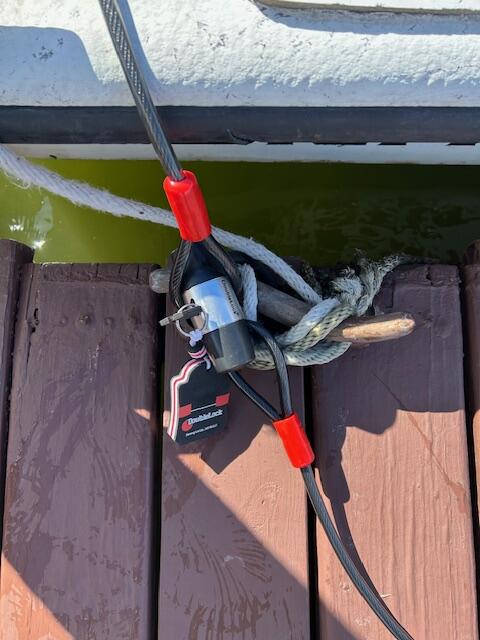
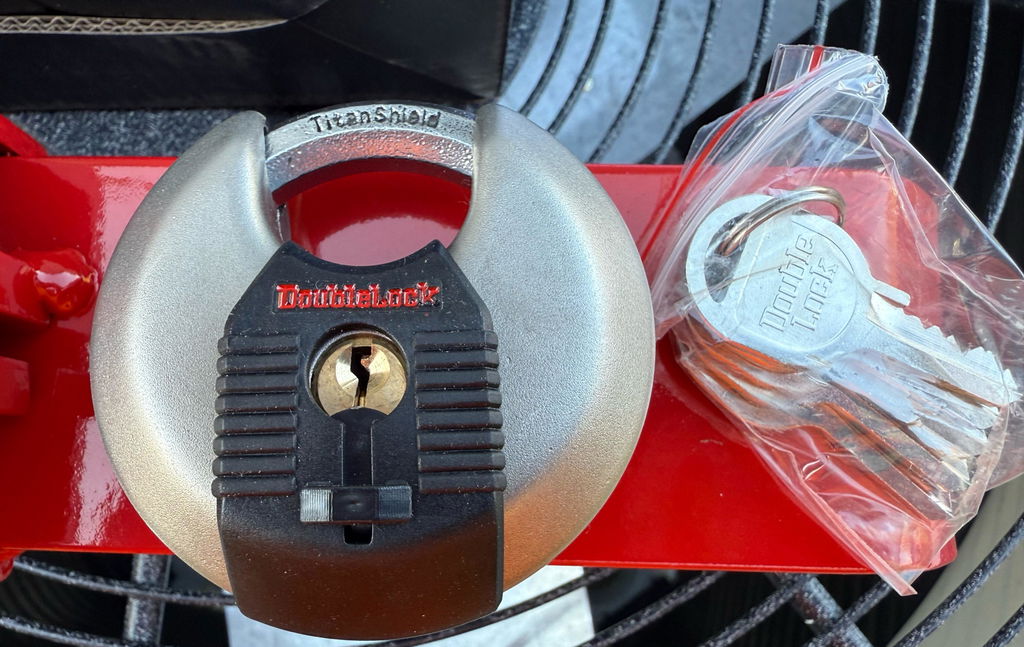
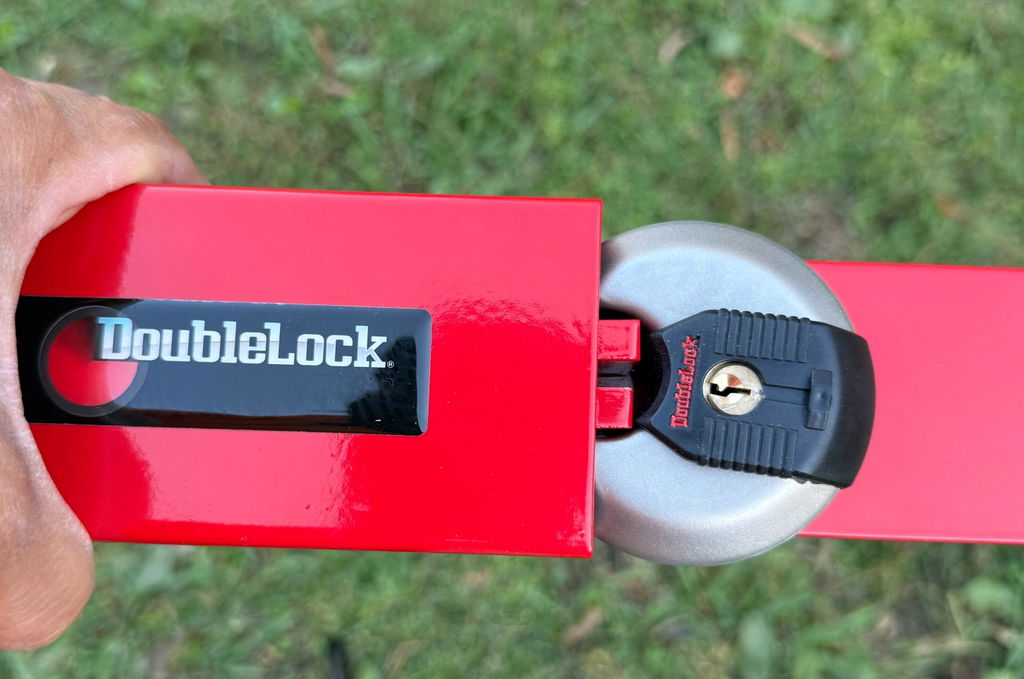
The DoubleLock USA Brass Padlock is a perfect example of our standard in action. It was designed to meet the real-world needs of our customers, combining a solid brass body with a tough, hardened steel shackle for excellent security. This lock is built to withstand the elements, making it an ideal choice for marine use, construction sites, and securing outdoor equipment. Its reliable locking mechanism provides the dependable protection you expect from a heavy-duty solution. To see how it measures up, you can find a complete breakdown in our heavy-duty brass padlock guide.
How to Compare Your Options
Walking down the hardware store aisle, you’re faced with a wall of options. Choosing the right padlock can feel overwhelming, but making a confident decision is easier when you know what to look for. To find a lock that offers genuine peace of mind, it helps to move beyond the packaging and price tag. A truly heavy-duty brass padlock isn't just a purchase; it's an investment in security.
For applications in construction, marine environments, or simply protecting valuable equipment, a casual choice won't do. The difference between a standard lock and a heavy-duty one can be the difference between your property staying safe or becoming a target. By focusing on a few key areas, you can learn to spot quality and make a choice that aligns with your needs. We'll break down the comparison into three essential pillars: security against tampering, durability in harsh conditions, and the true long-term value you get for your money. Thinking through these points will help you select a lock that works as hard as you do.
Assess Security and Tamper Resistance
The first and most important question to ask is how well a padlock can resist a break-in attempt. Many basic locks might look secure, but they often provide little more than a visual deterrent. As one online discussion about padlocks rightly points out, a standard lock might not stop a determined thief. A truly secure, heavy-duty lock is built differently from the inside out. It should have a robust internal mechanism that resists picking and a solid body that stands up to forceful attacks. When you’re comparing options, look for details about the locking cylinder and shackle material. Don't settle for something that just looks tough; choose a lock with proven security features designed to protect your most valuable assets.
Evaluate Durability and Weather Protection
A padlock is only effective if it works when you need it to. Durability, especially against the elements, is a critical factor that is often overlooked. Brass is an excellent material for this, as it naturally resists the corrosion that can cause other locks to seize up and fail. This quality makes brass padlocks ideal for outdoor use, whether you're securing a trailer on a job site or equipment on a boat. While steel offers high strength, its tendency to rust can be a significant weakness in wet or humid environments. When you evaluate a lock, consider where it will live. For any outdoor or marine application, prioritize a design built from corrosion-resistant materials that can withstand constant exposure to moisture and changing temperatures.
Determine the True Value
The price on the package doesn't tell you the whole story of a padlock's worth. True value comes from a lock's ability to perform reliably day after day, year after year. Heavy-duty padlocks are specifically designed to endure rigorous use, but the quality of construction can vary widely between brands. It’s a common mistake to assume a higher price automatically means better protection. In fact, some tests have shown that even expensive locks marketed as "weatherproof" can fail quickly when exposed to real-world conditions. A valuable padlock is one that combines strong, corrosion-resistant materials with a secure design and high manufacturing standards. It delivers dependable security you don’t have to second-guess, making it a worthwhile investment.
Is Brass Better Than Steel for Outdoor and Marine Use?
When you're securing property outdoors, especially near water, your biggest battle is often against the elements. This is where brass padlocks truly shine. Because of its natural composition as a copper and zinc alloy, brass is naturally corrosion-resistant. It stands up to rain, humidity, and salty air without rusting, which makes it an ideal choice for boats, marina gates, and coastal homes. This inherent resistance helps ensure the lock's internal mechanism won't seize up from corrosion over time, giving you reliable access when you need it.
Beyond its ability to fight the weather, brass has other practical advantages. Brass padlocks are typically lighter than their steel counterparts, making them easier to handle and carry. They also tend to be more affordable, providing a cost-effective solution for general outdoor security. For many situations, a quality heavy-duty brass padlock offers the perfect blend of durability and value.
So, when should you choose steel? Steel’s main advantage is its raw strength. A hardened steel padlock generally offers more resistance to cutting, prying, and drilling than a brass one. This makes steel the go-to material for high-security industrial or commercial applications where the threat of a brute-force attack is higher. The trade-off is that most steel rusts easily. To use a steel lock outdoors, you must choose one made from stainless steel or one that has a protective weather-resistant coating to prevent it from failing.
Ultimately, the best material depends on your primary concern. If your main adversary is moisture, brass is the clear winner for long-term reliability in outdoor and marine environments. If your top priority is defending against a physical attack with heavy-duty tools, a properly weather-protected steel lock is the stronger choice. For most everyday outdoor needs, the superior corrosion resistance of brass provides practical and lasting security.
Common Weaknesses to Watch For
Even the most robust security products have potential vulnerabilities. When you’re shopping for a heavy-duty brass padlock, knowing what to look for can help you avoid common pitfalls and select a lock that truly meets your needs. While brass offers many advantages, especially for outdoor and marine use, it’s important to be aware of a few potential weak points. By understanding these issues, you can better evaluate your options and choose a lock designed to withstand both environmental challenges and determined tampering attempts.
Being informed about these weaknesses helps you prioritize the features that matter most for your specific application, whether you're securing a construction site, a boat, or a storage unit. A lock might look tough on the shelf, but its performance in the real world depends on its ability to handle specific threats. These can range from the slow, persistent attack of rust in a humid climate to the brute force of a cutting tool. Thinking through these potential failures ahead of time allows you to make a more strategic purchase, ensuring your investment provides reliable security for years to come.
Corrosion in Harsh Environments
One of the main reasons people choose brass is for its natural resistance to rust. However, it’s not completely immune to the elements. While brass padlocks are often lighter than steel ones, they can be more susceptible to corrosion when constantly exposed to harsh conditions like saltwater spray or high humidity. Over time, this exposure can degrade the padlock’s surface and potentially affect its internal mechanism. When you’re selecting a lock for marine or coastal applications, look for models with additional protective coatings or those made from specific marine-grade alloys to ensure long-term reliability and performance.
Shackles Vulnerable to Cutting Tools
A padlock is only as strong as its shackle. This is the most exposed part of the lock and a primary target for thieves using tools like bolt cutters. While heavy-duty padlocks are built for strength, their shackles can still be a point of failure. According to security experts, this is especially true for some brass padlocks, which may not offer the same resistance to cutting tools as hardened steel alternatives. When comparing models, pay close attention to the shackle’s material and diameter. A thicker, hardened steel shackle on a brass body often provides a great balance of weather resistance and physical strength.
Key Jamming and Mechanism Wear
A lock that won’t open when you need it to is more than just an inconvenience; it can be a major problem. The internal locking mechanism is a complex component that can wear down over time, especially with frequent use or exposure to dust and debris. Some customer reviews for heavy-duty padlocks mention issues with keys jamming or becoming difficult to turn. This can happen due to grit getting inside the keyway or from the internal pins and springs wearing out. To avoid this, look for padlocks with protective keyway covers and precision-engineered mechanisms designed for smooth, long-lasting operation.
Which Security Features Should You Prioritize?
When you're comparing heavy-duty brass padlocks, the list of features can feel overwhelming. While every detail matters, some security elements are more critical than others. Focusing on a few key priorities will help you cut through the noise and choose a lock that provides genuine protection for your equipment, property, or job site. Instead of getting lost in technical jargon, concentrate on the features that directly counter common security threats. Here’s what you should prioritize.
Insist on Controlled and Restricted Keys
For any situation where you need to manage who has access, controlled and restricted keys are essential. This feature limits key duplication to authorized individuals only, preventing former employees or unauthorized personnel from making copies. It’s a simple way to maintain a high level of security, especially for businesses, construction sites, or shared facilities where multiple people might need a key. Having control over who can copy a key is just as important as the strength of the lock itself, giving you complete authority over your security system.
Find the Right Size and Shackle Clearance
When selecting a padlock, it’s crucial to consider the size and shackle clearance. A lock that’s too small won’t fit, but one with a shackle that’s too long can create a security risk by giving a thief leverage to pry it open. Measure the hasp or chain you need to secure. The shackle diameter should be thick enough to resist cutting, while the clearance should be just large enough to fit, minimizing any extra space. Getting the right fit ensures the padlock performs as intended, providing maximum resistance against physical attacks.
Choose a Brand with High Manufacturing Standards
Opting for a reputable brand that adheres to high manufacturing standards is vital for ensuring reliability and durability. A brand's reputation is built on years of rigorous testing and quality craftsmanship, which provides peace of mind when it comes to security. These companies stand behind their products because they use superior materials and consistent processes to deliver on their promises of protection. A trustworthy brand means you can be confident that the padlock you choose today will continue to safeguard your valuables for years to come, even in demanding environments.
Where to Find a Quality Heavy-Duty Brass Padlock
Finding the right heavy-duty brass padlock means knowing where to look. The best place to buy depends on your specific needs, whether you prefer to inspect a lock in person or want to compare options from the comfort of your home. Each option offers unique advantages for finding a lock that gives you true peace of mind.
For many, the search starts at large home improvement stores. Retailers like The Home Depot and Lowe's have dedicated aisles for security hardware, giving you a chance to physically handle different padlocks. This is a great way to feel the weight, check the shackle thickness, and get a general sense of the build quality before you buy. You can compare several brands side-by-side and walk out with a lock the same day.
If you prefer a wider selection, online stores are an excellent resource. Manufacturer websites, like our own DoubleLock USA shop, provide the most detailed product specifications, warranty information, and a full view of the product line. Online platforms also offer a vast range of choices, often accompanied by customer reviews that can give you real-world insights into a lock's performance over time.
For more complex security situations, consider consulting an expert. Local locksmiths and specialty security retailers carry professional-grade locks that you might not find in a big-box store. These experts can offer personalized advice to help you find the perfect padlock for a specific application, from securing a construction site to protecting marine equipment. They understand the nuances of different locking mechanisms and can guide you toward a solution that truly meets your security requirements.
Related Articles
- The Expert's Guide to Heavy Duty Brass Padlocks
- FALCON X Padlock | Max Duty Brass Container/Shipping Padlock
Frequently Asked Questions
Why should I choose a brass padlock when steel is stronger? This is a great question because it gets to the heart of choosing the right lock. While hardened steel does offer superior resistance to cutting, its main weakness is rust. Brass, on the other hand, is naturally resistant to corrosion. This makes it a much more reliable choice for outdoor or marine settings where rain, humidity, and salt can cause a steel lock to seize and fail. For most everyday security needs, a well-made brass padlock provides plenty of strength while ensuring it will actually work when you need it to.
What is the single most important feature for an outdoor padlock? For any lock that will live outside, the most critical feature is its ability to withstand the weather. Before you even consider its strength against attack, you need to be sure it will not fail due to rust and corrosion. This is why material choice is so important. A padlock with a solid brass body and other corrosion-resistant components (like a stainless steel shackle or internal springs) will give you the most dependable, long-term performance in wet or humid conditions.
How can I tell if a padlock is truly "heavy-duty" and not just labeled that way? You can spot a genuinely heavy-duty padlock by looking past the marketing and examining its components. First, check the shackle; it should be thick and made from a hardened material like steel or a boron alloy to resist cutting. Next, consider the locking mechanism itself. A quality lock will often mention features like security pins that make it difficult to pick. Finally, consider the brand's reputation for high manufacturing standards, as this often indicates a commitment to building a reliable and secure product.
My main concern is someone cutting the lock. What should I look for? If your top priority is preventing a cutting attack, you should focus entirely on the shackle. This is the part of the lock a thief will target with bolt cutters. Look for a padlock with the thickest shackle diameter that will fit your needs. Just as important is the shackle's material. A shackle made from hardened steel or a boron alloy offers significantly more resistance to cutting than standard steel or other metals. The product's packaging or description should specify both the material and the diameter.
Besides brute force, how do I protect against someone tampering with the lock? Protecting against subtle attacks involves looking at the lock's internal design and key system. A lock with an anti-pick mechanism, which often uses special security pins, makes it much harder for someone to manipulate the lock open without the key. Another powerful feature to look for is a restricted keyway. This system prevents unauthorized key duplication, giving you full control over who has access and ensuring a lost key does not become a permanent security risk.