
Your 5th wheel is more than just a trailer; it’s your ticket to freedom and adventure. But when you unhitch at a campsite or leave it in storage, a nagging worry can creep in. Is it truly secure? A quality 5th wheel hitch lock is the key to replacing that anxiety with confidence. It acts as your first and most important line of defense. With so many options on the market, it’s hard to know which one offers real protection. This guide breaks down the essential features, helping you choose the right lock to protect your home-on-wheels.
Key Takeaways
- Prioritize material strength and a full-coverage design: A secure lock starts with hardened steel to resist cutting and drilling, combined with a design that completely encases the king pin to leave no room for prying.
- Confirm compatibility for a snug, secure fit: A lock that is too loose is a major security risk, so always measure your king pin and check the manufacturer's specifications to ensure the lock will fit tightly on your specific hitch.
- Factor in ease of use and regular maintenance: The most effective security is the kind you use consistently, so select a lock that is simple to operate and remember to clean and lubricate it regularly to prevent rust and ensure it works smoothly.
What to Look for in a 5th Wheel Hitch Security Device
When you’re looking for a 5th wheel hitch lock, it’s easy to get overwhelmed by the options. But a truly secure lock isn’t just about looking tough; it’s about having the right combination of features that work together to protect your investment. Think of it as the first line of defense for your home-on-wheels. The right lock gives you the peace of mind to unhitch your trailer at a campsite or storage facility without worrying about it disappearing.
A great lock should be strong enough to stop a determined thief, designed to cover all weak points, and practical enough for you to use consistently. After all, even the most advanced security device is useless if it’s too much of a hassle to use every time. To find a lock that checks all these boxes, you need to look beyond the price tag and examine its core components. We'll break down the three key areas to focus on: the materials and build, the overall design and coverage, and its ease of use. Understanding these elements will help you choose a lock with confidence, knowing your property is well-protected.
Start with Strong Materials and Construction
A lock is only as strong as the materials it’s made from. A high-quality 5th wheel lock makes stealing your trailer incredibly difficult and will deter most thieves right away. Look for locks made from robust metals like solid, hardened, or stainless steel and cast iron. These materials are built to resist common theft tactics like cutting, drilling, and hammering. A flimsy lock made from weaker alloys can be compromised in minutes, offering a false sense of security. Investing in a lock with a solid build is the first and most important step in protecting your RV or trailer. You can explore a range of heavy-duty locks to see what a difference quality materials make.
Does It Fully Protect Your King Pin?
Even the strongest material won't help if the lock's design leaves your hitch vulnerable. For a 5th wheel, you should select a lock that covers the entire king pin, not just a simple pin lock. Full-coverage designs prevent a thief from simply hooking up and towing your trailer away. The best locks are specifically engineered to fit snugly around the king pin, leaving no gaps for a crowbar or other tools to gain leverage. A tailored fit is a critical feature of a secure design, as it ensures there are no weak points to exploit. This comprehensive approach is what separates a simple deterrent from a truly effective security solution.
Is It Simple to Install and Remove?
Security should not come at the cost of convenience. If a lock is complicated or difficult to handle, you might be tempted to skip using it, which defeats the purpose entirely. A well-designed lock is one you can put on and take it off quickly, which is especially helpful if you use your trailer often. Look for features that make your life easier, such as a smooth key mechanism and a manageable weight. Some designs even include extra space to fit a lube plate, so you don’t have to remove it every time you secure your hitch. The best security is the security you actually use, so don't overlook the importance of a user-friendly design.
Beyond the Hitch: A Layered Approach to Security
A strong 5th wheel hitch security device is your foundation, but true security comes from thinking in layers. While a high-quality mechanism is the most critical component, relying on it alone can leave you vulnerable. A comprehensive strategy involves creating multiple barriers that work together to protect your property. Imagine a thief sizing up two trailers. One has a single hitch device. The other has a hitch device, a wheel immobilizer, and is parked strategically under a light. Which one do you think they'll target? By adding multiple security measures, you create a series of obstacles that make stealing your trailer a difficult and time-consuming project.
Most thieves are looking for a quick and easy score, so the more you can slow them down, the more likely they are to give up and move on. This layered approach isn't about making your trailer completely impenetrable, but about making it a much less attractive target than the next one. It’s a proactive strategy that combines physical hardware with smart habits to protect your investment from every angle. Each layer, from where you park to the additional devices you use, forces a potential thief to spend more time and effort, increasing their risk of being caught.
Parking Strategies for Deterrence
Where you park your trailer can be as important as how you secure it. When possible, choose a spot that is well-lit and has regular foot or vehicle traffic, as visibility is a powerful deterrent. If you're storing it at home, consider parking it in your backyard or behind a gate rather than on the street. According to experts in RV travel safety, thieves prefer to work in the dark and in isolation. Try to position the trailer so the hitch is difficult to access, such as backing it up against a building or a sturdy fence. The more challenging you make it for someone to even hook up to your trailer, the better. These simple parking habits cost nothing but can significantly reduce the risk of theft by making your trailer a less convenient target.
Complementary Security Devices
Beyond your primary hitch security device, several other mechanisms can add powerful layers of protection. These complementary tools are designed to address different vulnerabilities, creating a more robust defense system for your trailer. By combining two or more of these devices, you make the process of stealing your trailer significantly more complex and time-consuming. A thief might come prepared to defeat one type of security measure, but they are far less likely to have the tools and time needed to get past multiple, varied obstacles. Let's look at a few of the most effective options to add to your security setup.
Wheel Chock Securing Devices
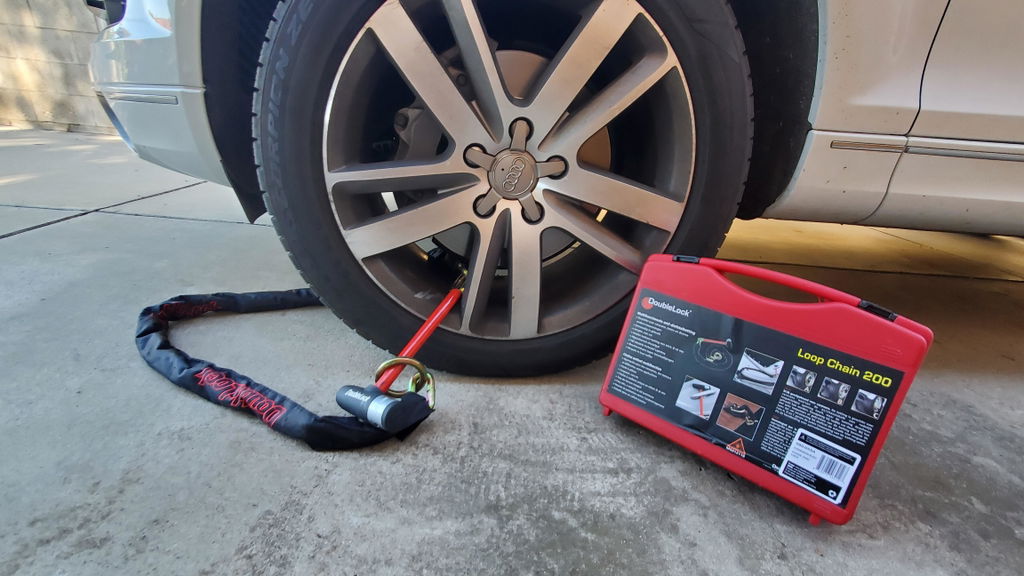
A wheel chock securing device is an excellent second line of defense. This mechanism clamps firmly around one of your trailer's tires, physically preventing it from rolling. Even if a thief manages to defeat your hitch security device and hook up their vehicle, they won't be able to drive away without first dealing with the wheel immobilizer. These are often brightly colored, which also serves as a visible deterrent, signaling to would-be thieves that your trailer is well-protected and not an easy target. It’s a simple but highly effective way to immobilize your trailer and add another frustrating barrier for anyone trying to steal it.
Hitch-to-Bed Fasteners
For an added layer of security right at the connection point, consider a hitch-to-bed fastener. This device secures the entire 5th wheel hitch assembly directly to the rails in your truck bed. Its purpose is to prevent a thief from simply unbolting and removing your whole hitch setup to bypass the king pin security device. This is a particularly useful mechanism if you have to leave your truck and trailer unattended for extended periods in an area you're not familiar with. It reinforces the most critical connection point, ensuring that your hitch itself remains firmly attached to your tow vehicle.
Spare Tire and Storage Box Protection
Don't forget that thieves don't always take the whole trailer; sometimes they target valuable parts and contents. Your spare tire is a common target, as are any external storage boxes that might hold tools, generators, or other gear. You can secure your spare tire with a specific cable or lug nut device. For storage boxes, a durable securing mechanism is essential. Using high-quality, weather-resistant hardware ensures your equipment stays safe from both thieves and the elements. You can find a variety of versatile security products that are perfect for securing these smaller but still valuable items on your rig.
The Importance of Key Management
The most advanced security hardware in the world won't help if a thief can easily find your key. Proper key management is a simple but critical part of your overall security plan. Always keep the main key for your trailer's security devices on your vehicle's keychain, so it's with you whenever you're driving. For a spare, consider using a small, magnetic box hidden somewhere on the frame of your tow vehicle—never on the trailer itself. Leaving a spare key "hidden" on the trailer is one of the first things thieves look for. Developing these disciplined habits ensures that your physical security measures aren't accidentally undermined by a simple mistake.
Our Top Picks for 5th Wheel Hitch Security
Finding the right hitch lock can feel like a big task, but it doesn’t have to be. To simplify your search, I’ve put together a list of some of the most reliable 5th wheel hitch locks on the market. These selections are based on their durable construction, thoughtful design, and positive user feedback. Whether you prioritize a heavy-duty build that can withstand anything or a lock that’s simple to use every day, there’s a solid choice here to help protect your investment.
Double Brand USA: Heavy-Duty Security
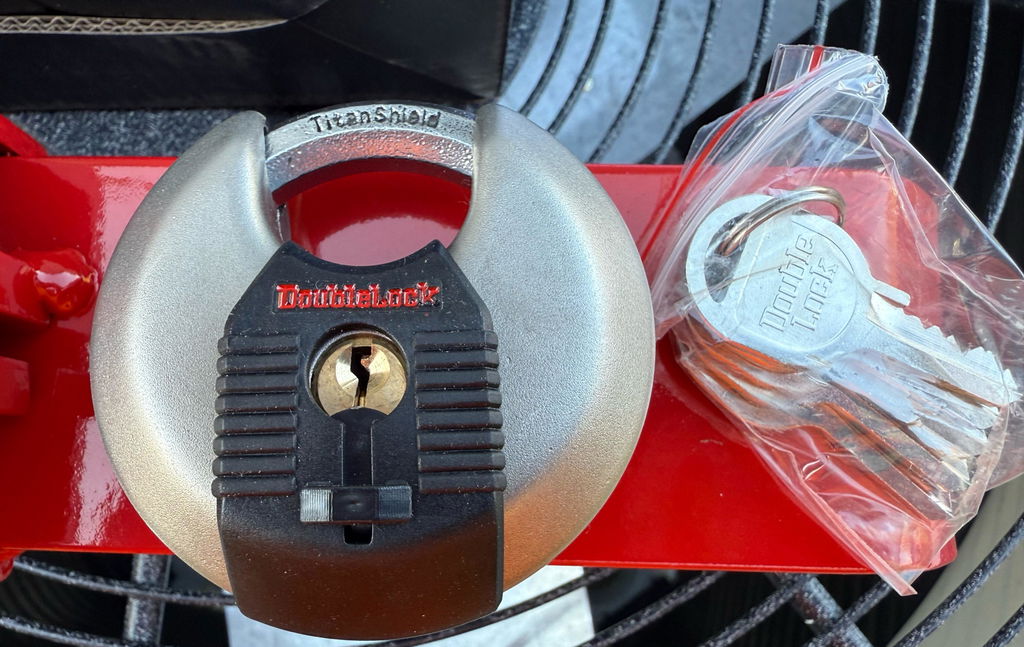
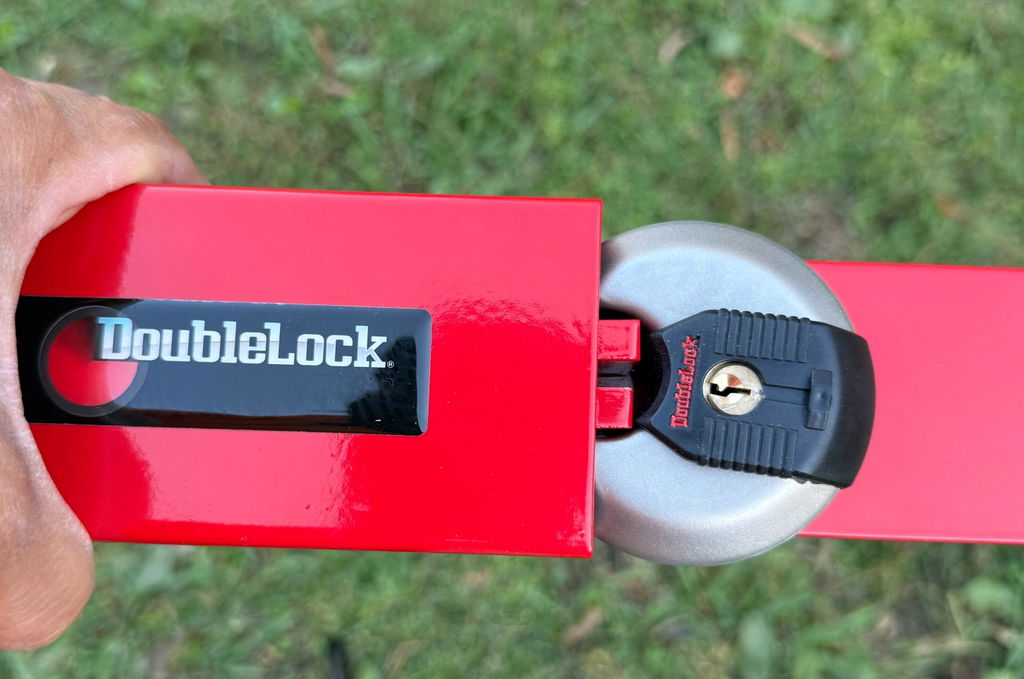
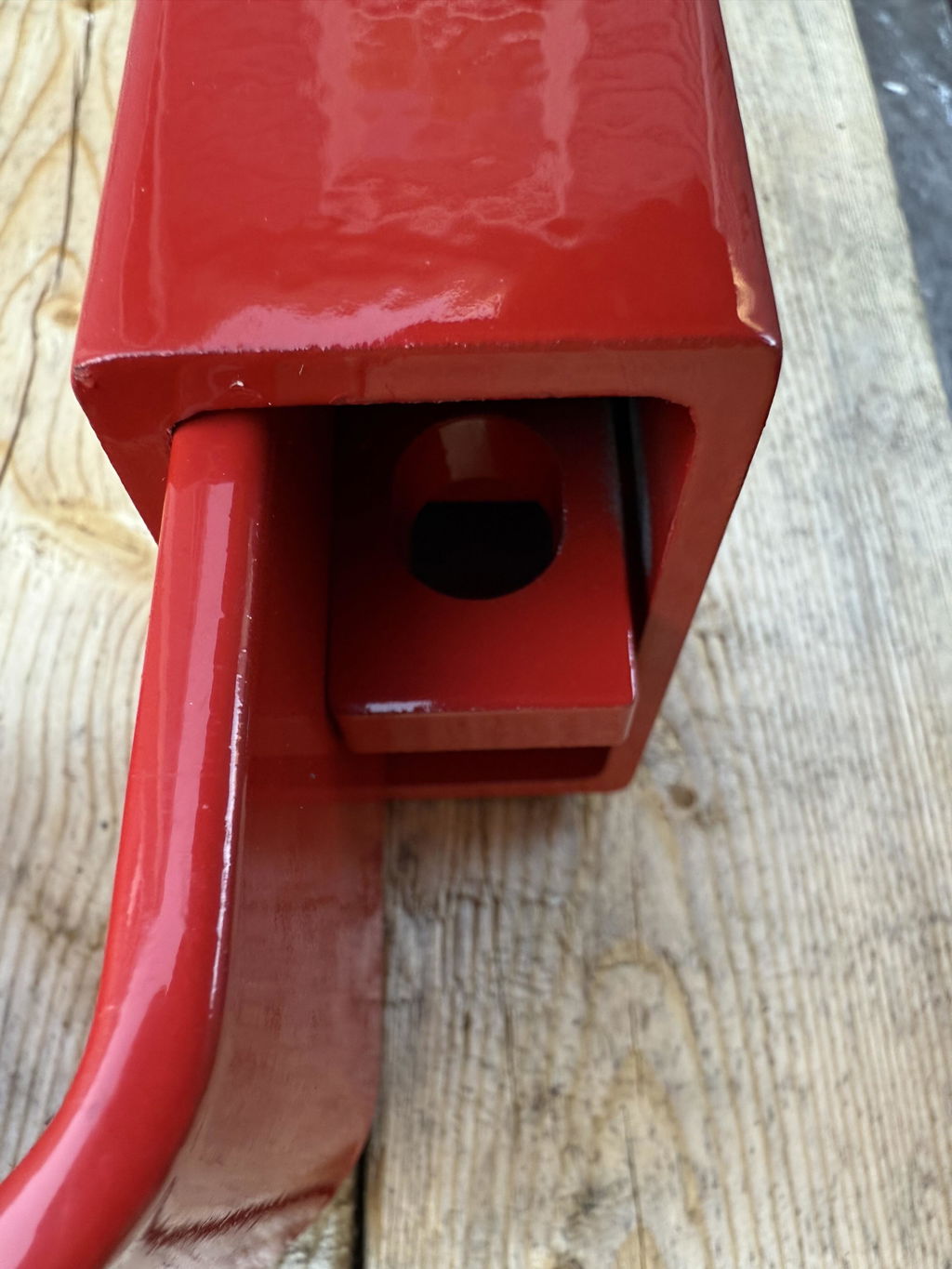
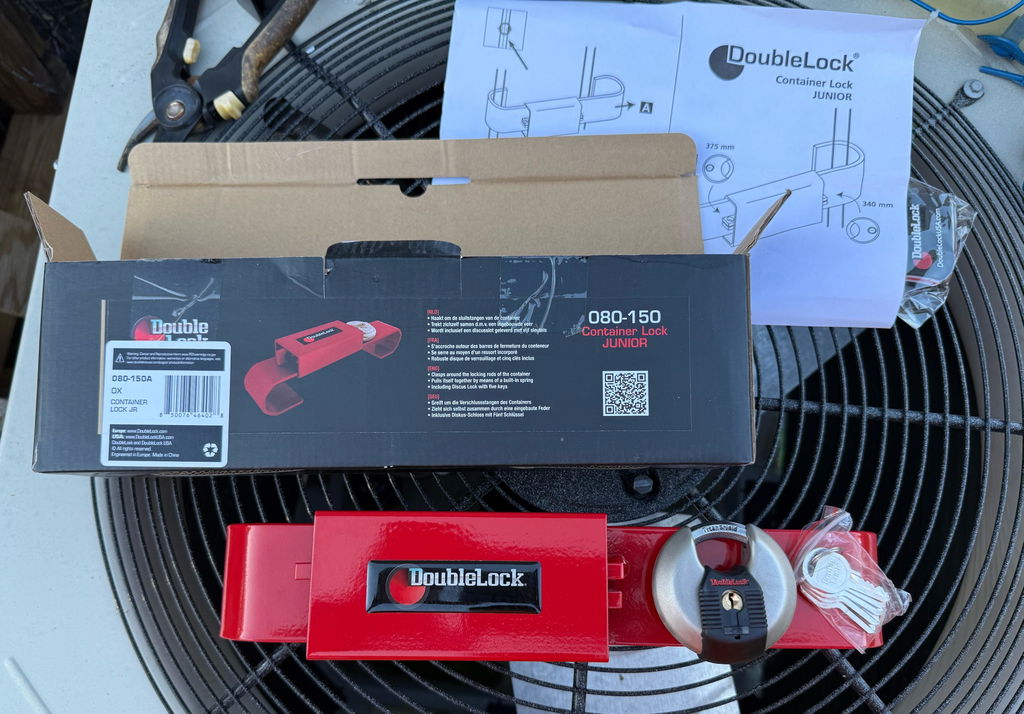
The DoubleLock USA Heavy-Duty 5th Wheel Lock is engineered for maximum security. Its design completely encloses the king pin, leaving no access points for would-be thieves to exploit. This full-coverage approach also acts as a powerful visual deterrent. Made from high-quality, rugged materials, it’s built to resist cutting, prying, and drilling, making it a robust solution for anyone serious about trailer security. You can find this and other security products designed for serious protection on their site.
California Immobilizer's King Pin Guard
Known for its rugged build and precision fit, the California Immobilizer King Pin Lock is a popular choice among RV owners. Crafted from heavy-gauge steel, its straightforward design is easy to install and remove. The lock’s bright yellow color makes it highly visible, signaling to potential thieves that your trailer is secured. Its durability ensures it can withstand harsh weather and resist tampering, offering dependable security. The California Immobilizer provides a reliable and straightforward solution.
AMP Security's U-Bracket Design
The AMPLock U-Bracket King Pin Lock is recognized for its superior materials and unique design. Made from hardened and stainless steel, it’s built to resist attacks from drills and other common break-in tools. The lock features a swiveling design that makes it difficult for thieves to grip and apply force, while its simple push-and-lock mechanism is convenient for the owner. The AMPLock U-Bracket is a top-tier option for those seeking premium protection.
The Fort Knox King Pin Protector
The Fort Knox King Pin Lock offers fortress-like security, living up to its name. Made from solid cast steel, it completely covers the king pin to prevent any unauthorized coupling. Its cylindrical design is inherently resistant to prying and picking, and the internal locking mechanism is well-shielded from direct attacks. For RV owners seeking a heavy-duty lock that prioritizes pure strength and brute-force resistance, the Fort Knox lock is a formidable choice.
Master Brand's Adjustable Coupler Guard
Master Lock’s Adjustable Coupler Lock is a versatile and accessible option for many trailer owners. Unlike locks designed for a specific king pin size, this model adjusts to fit various couplers, making it a flexible choice. It features a hardened steel shackle for good cut resistance and a durable body that holds up to the elements. Its combination of flexibility and affordability makes it one of the best trailer hitch locks for budget-conscious owners who still want reliable protection.
Key Features of a Quality Hitch Security Device
When you’re ready to invest in a 5th wheel hitch lock, it’s easy to get overwhelmed by the options. To simplify your search, focus on a few key features that separate a decent lock from a truly secure one. The right lock isn’t just a piece of metal; it’s a purpose-built tool designed to protect one of your most valuable assets. From the material it’s made from to the way it looks, every detail contributes to its effectiveness. Understanding these core features will help you choose a lock that offers real protection and gives you confidence when you’re away from your trailer.
Why Hardened Steel is Non-Negotiable
The foundation of any great lock is the material it’s made from. For a 5th wheel hitch lock, hardened steel is the non-negotiable standard. This isn't just regular steel; it's been heat-treated to increase its toughness and resistance to attack. A lock made from hardened steel can withstand bolt cutters, saws, and drills, which are common tools for thieves. A high-quality lock makes stealing your trailer incredibly difficult and will stop most thieves in their tracks. When you see "hardened steel" in a product description, you know the manufacturer has prioritized strength. It’s the first feature you should look for when browsing different security solutions.
Exploring Material Options: Cast Steel, Stainless Steel, and Aluminum
The material of your hitch lock is its first line of defense, directly impacting its ability to withstand an attack. For maximum security, prioritize locks made from robust metals like cast steel or hardened stainless steel. These materials are incredibly durable, offering excellent resistance to cutting, prying, and drilling. Stainless steel also has the added benefit of being highly resistant to rust and corrosion, which is essential for a device that spends its life outdoors. A high-quality lock makes stealing your trailer incredibly difficult and will deter most thieves right away. While some locks are made from aluminum, which is lighter, they typically don't provide the same level of brute-force protection. If you opt for aluminum, ensure it's from a reputable brand with features designed to compensate for the material's softness.
The Impact of Design and Visibility
The visual appearance of your lock is one of its most underrated security features. A brightly colored lock, often in a vibrant yellow or red, is easy to spot from a distance. This high visibility sends a clear message to anyone scouting for an easy target: this trailer is protected, so move on. Most opportunistic thieves are looking for a quick and simple score, and a prominent lock is often enough to convince them to look elsewhere before they even get close. It’s a simple but effective form of deterrence that works in your favor.
Beyond color, the physical shape and coverage of the lock are critical. A lock that completely envelops the king pin is far more effective than one that leaves parts of it exposed. This full-coverage design eliminates access points, preventing a thief from using tools to pry or cut their way in. A snug fit is just as important, as a loose lock can be jiggled or hammered to create a weak point. Choosing from comprehensive security solutions specifically engineered for your hitch ensures there are no gaps to exploit, creating a solid, unyielding barrier against theft.
Aim for Full King Pin Protection
A 5th wheel hitch lock works by securing the king pin, which is the part of the trailer that connects to the truck. An effective lock must cover the king pin completely, leaving no gaps or weak points for a thief to exploit. A snug, precision fit prevents anyone from prying the lock off or attempting to hook up to your trailer. Look for designs that wrap around the entire king pin, as this physical barrier is the lock’s primary function. A lock that only covers part of the pin or fits loosely is a security risk. You can learn more about how a 5th wheel lock works to protect your trailer from unauthorized connections.
Don't Forget Weather Resistance
Your hitch lock will live outside, exposed to rain, snow, sun, and road salt. Without proper protection, these elements can cause rust and corrosion, which will compromise the lock’s security over time. Rust can seize the internal mechanism, making it difficult to unlock, or weaken the steel body, making it easier to break. Always choose locks with weather-resistant coatings or covers. Features like powder coating, chrome plating, or a durable rubber casing help shield the lock from moisture and debris. This ensures your lock functions smoothly for years and maintains its structural integrity, reflecting a commitment to long-lasting quality.
Specifics on Weather Protection: Dust Covers and Seals
While a weather-resistant coating protects the body of the lock, the internal mechanism is where it's most vulnerable to the elements. A simple but essential feature to look for is a dust cover, which is typically a small rubber cap that fits over the keyway. This cover prevents dirt, road grime, and moisture from getting inside and gumming up the works. Internal seals or O-rings provide another layer of defense, stopping water from seeping into the locking mechanism itself. These small details ensure your lock operates smoothly year after year, preventing the frustration of a key that won't turn in freezing or wet conditions. They are a hallmark of a well-engineered security device.
A High-Quality Securing Mechanism
The strongest lock body is useless if the locking mechanism itself is easy to defeat. Thieves are skilled at picking simple locks, so you need a mechanism that presents a real challenge. Many high-security hitch locks use complex key designs, such as tubular or disc detainer locks, which are significantly harder to pick than standard pin-tumbler locks found on cheaper padlocks. Some even have a special key design that prevents anyone from picking the lock. Pay attention to the type of key and cylinder the lock uses. A robust internal mechanism is just as important as a tough exterior when it comes to keeping your RV safe. If you have questions about a lock's specific design, it's always a good idea to contact the manufacturer.
Design Details That Matter: Conical Shapes and Handles
Beyond the core materials, certain design details can dramatically improve a hitch security device's performance. A conical, or cone-shaped, body is a perfect example. This specific shape is engineered to make it nearly impossible for a thief to get a proper grip or attach their own vehicle to your trailer's king pin. It’s a simple but highly effective form of physical prevention. Another feature to look for is a handle. While it may seem minor, a handle makes installing and removing the device much faster and less of a chore. This convenience is crucial, as it encourages you to secure your trailer every single time. These thoughtful elements show how the best key features of a quality hitch security device work together to provide both robust protection and practical, everyday usability.
The Power of a Visual Deterrent
Security is as much about psychology as it is about physical strength. A big, sturdy, and brightly colored lock sends a clear message to potential thieves: this trailer is protected, and trying to steal it will be difficult and time-consuming. Most thieves are looking for an easy target, and a visible deterrent can persuade them to move on before they even try. Bright colors like yellow, orange, or red stand out and signal that the owner is serious about security. The mere presence of a formidable lock can be one of its most effective features, contributing to a safer environment and reflecting a commitment to community security.
Understanding Keying Options and Security
The physical lock is only one part of the security equation; the key itself plays an equally critical role. How your keys are configured and managed can significantly impact both convenience and protection. Thinking about this ahead of time helps you create a system that works for your specific needs, ensuring your trailer remains secure without adding unnecessary complexity to your routine. It's about finding the right balance between easy access for you and a tough barrier for everyone else. Understanding your options for keying helps you make a more informed decision that aligns with how you use your equipment and who might need access to it, whether it's family members or employees at a job site.
Keyed Alike vs. Master Key Systems
When you need to secure multiple items, like your hitch and storage compartments, managing different keys can be a chore. A "keyed alike" system offers a convenient solution, allowing you to use a single key for several locks. This simplifies access and reduces the clutter on your keychain. The main consideration with this setup is that if your one key is lost or stolen, every lock it opens is compromised. An alternative is a master key system, where each lock has its own unique key, but a single "master" key can open all of them. This provides more granular control, making it a great option if you need to give someone access to one area without handing over the keys to everything.
The Importance of Key Control Policies
A great lock is only as good as your control over its key. That’s why having a key control policy is so important. This doesn’t have to be a complicated document; it’s simply a plan for who has keys, where spares are kept, and what to do if one goes missing. For an even higher level of protection, consider locks with high-security key designs that are difficult to copy. Some manufacturers focused on providing unbeatable security offer registered keys, which can only be duplicated through the manufacturer with proper authorization. This ensures you always know exactly how many keys exist for your property, giving you complete control and peace of mind.
Which Hitch Security Style Fits Your Needs?
Choosing the right hitch lock comes down to your specific needs, including where you store your RV and how often you travel. The best lock for you will balance robust security with practical, everyday use. As you compare options, think about the type of coverage you want, the lock’s ability to withstand tampering, and how simple it is to install. These factors will help you find a lock that gives you confidence without adding unnecessary hassle to your setup.
Pin-Style vs. Full-Coverage Designs
Hitch locks generally fall into two categories: pin-style and full-coverage. Pin locks are simple, sliding a steel pin through the king pin to prevent it from coupling. They are often compact and easy to store. Full-coverage locks, on the other hand, are designed to encase the entire king pin, offering a much higher level of security against physical attacks. While a high-quality 5th wheel lock is an excellent foundation for your RV's security, a full-coverage design provides a more formidable barrier. It physically blocks access to the king pin, making it significantly harder for thieves to defeat.
How Well Does It Resist Tampering?
A lock is only as strong as the materials it’s made from. Look for hitch locks constructed from hardened steel, which is specifically treated to resist cutting and drilling attempts. The locking mechanism itself should also be pick-resistant. Beyond its physical strength, a lock’s appearance can be a powerful deterrent. Many thieves look for easy targets, so a visibly tough lock can convince them to move on. For this reason, you should choose locks with weather-resistant coatings or covers. Bright colors like red or yellow also increase visibility, signaling to potential thieves that your RV is well-protected.
How Simple Is the Installation Process?
The most secure lock in the world won’t do you any good if it’s too complicated to use consistently. Your hitch lock should be straightforward to install and remove. A heavy, cumbersome lock might become a chore, tempting you to skip using it for short stops. Before buying, always identify your specific coupler model to ensure a tight, secure fit. A lock that fits properly is not only more secure but also easier to handle. Checking the product specifications on a supplier's website can help you confirm compatibility before you make a purchase.
Mistakes to Avoid When Choosing Hitch Security
Buying a hitch lock seems straightforward, but a few common missteps can leave your trailer vulnerable. To make sure your investment is truly protected, it helps to know what to look out for. Avoiding these mistakes will ensure you choose a lock that offers genuine security, not just the appearance of it.
Getting the Sizing Wrong
A hitch lock that doesn’t fit correctly is one of the biggest security flaws you can have. If the lock is too loose, it creates space for a thief to pry it off with a crowbar or cut it with bolt cutters. A snug fit is non-negotiable. Before you even start shopping, you should identify your specific coupler model to ensure you get a tight, secure fit. Take a moment to measure your king pin and check the manufacturer’s specifications. This simple step prevents you from buying a lock that can be easily defeated. When you browse for hitch locks, always cross-reference the lock’s dimensions with your trailer’s requirements.
Overlooking Its Ability to Withstand the Elements
Your hitch lock lives outside, exposed to rain, snow, and road salt. Without proper protection, rust and corrosion can weaken the lock’s metal and cause the internal mechanism to seize up. A compromised lock is an unreliable one. Look for locks made from corrosion-resistant materials or those with protective coatings. Features like rubber O-rings and dust caps also help seal out moisture and debris. Investing in a weather-resistant lock reflects a commitment to long-lasting quality and ensures your security solution can withstand the toughest conditions.
Ignoring Its Role as a Visual Deterrent
A good hitch lock does more than just physically block the king pin. It also serves as a powerful visual deterrent. Most thieves are opportunistic; they look for easy targets that allow them to get in and out quickly. A flimsy lock might not be enough to make them think twice. On the other hand, a high-quality 5th wheel lock signals that your trailer is well-protected and not worth the effort. Its presence alone can convince a potential thief to move on to a more vulnerable target.
Not Checking for Hitch Compatibility
Not all hitches are created equal, and neither are the locks designed to protect them. Assuming any hitch lock will work for your setup is a recipe for failure. Different trailer types have unique coupling mechanisms that require specific lock designs. Using the wrong type of lock can leave significant gaps in your security or may not even attach properly. Always confirm that the lock you’re considering is compatible with your specific hitch model. The product description should clearly state what it’s designed for. Taking the time to verify product compatibility ensures the lock will function as intended.
What's a Reasonable Price for Hitch Security?
Deciding on a budget for a 5th wheel hitch lock is really about deciding how much your peace of mind is worth. While it might be tempting to grab the cheapest option, think of a hitch lock as an investment in protecting your RV, which is a far more valuable asset. Prices for hitch locks vary quite a bit, but they generally fall into three main categories. Understanding what you get at each price point will help you find the right balance between security and your budget. Your choice will depend on the value of your trailer, where you store it, and your personal comfort level with risk.
The Real Cost: A Cost-Benefit Analysis
When you look at the price tag on a high-quality hitch lock, it's helpful to frame it as a cost-benefit analysis. The upfront cost of a robust lock is minimal when compared to the potential financial loss of having your 5th wheel stolen, which can easily run into tens of thousands of dollars. Beyond the replacement cost, there's the emotional toll of losing your personal belongings and the stress of dealing with insurance claims and police reports. A premium lock is an investment in preventing that entire ordeal. The price often reflects superior materials and a more secure design, which is why it's worth spending a bit more for a solution that offers genuine protection. You can see the difference in quality when you explore security products built for serious protection.
Entry-Level Protection: $20-$50
In the $20 to $50 range, you’ll find many basic but functional hitch locks. These are typically simpler pin or coupler-style locks that act as a solid first line of defense. While they may not have the advanced anti-drilling or picking features of more expensive models, their presence alone is often enough to make a potential thief think twice and move on to an easier target. A lock in this category is a great starting point for anyone who stores their RV in a relatively secure, low-traffic area. You can find a variety of these trailer and towing accessories at major retailers.
Mid-Range Devices: $50-$150
This price range is often the sweet spot for many RV owners, offering a significant step up in security without a premium price tag. Locks in the mid-range category are typically built with stronger materials, like hardened steel, and feature more complex locking mechanisms that are more resistant to picking and cutting. You’ll also find designs that provide more complete coverage over the king pin, leaving fewer vulnerabilities. If you store your trailer in different locations or simply want a more robust solution, investing in a mid-range lock provides a great balance of quality construction and reliable protection.
Top-Tier Security: $150+
For those who want the highest level of security available, premium hitch locks priced at $150 or more are the best choice. These locks are engineered for maximum defense, often featuring thick, hardened steel bodies, anti-drill lock cores, and weather-resistant coatings to prevent rust and corrosion. They are designed to withstand serious attacks from determined thieves using tools like saws or drills. A premium lock is a smart investment if your 5th wheel is high-value, stored in an unmonitored location, or if you simply want the ultimate assurance that your property is protected by the best security solutions on the market.
Examples of Premium Pricing
To give you a real-world idea of what this top-tier category looks like, consider a few examples from the market. The Proven Industries PL-5 King Pin Lock, for instance, is priced around $225. This cost reflects its solid steel construction and a design that fits nearly all 5th wheel king pins, offering broad compatibility and robust strength. Another example is the WAR-LOK Heavy Duty King Pin Lock, which comes in at about $176 and is specifically engineered to protect trailers when they are unhitched. These prices are not arbitrary; they represent an investment in advanced engineering, superior materials, and the kind of comprehensive protection that gives you true peace of mind.
What Are RVers Saying About Hitch Security?
When you’re looking for a new hitch lock, product descriptions and feature lists only tell you part of the story. To get a real sense of how a lock performs day-to-day, it’s helpful to see what other owners are saying. Customer reviews and forum discussions offer a window into the practical pros and cons of different designs. People are often very direct about what works and what doesn't, giving you a clear picture of a lock's strengths and weaknesses.
Generally, feedback falls into a few key categories. On the positive side, users often praise locks that provide a genuine sense of security and are built with durable, high-quality materials. They appreciate designs that are both tough and easy to handle. On the other hand, common frustrations tend to revolve around hitches that become difficult to operate over time or show early signs of wear. Specific issues with locking mechanisms, like poor fit or the need for constant maintenance, also come up frequently. Looking at these real-world experiences can help you make a more informed decision and choose a lock that truly meets your needs.
The Most Praised Features
When a hitch lock works well, customers notice and appreciate the peace of mind it provides. The most common praise is for locks that offer high-quality security, making it incredibly difficult for a thief to make off with a trailer. People often mention that a solid, visible lock is a powerful deterrent on its own.
Beyond security, users value a precision fit and rugged design. A lock that fits snugly without rattling feels more secure and reliable. Ease of use is another major plus. No one wants to struggle with a complicated mechanism, especially in bad weather. A lock that is simple to install and remove correctly every time earns high marks from owners who value convenience alongside protection.
Frequent Issues and Frustrations
Even with well-regarded brands, some common issues can surface. One of the most frequent complaints involves the hitch mechanism itself showing signs of failure over time. Owners report hearing excessive noise or having difficulty getting the hitch to lock or unlock smoothly. These subtle problems can be early warnings of a more significant issue.
Another specific frustration mentioned in forums is trouble with components like air cylinders. Some users find that these parts can prevent the fifth wheel from releasing or locking properly, causing delays and headaches. These types of common issues with hitches highlight the importance of choosing a lock and hitch system with reliable parts and a solid track record.
Problems with the Securing Mechanism
Drilling down into the locking mechanism itself, a few specific problems tend to appear in customer feedback. Some users run into design issues, such as the locking holes on the hitch arms being too small for certain aftermarket locks. This compatibility issue can be a major roadblock, forcing a search for a different lock that fits the specific system.
Maintenance is another recurring theme. A hitch that becomes difficult to operate is often suffering from a simple lack of lubrication. This is a fairly common issue that can be solved with regular upkeep, but it’s a point of frustration for those who aren’t aware of the need for it. Choosing a lock made with corrosion-resistant materials can help reduce these maintenance headaches.
How to Care for Your 5th Wheel Hitch Guard
A high-quality 5th wheel hitch lock is a serious investment in your RV's security, but it's not a "set it and forget it" device. Like any piece of equipment constantly exposed to road grime, rain, and temperature changes, it needs a little care to perform its best. Regular maintenance not only extends the life of your lock but also ensures it functions correctly when you need it most. A lock that’s seized up from rust or filled with debris is just as useless as no lock at all. Taking a few minutes for upkeep can save you from the frustration of a malfunctioning lock and the potential for theft.
Proper care involves simple steps like cleaning, lubricating, and inspecting for wear. By making these tasks a regular part of your RV maintenance routine, you can keep your hitch lock in top condition, providing reliable protection for years to come. This small effort helps maintain the integrity of the lock's materials and internal mechanisms, ensuring it remains a formidable barrier against would-be thieves. Think of it as preventative security. A well-maintained lock is less likely to fail, less likely to be tampered with, and more likely to give you the peace of mind you bought it for in the first place.
Critical Safety Warning: Remove Before Towing
It might sound obvious, but it’s a safety rule that can’t be repeated enough: always remove your hitch lock before you tow. Hitch locks are specifically designed to prevent towing by physically blocking the connection between your trailer and truck. Attempting to drive with the lock still attached can cause severe damage to your king pin, hitch, and even your truck bed. It’s a costly mistake that can also create a dangerous situation on the road. To avoid this, make removing the lock a non-negotiable step in your pre-departure checklist, right alongside checking your tire pressure and signal lights. A lock with a user-friendly design is easier to handle, making this crucial step a quick and simple part of your routine.
The Importance of Regular Cleaning and Lubrication
Keeping your hitch lock clean and lubricated is the most important step in its maintenance. Dirt, road grime, and moisture can build up inside the locking mechanism, causing it to stick or seize. To clean it, use a soft cloth and a mild degreaser to wipe down the exterior. For the inside, a can of compressed air can blow out loose debris. After cleaning, apply a quality lubricant designed for locks. Lubrication issues are a common cause of lock failure, so a graphite or silicone-based spray can keep the internal pins moving smoothly. Do this every few months, or more often if you travel in dusty or wet conditions. This simple routine will ensure your key turns easily every time.
Choosing the Right Lubricant
When it comes to lubricants, not just any household spray will do. In fact, some common oils can actually make things worse by attracting dust and grime, which is the last thing you want inside your lock's sensitive mechanism. For the best results, you should always opt for a lubricant specifically designed for this purpose. Graphite or silicone-based sprays are the ideal choices because they lubricate the internal components without leaving a sticky residue. These types of sprays help keep everything moving smoothly and can also displace moisture, which is key for preventing rust. Proper lubrication is a simple but critical part of your maintenance routine. You can learn more about how to care for your security devices to ensure they last for years.
When to Inspect for Wear and Tear
Regular inspections help you catch small problems before they become big ones. Every time you attach or detach your trailer, take a moment to look over your hitch lock. Check for signs of rust, cracks, or visible damage. Pay attention to how the lock feels when you use it. If you notice excessive noise, new rattling sounds, or difficulty locking, it could be a sign that the internal components are wearing out. Don't ignore these warnings. A failing lock can leave your RV vulnerable. If the lock shows significant wear or no longer operates smoothly even after cleaning and lubrication, it’s time to replace it.
Solving Common Hitch Security Problems
Sometimes, a problem with your hitch lock isn't about the lock itself. If you're having trouble, check the surrounding components. For example, a bent or worn kingpin on your trailer can create alignment problems that prevent the lock from engaging correctly. Other mechanical issues, like problems with the hitch's release mechanism, can also mimic a lock failure. Before assuming your lock is broken, inspect the entire hitch system for any signs of damage or wear. Understanding how all the parts work together can help you diagnose the problem accurately. If the hitch and kingpin are in good shape, then you can focus on the lock as the source of the issue.
Where Can You Buy a 5th Wheel Hitch Protector?
Once you’ve identified the right features for your 5th wheel hitch security, the next step is finding a reputable place to purchase it. You have several options, from large, well-known stores to specialized online sellers. Each offers a different buying experience, so it’s helpful to know what to expect. Whether you prefer to see a product in person or enjoy the convenience of online shopping, you can find a high-quality device that fits your needs. Exploring these different avenues will help you find the best value and the right product to protect your investment.
Shopping at Retailers and Authorized Dealers
Major retailers are a great starting point for your search. Stores like The Northern Tool, Lowe's, and Northern Tools often carry a selection of towing and security accessories. The main advantage here is the ability to see the device firsthand, letting you feel its weight and build quality before you buy. Additionally, large online retailers like Amazon feature a wide selection of heavy-duty 5th wheel king pin devices from various brands. Shopping with these established sellers usually means straightforward return policies and access to customer reviews, which can give you confidence in your purchase.
Buying Online or Directly from the Brand
For a more specialized selection, consider buying directly from the manufacturer or through dedicated online marketplaces. Companies that focus solely on security solutions often provide the most robust and innovative products. For example, WAR-LOK offers a heavy-duty king pin device made of cast steel, designed to secure untethered trailers. When you buy directly from a brand like DoubleLock USA, you get access to their full product line and can often speak with experts who can answer specific questions about your trailer and security needs. This route is ideal for anyone looking for a specialized, high-security solution.
How to Find Sales and Discounts
If you’re looking for a good deal, keep an eye out for seasonal sales and promotions. Many retailers offer discounts around major holidays or during specific times of the year, like the start of the travel season. Signing up for newsletters from your favorite brands can alert you to these opportunities. For business owners or individuals with multiple trailers, purchasing in bulk directly from a manufacturer can also lead to significant savings. Some online platforms even track the popularity of certain items, which can help you identify trusted products that might be available at a reduced price.
Related Articles
Frequently Asked Questions
What is the single most important feature to look for in a 5th wheel hitch lock? While several features contribute to a great lock, the most critical is its ability to completely cover the king pin. A lock made from hardened steel is essential for strength, but if the design leaves the king pin exposed, it creates a weak point. A full-coverage design physically blocks a thief from coupling their truck to your trailer, which is the lock's primary job.
How can I be sure a hitch lock will fit my trailer correctly? The best way to ensure a proper fit is to measure your trailer's king pin and compare it to the lock manufacturer's specifications before you buy. A lock that is too loose can be easily pried off, making it ineffective. A snug, precise fit leaves no room for tools, so taking a moment to confirm compatibility is a crucial step for real security.
Is it really worth spending more on a premium hitch lock? Think of it as an investment that matches the value of what you're protecting. Budget-friendly locks can be a good visual deterrent, but premium locks offer superior materials and more complex internal mechanisms that resist cutting, drilling, and picking. If you store your trailer in an unmonitored area or simply want the highest level of security, a premium lock provides protection that goes far beyond just appearances.
My lock is getting hard to open. Does that mean it's broken? Not necessarily. Difficulty locking or unlocking is often caused by dirt and grime building up inside the mechanism. Before replacing it, try cleaning the lock thoroughly with compressed air and applying a graphite or silicone-based lubricant. Regular cleaning and lubrication, especially if you travel in dusty or wet conditions, can keep the lock operating smoothly for years.
Why can't I just use a heavy-duty padlock on my 5th wheel hitch? A standard padlock, even a strong one, isn't designed for the specific job of securing a 5th wheel. It can't properly secure the king pin, which is the component that needs to be protected. A dedicated 5th wheel lock is engineered to encase the king pin entirely, making it impossible for an unauthorized truck to connect to your trailer.