
The design of your fifth-wheel hitch is its greatest strength—and its biggest weakness. That single king pin connection makes for smooth towing, but when unhitched, it becomes a prime target. Thieves know they can hook up and be gone in minutes. This is why a strong physical deterrent is so important. A 5th wheel locking pin is designed for one job: to physically block access to the king pin. It makes your trailer a much harder target, stopping a theft before it starts. This guide will cover the key features to look for so you can confidently choose the right one for your needs.
Key Takeaways
- Focus on the fundamentals of a great lock: The best locking pins are made from hardened steel for strength, fit the king pin snugly to prevent prying, and have a weather-resistant coating to ensure they function reliably for years.
- Match the lock to your environment: Consider where you park your trailer and what you haul. A standard pin may be fine for secure, low-risk areas, but a heavy-duty model is a wise investment for high-value cargo or unsecured locations.
- Use your pin as part of a layered plan: While a king pin lock is essential, it's most effective when combined with other security devices. Using multiple locks creates a more difficult challenge for thieves, making your trailer a less attractive target.
What Is a 5th Wheel Locking Pin?
A 5th wheel locking pin is a specialized security device created to prevent the theft of your fifth-wheel trailer. When your trailer isn't attached to your truck, it's vulnerable. This lock is designed to cover the trailer's king pin, which is the main connection point for towing. By securing the king pin, the lock physically blocks an unauthorized vehicle from hitching up and driving away with your property. It’s a straightforward yet highly effective tool for securing your investment, whether your trailer is parked at a campsite, in storage, or at a job site. Think of it as an essential piece of equipment for any fifth-wheel owner who values peace of mind.
A Brief History of the Fifth Wheel
To appreciate why securing your trailer's king pin is so important, it helps to understand the mechanism itself. The term "fifth wheel" might sound like modern trucking jargon, but its origins go back much further. The concept has been around for centuries, evolving from a simple yet effective design for horse-drawn vehicles into the heavy-duty connection system we rely on today. This history highlights a long-standing engineering principle: creating a strong, flexible pivot point. Understanding this evolution makes it clear why this single connection point has always been, and continues to be, the key to both mobility and security.
From Horse-Drawn Carriages to Modern Trucking
The name itself comes from old horse-drawn carriages. These early vehicles used a similar horizontal, wheel-like plate that allowed the front axle to pivot independently, letting the front wheels turn without tipping the entire carriage. Fast forward to the era of motorized transport, and the invention of the fifth wheel for trucks is often credited to Charles H. Martin in 1915. His design made it easy and safe to connect large trailers to powerful trucks. This innovation revolutionized the shipping industry and paved the way for the semi-trailers we see on highways everywhere.
The Role of Grease in Fifth Wheel Operation
A key element in the fifth wheel’s smooth operation is something surprisingly basic: grease. The large, flat surface of the fifth wheel plate needs lubrication to help it turn easily while bearing the immense weight of a fully loaded trailer. This smooth rotation is what makes towing so stable, allowing a long trailer to handle corners and maneuver without placing excessive stress on the tractor or the connection point itself. While it might seem like a small detail, proper lubrication ensures the entire system works as designed, providing the control and stability needed to safely haul heavy loads over long distances.
The Single Point of Connection: Why Security is Crucial
The design of the fifth wheel is both its greatest strength and its most significant vulnerability. The engagement of the king pin into the fifth-wheel mechanism is the only point of connection between the tractor and the trailer; no other safety chains or secondary devices are used. This single-point design makes connecting and disconnecting efficient, but it also creates a prime target for thieves. They know that if they can access the king pin, they can quickly hook up a trailer and be gone in minutes. This is why a dedicated security device for your king pin is essential. By physically blocking the king pin, you remove a thief's ability to exploit this single point of connection, making your trailer a much harder target. Our heavy-duty security pins are built from hardened steel specifically to defend this critical point.
How It Works with Your King Pin
The king pin is the heavy-duty steel post on the front of your trailer that the fifth-wheel hitch in your truck bed clamps onto. It’s the critical link that makes towing possible. A king pin lock is designed to fit snugly over this post. When you slide a high-quality 5th wheel lock over the king pin and engage the locking mechanism, it creates a solid barrier. This barrier makes it impossible for a thief’s hitch to connect to your trailer. The lock essentially occupies the space the hitch needs, rendering the trailer immobile until you unlock and remove it with your key.
How It Stops Unauthorized Hookups
A 5th wheel locking pin is a powerful visual and physical deterrent. Most thieves look for easy targets, and a sturdy lock signals that your trailer is well-protected. A high-quality 5th wheel lock makes stealing your trailer incredibly difficult, and it will stop most thieves in their tracks. By physically obstructing the king pin, the lock prevents the crucial connection needed to tow the trailer away. This simple device is a core part of any effective trailer security plan. It works by directly addressing the trailer's most significant vulnerability when it's unhitched, giving you confidence that your asset is safe.
Security Lock vs. Hitch Mechanism: A Critical Distinction
It’s easy to get confused between the different mechanisms that keep your trailer safe, but they generally fall into two categories. One is designed for theft prevention when your trailer is parked and unhitched. The other is the internal mechanism within your truck's hitch, designed for safety while you are actively towing. Understanding the difference is the first step in making sure you’re using the right tool for the right job. A security device for theft is an external piece of hardware you add and remove, while the hitch's internal system is an integrated part of your towing setup. Both are critical for protecting your investment, but they serve very different purposes and are not interchangeable.
The Security Locking Pin for Theft Prevention
A 5th wheel security pin is a dedicated device built to stop theft. Its only job is to protect your trailer when it’s not connected to your truck. When your fifth-wheel is parked, the exposed king pin is a point of vulnerability. This is where a security pin comes in. You slide it over the king pin, and its mechanism secures it in place. This creates a solid physical barrier that physically obstructs an unauthorized truck from hitching to your trailer. It’s a simple but powerful concept that directly addresses the most common method of trailer theft, making it an essential part of your security strategy.
The Hitch's Internal Locking Mechanism for Towing Safety
The internal mechanism of your fifth-wheel hitch is engineered for one thing: to keep your trailer securely attached to your truck while you’re on the road. This system is not for theft prevention; it’s for towing safety. Inside the hitch assembly in your truck bed, a set of steel jaws or a sliding bar is designed to clamp around the trailer's king pin. When you back your truck into position, the king pin slides into the hitch, and this internal mechanism engages, securing the connection. Verifying that this connection is solid before you drive is one of the most important safety checks you can perform.
Performing a Tug Test for a Secure Connection
Trusting the sound of the hitch connecting is not enough. You should always perform a tug test to confirm the internal jaws are properly engaged. After coupling the trailer, raise the landing gear so it’s just slightly off the ground. With the trailer brakes still applied, put your truck in drive and gently pull forward. The truck should strain against the trailer's brakes, but the connection should remain firm. This simple test confirms that the king pin is securely seated in the hitch and won't come loose on the road.
Conducting a Visual Inspection of the Locking Jaws
A tug test confirms the connection by feel, but a visual inspection confirms it by sight. After the tug test, get a flashlight and look at the hitch mechanism itself. You need to see that the jaws or sliding bar are completely closed around the base of the king pin. There should be no visible gap between the hitch plate on your truck and the trailer's plate. Taking a moment to visually verify a solid connection gives you the ultimate confidence that your rig is properly hitched and safe for the highway.
Understanding Different Types of Trailer Security
While this article focuses on fifth-wheel trailers, it’s helpful to know about the other types of security devices available for different trailer setups. The principle is always the same: create a physical barrier that prevents an unauthorized connection. However, the specific device changes depending on the type of hitch you have. Using the correct security device for your specific trailer is crucial for it to be effective. Equipping yourself with the right hardware is the best way to deter thieves and protect your property, whether it's a fifth-wheel, a bumper-pull camper, or a utility trailer.
King Pin Locks
As we've discussed, king pin security devices are made exclusively for fifth-wheel trailers. These robust devices are designed to fit over the large, heavy-duty king pin that serves as the trailer's connection point. By clamping onto the king pin, they make it impossible for a fifth-wheel hitch to connect. When you're looking for a high-quality 5th wheel security device, you'll find they are typically made from hardened steel and feature designs that resist cutting and prying. They are the industry standard for securing an unhitched fifth-wheel trailer.
Coupler Locks
For more common tag-along or bumper-pull trailers, you would use a coupler security device. These trailers use a coupler that fits over a tow ball on the truck's hitch. A coupler security device works by either filling the space where the ball would go or covering the entire coupler to prevent a connection. Just like a king pin device, its goal is to block the connection point. There are many styles available, but the most effective ones are made of strong materials and fit snugly to prevent tampering. This is the correct type of device for most non-fifth-wheel trailers.
Hitch Pin Locks
A securing hitch pin serves a different but related purpose. It is not used to secure the trailer itself from theft. Instead, this device replaces the standard pin that secures your ball mount to the truck's receiver hitch. By using a securing hitch pin, you prevent a thief from stealing your ball mount assembly, which can be an expensive piece of equipment. While it doesn't stop trailer theft, it's an important part of a comprehensive security plan that protects all components of your towing setup.
What Makes a Great 5th Wheel Locking Pin?
When you're ready to buy a 5th wheel locking pin, you'll notice a lot of options. It can be tempting to just grab the first one you see, but taking a moment to check for a few key features will give you much better protection. A quality lock is more than just a piece of metal; it's a well-designed tool built to stand up to both thieves and the elements. Understanding what separates a great lock from a mediocre one is the first step toward securing your trailer. Let's walk through the essential features to look for.
Why Material and Construction Matter
The strength of your locking pin starts with the materials it's made from. A high-quality 5th wheel lock makes stealing your trailer incredibly difficult and will stop most thieves in their tracks. Look for pins made from heavy-duty, hardened steel, which is resistant to cutting, drilling, and prying. The construction should feel solid and substantial, without flimsy parts. A well-built lock is your first and best defense, so it’s worth inspecting the materials to ensure you’re getting a product that can withstand a serious attempt at tampering. Investing in robust security solutions gives you confidence that your trailer is protected.
Does It Stand Up to the Elements?
Your trailer and its lock will likely spend a lot of time outdoors, exposed to everything from rain and humidity to intense sun. Without proper protection, a lock can rust and corrode, which not only weakens its security but can also cause it to seize up, making it difficult to remove. A quality locking pin should have a weather-resistant finish. Look for features like a special coating or chrome plating that protects the internal mechanism and the outer casing from moisture and UV damage. This ensures your lock works smoothly and remains strong for years to come, no matter the weather conditions.
How Easy Is It to Use?
The most secure lock in the world won't do you any good if it's too complicated to use. A great 5th wheel locking pin should be quick and easy to put on and take off. You want a design that is intuitive, allowing you to secure your trailer in seconds without fumbling with complex parts. Look for locks with a simple push-to-lock mechanism and keys that turn smoothly. A user-friendly design means you’ll be more likely to use it every single time you unhitch, making security a seamless part of your routine instead of a chore you’re tempted to skip.
Grease-Free Handling Features
Anyone who has worked with a fifth-wheel hitch knows that grease is part of the deal. While it’s essential for smooth towing, it’s not something you want all over your hands every time you secure your trailer. This is where thoughtful design comes into play. Look for 5th wheel security devices with features that shield your hands from the greased king pin during installation and removal. This small detail makes a big difference in the overall experience. When a security tool is clean and simple to handle, you're far more likely to use it consistently, making it a truly effective part of your routine. It's a clear sign of a manufacturer that understands the practical, everyday needs of trailer owners.
Will It Fit Your 5th Wheel Hitch?
A proper fit is critical for a locking pin to be effective. A lock that is too loose can be jiggled, pried, or otherwise manipulated by a thief. Before you buy, confirm the lock is compatible with your trailer’s specific king pin. It should fit snugly, leaving no significant gaps for tools to be inserted. While a single, well-fitting lock is a powerful deterrent, the best way to secure a trailer is to use a layered approach. Combining a king pin lock with other theft-proof trailer locks can slow down even the most determined thieves, making your trailer a much less appealing target.
Compatibility with Lube Plates
Many trailer owners use a lube plate, which is a plastic disc that fits around the king pin to reduce friction and the need for grease. While these plates are great for maintenance, they add extra thickness that can interfere with your security device. A king pin protector that’s too small won’t fit over the plate, and one that’s too large will be loose, creating a vulnerability. It’s essential to choose a security mechanism specifically designed with enough clearance to accommodate a lube plate while still providing a snug fit. This ensures there are no gaps for a thief to exploit, keeping your trailer's connection point properly protected.
Comparing Popular 5th Wheel Pin Models
When you start looking at different 5th wheel locking pins, you’ll notice a range of features, materials, and security levels. Understanding these differences is key to picking the right one for your trailer. Let’s break down what to look for so you can compare models effectively and make a confident choice.
Why Choose a DoubleLock USA Pin
A 5th wheel lock secures the semi-trailer kingpin to prevent unauthorized hookups. A strong lock completely covers this access point, stopping a theft before it can even start. At DoubleLock USA, we build our products with this principle in mind. Our focus is on creating robust, reliable security solutions that give you confidence when your trailer is unattended. We believe quality security shouldn't be complicated, which is why our locking pins are designed for both strength and ease of use, reflecting our commitment to protecting your assets.
Heavy-Duty vs. Standard Models: What's the Difference?
While features like anti-pick mechanisms are important, the foundation of a secure lock is its material. A high-quality 5th wheel lock makes stealing your trailer incredibly difficult and will stop most thieves. Standard security pins may be suitable for brief stops in low-risk areas. For trailers left unattended for longer periods or in unfamiliar locations, a heavy-duty model is a much safer choice. These locks are typically made from hardened steel for superior resistance to cutting and prying. You can learn more about what makes a strong 5th wheel lock in our guide.
The Importance of a Corrosion-Resistant Finish
Your 5th wheel locking pin is constantly exposed to the elements, from rain and humidity to road salt. Without proper protection, rust and corrosion can weaken the lock's body and seize its internal components, making it difficult to operate. A corrosion-resistant finish is essential for long-term reliability. Look for models with protective coatings like powder coating or chrome plating. This detail ensures your lock functions smoothly every time and maintains its structural integrity, providing dependable security year after year. All our security products are built to last.
Visual Deterrence with Bright Colors
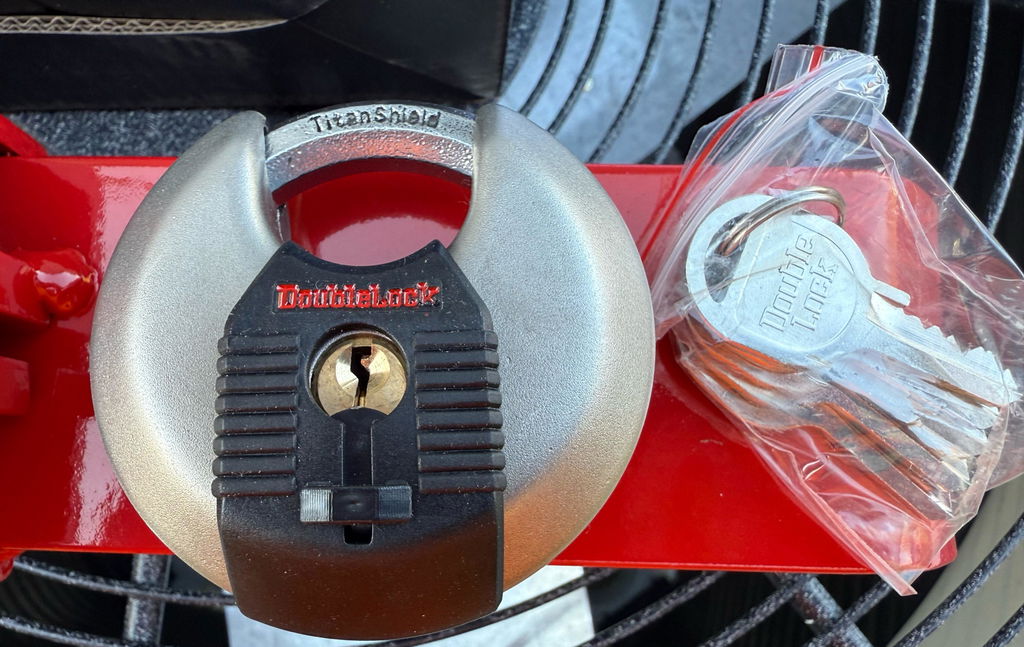
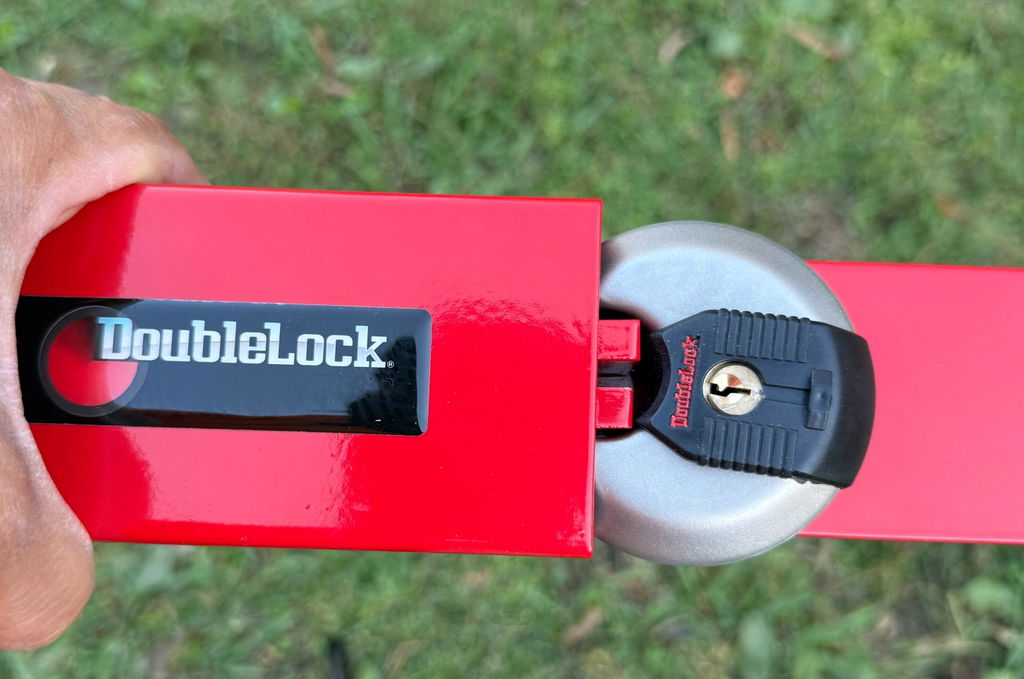
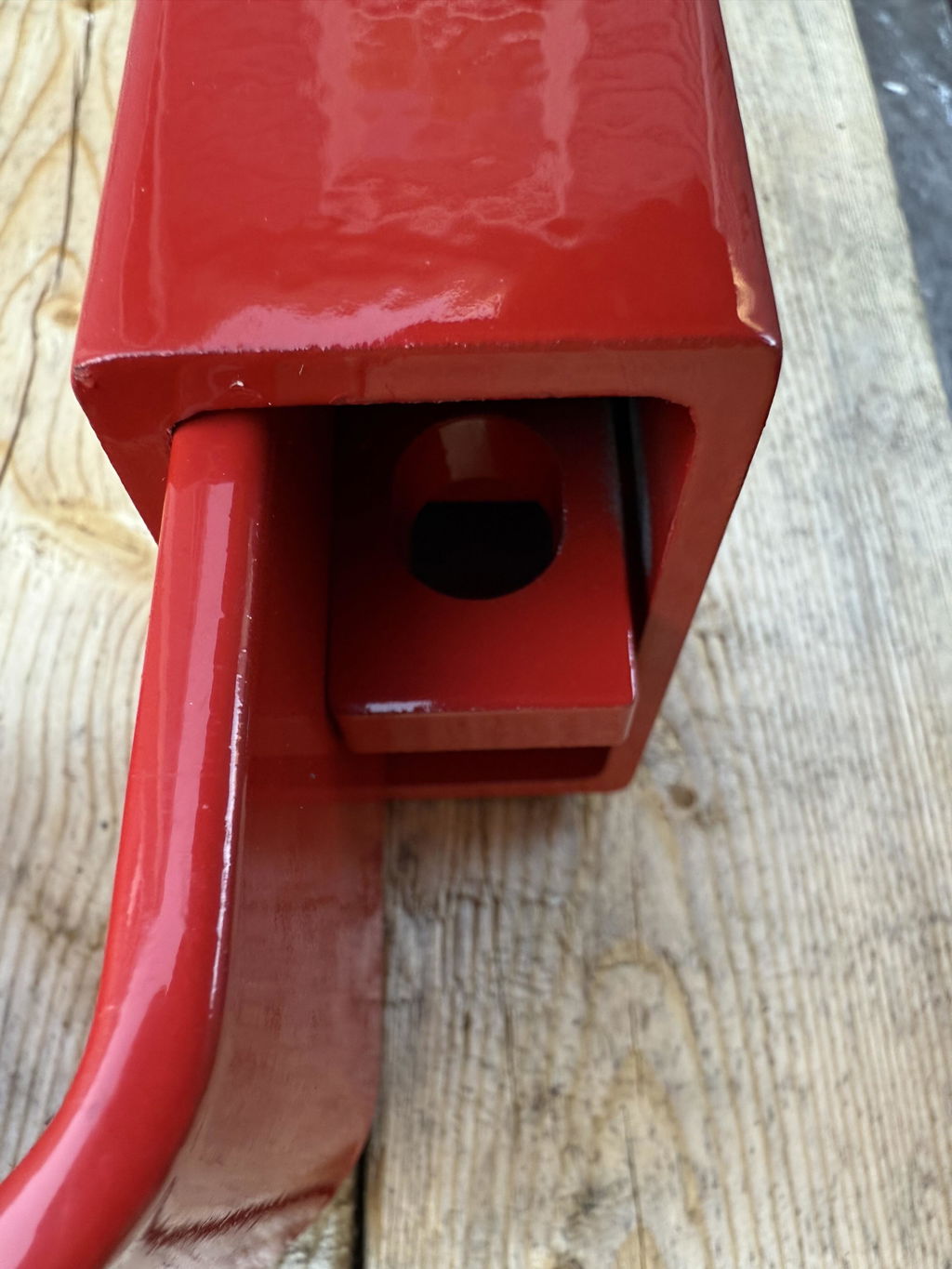
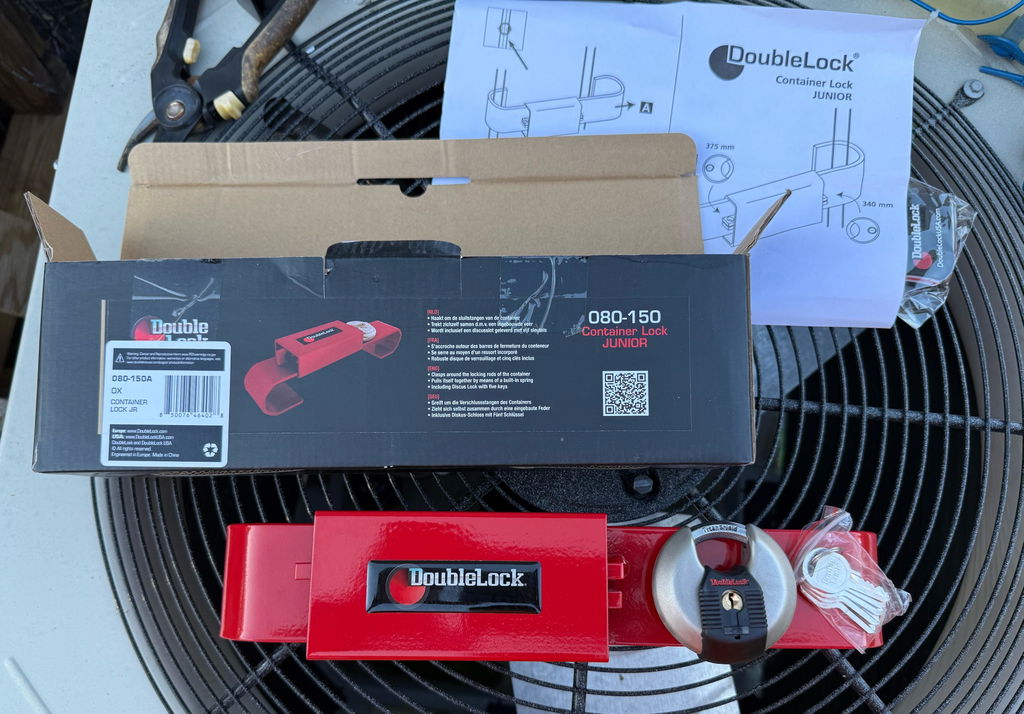
Security is as much about psychology as it is about physical strength. A brightly colored 5th wheel locking pin is a perfect example of this. Its bold, vibrant appearance—often in shades of red or yellow—is immediately noticeable, even from a distance. This high visibility acts as a clear, upfront warning to potential thieves that your trailer is not an easy target. Most criminals are looking for a quick and simple job, and a prominent security device signals that they will face significant resistance. The bold look immediately tells them the trailer is protected, often convincing them to move on to a more vulnerable asset. This visual deterrent is a simple yet powerful feature that enhances your overall trailer protection plan.
Understanding High-Grade Pin Mechanisms
Beyond physical strength, the lock's internal mechanism is critical. Basic locks can be vulnerable to picking, drilling, or bumping. High-security models incorporate advanced features to counter these techniques. Look for locks with complex keyways, anti-drill plates, and mechanisms that resist tampering. For example, some designs use disc detainer cylinders, which are harder to pick than conventional pin-tumbler locks. Choosing a lock with a high-security mechanism adds another layer of defense, deterring more skilled thieves who come prepared with specialized tools.
Hardened Steel Pins
The foundation of any dependable locking pin is the material it’s made from. While a security device might look tough on the outside, its ability to resist a determined thief comes down to its core strength. That's why you should always look for pins constructed from heavy-duty, hardened steel. This isn't just regular steel; it's been heat-treated to become incredibly resistant to common theft tactics like cutting, drilling, and prying. A thief with a bolt cutter or a drill will have a much harder time defeating hardened steel, often forcing them to give up and move on. Investing in a product made from superior materials is the first and most important step in creating a truly secure setup for your trailer.
High-Security Lock Cores
While the physical strength of the steel is crucial, the internal mechanism, or core, is just as important. Basic security devices often use simple pin-tumbler systems that can be vulnerable to picking or bumping. High-security models, however, are designed with advanced features to counter these more sophisticated attacks. Look for mechanisms that feature complex keyways, which make it difficult for picking tools to be inserted and manipulated. Many also include anti-drill plates made of hardened steel to protect the core from being drilled out. These internal defenses create a significant challenge for thieves, ensuring your property is protected by more than just brute strength.
Keyed Alike vs. Unique Key Options
When purchasing security devices, you’ll often see options for how they are keyed. "Keyed Alike" means you can have multiple units that all open with the same key. This is incredibly convenient if you manage a fleet of trailers or use several devices on one trailer, as it reduces the number of keys you need to carry. The alternative is having each unit keyed uniquely, meaning every one has its own specific key. This can offer a different kind of security, as a lost or stolen key would only compromise a single device. The right choice depends on your needs, balancing the convenience of a single key against the individualized security of unique keys for your security hardware.
How Much Should You Spend on a 5th Wheel Pin?
The price of a 5th wheel locking pin can vary, depending on the level of security and materials. Think of it as an investment in protecting your trailer. You can find options for almost any budget, but it’s helpful to understand what you get at different price points. This breakdown can help you decide how much security you need and find a lock that gives you confidence without overspending.
Standard Pins: The Under $50 Option
You can find many reliable locking pins for under $50, with some basic models costing less than $20. These standard security pins are a great starting point, offering a solid layer of deterrence for RVs, semi-trailers, and campers. They are typically designed for low-risk situations, like when your trailer is stored in a secure area or doesn't contain high-value cargo. While budget-friendly, a good standard pin should still be made from durable materials. It’s an accessible option that provides essential protection for everyday use.
High-Grade Pins: Investing $50 and Up
If you’re hauling valuable cargo or frequently park in unsecured locations, investing in a high-security pin is a smart move. These models, typically priced at $50 or more, are built to withstand serious theft attempts. A basic lock might deter a casual thief, but a premium security system is designed to stop someone who is determined and has tools. These pins often feature hardened steel, complex locking mechanisms, and designs that resist picking, drilling, and cutting. The higher price reflects the advanced engineering and robust materials that provide stronger defense for your assets.
Factoring in Lock Core Upgrades
While a hardened steel body provides excellent defense against brute force, the lock's core is its brain. This internal mechanism is what stands between a thief's tools and your trailer. Basic locks can sometimes be bypassed by skilled individuals using picking or drilling techniques. This is where upgrading to a high-security core makes a significant difference. These advanced systems are designed with features like complex keyways and anti-drill plates that resist tampering. Choosing a lock with a superior core adds a crucial layer of defense, making it much harder for a prepared thief to succeed. Investing in these advanced locking mechanisms is what truly separates a standard pin from a high-grade security solution, giving you greater confidence that your trailer is protected.
Where to Buy a Quality 5th Wheel Pin
You can find quality 5th wheel locking pins at major retailers and online. Stores like The Northern Tool and Lowe's often carry a selection of durable options. When shopping, look for pins with features like easy installation and weather-resistant construction. Buying directly from a trusted security brand is also a great choice. Our full range of locks is designed for superior protection, and you can compare different models to find the perfect fit. This way, you can be sure you’re getting a reliable product backed by security expertise.
Buying a 5th Wheel Pin? Avoid These Common Mistakes
Selecting the right locking pin is a key step in protecting your investment. A secure lock gives you peace of mind, whether your trailer is parked at a campsite or in storage. To help you make a confident choice, let's walk through a few common mistakes people make and how you can avoid them. Paying attention to these details ensures you get a lock that offers reliable protection for years to come.
Picking the Wrong Size for Your Hitch
When it comes to locking pins, size is not a detail you can afford to get wrong. A pin that is too small for your 5th wheel hitch won't create a secure connection, leaving a gap that can be exploited. On the other hand, a pin that is too large simply won't fit. Before you shop for a lock, measure your hitch receiver and king pin carefully. Always check the product specifications to confirm a compatible fit. For the best protection, consider using two or more high-security locks made from hardened steel to slow down even the most determined thieves.
Overlooking Important Design Features
It can be tempting to choose a locking pin based on price alone, but this often means sacrificing critical security features. The foundation of a truly secure lock is its material. While features like anti-pick mechanisms are great, the strength of the lock body itself is what stands up to brute force attacks like cutting or drilling. Look for pins made from hardened steel, which is specifically treated to resist these methods. Learning about a company’s commitment to quality can also give you confidence in the materials and construction of their products.
Forgetting About Weather Resistance
Your 5th wheel and its components are constantly exposed to the elements. A locking pin that isn't designed for outdoor use can quickly rust and seize up, becoming difficult or impossible to remove. When making your choice, think about where you'll be traveling and storing your trailer. For wet or snowy climates, look for locks made with stainless steel or a chrome-plated finish to prevent rust and corrosion. This ensures your lock operates smoothly every time you need it, regardless of the weather. A durable, weather-resistant lock is a smart investment in long-term security.
How to Get the Most from Customer Reviews
Customer reviews are a fantastic resource for getting honest, real-world feedback on a 5th wheel locking pin. While product descriptions give you the specs, reviews tell you how a pin actually performs day-to-day. But reading them effectively means knowing what to look for. Instead of just glancing at the star rating, you can learn to spot the details that matter most for security, usability, and long-term value. By focusing on specific comments about theft prevention, ease of installation, and durability over time, you can get a much clearer picture of whether a locking pin is the right choice for protecting your trailer.
Assessing a Pin's Strength from Reviews
When you’re scanning reviews, your top priority is security. Look past generic comments like "great product" and search for specifics about theft prevention. The most valuable reviews will come from users who can speak to the pin's effectiveness. Look for phrases like "felt confident leaving my trailer unattended" or comments that describe the pin's sturdy build. While a company like DoubleLock USA builds its reputation on providing top-notch security, hearing a fellow trailer owner confirm that a lock is a "serious deterrent" provides an extra layer of confidence. Pay attention to reviews that compare the product to others, as this often highlights superior security features.
Gauging Ease of Use from Feedback
A locking pin isn’t helpful if it’s too complicated to use consistently. Your goal is to find a product that balances robust security with user-friendly design. As you read reviews, look for comments on the installation process. Did users find it straightforward? Did it require extra tools or a lot of force? Some of the best feedback mentions a lock being "heavy-duty but not too heavy," indicating a design that’s easy to handle without sacrificing strength. Also, check for mentions of the key mechanism. Is it smooth, or do users report issues with it sticking? This feedback gives you practical insight into what it will be like to use the pin regularly.
Checking for Comments on Long-Term Durability
A good locking pin is an investment, so you want one that will last. The best way to assess long-term durability is to find reviews from people who have owned the product for several months or even years. Search for keywords like "rust," "corrosion," and "wear" to see how the pin holds up against the elements. Positive reviews will often mention that the finish has remained intact through rain, snow, or humid conditions. These comments are a strong indicator of quality materials and construction, ensuring your locking pin will continue to protect your trailer season after season.
How to Install and Maintain Your 5th Wheel Pin
Once you've chosen the right locking pin, putting it to use and keeping it in top shape are the next steps. Proper installation ensures your trailer is secure, while regular maintenance guarantees your lock will protect your property for years. Let's walk through how to handle both.
Installing Your 5th Wheel Pin, Step by Step
A 5th wheel locking pin is a specialized security device designed to fit over your trailer's kingpin, which is the main connector linking the trailer to the truck. The best designs allow for quick and simple installation, so you can secure your trailer in just a few moments.
To install your locking pin, first ensure the area around the kingpin is clean and clear of debris. Slide the main body of the lock over the kingpin until it sits securely. Then, insert the locking bolt or pin through the designated holes and engage the locking mechanism. Give it a firm tug to confirm it’s properly seated and locked. Always keep your keys in a safe, memorable place.
Keeping Your 5th Wheel Pin in Top Shape
A high-quality 5th wheel lock makes stealing your trailer incredibly difficult. To ensure it stays that way, a little maintenance goes a long way. Start by choosing a lock made from hardened steel with features that resist picking, drilling, and cutting. This initial investment in quality, a core part of our heritage, pays off in long-term security.
Periodically inspect your locking pin for signs of wear, rust, or damage. Clean it with a dry cloth to remove dirt and grime that could interfere with the mechanism. If you live in a wet or salty environment, consider applying a light coat of lubricant to the internal parts to prevent corrosion. Before each use, check that the pin aligns correctly and functions smoothly.
Finding the Perfect 5th Wheel Pin for Your Needs
Choosing the right locking pin comes down to a few key considerations about your specific situation. By thinking through your security needs, storage environment, and overall protection strategy, you can find a lock that gives you confidence and peace of mind.
Assessing Your Risk Level
First, think about what you're protecting. The value of your trailer and its contents should directly influence your security choices. A high-quality 5th wheel lock makes stealing your trailer incredibly difficult and will deter most thieves from even trying. If you're hauling expensive equipment or personal belongings, a basic pin might not be enough. Consider the potential loss if your trailer were stolen. Investing in a stronger, more robust locking pin is a small price to pay for peace of mind. Your goal is to make your trailer a less attractive target than the next one. A solid security plan starts with understanding exactly what's at stake.
Consider Where You Store Your Trailer
Where you park your trailer plays a huge role in determining the level of security you need. If you store it in a well-lit, fenced facility with security cameras, a standard locking pin might be sufficient. However, if you park your trailer in a dark, isolated, or known high-theft area, you should absolutely invest in stronger, more expensive locks. Thieves often look for easy opportunities, and an unattended trailer in a remote location is a prime target. Think about the environment your trailer will be in most of the time, both at home and on the road. A heavy-duty lock provides an essential layer of defense in higher-risk situations, giving you confidence that your trailer is safe wherever you leave it.
How a 5th Wheel Pin Fits into Your Overall Plan
A 5th wheel locking pin is a critical security component, but it shouldn't be your only one. The best way to secure a trailer is to use two or more locks to slow down even the most skilled thieves. Think of your security in layers. A determined criminal might be able to defeat a single lock, but facing multiple security devices takes more time, effort, and specialized tools, which increases their risk of getting caught. You can combine your locking pin with other deterrents like coupler locks or even a GPS tracker. This multi-faceted approach creates a much tougher challenge for anyone trying to steal your property and makes your trailer a much less appealing target.
Related Articles
- 5th Wheel Lock for Semi Trailer: The Ultimate Guide
- 5 Best Theft Proof Trailer Locks (Buyer's Guide)
- 4 Best King Pin Locks for Semi Trailers (2026 Guide)
- King Pin Lock: The Ultimate Security Guide
- Stainless Steel Locking Hitch Pin: A Buyer's Guide
Frequently Asked Questions
How do I know if a locking pin will fit my specific trailer? Most fifth-wheel king pins are a standard size, so many locks are designed for a universal fit. However, it's always a good idea to confirm before you buy. Check the product's specifications to ensure it's made for your trailer type. The goal is a snug fit that leaves no room for a thief to pry at the lock, so avoid any model that seems loose or wobbly once installed.
Is a standard, less expensive lock good enough, or do I really need a heavy-duty one? This really depends on your situation. A standard lock can be a great deterrent for trailers stored in secure, well-lit areas. If you frequently park in public lots, remote locations, or store valuable items in your trailer, investing in a heavy-duty model is a wise choice. The stronger materials and more complex mechanisms are built to resist serious attacks, giving you more robust protection where you need it most.
Why is hardened steel so important for a locking pin? Hardened steel is the foundation of a truly secure lock. While a basic lock might discourage a casual thief, one made from regular steel can often be defeated with tools like bolt cutters or a drill. Hardened steel is heat-treated to become much more resistant to cutting, drilling, and prying. This material strength is what turns a simple lock into a formidable barrier against a determined criminal.
How often should I clean or lubricate my locking pin? A little maintenance goes a long way in keeping your lock working smoothly. A good practice is to inspect it every few months for dirt or signs of rust. We recommend cleaning it and applying a quality lubricant to the internal mechanism at least once a year. If you live in a region with harsh winters or salty air, doing this twice a year will help prevent corrosion and ensure the lock never seizes up.
Besides a king pin lock, what other security devices should I consider for my trailer? A king pin lock is an excellent primary defense, but a layered approach is always best for security. Think about adding other devices that make your trailer a more difficult target. You could use a coupler lock when the trailer is unhitched or even install a GPS tracker for recovery purposes. The more time and effort a thief would have to spend, the more likely they are to move on to an easier target.