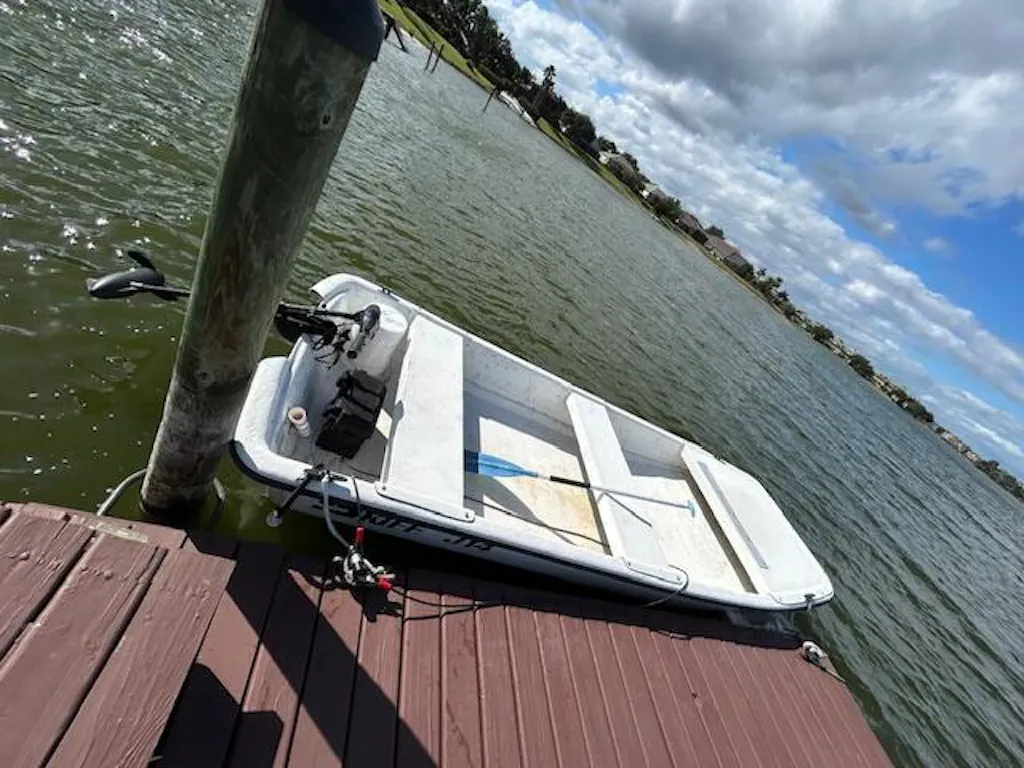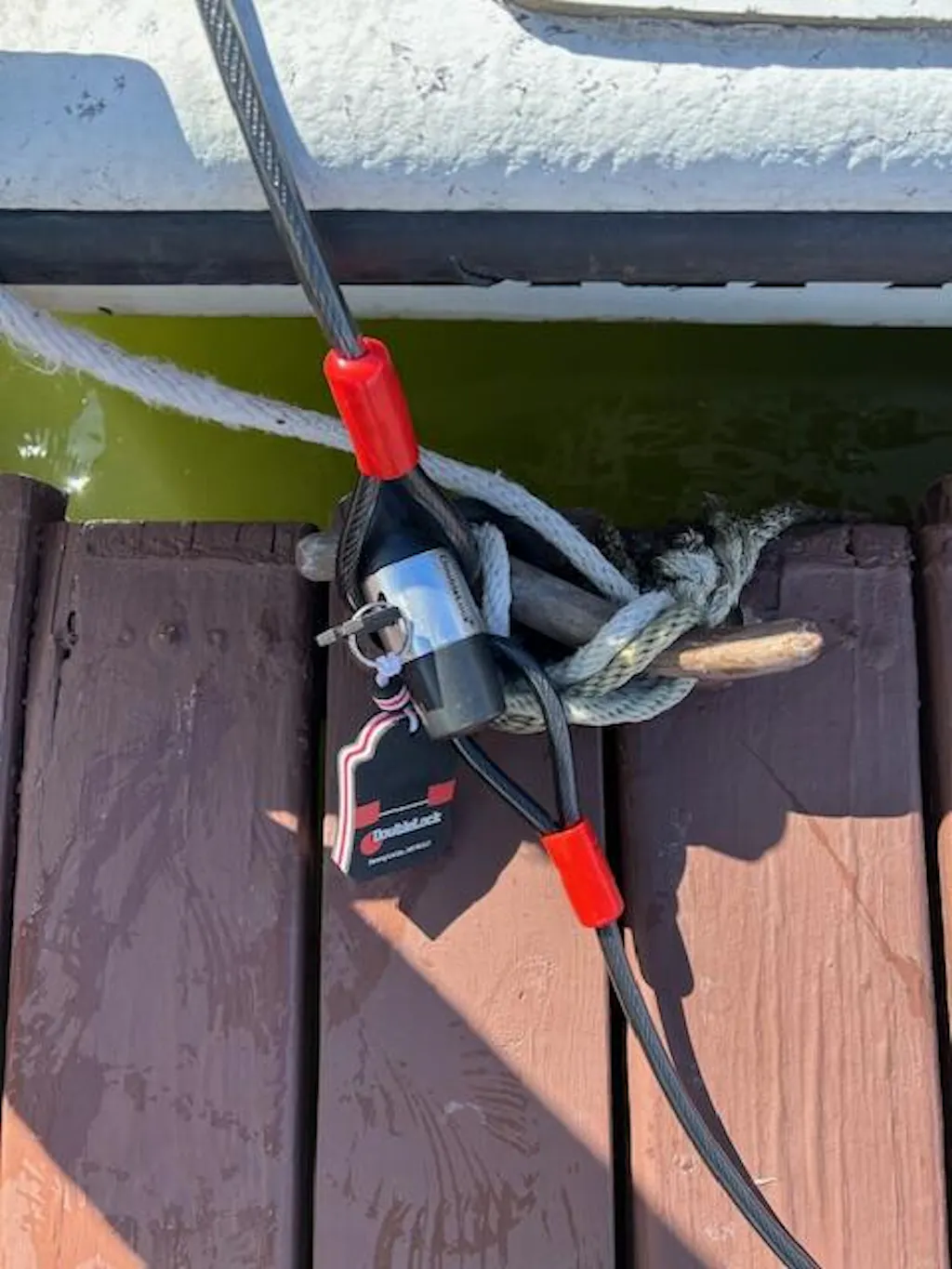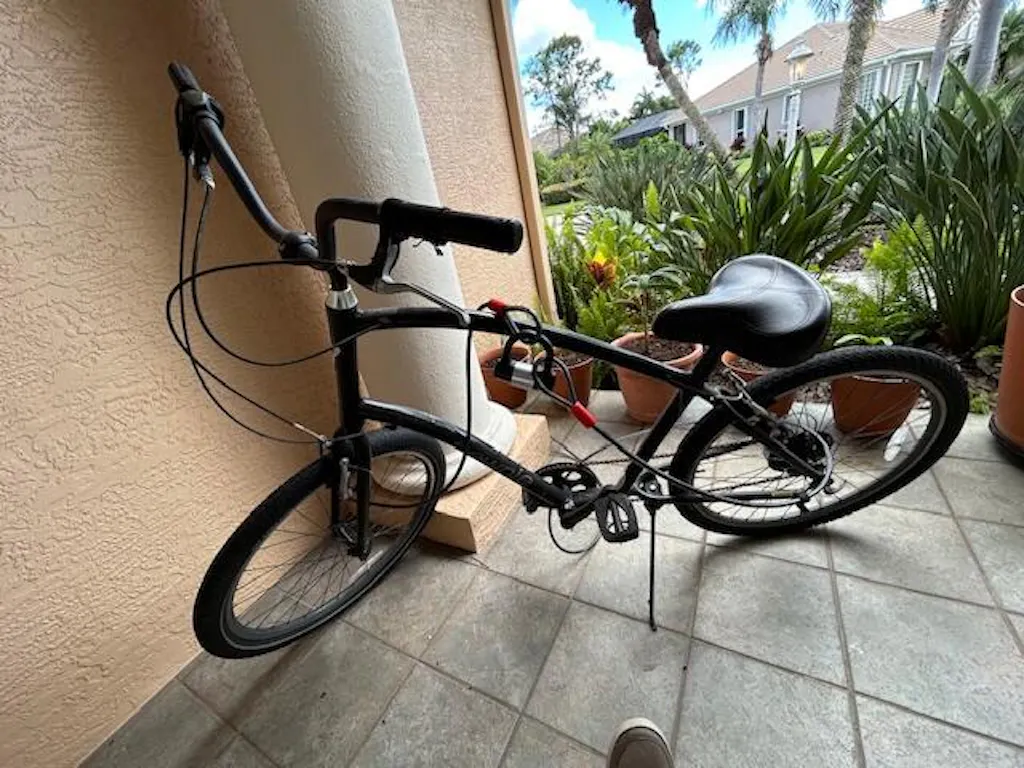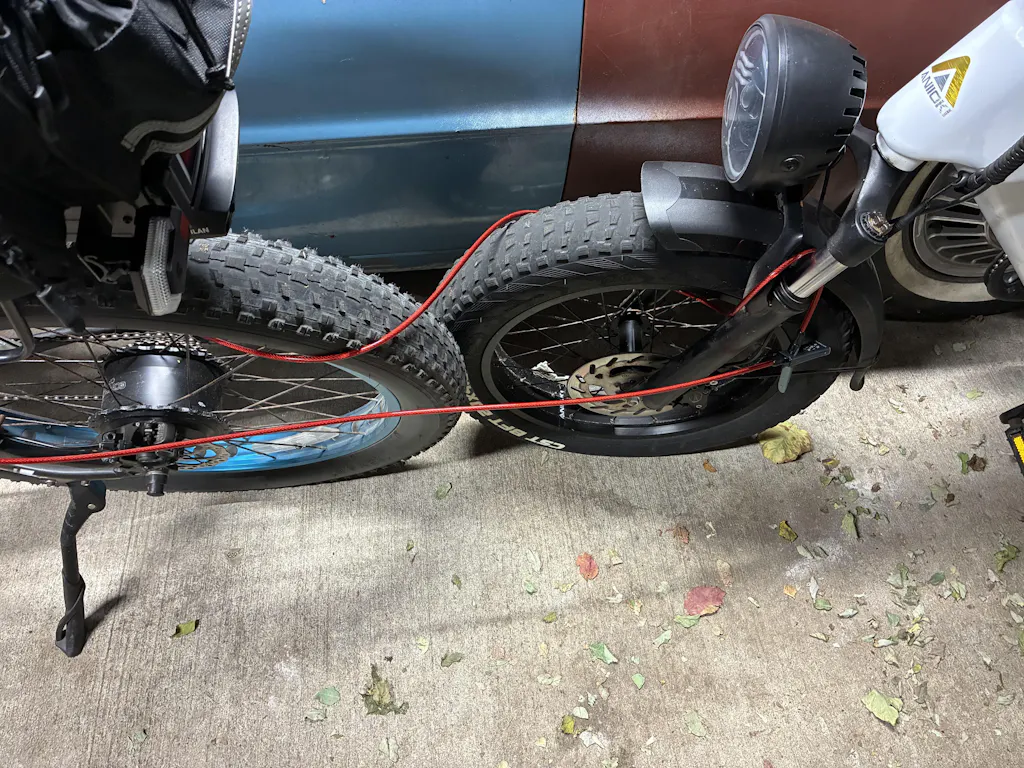

When you're protecting expensive assets like a boat, trailer, or job site equipment, your padlock is a critical line of defense. But in an outdoor setting, that defense is constantly under attack from the elements. A lock that rusts shut or freezes solid isn't just an inconvenience; it's a failed investment. Choosing a high-quality weatherproof outdoor padlock means investing in reliability and genuine peace of mind. This guide will walk you through what makes a lock truly durable, from its materials to its internal seals, so you can make a choice that keeps your property secure season after season.
Key Takeaways
- True weatherproofing is in the details: A genuinely resilient padlock is made from corrosion-resistant materials like stainless steel and includes design features such as a covered keyway and sealed body to keep the internal mechanism safe from moisture and debris.
- Invest in security that matches your assets: The price of a padlock often reflects its strength and durability. While a budget-friendly lock is fine for a shed, securing high-value equipment or property in harsh climates warrants investing in a mid-range or premium model.
- A little maintenance makes a big difference: You can extend the life of any outdoor padlock with simple, routine care. Regularly clean the lock, apply a graphite or silicone-based lubricant, and position it with the keyway facing down to prevent water from pooling inside.
What Does "Weatherproof" Mean for Outdoor Security?
When you need to secure something outdoors, not just any padlock will do. A truly weatherproof padlock is more than just a lock; it’s a specialized piece of equipment designed to function reliably through rain, snow, and extreme temperatures. The difference between a standard lock and a weatherproof one comes down to three key areas: the materials used, the protective design features, and its ability to handle temperature changes. Understanding these elements will help you choose a lock that won’t fail when you need it most.
A lock left outside is constantly exposed to moisture, dust, and fluctuating temperatures, all of which can cause rust, internal freezing, and jamming. Weatherproof padlocks are engineered specifically to combat these issues. From the metal alloys that resist corrosion to the seals that keep water out, every component is chosen for its durability. Let's look at what separates a genuinely resilient outdoor padlock from one that will leave your property vulnerable.
Choosing Materials That Brave the Elements
The foundation of a durable outdoor padlock is its construction material. You’ll want to look for locks made from metals that naturally resist rust and corrosion, like stainless steel and zinc. These materials are chosen for their ability to stand up to constant exposure to moisture without degrading. A padlock’s shackle, the U-shaped part that does the locking, is a common point of attack, so many high-quality weatherproof locks feature a hardened steel shackle for extra strength against cutting or sawing. Our commitment to quality means we select materials that provide a tough defense against both physical force and harsh weather.
Stainless Steel and Zinc
Stainless steel and zinc are workhorse materials in the world of outdoor security. Their primary advantage is excellent corrosion resistance, which is essential for any lock that will live outside. The body of a padlock made from stainless steel can endure constant rain and humidity without developing the rust that would seize up its internal mechanism. Zinc is often used as a protective coating over steel components, creating a barrier that sacrifices itself to protect the steel underneath from rust. When you see a lock made with these materials, you know it was designed with longevity in mind, giving you a reliable way to secure your property season after season.
Brass and Aluminum
Brass and aluminum are also excellent choices for weatherproof padlocks, each offering unique benefits. Brass, an alloy of copper and zinc, is famously resistant to corrosion, especially in saltwater environments, making it a traditional favorite for marine applications. It’s a dense, durable material that holds up well against the elements. Aluminum, on the other hand, is much lighter, which can be an advantage in certain situations. It naturally forms a protective oxide layer that prevents rust, ensuring the lock remains functional. Our founding principles are built on using the right materials for the job, and both brass and aluminum prove their worth in creating dependable outdoor security.
Boron Alloy for High-Security Shackles
When you need to protect high-value assets, the material of the shackle becomes critically important. While hardened steel offers good protection, boron alloy takes security to the next level. This material is exceptionally hard and provides superior resistance to cutting and sawing attempts from tools like bolt cutters. Using a boron alloy shackle makes a padlock significantly more difficult for a thief to defeat through brute force. This is a feature you’ll find on premium, high-security padlocks designed for situations where the highest level of protection is non-negotiable. Investing in a lock with a boron alloy shackle is a clear choice for securing expensive construction equipment or a boat trailer.
How Seals and Coatings Add Protection
Great materials are just the start. A padlock’s design is critical for keeping the internal mechanism safe from the elements. Look for features like a covered keyhole or protective seals around the body of the lock. These additions act as a barrier, preventing rain, snow, and dust from getting inside where they can cause rust or freeze the components. Some designs also include a thermoplastic shell that encases the lock body, providing another layer of protection. These thoughtful design elements are what ensure your key will turn smoothly, even after a storm.
Vinyl Coatings and Rubber Seals
A vinyl coating acts like a jacket for your padlock, shielding the body from dings, scratches, and moisture that can lead to rust. It’s a simple but effective layer of defense. Meanwhile, rubber seals are the unsung heroes of weatherproofing. They fit snugly around the shackle and cover the keyway, creating a barrier that stops water and grit from infiltrating the lock’s internal components. This combination is essential for ensuring your lock operates smoothly year after year, reflecting a commitment to durable design that prevents frustrating jams and failures when you can least afford them.
Shackle Shrouds for Extra Defense
For an added layer of security against physical attacks, look for a padlock with a shackle shroud. This feature is essentially a built-in guard that extends from the lock’s body to cover the shoulders of the shackle, leaving less of it exposed. By minimizing access, a shroud makes it incredibly difficult for bolt cutters to get the leverage needed to cut through the shackle. When paired with hardened steel, this design element significantly enhances the lock's resistance to forced entry. You can find many high-security options that incorporate this feature for maximum protection of your most valuable assets.
Will It Work in Extreme Heat and Cold?
Extreme temperatures can be a padlock’s worst enemy. The biggest issue is often not the cold itself, but what happens when water gets inside the lock and freezes. This can expand and damage the internal pins or simply block the key from entering or turning. A well-designed weatherproof padlock minimizes the spaces where water can collect. Many are tested for corrosion resistance for extended periods, ensuring they can hold up in different climates. When you shop for a padlock, consider one built to prevent water from getting in, so it remains functional even in freezing conditions.
Designs That Allow for Water Drainage
Even with the best materials and coatings, a padlock’s design plays a huge role in its long-term survival outdoors. A truly weatherproof padlock is a specialized piece of equipment, and part of that specialization is anticipating that moisture might eventually find its way inside. Smart designs incorporate small drainage holes, often near the keyway, which allow any water that seeps in to escape. This prevents water from pooling, freezing, and expanding, which could damage the internal mechanism. For an extra measure of protection, always try to position your padlock with the keyway facing downward. This simple step uses gravity to help keep rain and debris out.
Understanding Security and Durability Ratings
When you're comparing padlocks, you’ll see a lot of terms like "heavy-duty" or "maximum security." But what do those really mean? Without a standard for comparison, it’s just marketing. This is where independent security and durability ratings come in. These ratings are given to padlocks that have undergone rigorous, standardized testing to prove they can withstand specific threats. The tests are designed to simulate real-world scenarios, from brute-force attacks to long-term environmental exposure. A padlock with an official rating gives you an objective measure of its strength, so you can trust that the padlock you choose will perform as promised. It’s a sign that the manufacturer has invested in third-party validation to back up their claims.
European Standards (EN12320:2012)
One of the most respected benchmarks you might see is the EN12320:2012 standard. This is a European rating system that grades padlocks on their ability to resist common methods of attack. During testing, padlocks are subjected to forces that mimic cutting with a saw, twisting with a wrench, and pulling the shackle out of the body. Based on how well a padlock performs, it receives a grade from 1 to 6, with 6 being the highest level of security. When you see this rating, you know the padlock hasn't just been called "strong"—it has been independently tested and proven to stand up to a specific level of force.
Corrosion and Cycle Testing
Beyond resisting attacks, a great outdoor padlock must endure the environment. That's why many are also put through corrosion and cycle testing. Corrosion tests often involve placing the padlock in a salt spray chamber for an extended period—sometimes over 100 hours—to simulate years of exposure to rain or coastal air. This ensures the materials and coatings won't break down and rust. Cycle testing checks the mechanism's longevity by mechanically locking and unlocking it thousands of times. These tests confirm that the padlock is not only tough on day one but will remain reliable for years of repeated use in harsh conditions.
Advanced Security Mechanisms
The outer strength of a padlock is important, but its internal security mechanism is what truly keeps your property safe. While a tough exterior can deter a casual thief, a determined one may try to pick or bypass the core. This is where the quality of the internal engineering makes all the difference. Advanced mechanisms are designed with tighter tolerances and more complex components that make them significantly harder to manipulate. Features like a double ball locking system, for example, offer a much higher level of security than the simple spring-latches found in cheaper alternatives. Our entire approach is built on providing this kind of robust, reliable engineering.
Double Ball Locking Explained
So, what makes a double ball locking system special? It’s all about how the shackle is held in place. In many basic padlocks, a single spring-loaded latch clicks into a notch on one side of the shackle. This creates a potential weak point that can be forced open with enough prying. A double ball mechanism, however, uses two hardened steel ball bearings to lock both sides of the shackle firmly into the padlock's body. When you try to pull or pry the shackle, the force is evenly distributed and resisted on both sides, making it incredibly difficult to defeat. It’s a simple but powerful design that provides a huge leap in security.
Why Choose DoubleLock USA for Outdoor Security?
When you need a padlock that can stand up to the elements, you need a brand you can trust. At DoubleLock USA, we build our security solutions with durability and reliability at their core. Our commitment to quality means you get peace of mind, knowing your property is protected no matter the weather. From our materials to our designs, every detail is considered to give you the best protection possible for your gates, containers, and equipment.
Built to Last: A Look at Our Design
DoubleLock USA products are specifically designed for durability in tough outdoor settings. A weather-resistant lock provides an extra layer of security and ensures the lock remains functional through rain, snow, and fluctuating temperatures. We use materials that resist corrosion and internal mechanisms that prevent freezing, so you can count on your lock to work when you need it. This focus on robust construction is part of our heritage, reflecting a long-standing dedication to creating security products that last. You can feel confident that your assets are secure, year after year.
Need Maximum Protection? See Our Heavy-Duty Models
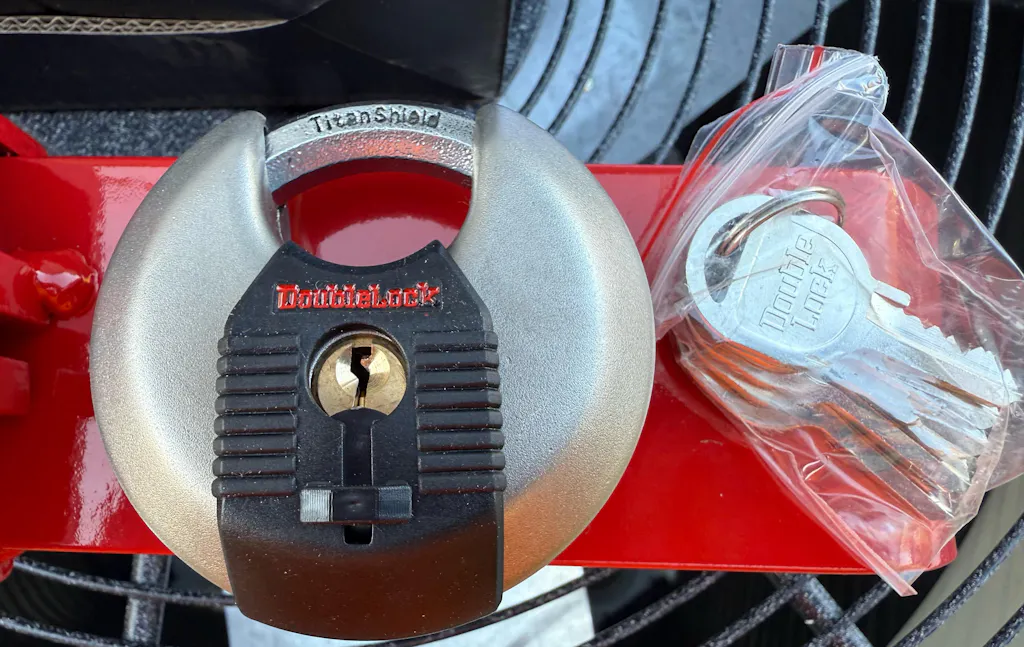
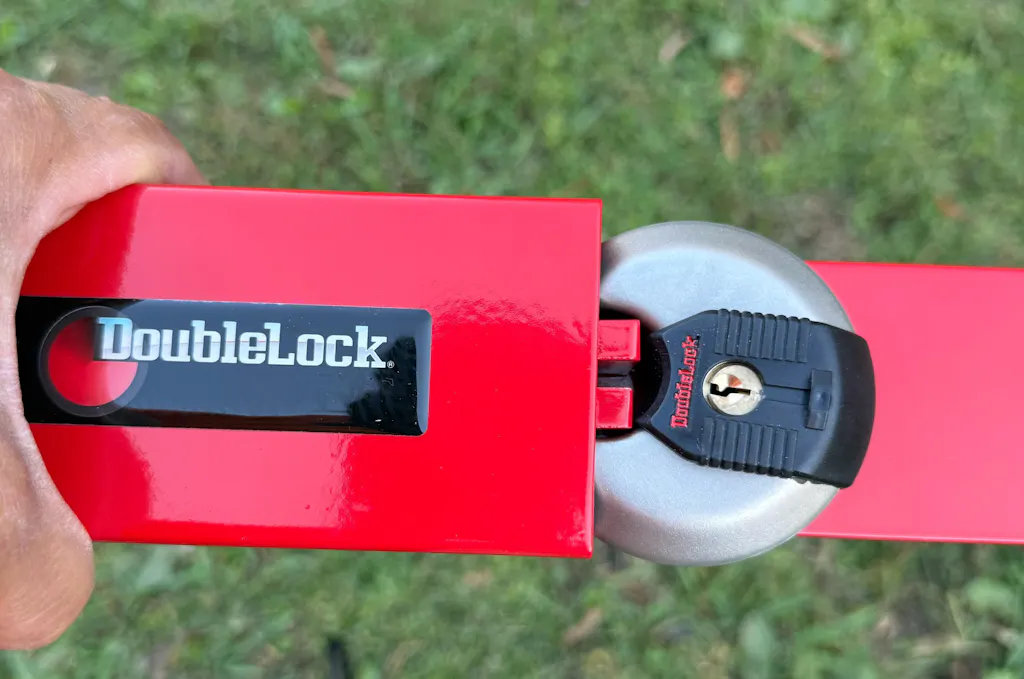
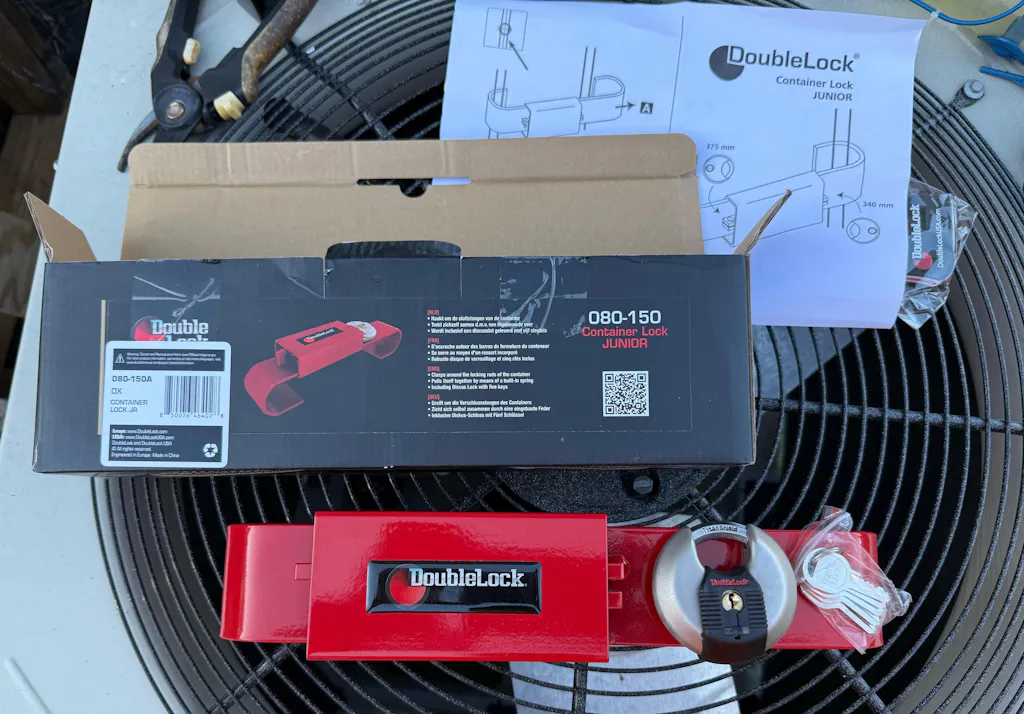
For high-value assets that require serious security, we offer several heavy-duty models. The DoubleLock BULL Container Lock offers maximum protection for containers, trailers, and heavy-duty gates. For another high-security option, the DoubleLock Red Hawk is a 2-piece padlock designed for maximum durability and is compatible with heavy chains and steel cables. These locks are engineered to protect your most important property, from construction equipment to shipping containers. When standard security isn't enough, our heavy-duty padlocks provide the strength and resilience you need.
Finding the Right Size for Your Needs
The size of a padlock is about more than just its overall bulk; it’s about the shackle’s dimensions. The shackle is the U-shaped bar, and its thickness is a primary factor in how resistant it is to cutting. A thicker shackle offers greater security. Just as important is the shackle’s clearance—the height and width of the opening. You need a lock that fits securely around your chain, hasp, or gate latch. A fit that’s too loose can leave space for prying tools, while one that’s too tight won’t close at all. When you shop for a padlock, pay close attention to these measurements to ensure you get a secure fit for your specific application, whether you're protecting a trailer or a storage container.
Where to Find Us in Your Favorite Stores
Getting the right security solution should be straightforward. That’s why we’ve made our products available where you already shop. You can find DoubleLock USA’s heavy-duty padlocks, container locks, hitch locks, and cables at major retailers like The Northern Tool, Lowe's, and Northern Tools. This accessibility means you can easily pick up a reliable, weatherproof padlock while getting other supplies for your project. When you see our name, you know you’re getting a product backed by a commitment to unbeatable security and quality craftsmanship.
What's the Price for Reliable Weather Protection?
When you're shopping for a weatherproof padlock, you'll find a wide range of prices. It can be tricky to figure out how much you really need to spend to get the job done. Generally, the price of a padlock reflects the quality of its materials, the complexity of its locking mechanism, and its overall resistance to both tampering and harsh weather. A higher price tag often means stronger metals like hardened steel, more sophisticated key systems, and better seals to keep out moisture and dust. Think of it as an investment in peace of mind.
Deciding on your budget comes down to what you're protecting. For a simple garden shed or a toolbox, a basic, budget-friendly lock might be all you need. But if you're securing expensive equipment on a construction site, a valuable trailer, or a boat at the marina, investing in a premium padlock is a wise choice. The key is to match the lock's value to the value of what it's protecting. To help you find the right balance between cost and security, we can break down the options into three main categories: budget-friendly, mid-range, and premium solutions. Each tier offers a different level of protection to match your specific needs and give you confidence that your property is secure.
Smart, Budget-Friendly Security ($10-$20)
You don't have to spend a lot to get dependable weather protection for everyday items. In the $10 to $20 range, you can find solid padlocks that are perfect for securing gates, sheds, or outdoor storage units. These locks typically feature basic weather-resistant coatings and keyway covers to prevent rust and freezing. For example, the Master Lock 312TRI Weatherproof Padlock 3 Pack is a popular choice that offers good value. While they may not have the advanced security features of more expensive models, these locks provide a reliable deterrent for low-risk situations.
Our Most Popular Mid-Range Models ($20-$35)
Stepping up to the mid-range gives you a significant increase in both durability and security. For $20 to $35, you can expect padlocks made from tougher materials with more robust weatherproofing. A great example is the Master Lock Heavy Duty Outdoor Padlock, which is specifically designed for outdoor reliability. Another excellent option is the ABUS 180IB Marine Combination Lock, which features a forged brass body and a stainless-steel shackle for superior corrosion resistance. This price point is the sweet spot for many people, offering a great balance of performance and affordability for securing valuable tools or equipment.
Investing in Premium Security ($35+)
When you need the highest level of protection for your most valuable assets, it's time to look at premium padlocks. Priced at $35 and up, these models are built for maximum security and extreme weather conditions. They often feature hardened alloy steel bodies and advanced disc cylinder mechanisms that are highly resistant to picking and drilling. The ABUS Padlock GRANIT 37RK/80 is a top-tier example, earning a perfect 10/10 on the ABUS security scale. For a more modern approach, high-tech solutions like the Master Lock Bluetooth Padlock offer advanced features and convenience. These locks are an investment, but they provide unparalleled security for construction equipment, marine applications, and anything else you can't afford to lose.
Keyed vs. Combination: Which Style Is Right for You?
When selecting a weatherproof padlock, one of the first decisions you'll make is between a traditional keyed lock and a modern combination lock. There's no single right answer; the best choice depends on your specific needs for security, convenience, and access. Both offer excellent protection when built with quality materials, but they function very differently. Let's look at the strengths of each system to help you decide which one fits your lifestyle and security requirements.
Why You Might Prefer a Keyed System
Keyed padlocks are the classic choice for a reason. They offer a straightforward and highly reliable security solution that many people trust. Their internal mechanisms are often simpler, which can translate to greater durability against brute force attacks. One of the biggest advantages is the option for keyed-alike systems. This feature allows you to open multiple locks with a single key, which is incredibly convenient if you need to secure a gate, a shed, and a trailer hitch without carrying a heavy ring of keys. Customers often find these locks to be sturdy and secure, providing consistent peace of mind for their outdoor equipment and property.
The Convenience of a Combination System
The primary appeal of a combination lock is its key-free convenience. You never have to worry about losing your keys or fumbling to find the right one in the dark. Instead, you set a memorable code that you can easily recall. This makes combination locks an excellent choice for situations involving shared access. If you need to grant entry to family members, employees, or service workers, you can simply share the code instead of handing out physical keys. Many find it simple to set and reset the combination, giving them flexible control over who has access to their secured items at any given time.
Exploring Different Keying Options
Once you’ve settled on a keyed padlock, you have a few more choices that can make your security setup much more convenient and effective. The way a lock is keyed determines how many keys you need to carry and who has access. Understanding these options helps you create a system that’s tailored to your property, whether you’re securing a single trailer or an entire job site. It's about finding the right balance between streamlined access for you and a strong barrier for everyone else. From using one key for everything to creating a hierarchy of access for a work crew, the right keying system can make your life easier while keeping your assets safe. Let's look at the most common configurations.
Keyed-Alike vs. Keyed-Differently
By default, most padlocks you buy off the shelf are keyed-differently, meaning each lock has its own unique key. This is great for security because if one key is lost or compromised, it can’t be used to open any of your other locks. However, it also means carrying a separate key for every padlock you own. The alternative is a keyed-alike system, where multiple locks are designed to open with the same key. This is incredibly convenient for securing several access points, like a gate, a container, and a tool chest, all with a single key. You can find keyed-alike options that simplify your daily routine without sacrificing robust protection.
Master Keyed Systems
A master keyed system offers a more complex, hierarchical level of access, which is especially useful for business owners and site managers. In this setup, each padlock has its own individual key, but a single master key can open all of them. This allows you to control access with precision. For example, a construction site supervisor could carry the master key to access all equipment and storage, while individual crew members have keys that only open the specific toolboxes they are assigned. This type of keying option provides both security and operational efficiency for managing multiple assets and personnel.
The Flexibility of Rekeyable Cylinders
For long-term security management, rekeyable cylinders offer a smart and cost-effective solution. A rekeyable padlock allows you to change the internal mechanism to work with a new key without having to replace the entire lock. This feature is invaluable if a key is ever lost or stolen, or when an employee leaves your company. Instead of buying all new hardware, you can quickly and easily rekey the existing locks, instantly restoring security and ensuring old keys will no longer work. This flexibility saves you money and provides peace of mind, knowing you can adapt your security as your needs change.
What Are the Biggest Weather Threats to Outdoor Security?
When you secure your property outdoors, you’re not just protecting it from theft; you’re also pitting your padlock against the elements. Sun, wind, rain, and ice all take a toll on metal components. Understanding these specific threats is the first step in choosing a lock that will stand up to the job year after year. A padlock that fails due to weather is just as useless as one that’s been broken into. Let’s look at the primary environmental challenges your outdoor padlock will face.
Guarding Against Rust from Rain and Moisture
Persistent rain and humidity are a padlock’s most common enemies. The main issue is water seeping into the lock’s internal mechanism. Once inside, moisture can cause the metal components to rust and corrode from the inside out, eventually causing the lock to seize completely. Even before rust becomes a problem, water inside the keyway can make it difficult to insert or turn your key. A truly weatherproof padlock is designed with features like keyhole covers and internal seals to keep water out. This ensures the locking mechanism stays dry and operates smoothly, no matter how much it rains.
How to Prevent Freezing and Ice Buildup
If you live in a region with cold winters, freezing temperatures add another layer of complexity. When the moisture trapped inside a padlock freezes, the ice expands. This expansion can jam the pins and springs, rendering the lock inoperable until it thaws. Trying to heat a frozen lock in sub-zero temperatures isn't always practical, especially if you need immediate access. The best defense is a padlock designed to prevent water from entering in the first place. By keeping the internal components dry, you eliminate the risk of them freezing solid, ensuring you can always access your property when you need to.
Using Lubricants for Prevention
Even the most robust outdoor padlock benefits from a little routine care. Think of it as simple preventative maintenance that ensures your security device works smoothly for years. Applying a lubricant is one of the easiest and most effective steps you can take. It’s best to use a graphite or silicone-based spray, as these won't attract dust and grime the way oil-based lubricants can. A quick spray into the keyway and shackle openings helps displace any moisture that might have found its way inside, preventing rust and keeping the internal components from sticking in cold weather. This simple action helps extend the life of any outdoor padlock and keeps it functioning reliably.
Fighting Corrosion in Salty Air and Coastal Areas
For those living near the coast, the salty air presents a unique and aggressive challenge. Salt accelerates the corrosion process, quickly eating away at standard metals and causing even robust-looking locks to fail prematurely. This is a critical consideration for securing boats, trailers, and storage units in marine environments. Our products are specifically engineered for durability in these tough settings. For example, the DoubleLock BULL Container Lock is built with durable, weather-resistant materials to provide maximum protection against the corrosive effects of salt air, making it an ideal choice for heavy-duty coastal security.
What Can You Learn from Customer Reviews?
Customer reviews are an incredible resource when you're trying to decide on the right padlock. They offer real-world insights into how a lock performs day-to-day, beyond the marketing promises. By paying attention to what other buyers are saying, you can get a clear picture of a lock's strengths and weaknesses before you spend your money. It’s like getting advice from hundreds of people who have already put the product to the test.
Positive Features Customers Point Out
When you're reading through positive reviews, look for patterns. Customers often celebrate features that make their lives easier and more secure. For example, you might see praise for locks that are exceptionally sturdy or come with the option of being keyed alike, which is a huge convenience if you need to secure multiple areas. Ease of use is another common highlight, with people appreciating smooth key-turns or modern options like one-touch unlocking. Consistent comments about solid construction and reliable performance are strong indicators that you’re looking at a high-quality padlock built to last.
Common Durability Issues to Watch For
Negative reviews are just as valuable, as they can warn you about potential headaches. Keep an eye out for recurring complaints about durability. Some of the most common issues involve poor weather resistance, where a lock rusts or seizes up after just a few seasons. Other red flags include problems with key functionality, like keys getting stuck or the mechanism feeling flimsy. Security vulnerabilities are another critical point. Some reviews may point out that certain types of padlocks can be easily bypassed with simple tools. Spotting these repeated complaints can help you avoid a lock that won’t hold up when you need it most.
How to Find the Best Deals on Weatherproof Security
Finding a high-quality weatherproof padlock doesn’t have to mean overspending. With a little planning, you can find excellent deals on reliable security for your property. Whether you prefer to shop in person or online, knowing where and when to look is the key to getting the best value.
Tips for Shopping at Major Retailers
Walking into a major hardware store gives you the advantage of seeing and handling a padlock before you buy it. Retailers like The Lowe's, Lowe's, and Northern Tools carry a solid selection of security products, so you can compare different models side-by-side. It’s also a great way to find trusted brands, including our own DoubleLock USA padlocks. You can ask store associates for recommendations and walk out with the right lock the same day. For a look at what’s typically available, you can browse the weather-resistant options at your local store online before you go.
Finding the Best Prices Online
Shopping online opens up a massive inventory of weatherproof padlocks from countless brands. The biggest benefit is the ability to easily compare prices and features across different websites without leaving your home. Customer reviews are also incredibly helpful for getting honest feedback on how a padlock performs in real-world conditions. While marketplaces offer variety, consider buying directly from a manufacturer’s website. You can often find the full product line and detailed specifications, ensuring you get exactly what you need. Exploring a brand’s online shop can also give you access to exclusive products or bundles not found elsewhere.
When to Look for Sales and Promotions
If you’re not in a rush, timing your purchase can lead to significant savings. Keep an eye out for seasonal sales events, especially around holidays like Father's Day or during spring cleaning promotions when people are focused on outdoor projects. Retailers often discount outdoor and security items during these periods. Another smart move is to sign up for email newsletters from your favorite security brands or hardware stores. This is one of the best ways to get notified about special promotions, coupon codes, and clearance events directly in your inbox. You can often find great deals on hardware this way.
How to Make Your Outdoor Security Device Last Longer
A quality padlock is an investment in your security, and with a little care, you can ensure it protects your property for years to come. The best way to guarantee longevity is to start with a well-made lock, but consistent upkeep is what truly helps it withstand the elements. By following a few simple maintenance practices, you can keep your outdoor padlock functioning smoothly, preventing rust and seizing when you need it most. These steps will help you get the most out of your lock, ensuring it remains a reliable part of your security setup through every season.
Why Starting with the Right Model Matters
The easiest way to ensure a long life for your padlock is to choose a durable one from the start. Look for locks made from corrosion-resistant materials like stainless steel or brass, with a hardened steel shackle for extra security. The best outdoor padlocks often include protective design features, such as a covered keyway or seals that keep moisture and dust out of the locking mechanism. Making smart material choices from the beginning provides a solid defense against the weather and makes routine maintenance much more effective over the long term.
Simple Steps for Routine Maintenance
Just like any other tool that lives outdoors, your padlock needs regular cleaning and lubrication. At least twice a year, wipe down the lock body and shackle with a clean cloth to remove any dirt or grime. Use a can of compressed air to clear debris from the keyway. Afterward, apply a small amount of graphite or silicone-based lubricant directly into the keyway and shackle openings. Turn the key or work the combination a few times to distribute the lubricant throughout the internal mechanism. This simple routine prevents rust and keeps the components moving freely.
Giving It Extra Protection from the Weather
An extra layer of protection can make a significant difference. Whenever possible, position your padlock so the keyway faces downward. This simple adjustment uses gravity to help prevent rain and snow from settling inside the locking mechanism, which is a common cause of freezing and internal corrosion. For even greater protection, consider using a lock with a built-in weather cover or adding one. A cover cap shields the most vulnerable parts of the lock from direct exposure to moisture and UV rays, adding years to its operational life and ensuring it works when you need it.
Related Articles
- How to Find the Best Outdoor Padlock Weatherproof
- Padlocks: Heavy-Duty, High-Security Locks | DoubleLock USA
- DoubleLock USA | NPSA
Frequently Asked Questions
What is the single most important feature to look for in a weatherproof padlock? While strong materials like stainless steel are crucial, the most critical feature is how the lock is designed to keep water out. Look for models with a covered keyway and internal seals. These elements act as a barrier, preventing moisture from getting inside the locking mechanism where it can cause rust or freeze, which is what typically causes a lock to fail.
Can a truly weatherproof padlock still freeze shut in the winter? Yes, it can, but a well-designed one is far less likely to. Freezing happens when water gets inside the lock and turns to ice, jamming the internal pins. The best weatherproof padlocks are engineered to minimize any gaps where water can enter. By keeping the internal mechanism dry, you significantly reduce the risk of it freezing solid, even in very cold temperatures.
I need to secure a gate that my whole family uses. Should I get a keyed or combination lock? For situations with shared access, a combination lock is often the most convenient choice. It eliminates the need to make and distribute multiple keys, and you never have to worry about someone losing their key. You can simply share the code with anyone who needs access and change it easily if you need to.
How much maintenance does an outdoor padlock actually need to last? A little maintenance goes a long way. A good practice is to clean and lubricate your padlock twice a year, perhaps in the spring and fall. Simply wipe it down, use compressed air to clear out the keyway, and apply a graphite or silicone-based lubricant. This simple routine helps prevent rust and ensures the internal parts move smoothly for years.
Is a more expensive padlock really more secure against weather and theft? Generally, yes. The price of a padlock often reflects the quality of its materials and the complexity of its design. Higher-priced models typically use stronger, more corrosion-resistant metals and feature more advanced locking mechanisms that are harder to pick or break. While a budget-friendly lock is fine for low-risk items, investing more is wise when protecting valuable property.