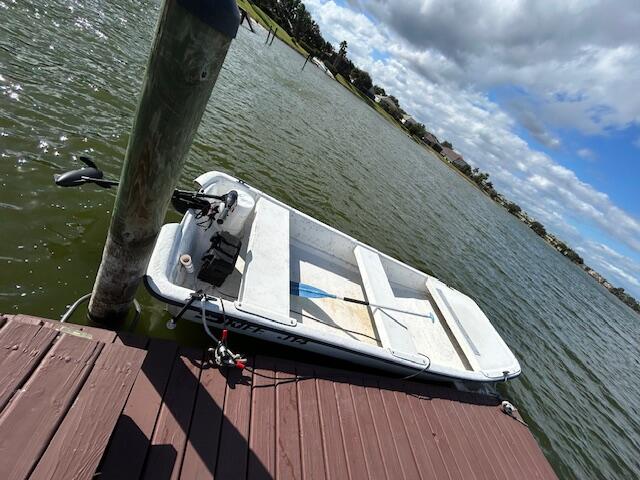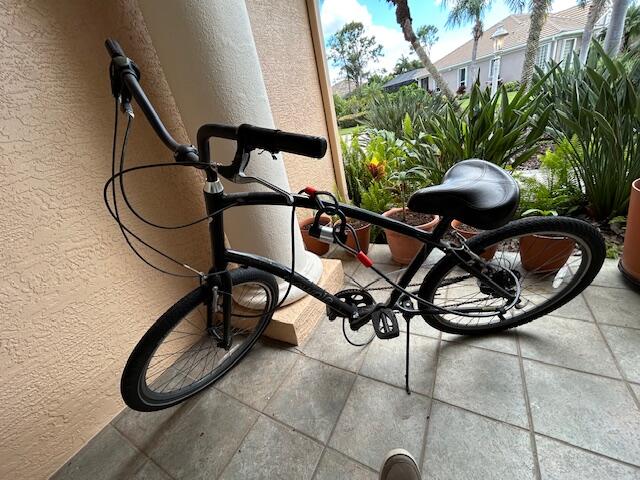


The average outboard motor costs $15,000 and takes less than five minutes for a thief to steal. Boat owners often ignore security until their transom is empty. A strong defense plan must cover the water, the trailer, and winter storage.
Shop marine locks now, secure your outboard motor against theft with industrial-grade protection.
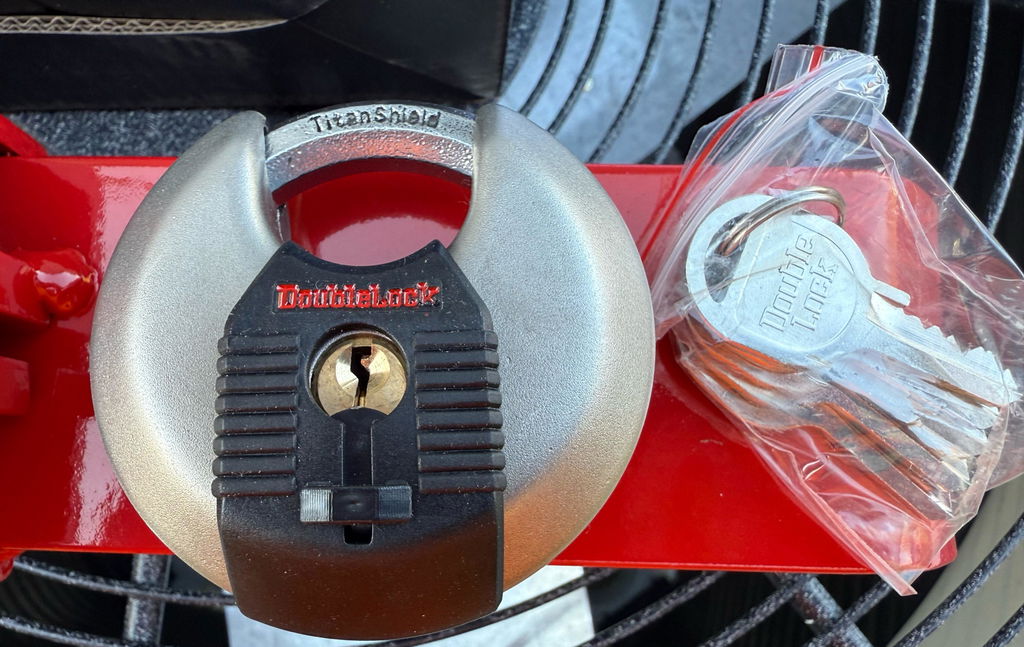
An outboard motor lock is a security device that covers mounting bolts or clamp handles to prevent engine theft. These marine locks use hardened steel and rust-proof finishes to resist pry bars and bolt cutters. Insurance companies increasingly require purpose-made locks for theft coverage. The BARRACUDA outboard motor lock delivers heavy-duty protection for motors up to 50hp.
Why Outboard Motors Are Prime Targets for Theft
Boat engine theft remains a widespread problem for owners. Industry records show the U.S. sees about 4,461 watercraft thefts each year, with the majority targeting the motor as the most valuable component. Outboard engines range between $5,000 and $20,000 on average. Their compact size and exposed position on the transom make removal possible in under five minutes. This combination of high value and easy access makes an outboard motor lock essential for any owner.
The high cost of motor loss
Losing a motor costs far more than the replacement price. Most boats exceed $35,000 in value, with the engine representing a substantial portion. Recovery rates for stolen marine gear remain below 25 percent according to industry data. This low recovery rate means you must prevent the theft before it happens. A marine-grade lock is the most effective way to keep your engine secure.
Insurance rules for boat engines
Many owners assume their policy covers any theft. Insurance companies often impose strict security requirements. Some carriers only pay claims when you use a purpose-made lock to protect the motor. Without a proper lock in place, you could absorb the full replacement cost. The BARRACUDA helps you meet these requirements while keeping your boat secure at the dock or on a trailer.
Why thieves target outboard motors
Thieves prioritize items they can sell quickly for high returns. Outboard motors fit this profile perfectly. They are portable and difficult to trace. A skilled thief can unbolt or unclamp a motor and carry it away in two to five minutes. Boats in marinas, driveways, and storage yards provide ideal cover for fast theft. A lock creates a deterrent that makes most thieves move to an easier target.
How Thieves Actually Steal an Outboard Motor
Thieves target outboard motors because of their resale value and portability. Most thefts happen fast. Without a lock, a thief can remove a motor in two to five minutes. They scout boats in yards, at docks, or on trailers at rest stops. Understanding their methods helps you block them effectively.
The theft of clamp-mounted motors
Small outboard motors typically use simple clamps to attach to the transom. These are the fastest targets. A thief only needs to turn two clamp handles to loosen the motor. Once loose, they lift it off the boat and walk away. This requires no tools and minimal effort. An outboard motor lock that covers these handles prevents a thief from turning them at all.
How they bypass bolt-mounted motors
Larger motors bolt directly to the transom, making them harder but not impossible to steal. Thieves use socket wrenches to remove the four mounting nuts. If bolts resist removal, they apply pry bars to rip the motor off the transom, causing significant hull damage. Recovery rates for stolen marine equipment fall below 25 percent, making prevention the only reliable strategy.
- Thieves scout high-value motors in marinas or storage yards during daylight hours.
- They return at night with hand tools: wrenches, screwdrivers, and pry bars.
- For clamp-mounted motors, they unfasten the handles and lift the motor in seconds.
- For bolted motors, they unscrew the transom bolts or force the mounting bracket with a pry bar.
- They load the motor into a truck or van and leave before anyone notices.
- Once away from the boat, they remove serial numbers and identifying marks for resale.
Tools of the trade
Most thieves avoid loud power tools. They carry small hand tools that fit in a pocket or bag. Socket wrenches are the most common tool for unbolting motors. Pry bars force open weak locks and brackets. Bolt cutters snap cheap cable locks in under a second. The only reliable defense is a lock built from hardened steel that resists all these common tools. The BARRACUDA outboard motor lock delivers that level of protection.
Securing Your Motor at the Dock and on the Water
Boat security begins at the dock. Marinas feel safe, but open docks provide easy access for thieves. An outboard motor lock is your primary defense. The BARRACUDA lock delivers heavy-duty protection for your engine. It fits motors up to 50hp and blocks access to the mounting clamps. Its compact design works well for skiffs, tenders, and sailboats. Many insurance companies now require a purpose-made lock for theft coverage.
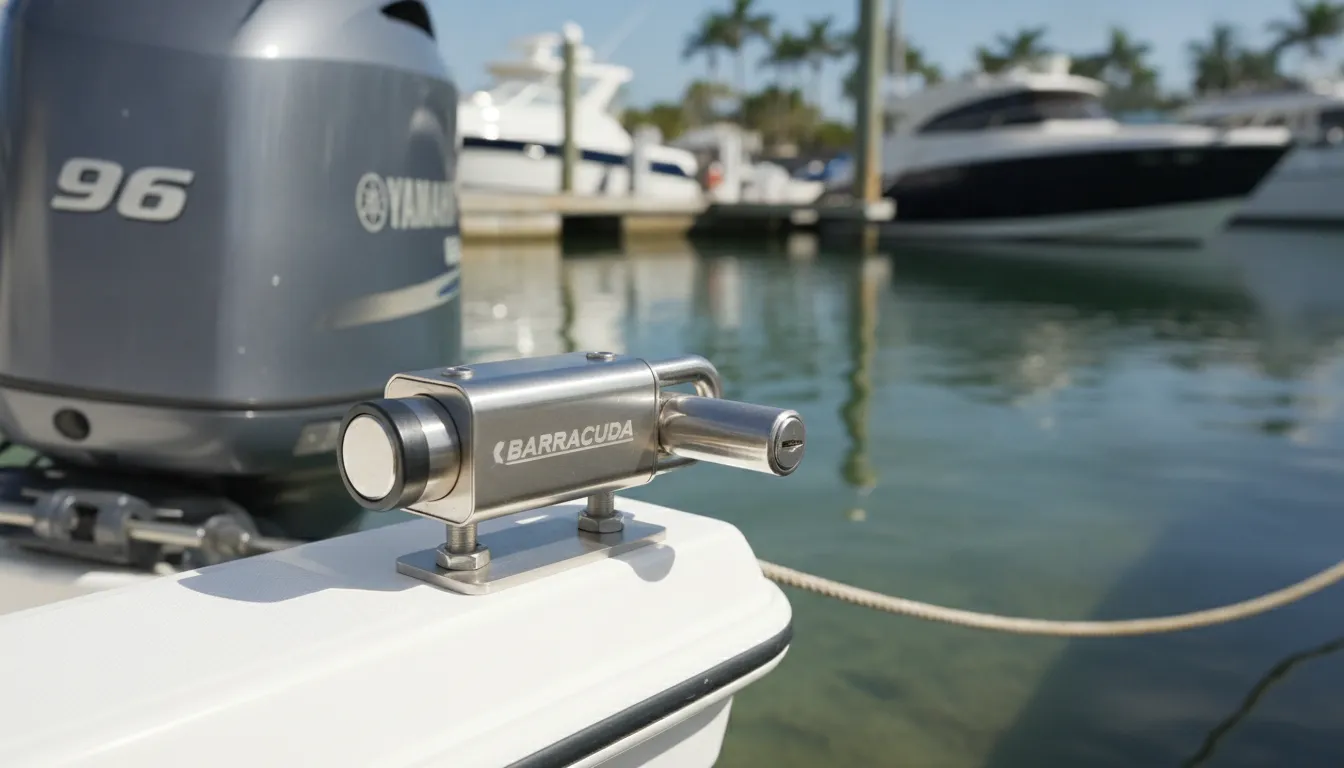
Protecting your engine from theft
The BARRACUDA lock comes in two sizes. The small model is 4.5 inches high and 4.5 inches wide. The large model is 5.5 inches high and 4.5 inches wide. Both sizes use hardened steel to resist pry bars and bolt cutters. This lock prevents thieves from accessing clamp screws to lift the motor off the boat. Considering most thefts take only two to five minutes, a strong barrier at the clamp location is essential.
Locking your lines at the dock
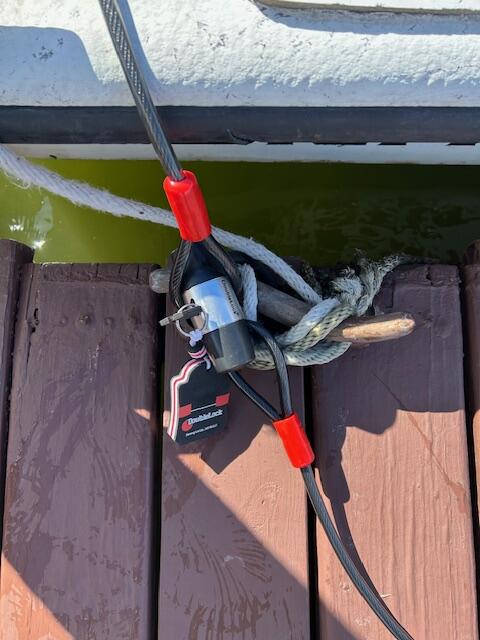
Securing the motor is only one piece of the puzzle. You also need to keep the boat itself at the dock. The CROC dock lock secures your mooring lines to prevent theft. This cleat lock costs $79.99 and carries a heavy security rating. It features a 16mm cleat loop and a UV-resistant plastic hood that withstands sun and salt spray. A stolen boat is difficult to recover, with industry recovery rates below 25 percent.
Beating saltwater corrosion
Saltwater is the primary enemy of any marine lock. Over time, salt corrosion can jam a lock or weaken the steel. DoubleLock USA engineers all marine products with corrosion-resistant materials. The OSPREY marine padlock series is designed specifically for wet environments. These locks come in three sizes and provide secure sealing for hatches and equipment boxes. Regular maintenance and marine-grade components keep your security gear functioning for years. Industry standards for marine hardware are established by organizations such as the National Institute of Standards and Technology.
Outboard Motor Security During Trailering
Trailering exposes your boat to theft risks at every stop. A motor may be safe underway, but rest stops, hotels, and launch ramps create vulnerabilities. Thieves scan parking lots for unattended boats. They want speed and silence. A layered security system stops them cold.
Secure the motor to the trailer
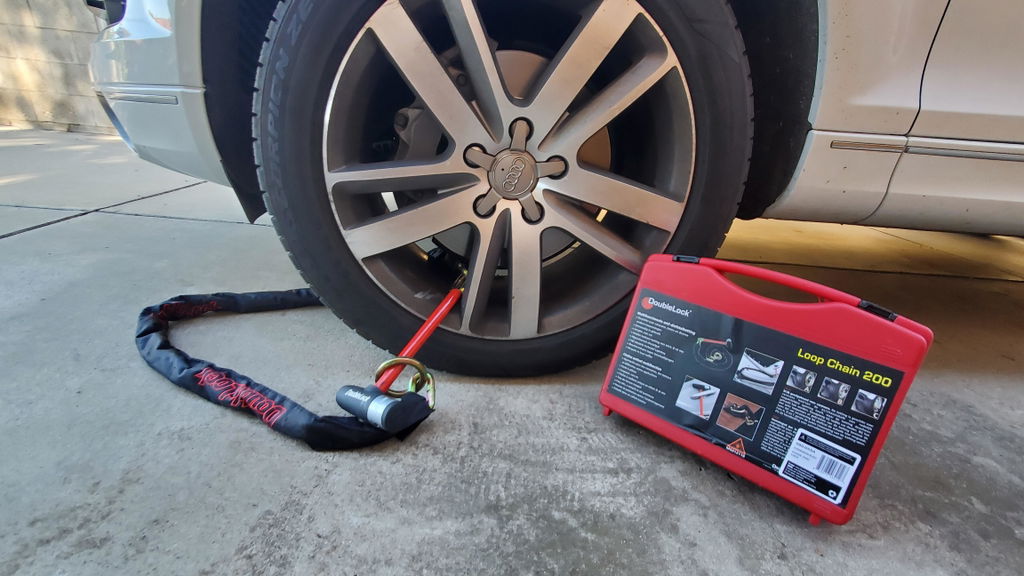
The most effective method for road security is chaining the motor to the trailer frame. The HAMMERHEAD equipment lock excels at this task. Its 82-inch hardened steel chain weighs over 13 pounds, giving you enough length to wrap around the lower unit and loop through a structural point on the trailer. This setup prevents a thief from lifting the motor away.
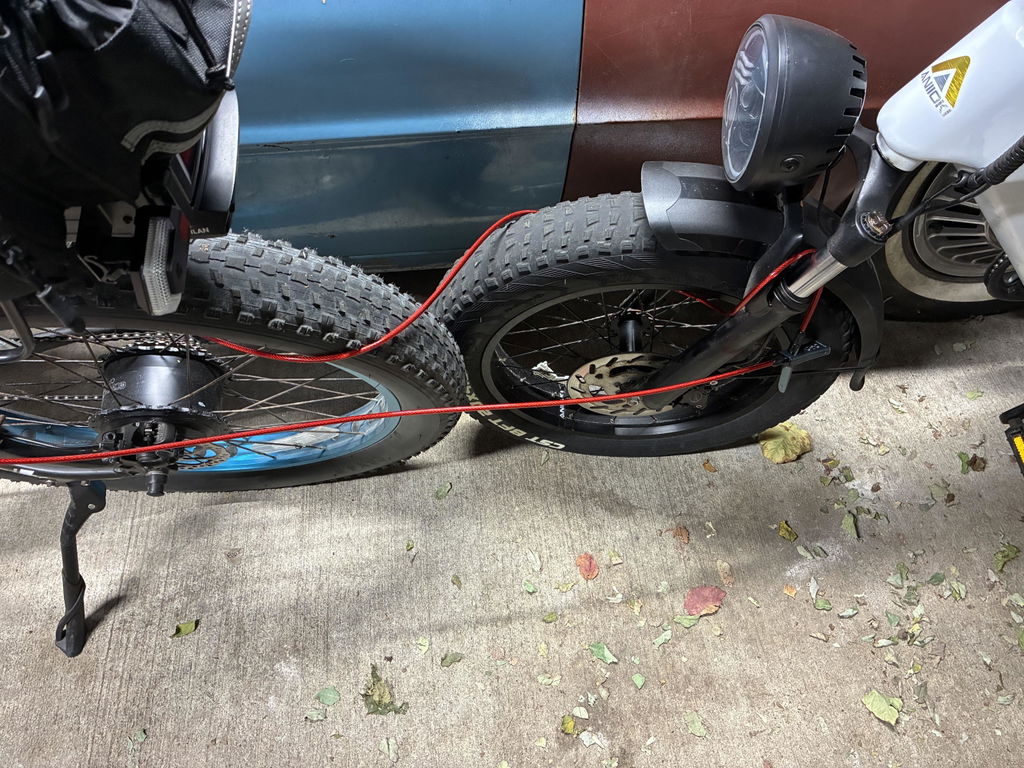
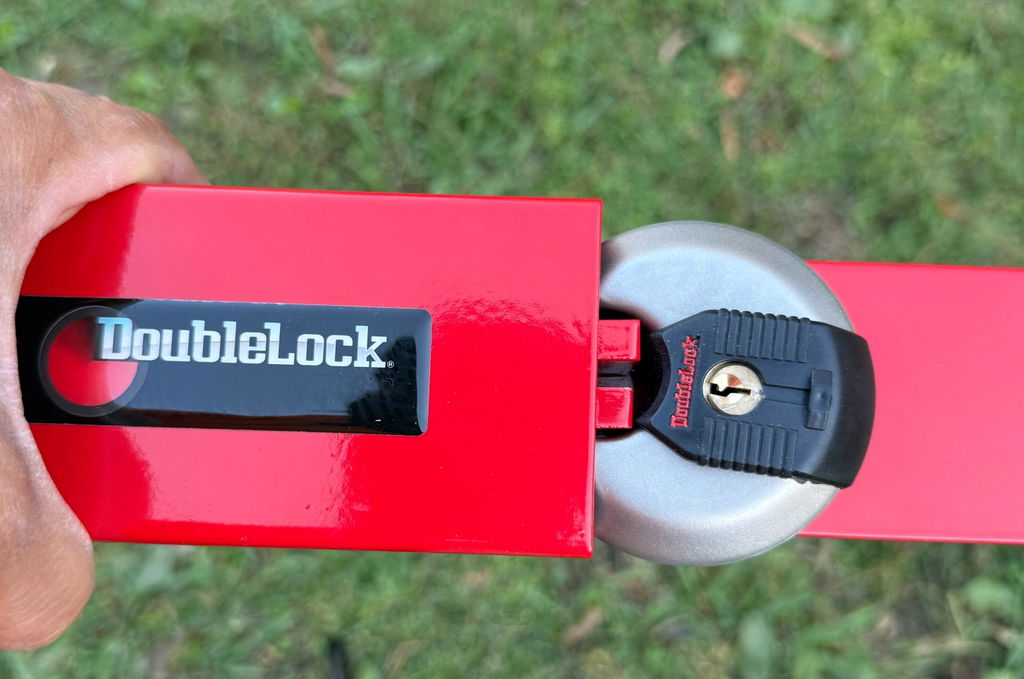
The HAMMERHEAD also features a bright red visual deterrent stick. This visible cue signals from a distance that your boat is a hard target. For lighter security needs during quick stops, the BEAST cable and lock bundle combines a thick cable with a heavy-duty U-lock. These marine-rated tools provide dependable protection during transit.
Protect the trailer hitch
A locked motor offers no protection if a thief tows away the entire trailer. You must secure the hitch to your vehicle and keep it locked when parked. The SCORPION tow hitch lock is an excellent choice for this application. This lock prevents removal of the ball mount. Using a hitch lock is a non-negotiable part of any comprehensive marine security plan.
Boat trailer theft frequently occurs in broad daylight in busy parking lots. A thief can unhook an unsecured trailer in under a minute. A hitch lock forces them to use loud angle grinders, which attracts attention. Most thieves will skip your rig and target an easier one. The SCORPION hitch lock is built specifically for this risk.
Chain the equipment for overnight stops
For long trips with hotel stays, heavy-duty chains provide essential protection. The HAMMERHEAD chain lock is engineered for high-risk scenarios. Its hardened steel links resist bolt cutters of all sizes. Wrap the chain through the trailer wheels and around a fixed structure. This creates an integrated unit that cannot be moved without the key.
The U.S. records approximately 4,461 watercraft thefts annually, with many occurring while boats are on trailers in transit. Security experts and insurance carriers increasingly recommend purpose-made locks as a condition of theft coverage. Check your policy to confirm specific lock requirements for your coverage.
Winter Storage Security: Protecting Your Motor Off-Season
Off-season storage creates a prime window for theft. From October through April, many boats sit in yards or driveways for months with minimal oversight. Thieves know these sites are often unattended. An outboard motor represents a high-value asset with replacement costs ranging from $5,000 to $20,000. With recovery rates below 25 percent, prevention during storage is critical.
Locking the motor mounting hardware
Thieves can strip an unlocked motor in two to five minutes. For motors up to 50hp, the BARRACUDA outboard motor lock delivers heavy-duty security. It fits over the clamp screws and blocks access to the mounting hardware. This prevents a thief from simply turning the screws and lifting the motor away. Choose the Small or Large size for a custom fit that resists pry bars and hand tools.
Anchoring to fixed storage points
Locking the clamps is a strong first step, but anchoring the motor to a fixed object adds another layer. Use the HAMMERHEAD equipment lock to chain the motor to a trailer frame or concrete anchor point. The 6.8-foot hardened steel chain resists bolt cutters and pry bars. Multiple security layers force a thief to spend more time and create more noise. Most thieves will abandon the attempt and move to an easier target.
Managing weather and corrosion risks
Long storage periods expose locks to rain, snow, and salt air. Saltwater corrosion is the leading cause of lock failure over time. For storage sheds and boat covers, use OSPREY marine padlocks. These locks use corrosion-resistant materials that hold up in wet, salty environments. Before securing for the season, clean all metal contact points and apply a light coat of marine grease. This maintenance ensures your locks operate reliably when the boating season resumes.
Key Features to Compare in an Outboard Motor Lock
Choosing the right outboard motor lock requires evaluating more than price. Build quality, corrosion resistance, and fit compatibility determine whether a lock performs when it matters most. A quality lock protects your investment and lasts for years in harsh marine conditions.
| Brand/Model | Price | Build | Corrosion Protection | Engine Fit |
|---|---|---|---|---|
| BARRACUDA | $119.99 | Hardened Steel | Maximum | Up to 50hp |
| Panther Marine | ~$25.00 | Steel Tube | Vinyl Coating | Turnbuckle |
| McGard | $40-$60 | Locking Nut | Spinning Ring | Bolt Replacement |
| Trimax TBL610 | $48-$85 | Quick-lock | Standard | Clamp Handle |
Build and lock strength
Steel grade is the first factor to evaluate. Weak metals fail quickly against basic tools. Look for locks made from hardened steel or reinforced alloys. These materials stop thieves from cutting or prying their way to your motor. A thick, dense lock body resists bending and impact force.
Premium options like the BARRACUDA outboard motor lock use thick steel to block clamp handle access. Budget-grade locks often rely on thin metal tubing that collapses under a pry bar. Investing in a heavy-duty lock is the most cost-effective way to keep your motor secure.
Corrosion resistance for saltwater
Saltwater can destroy a standard lock within a single season. Rust seizes locking mechanisms and weakens structural integrity. Marine environments demand purpose-built protection. Some locks use plastic coatings, but rust can form underneath. Premium locks apply corrosion-resistant treatments to all exposed surfaces.
Inspect each lock for drainage features and sealed internals. These details prevent water and salt from accumulating inside the lock body. For maximum longevity, choose from the marine-rated collection designed for wet dock conditions. Quality marine locks continue functioning reliably after years of saltwater exposure.
Engine fit and bolt configuration
A lock only works when it fits your specific engine correctly. Some locks replace mounting bolts while others cover clamp handles. Verify your motor size and mounting style before purchasing. Many locks are designed for motors under 50hp, while larger engines require different configurations.
Ensure the lock sits flush without movement after installation. A tight fit prevents thieves from gaining leverage with tools. Confirm whether your boat requires a replacement nut lock or a clamp-cover design. This simple verification prevents compatibility issues and ensures the lock performs as designed.
Building a Layered Marine Security System
No single lock makes a boat theft-proof. Most marine thefts occur in minutes when a thief identifies an easy target. The most effective defense combines multiple overlapping security layers that increase time, noise, and effort. The marine locks collection at DoubleLock USA serves as a comprehensive resource for building a complete security system.
Securing the boat and motor
Your first defense layer starts at the motor mounting hardware. The BARRACUDA outboard motor lock fits over the mounting clamps on motors up to 50hp. This heavy-duty lock blocks access to the screws that secure the motor to the transom. At the dock, add a CROC dock lock to secure mooring lines. This collapsible cleat lock prevents unauthorized personnel from untying the boat.
For trailered boats, use a HAMMERHEAD equipment lock to chain the trailer frame to a fixed point. The 6.8-foot chain with its bright red visual deterrent signals that your boat is a hardened target. The BEAST cable and U-lock bundle provides another layer for anchoring the motor and trailer together. Physical barriers are most effective when they create multiple delays for an intruder.
Storage and recovery layers
Long-term storage periods demand additional security. Use OSPREY marine padlocks on hatches, lockers, and storage shed doors. These locks use marine-grade materials that resist corrosion in salt air. A fitted boat cover adds another advantage by hiding the motor type from passersby. While no lock provides absolute protection, the goal is making theft slower and noisier than a thief is willing to risk.
Adding a GPS tracker creates a final recovery layer if physical locks are defeated. Record all serial numbers before a theft occurs and store them in a location separate from the boat. This data helps law enforcement track and return stolen equipment. Detailed records combined with layered physical security provide the most effective protection for high-value assets like outboard motors.
Frequently Asked Questions
Which outboard motor lock is the best for my boat?
The best outboard motor lock depends on engine size and mounting configuration. For motors up to 50hp with clamp-style mounting, the BARRACUDA lock delivers superior protection. It uses hardened, corrosion-resistant steel that withstands saltwater environments. This lock covers the clamp screws to prevent thieves from removing the motor. For larger engines, choose hardened steel locks designed for bolt-on configurations. Always select a lock with a high security rating for maximum protection.
How long does it take to install an outboard motor lock?
Most quality outboard motor locks install in two to five minutes. The BARRACUDA lock slides over the engine clamp screws and locks with a key. No special tools or complicated steps are required. Since theft can occur in under five minutes, a fast-installing lock provides immediate protection. Daily use keeps your boat secure at the dock, on the trailer, and in storage.
How do I secure my outboard motor while trailering?
To secure your outboard motor during trailering, use a heavy-duty chain or cable to lock the engine to the trailer frame. The HAMMERHEAD equipment lock provides a long, hardened chain that wraps around the motor and trailer structure. This prevents thieves from lifting the boat and motor at rest stops. Add a hitch lock to keep the trailer connected to your vehicle for comprehensive road security.
Do insurance companies require an outboard motor lock?
Many marine insurance carriers require a purpose-made outboard motor lock for theft coverage eligibility. According to DoubleLock USA, a qualified lock can determine whether a claim is paid or denied. Review your policy for specific lock requirements and approved lock types. Using a high-security lock not only protects your equipment but also satisfies insurance conditions. If theft occurs, you must provide evidence that the engine was properly locked.
Ready to secure your boat with marine grade locks?
Leaving your boat motor unprotected is a risk that grows with every day docked or stored. Thieves need only minutes to strip your motor and leave you with a significant replacement cost. You can prevent this loss by deploying the right security tools that physically block access to your equipment. Installing a lock today means you can enjoy the water with confidence this season. Every night your boat sits in a yard or at the dock is another opportunity for theft.
Shop the marine lock collection or contact our team for guidance on the right security setup for your boat.