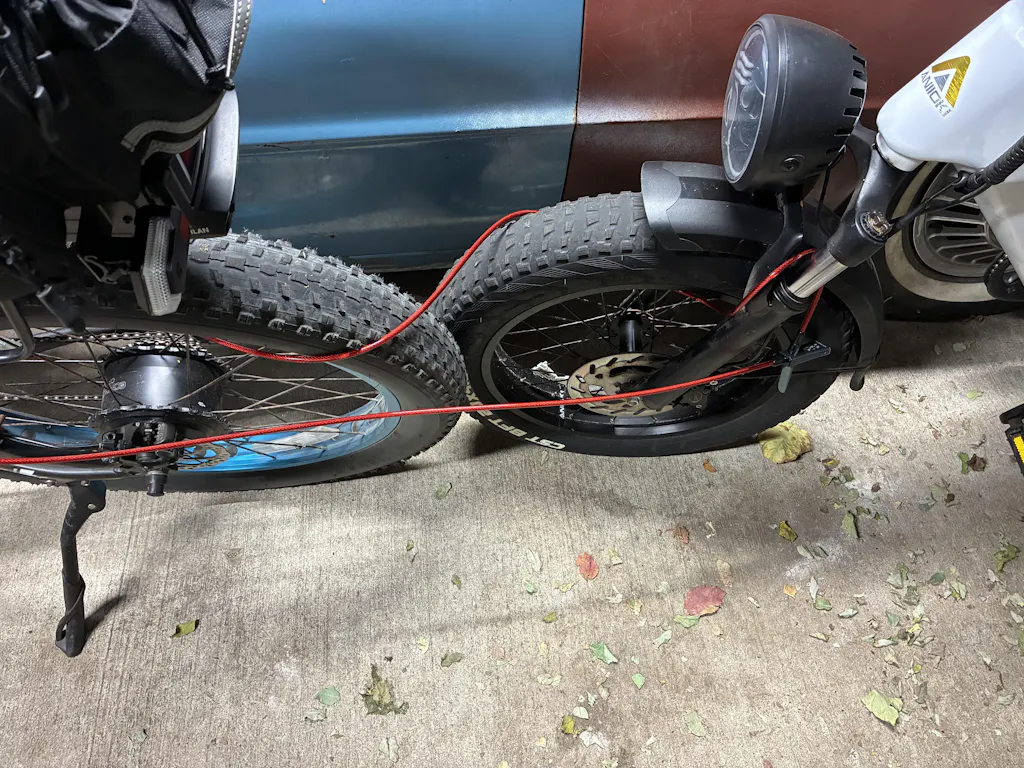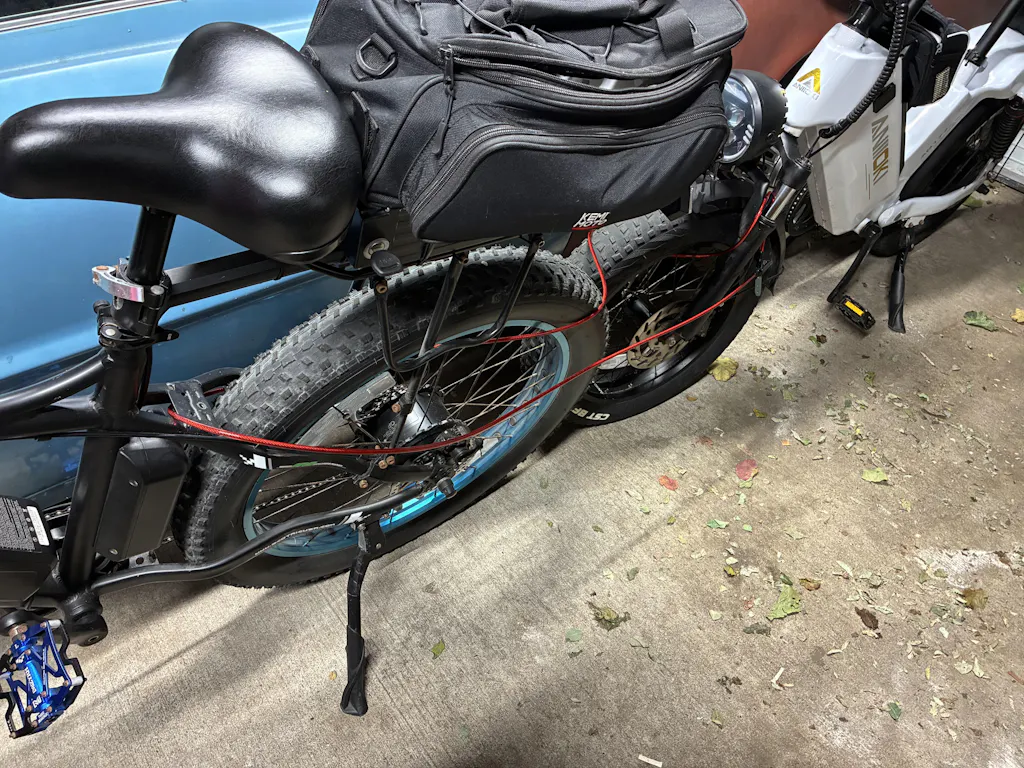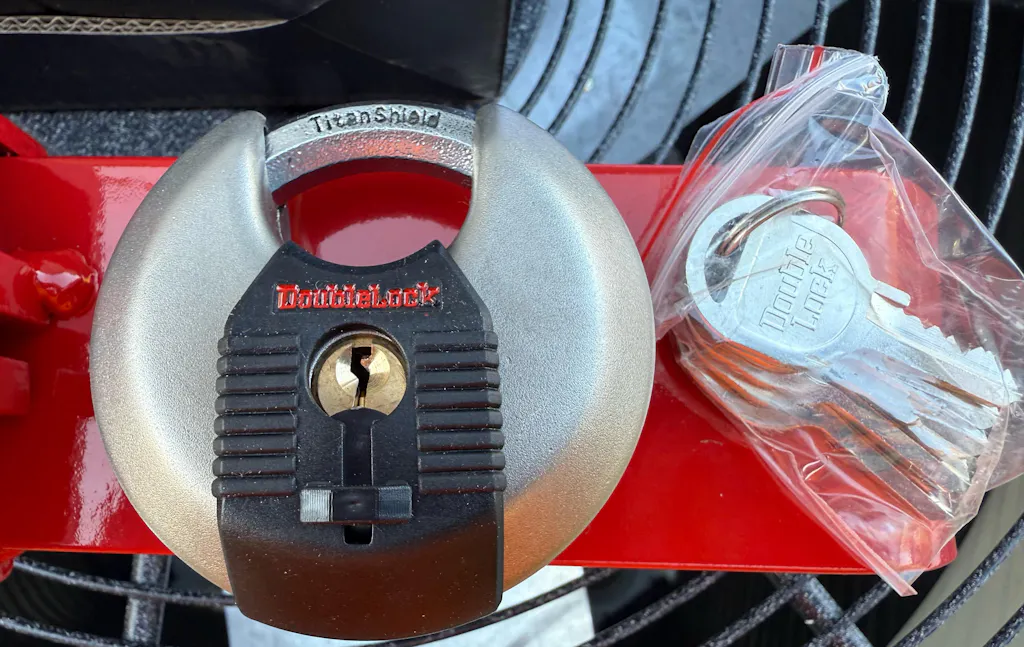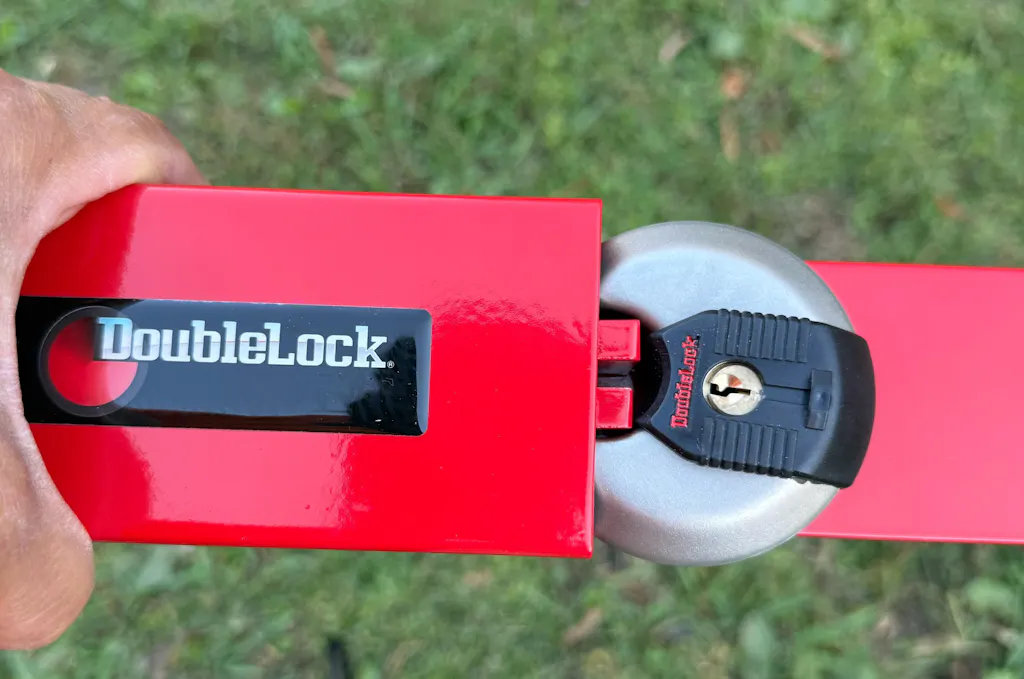

Thieves are getting smarter, and their tools are getting better. An angle grinder can cut through an average lock in just a few seconds. That means your old security strategy might not be enough. A flimsy lock isn't a real defense; it's just a small delay for a determined criminal. To truly protect your trailer, you need a lock specifically designed to beat these modern attacks. We'll cover the essential elements of high-security design, from hardened steel construction to anti-grinder features. You'll learn how to spot a genuine theft proof trailer lock that makes your trailer too much trouble to steal.
Key Takeaways
- Choose locks based on material and mechanism: Your best defense starts with a lock made from hardened steel that can physically withstand cutting and drilling, paired with a complex internal design that resists picking.
- Layer your security for better protection: Don't rely on a single lock. Combining different types, like a coupler lock and a wheel lock, creates multiple obstacles that make stealing your trailer much more difficult and time-consuming.
- Match your lock's strength to your trailer's value: A basic lock is fine for low-risk situations, but high-value trailers and cargo require a premium security system designed to stop determined, well-equipped thieves.
What Really Makes a Trailer Lock Theft-Proof?
Leaving your trailer unattended can be stressful, but the right lock offers genuine peace of mind. A truly theft-proof lock isn’t just a deterrent; it’s a fortress built to stop thieves in their tracks. Understanding what separates a basic lock from a high-security one is the first step toward protecting your property. It comes down to three key elements: the material it’s made from, its ability to resist modern tools, and the sophistication of its internal mechanism.
Look for High-Quality, Hardened Steel
The foundation of any great lock is its material. For trailer locks, the gold standard is hardened steel. This isn't your average metal; it's steel that has been heat-treated to increase its toughness and resistance to cutting and drilling. When a thief tries to use bolt cutters on a hardened steel lock, the material is more likely to damage their tool than break. Some of the best trailer locks even feature unique shapes that help spread out the force from a cutting tool, making them significantly harder to compromise. Always check the product specifications to ensure you’re getting a lock made from high-quality, hardened steel.
Beyond Steel: Other High-Strength Materials
While hardened steel is a top contender, other materials also create formidable security devices. For instance, some high-end securing mechanisms use ductile iron, a material known for its incredible strength and ability to withstand forceful impacts without fracturing. This makes it an excellent choice for hardware designed to resist brute-force attacks. Another key material is stainless steel. While it's widely recognized for its rust-proof qualities, it also offers significant strength. For anyone using their trailer in marine environments or areas with harsh weather, a device made with stainless steel components is essential for long-term reliability and performance.
The Importance of Protective Coatings
The strength of the metal is only part of the equation. Without proper protection, even the toughest materials can succumb to rust and corrosion over time, weakening the entire security mechanism. This is why a durable protective coating is non-negotiable. Many premium anti-theft devices are finished with a powder coating, which is a special finish applied as a dry powder and then cured with heat. This process creates a thick, hard shell that is much more resilient than conventional paint. It acts as a barrier against moisture, road salt, and other corrosive elements, ensuring your equipment remains effective and reliable for years to come.
Does It Resist Power Tools and Grinders?
Today’s thieves often come prepared with powerful tools like portable angle grinders, which can slice through standard locks in seconds. A modern, high-security lock must be engineered to withstand this kind of assault. Look for locks marketed as "grinder-proof" or designed to resist power tools. These often have features like free-spinning rings or unique shapes that make it difficult for a grinder blade to get a solid grip. Investing in a lock that can stand up to a power tool attack is one of the most effective ways to protect your trailer from determined criminals.
How to Read Security Ratings and Mechanisms
While strong materials protect against brute-force attacks, a lock’s internal mechanism defends it from subtle methods like picking and shimming. Shimming involves inserting a thin piece of metal into the lock to bypass the mechanism. High-security locks often include an "anti-shim" design to prevent this. When you’re shopping, pay attention to the type of key and cylinder the lock uses. Complex keyways and high-security disc-detainer systems are much harder to pick. Learning about these theft prevention strategies will help you choose a lock that’s secure from the inside out.
Understanding Official Security Certifications
It's one thing for a company to say its locks are tough, but it's another to have it proven by an independent expert. That's where official security certifications come in. Think of them as a report card for a lock's strength. Independent organizations, like the European Committee for Standardization (CEN), put locks through intense testing. They try everything to break them—drilling, cutting, and pulling—to see how long they last against different attack methods. Based on how well a lock performs, it gets a grade. A higher grade means it survived more advanced attacks for a longer time. When you're shopping, look for these CEN ratings to get a clear, unbiased idea of a lock's quality. This commitment to proven performance is a core part of our own design philosophy, ensuring our products meet rigorous, real-world standards.
How to Choose a Theft-Proof Trailer Lock
Once you know what features to look for, you can start exploring the different types of locks available. The market is full of options, from simple hitch pins to complex systems designed to stop the most determined thieves. The right choice for you will depend on your specific trailer, what you’re hauling, and where you typically park it. A small utility trailer stored in a locked garage has different security needs than a large construction trailer left on a job site overnight.
To make the best decision, it helps to understand the main categories of high-security locks and what makes them effective. Some locks focus on disabling the coupler so it can’t be hitched to a tow vehicle, while others immobilize a wheel to prevent the trailer from being rolled away. Top-tier brands use innovative designs and robust materials to counter common theft methods, like cutting, drilling, and picking. Let’s look at some of the most reliable options for securing your investment.
Prioritize a Custom Fit Over Universal Models
When it comes to protecting your trailer, a one-size-fits-all approach can be a serious vulnerability. Universal anti-theft devices are made to accommodate a wide range of equipment, but this flexibility often results in gaps and a loose connection. Those empty spaces are exactly what a thief exploits, creating leverage points to pry or break the mechanism. A security device that is custom-made to fit your trailer's components offers a much stronger defense. A snug, precise fit leaves no room for a criminal's tools, making it incredibly difficult to tamper with or forcibly remove. Before choosing a security system, identify the specific type of coupler on your trailer to ensure you get the best protection from a tailored design.
Reviewing High-Security Coupler Models
When you need security you can count on, starting with a trusted brand is key. Our entire high-security lineup is built around one core principle: providing total peace of mind. We use high-quality, hardened steel and advanced locking mechanisms specifically engineered to resist picking, drilling, and other brute-force attacks. Unlike standard locks that can be bypassed in minutes, our products are made for maximum durability and theft resistance. Whether you're securing a boat, a work trailer, or an RV, you can trust that a DoubleLock USA lock is a foundational part of your security strategy, built to protect your property day in and day out.
Finding Options with Anti-Grinder Features
A growing concern for trailer owners is the use of power tools, especially portable angle grinders, in thefts. Thieves can cut through a standard lock in seconds. In response, leading manufacturers have developed premium coupler locks with anti-grinder technology. These locks often feature unique, patented shapes that prevent a grinder's cutting wheel from getting a good angle on the shackle. They may also be constructed from specialized steel alloys that are incredibly difficult to cut. While these locks represent a higher investment, their ability to defeat modern theft techniques makes them an essential tool for protecting high-value trailers.
Comparing Wheel Clamps and Hitch Protectors
For a strong visual deterrent and physical barrier, heavy-duty wheel and reinforced hitch locks are excellent choices. Wheel locks, often called "boots," clamp onto a tire, making it impossible for the trailer to be rolled away. They are highly visible, which can discourage thieves from even making an attempt. Similarly, reinforced hitch and coupler locks are made from thick, solid steel to protect the trailer's tongue. You can find these heavy-duty trailer security devices at major retailers, and they are designed to withstand serious force, giving you a reliable defense for your boat, RV, or toy hauler.
Look for Key Convenience Features
The most secure lock in the world is useless if it’s too complicated to use consistently. The best security systems integrate smoothly into your routine. When you’re shopping, think about the day-to-day process of hitching and unhitching your trailer. Look for locks with features that make your life easier, such as keyways that are easy to access and operate, even in low light. A well-designed lock should fit snugly without a struggle. Some of the most effective designs use unique, patented shapes that not only resist cutting tools but also make the lock intuitive to handle and attach correctly every time, ensuring you get maximum protection with minimal fuss.
Check Expert Reviews and Product Warranties
When you’re investing in security, you want proof that a product lives up to its claims. Before you buy, take some time to look for independent reviews from security experts or long-time trailer owners. Professionals often test these devices against the very tools thieves use, giving you an unbiased look at their real-world performance. Another powerful indicator of quality is the manufacturer's warranty. A company that offers a lifetime warranty on its products is signaling its confidence in the materials and construction. This kind of guarantee shows they are willing to stand behind their equipment for the long haul, offering you an extra layer of assurance.
Getting Help to Find the Right Fit
One of the most common mistakes is buying a "universal" lock that doesn't fit the trailer's coupler correctly. A loose-fitting lock can be easily exploited by thieves, creating a weak point in your security. The best fit is a snug fit. To ensure you get it right, measure your trailer's coupler before you start shopping. If you’re unsure which model is right for your specific setup, don't hesitate to reach out to the manufacturer for guidance. Many top-tier companies encourage customers to send a photo of their equipment to get a personalized recommendation. Taking this extra step ensures you purchase a device that provides the tight, secure fit necessary for true protection. If you have questions, you can always contact our team for help.
Comparing Different Types of Trailer Security
Choosing the right lock for your trailer can feel overwhelming, but it boils down to understanding your specific needs. The best lock depends on how you use your trailer and the level of security you’re aiming for. The first step is learning the differences between the three main types: coupler locks, wheel locks, and hitch locks. Each one protects a different vulnerability, and they aren't interchangeable. Many trailer owners find that using a combination of these locks provides the most comprehensive protection against theft. By learning how each one functions, you can build a security system that effectively deters criminals. Let’s break down what sets these locks apart.
Coupler, Wheel, or Hitch: Which Is Right for You?
Each type of trailer lock is designed to secure a different weak point. A coupler lock fits over your trailer’s coupler, making it impossible for a thief to hook it up to their own vehicle. This is your go-to solution for when your trailer is unhitched and parked. A wheel lock, often called a boot, clamps directly onto a wheel, physically stopping it from rolling. It’s a highly visible deterrent that adds another layer of defense. Finally, a hitch lock secures the connection between your trailer and your tow vehicle, preventing anyone from unhitching your trailer when you’re parked at a job site or rest stop.
Securing an Unhitched Trailer: Coupler vs. Ball Protectors
When your trailer is parked and unhitched, its coupler is the primary target for thieves. Two main devices are designed to protect this weak point: coupler protectors and ball protectors. A coupler protector functions like a heavy-duty helmet, fitting completely over the coupler to create a solid barrier. This makes it impossible for a thief to attach the trailer to their own tow vehicle. A ball protector works from the inside out, inserting a steel ball into the coupler's socket and securing it in place to physically block a hitch ball from connecting. While both are effective, their security depends on a precise fit. A loose, universal-style device can be pried off, so a snug fit is critical. For the best defense, layer your security by using one of these in combination with a wheel clamp to create multiple obstacles for any potential thief.
Understanding the Strengths and Weaknesses of Each
Not all locks are created equal. A common mistake is using a flimsy, highly visible lock, which can actually signal to thieves that your trailer contains valuables without offering real protection. A truly secure lock is made from hardened steel that resists cutting, drilling, and prying. Beyond the physical strength of the lock body, consider the mechanism itself. A lock is only as secure as its key, so look for models with complex or patented key systems that are difficult to pick or duplicate. Always check for vulnerabilities that could be exploited by determined criminals.
Don't Forget About Installation and Daily Use
The most secure lock in the world is useless if it’s too complicated to use consistently. Your security routine should be straightforward, not a frustrating chore. The best trailer locks are designed for quick and simple installation, allowing you to secure your property in seconds. When you’re looking at different security solutions, think about how you’ll use the lock day-to-day. A well-designed lock fits snugly and operates smoothly, giving you confidence every time you use it. Making your trailer’s hitch and wheels less accessible is a powerful deterrent, and a user-friendly lock makes that goal much easier to achieve.
How Much Does Real Trailer Protection Cost?
When it comes to securing your trailer, the price of a lock can range quite a bit. As with most things, you get what you pay for. The cost of a trailer lock often reflects the quality of its materials, the complexity of its design, and its ability to stand up to determined thieves. Investing in a high-quality lock isn't just about buying a piece of metal; it's about buying peace of mind and protecting the valuable assets you're hauling.
Think of it this way: the more valuable your trailer and its contents, the more you should consider investing in its security. A basic lock might deter a casual thief, but it won't stop someone with experience and the right tools. We can break down trailer locks into three general price tiers: budget-friendly, mid-range, and premium. Each level offers a different degree of protection, and understanding these differences will help you choose the right lock for your specific needs and budget. Exploring a range of high-quality locks can give you a better sense of the features available at each price point.
Entry-Level Security: What to Expect Under $100
In the budget-friendly range, you can find effective security solutions that provide a solid first line of defense. These locks are great for deterring opportunistic thieves and are a significant step up from having no lock at all. A good example is the Rhino USA Trailer Hitch Coupler Lock Kit, which offers heavy-duty anti-theft protection for various trailer types.
While these locks are a practical choice for those mindful of their budget, it's important to have realistic expectations. They are typically more vulnerable to power tools and experienced lock pickers. This price range is ideal for trailers with lower-value contents or those stored in well-lit, relatively secure areas. For many owners, these trailer wheel lock recommendations are a perfect starting point.
Mid-Range Protection: Investing $100 to $200
Stepping into the mid-range category brings a noticeable increase in security and durability. Locks in this price bracket are built with tougher materials, like hardened steel, and feature more sophisticated locking mechanisms that are harder to defeat. They offer a great balance of robust protection and affordability, making them a popular choice for a wide variety of trailer owners.
A standout in this category is the AMPLock Flat Lip Design BRP 2, a heavy-duty ball coupler lock engineered for maximum theft resistance. Investing in a mid-range lock means you're getting a product designed to withstand more aggressive attacks, giving you greater confidence when leaving your trailer unattended. This is often the best trailer lock category for those who need reliable, long-term security without stretching their budget too far.
Top-Tier Systems: What $200+ Gets You
For those who need the highest level of security, premium protection systems are the answer. These locks are designed to be the ultimate deterrent, built to withstand even the most determined and well-equipped thieves. They are an essential investment for anyone protecting high-value assets like construction equipment, luxury boats, or custom trailers where the cost of theft would be devastating.
The ICON Trailer Lock is often called the "Gold Standard" in this category for a reason. In rigorous tests, it took thieves over 90 minutes and multiple power tools to break it, while standard locks failed in seconds. Premium locks feature advanced designs, grinder-resistant materials, and pick-proof cylinders. While the upfront cost is higher, the unparalleled security and peace of mind they provide are invaluable.
Considering the Impact on Your Insurance
A high-quality security device does more than just protect your trailer; it can also lower your insurance costs. Many insurance companies reward proactive owners by offering discounts on the comprehensive portion of their premiums for using approved anti-theft equipment. Insurers recognize that a well-protected trailer is less likely to be stolen, which reduces their risk. Before you purchase a new security device, it's a great idea to call your insurance agent. Ask them what types of anti-theft systems qualify for a discount and what documentation they require as proof of purchase. These discounts can range from 5% to 25%, but the exact amount varies by provider. A quick conversation can ensure you select a qualifying product and maximize your potential savings.
Building a Complete Anti-Theft Strategy
A single lock on a valuable trailer is a start, but it’s not enough to stop a determined thief. Real security comes from creating layers of defense that make your trailer an inconvenient target. By combining different types of locks and security measures, you create a system where each component backs up the others. This approach doesn't just protect your property; it gives you genuine peace of mind, knowing you’ve done everything possible to keep your trailer safe.
How to Choose and Place Your Primary Device
Your first line of defense is your primary lock, but simply owning one isn't enough. You have to use it correctly. Security starts with a proper locking mechanism, and a common mistake is leaving the trailer’s hitch easily accessible. A strategically placed coupler lock makes the hitch a much harder target. When you select your main lock, think about how it will physically block access and create a visual deterrent. A visible, robust lock signals that your trailer is well-protected, persuading a potential thief to move on to an easier target before they even try.
Why You Should Layer Different Security Types
While one lock is better than none, relying on a single point of security is a risk. The best way to secure a trailer is to use two or more locks to slow down even skilled thieves. For example, you can pair a high-quality coupler lock with a heavy-duty wheel lock. This forces a thief to defeat two completely different systems, requiring more time, tools, and noise. When choosing your locks, look for high-security models made from hardened steel with features that resist picking and cutting. Our full range of locks is designed with this layered approach in mind, giving you options to build a formidable defense.
Securing Chains, Spare Tires, and Other Components
A complete security strategy extends beyond just preventing the trailer from being moved. Thieves often target valuable and easily removable items like spare tires, safety chains, and mounted equipment because they are quick to steal and easy to sell. Leaving these components unsecured creates a significant weak point in your defense system. You can protect them by using a high-quality, hardened steel padlock and chain combination. The same principle applies here as with your main trailer protection: the security device you choose must be strong enough to resist cutting and prying. Investing in a premium padlock for your spare tire and other gear ensures your entire setup is consistently protected, leaving no easy opportunities for criminals.
Thinking Beyond the Lock: GPS and Alarms
Your security strategy shouldn't stop at the hitch. For an even stronger defense, consider adding other security measures. Wheel locks are especially effective when your trailer will be parked for a long time, as they prevent it from being rolled away. Beyond physical locks, modern technology offers another powerful layer. Installing a discreet GPS tracker can be a game-changer. If a thief bypasses your locks, a GPS unit allows you to track your trailer’s location in real-time, significantly increasing your chances of recovery. Simple habits, like parking in well-lit areas, also contribute to your overall security.
Using Low-Cost Backup Trackers
Even the most robust physical security can be challenged by a thief with enough time and the right tools. That’s why adding a low-cost GPS tracker is such a smart move. Think of it as a backup plan. While a high-quality coupler protector and wheel clamp are designed to prevent the theft from happening in the first place, a hidden tracker is your key to recovery if the worst happens. You can find affordable, discreet tracking devices that run on long-lasting batteries and can be hidden almost anywhere on your trailer. This simple piece of technology provides a final layer of security, giving you the ability to locate your property and assist law enforcement in getting it back.
Adopt Simple, No-Cost Security Habits
The security devices you choose are incredibly important, but they are only one part of a complete protection plan. How and where you store your trailer can be just as critical in deterring theft. The best part is that many effective security habits don’t cost you anything except a little bit of thought and effort. By being mindful of your surroundings and making a few simple adjustments to your routine, you can make your trailer a much less appealing target for criminals. This proactive mindset is about creating an environment of security, a principle that reflects our own commitment to quality and peace of mind.
Strategic Parking and Safe Locations
When you have to leave your trailer, visibility is your best friend. Always try to park in well-lit areas where there is plenty of foot traffic or vehicle activity. A thief is far less likely to attempt a theft when they feel exposed. Look for spots directly under streetlights or near the view of security cameras at businesses or homes. If you’re parking at home, avoid leaving the trailer in an easily accessible spot like the front driveway. Instead, consider moving it to the backyard, behind a gate, or in a location that’s difficult to see from the street. These simple parking strategies make a potential theft much riskier and more difficult.
Immobilizing the Trailer for Long-Term Storage
If your trailer is going to be stationary for an extended period, you can take extra steps to make it nearly impossible to move. One of the most effective methods is to remove one of the wheels and store it separately. Without all its wheels, the trailer is essentially anchored in place. You could also remove the trailer jack, making it extremely difficult for a thief to lift the tongue and hitch it to their vehicle. Another simple tactic is to park another vehicle directly in front of the trailer, blocking it in completely. Combining these immobilization techniques with our high-security devices creates a formidable defense for long-term storage situations.
Are You Making These Trailer Security Mistakes?
Investing in a quality lock is a fantastic first step, but true security comes from using it correctly. Even the toughest lock can’t protect your trailer if it’s part of a weak security plan. A few common, and easily fixable, mistakes can leave your valuable assets exposed. By understanding these pitfalls, you can create a security strategy that truly stands up to threats. Let’s walk through what to watch out for so you can keep your trailer safe and sound.
A Poor Fit or Incorrect Installation
It’s tempting to grab any lock off the shelf, but a flimsy lock can do more harm than good. To a thief, a cheap lock signals that there’s something valuable inside, but it’s poorly protected. Instead of a simple deterrent, it becomes an invitation. You should always choose high-security locks made from hardened steel with features that resist picking, drilling, and cutting attempts. Just as important is proper installation. A top-tier lock won’t do its job if it’s attached incorrectly. Always read and follow the manufacturer’s instructions to ensure a snug, secure fit that leaves no room for a thief to pry or tamper with it.
When to Consider Professional Installation
Most high-security devices are simple enough to install on your own, but there are times when calling a professional is the smarter move. If you've chosen a premium device with a complex internal system, like a disc-detainer cylinder, an expert installation guarantees it works exactly as designed. This is particularly important if you decide to layer your security. A professional can ensure your coupler protector, wheel clamp, and other deterrents work together perfectly, without getting in each other's way. A pro will also ensure a perfect fit, closing any gaps a thief might try to exploit. Ultimately, professional installation confirms your investment is giving you the highest level of protection for your trailer.
Relying on Only One Security Device
A single lock is a good start, but it shouldn't be your only line of defense. Determined thieves often come prepared for one obstacle, but multiple security layers will slow them down and frustrate their efforts. The goal is to make stealing your trailer as difficult and time-consuming as possible. Think in layers. For example, you can combine a tough coupler lock with a heavy-duty wheel lock. This strategy forces a thief to defeat two completely different types of security devices, which requires more tools, time, and noise. The more inconvenient you make it, the more likely they are to give up and move on to an easier target.
Forgetting About Key Security
A lock is only as secure as its key. If a thief can easily access or duplicate your key, your expensive lock becomes useless. Avoid the common mistake of leaving spare keys in your truck’s glove compartment, under the trailer frame, or anywhere near the trailer itself. Keep your spare keys in a secure and separate location, like inside your home or office. When you purchase a lock, consider its key system. Many high-quality locks come with unique or patented keys that are difficult to copy, adding another layer of protection. Your security is a complete system, and that includes thoughtful key management.
Related Articles
- 5th Wheel Lock for Semi Trailer: The Ultimate Guide
- Kingpin Trailer Lock
- LION Trailer Lock | Kingpin Trailer Lock
Frequently Asked Questions
Is an expensive lock really worth the money? Think of a high-quality lock as an investment in protecting a much more valuable asset: your trailer and its contents. The price of a lock often reflects the quality of its materials and the sophistication of its design. While a budget-friendly lock can deter a casual thief, a premium lock is built from hardened steel and has complex mechanisms designed to withstand power tools and experienced criminals. It buys you time and peace of mind, which is often worth the higher upfront cost.
Do I really need more than one lock for my trailer? Yes, if you want to create a truly effective defense. A single lock, even a great one, creates a single point of failure. A determined thief might come prepared to defeat that one lock. By using multiple locks, like a coupler lock combined with a wheel lock, you create layers of security. This forces a thief to spend more time, use different tools, and make more noise, which makes your trailer a much less attractive target.
What's the single most important feature to look for in a trailer lock? The material is the foundation of a great lock, so you should always start by looking for high-quality, hardened steel. This type of steel is specifically treated to resist brute-force attacks like cutting, drilling, and prying. A lock made from standard metal can be compromised in seconds, but hardened steel is tough enough to stand up to bolt cutters and other common tools, providing a solid first line of defense.
My biggest fear is a thief with a power tool. What can I do? This is a valid concern, as portable angle grinders have become a common tool for thieves. To counter this threat, look for locks specifically marketed with anti-grinder technology. These locks often have unique, rounded shapes that prevent a grinder's cutting wheel from getting a solid grip. They may also be made from specialized steel alloys that are incredibly difficult to cut through, making them a powerful defense against modern theft techniques.
Besides locks, what’s a simple step I can take to improve my trailer's security? Your habits can be just as important as your hardware. One of the simplest and most effective things you can do is to be mindful of where you park. Always choose a well-lit, visible area whenever possible. Thieves prefer to work in the dark and out of sight. For an extra layer of protection, especially for high-value trailers, consider installing a hidden GPS tracker. It won't stop the theft, but it dramatically increases your chances of recovering your property.