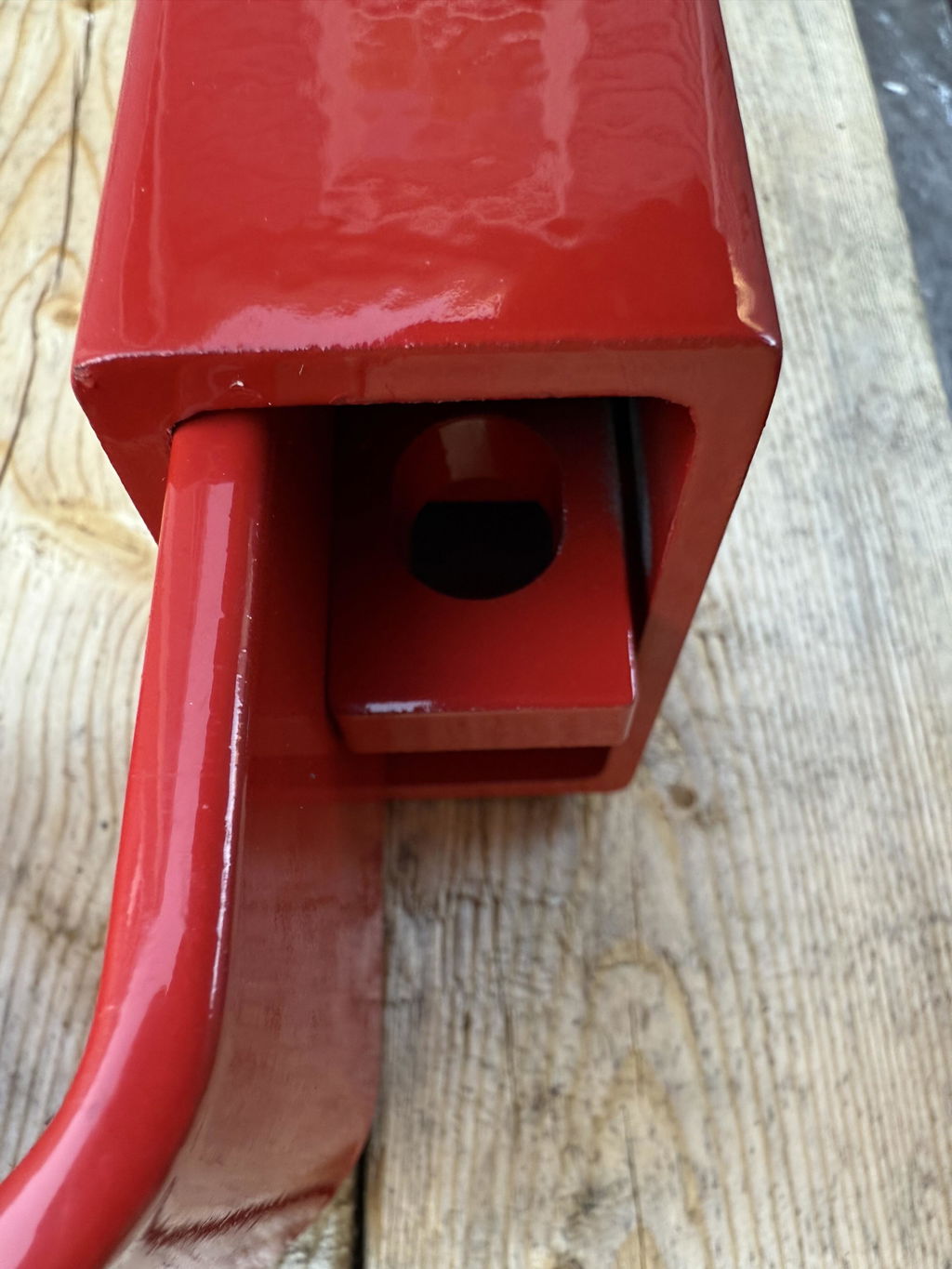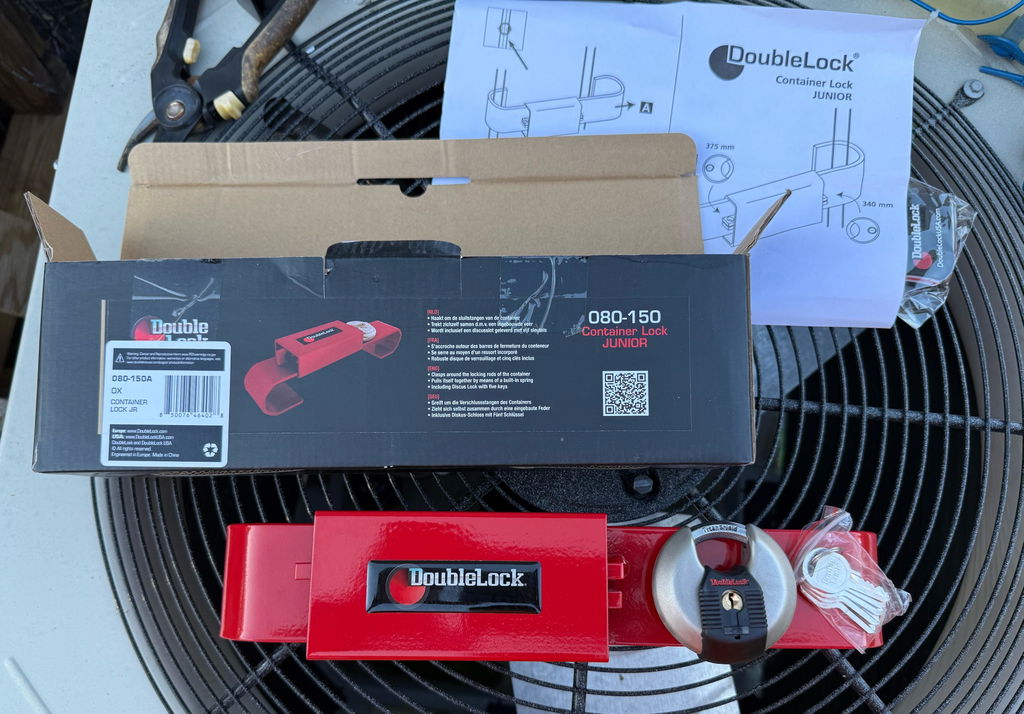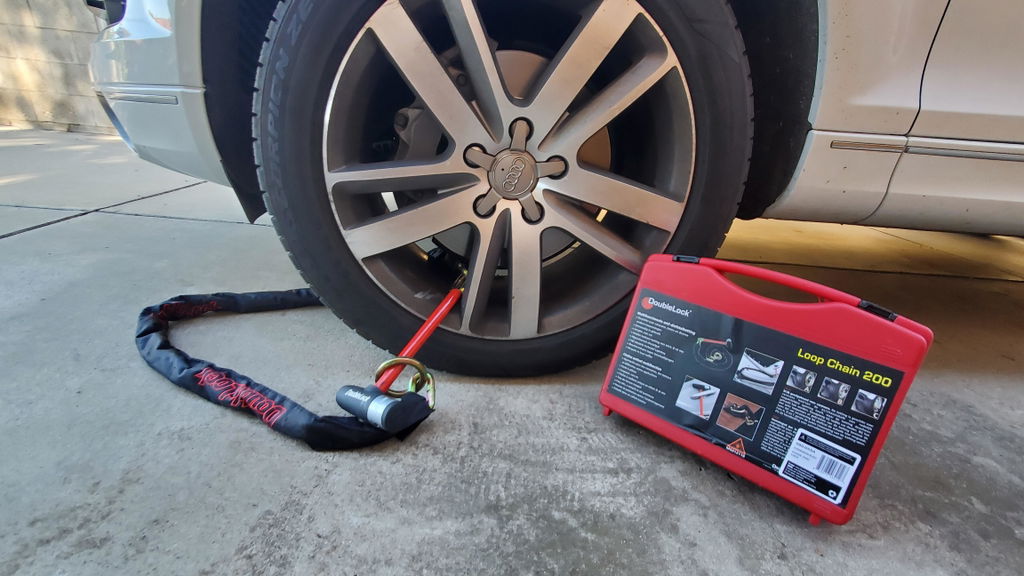



A shipping-container security device in transit must secure the doors without interfering with lifting, loading, transfers, or inspections. Choose the device only after confirming the door hardware, transport plan, and authorized access needs; then test its fit and handling before dispatch.
Compare DoubleLock shipping-container security options
In short, identify how the container will move and where handlers need access, confirm the device fits the actual door hardware, and agree on who controls the key. A physical security device deters unauthorized opening, but no device guarantees that cargo cannot be stolen. It must also stay clear of required transport and inspection procedures.
What makes a security device suitable for a shipping container in transit?
A suitable transit device fits the container door hardware, stays clear of the planned handling process, and can be managed by the people authorized to open the container. Confirm all three points before dispatch. Do not choose from a broad category name alone; shipping containers and their routes present different access and handling conditions.
Start with the container itself. Inspect the rear doors, vertical bars, handles, and any existing hasp or attachment point. Note the shape, available clearance, and the position of parts that rotate or move when the doors operate. Then inspect how the container will travel, whether on a chassis, flatbed, or as part of a broader transfer chain. Record every planned handoff and any point where a carrier, terminal, or authorized inspector may need access.
The next check is practical, not theoretical: place the candidate device on the actual hardware before loading. Close and secure the doors as intended, then look for interference with nearby door parts, straps, covers, or handling equipment. Do not force a device into a gap that was not designed for it. If the fit is uncertain, send clear photos and measurements to the supplier and request confirmation before buying.
DoubleLock's shipping-container and cargo-security collection is the relevant starting point for comparing purpose-built options. If your operation also handles freight across multiple sites, the freight and logistics collection provides another product path to review. Product selection still depends on the actual door configuration and use.
How does transport change the security decision?
Transport adds movement, transfers, and people to a security decision. A device that fits closed doors still has to clear the equipment and procedures used along the route. Map the whole journey, including loading, transit, stops, terminal handling, and delivery. Confirm access rules with the carrier or responsible site before dispatch because operational requirements vary.
Think through the journey in sequence. At origin, who closes the doors and applies the device? Who records that it is in place? At a transfer point, will workers lift, reposition, or inspect the container? At destination, who can retrieve the key and open the doors? Write down the answer for each step. A named owner prevents a common failure: the device is applied correctly, but no authorized person can open the container when the shipment arrives.
Also ask the carrier or terminal what must remain accessible. A seal, security device, or other attachment may be subject to site rules or inspection procedures. Do not assume a device is permitted simply because it fits. Resolve any conflict before dispatch, and document which person has authority to remove or replace it. Avoid improvised changes during transit unless an authorized party approves them.
Which door and attachment-point checks should you complete before ordering?
Before ordering, inspect the exact container you plan to secure and write down how its bars, handles, and attachment point are arranged. Record available space and any obstacles around the doors. Compare that information with the product's stated application and fit details. If a product page does not answer a critical measurement or compatibility question, get confirmation rather than guessing.
- Identify the attachment point. Find the part intended to accept the device and check whether it is part of the door hardware or an added hasp.
- Check the clearance. Look for nearby bars, hinges, seals, tarpaulins, straps, or surfaces that could restrict installation or removal.
- Operate both doors. Observe how the hardware moves when the doors open and close. The device must not create an obstruction or encourage handlers to force the mechanism.
- Check the full operating sequence. Confirm that an authorized person can apply and remove the device with the container positioned as it will be at the site.
- Capture evidence. Take clear photos of the attachment point from more than one angle and record relevant measurements for a supplier conversation.
Do not rely on a rough resemblance between two containers. Repairs, modifications, and different hardware arrangements can change the available fit. Likewise, do not treat a product's general category as proof that it suits every container. The specific product information and the actual configuration must agree.
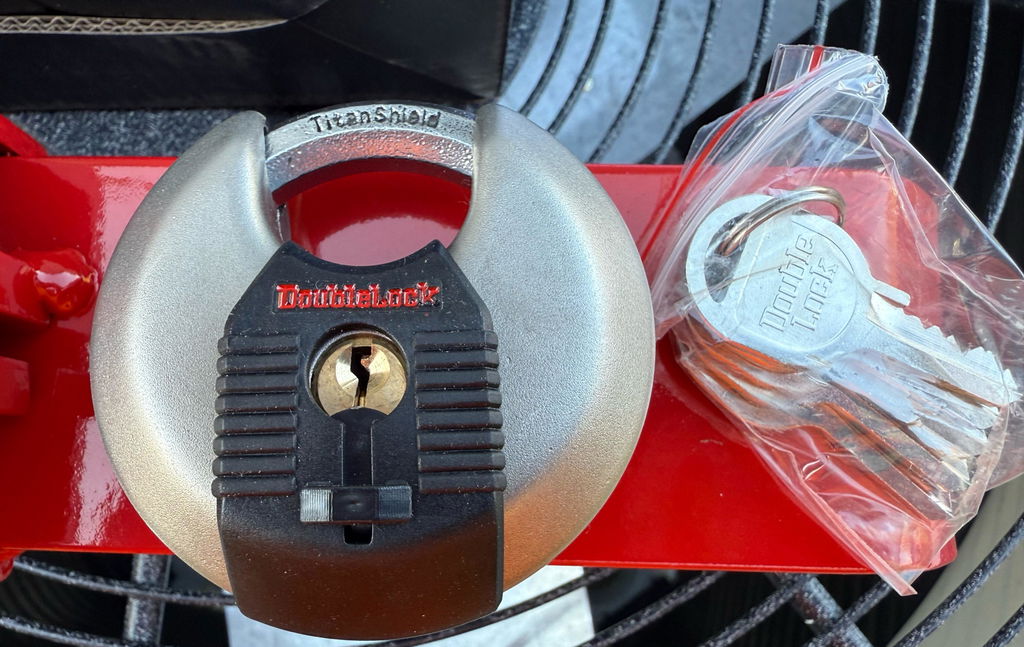
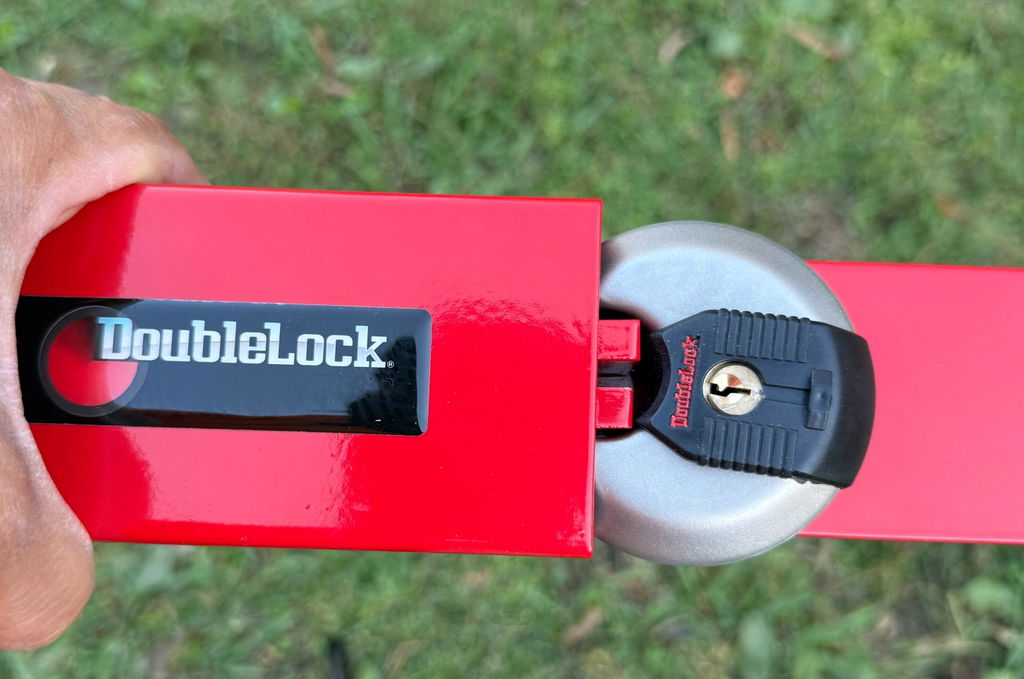
DoubleLock's official product pages identify three relevant models: RHINO Ultra Duty Cargo Container, BULL Cargo Container, and OX Container Jr. Bundle. The RHINO page lists an adjustable clamping range of 10.25 to 18 inches. The BULL page lists 9.5 to 16.5 inches, and the OX Container Jr. page lists 13.25 to 16 inches. Use those published dimensions as a starting point, then verify the actual container before purchase. The model names and ranges do not establish fit by themselves.
How does the trip profile shape the security plan?
Build the security plan around the trip the container will actually make. A direct haul, a multi-stop route, and a container that changes handlers create different access and key-control needs. List each transfer and exposure point, then confirm which people may inspect or open the doors. This reveals operational conflicts before the device reaches the loading yard.
For a short direct movement, the main challenge may be ensuring the device fits and that the receiver has the key when the container arrives. Still, confirm carrier procedures and document the responsible person at both ends. A simple route does not eliminate the need for correct fit or controlled access.
A shipment with several transfers needs a more explicit chain of responsibility. Name a contact at each handoff, identify how a handler verifies the device's condition, and determine whether a planned inspection requires access. Decide in advance who may authorize removal and how the next handler learns that key custody changed. If the route includes a terminal or other site with its own procedures, ask for those requirements before loading.
For a container that remains exposed to rain, road debris, or repeated outdoor handling, plan when staff can inspect the device and what condition should trigger escalation. Follow the product instructions rather than improvising maintenance. In every scenario. Balance security with the legitimate need to move and inspect the load: a device that obstructs normal handling or leaves no authorized person able to open the doors creates a process failure. Not better protection.
Should you use a mechanical device, a seal, or both?
A physical security device and a seal serve different operational purposes. A reusable device creates a physical barrier at a compatible attachment point. A seal generally indicates whether an opening point may have been disturbed, according to the organization's process. Decide what your shipment needs, and confirm the carrier or customer's requirements before treating one as a substitute for the other.
For a container that needs a reusable barrier, first confirm the attachment point, access plan, and handling compatibility. For a shipment that requires a numbered or otherwise controlled seal record, follow the relevant procedure for selecting, applying, and recording that seal. Some workflows may use both, but adding devices without a clear process can complicate inspections, handoffs, and arrival checks. Ask who owns each item and what record they must keep.
Use this comparison to clarify the job each option performs. It does not replace a carrier's instructions or a customer's security specification.
| Option | Primary role | Questions to resolve before dispatch | Best next check |
|---|---|---|---|
| Reusable container security device | Creates a physical barrier at a compatible attachment point and deters unauthorized opening. | Does it fit this door hardware? Can authorized handlers apply and remove it? Does it clear handling procedures? | Test the fit on the actual container and confirm the access plan. |
| Security seal | Supports a process for identifying and recording possible access or disturbance. | Does the customer or carrier require a particular seal and recordkeeping process? | Follow the responsible organization's seal procedure and document its identifier if required. |
| Device plus seal | Combines a physical barrier with a separate seal-control process when the operating plan calls for both. | Can the items be used together without obstructing one another or the handling process? | Confirm compatibility, responsibilities, and removal sequence before loading. |
The important point is not to buy the largest number of devices. Match each item to a defined role and make sure every handler understands that role. If the shipment contract or transport plan specifies a procedure, clarify it with the responsible party before choosing a product.
How should fleets manage keys and access during a journey?
Key control matters as much as device fit when a container passes between people or locations. Before dispatch, identify who holds each key, how an authorized person gets access during a disruption, and how the key returns to controlled custody. Keep the plan simple enough to follow at a busy loading point, and document every handoff that your operation requires.
For a single container, write down the responsible sender, carrier contact, and receiver, along with the approved route for key transfer. Do not attach a key to the container in a way that defeats the purpose of restricting access. Decide how the receiving team will confirm authorization before opening the doors. If the key must travel separately, check that it will reach the right person at the right time.
For a fleet, establish a consistent routine instead of relying on memory. Keep a record that connects the container or shipment identifier to the device, key assignment, and authorized contacts. Define what happens when a key is lost, a driver changes, or a shipment is redirected. Train each person who applies or removes the device. If you standardize a fleet across keyed-alike devices. Verify the precise keying arrangement and who may hold copies before placing an order; never assume a product's keying from its general description.
A repeatable departure check can include confirming the correct container, inspecting the attachment point, applying the selected device. Verifying that it is secured as intended, recording the responsible key holder, and confirming the receiver's access plan. At arrival, the receiver should verify the shipment identity and follow the agreed opening process. Your organization should define what to do if the device appears damaged, missing, or different from the dispatch record.
For product questions or a fleet discussion, review DoubleLock's BULL keyed-alike configuration alongside your key-control requirements. A keyed-alike arrangement may simplify access across compatible devices, but the buyer still needs to confirm the exact configuration, authorized key holders, and suitability for each container.
Compare shipping-container security options
What should you do when weather, stops, or handling create more exposure?
Weather and repeated handling make inspection and maintenance part of the transit plan. Choose a device intended for the application, inspect it before use, and follow the product's care instructions. Recheck it at the points your operation permits, especially after transfers or exposure to conditions that may affect the device or surrounding hardware. Never assume that a device remains ready for use simply because the doors stayed closed.
Before dispatch, inspect the device and door hardware for visible damage, unusual movement, or contamination that could prevent normal operation. Keep operating parts clean and dry as directed by the instructions. Do not apply an unapproved lubricant or modify the device to make it fit. If the mechanism binds or the door hardware has changed, stop and resolve the problem rather than forcing the device.
At planned stops, use the inspection and access rules set by the carrier or site. Do not remove a device for convenience unless an authorized person approves the action and records the change as required by your process. If someone must open the container, confirm their authority, follow the agreed procedure, and secure it again before the shipment continues. Make sure the next handler knows about any replacement device, changed key custody, or unusual condition.
Weather resistance is one factor in the choice, but it is not a substitute for checking fit and following care instructions. Consider where the device will sit, whether it is exposed to rain or road debris, and how the operator can inspect it. For general product selection, explore DoubleLock's full security catalog and compare only products whose stated applications match the container and journey.
What common mistakes undermine container security in transit?
Most avoidable problems start before the vehicle moves: the buyer chooses from a broad label instead of checking fit. The carrier's access rules remain unclear, or the key plan is left until delivery. Correct those process gaps before dispatch. A physical security device deters unauthorized opening only when the device suits the application and the responsible people know how to use and control it.
- Buying before measuring. Confirm the actual hardware and clearance. A product that cannot be installed correctly does not secure the door.
- Assuming every container is alike. Inspect the exact unit, including altered or repaired hardware.
- Ignoring handling rules. Ask the carrier or site what must remain accessible and how checks are performed.
- Leaving key custody informal. Assign the key and a backup access procedure to authorized people.
- Using a seal as though it were a physical barrier. Understand each item's purpose and follow the applicable security procedure.
- Forcing a device or changing it on the road. Stop, contact the responsible party, and document an approved resolution.
- Assuming a device guarantees security. No physical security device guarantees that cargo cannot be stolen. Combine an appropriate product with sound handling, access control, and a response plan.
- Skipping the arrival check. Compare the received condition with the dispatch record and escalate a discrepancy through the agreed channel.
Make the selection a documented decision. Keep the product information, fit confirmation, carrier guidance, and access plan together with the shipment's security records. That gives the sender and receiver a common reference if a handoff changes or a question arises in transit.
How can you choose the right option for your operation?
Choose a security device by moving through four checks: door fit, transport compatibility, access control, and product confirmation. If any check remains unresolved, pause the purchase or dispatch until the responsible party answers it. This application-first method keeps product comparison grounded in the actual container rather than assumptions about a shipment's route.
- Describe the use. Record container type, route, expected transfers, exposure, and who needs legitimate access.
- Inspect the attachment point. Photograph the door hardware and note available clearance and measurements.
- Confirm the transport process. Ask the carrier, terminal, or customer about access, inspection, and handling requirements.
- Compare relevant products. Use stated product details to narrow the choices, then request confirmation for unresolved fit questions.
- Trial the installation. Fit and operate the device on the actual container before loading, where practical.
- Assign control. Name the key holder, receiver, and authorized contacts, and document the handoff process.
- Inspect and record. Check the device before dispatch and define how handlers record removal, replacement, or an exception.
This process helps a small operator make a deliberate one-container purchase and gives fleet teams a repeatable standard to adapt. It also creates a clear basis for discussing options with a supplier: share the hardware photos. Measurements, route requirements, and access plan instead of asking only for a general-purpose device.
DoubleLock's product instructions provide a place to check guidance after selection. For an application that needs further review, use the request-for-quote page or contact DoubleLock with the container details and operating requirements. Do not treat any product as a fit until the relevant details have been checked.
Explore freight and container security products
Shipping-container security in transit FAQs
Can I use any security device while a container is being transported?
No. Confirm that the device fits the actual door hardware and does not conflict with the carrier's handling or inspection requirements. Ask the carrier or site about access rules before dispatch, then test the fit on the container. A general product label is not enough to establish compatibility.
Should a mechanical device and a seal be used together?
They may serve different purposes, but the carrier, customer, or responsible security process should determine whether both are required. A reusable device creates a physical barrier, while a seal supports a record of possible access or disturbance. Confirm compatibility and the removal sequence before loading.
What information should I send when asking about fit?
Send clear photos of the container doors and attachment point, relevant measurements, the container's movement plan, expected handoffs, exposure conditions, and the people who need authorized access. Product pages provide useful starting details, but the actual hardware and operating plan determine suitability.
How should a fleet manage keys during transit?
Assign each key to an authorized person, record the shipment or container identifier, define a backup access process, and document every required handoff. Train the people who apply and remove the device, and confirm how the receiving team verifies authorization before opening the doors.