

An unattended RV can become a theft target wherever it sits, including a storage lot, roadside parking area, or travel stop. The FBI identifies these locations as common places for theft when valuable property remains unattended. A secure setup starts before you leave the campsite: protect the trailer from unauthorized hitching, secure removable equipment, and make the site harder to approach unnoticed.
Effective RV trailer security combines a purpose-built coupler or kingpin lock with layered habits such as choosing a visible storage location. Securing generators and bikes, and checking the trailer before every trip. No lock makes a trailer undefeatable, but the right barriers reduce opportunities and deter quick theft.
The trailer connection deserves priority because a thief who cannot hitch up quickly faces a much harder job. The best lock depends on whether your RV uses a fifth-wheel kingpin or a bumper-pull coupler, so start by matching the security hardware to the trailer's design.
Fifth-Wheel vs. Bumper-Pull: Two Different Security Challenges
RV trailer security starts with identifying the connection point thieves would use to move the trailer. A fifth-wheel locks at the kingpin inside the truck bed. A bumper-pull trailer connects through a coupler at the rear of the tow vehicle. Each design requires a lock that fits the hardware and blocks unauthorized hookup.
The risk matters most when an RV sits unattended. The FBI identifies truck stops, parking lots, roadside parking, and other unattended locations as common environments for cargo theft. That makes storage lots, overnight stops, and seasonal parking important parts of your security plan, not afterthoughts.
| Trailer type | Primary connection | Purpose-built security | What to secure |
|---|---|---|---|
| Fifth-wheel | Kingpin in the truck-bed hitch | LION Kingpin Lock | The kingpin and hitch interface, so another vehicle cannot connect and tow the trailer |
| Bumper-pull | Ball coupler or pintle-style hitch | SCORPION Pintle Hitch Lock | The coupler or hitch connection, so an unauthorized vehicle cannot hitch up |
Match the lock to the connection
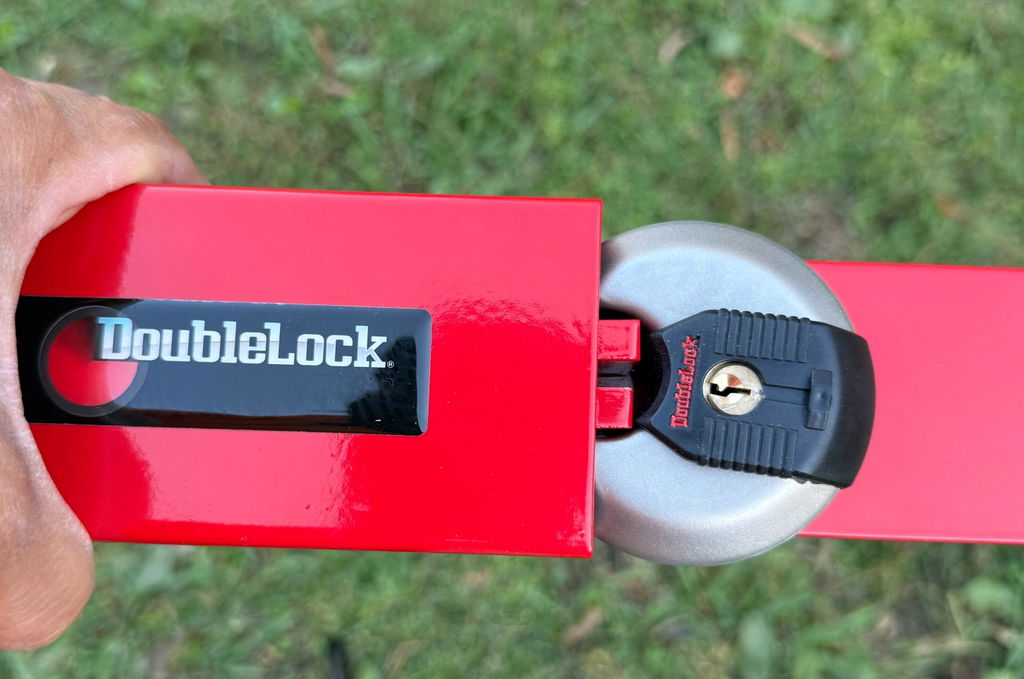
A fifth-wheel owner needs a kingpin lock, not a standard coupler lock. The LION covers the kingpin and creates a physical barrier at the point where the tow vehicle connects. Browse DoubleLock's kingpin trailer locks to match the lock to your fifth-wheel setup.
Bumper-pull owners need protection at the coupler or hitch. The SCORPION Pintle Hitch Lock targets that connection directly, giving travel trailers and compatible hitch systems a purpose-built layer of security. A coupler lock addresses unauthorized hitching, while a separate lock for doors, storage compartments, or exterior gear covers the rest of the RV.
Secure for the way you park
Choose the correct connection lock before leaving the trailer at a storage lot, truck stop, or roadside location. No lock makes an unattended trailer impossible to steal, but a purpose-built barrier raises the work required and reduces the risk of opportunistic theft. DoubleLock USA builds premium security hardware around the actual trailer application, with European engineering heritage and an industrial-grade approach.
Coupler Locks and Hitch Locks: Your First Line of Defense
A trailer sitting in a driveway, storage lot, or campground presents an immediate opportunity if an unauthorized vehicle can connect to its coupler. Coupler locks address that risk at the hitch point by preventing an unauthorized vehicle from hitching up to the trailer. That makes them a foundational part of RV trailer security, not an optional accessory.
Choose the lock for the coupler design
Ball coupler locks fit over or through the coupler area to block connection to the trailer ball. They work well for common bumper-pull RV trailers, but the lock must match the coupler shape and available clearance. An incompatible design may leave gaps or interfere with the latch, safety chains, or towing equipment.
Adjustable coupler locks provide more flexibility when coupler dimensions vary. They use a movable locking point to fit different coupler configurations, which makes them practical for owners who operate more than one trailer. Proven Industries lists coupler lock products in a market range of approximately $150 to $295, showing that heavy-duty coupler security represents a meaningful equipment investment. That price context does not replace a fit and function check. The right lock should suit the trailer you need to protect.
Latch locks secure the coupler latch itself. They prevent the latch from opening or changing position while the trailer remains parked. For some trailers, a latch lock offers a compact solution. For others, a lock that blocks the ball connection provides a stronger physical barrier at the point where theft would begin.
Secure the hitch connection with purpose-built hardware
Hitch security should reflect the trailer's actual hitch style and the conditions it faces. The DoubleLock SCORPION Pintle Hitch Lock provides a purpose-built option for pintle-style connections, where a standard ball coupler lock does not address the same hardware. Match the lock to the hitch instead of forcing one generic device across different trailer types.
DoubleLock builds its trailer security products around rugged, application-specific hardware and industrial security requirements. Explore the complete trailer locks collection to compare solutions for couplers, hitches, and other trailer connection points. No lock makes a trailer impossible to steal. But securing the connection removes the quickest path to unauthorized towing and strengthens the first layer of a broader security plan.
Securing Gear and Accessories With Cable Locks
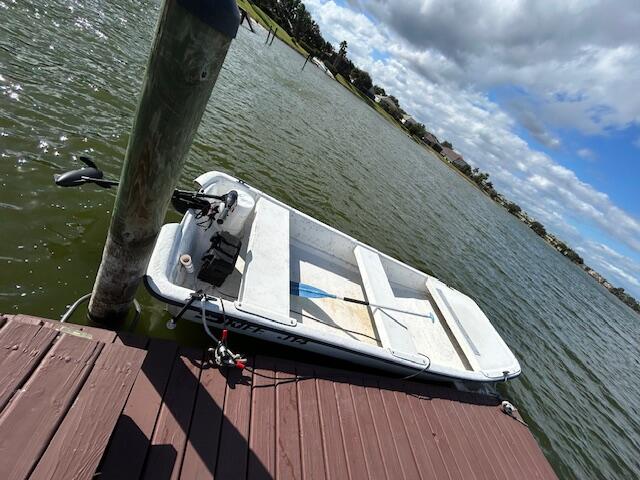
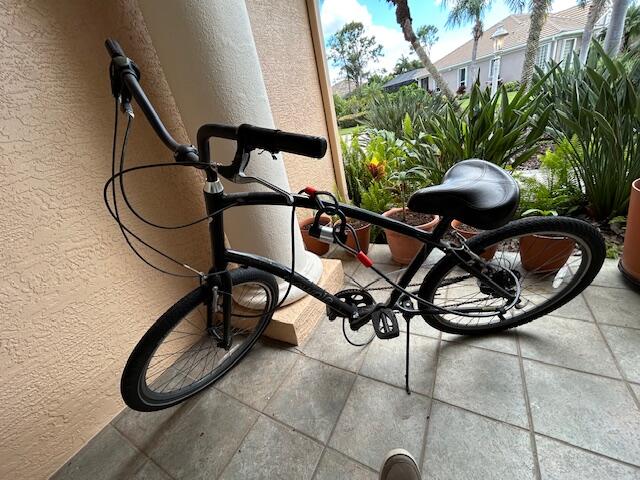
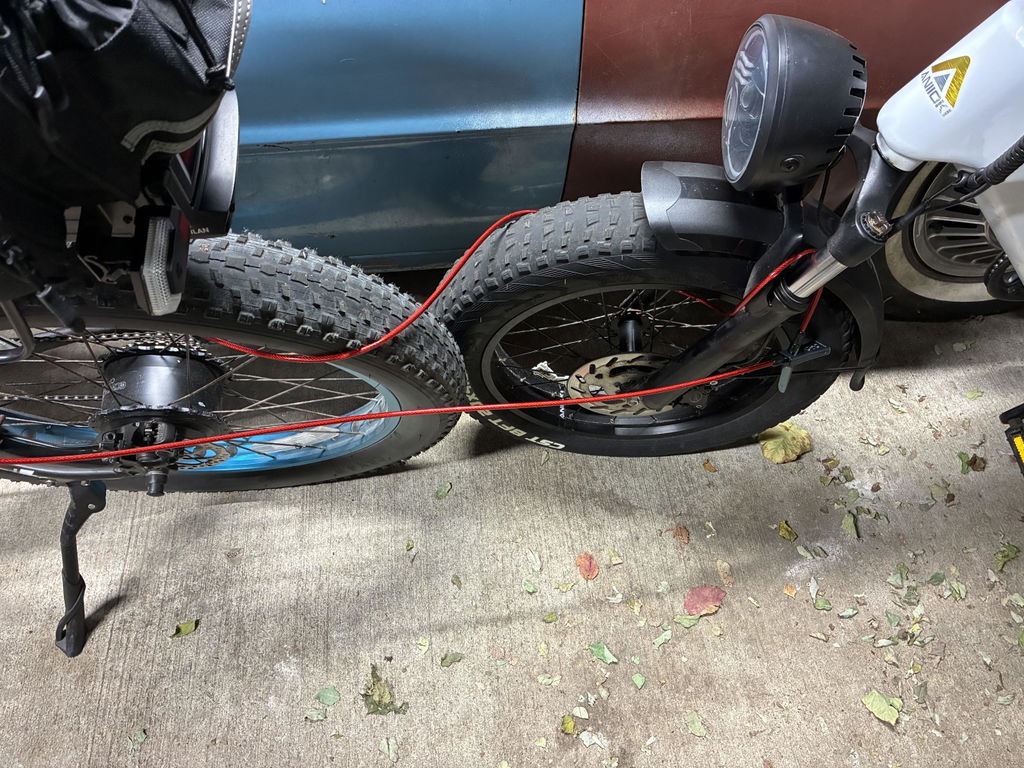
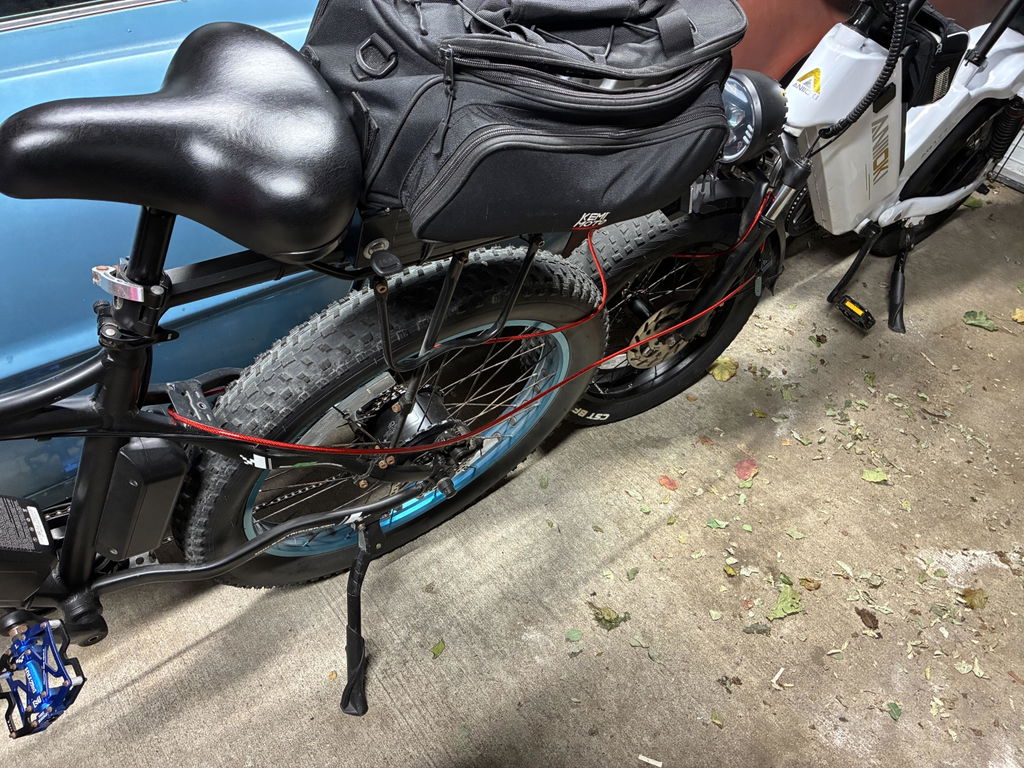
RV trailer security extends beyond the hitch and entry door. Generators, bicycles, grills, propane tanks, coolers, and other loose equipment often sit outside the trailer, where a thief can grab them quickly. Secure those items to a fixed frame point or another substantial anchor, and keep the lock body positioned where attackers have limited room to work.
Use one cable to secure several valuable items
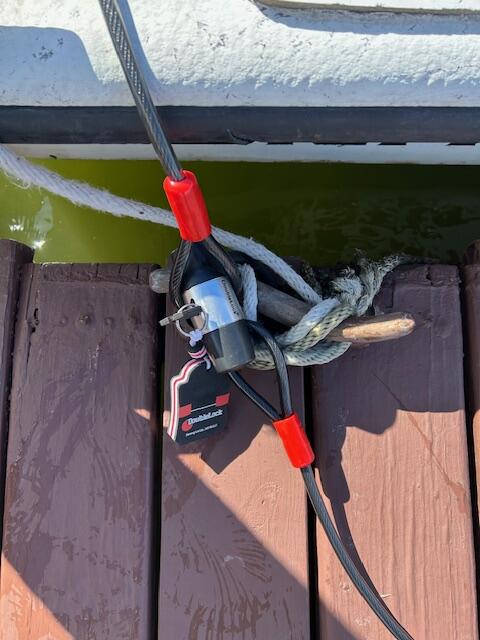
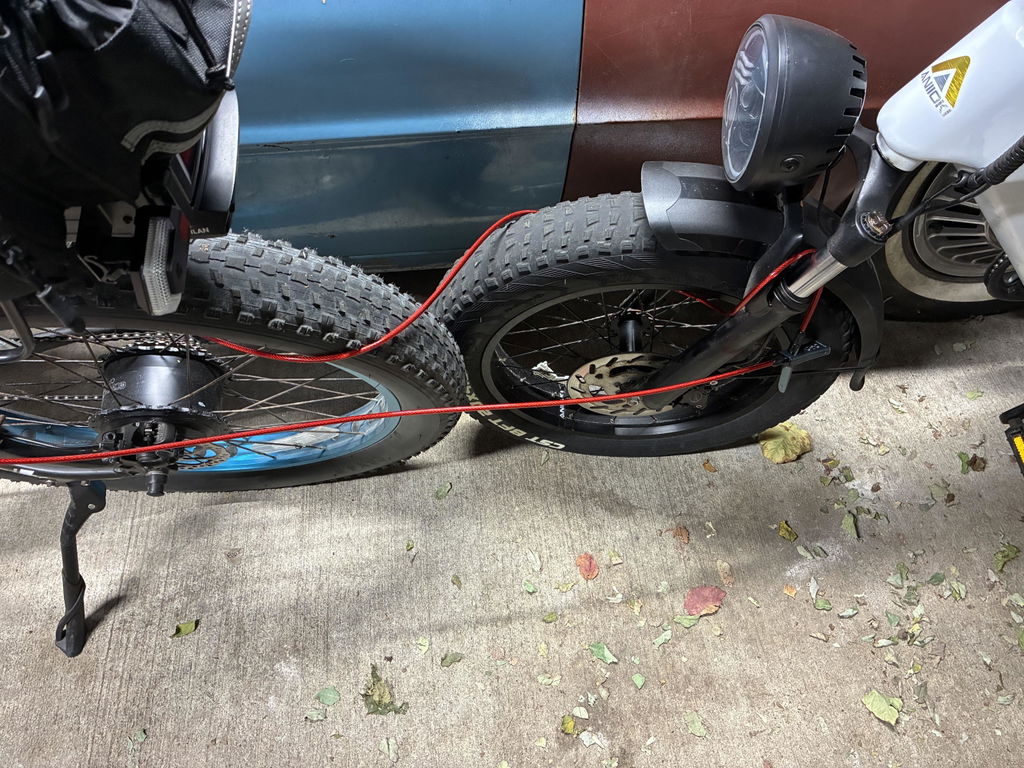
A cable lock creates flexibility around bulky or irregularly shaped gear. Thread it through a generator frame, bicycle frames, grill handles, or tank cages, then connect the ends with a hardened padlock. The cable locks for outdoor gear collection gives RV owners a practical way to build this layer around the equipment they actually carry.
The DoubleLock BEAST Cable and Lock Bundle is designed for multi-point gear security. Use the cable to group several items together, or route it through a single high-value piece and an anchor point. Keep the cable tight without creating sharp bends, and avoid leaving slack on the ground. A visible, properly positioned lock raises the effort required to remove gear and makes opportunistic theft less attractive.
Pair the cable with a padlock that resists attack angles
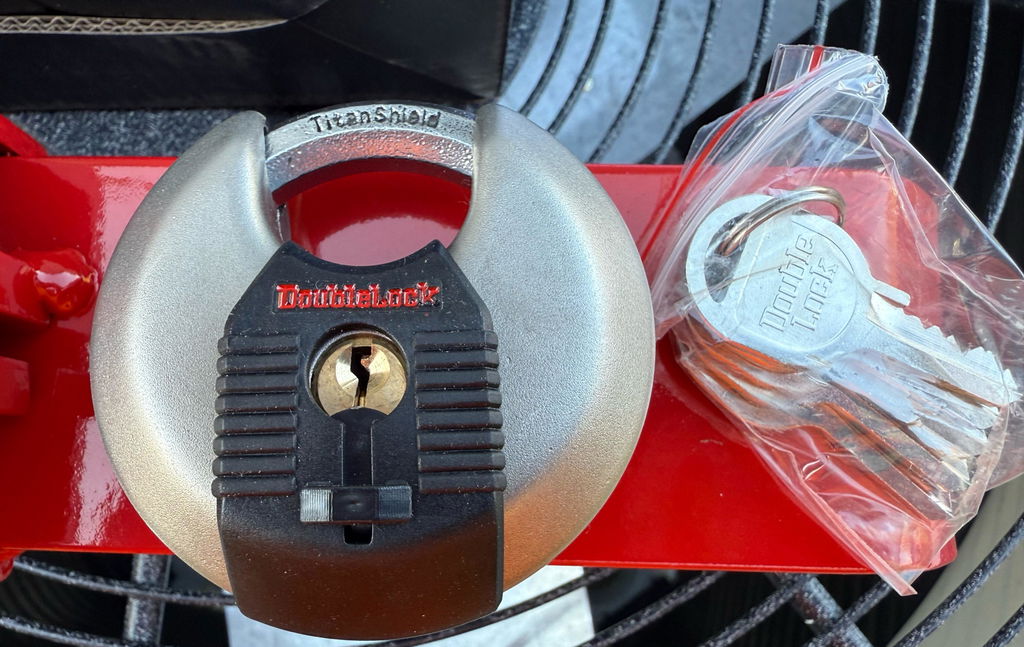
The padlock matters as much as the cable. The RED HAWK padlock uses edge-to-edge locking, a key differentiator that reduces exposed shackle access from common bolt-cutter and pry-bar angles. Place the lock so the body stays close to the secured equipment and does not rest against a surface that gives a thief leverage.
No lock is undefeatable, so combine hardware with sound habits. Remove portable equipment when you leave the campsite whenever practical. At storage lots or overnight stops, keep valuable gear out of sight and use more than one anchor point when the layout allows it. Check cables, lock bodies, and anchor points for wear before every trip, especially after exposure to rain, road spray, or salt air.
Do not overlook the RV entry door
Exterior gear security does not replace entry protection. Review the available options for securing your RV door, then match the lock to your door design and travel routine. A layered setup combines an appropriate door lock with hitch protection and cable-secured equipment, giving thieves fewer easy targets across the entire campsite.
Beyond Locks: Smart RV Trailer Security Habits and Recovery Tools
Physical locks form the foundation of RV trailer security, but a determined thief faces more obstacles when every layer reinforces the next. Start with the place where you store the trailer. Choose a facility with strong lighting, controlled access, perimeter fencing, and visible camera coverage. The FBI notes that cargo theft often occurs when vehicles or containers sit unattended at truck stops, parking lots, roadside parking areas, drop lots, and rail yards. An unsecured storage area creates the same opportunity. A better lot reduces exposure, while a properly fitted kingpin, coupler, or cable lock makes the trailer harder to take.
Make the trailer look difficult to steal
Visible deterrents raise the effort and attention required to move an unattended trailer. Use wheel chocks to stop movement and consider a wheel boot lock when the trailer remains parked for an extended period. These devices do not replace a hitch or kingpin lock. They add another physical barrier and signal that the trailer is not an easy target. Place the primary lock where it directly blocks unauthorized hitching or connection, then use accessory restraints for vulnerable equipment.
That layered approach matters because each device addresses a different step in a theft attempt. A kingpin lock blocks connection to a fifth-wheel hitch. A coupler lock blocks unauthorized hitching on a bumper-pull trailer. A cable lock secures generators, bicycles, tools, and other removable gear. Together, they protect both the trailer and the equipment stored around it. No lock is undefeatable, so the goal is to reduce opportunity, delay unauthorized access, and make the target less attractive.
Use tracking for recovery, not as a replacement for prevention
A GPS tracker adds visibility after a trailer moves outside its expected location. Install it in a discreet, protected position and test its battery, cellular connection, and alert settings before relying on it. Tracking supports recovery efforts, but it does not stop a thief from hitching the trailer. Keep the kingpin or coupler lock in place, then treat GPS as a recovery layer behind the physical barrier.
Remove easy targets and document what you own
Before storage, remove portable valuables, spare keys, and documents that reveal where the trailer belongs. Photograph the trailer from multiple angles and record the VIN, equipment serial numbers, model details, and identifying marks in a secure location. Keep those records available for law enforcement and insurance conversations if the trailer or its contents disappear. Check tires, chocks, locks, and tracker alerts during long storage periods. These habits do not replace purpose-built hardware. They complete a security plan that starts with a strong physical lock and leaves thieves fewer options at every stage.
Frequently Asked Questions
How can I secure my travel trailer against theft?
Start with a purpose-built coupler or hitch lock that prevents an unauthorized vehicle from connecting to the trailer. Add wheel chocks or a wheel lock, secure generators and other loose equipment with a cable lock, and lock the RV entry points. For unattended storage, choose a well-managed facility with controlled access and lighting, then remove valuables from the trailer. A layered setup forces a thief to defeat multiple barriers instead of relying on one lock.
Are RV trailer locks effective deterrents?
Quality trailer locks provide a visible barrier, prevent unauthorized hitching, and slow down opportunistic theft. They do not make a trailer undefeatable. Select a lock that fits the coupler or kingpin correctly, use it every time the trailer is parked, and inspect it for damage or corrosion. Pair the primary lock with a second layer, such as a wheel lock, cable lock, or tracker, so one defeated device does not expose the entire trailer.
What is the best way to secure an RV in storage?
Use a hitch or kingpin lock, add wheel security, and secure exterior accessories before leaving the trailer. Park where staff can see the unit, favor a fenced facility with controlled entry, and avoid leaving tools or valuables inside. The FBI identifies truck stops, parking lots, roadside parking, and other unattended locations as common environments for theft, so reduce exposure whenever you can: FBI cargo-theft guidance.
Do I need insurance for my travel trailer?
Insurance requirements depend on your state, lender, registration status, and policy terms. Ask your insurer which coverage applies while the trailer is attached, parked at home, or stored at a facility. Confirm whether the policy covers theft of the trailer and personal property separately. Document the trailer and valuables, and keep serial numbers and purchase records in a secure location. Insurance supports recovery after a loss, but it does not replace physical security and careful storage practices.
Ready to Secure Your RV or Travel Trailer?
A layered approach gives your camper a stronger defense when it sits unattended, from the hitch to the gear inside. Shop DoubleLock USA RV and trailer security products to choose purpose-built protection for your setup. Shop trailer locks and get started with a practical security plan built around your trailer's most vulnerable points.