
A parked semi trailer remains exposed when a tractor can connect to its king pin in seconds. For fleets and owner-operators, the right lock should block coupling, resist tampering, and fit the way drivers manage keys or access codes across daily routes.
When comparing a kingpin lock for sale at Northern Tools, choose a keyed model for controlled access. A keyed-alike system for fleet consistency, or a combination model when eliminating key management matters more. Prioritize hardened construction, concealed bolt access, and a close fit for your trailer.
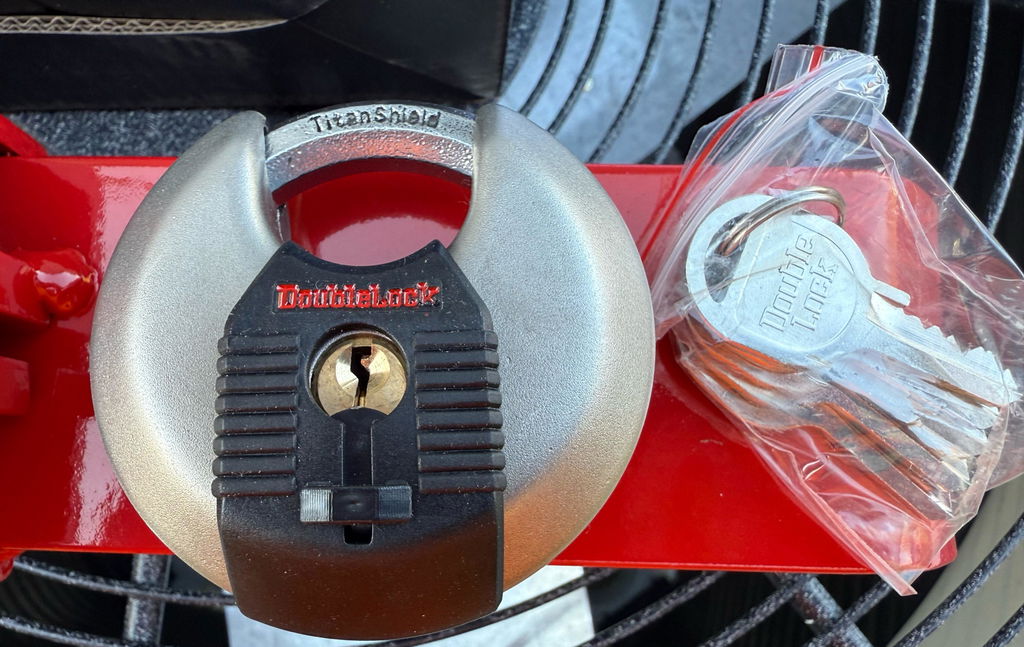
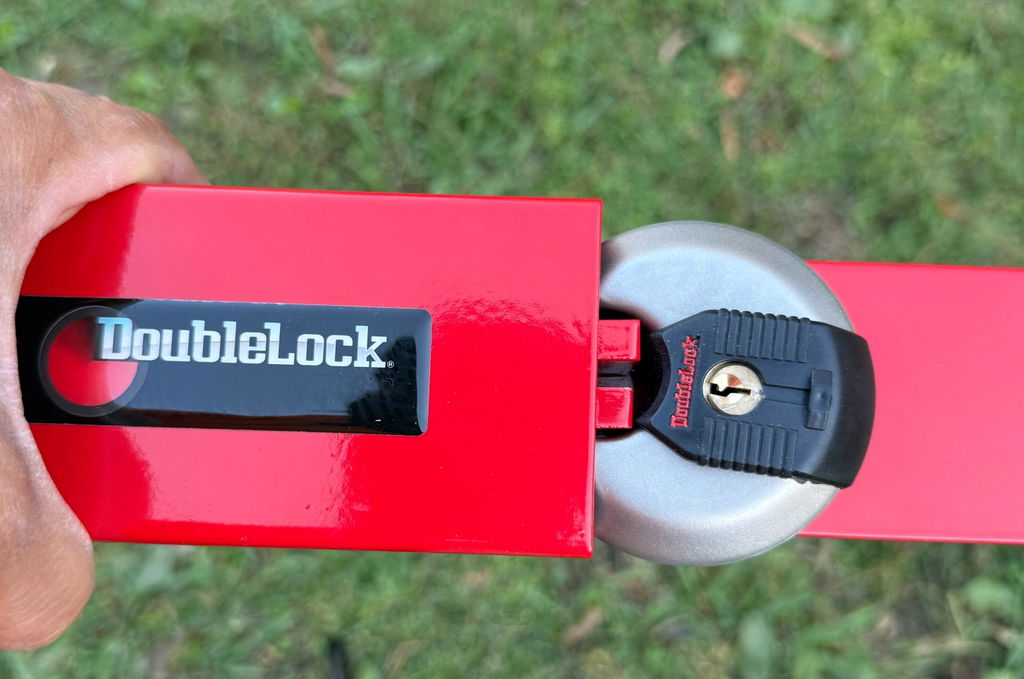
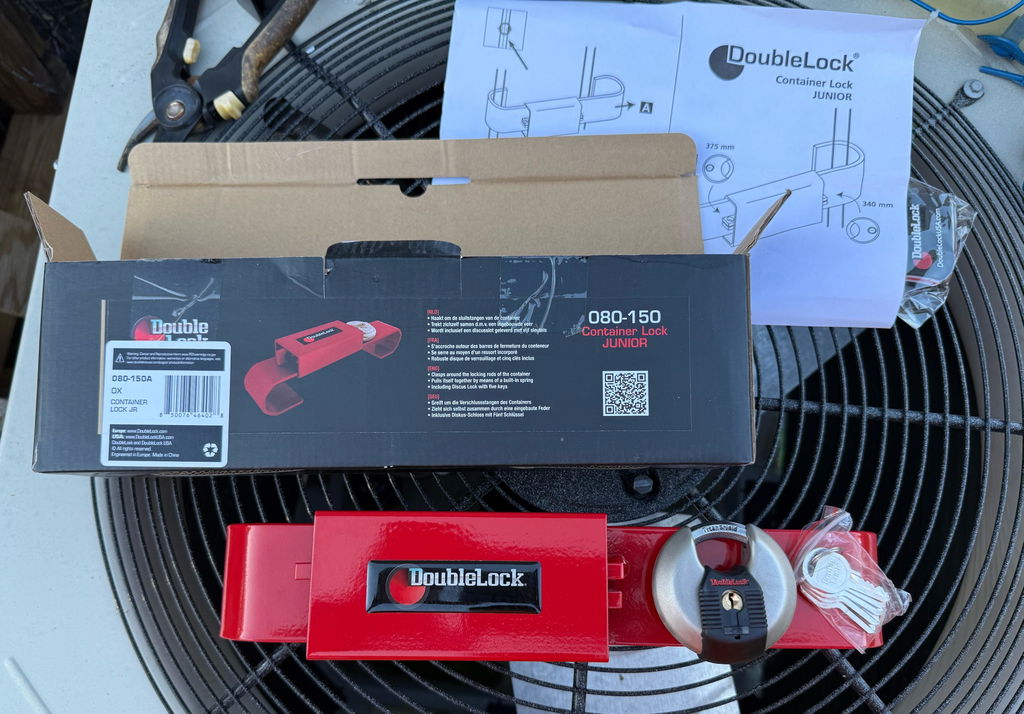
DoubleLock USA builds industrial-grade security hardware around those practical demands, including the LION kingpin lock with five precision laser-cut keys and keyed-alike options for fleet standardization. Before comparing cylinders, it helps to understand exactly where the lock sits and how it stops an unauthorized tractor from coupling.
Shop the DoubleLock USA LION kingpin lock
How a Kingpin Lock Works to Secure a Parked Semi Trailer
A semi trailer connects to a tractor through one small but critical component: the king pin. This solid steel stud, roughly 2 inches in diameter, sits beneath the front of the trailer and receives the fifth-wheel coupling jaws. When the trailer remains parked without its tractor, that exposed connection point gives an unauthorized tractor an obvious route to move the trailer.
A kingpin lock removes that route. The device fits around the king pin and creates a physical obstruction that prevents a tractor's fifth wheel from seating and closing its jaws around the stud. The National Institute of Justice's archived evaluation describes the device as a collar or other obstruction attached to the fifth-wheel pivot pin. This happens while a semi trailer sits detached from its tractor. The same report defines the purpose clearly: the obstruction prevents a tractor truck from attaching to the trailer. Read the OJP kingpin lock evaluation.
The lock blocks the coupling point
Without a lock, a compatible tractor can reverse toward the trailer, align its fifth wheel beneath the nose, and let the jaws close around the king pin. With the lock installed, the collar occupies the space the coupling mechanism needs. The tractor cannot complete the connection, so an unauthorized driver cannot simply hook up and pull away.
That simple mechanical principle makes fit essential. The lock must sit securely on the trailer's king pin and stay in place when the trailer remains unattended. Choose a model designed for the king pin configuration on your equipment, then confirm that the locking mechanism fully engages before leaving the yard, jobsite, or storage area.
Construction determines how much resistance the device provides
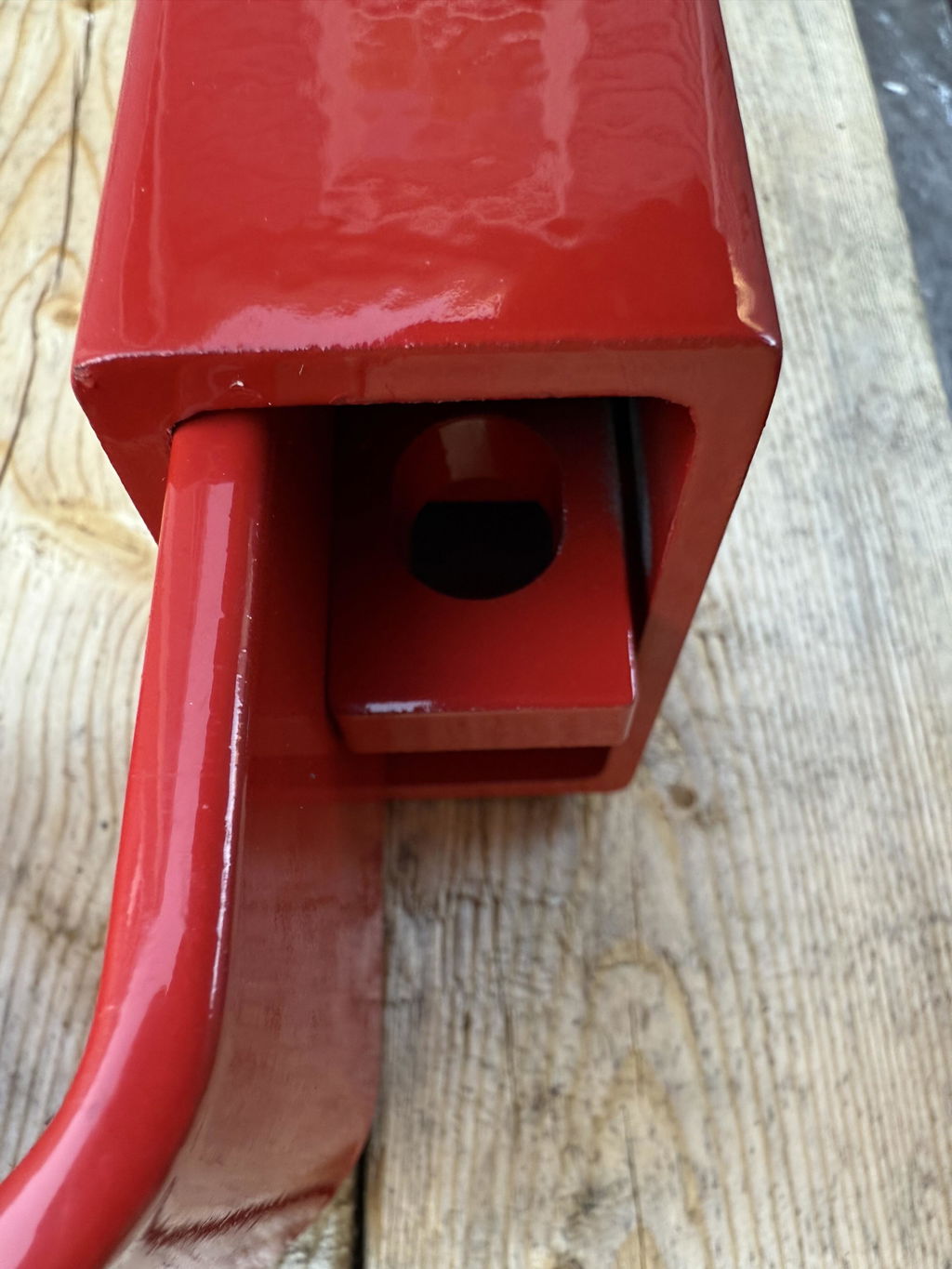
A useful kingpin lock does more than cover the stud. Tamper-resistant construction and concealed bolt access make it harder for an intruder to attack the hardware directly. DoubleLock USA builds its LION kingpin lock around this industrial security approach, and the model carries the EU SCM Class HEAVY benchmark identified in the customer product documentation.
Security hardware still works as a deterrent and risk-reduction layer, not an undefeatable guarantee. OJP found kingpin locks suitable for temporary protection in a supervised working area, while extended storage with occasional supervision requires a comprehensive security plan. Pair the lock with controlled yard access, lighting, surveillance, trailer immobilization procedures, and regular checks when the cargo or equipment warrants it. Review the king pin lock buyer's guide for additional selection and use considerations.
Keyed vs Combination Kingpin Locks: What Fleets and Owner-Operators Should Choose
The decision comes down to one management question: do you want to control physical keys or a shared access code? Both formats create a physical obstruction that prevents a tractor from coupling to a parked trailer. The U.S. Department of Justice describes a kingpin lock as a device designed to prevent attachment of a tractor truck. Which makes either format a theft deterrent rather than an absolute guarantee of protection. The OJP evaluation also frames kingpin locks as one part of a broader security plan, especially for trailers left in storage with limited supervision.
| Option | How it works | Best for | Trade-off |
|---|---|---|---|
| Keyed-differently | Each lock uses its own cylinder and unique key. Keyed-different, or KD, systems separate access from one trailer to the next. | Owner-operators, mixed fleets, and high-security operations that need isolated access. | Drivers and managers must track the correct key for each trailer. Replacing a lost key also requires identifying the matching lock. |
| Keyed-alike | Multiple locks use cylinders that open with the same key. Keyed-alike, or KA, systems give authorized staff one standardized access method. | Fleets that rotate drivers, trailers, or yard personnel and need fast, consistent access. | A misplaced key may provide access to every lock in the group, so the fleet needs disciplined key control and a clear replacement process. |
| Combination | A dial or coded mechanism releases the lock after the user enters the correct code. No physical key travels with the driver. | Small operations, shared trailers, or situations where avoiding key storage and handoffs matters most. | Users must protect the code from observation, casual sharing, and turnover. Managers need a process for changing codes when access changes. |
Keyed-differently locks isolate access
A keyed-differently setup gives each trailer its own access credential. Allegion defines KD as keyed different, while KA means keyed alike. That distinction matters when a fleet assigns specific trailers to specific drivers, separates customer cargo, or limits access after a staffing change. A lost key does not automatically open every lock in the operation. The added control creates more work: someone must issue, label, secure, and replace multiple keys. DoubleLock products include five precision laser-cut keys as standard, which gives an owner or manager useful spares without changing the basic need for key accountability.
Keyed-alike systems simplify fleet access
Keyed-alike locks reverse the priority. One key opens every lock in the designated group, making the format practical for fleets that standardize equipment and rotate personnel. A supervisor can issue the same access method across trailers instead of maintaining a separate key ring for every unit. DoubleLock offers keyed-alike options for fleet standardization. Treat that convenience as a management responsibility, not a free security upgrade. Keep spare keys controlled, record who receives them, and remove access when a driver or contractor leaves the operation.
Combination locks replace key management with code management
Combination locks remove physical keys from the daily workflow. That helps when several people share one trailer or when drivers frequently change assignments. The weak point moves to the code. A driver can expose it while entering the combination, and a team member can share it outside the intended group. Change the code after personnel turnover, keep it out of public messages, and avoid writing it on the trailer or lock. Choose a combination format only when the team will manage the code with the same discipline it would apply to keys.
For most fleets, keyed-alike offers the cleanest balance between controlled access and operational speed. Owner-operators often favor keyed-different locks when they want one trailer protected by a dedicated key. A combination lock suits a smaller, tightly managed operation that values key-free handoffs. In every case, confirm the lock fits the trailer kingpin and select tamper-resistant construction with concealed bolt access. The format controls access, while the physical design supplies the obstruction that deters unauthorized coupling.
Shopping for a Kingpin Lock for Sale at Northern Tool
Northern Tool gives trailer owners and fleet managers several kingpin lock configurations to compare, but the lowest price should not drive the decision. A kingpin lock works outside, often in dirt, rain, road salt, and freezing conditions. The right choice combines a durable body, a practical locking cylinder, and a key system that fits the way your operation manages trailers.
Start with the body and finish
Look for hardened steel when you compare models. The material gives the lock a strong foundation against attacks and daily abuse. A powder-coated finish adds another useful layer by helping the body resist corrosion while keeping the lock visible during installation. Check how the lock covers the kingpin and whether its design conceals access to the locking bolt. Exposed hardware gives an attacker an easier target.
Northern Tool carries several models across this range, including Jendyk heavy-duty and standard kingpin locks. The Buyers KPL200, the Trimax TFW80HD heavy-duty fifth-wheel kingpin lock, and the Deadbolt DB-KPL-KA2 keyed-alike two-pack. Their bodies, finishes, cylinder arrangements, and included quantities differ, so read the complete product specifications rather than comparing names alone.
Match cylinder design to key control
Keyed-differently locks give each lock its own key. That arrangement suits an owner-operator or a fleet that wants to limit access to one trailer. Keyed-alike locks let one key operate multiple locks, which reduces key clutter and simplifies shared equipment management. The Deadbolt DB-KPL-KA2 offers a keyed-alike two-lock configuration, while other Northern Tool models use individual keyed systems.
Ask who needs access before choosing. A fleet with frequent driver changes may value keyed-alike standardization, while a single trailer owner may prefer a dedicated key. Also confirm the package contents and replacement-key process. DoubleLock LION locks include five precision laser-cut keys as standard, and keyed-alike options support fleet standardization.
Use price tiers as a starting point, not a security rating
At the lower tier, a standard model may fit occasional use when basic compatibility and key control meet your needs. A mid-tier heavy-duty model may make more sense for regular roadside exposure, repeated coupling cycles, or a trailer that stays in unsecured yards. Premium industrial-grade hardware earns consideration when the trailer carries valuable equipment, supports a logistics operation, or needs a more robust theft-deterrence strategy.
For that benchmark, compare the specifications of the DoubleLock USA LION kingpin lock. The LION carries the EU SCM Class HEAVY certification and uses a tamper-resistant design that conceals bolt access. It sets a useful performance reference when you evaluate less expensive alternatives. No lock makes a trailer impossible to steal. Treat every kingpin lock as a physical deterrent and combine it with controlled parking, access procedures, and broader site security.
Tamper-Resistant Design and Bolt Concealment Matter
A kingpin lock faces more than weather and daily handling. It must withstand prying, twisting, impact, and repeated attempts to defeat the connection between a parked trailer and its security hardware. That makes construction quality a primary security feature, not a cosmetic upgrade. The strongest designs use hardened steel for the body and locking components, giving attackers less material to deform or break.
A durable finish adds practical value. Powder coating helps protect the steel against corrosion from rain, road spray, and outdoor storage. A high-visibility finish also makes the lock easy to spot during a pre-departure inspection. Visibility does not replace strength, but it signals that the trailer has an active security measure in place. That visible deterrent may encourage an opportunistic thief to choose an easier target.
Concealed bolts deny easy access
Look closely at how the lock attaches and where a tool could reach the fasteners. Effective kingpin locks should conceal bolt access and use tamper-resistant construction, according to DoubleLock USA product guidance. When a design hides the bolt heads inside the body or behind protected sections, an attacker loses a direct point for drilling, cutting, or turning the hardware.
That detail matters because a thief does not need to defeat the cylinder if the mounting hardware remains exposed. Bolt concealment forces the attack away from the most convenient mechanical access point. It also protects the connection from damage that could prevent an authorized operator from removing the lock later.
A full collar removes mechanical leverage
The collar should do more than sit over the kingpin. A full-collar design fills the available pin space around the connection, leaving little room for a thief to insert a bar or other tool. By reducing those gaps, the collar limits the leverage an attacker can apply against the lock. The design turns the lock into a close-fitting obstruction instead of a loose cover that an attacker might manipulate.
Compatibility still matters. Confirm that the lock fits your trailer's kingpin and seats fully before relying on its protective features. A well-built lock that does not fit correctly cannot deliver the same level of obstruction or resistance.
No lock is undefeatable, and a kingpin lock should form part of a broader trailer security plan for extended storage. A tamper-resistant body, concealed bolt access, and full-collar fit raise the time, noise, and effort required for an attack. That is the point of strong physical security: make the trailer a costly target, so thieves move on.
For equipment matched to commercial towing applications, review DoubleLock's truck and trailer security collection.
Matching the Lock to Your Operation: Fleet, Owner-Operator, or One Trailer
The right kingpin lock should fit your access routine as well as your trailer. Start with the way your team works, then compare compatibility, security level, durability, portability, and price. That framework keeps a convenient lock from creating a management problem later.
-
Count the trailers and authorized users
Fleet managers usually protect multiple trailers with multiple drivers, dispatchers, and yard staff. A keyed-alike system gives authorized personnel one key for the trailer pool, which simplifies handoffs and reduces time spent identifying the correct key. DoubleLock offers keyed-alike options for fleet standardization. Confirm the keying plan before ordering, especially if you want new locks to match an existing system.
-
Choose keyed-alike for shared access
Keyed-alike, or KA, means several locks open with the same key. This setup suits a fleet that needs fast access across a standardized trailer group. It also gives managers a straightforward way to issue and control keys. Keep a documented key policy, limit access to authorized staff, and replace compromised keys or cylinders when the access plan changes.
-
Choose keyed-different for isolated access
Owner-operators who run one trailer, or a small number of trailers, may prefer keyed-different locks. Keyed-different, or KD, assigns each lock its own key. That approach limits one lost or copied key to a single trailer instead of exposing the entire group. It demands better key tracking, but it gives each trailer a separate access boundary. The choice matters most when different drivers, contractors, or storage locations should not share access.
-
Consider a combination lock for occasional use
A combination lock removes the need to carry a physical key, which works well for an occasional user who parks one trailer and wants quick keyless access. The trade-off is code management. People may observe, share, or reuse the combination, and you must reset the code when access changes. Use a combination system only when that risk fits your operation and your team can protect the code.
-
Verify fit and service conditions before purchase
Check that the lock matches the trailer's kingpin section and that its construction suits the environment. A kingpin lock should attach correctly, resist tampering, and conceal bolt access. Also consider whether staff will carry it between trailers, whether the body must withstand weather and heavy handling, and whether the price reflects the security level you require. A lock functions as a deterrent, not an undefeatable guarantee. For trailers stored with occasional supervision, pair the lock with a broader security plan, as the U.S. Department of Justice notes in its evaluation of trailer kingpin locks: temporary protection and extended storage require different security planning.
Shop truck and trailer security
Frequently Asked Questions
What is a kingpin lock used for on a semi-trailer?
A kingpin lock fits over the trailer's kingpin after you detach the tractor. Its physical obstruction prevents another tractor's fifth wheel from coupling to the trailer. The lock adds a practical theft deterrent while the trailer sits in a yard, jobsite, or storage area. The U.S. Department of Justice evaluation describes this same core function.
Should a fleet choose keyed-alike or keyed-different locks?
Choose keyed-alike locks when authorized drivers or technicians need one key for multiple trailers. Choose keyed-different locks when each trailer needs its own access control. DoubleLock offers keyed-alike options for fleet standardization, while keyed-different systems separate access by trailer. Confirm the keying configuration before ordering.
Are combination kingpin locks better for owner-operators?
A combination lock removes the need to carry or replace a physical key, which suits an owner-operator who manages one trailer. The trade-off shifts to code management. Protect the code from casual observation, avoid sharing it unnecessarily, and change it when access changes. A keyed lock may fit better when you want controlled physical key distribution.
What should I check before buying a heavy-duty kingpin lock?
Confirm that the lock matches your trailer's kingpin, then inspect its body material, fit, locking mechanism, and protection around bolt access. Look for tamper-resistant construction and a design that prevents coupling. A heavy-duty lock supports a broader security plan, but no lock replaces controlled parking, lighting, inspections, and other theft deterrents. The Department of Justice report frames kingpin locks as one part of comprehensive protection for extended storage.
Ready to Secure Your Semi Trailer?
The right kingpin lock gives fleets and owner-operators a practical way to strengthen security when a trailer sits unattended. Choose a purpose-built option that matches your operation, key-management process, and trailer setup.