


An intermodal container cargo security device should match the container’s door hardware, the time it will sit unattended, and the people who need authorized access. Start by inspecting the securing bars and hasp area, then choose a purpose-built device that fits those points and pair it with sound cargo-securement and access procedures.
Discuss a container-security setup
What should an intermodal container cargo security device protect?
A container device should restrict access at the cargo doors, where the door hardware creates an attachment point. It is a physical deterrent, not a cargo tie-down, tamper-evident seal, or guarantee against every attack. Begin with the doors and the actual exposure, then layer the device with cargo securement, access control, and inspection practices.
“Intermodal” describes a shipment moving between modes or stages of transport. A container may wait at a yard, transfer point, customer site, or other stop along its route. Each location changes who can approach it and how long it remains unattended. The right security choice therefore starts with the container and route, not with a product name alone.
Separate three jobs that buyers sometimes treat as one:
- Restrict access: A suitable door-mounted device makes the container harder to open without authorization.
- Secure the load: Cargo inside must be restrained against movement during transport. A door device does not perform this job.
- Show whether access occurred: A seal or inspection record may support a process for detecting or documenting a change. A device and a seal serve different purposes.
Federal cargo-securement rules address cargo securement, including cargo in intermodal containers. Treat those requirements as separate from selecting a device for the doors; review the applicable FMCSA cargo securement rules for the transport operation. A door device cannot replace compliant load restraint.
How do container door geometry and attachment points shape the choice?
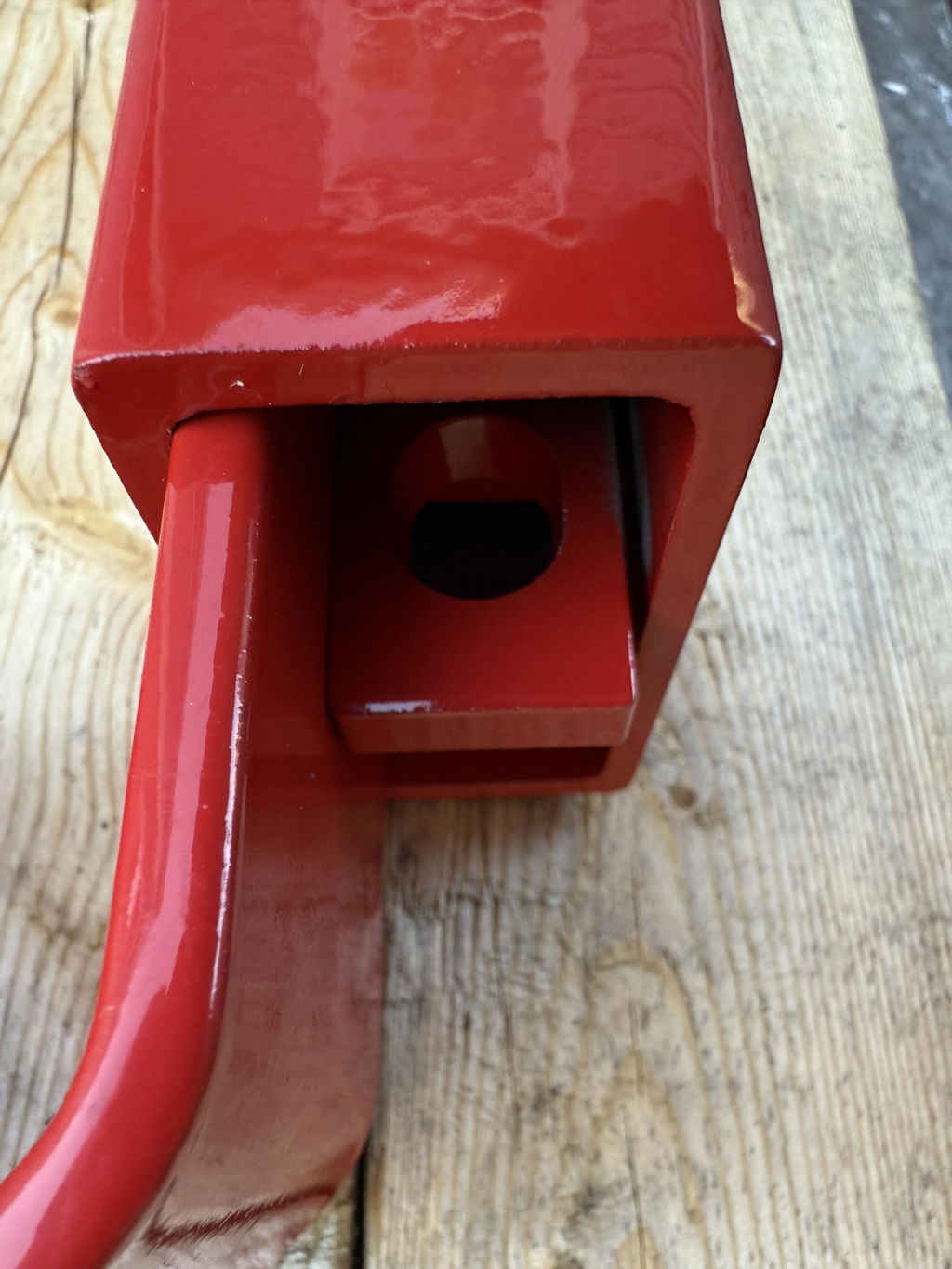
The door hardware determines whether a device can fit and engage as intended. Inspect the securing bars, handles, hasps, and available clearance before ordering. A device that cannot sit securely on the door hardware is the wrong choice, even if its general description sounds suitable for containers.
Walk around the container and examine both cargo doors. Note whether the doors close fully, whether the securing bars move freely, and whether existing hardware or nearby structures interfere with a device. Look for damage, heavy corrosion, bent bars, altered hasps, or repairs. If parts do not align, resolve that condition before relying on a device to secure them.
- Identify the engagement point. Determine how the door hardware closes and where a device would attach. Do not assume every container presents identical clearances.
- Measure or verify the fit. Compare the relevant dimensions and configuration with the product’s current specifications. If the page does not answer a fit question, ask the seller before buying.
- Check installation access. Consider whether a driver or authorized worker can reach the attachment point safely and install or remove the device without forcing the door or hardware.
- Confirm door condition. A damaged or misaligned securing bar can undermine a sound security plan. Repair the door mechanism rather than using the device to compensate for a defect.
Photographs can make a product-fit discussion more precise. Capture the complete door, a close view of the securing-bar and hasp area, and any obstruction that limits movement. Include a scale or measurements when useful, but do not publish images that disclose sensitive shipment information or access details.
The company's shipping-container and cargo-security collection gives buyers a relevant place to compare purpose-built options. Review each product’s stated application and dimensions rather than assuming that a device designed for one door arrangement will fit another.
How should exposure and dwell time affect the security tier?
Match the physical device to the exposure: how long the container sits, how accessible the doors are, what the location controls, and how quickly staff can notice a problem. Longer unattended periods and less controlled access call for a more deliberate plan, but no device makes a container invulnerable or removes the need for monitoring.
Build a simple exposure profile for the container’s whole trip, including stops between origin and destination. Record where it will wait, whether the area limits access, what lighting or observation exists, and who is responsible for checking it. These facts help distinguish a short, supervised handoff from an overnight or recurring storage situation.
| Operating situation | What to verify | Practical security response |
|---|---|---|
| Brief, attended transfer | Who controls the handoff and whether custody changes are recorded | Use a compatible door device and make the device check part of the handoff procedure |
| Unattended stop or overnight wait | How long the container sits, who can approach it, and who performs checks | Choose a door device that fits the hardware, limit access to the site where possible, and assign a named inspection responsibility |
| Recurring storage at a yard or jobsite | Door condition, routine access needs, key custody, and repeated exposure | Standardize the approved device and access process, document checks, and review the setup when conditions change |
| Unusual or elevated-risk movement | Route changes, multiple handoffs, long dwell, or sensitive cargo procedures | Coordinate a layered plan with the responsible security and transport teams; do not treat the device as the only control |
The table is a decision aid, not a rating of any location or a guarantee of a particular result. A controlled location may still have access gaps. A short stop may become a long delay. Update the plan when the schedule, route, container, or responsible staff changes.
Security screening and physical door protection also operate at different layers. The U.S. Government Accountability Office describes the Container Security Initiative as a program to identify and examine high-risk U.S.-bound cargo at foreign seaports. That screening context does not select a device or replace a carrier’s own handling controls; see the GAO report on high-risk cargo examinations for the program context.
Should you choose a keyed-alike device or separate keys?
Choose the key arrangement around the number of containers, authorized users, and consequences of key loss. A single-key system may simplify access across a fleet, while separate keys can limit how broadly one key grants access. Neither arrangement is automatically safer; define the access policy and custody controls before ordering.
For one container with a small, stable group of users, the decision may be straightforward: identify who holds the key, where the spare is kept, and how a lost key is reported. For a group of containers, list the people who need access and identify which units each person should open. That access map helps determine whether a shared key plan suits the operation.
- Keyed alike: Consider this when a defined group needs access to several approved devices and the operation can tightly control the shared key. The company lists a BULL container device keyed alike; verify the current product details and the exact configuration offered before purchase.
- Separate keys: Consider separate access when duties differ by container, site, team, or customer. This can narrow routine key access, but it also increases the need for clear labeling, secure storage, and a reliable record of issued keys.
- Mixed plan: Some operations may need a standard set for common access and separately controlled devices for restricted units. Keep the assignment understandable and document who may approve a change.
Never label a key with cargo contents, a full route, or a container’s sensitive destination details. Keep a controlled key register with the minimum information needed to identify the authorized user and assigned device. If the operation uses spare keys, store them in a controlled location and define who can retrieve one.
For multi-container buyers, keying should be part of the purchase specification. Confirm the quantity, key arrangement, and any future expansion needs before submitting the order. Ask how replacement or additional devices fit into the planned key system; do not assume that every product or production batch supports an identical arrangement.
When does a container device need a seal or another control?
Add a seal or process control when your operation needs a separate way to record access, manage handoffs, or check whether a container’s condition changed. A mechanical device restricts access; a seal supports tamper-evidence or process records. Decide which job matters, who verifies it, and what action follows an exception.
A seal does not replace a security device, and a device does not automatically create a documented chain of custody. If a shipment procedure requires a seal, follow the applicable customer, carrier, or regulatory instructions and record the identifier according to that process. Do not substitute one device for another simply because both attach near a door.
Use a written handoff routine. The releasing person checks the closed doors and device, records the status required by the operation, and passes control to the named recipient. The receiving person repeats the check before accepting custody. If the device or seal looks different, is missing, or cannot be accounted for, pause the handoff and follow the escalation procedure.
Consider adding site controls as well. Restricting access to the storage area, maintaining an accountable visitor process, and assigning routine checks can address exposure beyond the container doors. These measures do not make a device stronger; they reduce opportunities for unobserved access and make exceptions easier to identify.
Review cargo and freight security options
How do you compare purpose-built container device options?
Compare each candidate on fit, intended use, access plan, and operating routine before comparing convenience. A container device should match the door hardware and expected exposure. Use the product’s current specifications to confirm application; names and broad category labels alone do not prove compatibility with a specific container.
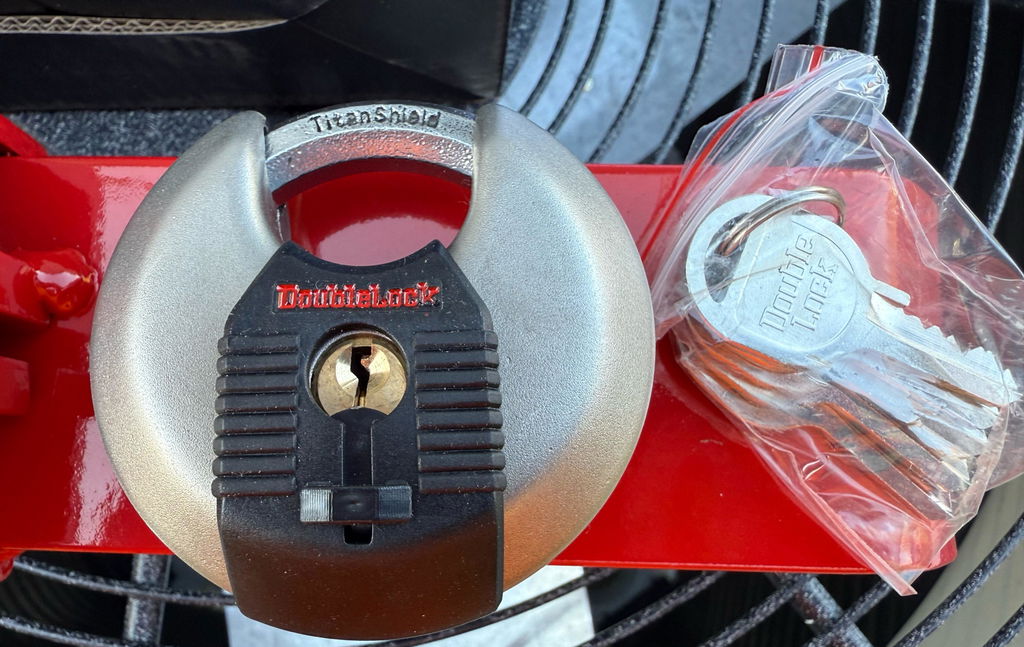
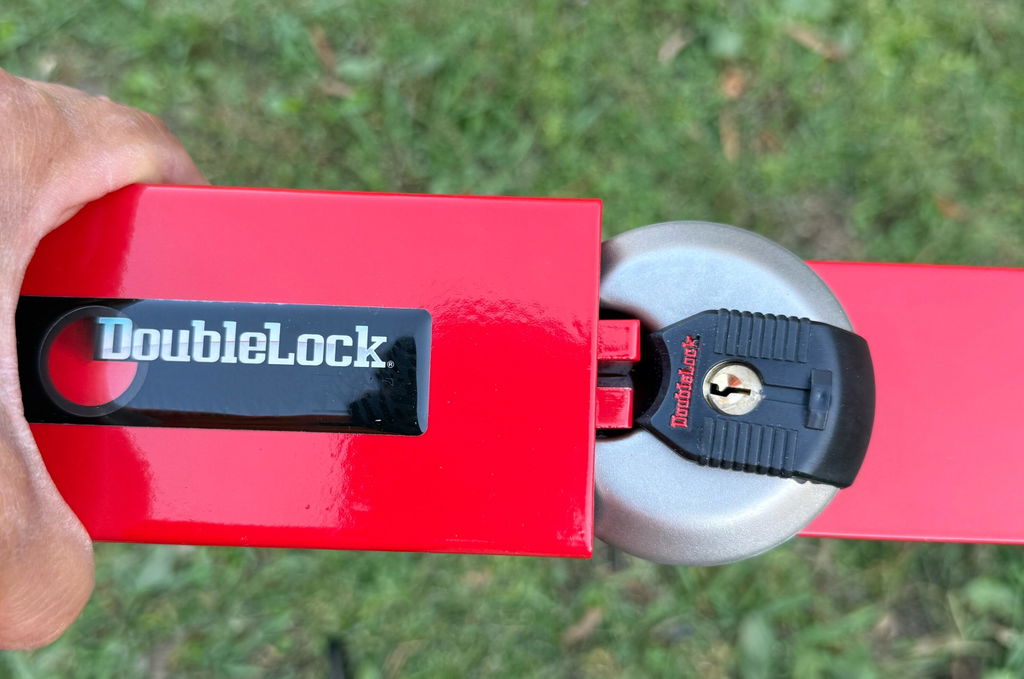
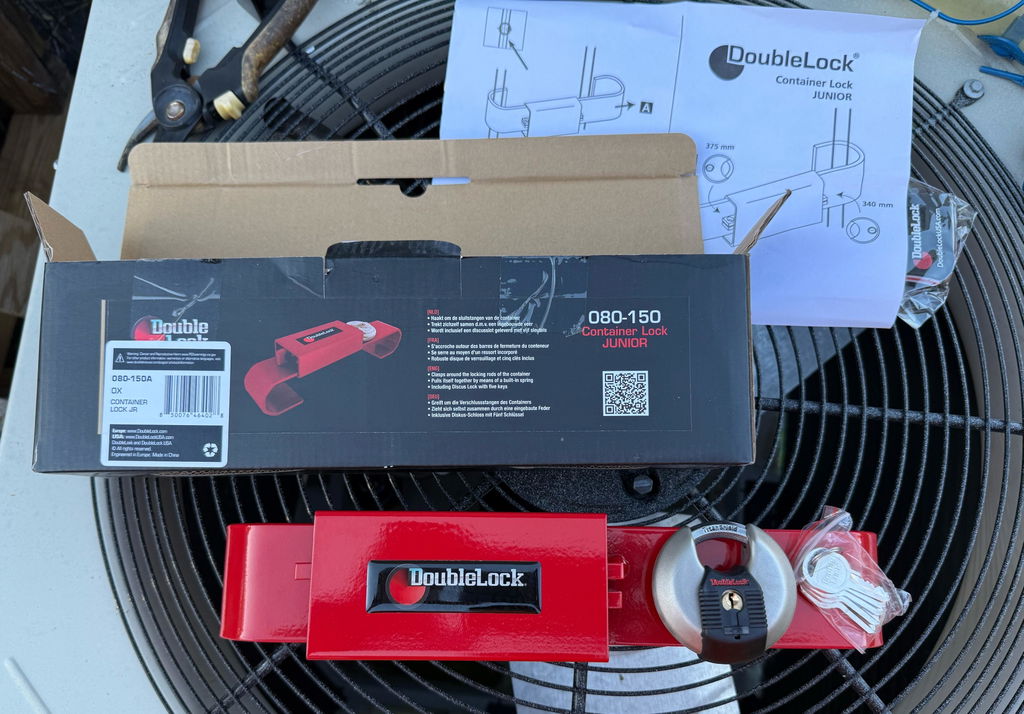
The company's range includes named options for container security. The BULL container device is identified as a max-duty container device, and the RHINO ultra-duty cargo container device is also presented for container use. The OX Jr. container device product listing identifies containers, trailers, and fences in its application. Check live specifications for the exact door configuration, size, and features that fit your use.
Use this comparison checklist when reviewing the product pages:
- Application: Does the maker identify the device for the type of container or door arrangement you have?
- Fit: Do the listed dimensions and required clearance match the hardware you inspected?
- Exposure: Does the device suit the security tier your route and dwell-time review calls for?
- Access: Does the available key configuration work with the authorized-user plan?
- Handling: Can staff install, remove, inspect, and store the device consistently?
- Support: Are installation instructions and current product information available for staff to consult?
Product families may use different dimensions or intended applications. Do not infer equivalence from “heavy-duty,” “ultra-duty,” or a similar label. Read the specifications, compare the attachment points, and ask for confirmation when any critical fit detail remains unclear.
How can fleet teams make the device part of a repeatable process?
A repeatable process turns a suitable device into a consistent control. Assign responsibility for installation, key custody, inspection, and exception reporting. Keep the process short enough for staff to follow during a busy handoff, but specific enough to reveal who checked the container and what they found.
- Set the approved device and configuration. Record the product, container type, and any fit notes for each approved setup. Do not let a substitute into service until someone verifies compatibility.
- Assign custody. Name the team or role responsible for the device and keys at each stage. For shared-key arrangements, limit distribution to authorized users.
- Check before departure. Confirm the doors close and align, the device engages correctly, and any required seal or load checks are complete.
- Check at handoff and arrival. Make inspection part of the transfer of custody, rather than an informal task that everyone assumes someone else performed.
- Log exceptions. Record a missing key, damaged hardware, unexpected delay, or discrepancy and route it to the responsible supervisor or security contact.
- Review after changes. Reassess the procedure when routes, storage locations, access groups, container types, or product configurations change.
In a practical example, a carrier assigns a container for a scheduled move but learns that a transfer will be delayed overnight. The original device may still fit, yet the longer dwell changes the exposure. The team should confirm the destination’s access controls, identify who will perform a check, and document the handoff. If the door hardware or plan changes, staff should stop and verify the device fit instead of improvising with an unsuitable device.
Make each inspection record useful to the next person in the chain. Note the time and location, the responsible role, whether the door and device appeared intact, and any action taken; follow company procedures for shipment identifiers and sensitive details. If an exception appears, record what staff observed without guessing at its cause. For example, “device absent at arrival” gives the supervisor a verifiable fact to investigate, while speculation about when or how it happened does not. This basic record also helps a team compare routine handoffs and spot repeated process gaps.
Fleet operators can review the broader commercial security collections when comparing needs across multiple applications. For a product-specific fit or bulk-order question, use the relevant product information and request confirmation before standardizing a device across unlike containers.
Request a quote for a fleet or bulk order
What mistakes weaken an intermodal container security plan?
Most avoidable failures start before a theft attempt: the device does not fit, nobody owns the key, or the team assumes a device handles jobs it was not designed to do. Keep the decision grounded in hardware, access, and process. A careful fit check and clear custody routine prevent common gaps.
- Buying before inspecting the door: Verify the securing-bar and hasp arrangement before choosing a product.
- Treating a device as cargo restraint: Secure the load according to the applicable transport requirements; a door device serves a different purpose.
- Assuming every container is identical: Check real measurements and clearances for the specific unit.
- Leaving key ownership vague: Assign responsibility and a secure method for managing spare or replacement keys.
- Ignoring delay or route changes: Revisit the exposure plan when a trip includes unexpected dwell or a new stop.
- Using a seal as the only access deterrent: Follow seal procedures where required, but do not confuse evidence or process control with a physical device.
- Assuming any device defeats every attack: No device is undefeatable. Combine the right physical device with site controls, observation, and clear response procedures.
Intermodal container cargo security device FAQs
An intermodal container cargo security device is one part of a broader operating plan. The best fit depends on the container’s door hardware, time unattended, access requirements, and transport process. These answers address common decisions; verify product dimensions and current instructions before ordering or deploying a device.
Can a container device secure cargo during transport?
A door device restricts access to the container; it does not restrain cargo inside. Secure cargo according to the applicable transport rules and your commodity-specific requirements. Check that cargo cannot shift in a way that affects safety or damages the load, and treat door security and load securement as separate checks.
Is a container device the same as a bolt seal?
No. A device is a physical security device intended to restrict access at the door. A seal supports a process for indicating or documenting whether access may have occurred. Use each device for its assigned role and follow the applicable customer, carrier, or regulatory procedure.
How do I know if a device fits my container?
Inspect the door securing bars, hasp area, and clearance, then compare those details with the product’s current dimensions and application notes. If a specification does not resolve a fit question, send the seller clear photos and measurements and ask for confirmation before purchase.
Should a fleet use keyed-alike container devices?
Keyed-alike devices may simplify access when the same authorized group needs several containers. Separate keys may better match operations that limit access by team, site, or container. Decide who should open each unit, set key-custody rules, and verify the available key configuration before ordering.
Does a stronger device eliminate the need for other controls?
No. A device does not guarantee that a container cannot be breached. Use it alongside controlled site access, clear key responsibility, handoff checks, appropriate cargo restraint, and a defined response when staff find damage or a discrepancy.
Choose the device only after confirming fit, access, and exposure, then make installation and inspection part of the shipment routine. A consistent plan keeps the device’s role clear and helps teams respond when the container or route changes.