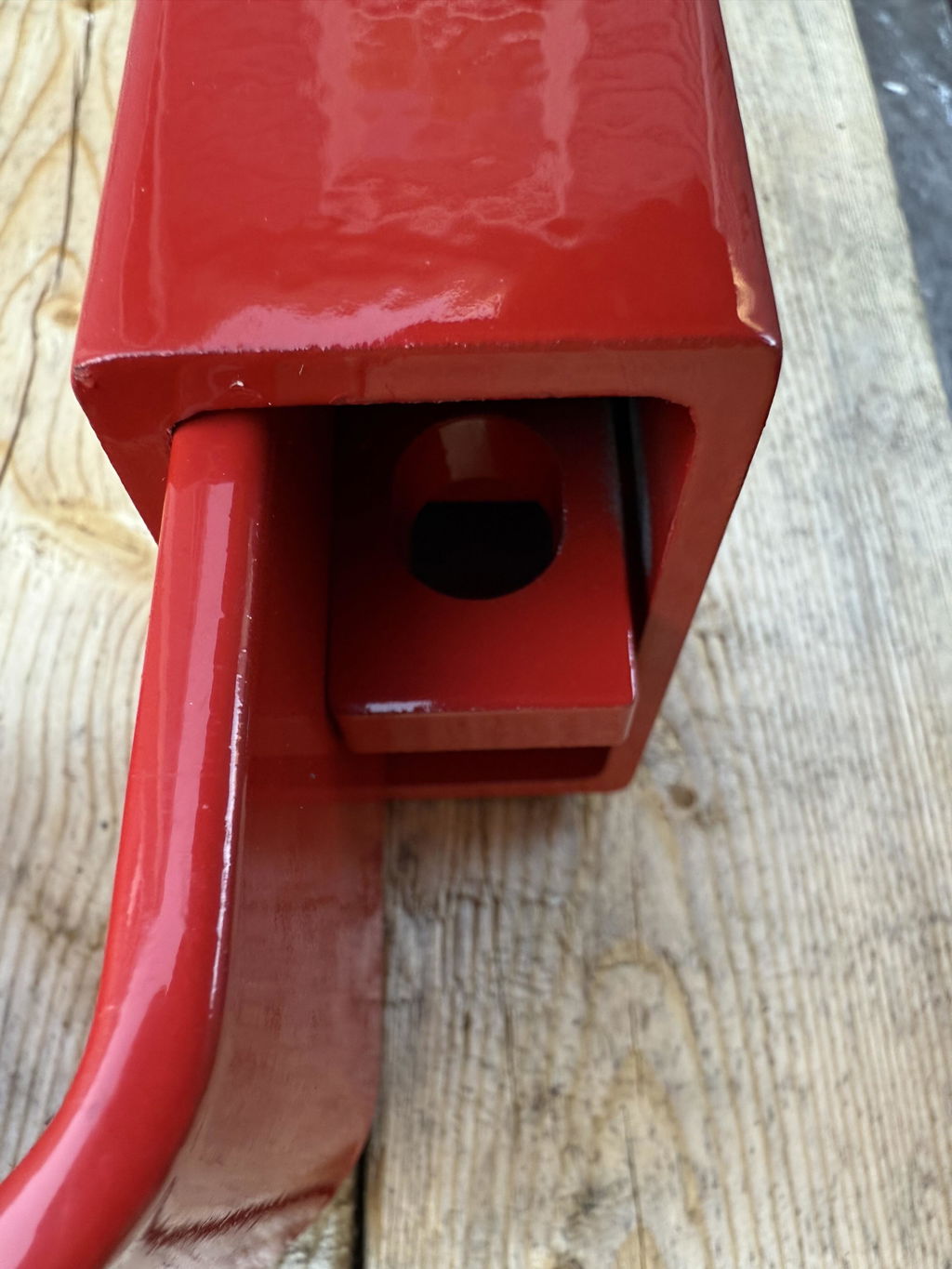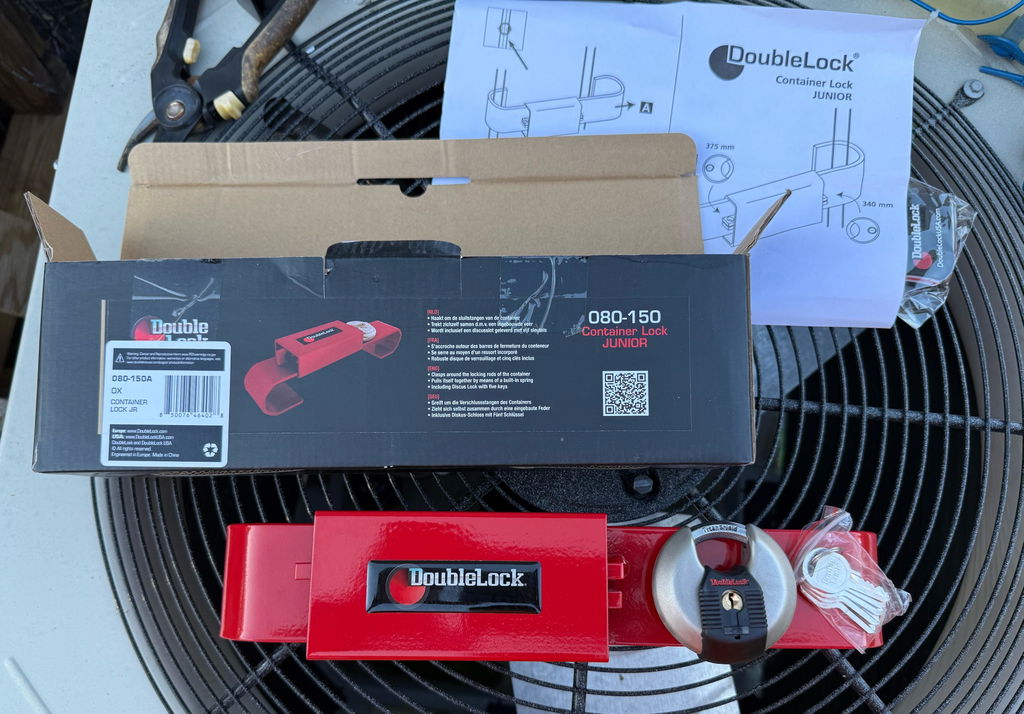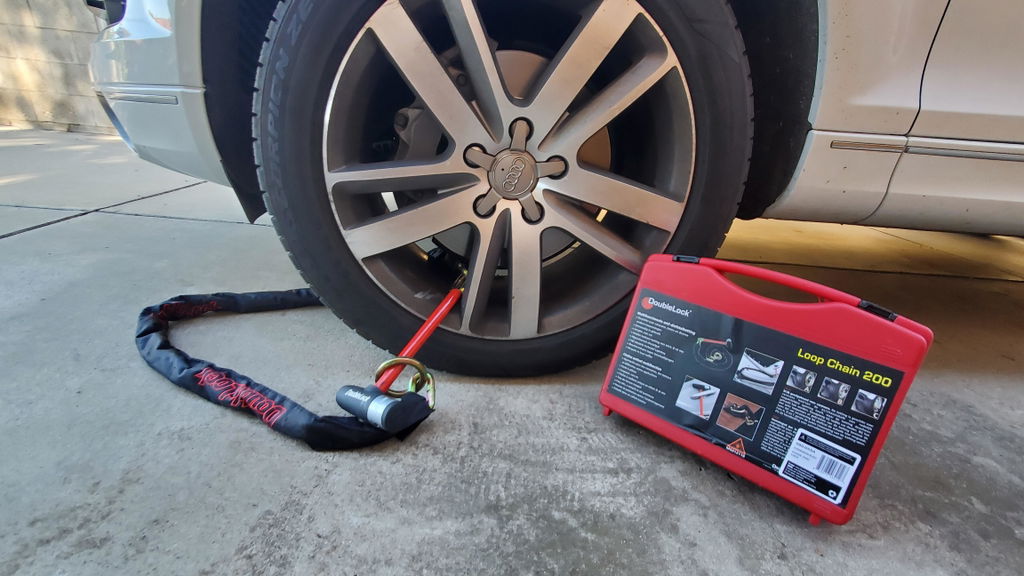



A pintle hitch carries heavy loads, but its open latch also creates a clear attack point when a trailer sits at a jobsite, yard, or storage area. A secure connection requires more than dropping the lunette eye over the hook. You need a fully closed latch, a correctly fitted locking component, and a pre-tow inspection that confirms every safety connection works.
To understand how to secure a pintle hitch, close the latch completely and install a properly fitted locking pin or dedicated pintle hitch lock. Then check the pin, latch, chains, and emergency brake cable before movement. For parked equipment, use a purpose-built lock that blocks latch opening and adds a theft deterrent. Replace worn, bent, or corroded components with an OEM or equivalent part that matches the hitch.
The right method protects against both accidental separation and opportunistic theft. Start by separating those risks, then build the security setup around the hitch hardware and the way you use the trailer.
Shop truck and trailer security locks
Why Your Pintle Hitch Needs Real Security
A pintle hitch faces two separate risks every time it connects a truck to a trailer or piece of equipment. The first risk involves movement: an improperly rated hitch, mismatched components, or an unsecured latch can allow the trailer to separate from the tow vehicle. The second risk appears when the trailer sits unattended. Anyone who can open the coupling can take the trailer, equipment, or cargo. A dependable security plan addresses both threats instead of treating a closed latch as the entire solution.
Mechanical security prevents separation
Start with compatibility and capacity. Use the pintle hitch with equipment and trailers designed and rated for that hitch style. Purdue Extension documents a trailer-separation incident in which an overloaded, improperly rated hitch sheared and the safety chains failed. The result was a fatal collision. Read the Purdue trailer-connection guidance for the full safety account.
Before towing, seat the lunette eye correctly on the pintle hook, close the latch completely, and engage the locking pin or secondary safety mechanism. The pin must sit securely in the mechanism, not merely pass through part of it. Inspect the hook, latch, mounting hardware, and trailer connection before every trip. Safety chains and the emergency brake cable remain critical backup equipment, but they do not replace a properly rated, mechanically locked primary connection.
Theft security keeps parked equipment attached
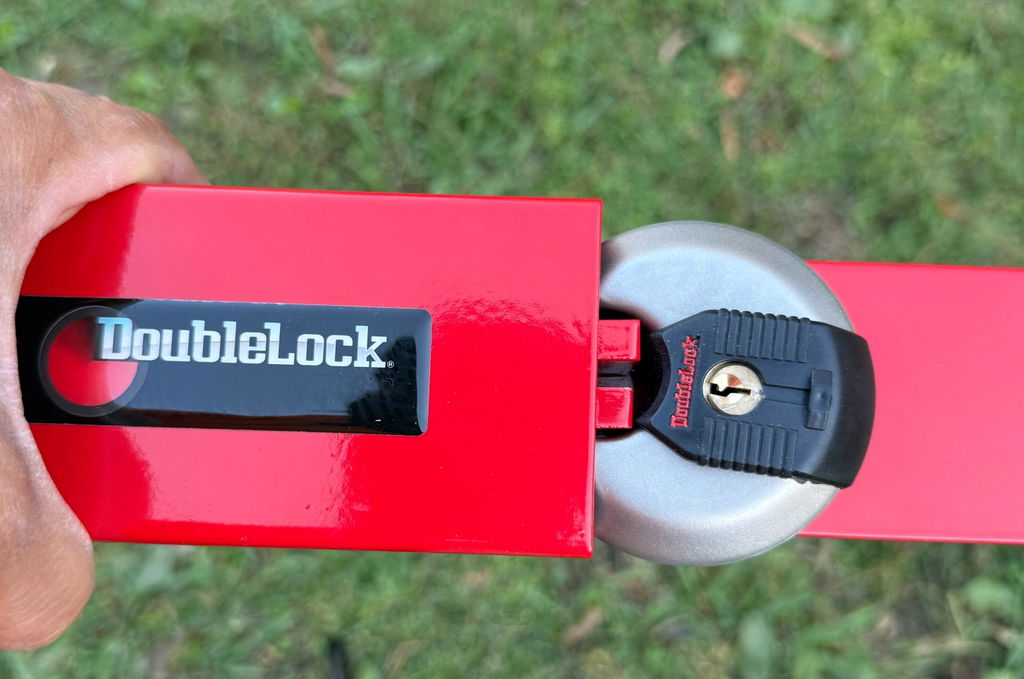
A mechanically closed latch does not stop an unauthorized person from opening the coupling when the truck is parked. A standard pin may secure the latch during transit, yet a thief can remove or manipulate an unprotected component. Theft deterrence requires a locking device designed for the pintle hook latch. A dedicated pintle hitch lock or a properly fitted lock and pin combination blocks the latch from opening and creates a visible barrier at the connection point.
No lock makes a trailer impossible to steal. A purpose-built lock raises the time, tools, and effort required, which reduces opportunity and strengthens the security of the entire rig. Pair the hitch lock with sensible parking, wheel or chain security, and controlled access when equipment remains at a jobsite or yard.
That distinction defines what it means to secure a pintle hitch: lock the latch for safe towing, then add theft deterrence for every unattended stop. Explore DoubleLock USA's truck and trailer security hardware for purpose-built protection.
How to Secure a Pintle Hitch on a Trailer in Core Steps
Follow the same locking sequence every time you connect a trailer. A pintle hitch only carries its rated load when the mount, hook, lunette ring, latch, and secondary lock work together. Inspect the assembly before you start, and stop if you find a cracked mount, damaged latch, or mismatched connection.
Seat the lunette ring on the hook and close the latch fully. Lower the trailer until the compatible lunette ring sits completely around the pintle hook. Operate the latch through its full range and confirm that it moves freely into the closed position. Do not rely on the trailer's weight or the appearance of a partially closed latch. Rust, dirt, or seized pivot points can prevent proper engagement, so clean and lubricate the mechanism according to the manufacturer's instructions.
Install the locking pin through the latch. Push the correct locking pin or secondary safety pin through the designated holes in the closed latch. The pin must seat completely and use the correct diameter and material grade for the hitch. A pin that stops short, binds, or leaves the latch able to move does not secure the connection. Before towing, visually check that the pin sits in its intended position.
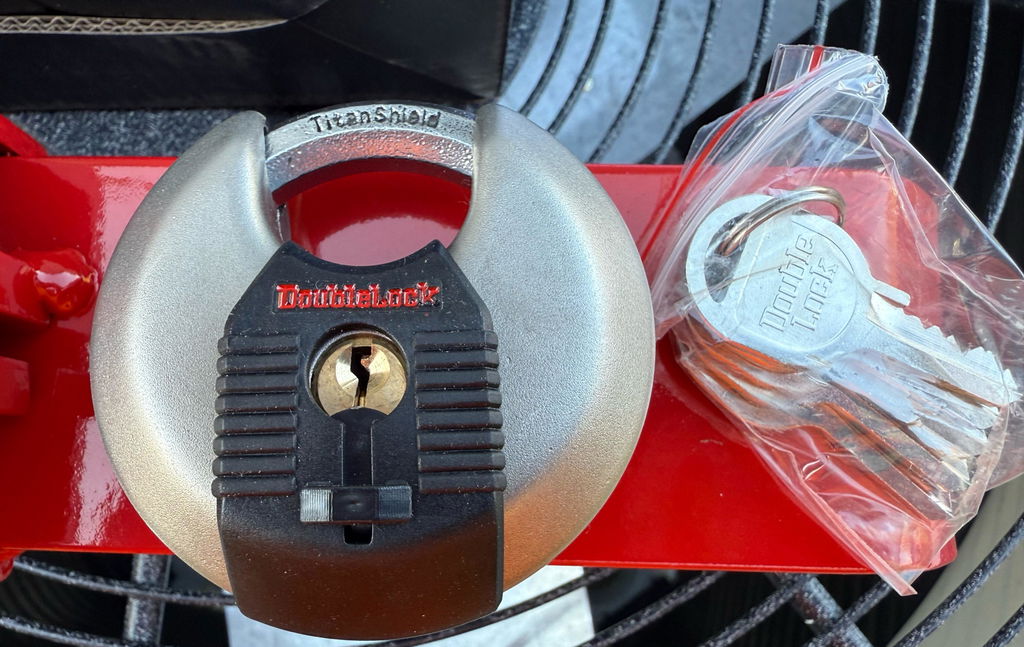
Add a dedicated pintle hitch lock or hardened padlock. Use a locking device designed to pass through the pintle latch mechanism, or secure the approved locking pin with a hardened padlock where the hitch design allows it. This additional layer prevents the latch from opening and also deters unauthorized trailer movement. Select a lock that fits the hitch without forcing the latch or leaving excessive play.
Verify the hook, lunette ring, and mount. Look beneath and around the connection. Confirm that the ring remains fully captured by the hook and that the latch presses against it. Inspect the receiver or mounting plate for cracks, deformation, or stress near welds and bolt holes. Check the frame-mount bolts and tighten them to the hitch manufacturer's specified torque rating. Proper torque keeps vibration from loosening the assembly.
Test the connection before moving. Apply a controlled pull with the trailer brakes engaged, then repeat the visual inspection. The latch must remain fully closed, the locking pin must remain seated, and the dedicated lock must stay secured. Confirm that the trailer sits correctly on the hook and that nothing interferes with the safety chains or emergency brake cable. Recheck the connection after moving a short distance and stop immediately if you detect movement, noise, or looseness.
Shop truck and trailer security locks for purpose-built protection that matches heavy-duty towing hardware.
Pintle Hitch Lock Types: Which One Actually Stops Theft
The right lock depends on what you need to secure, how often you connect the trailer, and how much exposure the hitch faces while parked. A factory pin may keep a latch closed during routine use, but theft deterrence requires a device that blocks access to the latch and resists common attack methods. A dedicated pintle lock generally offers the strongest fit because it matches the geometry of the hitch instead of relying on a generic shackle.
Use the comparison below to choose a practical layer of protection. No lock is undefeatable, but a purpose-built, hardened device raises the time, tools, and effort required to steal the trailer or tow equipment.
| Lock type | Theft resistance | Ease of use | Fit | Cost |
|---|---|---|---|---|
| Dedicated pintle hitch lock, such as SCORPION | High. Purpose-built coverage blocks the latch bypass path, and industrial-grade hardened steel adds a stronger barrier than a basic pin. | High once installed. Insert and secure the lock at the hitch, then remove it when the trailer is ready to tow. | Purpose-built for compatible pintle hitch assemblies. Confirm the lock matches your hitch before purchase. | $199.99 for SCORPION. See the truck and trailer security collection. |
| Heavy-duty padlock, such as RED HAWK or FALCON X | Moderate to high when the shackle and body fit through the locking point without leaving room for leverage or cutting tools. | Simple and flexible. One padlock can serve several compatible applications. | Universal in principle, but fit varies by latch opening, shackle diameter, and available clearance. | Varies by model. Review compatible options in the DoubleLock padlock collection. |
| Stamped or spring locking pin | Low. The factory pin keeps the latch closed and deters casual interference, but it does not provide theft-grade resistance by itself. | Very high. It is quick to engage and remove during normal towing. | Usually the best basic fit because the manufacturer designed it for the hitch. | Often included with the hitch or inexpensive to replace. |
| Cylinder or anti-cut lock | Moderate to high, depending on hardened materials, cylinder design, shackle exposure, and how much of the latch the housing covers. | Moderate. More protective designs may take extra time to align and lock. | Application-specific. Check clearance around the lunette eye, latch, and hitch body. | Varies widely with construction and design. |
For a trailer that spends time at a jobsite, yard, storage lot, or roadside stop, choose the strongest compatible option rather than the fastest pin. Keep the factory pin for towing procedures, and add a theft-deterrent lock that directly prevents the latch from opening. Compatibility still matters: a lock that binds, leaves excessive clearance, or prevents full latch engagement does not secure the hitch correctly.
Replacing the Pintle Hitch Pin and Hardware
A worn, bent, corroded, or incorrectly sized locking pin creates a weak point in an otherwise heavy-duty connection. The latch may appear closed while the retaining hardware lacks the fit or strength needed to keep it engaged. Replace damaged components before towing, and treat the replacement as a specification decision, not a quick hardware-store substitution.
Match the original specification
Choose an OEM replacement or an equivalent component that matches the pintle assembly's required diameter, length, retention method, and material grade. The correct diameter keeps the pin properly seated through the latch and aligned holes. An undersized pin leaves clearance for movement and wear. An oversized pin can bind, prevent full engagement, or damage the mechanism. A generic pin with an unknown material grade also introduces a strength risk that visual inspection cannot identify.
Use the pintle hook and trailer manufacturer's specifications as the starting point. Confirm the pin's load and application requirements before installation, especially on equipment that sees off-road movement, heavy vibration, or frequent coupling. Replace retaining clips, keepers, and other secondary hardware when they show distortion, corrosion, or loss of tension. The locking system only performs as well as its smallest compromised component.
Check the lunette eye and mounting points
Pin replacement does not correct a compatibility problem between the trailer and tow vehicle. The lunette eye must match the pintle hook, and its inside diameter must provide the correct fit around the hook shank. An incompatible eye can bind, create excessive movement, or accelerate wear at the connection. Verify compatibility before coupling, then inspect the hook, eye, latch, and pin together as one working assembly. Purdue Extension recommends checking the hitch assembly's components before towing.
Inspect the receiver, mounting plate, and pintle hook mount while the hardware is exposed. Look closely for cracks, deformation, elongated bolt holes, loose fasteners, and stress around welds or bolt-mounting points. These areas can show failure developing before the hitch separates. A new pin cannot compensate for a damaged mount or a fastener that no longer holds the assembly securely. Remove the trailer from service until a qualified technician evaluates any structural damage.
After fitting the replacement, close the latch fully and seat the locking pin or secondary safety mechanism. Confirm that the pin passes completely through the intended openings and that its retainer locks in place. Perform the same visual check before every trip. For additional theft deterrence when the trailer sits unattended, use a purpose-built pintle hitch lock rather than relying on a worn service pin.
Pre-Tow Security Checklist for Safe Towing
A pintle hitch earns its place on heavy-duty equipment only when the entire connection works as one system. Before each tow, inspect the latch, locking hardware, trailer attachments, load, and mount. A quick walkaround catches problems that vibration, braking, and uneven terrain can expose after you leave the yard.
- Confirm the latch and locking pin. Look directly at the pintle latch. It must sit fully closed around the lunette eye, with no visible gap or partial engagement. Confirm that the locking pin or secondary safety mechanism sits completely through its intended opening and remains secured. Do not rely on the latch position alone. A properly seated pin prevents the latch from opening during movement.
- Inspect and cross the safety chains. Check each chain for damaged links, severe corrosion, stretched sections, or loose connection hardware. Attach both chains to the appropriate points, then cross them beneath the trailer tongue. The crossed chains create a cradle that helps keep the tongue from striking the road if the primary hitch connection separates. Purdue Extension identifies safety chains as a critical backup system in trailer connections: review the trailer connection guidance.
- Attach the emergency brake cable. Connect the cable to the towing vehicle's designated attachment point, not to the safety chain itself. Leave enough slack for turning, but keep the cable clear of the road and moving parts. The cable must pull free and activate the trailer brakes if separation occurs.
- Check load distribution and tongue weight. Secure the cargo, then assess how its placement affects the trailer. Keep the load within the ratings for the vehicle, hitch, trailer, and related components. Poor distribution or incorrect tongue weight can increase strain on the latch and destabilize the combination during braking or acceleration.
- Lubricate the pivot points. Apply the manufacturer-approved lubricant to the latch and pivot points at the recommended service interval. Remove dirt and corrosion first. Rust can restrict movement and prevent the latch from reaching a secure locking position, while dry pivots can seize under demanding use.
- Examine the mount and welds. Inspect the pintle mount, welds, bolts, receiver, and mounting plate for cracks, deformation, looseness, or fresh stress marks. Pay close attention to areas around welds and bolt holes. Stop the tow and repair the assembly if you find structural damage. A locking pin cannot compensate for a compromised mount.
Finish the check by walking around the full rig once more. Verify that every connection remains clear, seated, and properly supported. This disciplined routine keeps the security hardware, hitch structure, and trailer safety systems working together before the wheels turn.
Securing a Parked Trailer Against Theft
A trailer becomes easier to steal when it sits unattended with an exposed, usable hitch. The first layer should stop an unauthorized vehicle from coupling to the trailer. Fit a dedicated pintle hitch lock over the closed latch so a thief cannot open the mechanism and tow the trailer away. DoubleLock's SCORPION is designed for pintle hook latch security and adds a purpose-built barrier where a basic pin may leave the hitch vulnerable. Use a lock that matches the hitch assembly and follow the manufacturer's installation instructions.
Do not stop at the hitch. A determined thief looks for the weakest removable or accessible component, so build security in layers:
- Lock the pintle latch. Confirm the latch sits fully closed, then secure the locking point with the dedicated hitch lock. A locking device built for the pintle hook latch is the core theft-deterrence measure because it blocks the mechanism a thief must open to attach the trailer to another vehicle.
- Immobilize the trailer. Add a wheel lock or heavy-duty chain and padlock when the trailer remains parked for an extended period. Choose a weather-resistant padlock from the DoubleLock padlock collection for exposed outdoor use.
- Secure onboard equipment. Lock toolboxes, cargo compartments, generators, and removable attachments. A trailer lock does not protect equipment that someone can remove without moving the trailer.
- Control the parking area. Park inside a controlled yard when possible, keep the trailer visible, and secure the yard gate with commercial-grade hardware. Layered physical barriers force a thief to spend more time and create more opportunities for detection.
The financial exposure makes this layered approach practical, not excessive. Customer security research places the average cargo theft loss at $273,000 and construction equipment theft at $50,000 to $200,000. Those figures explain why a dedicated lock deserves a place in the security budget, especially for fleets, rental operators, and contractors moving high-value equipment. Browse the truck and trailer collection for SCORPION and related towing security hardware.
No lock is undefeatable. Effective security reduces opportunity, delays unauthorized removal, and makes the trailer a harder target than an unprotected alternative. Inspect the hitch, wheel lock, chains, padlocks, and gate hardware regularly. Replace damaged or corroded components before they compromise the layer that protects the asset.
When to Replace or Upgrade a Pintle Lock
A pintle lock deserves replacement when wear, corrosion, or poor fit compromises the latch. Do not wait for a visible failure during towing. A lock that sticks, rattles, or refuses to seat gives you a clear maintenance signal. Especially when the trailer carries equipment, materials, or cargo that would create serious loss if stolen or disconnected.
Replace corroded or worn locking hardware
Inspect the latch, locking pin, keeper, and mounting points before each use. Rust or corrosion can prevent the latch from closing and locking securely, according to Purdue Extension's trailer safety guidance. Surface discoloration alone does not always require replacement, but pitting, flaking metal, seized movement, or corrosion around the locking path calls for immediate attention.
Replace a pin when it shows bending, deep scoring, excessive wear, or a sloppy fit in the lock and latch. Use an original equipment manufacturer pin or an equivalent component with the correct dimensions and strength. A random replacement bolt or undersized pin may fit through the opening while failing to provide the intended retention or shear resistance.
Correct a poor hook and lunette-eye match
Check the lunette eye against the pintle hook, not just the lock. The eye must match the hook's capacity and provide the correct clearance. An incompatible inside diameter can bind during articulation or create excessive movement and wear. Replace the mismatched component or install a properly matched hitch assembly before towing. A locking device cannot correct a connection that does not fit the underlying hardware.
Upgrade for vibration and high-value loads
Heavy-duty, agricultural, and off-road work subjects pintle assemblies to high vibration. Inspect fasteners regularly for looseness, and replace damaged hardware before it allows the latch or lock mount to shift. Persistent loosening indicates that the current setup needs a closer review of fastener condition, mounting, and the manufacturer's installation requirements.
Upgrade when a basic stamped pin no longer matches the risk. A dedicated pintle-hitch locking device gives the latch a purpose-built theft deterrent instead of relying on a light-duty retaining pin. Choose hardware that matches the hitch, operating environment, and value of the trailer or cargo. No lock defeats every attack, but stronger, correctly fitted equipment raises the effort required to tamper with the connection and reduces avoidable exposure.
Get a pintle hitch lock for your trailer
Frequently Asked Questions
How do you lock up a pintle hitch?
Close the pintle latch completely, then install the correct locking pin or a purpose-built pintle hitch lock through the latch mechanism. Confirm that the pin sits fully in place and that the lock prevents the latch from opening. Add the required safety chains and emergency brake connection before towing.
How do you properly close a pintle hitch?
Seat the lunette eye fully on the pintle hook, lower the latch until it reaches its locked position, and inspect the engagement from both sides. The latch must remain closed without forcing it. Install the secondary locking pin, then perform a visual and physical check before each trip.
When should you replace a pintle hitch pin?
Replace a bent, cracked, heavily worn, or corroded pin immediately. Choose an original-equipment or equivalent replacement with the correct diameter, length, and material grade for the hitch. Do not substitute a random bolt or undersized pin, because a poor fit can leave the latch vulnerable or weaken the connection.
Is a pintle hitch safer than a ball hitch?
A pintle hitch suits heavy-duty, off-road, agricultural, and equipment applications because its hook-and-lunette design handles demanding movement. It does not automatically make every towing setup safer. Match the hitch, lunette eye, receiver, load, and safety equipment to the manufacturer's ratings, then inspect the complete system before travel.
Ready to Secure Your Pintle Hitch?
A dedicated hitch lock adds a direct theft-deterrence layer to your trailer or towed equipment. Choose hardware built for the demands of truck-and-trailer applications, then inspect the latch and locking point before every trip. Shop the truck-and-trailer collection to get started with a pintle hitch lock suited to your setup.