


A shipping container can look impenetrable while its weakest point sits in plain sight: the door hardware. Standard padlocks and exposed hasps give intruders a practical target, especially when a container holds valuable equipment or sits in an isolated yard. No lock is undefeatable, but industrial-grade hardware creates a stronger deterrent and raises the time, tools, and noise required for an attempted break-in.
The most effective answer to how to prevent shipping container break-ins is layered security: install a high-security container lock. Shield it with a lock box, reinforce the hasp and padlock arrangement, and control the surrounding site with lighting, access procedures, and monitoring.
That strategy starts with the threat itself. Understanding how standard locking points fail makes it easier to choose protection that secures the container doors instead of merely replacing one exposed component with another.
Why Shipping Containers Get Broken Into (And Why Standard Locks Fail)
Shipping containers create an attractive target when they hold valuable cargo in an isolated yard, remote storage area, or jobsite with few people nearby. A thief does not need to defeat a sophisticated alarm system if the container door presents only basic factory hardware and a standard padlock. The location, contents, and time of day all shape the threat, but the first attack usually focuses on the locking mechanism.
Factory-installed container rods and stock locking points prioritize access and standardization, not serious resistance to attack. A basic padlock leaves its shackle exposed. A thief with bolt cutters can target that shackle directly, while a pry bar can attack the hasp, door hardware, or the gap around the lock. Standard container locks may yield to these common hand tools in well under a minute. Once the lock gives way, the cargo inside becomes accessible without overcoming the container's steel walls.
Shop high-security container locks for a stronger first barrier
The door is only as strong as its exposed hardware
Container security depends on the entire entry point, not just the lock body. A strong padlock cannot compensate for a weak hasp that bends under leverage. A thick hasp still leaves the padlock vulnerable when a cutter can reach the shackle. This is why high-security container locks function as the primary physical barrier against unauthorized entry in logistics and storage. The design must limit tool access and force an attacker to spend more time, make more noise, and use more specialized equipment.
That threat matters beyond one private storage unit. The National Institute of Standards and Technology describes cargo container security as a critical component of U.S. homeland security. And the custody chain depends on timely, effective communication among the people handling a container. NIST explains the role of container security standards, while U.S. Customs and Border Protection uses ISO/PAS 17712-compliant high-security bolt seals after inspections to preserve cargo integrity. Those seals support controlled transit, but they do not replace a durable physical lock for a container sitting in a yard or storage facility.
The honest goal is risk reduction, not an absolute guarantee. No lock is undefeatable. Industrial-grade hardware acts as a proactive deterrent by making unauthorized entry harder, slower, and more conspicuous. Pairing a purpose-built container lock with a protected locking point and sensible yard controls addresses the weaknesses that make standard locks easy targets.
How to Prevent Shipping Container Break-Ins with High-Security Locks
When a shipping container holds tools, equipment, inventory, or freight, the door lock becomes the first physical barrier between the contents and an unauthorized visitor. Standard factory hardware and ordinary padlocks often leave the locking mechanism exposed to direct attack. A purpose-built container lock places stronger materials and a more deliberate security design at the point where intruders try to gain entry.
That makes high-security container locks a central part of how to prevent shipping container break-ins. They do not create an absolute guarantee. No lock is undefeatable, and a serious security plan still needs the right hasp, site controls, access procedures, and inspection routine. The objective is to create a substantial physical deterrent that raises the time, effort, and noise required to reach the cargo.
For storage yards, freight operations, construction sites, and marine facilities, high-security container locks should match the container door hardware and the environment. A lock that fits the application correctly gives operators a dependable first layer without forcing them to redesign everyday loading and unloading procedures.
Purpose-built protection for freight container doors
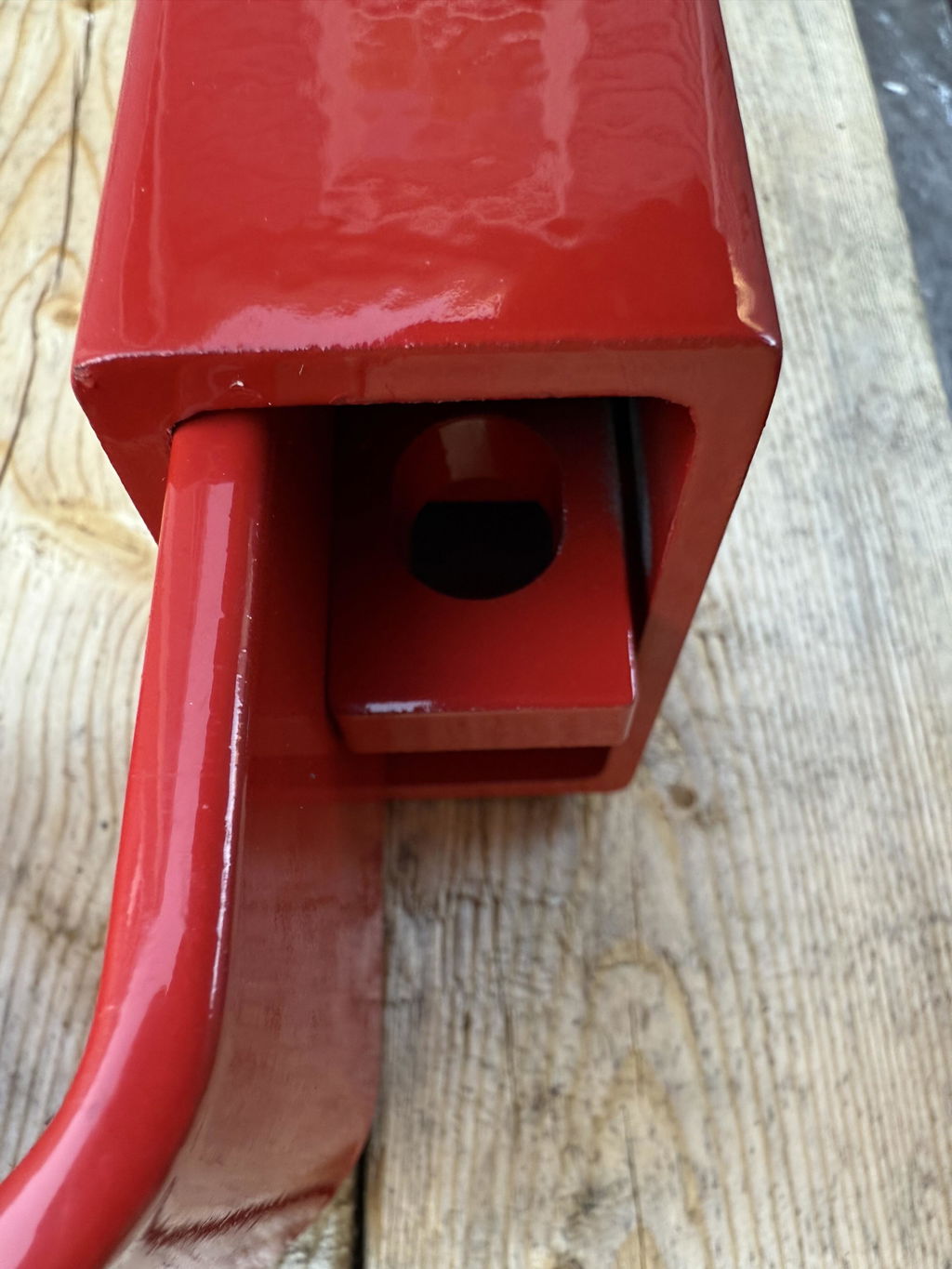
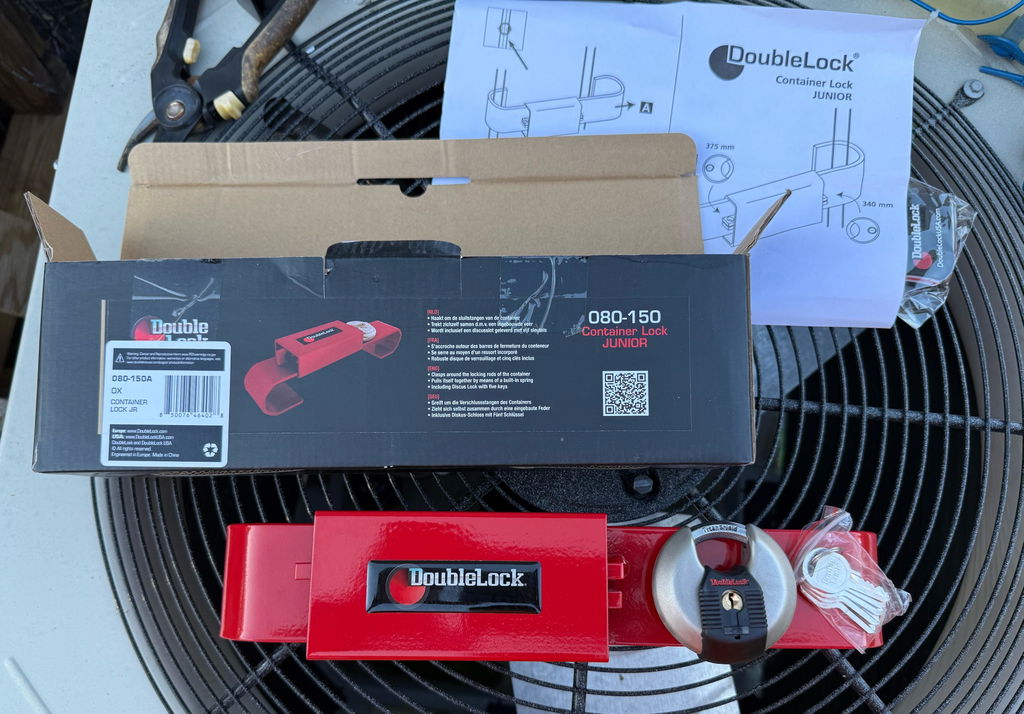
DoubleLock USA designed its BULL and RHINO container locks specifically for freight containers. Their purpose-built format addresses the geometry and exposure of container doors rather than treating the container like a generic gate or shed. That distinction matters because the lock needs to secure the door hardware while standing up to outdoor storage, repeated handling, and the practical demands of logistics operations.
Industrial-grade container security also needs to account for weather. Robust, weather-resistant physical locks support a proactive deterrence strategy in yards and storage areas where hardware remains exposed. Choose the lock around the container, the value of the cargo, the frequency of access, and the people responsible for checking it. Fleet managers need a barrier that secures the load without creating unnecessary friction at loading and unloading points.
What makes a container lock high-security?
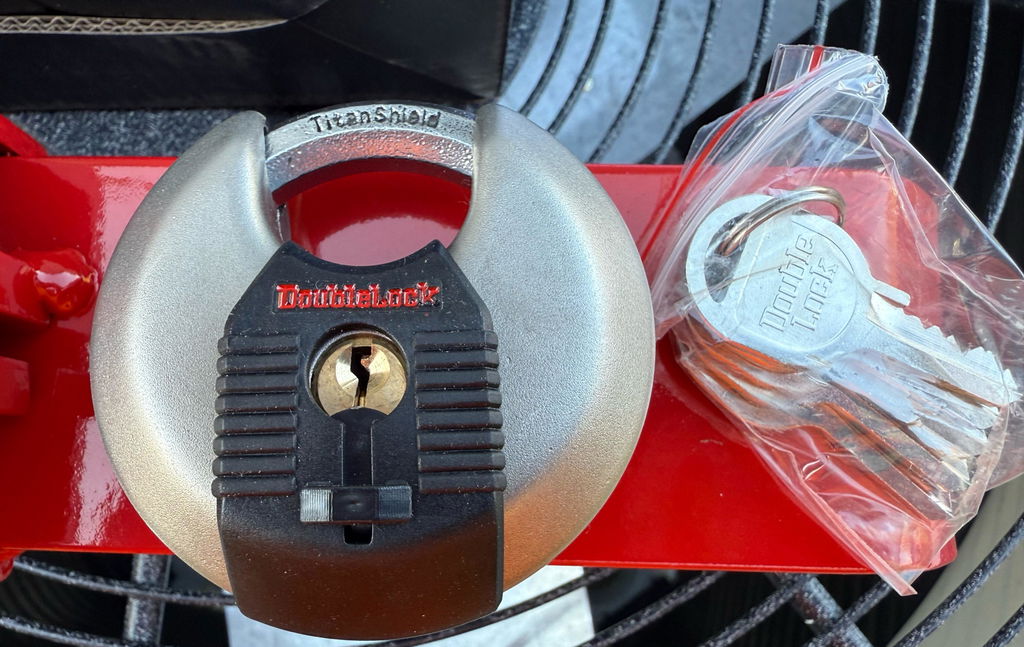
Look beyond the label and evaluate the construction and locking design. A high-security container lock should use a hardened or laminated steel body that resists deformation and protects the internal mechanism. An anti-cut shackle reduces the exposed target available to cutting tools. A disc-tumbler core adds a more deliberate key mechanism than a basic, easily attacked lock design.
Edge-to-edge locking provides another important design advantage. Instead of relying on a small engagement point that leaves more of the shackle exposed, the locking structure secures across the body edges. This design helps reduce attack access and reinforces the lock as a physical barrier, not merely a token closure. Pair that lock with correctly fitted container hardware and inspect the assembly for gaps, loose fasteners, or exposed components.
Use the lock as the first layer, then add a shielded lock box or reinforced hasp when the threat and container location justify it. That layered approach gives high-value cargo a stronger defense than a bare padlock while keeping the security plan practical for the people who operate the container every day.
Container Lock Boxes: Why a Shielded Hasp Beats a Bare Padlock
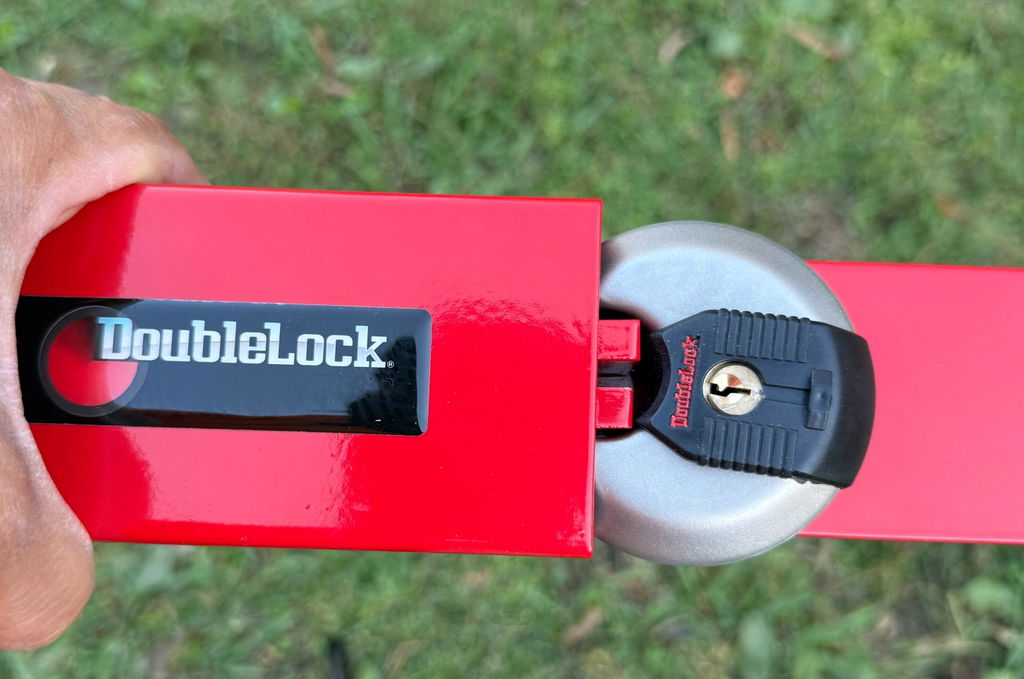
A container lock box is a steel housing that surrounds the padlock and shields the locking point from direct tool attacks. Instead of leaving the shackle exposed on the face of a hasp, the box places a physical barrier between the lock and common cutting tools. That design changes the attack from cutting an accessible shackle to defeating a hardened enclosure mounted to the container doors.
A bare hasp and padlock leaves the shackle visible. An intruder can position bolt cutters around the exposed metal, or use a pry bar to attack the hasp, fasteners, and door hardware. Even a strong padlock loses much of its advantage when the attacker can reach the shackle or manipulate the hardware around it. The weakness sits outside the lock body, at the point where the security system meets the door.
A shielded lock box closes that opening. The steel housing limits access to the shackle and covers the padlock body, making direct cutting more difficult and reducing useful leverage for prying. It does not make a container undefeatable, and no physical lock should be presented as an absolute guarantee. It creates a stronger deterrent and forces an intruder to spend more time, make more noise, and use a more complicated attack.
| Security factor | Bare hasp and padlock | Shielded lock box |
|---|---|---|
| Shackle exposure | Shackle remains accessible to cutting tools. | Steel housing limits direct access to the shackle. |
| Bolt-cutter resistance | Exposed hardware gives bolt cutters a clear target. | Housing protects the padlock from direct bolt-cutter attacks. |
| Pry-bar resistance | Hasp, staple, and door hardware remain easier to attack. | Enclosure reduces access and leverage around the locking point. |
| Weather protection | Padlock and hasp remain exposed to the outdoor environment. | Housing adds physical coverage around the locking mechanism. |
| Theft deterrence | Visible, accessible hardware presents a simpler attack path. | Shielding adds time, effort, and uncertainty for an intruder. |
For storage yards, jobsites, and freight operations, the practical choice is not a lock box instead of every other control. It is a lock box as part of layered defense. Combine a properly fitted shielded enclosure with a high-security container lock, strong mounting hardware, controlled key or access procedures, and site measures appropriate to the location. DoubleLock USA's container lock boxes support that physical security strategy by protecting the locking mechanism where a bare padlock leaves it exposed.
Choosing the Right Hasps and Padlocks for Your Container Doors
Once the container door has a serious primary lock, inspect the hardware that holds it in place. A weak hasp, exposed staple, or undersized padlock gives an intruder a convenient attack point, even when the rest of the security plan is strong. Choose components that match the door's locking bars, the container's exposure to weather, and the value of the cargo inside.
Heavy-duty hasps and hasp and staple sets reinforce the connection between the doors and the lock. Look for robust construction, close-fitting components, and a mounting position that leaves as little exposed material as possible. The hasp should sit flat and resist twisting when the doors move or settle. The staple should accept the selected padlock without forcing the shackle into an awkward angle.
That fit matters in daily operations. A fleet or storage team may open a container repeatedly, while a jobsite container may remain closed for weeks. In either case, the hardware must lock consistently and tolerate outdoor conditions. A weather-resistant physical barrier supports theft deterrence without creating unnecessary friction for authorized users.
Why Edge-to-Edge Locking Matters
Standard padlocks leave part of the shackle exposed above the lock body. That exposed section creates room for an attacker to position cutting tools or apply force against the shackle. Edge-to-edge locking changes the geometry of the lock by bringing the locking points to the edges of the body, reducing the accessible shackle area.
The FALCON X demonstrates this design differentiator. Its edge-to-edge locking configuration gives an attacker less shackle to target and makes common shackle attacks more difficult to execute. That does not make any lock undefeatable, but it removes an obvious opportunity and strengthens the physical deterrent at the hasp. For exposed container doors, that difference matters more than choosing a padlock based only on size or appearance.
Pair the hasp with industrial padlocks built for demanding security applications. Select a body and shackle that fit the hasp closely, then verify that the lock can close fully without binding. High-security padlocks should complement the container's primary locking system, not compete with it through incompatible dimensions.
Use a layered setup when the cargo warrants it: reinforce the door connection with a heavy-duty hasp. Reduce shackle exposure with an edge-to-edge padlock, and add a shielded lock box when the design allows. This approach makes the door harder to attack and easier for authorized personnel to inspect during each access event.
Shop high-security container locks for freight and storage doors.
Beyond the Door Locks: Yard and Site Security Layers
A container lock protects the door, but a secure site makes the entire break-in harder to attempt. Start with the perimeter. Fencing, a controlled gate, and a clear boundary reduce casual access and give staff a defined point to monitor. Keep containers in a visible, well-organized area rather than behind obstructions that give intruders cover. Gates should support the way your team actually loads, unloads, and moves equipment. A barrier that creates constant workarounds will eventually get bypassed.
Lighting adds another practical layer. Aim fixtures at gates, container rows, loading areas, and other approach points, while avoiding glare that blinds cameras or drivers. Security cameras should cover the same areas and record activity at access points. Position them to capture faces, vehicles, and movement between the perimeter and the containers. Cameras do not replace physical security, but they improve visibility and create a record when a team needs to investigate an incident.
Connect physical controls with access procedures
Controlled access turns a locked yard into a managed operation. Require drivers, employees, contractors, and visitors to check in through a consistent process. Verify who needs access, which container or area they need to reach, and when they should leave. Use visitor badges, driver logs, or an equivalent system that fits your operation. GPS tracking adds useful context for mobile containers and fleet assets, especially when managers need to compare an expected route or delivery window with actual movement.
These controls must remain efficient. Fleet managers need to secure cargo while maintaining operational efficiency at loading and unloading points. A process that delays every legitimate driver without improving visibility invites informal shortcuts. Match the control to the risk: use stricter authorization for high-value cargo, after-hours access, and remote sites, and keep routine movements fast for approved personnel.
Share security information across the custody chain
Security information loses value when it stays with one person or one system. Record container identifiers, seal or lock status, authorized access, handoff times, and exceptions in a format the next responsible team can use. NIST notes that container security depends on timely, effective communication across the chain of custody, including information exchange between different systems. That principle applies to shippers, carriers, warehouse teams, yard staff, and receiving locations. A discrepancy should trigger a defined response, not an uncertain phone call after the fact. NIST's container security standards guidance explains why shared information supports cargo integrity.
Outdoor hardware also faces rain, humidity, dust, and temperature changes. Specify robust, weather-resistant locks for exposed container doors, gates, and equipment rather than treating the yard as an indoor environment. Physical hardware remains the foundation, while fencing, lighting, surveillance, tracking, and access records add layers around it. DoubleLock USA builds industrial-grade security solutions for demanding freight and logistics environments. Explore freight and logistics equipment, or use the wholesale and fleet quote path when you need a consistent security standard across multiple sites.
Build a Layered Shipping Container Security Strategy
A strong container security plan starts with the assumption that determined thieves will look for the weakest point. High-security hardware creates a serious physical barrier, while site controls and disciplined procedures reduce the opportunity to attack it. No lock is undefeatable, so the objective is practical deterrence: increase the time, tools, noise, and risk required for unauthorized entry.
Use this sequence to build a complete plan for a freight container, storage unit, jobsite container, or fleet yard.
- Assess the threat and cargo exposure. Identify what the container holds, how quickly the contents could be resold, and when the site sits unattended. Record the container location, access points, nearby concealment, traffic patterns, and people authorized to open it. A high-value load in an isolated yard deserves more protection than a low-value load in a staffed, controlled facility. This assessment sets the right security level without slowing every routine movement.
- Upgrade the primary container lock. Replace basic factory hardware with a high-security container lock designed for freight-container doors. These locks serve as the primary physical barrier against unauthorized entry and give the door a purpose-built defense instead of relying on a general-purpose padlock. DoubleLock USA BULL and RHINO locks are engineered specifically for freight containers, making them appropriate starting points for a serious break-in prevention plan.
- Add a shielded lock box. Install a steel container lock box that surrounds and protects the padlock from direct bolt-cutter attacks. The lock box does not replace a high-security lock. It adds another obstacle around the locking mechanism, forcing an intruder to defeat both the lock and its protective housing. Combining heavy-duty locks, lock boxes, and additional security measures creates a stronger layered defense than any single component.
- Reinforce the hasps and fit an industrial padlock. Inspect the hasp, staple, mounting points, and door hardware for thin metal, exposed fasteners, bending, or excessive movement. Replace weak components with heavy-duty hasp hardware that matches the container and the selected lock. Where a padlock forms part of the system, choose industrial hardware with edge-to-edge locking, such as the design used on the FALCON X. The fit matters as much as the lock body. Eliminate unnecessary clearance that gives cutting tools room to work.
- Layer yard and site controls around the container. Use fencing and controlled gates to limit approach routes. Position lighting to remove dark working areas without creating glare that blinds cameras. Add cameras where they can capture the container doors and access lanes, and consider GPS tracking when the container or its contents move between sites. For active yards, require check-in and check-out procedures so staff know who accessed the unit, when they accessed it, and whether the seal or lock condition changed. These measures support physical locks by making suspicious activity harder to conceal.
- Verify the system, train staff, and keep the custody chain informed. Test every lock and hasp after installation. Confirm that doors close fully, the lock box shields the attack surfaces, cameras record the required view, and access records match actual practice. Train authorized personnel to inspect for tampering before opening the container and to report damaged hardware immediately. Share relevant security information across carriers, yard teams, warehouse staff, and receiving personnel. Timely communication across the chain of custody protects cargo when several organizations handle the same container.
Review the plan whenever the cargo value, site, carrier, or access routine changes. A layered approach keeps the focus on the complete security system, not just the lock on the door.
Shop high-security container locks and build your layered security strategy.
Frequently Asked Questions
How can I secure my shipping container?
Start with a high-security container lock designed for freight-container doors. Add a shielded lock box to protect the locking hardware from direct bolt-cutter attacks, then inspect the hasp, door rods, hinges, and surrounding structure. For containers in yards or on jobsites, layer the physical barrier with controlled access, lighting, cameras, fencing, and a check-in process for people handling the cargo.
Are shipping containers easy to break into?
A container's steel body provides a strong enclosure, but standard padlocks and exposed locking hardware may remain vulnerable to common hand tools. The weakest component determines the practical security of the door. Replace basic hardware with purpose-built high-security locks and protect the lock itself with a lock box. No lock is undefeatable, so use the hardware as a visible deterrent within a broader site-security plan.
What is a shipping container lock box?
A shipping container lock box is a steel housing that shields the padlock and hasp from direct access. That design limits the room available for bolt cutters and makes an attack on the locking mechanism more difficult. A lock box does not replace a high-security lock. It works as a second layer, pairing protected hardware with a strong primary barrier at the container doors.
How do I prevent shipping container break-ins at a remote site?
Secure the doors with a high-security container lock, lock box, and reinforced hasp. Position the container where workers can see it, restrict keys and access codes, and record inspections or deliveries. Add lighting, perimeter controls, and cameras when the risk warrants them. Train every person in the custody chain to report damaged seals, missing hardware, or unexpected access before cargo moves.
Ready to Strengthen Your Container Security
A layered approach gives your shipping containers a stronger first barrier and makes unauthorized entry harder at the door. Review the right hardware for your containers, yard, and operating demands, then build a security setup that fits the way your team works.
Shop high-security container locks and request a fleet quote