
Cargo theft losses in the United States climbed to $725 million in 2025. This 60 percent increase forces fleet managers to rethink how they secure their assets on the road. Industrial-grade locks only work if your drivers use them every time they stop.
Keyed alike locks fleet systems allow one key to open every lock within a group of assets, eliminating bulky key rings and reducing driver search time. When paired with strict key logs and asset grouping, keyed-alike hardware delivers a strong theft deterrent while simplifying daily logistics.
Request a custom keyed-alike quote for your fleet today
Fleet managers struggle to manage the volume of keys required for transport and jobsite security, which often leads to lost hardware and exposed assets. Understanding the fleet key management problem is the first step toward building a more secure and efficient operation.
Keyed Alike Locks Fleet: The Fleet Key Management Problem
Cargo theft reached $725 million in the U.S. in 2025, a 60% increase. Most theft occurs when assets are not locked or the lock system is too cumbersome. Keyed-alike systems address this by reducing key clutter and improving compliance.
Cargo theft losses in the United States hit $725 million in 2025, a 60% increase from the year before. Most theft happens because gear is not locked or the lock system is too hard to use. Fleet managers often handle dozens of trucks, trailers, and cargo containers. When each asset needs its own key, workers face high levels of key clutter. This stress makes it hard for teams to follow safety rules. A driver may skip locking a trailer if they have to search through a heavy ring of keys at every stop.
The cost of cargo theft
The average cargo theft value reached $273,990 per incident in 2025. According to reports from the FBI, thieves target high-value goods that they can move fast. Supply chain crime events across the United States and Canada reached 3,594 in the same period. California and Texas are the biggest targets, making up 58% of all cargo theft in the country. Without a fast way to lock assets, these costs keep rising for firms.
Security risks at the jobsite
Building sites face many risks with equipment and tool storage. There are more than 11,000 construction equipment theft incidents every year. Over 70% of building workers say they have seen theft on a jobsite first-hand. Once a machine or tool is gone, it rarely comes back. The recovery rate for stolen gear is less than 25% across the industry. A heavy BULL Container Lock helps stop these losses, but only if the crew uses it on every box and gate.
Friction and lock compliance
Low compliance is a hidden risk in fleet management. Using keyed alike locks fleet systems removes the work of finding the right key for each asset. When one key opens every lock in a group, workers save time and stay focused. If a driver only needs one key for their truck and trailer, they are much more likely to lock up at every stop. This change lowers the chance of human error and helps keep assets safe. Better key management is not just about ease of use. It is a way to lower the risk of big money losses.
How Do Keyed Alike Locks Work for Fleet Security?
Keyed-alike locks use identical pin tumbler layouts across every lock in a set. This allows a single key to open all locks in that group, eliminating the need for separate keys for each trailer, container, or gate.
Most business locks use a pin tumbler system. This design uses small pins that sit inside the lock. For the lock to turn, these pins must sit at a set height. This is called the shear line. DoubleLock USA draws on 30 years of European engineering heritage to build these locks for heavy use. In a basic setup, each lock has its own pin layout. This means you need a new key for every lock in your fleet, which can lead to a heavy ring of keys that is hard to manage.
How the Pin System Works
Keyed alike locks change this model. They use the same pin layout for every lock in a set. This lets one key open every unit in that group. For a fleet manager, this ends the need for a heavy ring of keys. You can use one key for every trailer, gate, or storage box on a site. This system helps your team move fast and stay on task. It also lowers the risk of lost keys on the jobsite because there are fewer keys to track.
This setup works well for groups of assets that stay together. For example, a set of trucks and trailers can all use the same key code. This means a driver only needs to carry one key to open any lock in their unit. It also ensures that locks are used more often. Workers are more likely to lock up when it is easy to do. This leads to better security for the whole fleet.
Matching Common Keying Systems
Businesses often pick from three main types of lock systems. Keyed different locks offer high security because each lock is unique and has its own key. But they are hard to use when you have many assets. You must label and track every key in the fleet. This takes time and can lead to errors. It is often best for single assets that need the highest level of protection.
Master keyed systems allow for layers of access. They use single keys for each lock plus a main key that opens all of them. This is good for offices where people need to enter different rooms. But the main key is a weak point. If that key is lost, every lock in the system is at risk. Keyed alike systems offer a good mix of security and speed for large fleets. They allow for fast access while keeping the number of keys low.
| System Type | Key Control | Security Level | Best Use Case |
|---|---|---|---|
| Keyed Different | Hard to manage | High | Single high-value assets |
| Master Keyed | Medium | Medium | Offices with many rooms |
| Keyed Alike | Easy to use | Balanced | Vehicle fleets and sites |
Best Practices for Key Control
Fleet managers should pair these locks with a clear plan. You should use strict key logs to track who has each key. This helps you know who was the last person to use an asset. It is also smart to group assets by place or type. For example, you might have one key set for your Texas yard and another for California. This limits the risk if a key is lost in one area.
If you lose a key, you must change the locks in that set fast to stay safe. This is called rekeying. It ensures that the old key can no longer open the locks. Frequent checks of your key logs can find issues before they cause a loss. For tough security, the FALCON X Padlock is a strong choice. It works well for worldwide shipping and fleet use. This rugged lock helps keep your cargo safe across the globe.
What Factors Should You Consider When Choosing Keyed Alike Locks?
Choosing the right keyed-alike system requires evaluating security certifications, asset type, weather resistance, and key control. EU SCM certified locks offer verified theft protection for commercial fleet use.
Picking the right locks for a fleet needs a mix of strength and fit. Fleet managers must look past key ease to find a system that cuts theft risk for many assets at once. A keyed alike locks fleet setup works best when the hardware meets clear security and wear rules.
Check Security Ratings and Certifications
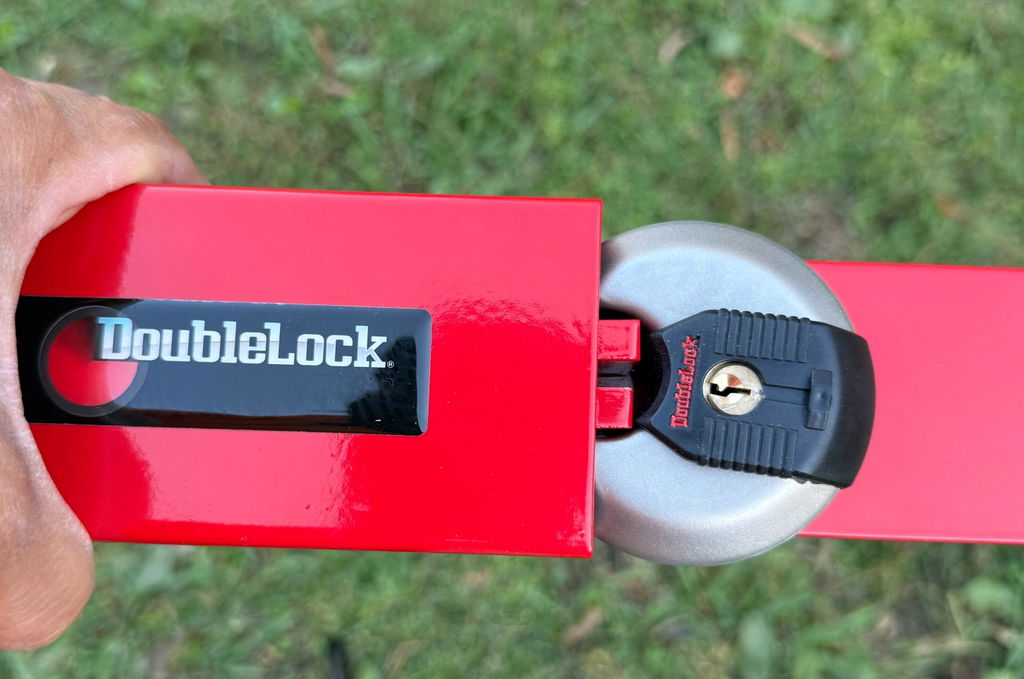
The first step is to check the security rating of the lock. High-quality locks often carry an EU SCM certification. This is a tough European standard for theft defense. For example, the BULL Container Lock has an EU SCM HEAVY mark. This helps provide insurance-grade safety for cargo. This grade means the lock can stop common attacks like drill or pry moves. The National Institute of Standards and Technology notes that standard tests are key for tools used to guard assets.
Match Lock Type to Asset Category
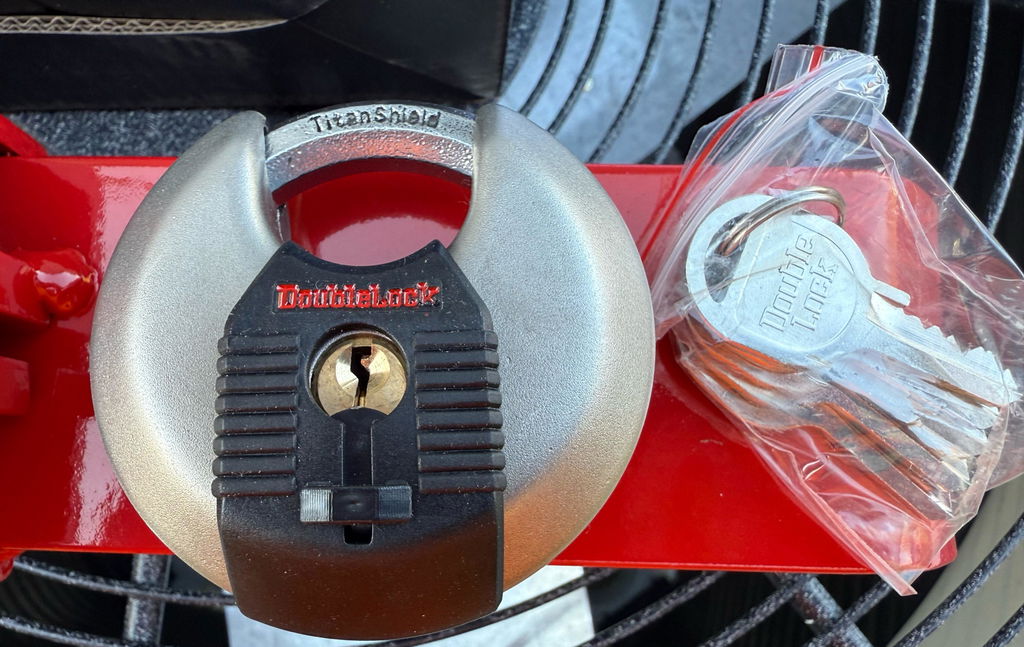
Each asset in a fleet has its own security needs. A container for long-term use might need a heavy choice like the 26.5-pound BULL or the 16.7-pound RHINO Container Lock. For trailer fleets, a LION Kingpin Lock stops theft by locking the kingpin part of the trailer. If you manage a mix of gear and gates, a FALCON X Padlock is a good pick. It works well within a keyed alike group. Picking the right lock type ensures that each asset has the best defense for its shape.
Assess Weather Resistance and Key Control
Durability is vital for fleet locks that stay outside. Look for locks made from hardened steel or brass that can resist rust and ice. Key control is also a top concern for a business. When you buy keyed alike sets, you should record your key codes. This makes it easy to add more locks to your group later. Using a container locks collection with matching codes helps you grow your system without adding new keys. Managers should also check rekeying costs if a key is lost, as one missing key can affect every lock in the set.
Keyed Alike Applications by Industry
Keyed-alike systems serve freight fleets, construction sites, and marine operations. Each industry benefits from reduced key clutter, higher lock compliance, and the ability to secure multiple assets with a single key.
Freight and fleet security
Cargo theft is a major risk for trucking and freight firms. In 2025, cargo losses in the U.S. hit $725 million, a 60% increase from the year before. The typical cost of one theft is over $273,000. Fleet leads use keyed alike locks to secure many trailers with a single key. This saves time during stops and load checks. It also ensures that every driver can lock their cargo without carrying a heavy key ring. Extra strong tools like the BULL and RHINO shipping locks provide strong safety for cargo boxes. The LION Kingpin Lock also stops thieves from hitching to a trailer and driving away. Per the FBI, cargo theft is a growing threat that needs strong locks on every route.
Freight teams often face cargo crime in states like Texas and California. These high-risk areas account for a large share of all U.S. cargo theft. Using a keyed alike system helps teams stay safe in these zones. The BULL lock is a top choice for these fleets. It weighs 26.5 lbs and is made of hardened steel. It also has a heavy-duty rating that meets strict rules. These locks help firms keep their costs down and their cargo safe. With 30 years of European engineering heritage, these tools offer a level of safety that common locks cannot match.
Jobsite and building security
Theft is a common sight on building sites across the country. More than 11,000 gear theft cases happen each year in the U.S. About 70% of site workers have seen gear go missing while on the job. Return rates for stolen gear are very low, often staying under 25%. To fight these losses, firms use the BEAST cable bundle and RED HAWK padlocks for gates and tool boxes. The HAMMERHEAD lock secures heavy gear left on site for long times. These tools act as a strong warning to thieves who look for easy targets.
Managing keys for a big site can be a hard task. Using one key for the whole site makes it easy for crews to lock up at the end of the day. This simple step helps keep costly gear safe from theft and keeps work on track. It also stops the loss of work time when a key goes missing. Teams can focus on their build instead of hunting for a lost tool box key. With a 4.88 star rating, these locks are a proven way to keep a site safe and sound. They are built to stand up to bad weather and rough use on any site.
Boat and gear rental security
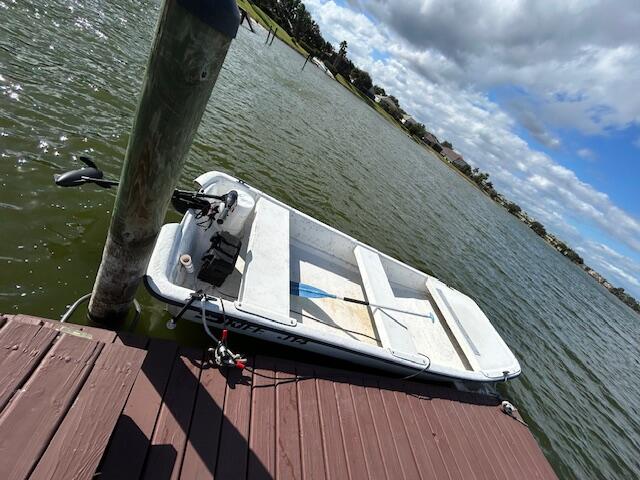
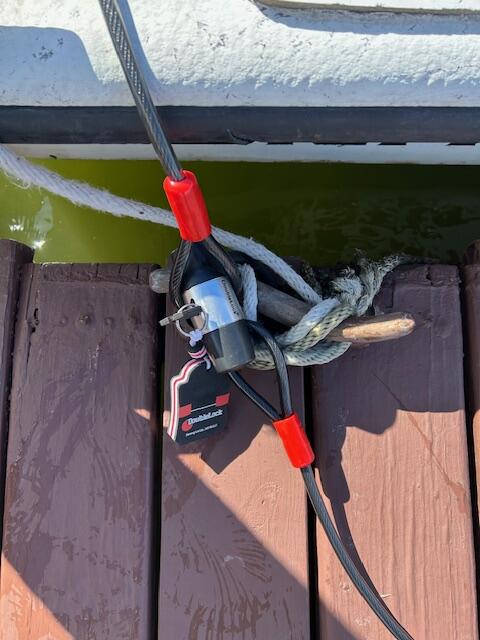
Boat yards and rental shops also need simple security for their gear. Marine owners use the CROC dock lock and OSPREY padlocks to keep boats safe at the pier. The BARRACUDA lock protects outboard motors from quick theft. For rental firms, having a fleet that uses the same key is a big plus for daily work. It stops the need to track hundreds of unique keys for every rental unit. This keeps the fleet ready for the next customer without a long search for the right key.
A same-key system for rentals means faster turn-times for every machine. Staff can move gear and check locks with ease. This helps the business run better and saves money on key repairs. High-quality keyed alike locks fleet systems ensure that security is both simple and strong across every boat and machine. These locks are built with the same care as our strong shipping locks. They give peace of mind to owners who want to protect their gear from theft on the water or in the shop.
Implementing Keyed Alike Systems: Best Practices
Successful keyed-alike deployment requires asset auditing, correct lock selection, strict key logs, and a clear lost-key protocol. Pairing KA hardware with these practices ensures security without sacrificing operational speed.
Switching to a keyed-alike system helps your team work faster. But one key for many locks means you need tight control. If you lose one key, every lock in that group is at risk. You must follow a clear plan to keep your assets safe while making daily work easier.
Audit your fleet and group assets
Start with a full audit of your gear. List every truck, trailer, and storage box that needs a lock. Group these items by location or job role. For example, give one set of keyed alike locks fleet wide access to one site crew but keep them separate from other teams. This grouping limits your risk if a key goes missing.
Think about who needs access to which tools. You might want one key for all container locks on a jobsite and a different key for vehicle hitch locks. Grouping assets this way helps you track who has which keys. It also keeps your operations lean by reducing the number of keys each worker must carry.
Select the right lock for the job
Match your lock choice to the value of the asset. Use heavy locks like the BULL container lock for high-value cargo. These locks carry 30 years of European engineering heritage and EU SCM certifications. For lighter needs, a strong padlock might work. Ensure every lock in a group uses the same key code before you buy.
Follow these steps for a smooth rollout
- Audit assets , List all assets and group them by location or user role.
- Select lock types , Choose the best lock type for each asset group based on security needs.
- Order matching codes , Order your locks with the same key code for each specific group.
- Create a key log , Create a master key log to track every key you give to employees.
- Set a rekey schedule , Set a rekeying schedule to change lock cores every six to twelve months.
- Build a lost-key protocol , Build a protocol for lost keys that includes an immediate lock swap.
Maintain strict key accountability
A keyed-alike system is only as strong as your key logs. Use a simple sheet or software to record who has which key. When an employee leaves the company, collect their keys immediately. If a key is lost, you must rekey the whole group to stay safe. Routine checks help find missing keys before they become a problem.
Reliable security depends on good habits. Workers are more likely to lock doors when they only need one key to do it. This boost in use makes your fleet safer overall. You can find more tips on fleet safety from the Federal Motor Carrier Safety Administration website.
How Much Do Keyed Alike Lock Systems Cost?
A keyed-alike system costs more per lock upfront, but the total cost of ownership is lower when factoring in theft prevention, operational savings, and potential insurance reductions.
A keyed-alike system costs more per lock than buying standard locks off the shelf. But the real cost of a lock system is not the purchase price. It is the total cost of ownership across your fleet, including theft losses, downtime, and operational friction.
Upfront equipment costs
A BULL Container Lock costs $319.99. A set of ten keyed-alike BULL locks runs about $3,200. Compare that to ten standard padlocks from a hardware store at $15 each, and the price gap is real. But standard padlocks do not offer the same security. A $15 padlock can be cut with bolt cutters in seconds. The BULL Container Lock KA weighs 26.5 pounds of hardened steel and carries EU SCM HEAVY certification. For a fleet manager protecting cargo worth hundreds of thousands of dollars per load, the upfront cost is a bargain.
Cost of theft versus cost of prevention
The average cargo theft loss hit $273,990 per incident in 2025. One avoided theft event covers the cost of securing an entire fleet for years. When you factor in the 60% year-over-year increase in cargo theft losses across the United States, the math is clear. A $320 lock that stops even one theft pays for itself hundreds of times over.
Operational savings from keyed-alike systems
Keyed-alike systems save money in less direct ways too. Drivers spend less time hunting for keys at each stop. Dispatch teams do not waste hours cutting and distributing replacement keys. Fleet managers who use a keyed alike locks fleet system report higher lock compliance rates. When workers actually use the locks on every asset, theft risk drops. Insurance providers may also offer premium reductions for fleets that use EU SCM certified locks. Over a five-year horizon, the savings from reduced theft, better compliance, and lower insurance costs far outweigh the initial hardware investment.
Request a fleet security quote and compare costs for your operation
Frequently Asked Questions About Keyed Alike Locks for Fleets
What locks can be keyed alike?
Container locks, padlocks, kingpin locks, hitch locks, cable locks, and equipment locks can all be configured as keyed-alike. DoubleLock USA offers KA variants on the BULL Container Lock, RHINO Container Lock, LION Kingpin Lock. FALCON X Padlock, RED HAWK Padlock, SCORPION Hitch Lock, BEAST Cable Bundle, and HAMMERHEAD Equipment Lock.
Is keyed alike a good idea for fleet security?
Yes, for fleet operations where multiple assets need consistent access. Keyed-alike systems streamline key management, reduce key-ring clutter, and ensure every asset receives the same level of security. The tradeoff is that a single lost key can expose the group, so fleet managers should pair keyed-alike hardware with strict key logs and prompt rekeying.
What is the difference between keyed alike and master keyed?
Keyed-alike systems use one key that opens every lock in the group. Master keyed systems have multiple levels with individual keys for users plus one master key for managers. Master keyed systems add a security weak point. If the master key is lost, the entire hierarchy is compromised.
Can keyed alike locks be rekeyed?
Yes, keyed-alike locks can be rekeyed. The process involves changing the pin configuration inside the lock cylinder so the previous key no longer works. Rekeying is recommended immediately after a key is lost or when an employee with key access leaves the company.
Can you add more locks to a keyed alike set?
Yes, you can expand a keyed-alike set by ordering additional locks with the same key code. Record your key codes when you receive your initial order so you can order matching replacements or additions later. This allows your fleet security system to grow without introducing new keys.
How do you manage key control with keyed alike locks?
Maintain a master key log that records which employee has each key, when it was issued, and when it was returned. Conduct regular audits of your key inventory. If a key is lost, rekey the affected group immediately. Group assets by location or team to limit exposure from any single lost key.
Ready to Secure Your Fleet With Keyed Alike Locks
Choosing the right keyed-alike system for your fleet does not have to be complex. DoubleLock USA offers KA variants on the BULL Container Lock, RHINO Container Lock, LION Kingpin Lock, and more. Each product is built on 30 years of European engineering heritage and carries EU SCM certification for insurance-grade protection.
Contact our sales team to configure a custom keyed-alike setup for your fleet. We will help you select the right lock types, match key codes across your asset groups, and set up a key control protocol that keeps your operation secure.
Call us at (561) 289-4865 or request a fleet security quote online today.