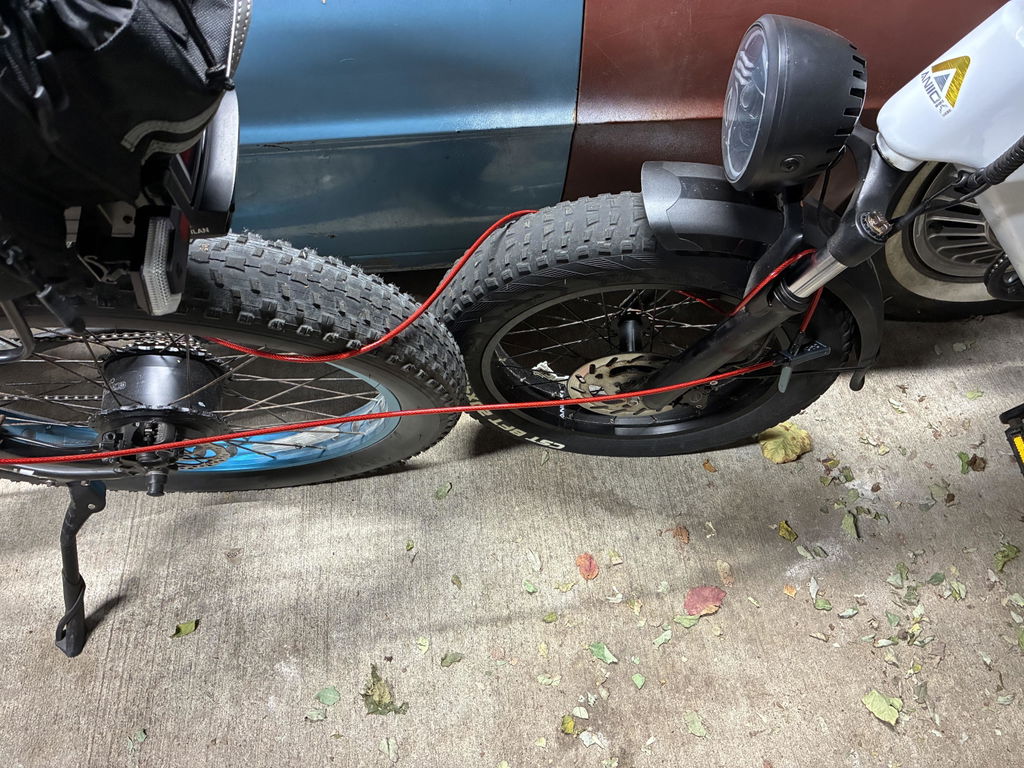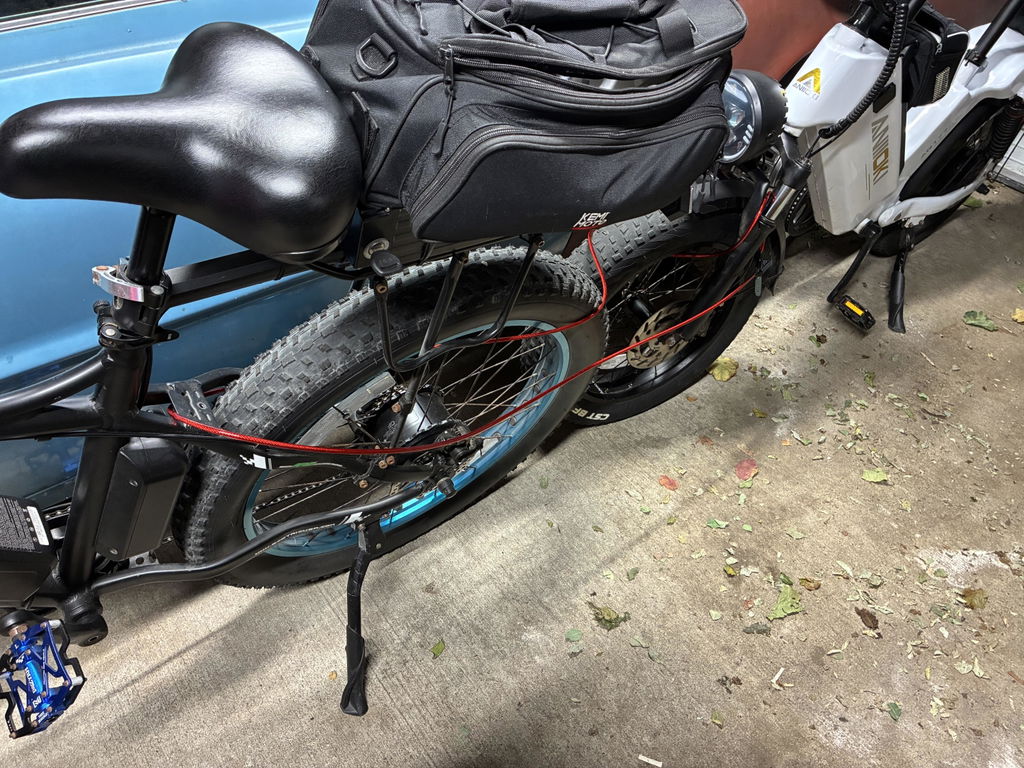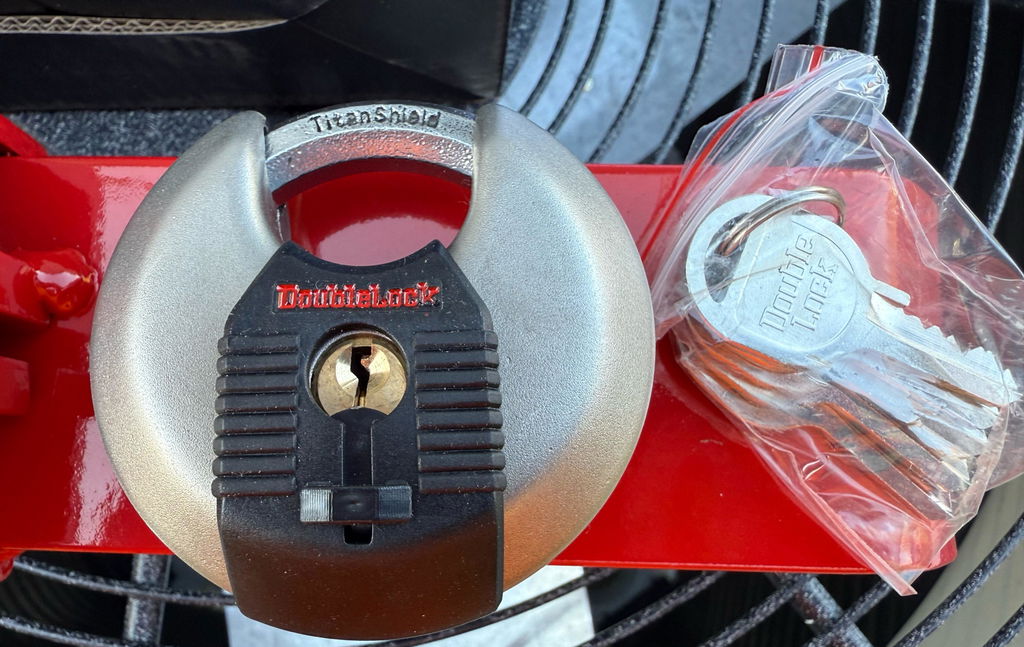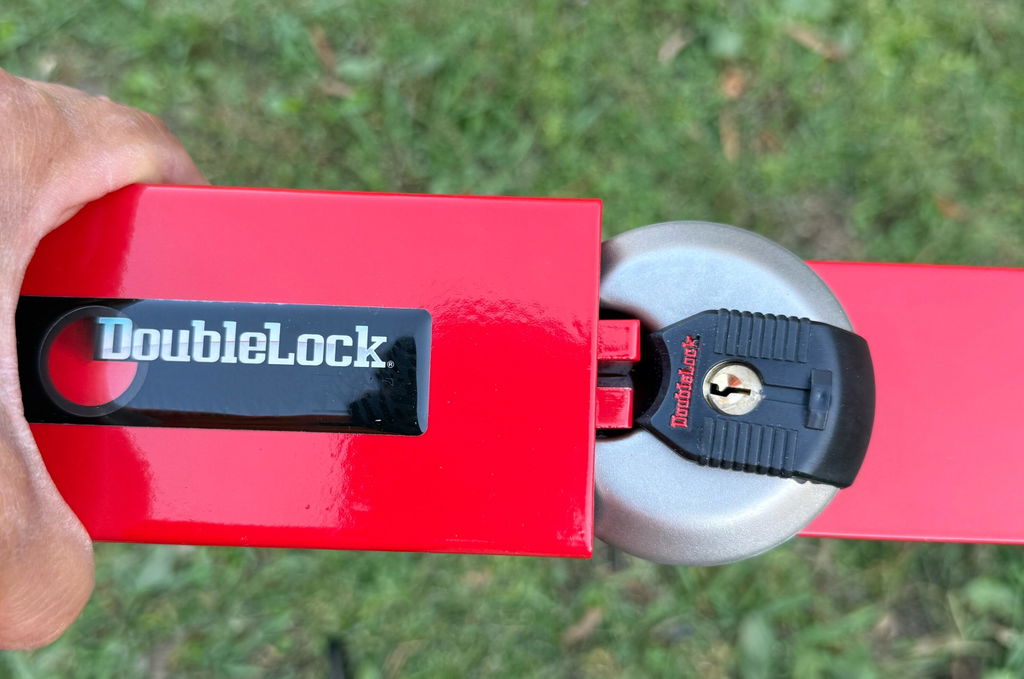

When comparing a heavy duty u-lock and cable price, the number on a product page is only one part of the decision. Buyers should compare what each setup includes, how it fits the equipment being secured, and whether its key and access arrangement works for the people who use it. This guide explains the cost drivers and a practical way to compare options without assuming that the lowest listed amount is the best value.
Ask about a U-lock and cable setup
What does the price of a U-lock and cable setup cover?
A price comparison should begin with the complete configuration, not just the word “U-lock” or “cable” in a product name. One listing may describe a standalone U-lock. Another may include a cable, a mounting component, or more than one item. A bundle can therefore have a different price from a single device without being a like-for-like comparison.
Write down exactly what is included in each option. Note the number of pieces, the locking method, and whether the cable is part of the package or a separate item. Then compare that configuration with the security task. For example, a U-lock can secure a frame to an anchor point, while a cable can extend the setup to another part of the bicycle. Whether that combination suits the situation depends on the rack, available attachment points, and the parts the buyer intends to secure.
DoubleLock’s catalog includes a BEAST cable lock bundle described as a 20mm cable and U-lock. The name and package description give buyers a defined bundle to evaluate. Always review the current product listing for what is included and the current price before ordering; do not assume that product names or older references establish a live price.
Which construction details can change the cost?
Hardware price reflects more than the amount of material used. The design and construction of the U-lock and cable, the parts that need to fit together, and the way the package is configured all affect what a buyer is comparing. The useful question is not simply whether one item looks heavier. It is whether the listed construction and dimensions answer the buyer’s actual use requirements.
U-lock dimensions and fit
A U-lock’s shackle must fit around the object being secured and the fixed anchor point. Measure the opening that is needed before selecting a model. A compact shackle and a longer shackle address different clearance needs, and size can affect both convenience and the amount of material in a product. Bigger is not automatically better if the lock cannot be positioned well or is awkward to carry.
DoubleLock’s catalog lists the KODIAK Compact U-Lock and the Grizzly U-Lock with a long shackle. Those product descriptions point to a practical comparison: measure the clearance required first, then check the current listing for dimensions and construction details. Do not pay for a size or configuration that does not solve a real fit constraint.
Cable dimensions and format
For a cable, check the stated length and thickness, as well as the way the ends connect to the rest of the setup. A longer cable may reach more attachment points, but extra length can also be inconvenient to handle or store. A thicker cable is not a substitute for checking whether its loops can be used with the selected U-lock. Confirm that the full combination can be routed and closed as intended.
DoubleLock lists a Panther braided-steel cable and a FOX security cable. Use each current product page to verify its actual dimensions and included components. A description that identifies a cable as braided or flexible is a starting point for comparison, not a substitute for checking its fit with the selected U-lock.
Materials and construction information
When comparing two listings, look for specific details about the shackle, cable construction, finish, and components. A price by itself does not tell you what those details are. If the information is not clear, ask the seller or manufacturer before assuming that two products use the same materials or provide equivalent construction.
It is also useful to keep the intended use in view. A setup carried by an individual each day may be judged differently from equipment assigned to a shared workplace or fleet. In either case, buyers should prioritize fit and usable configuration over vague claims or a visual impression.
How should you compare U-lock and cable options?
The table below is a comparison framework, not a price list. It describes the checks that help make product listings comparable. Product prices, availability, package contents, and specifications can change, so use the current catalog information to fill in the actual figures before purchase.
| Option or factor | What to verify | When it may fit | Price comparison note |
|---|---|---|---|
| U-lock alone | Shackle opening, dimensions, construction details, and how it attaches to the anchor | When the U-lock by itself can secure the equipment and intended attachment point | Compare against other standalone U-locks, not bundles |
| U-lock with cable | What the package includes, cable length and thickness, and how both pieces connect | When the setup needs to reach additional parts or attachment points | Compare the complete package and calculate the cost per usable setup |
| Separate U-lock and cable | Compatibility, total piece count, and whether each item serves a planned purpose | When selecting dimensions or configurations separately matters | Add the listed prices of all required pieces before comparing |
| Multiple units for a team | Quantity, keying arrangement, user count, and replacement plan | When equipment is shared or several people need access | Compare total order cost and per-unit cost at the same quantity |
To make a fair comparison, record the current listed price and the exact package contents for each candidate. Divide the amount by the number of complete usable setups, not simply by the number of pieces in a box. If a cable must be purchased separately to meet the task, include it in the total. If the product is sold as a bundle, confirm whether the bundle supplies the U-lock and cable you actually need.
Keep the comparison at the same level of completeness. For example, comparing one standalone U-lock with a bundle that includes both a U-lock and a cable does not tell you which is less expensive for the same task. Either compare the U-lock portions and then add the cost of a suitable cable to the standalone option, or compare complete packages from the start. Note any required accessory separately so the main product price does not hide a missing component.
It also helps to separate the purchase decision from assumptions about long-term value. Think through how often the setup will be used, who will carry or store it, and whether the configuration can be used on the equipment already in service. A product that fits the routine is more likely to be used as intended. Avoid assigning a dollar value to durability or protection unless a reliable product specification or a documented operating cost supports that calculation.
Use a repeatable comparison worksheet
A simple worksheet prevents small differences in package details from distorting the decision. Give each candidate one row, then fill in the fields before comparing totals: product name, current listing, bundle contents, U-lock dimensions, cable measurements, key arrangement, unit price, quantity required, and any separate components. Add a final column for unanswered questions. That last field matters because an unknown dimension or keying detail should not be silently treated as a match.
For example, suppose a site needs four complete setups and one candidate comes as a bundle while another is sold in separate pieces. First identify the same four-use requirement for both. Multiply the current bundle amount by four, then calculate four U-locks plus four compatible cables for the separate option. If only three cables are actually needed because one location has a different attachment plan, document that operational difference rather than comparing unequal packages. Include any shipping or order condition only when the current checkout or written quote confirms it, and date the worksheet so a later reviewer knows when its figures were checked.
Does one cable work with every U-lock?
Do not assume so. The cable’s loops, length, and intended connection need to work with the shackle and with the route around the equipment and anchor. A combination that looks convenient in a product photo may not fit the buyer’s own rack or attachment point. Before ordering, check dimensions in the listing and, where possible, test the planned route using a flexible measuring tape or cord.
Decide what needs to be secured. If the aim is to connect a frame to a fixed rack and include a wheel, consider whether the cable can reach those points while the U-lock closes properly. If the equipment and anchor are close together, excess cable may add handling without solving a new need. A practical fit check can prevent spending on the wrong length or having to replace a mismatched piece.
For general bicycle-security guidance, the University of Wisconsin transportation guide discusses using a U-lock together with a cable as one possible approach: read its bicycle security and theft-prevention strategies. Case Western Reserve University’s public safety guidance also recommends securing the frame and wheels and using a suitable anchor: review its bike registration and security guidance. These are general recommendations, not ratings or endorsements of a particular product.
Check the fit in the actual setting
Measure the attachment point at the place where the device will be used, not just on a similar rack in a catalog image. Record the approximate opening, the distance between the equipment and anchor, and whether other items or nearby surfaces limit the path. A cord cut to the proposed cable length can help test reach without buying first. Try the route with the equipment in its normal position and check that the U-lock can still close without forcing the cable into a sharp bend or obstructing routine access.
For a shared site, repeat the fit check at each distinct rack or equipment type. One convenient setup at a central location does not prove that the same cable length will work across all locations. If the conditions differ, note the exceptions and price the required configurations separately. A small amount of measurement and documentation can prevent a bulk purchase from producing several unused or unsuitable pieces.
How does keying affect a team purchase?
For a single user, a key arrangement may be straightforward. In a workplace, rental operation, or group purchase, access becomes part of the buying decision. Consider who needs to open each device, how many devices each person must manage, and how lost or unreturned keys will be handled. A low item price can become a poor fit if the access plan is difficult to administer.
Before requesting a quote or placing a larger order, list the number of users and devices, and describe how access should work. Ask what keying choices are available for the specific products under consideration and whether they change the order configuration or price. Do not assume that every model offers identical key options. DoubleLock provides a request-for-quote page for buyers who need to discuss a planned purchase.
For a small team, a simple assignment log can help: record which device is issued, who holds its key, and how returns are checked. For a larger group, decide whether keys will be assigned individually or managed centrally. The best arrangement is the one that supports the actual access boundary without creating more key-handling work than the team can maintain.
Write down the access rules before ordering
Start with a short access map. List each device or location, the people who need access, and whether users need access to one item or several. If the same person moves between multiple locations, shared keying may reduce the number of keys they carry, if it is available for the selected model. If only a designated supervisor should open certain devices, a common arrangement across every unit may be broader than necessary. Ask which options are offered for the exact products; do not assume a particular configuration is available simply because it appears on another product.
Then decide how the team will control spare keys and report a missing one. Assign a person to maintain the record, label devices in a way that does not expose sensitive access information, and include a return check when equipment changes hands. These are operating choices rather than automatic product features, but they belong in the purchase evaluation because they affect whether the setup can be managed consistently. Capture any keying-related price or order condition in writing alongside the item details.
What changes when you buy several setups?
Quantity changes the arithmetic and the logistics. Compare the same number of complete setups across candidates. Record any quantity break or quote separately from the listed single-unit amount, and confirm the exact quantity and package contents it applies to. Do not assume a discount, shipping term, or price based on an older quote or a different product.
For a fleet or workplace, also consider standardization. A single model may make training, storage, and replacement easier. However, it is only useful if its size and configuration suit the equipment across the group. If different items require different clearances, forcing one configuration across all users may create poor fit or unused hardware.
Build a simple comparison sheet with these columns: product and current link, package contents, dimensions, number of complete setups, keying questions, current unit amount, total amount at needed quantity, and the date checked. This makes it easier to revisit a quote and identify whether a price difference comes from a different product, package size, or quantity.
Buyers comparing more than one product category can also review DoubleLock’s bike and miscellaneous collection and its hardware collection. Use the relevant current listing to confirm product details rather than treating a collection page as a specification sheet.
Model the total order, not just the unit amount
For a multi-unit request, put the quantity beside each configuration rather than multiplying a single number at the end. A practical order model has one line for each distinct setup, its required count, the current price for each required component, and the resulting line total. Sum those lines to estimate the product subtotal, then verify any additional charges and terms from the live order or quote. Keep an alternative configuration in a separate column so the team can compare equivalent quantities without mixing assumptions.
Consider what happens after arrival as well. Count the units, check the packages against the order, assign devices to locations, and record who holds access. If the team expects to keep spare devices, decide whether they should match the installed setup or serve as a replacement for a specific location. A low per-piece amount may not be meaningful if the order includes components that will sit unused. Conversely, an option with a higher total may be appropriate if it avoids purchasing separate pieces later. Tie that judgment to actual needs rather than an assumed savings claim.
How can you judge value without relying on a price claim?
Value is the relationship between a suitable configuration and its total cost for the buyer’s intended use. A lower amount may be attractive, but it is not a useful saving if the package lacks a needed cable, the shackle does not fit, or the access arrangement does not work. A higher amount is not automatically worthwhile either. Verify which features or included pieces explain the difference, then decide whether they solve a real requirement.
- Match the task: Write down what is being secured, the anchor point, and which parts need to be connected.
- Check dimensions: Compare the required opening and cable route with the current product specifications.
- Compare complete packages: Include every piece needed for one usable setup.
- Plan access: Identify the people who need keys and ask about applicable keying options.
- Calculate quantity totals: Compare the same number of complete setups and keep any quote conditions with the calculation.
- Confirm before ordering: Review the live price, availability, package contents, and current product details on the applicable listing.
For example, a buyer who needs one U-lock and a cable should compare a listed bundle with the combined cost of a compatible U-lock and cable sold separately. A team buyer should repeat that calculation at its actual quantity, then check how keys will be assigned. These steps produce a useful comparison without relying on an old figure or a general price promise.
Separate required features from preferences
Before evaluating price, label each requirement as essential or preferred. Essential items might include a measured shackle opening, a cable that reaches the planned anchor, and an access arrangement the team can administer. Preferences might include one standard configuration across multiple locations or a particular way to store the cable. This distinction helps avoid paying for a feature that does not answer the security task while also preventing a false economy that leaves out a necessary component.
Next, ask what evidence supports each comparison. Use product dimensions for fit, package contents for completeness, and written order details for price and quantity terms. Treat general wording and product photos as prompts to investigate, not proof that two configurations are equivalent. If a listing leaves a critical detail unanswered, mark it as pending and seek clarification before putting that candidate at the top of the list.
What should you check before placing the order?
Use this checklist to close gaps before checkout or a quote request:
- Measure the equipment and anchor point, including the clearance needed for the U-lock.
- Decide whether the cable is needed, how far it must reach, and what it should connect.
- Confirm the current dimensions, listed construction information, and package contents for each candidate.
- Check whether the chosen U-lock and cable can be routed and closed together as planned.
- For multiple users, record the device quantity, number of keyholders, and preferred access process.
- Compare current prices for complete setups at the same quantity, and note the date you checked.
- Ask for clarification if a listing does not answer a fit, configuration, or quantity question.
If the right combination is not clear from the catalog, contact DoubleLock with your measurements and intended quantity. Specific details make it easier to discuss which available configuration may fit; verify the current price and product specifications before making a purchase.
Keep a clear record for later replacements
Save the product listing or quote used for the purchase with the date, item configuration, quantity, and any keying details. Keep a brief note about where each setup was assigned and why its dimensions were selected. When a unit needs replacement or a new location is added, that record gives the buyer a practical starting point without assuming that an old price or package is still current. Recheck the live listing and measurements because product details and availability may change.
Compare current bike-lock options
Heavy-duty U-lock and cable price FAQs
Can I use a U-lock and cable price from an old quote?
Use an old quote only as a reference for what was discussed. Confirm the current price, quantity, package contents, and any quote conditions before ordering, because a prior figure does not establish today’s listing.
Is a U-lock-and-cable bundle always less expensive?
Not necessarily. Compare the current bundle price with the total cost of the separate items needed for the same complete setup. Also check that the bundle’s dimensions and contents fit the intended use. The price comparison is meaningful only when the configurations are equivalent.
Should I choose the longest cable available?
Choose a cable that reaches the intended attachment points and can be handled comfortably. Extra length may be useful in some situations, but it is not automatically an advantage. Check the route and dimensions before you buy.
What information should I provide for a team quote?
Share the product or configuration you are considering, the number of complete setups, equipment and anchor measurements, and how many people need access. Ask which current products and keying options match those requirements, and request the applicable price for that exact quantity.
Compare the complete setup, not just the number
The best way to assess a heavy-duty U-lock and cable price is to compare like with like: fit, stated construction, package contents, key access, and quantity. Check current product listings or request details for the exact configuration you need, then make the decision using your own measurements and access plan.