
Standard retail locks fail against basic jobsite theft because they lack the physical mass to resist aggressive attacks. A commercial-grade heavy duty padlock stops theft cold by protecting gates, trailer doors, and fleet vehicles from bolt cutters and pry bars. True heavy-duty security requires hardened steel bodies, solid alloy shackles, and precision locking cores built for severe outdoor weather.
Shop heavy duty padlocks now →
A heavy duty padlock provides commercial-grade physical security for outdoor assets by resisting aggressive cutting, prying, and lock-picking attacks. According to research from the National Institute of Standards and Technology, a high-security lock relies on specialized component materials like hardened steel alloys to defeat forced entry. These locks feature reinforced steel bodies, thick shackles, and anti-pick cylinder pins to stop common hand tools. For fleet operators, trailer owners, and construction managers, these locks secure high-value property in remote or harsh environments. They resist rust and ice to keep security active year-round.
Selecting the right equipment protects your bottom line from expensive cargo loss. Understanding the engineering behind physical security is the first step in choosing a lock that survives jobsite abuse. Learn about the physical features that define industrial security in What Makes a Padlock Heavy Duty?
What Makes a Padlock Heavy Duty?
A high security padlock resists forced entry through specific design choices and tough materials. Standard locks often fail under physical force. A true high-security padlock uses solid engineering to protect your assets. Security standards like the National Institute of Standards and Technology (NIST) reports show that locking systems must be evaluated as overall systems. They must also be checked as separate components to ensure complete protection. This systemic view of physical security dictates every design element of a high grade lock.
Hardened Steel Shackles
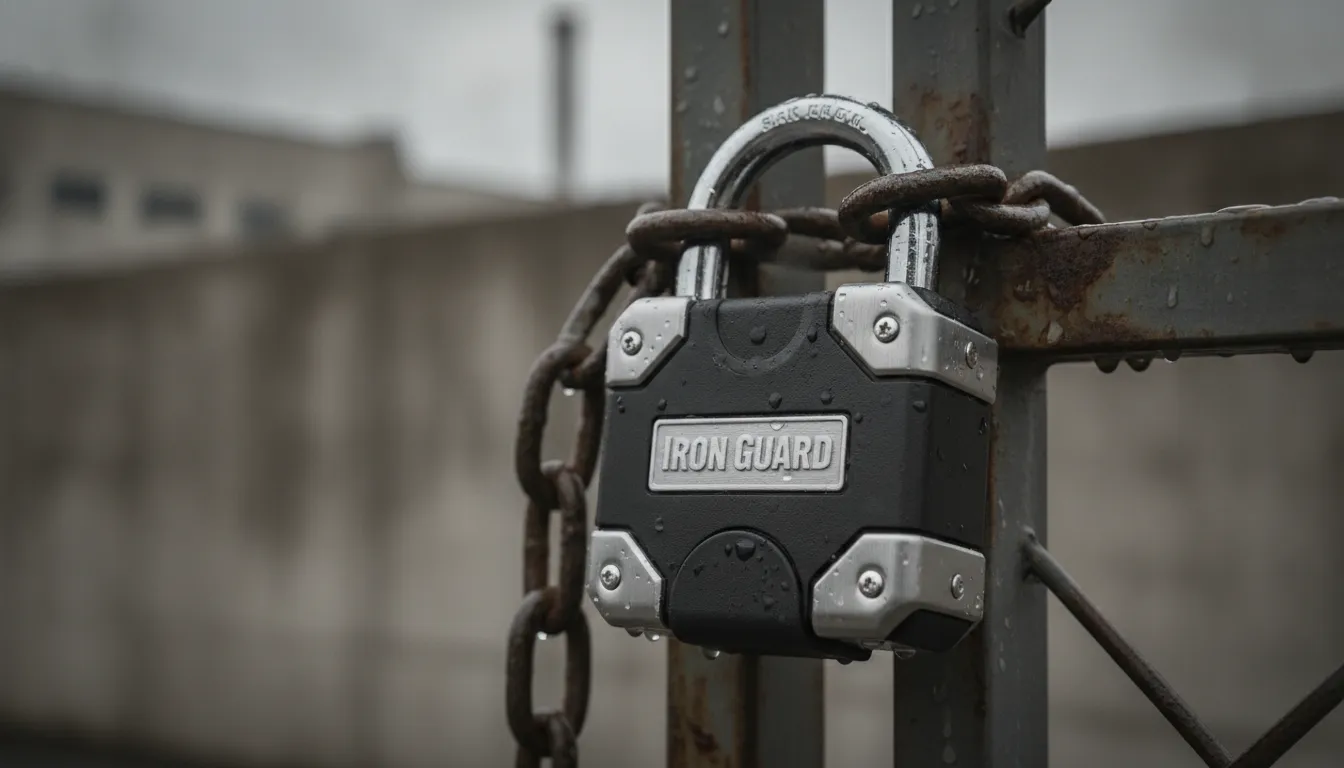
The shackle is the most common target for physical attacks on a jobsite or trailer. Heavy duty locks feature shackles made from hardened steel or specialized steel alloys. As noted in industry product specifications, a steel alloy shackle is 50% harder and more resistant to cutting than standard steel. This extra hardness stops hand tools like hacksaws and hand operated bolt cutters from shearing through the metal. The material density also absorbs impacts from hammers. This prevents the shackle from fracturing under blunt force.
Reinforced Bodies and Shielded Keyways
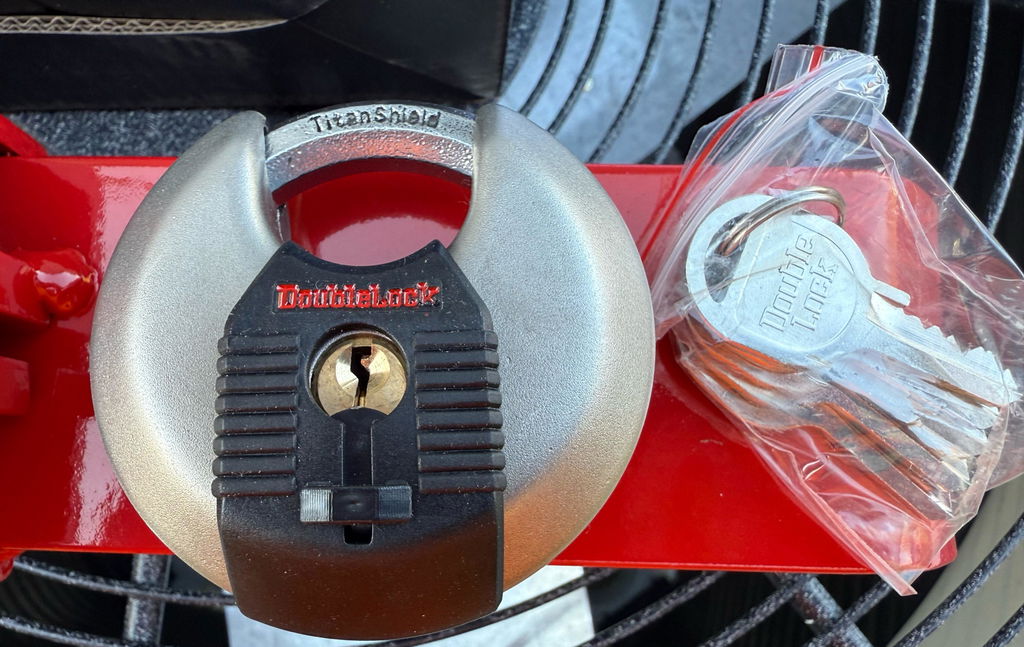
A strong shackle requires an equally tough body to hold it. Heavy duty padlocks use solid brass, laminated steel, or armored steel bodies to shield the internal locking gates. The lock body must withstand drilling, pulling, and prying attacks. According to NIST security papers, the selection of materials for lock components is critical to their performance and security. Some premium designs also use high shoulders or a fully shrouded body. This shroud shields the shackle. It leaves almost no gap for bolt cutters or pry bars to grip.
Advanced Cylinder Security
Internal mechanism security is just as important as physical toughness. Industrial locks use advanced pin tumbler cylinders to defeat lock picking and key bumping. High security locks often incorporate a five pin cylinder with up to ten security pins to provide ultimate anti-pick technology. These spool, serrated, or mushroom pins bind inside the cylinder when a thief tries to use pick tools. This mechanical resistance stops unauthorized manipulation. It ensures only the correct key can open the lock.
The Bull Rating System
To help fleet managers and construction teams choose the right level of protection, DoubleLock uses the Bull Rating system. This system rates locks based on physical toughness, pick resistance, and weather sealing. Selecting the right rating ensures your equipment has sufficient protection without paying for unnecessary extras. For high risk areas, you can match your needs to our top tier models. Use our RED HAWK ultra duty padlock to secure gates, trailers, and shipping containers against professional theft.
Find your security rating — browse padlocks by protection level →
Edge-to-Edge Locking: The Anti-Pry Advantage
Most common locks are vulnerable to basic hand tools. To build a secure setup, you must understand how a lock resists physical force. The choice of lock design and body material is critical to physical security, as harder materials provide greater defense against sudden attacks. You can find detailed research on how locking systems resist forced entry in the NIST physical security report. Standard locks often fail because they only lock on one side of the shackle. This single locking point leaves the free side of the shackle open to prying, which lets thieves open the lock with ease.
The Vulnerability of Single Side Locking
In a standard lock, the locking bolt only catches the heel of the shackle. The toe of the shackle rests in a shallow hole with no support. This design creates a weak spot that thieves can exploit. When a pry bar is placed inside the shackle, the force is focused entirely on the single locking bolt. Because standard consumer locks do not support both sides, the shackle can twist and pop open under pressure. This weak design makes standard locks a poor choice for high risk outdoor areas.
How Edge-to-Edge Technology Works
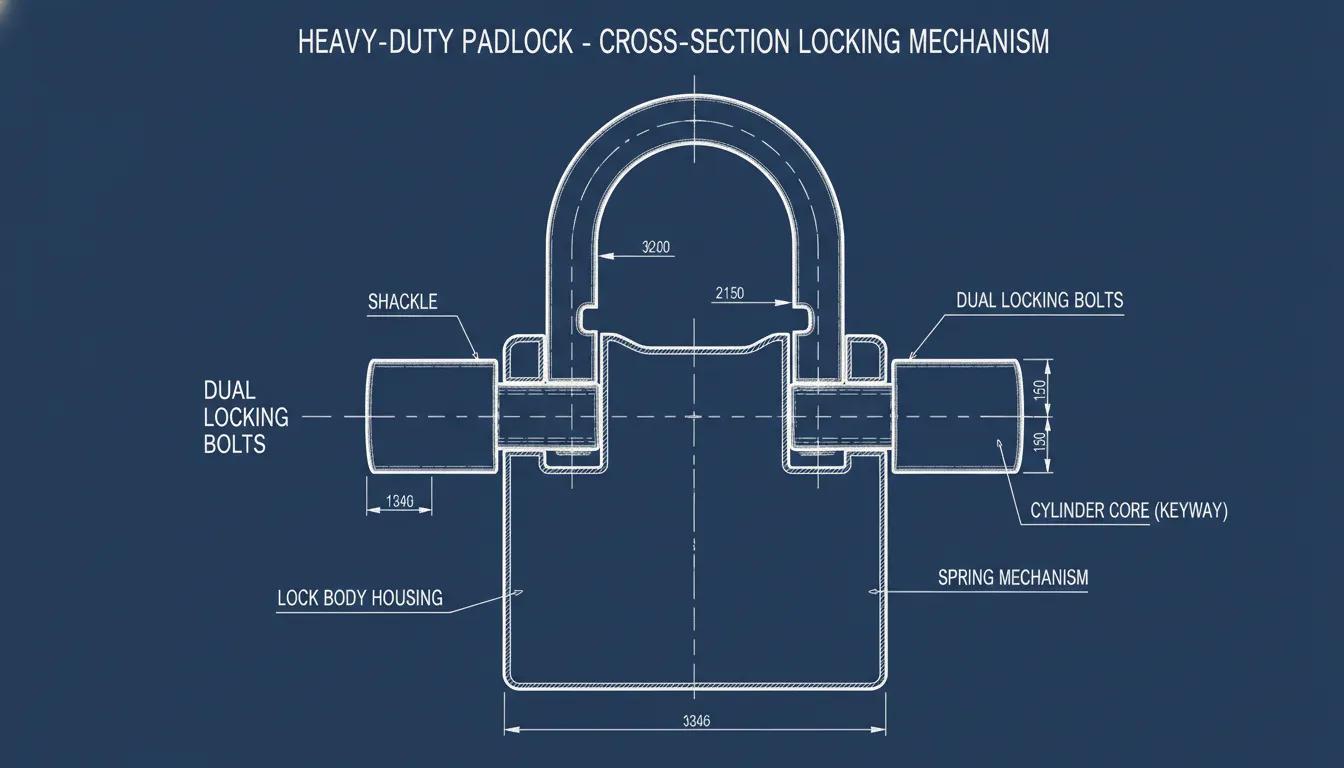
An edge-to-edge locking system solves this weak spot by locking both sides of the shackle at the same time. The internal bolt runs through the entire width of the lock body to grip the heel and the toe. This dual locking mechanism holds the shackle in place on both ends. This design makes it impossible to twist or pry the shackle out of the lock body. If a thief tries to cut the lock, they must make two separate cuts through hardened steel, which takes twice the time and effort.
Hardened Protection in the Real World
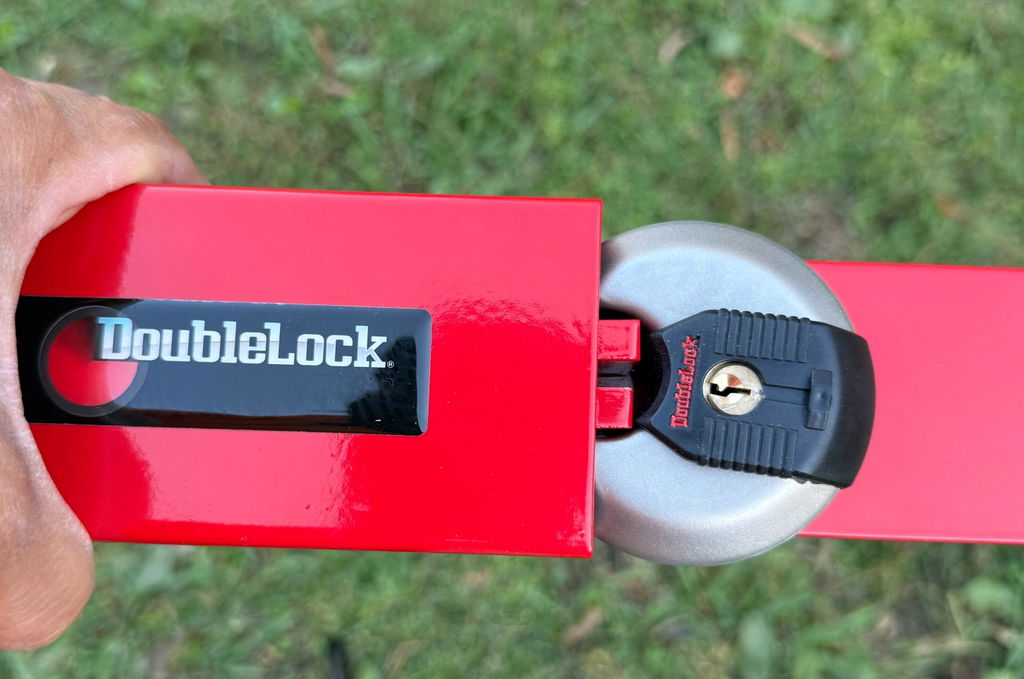
DoubleLock USA uses this edge-to-edge system in its premium lock lineup. The FALCON X and the RED HAWK are built to resist heavy tools. The RED HAWK Ultra Duty Padlock uses a high-shoulder body that covers the shackle, which prevents bolt cutters from reaching the steel. The FALCON X heavy-duty container shipping lock is built with a solid brass body and a hardened steel shackle that locks from edge to edge. By locking both sides of the shackle across the entire width of the body, these locks stop prying attacks cold.
Heavy Duty Padlocks vs Consumer Padlocks: What the Extra Cost Gets You
Security needs vary by what you protect. A cheap lock works fine for a gym locker, but outdoor assets need stronger defense. Choosing a premium industrial-grade padlock over a cheap consumer model is about buying time. Physical security depends on the strength of materials and smart design to stop forced entry, as research from the NIST physical security research shows.
Core Material and Build Differences
Cheap consumer locks often use laminated steel or thin brass bodies that cannot stand up to hammer blows. High-quality locks use solid blocks of hardened steel or specialized alloys. Standard shackles on cheap locks are easy to cut with hand tools. Premium shackles use alloy steel that is 50% harder than normal steel. This extra hardness stops standard bolt cutters and hacksaws from biting into the metal.
Advanced Lock Mechanism Comparisons
Most hardware store locks use simple four-pin brass cylinders that are easy to pick. Heavy-duty options use five-pin or six-pin cylinders filled with security pins. These spool or mushroom pins catch inside the lock to block picking tools. Premium locks also use dual ball-bearing locking systems. This design grabs the shackle on both sides, which stops shims from sliding into the lock body to release the latch.
| Brand and Model | Body Material | Shackle Design | Locking Style | Key Cylinder | Price Tier |
|---|---|---|---|---|---|
| DoubleLock RED HAWK | Hardened Alloy Steel | High-Shoulder Shrouded | Edge-to-Edge Dual Ball | 5-Pin Security Cylinder | Premium Industrial |
| DoubleLock FALCON X | Solid Hardened Steel | Thick Hardened Steel | Edge-to-Edge Dual Ball | 5-Pin Security Cylinder | Premium Industrial |
| Abus Granit 37/80 | Hardened Alloy Steel | Hardened Steel Alloy | Dual Ball Bearing | Plus Disc Cylinder | High-End Commercial |
| Master Lock Magnum | Laminated Steel / Zinc | Boron Carbide Alloy | Dual Ball Bearing | 4-Pin Standard Cylinder | Standard Consumer |
Value of Edge-to-Edge Locking
Standard locks hold only one side of the shackle heel. A thief needs to cut only one side of the shackle to twist it open. DoubleLock models feature a full edge-to-edge locking design. This mechanism locks the shackle deep inside the body on both ends. A thief must make two complete cuts through hardened steel to remove the lock. This design doubles the time and effort required to break the lock, which forces thieves to move on to easier targets.
Weather Resistance and Outdoor Durability: Built for the Elements
Outdoor security hardware must withstand harsh environmental conditions while maintaining structural integrity. Rain, extreme heat, snow, and salt spray quickly degrade standard security devices. Utilizing a high-security lock manufactured from specialized alloys is critical for long-term outdoor protection. The physical design of a commercial-grade padlock determines its ability to resist forced entry and weather damage over years of exposure.
Advanced Keyway Protection
Water and debris entering a lock cylinder cause internal rust, jamming, and mechanical failure. To prevent this, premium padlocks feature integrated keyway seals and protective sliding covers that block moisture, dust, and ice. On construction jobsites, utility gates, and remote sheds, these seals keep the internal pin tumbler system clean and functional. Preventing water ingress also stops ice from forming inside the keyway during freezing winter temperatures, ensuring the lock opens reliably in any climate.
Marine Grade Materials
Standard steel padlocks rust rapidly when exposed to rain or coastal salt air. Industrial security requires marine-grade materials like stainless steel, solid brass, and specialized anti-corrosion coatings. The heavy-duty container shipping lock utilizes a thick brass body to resist oxidation in wet marine docks and trailer transport routes. Brass naturally resists rust, while stainless steel shackles provide high physical strength without decaying in the elements. According to physical security research from the National Institute of Standards and Technology, the careful selection of materials for lock components is critical to their long-term performance and security in harsh environments.
Rugged Shrouded Construction
In addition to chemical wear, outdoor locks face physical threats from bolt cutters and pry bars. Shrouded body designs extend the outer metal casing to shield the shackle, leaving almost no exposed steel for a cutting tool to grip. The RED HAWK ultra duty padlock design uses this high-shoulder construction to protect the shackle heel from attack. This rugged engineering makes the lock ideal for exposed applications like commercial shipping containers, heavy equipment trailers, and security gates where physical attacks are most likely to occur.
How to Choose the Right Heavy Duty Padlock for Your Application
Selecting the right heavy duty padlock requires a clear look at your security needs and environment. Standard locks often fail under harsh weather or physical attacks. By using a structured choice framework, you can find the best lock to protect your valuable assets.
1. Assess Environmental Exposure
Weather is a major enemy of physical security. Rain, salt, and snow cause rust that can freeze a lock mechanism over time. If you secure gates or marine docks, you need a lock with high weather resistance. Look for marine-grade bodies and rubber keyway seals to keep moisture and dirt out of the cylinder. For extreme outdoor setups, choose a heavy duty padlock with a rust-proof body to ensure it opens reliably in any climate.
2. Check Shackle Size and Clearance
A lock must fit your hasp or chain perfectly to work well. Measure the opening of your latch before you buy. A thicker shackle provides better protection against physical force. A high-security padlock uses a hardened steel alloy shackle to resist cutting and sawing. Ensure the shackle clearance is tight enough to prevent thieves from inserting hydraulic jacks or bolt cutters into the open space.
3. Match Security Level to Asset Value
Your asset value dictates the level of security you need. Construction supervisors protecting high-value tools on jobsites require maximum force resistance. Trailer owners need heavy physical barriers to stop quick cut-and-run attacks. For high-risk storage sheds or fleet cargo, choose a padlock with an edge-to-edge locking design. This feature secures both sides of the shackle inside the lock body, which stops pry attacks cold. You can find these top features in the premium ultra duty padlock range.
4. Choose Keying Options for Fleet Efficiency
Fleet managers and logistics teams must handle key control for dozens of locks. Buying individually keyed locks creates a massive bundle of keys that slows down daily work. Instead, choose keyed-alike options for your fleet. This setup allows one master key to open every lock on your trailers or containers. It simplifies key management while keeping your cargo secure. You can review fleet options in our main padlock collection.
5. Decide Between Direct Purchase and Wholesale Pricing
If you only need one or two locks for a personal boat or trailer, direct online purchase is the fastest route. But commercial operators, such as jobsite supervisors and fleet managers, need bulk solutions. When ordering in large quantities, always ask for wholesale pricing. DoubleLock USA offers custom quotes and wholesale pricing for bulk orders to help commercial teams secure their equipment at a lower cost per unit.
- Assess exposure: Identify if your lock will face rain, salt, or snow, and choose a weather-sealed body.
- Measure clearance: Find the right shackle thickness and latch opening size to prevent cutting attacks.
- Select security level: Match the lock design to your asset value, and use edge-to-edge locking for high-value gear.
- Plan key control: Choose keyed-alike configurations to save time and streamline fleet management.
- Compare pricing models: Buy directly online for small needs, or request bulk quotes to get wholesale pricing.
Get a quote for bulk padlock orders →
Frequently Asked Questions
What makes a padlock heavy-duty?
A heavy duty padlock uses high grade materials and smart engineering to stop physical attacks. According to a NIST report, security depends on the strength of the shackle and the locking bolt. True heavy duty options feature hardened steel bodies and shackles that resist bolt cutters.
Are heavy-duty padlocks pick-proof?
No lock is entirely pick-proof, but heavy duty locks offer extreme resistance. Premium locks use complex cylinders filled with security pins. For example, a quality lock can feature a five-pin cylinder with ten security pins to stop pick tools as noted by Commando Lock.
Which is stronger, brass or steel padlocks?
Steel padlocks are much stronger than brass ones. Brass resists rust well, but it is a soft metal that is easy to cut or drill. Hardened steel or steel alloy is the industry standard for high security because it resists raw physical force. Hardened steel alloy shackles are fifty percent harder than standard steel.
What is the best padlock design for outdoor use?
The best outdoor design is a weather-sealed padlock with a shrouded shackle. A shrouded design wraps the lock body around the shackle to leave no room for bolt cutters. A The Spruce review notes that stainless steel shrouded models excel outdoors because they block both weather and thieves.
Ready to secure your outdoor equipment?
Leaving outdoor assets unprotected with standard hardware invites targeted cargo and tool theft. Delaying your security upgrades increases the risk of preventable losses on jobsites and fleet yards today. Taking immediate action with premium physical barriers keeps your operations moving without costly disruptions or downtime. Every single day you wait is another day your fleet, trailer, or storage container remains vulnerable to opportunistic thieves. You need rugged lock options built for the elements.
Ready to shop the heavy duty padlock collection? Shop heavy duty padlocks now to get industrial-grade protection for your equipment. If you manage a larger fleet or jobsite, you can also explore our bulk pricing paths to secure multiple assets and get wholesale pricing for bulk orders.