
A heavy duty padlock needs a hardened metal shackle, a solid body, and a strong cylinder to resist physical attacks. Experts say you should look for boron steel or hardened alloy for the shackle to prevent quick cuts from bolt cutters. The lock body should be thick brass or solid steel to protect internal pins from prying. Weather resistance is also vital for outdoor use, as moisture can cause low quality springs to rust and seize. Research from the National Institute of Standards and Technology shows that a lock is a system where each part works to stop entry. By choosing a lock with high security ratings, you can greatly reduce the risk of asset loss.
Shackle Material: What Makes a Heavy Duty Padlock Truly Strong
The shackle is the part of a lock that takes the most abuse. It is the first line of defense against a thief with a pair of bolt cutters. When you pick a heavy duty padlock, the metal in the shackle is the most vital factor. Most people look at the size of the lock body first, but the shackle is what usually fails. You need a metal that can resist cutting, sawing, and prying all at once.
Lock makers choose shackle metals based on strength, security, and the weather. As a report by the National Institute of Standards and Technology shows, the metal pick sets how well a lock stops a forced entry. You must match the metal to the risks your site faces every day. For some, rust is the main threat. For others, it is a thief with a heavy tool.
Hardened steel and boron steel
Hardened steel is the most common metal for a strong shackle. Makers heat the steel and then cool it fast to make the surface hard. This hard shell makes it tough for a hacksaw to get a grip. It also helps the lock resist pull attacks where a thief tries to yank the shackle out of the lock body. While it works well for indoor use, you may need more for high-risk spots.
Boron steel is the top choice for a heavy duty padlock. It is a type of mix that uses boron to gain extra hardness. Hardened boron steel shackles resist bolt cutters four times better than standard steel. This metal is tough to cut because it is hard all the way through, not just on the outer shell. It is the best choice for sites where tools like bolt cutters or saws are a major risk.
Stainless steel for weather protection
If you use a lock near the ocean or in a rainy area, rust is your enemy. A rusted shackle can become weak or get stuck in the lock. Stainless steel shackles give rust-free work that lasts for years. You can read more in our weatherproof outdoor padlock buyer guide to see how these metals hold up. While stainless steel is not always as hard as boron steel, it is the top pick for any wet site.
Using the right metal keeps the lock moving freely. A lock that rusts shut is as bad as a lock that fails. Stainless steel is used in our marine-grade locks to prevent freeze-ups. It helps the inner parts stay safe from salt and water. This metal pick makes sure your security does not fail because of the weather.
Shackle thickness and bolt cutters
The thickness of the metal is just as vital as the type of metal. A thick shackle is harder to fit into the mouth of a bolt cutter. It also has more mass to resist a saw or a grinder. Most standard locks have thin shackles that can be cut in seconds. A heavy duty lock needs a thick, beefy shackle to give a real barrier to thieves.
The RED HAWK ultra duty padlock uses a massive .75-inch shackle diameter. This thickness is far beyond what you find on a common store lock. It fills the space on most hasps, which leaves no room for tools to get inside. When you pair this size with a metal like boron steel, you create a strong barrier. This mix is what makes a lock tough to beat.
Lock Body Construction and Dual-Locking Mechanisms
The core strength of a heavy duty padlock collection depends on the metals used in the body. Most top locks use brass, hardened steel, or laminated steel. Solid brass lock bodies help resist pull attacks on gates and storage units. While brass stays strong against rust, hardened steel offers more physical force protection. Laminated steel bodies use thin layers of steel pinned together to form a block. This type of build is common in high-security uses where shock resistance is key.
Advanced lock body designs
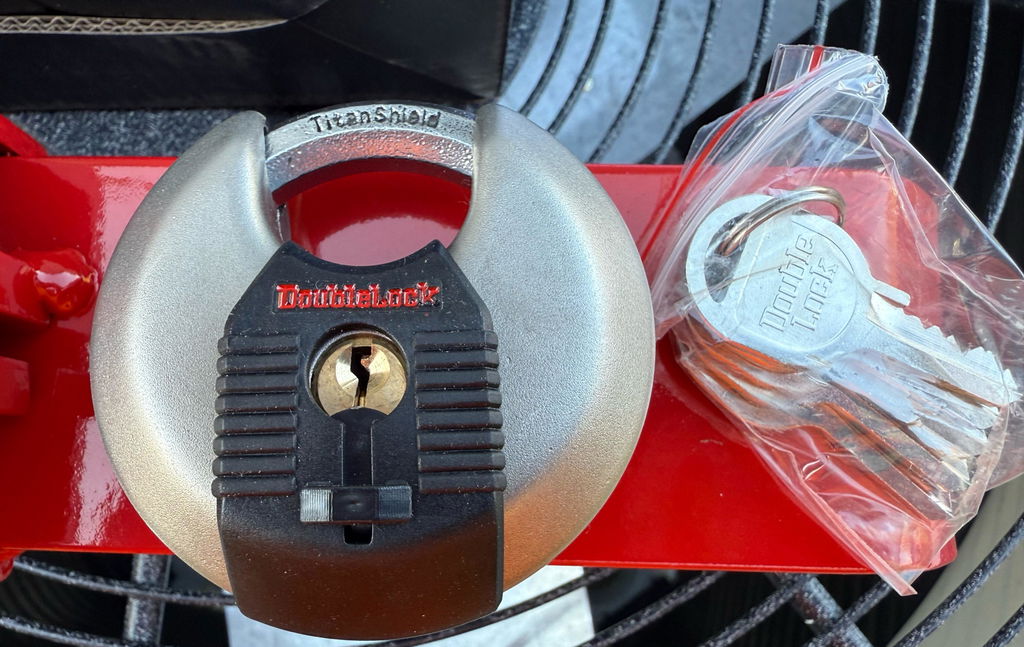
Lock shape is just as vital as the metal type. Shrouded padlocks use high shoulders to cover the sides of the shackle. This design makes it hard for bolt cutters to find a grip. The RED HAWK ultra duty padlock uses a two-piece shackle with a high shoulder. This limits the gap for pry bars or saws to enter. Discus locks take this one step further by having a round body that hides the shackle inside. By closing off these gaps, you make the lock far more tough to break.
Some locks use a mix of metals to balance weight and strength. The FALCON X max duty brass padlock uses both brass and steel. It has a half-inch locking pin that slides through a thick body. This setup is great for shipping containers where a standard shackle might fail. Choosing the right body style ensures the lock fits the need of your site or fleet.
Internal locking and anti-shim tech
What happens inside the lock is the last line of defense. Dual ball bearing locking systems use two steel balls to hold the shackle in place. Unlike spring-loaded bolts, ball bearings do not move when someone hits or pulls the lock. This makes the lock immune to shimming, which is a common way to bypass cheap locks. Modern bolt actuating mechanisms ensure that both sides of the shackle stay locked tight under pressure.
High-security cylinders also add a layer of key control. The RED HAWK series features an 8-pin cylinder that resists picking and drilling. Most standard locks use only four or five pins, which makes them easy to manipulate. By using more pins and tighter specs, you keep the lock from opening for anyone without the right key. This level of care in the build turns a simple tool into a true security barrier.
Security Ratings and Certifications: What They Actually Mean
When you buy a heavy duty padlock, you want to know it works. Marks on the box are not just for show. They prove that a lock can stop a thief with a drill or a saw. These signs come from groups that check how locks hold up under attack. Knowing these marks helps you find the right tool for your site. High security locks get tested for how well they stand up to prying and cutting.
The UL 437 Standard
The UL 437 mark is a top sign of a tough lock. It tells you that the lock cylinder is hard to pick or drill. Many cheap locks do not have this mark. A UL 437 rating shows that the lock parts can stop common tools for a set time. This test checks for picking and pulling. It also looks at how the lock handles drilling. For high risk areas, this label is a must for any lock you pick.
Standard locks at a store like Lowe's often lack this proof. Those locks might look big, but their internal parts are weak. A rated lock uses thick metal plates to block a drill bit. It also uses pins that stop a pick from turning the key way. This makes the lock a strong deterrent against theft. Using these rated locks gives you peace of mind for your gear.
European SCM Security Tiers
In Europe, the SCM mark is a very big deal for security. It is a strict test for locks used on trailers and work sites. DoubleLock brings 30 years of European design roots to each lock we make. Our best models, like the BULL and RHINO, meet these high goals. This means they can handle the harsh work of fleet and shipping use. These locks are built to last in rain and snow while staying secure.
The SCM test looks at how a lock resists power tools. It checks if the shackle can be cut with a large saw. It also tests if the body can be smashed with a hammer. High security locks that pass this test are hard to beat. They are the best choice for protecting cargo on the road. You can see these top locks in our heavy duty padlock collection online now. The table below shows how different rating levels stack up against each other.
| Rating Tier | Attack Strength | Key Security | Best Use Cases |
|---|---|---|---|
| Consumer-Grade | Low. Resists basic hand tools. | Standard 4-pin or 5-pin. | Gym lockers and garden sheds. |
| Commercial-Grade | Medium. Resists small bolt cutters. | Improved 6-pin cylinders. | Perimeter gates and tool boxes. |
| High-Security | High. Rated against drills and saws. | Premium 8-pin or UL 437. | Trailers, fleets, and job sites. |
The Bull Rating System
We use the Bull Rating to make choosing a lock easy. This system gives a clear level for each lock in our store. A high Bull Rating shows the lock can stop heavy tools and power gear. A lower rating might be okay for a simple door. This clear scale takes the guess work out of buying security. It shows you exactly how much force a lock can take before it fails.
When you check a lock, look for the Bull Rating first. It tells you the level of threat the lock can handle. This helps fleet managers pick the right gear for their trucks. It also helps home owners find a lock that will not rust or break. Using a clear rating system is the best way to stay safe.
Key Control and Fleet Management: Beyond the Padlock Itself
Lock hardware is only one part of a security plan. For fleet managers and site supervisors, the way you manage keys is just as vital as the lock body. Poor key management leads to lost time and higher risks. A professional system ensures that only the right people have access to your assets. It also stops people from making copies of your keys without your okay.
Fleet key systems
Fleet operators often use keyed-alike systems to save time. In this setup, one key opens every max duty brass padlock on your site or truck. This removes the need for big, heavy key rings that are hard to use. When every lock uses the same key, your team can move faster and focus on the job. Keyed-alike options are a core part of fleet security for shipping and logistics teams.
You can also use a master key system for more control. This allows a boss to open all locks while staff keys only open specific ones. Research shows that key control is a vital part of high security because it limits who can reach your gear. Using standard systems helps you track every entry point across your business. This is a smart move for any large site.
Laser cut keys
The type of key you use also affects your safety level. Many cheap locks use basic keys that any local shop can copy. High quality locks use laser cut keys that are much harder to duplicate. DoubleLock provides five laser cut keys with every lock to give you enough spares for your team. This prevents staff from making copies that could end up in the wrong hands. It is a simple way to keep your site safe.
Tracking and theft help
Good key habits help stop theft. When you use a heavy duty padlock collection with unique key codes, you can track which keys are out in the field. Fleet managers should keep a log of every key given to staff. This makes it less likely that a key will go missing. If a key is lost, you should change the locks or re-key them to keep your site safe from harm.
Smart key management also helps with fast access. Fire and police teams often use specialized systems to get into secured areas fast. These systems use standardized cylinders to ensure help can arrive without delay. By choosing locks that support these systems, you protect your property while allowing for quick help when it counts.
Choosing the Right Heavy Duty Padlock for Your Application
Finding the best heavy duty padlock depends on what you want to protect. You should match the strength of the lock to the value of your gear. High-risk items like cargo boxes need more safety than a simple garden gate. Our range of locks uses over 30 years of expert skill to keep your gear safe. We build our locks to be tough and useful for real-world tasks.
Heavy Duty Safety for General Use
The RED HAWK ultra duty padlock is a top choice for most tasks. At $59.99, it offers a big step up from the basic locks you find at shops like Lowe's. It features a thick .75-inch shackle and an 8-pin cylinder. This 8-pin system makes it much harder to pick than a basic lock. You can use it on trailers, large gates, or at sea where you need a strong stop.
Solid brass bodies are a great feature for outdoor use. They help the lock resist pull attacks and stand up to the weather. Tests show that heavy-duty locks with solid brass bodies are very strong for outer gates. If you need a RED HAWK ultra duty padlock, it will give you more safety for your daily needs. It is a tough lock that handles the grit of a job site or a trailer hitch with ease.
Maximum Security for High Value Assets
For your most costly gear, you need the FALCON X max duty brass padlock. This lock costs $79.99 and is built for high-security chains and cargo units. It uses a 6-pin cylinder and a half-inch locking pin to stay shut. The mix of brass and steel in the body makes it very tough for thieves to break. Many fleet owners use these locks for their cargo because they can be ordered with the same key for every unit.
High-security locks use smart designs to stop hard attacks. Some ratings show a lock is strong against force and picking. While you can break any lock given enough time, the FALCON X max duty brass padlock acts as a strong wall. It slows down thieves and often makes them look for an easier target. For special gear, you might check a place like Northern Tool, but for pure safety, our FALCON series is built for the task.
Specific Locks for Marine and Shrouded Needs
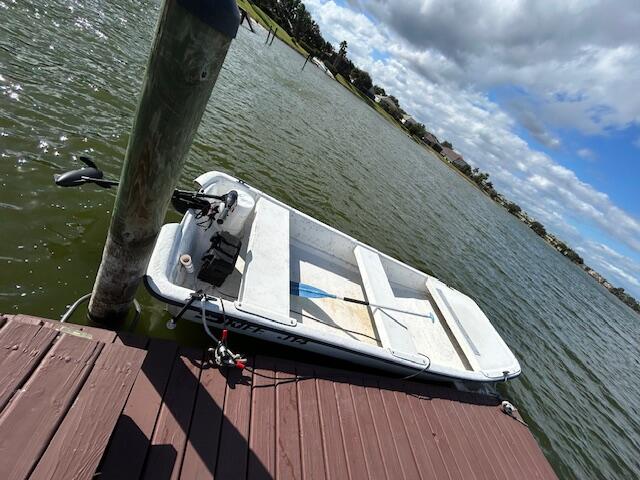
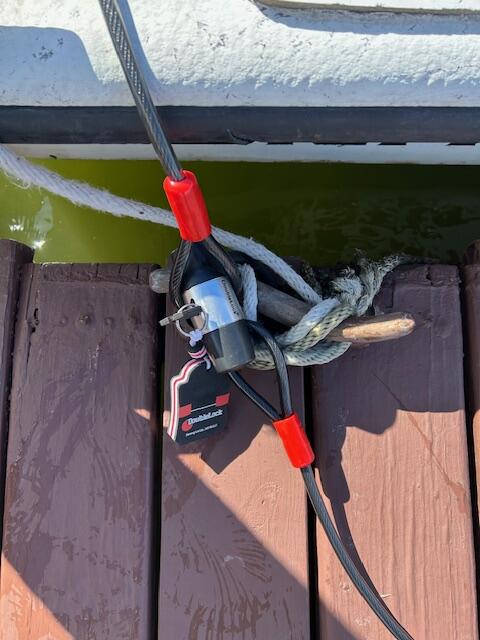
Not every job needs a $60 lock. Sometimes you just need a lock that can handle the rain and salt. The OSPREY series is made for marine use and starts at just $12.99. These locks use all-weather parts to stop rust and keep the internal parts moving. If you leave a lock on a boat dock for a year, you want it to open when you bring the key. Our marine-grade locks are made to survive those harsh times.
Another option is the CRAB discus lock, which costs between $19.99 and $24.99. This design is called a shrouded lock because the metal body covers most of the shackle. This makes it very hard for someone to use bolt cutters or pry bars on the lock. Here are a few ways these specific locks help you:
- Shrouded locks limit the room for a thief to use cutting tools.
- Marine-grade metals stop the lock from freezing or rusting in the rain.
- Discus shapes work well for sheds, storage units, and roll-up doors.
State data notes that shrouded padlocks give extra help against prying. You may need a simple lock for a boat or a shielded lock for a shed. You can find both in our heavy duty padlock collection online. We offer bulk options for firms that need to secure many items at once.
Frequently Asked Questions
How do I choose the correct shackle diameter for my hasp?
You must measure the hole in your hasp or staple before you buy a lock. A 5/16 inch shackle thickness is a common size that fits many inside and outside spots. Picking a size that fits tight will help stop people from using tools like pry bars to break the lock. As shown by the Newton County Government, the right fit is vital for the lock to work as planned.
What is the benefit of using a shrouded padlock for high-risk areas?
Shrouded padlocks have a metal shell that covers most of the shackle. This design limits the amount of metal that a thief can reach with bolt cutters or a pry bar. By hiding the weak part of the lock, you force an intruder to attack the solid lock body. Facts from security files show that these models give more help against attacks than open designs.
How do I maintain an outdoor padlock to prevent it from sticking?
Rain, dust, and ice can cause the inside of a lock to jam. You should use a weather cover to shield the lock body from wetness and dirt. Regular cleaning and a little oil will keep the key turning smoothly. As shown in state maintenance tips, a cover is the best way to guard your hardware from harsh weather and water.
Does a brass lock body offer enough security for outdoor use?
Yes, solid brass is a strong material that does not rust. This makes it a great choice for outside gates or storage areas that face the wind and rain. While brass is not as hard as steel, a heavy duty design can still stop pull attacks. Tests from public safety guides show that a brass body gives a good mix of strength and weather protection for outdoor use.
What does a UL 437 rating mean for a padlock cylinder?
A UL 437 rating is a high-security standard that shows a lock can resist physical attacks. It means the lock has been tested against drilling, picking, and prying. Most consumer-grade locks do not have this rating. Choosing a cylinder with this mark from official safety tests ensures you have a higher level of protection than standard models.
Ready to shop the heavy duty padlock collection?
Leaving your gear guarded by weak locks puts your whole business at risk of theft and slow work. A single break-in often leads to lost tools and missed days that hurt your budget for months. You can stop these threats today by choosing the right locks for your needs. Setting up strong locks now prevents loss and gives you peace of mind at night. Every day you wait is another chance for a thief to strike your site, warehouse, or fleet. Choosing high-grade locks today ensures that your gear stays safe and your team stays on time. We also offer wholesale security solutions for large fleets. Buying better locks now is the best way to avoid the high cost of a theft later this year.
Ready to shop? Call +15612894865 to shop the heavy duty padlock collection.