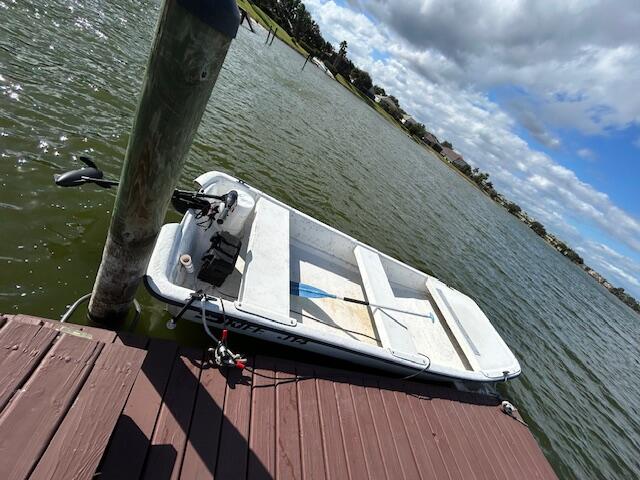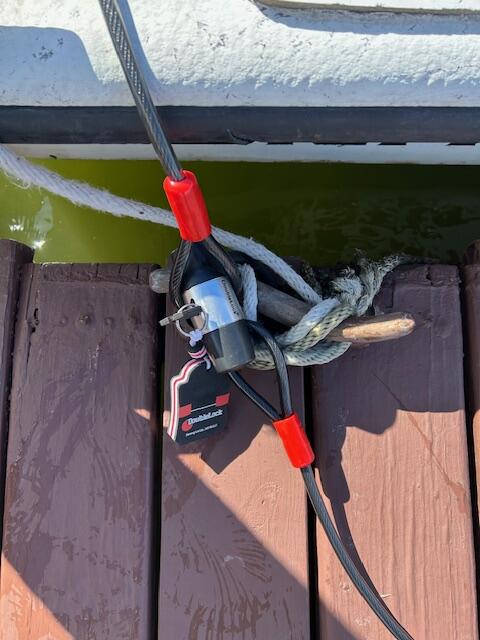

A trailer parked beside a home, jobsite, storage lot, or campground can become an easy target when its coupler remains open. Opportunistic thieves do not need specialized equipment to hitch an unprotected trailer and pull away. A visible mechanical deterrent changes that calculation before they reach the road.
A trailer coupler lock blocks the coupler from accepting a tow ball or opening normally, making hitch-and-run theft far harder. Choose a lock that matches your coupler design, fits its dimensions securely, and uses durable materials suited to outdoor exposure.
The right protection starts with understanding how the lock interfaces with your trailer. Ball-mount coupler locks secure the latch area, A-frame designs protect the tongue and coupler mechanism, and receiver hitch locks secure the hitch connection itself. The best choice depends on your trailer's hardware, how you store it, and the level of deterrence your equipment demands.
Why Your Trailer Needs a Coupler Lock
Are trailer coupler locks worth it? Yes. A quality lock creates an immediate mechanical barrier between an opportunistic thief and your trailer. Without one, a thief can pull up with a compatible tow vehicle, connect to the coupler, and drive away in under 60 seconds. With one installed, the thief must first defeat a visible security device, which adds time, effort, and attention to a theft that depends on speed.
Purdue Extension identifies opportunistic thieves as a distinct threat and lists mechanical and visual deterrents among the practical ways to deter them. A coupler lock does both. It physically blocks the coupler latch and signals that the trailer is not an easy target. That matters whether you park a utility trailer beside your home, leave a boat trailer at a storage facility, or stage equipment at a jobsite. Purdue Extension's mobile publication on trailer security also emphasizes protecting the trailer and its contents, not just the metal frame.
The cost of prevention is small compared with the loss
A trailer represents more than its purchase price. Its value may include spare tires, tools, generators, landscaping equipment, motorcycles, marine gear, or cargo waiting for the next job. Theft can also interrupt work, create replacement costs, and consume time dealing with recovery and claims. A coupler lock costs far less than replacing a trailer and everything loaded inside it. The comparison becomes even less favorable when an unsecured trailer sits unattended overnight or for an extended period.
Start with the coupler, then layer your security
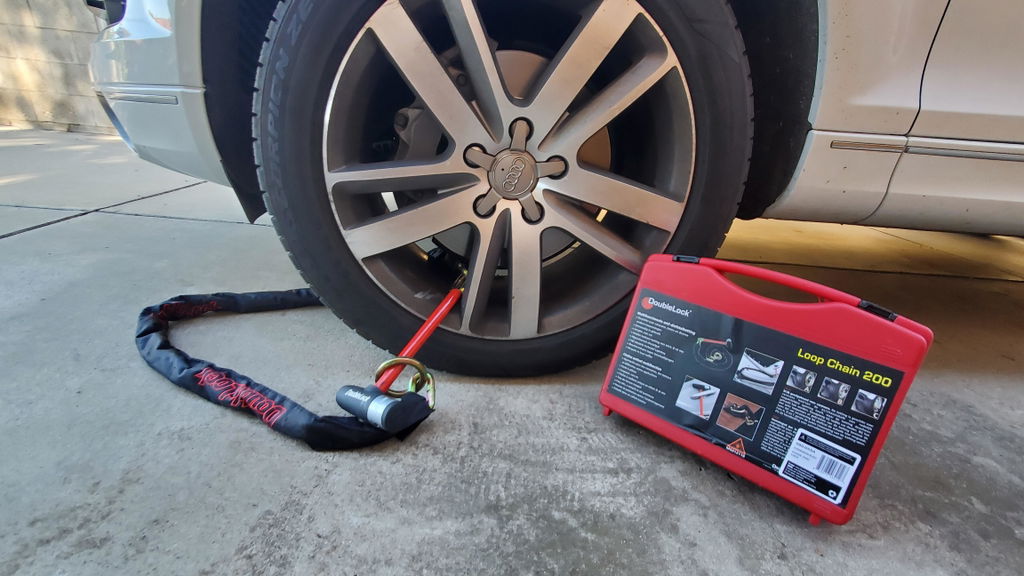
The coupler is the first connection a thief needs to control, so securing it should form the first line of defense. Choose a lock that fully covers the latch and fits the trailer's specific geometry. Then add layers suited to the location and asset: park in a well-lit, visible area. Use a wheel or tire lock when practical, consider GPS tracking for high-value equipment, and secure removable cargo separately. Purdue Extension groups parking, GPS asset tracking, and noise deterrents with mechanical deterrents in a broader trailer security strategy.
No lock makes a trailer undefeatable. A properly fitted coupler lock does make a quick theft harder, more conspicuous, and less attractive. That is the point: stop the easy hitch-and-go opportunity before it starts.
Types of Trailer Coupler Locks
The right lock depends on where your trailer connects and which mechanism you need to block. Match the lock to the coupler or hitch design first, then confirm the dimensions. Common coupler sizes include 1-7/8 inches, 2 inches, and 2-5/16 inches, but size alone does not guarantee compatibility. Lip width, lip height, and the shape of the tongue also affect fit.
Ball-Mount Coupler Locks
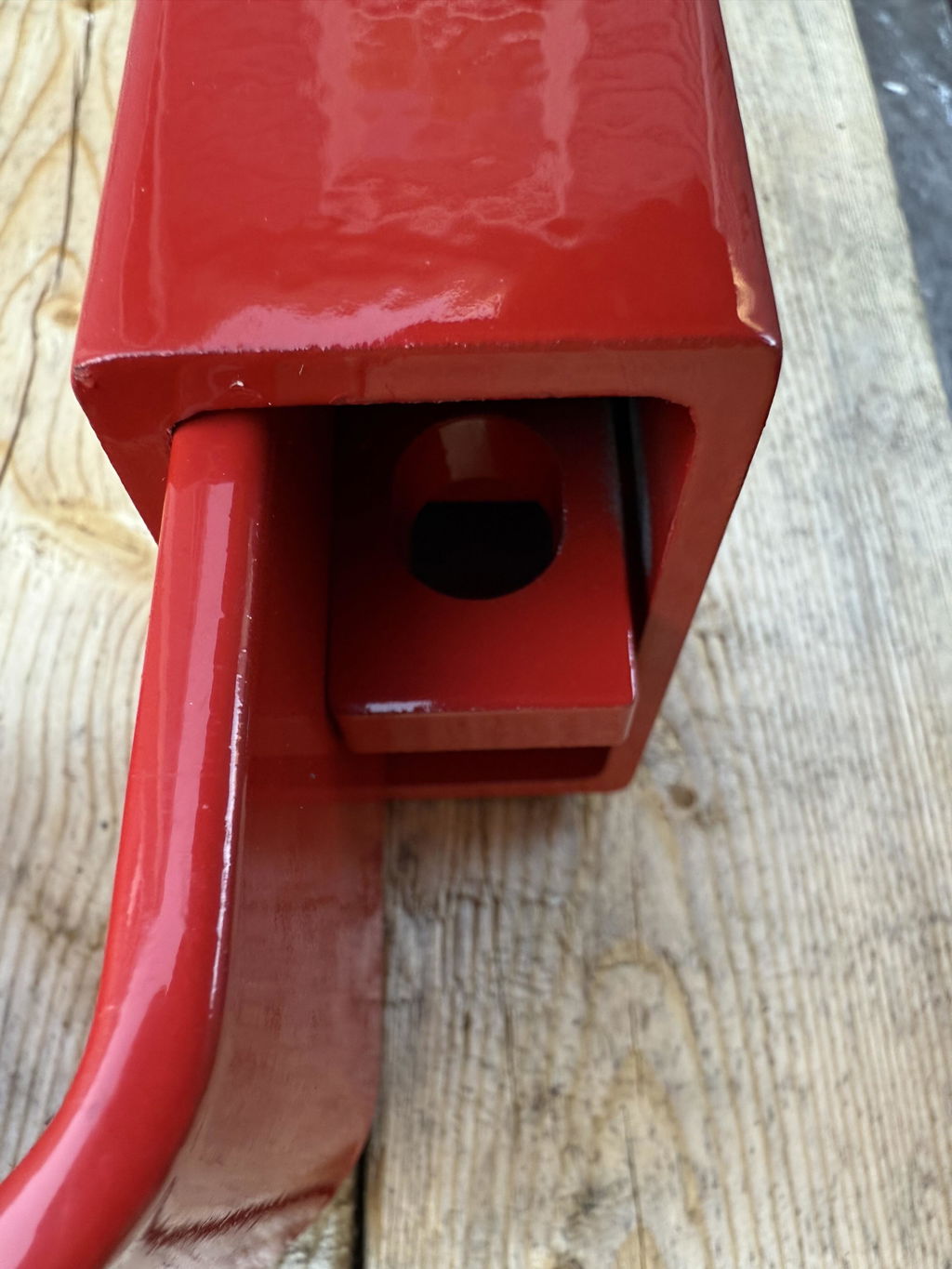
A ball-mount coupler lock occupies the coupler socket and prevents the latch from opening around a towing ball. This design suits trailers with a standard ball coupler, including many utility, boat, cargo, and equipment trailers. It protects the connection point while the trailer sits parked, so a thief cannot simply hitch an unsecured coupler and pull away.
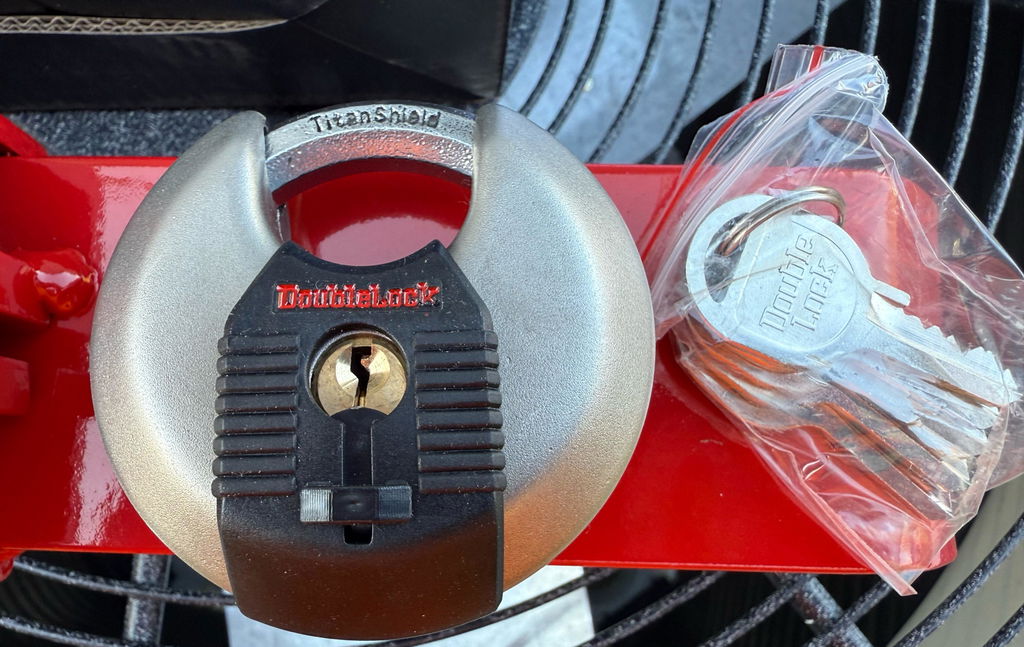
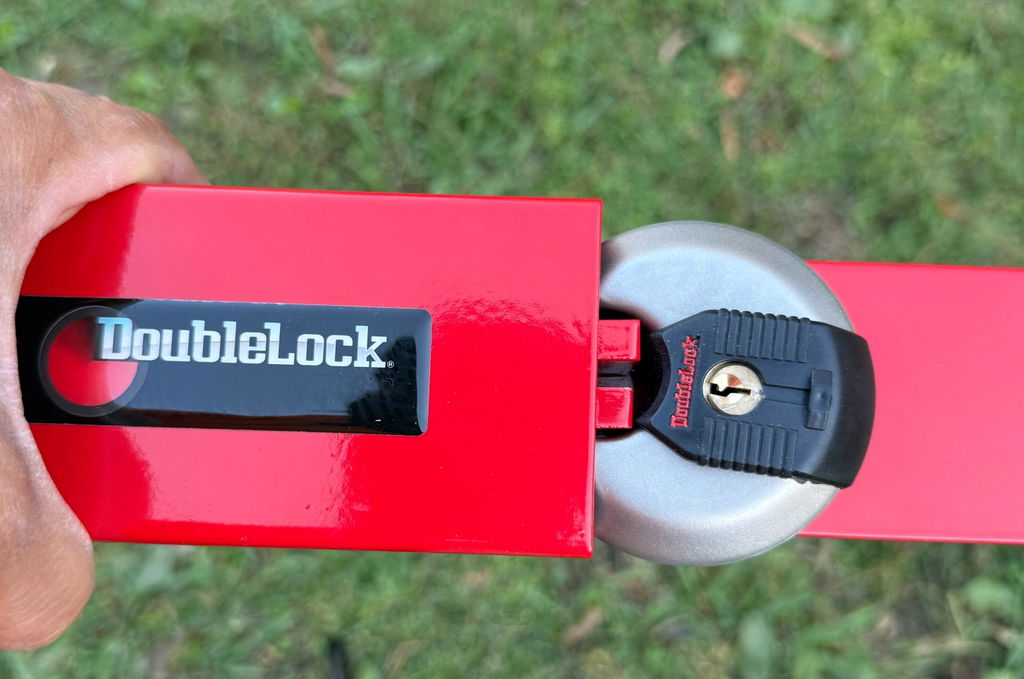
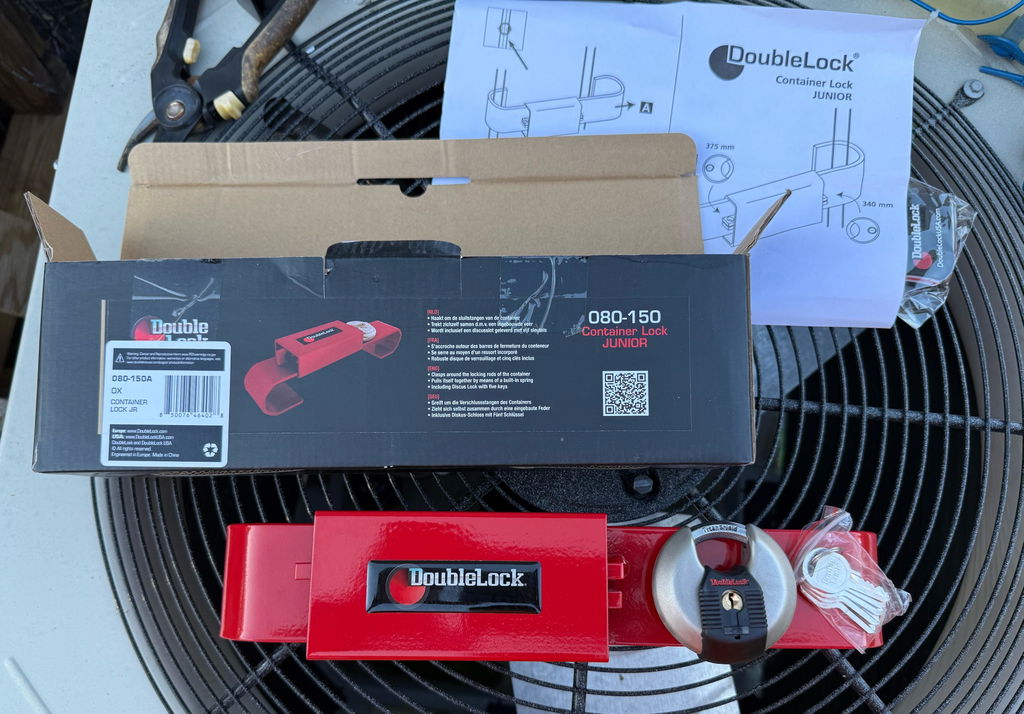
The CRAB trailer coupler lock fits this category. DoubleLock USA engineers the CRAB to fit a wide range of coupler types, giving owners a practical option when one trailer uses a different coupler shape than another. Check the product specifications against your coupler before ordering.
A-Frame and Tongue Locks
A-frame and tongue locks wrap around the trailer tongue or cover the coupler assembly from the front. They suit A-frame trailers, travel trailers, and straight-tongue designs when the lock leaves no usable path to the latch. The lock should cover the latching mechanism completely and sit snugly against the tongue. A loose or poorly matched lock creates an avoidable gap that weakens the deterrent.
Measure the coupler's lip geometry before selecting this style. One published sizing example for a 2-inch coupler specifies a maximum lip width of 3-3/4 inches and a maximum lip height of 5/16 inch. Treat those figures as a compatibility reference, not a universal measurement for every trailer.
Receiver Hitch Locks
Receiver hitch locks serve the vehicle side of the towing system. A pin passes through the receiver and hitch shank, securing the inserted hitch component in place. This lock does not replace a coupler lock on the trailer. It addresses a different risk: someone removing the hitch itself and taking the towing hardware.
The SCORPION tow hitch lock fits this role by preventing removal of the hitch itself. Pair it with a coupler lock when you want layered protection for both the vehicle's receiver connection and the trailer's coupler.
| Lock type | Trailer or towing design | Security level | Best use case |
|---|---|---|---|
| Ball-mount coupler lock | Standard ball coupler | Direct coupler deterrence | Blocking the latch before a trailer is connected |
| A-frame or tongue lock | A-frame, travel, or straight-tongue trailer | Full coverage when correctly fitted | Covering the coupler mechanism and tongue |
| Receiver hitch lock | Vehicle receiver and removable hitch | Hitch-removal deterrence | Keeping the hitch secured to the tow vehicle |
Choose a coupler lock for the trailer connection, a receiver hitch lock for removable towing hardware, or both for a layered setup. No lock makes a trailer undefeatable, but the correct fit creates a visible, physical barrier that makes theft harder and less convenient.
How to Choose the Right Coupler Lock Size
A lock that does not match the coupler is not a security solution. It may slide around, fail to cover the latch, or refuse to engage. Before you buy a trailer coupler lock, identify the coupler ball size and measure the metal lip around the latch. The goal is a lock that covers the mechanism, closes fully, and stays snug without forcing the hardware.
- Measure the coupler. Park the trailer securely, chock the wheels, and open the coupler latch so you can see the area the lock must cover. Measure the lip width from side to side. Then measure the lip height or depth at the point where the lock will sit. Record the measurements in inches, and check for curved, offset, or reinforced sections that could affect clearance. Manufacturer fit charts treat lip width and lip height as separate requirements, so do not rely on one measurement alone.
- Identify the coupler ball size. Confirm whether the trailer uses a 1-7/8-inch, 2-inch, or 2-5/16-inch coupler. Those are common industry sizes, but the ball size does not tell you every dimension of the latch. A compatible lock must match both the ball-size application and the physical shape of your coupler. As a reference point, Rhino USA lists a maximum lip width of 3-3/4 inches and a maximum lip height of 5/16 inch for its 2-inch coupler application. Compare your measurements with the specific lock's published specifications before ordering. Review the Rhino USA sizing specifications as one example of the detail a proper fit check requires.
- Select the matching lock size. Choose the model whose stated range covers your measurements without exceeding its maximum width or height. If your dimensions fall outside the range, do not assume extra room improves security. Excess clearance creates movement and may leave part of the latch exposed. If the fit chart does not address your coupler shape, contact the manufacturer or choose a model designed for that coupler style. The best type of trailer coupler lock is the one that fits the trailer correctly, not simply the one with the heaviest appearance.
- Slide the lock over the coupler latch. With the trailer uncoupled, position the lock over the latch and seat it against the coupler body. Keep the lock aligned with the latch rather than twisting it into place. The housing should cover the release area and rest evenly on the available lip.
- Engage the locking mechanism. Close the lock according to the manufacturer's instructions. Insert the key or operate the locking mechanism only after the lock sits in its intended position. Never hammer or force a lock that does not align. A mismatch needs a different size, not more pressure.
- Test for a snug fit. Pull and gently rock the installed lock by hand. Confirm that it remains engaged, covers the latch, and does not rattle excessively or slide off the lip. Unlock and reinstall it once to verify that the process works smoothly. A correct fit supports the lock's role as a visible mechanical deterrent, while an incorrect fit leaves the trailer vulnerable despite the presence of a lock.
Recheck the fit whenever you change couplers, replace latch hardware, or move the lock to another trailer. Small dimensional differences matter. Measure first, match the specifications, then install.
Key Security Features to Look For
A premium trailer coupler lock should do more than cover the latch. Its construction, locking mechanism, and fit determine how much resistance it puts between your trailer and an opportunistic thief. Look for a design that fully shields the coupler, withstands outdoor exposure, and gives you a dependable locking core instead of a generic padlock added as an afterthought.
Materials and Construction Set the Baseline
Start with the body material. High-strength steel remains the standard for quality coupler locks because it gives the lock a rigid barrier against cutting, prying, and impact. Proven Locks identifies high-strength steel construction as a defining feature across its quality coupler-lock collection (source). Zinc and aluminum may reduce weight or cost, but they do not automatically provide the same level of resistance. Treat material as one part of the design, not a substitute for a properly engineered lock.
Examine how the lock covers the coupler latch. Edge-to-edge locking closes the exposed gaps that leave leverage points around gap-style designs. That coverage matters because a thief should not be able to reach the latch, insert a tool beside the lock, or attack a thin exposed section. Choose a lock that sits firmly against the coupler and resists movement after you engage it.
Outdoor trailers also demand weather resistance. Rain, road spray, mud, and salt can attack unprotected steel and interfere with the locking mechanism. Look for a durable protective finish, sealed or shielded moving parts, and a body that does not collect debris around the keyway. A lock that works reliably in the driveway but sticks after a season on the road is not a security solution you can depend on.
Lock Core Technology Controls Tamper Resistance
The core deserves as much scrutiny as the outer shell. Basic pin-tumbler cores may suit light-duty applications, while disc-detainer and patented core designs add specialized barriers against picking and manipulation. Professional-grade trailer coupler locks may use specialized cores to improve resistance to picking and tampering. For example, Proven Locks states that its collection ships with a patented Cobra lock core (source). Verify the manufacturer's actual design rather than trusting labels such as "heavy duty" or "high security."
Finally, separate the lock's job from the hardware it protects. A coupler lock secures the coupler latch so another vehicle cannot hitch the trailer. A hitch lock secures the receiver connection and helps prevent removal of the hitch itself. Many owners use both when their setup calls for layered protection. Match each lock to the component it must protect, then confirm the fit before relying on it.
Maintaining and Caring for Your Coupler Lock
A trailer coupler lock works outdoors, where rain, mud, road salt, and ultraviolet exposure gradually wear down exposed hardware. A few minutes of routine care keeps the mechanism moving and makes problems easier to spot before they affect security.
Clean the Lock Core and Lubricate It Correctly
Clear dirt and grit from the lock core with compressed air. Hold the nozzle at an angle so debris exits the opening instead of moving deeper into the mechanism. Apply graphite powder to the keyway and work the key in and out several times. Graphite lubricates the internal components without leaving an oily film that attracts more grit. Avoid oil-based lubricants inside the core.
When the lock sticks, do not force the key or hammer the lock. Excessive force can damage the key, cylinder, or coupler hardware. Clean the core first, apply graphite, and check that the lock aligns correctly with the coupler. If the mechanism still resists operation, remove the lock from service until you can inspect it properly.
Inspect the Exterior and Store It During the Off-Season
Check the lock for surface rust at least once a month during active use, paying close attention to seams, shackle contact points, and areas that collect moisture. Wipe away mud and salt after towing in wet or treated-road conditions. Surface rust needs attention before it spreads or interferes with moving parts.
During a long off-season, clean and dry the lock, then store it indoors in a dry location. Keep the keys with it so the lock remains ready for the next trip. Consistent maintenance will not make any lock undefeatable, but it preserves reliable operation when your trailer needs protection.
Frequently Asked Questions
Are trailer coupler locks worth it?
Yes. A coupler lock blocks the latch or coupler connection, so a thief cannot simply hitch the trailer and tow it away. Choose a lock that fits tightly, use it whenever the trailer sits unattended, and combine it with other layers of security when the trailer carries valuable equipment. No lock makes a trailer impossible to steal, but a visible, properly fitted lock raises the effort and disrupts opportunistic theft.
What is the difference between a coupler lock and a hitch lock?
A coupler lock secures the trailer's coupler at the tongue and prevents connection to a tow vehicle. A hitch lock secures a receiver-mounted hitch or accessory by passing through the receiver and hitch components. The CRAB addresses coupler security, while the SCORPION is designed to prevent removal of the hitch itself. Select the lock based on the component you need to protect.
How do I lock a trailer coupler so it cannot be hitched?
Match the lock to the coupler design, open the coupler latch if the product requires it. Position the lock over the latch or ball area, and engage the locking mechanism fully. Pull and twist the lock to confirm that it cannot slide off or leave the latch accessible. Check the fit before every trip and remove the lock before towing if the product is intended for parked security only.
What is the best type of trailer coupler lock?
The best choice is the one built for your coupler shape and dimensions. Ball-mount coupler locks suit standard couplers that connect over a hitch ball, while A-frame locks address A-frame tongue designs. A receiver hitch lock serves a different purpose by securing the hitch in the vehicle receiver. Measure the coupler before buying, then prioritize a snug fit, durable steel construction, weather resistance, and a security-focused lock core.
Ready to Secure Your Trailer?
The right lock gives your trailer a stronger first line of defense against opportunistic theft. DoubleLock USA offers purpose-built options, including the CRAB trailer coupler lock and SCORPION tow hitch lock, for different trailer security needs. Shop the DoubleLock USA trailer and coupler locks collection to choose the setup that fits your equipment. Fleet and wholesale buyers can contact the team through the available business inquiry options.