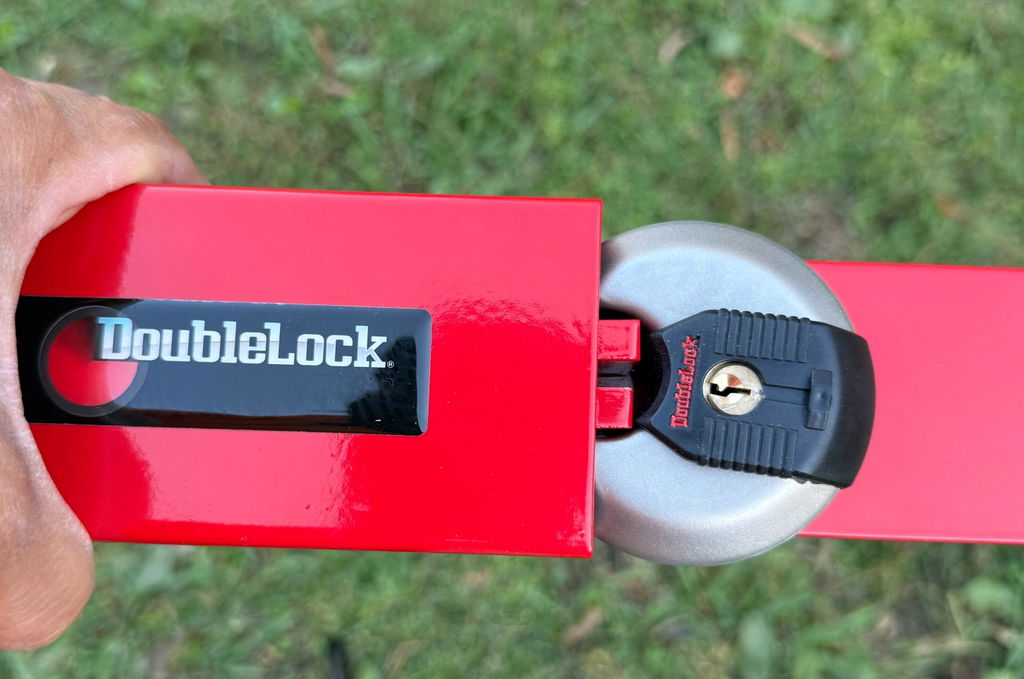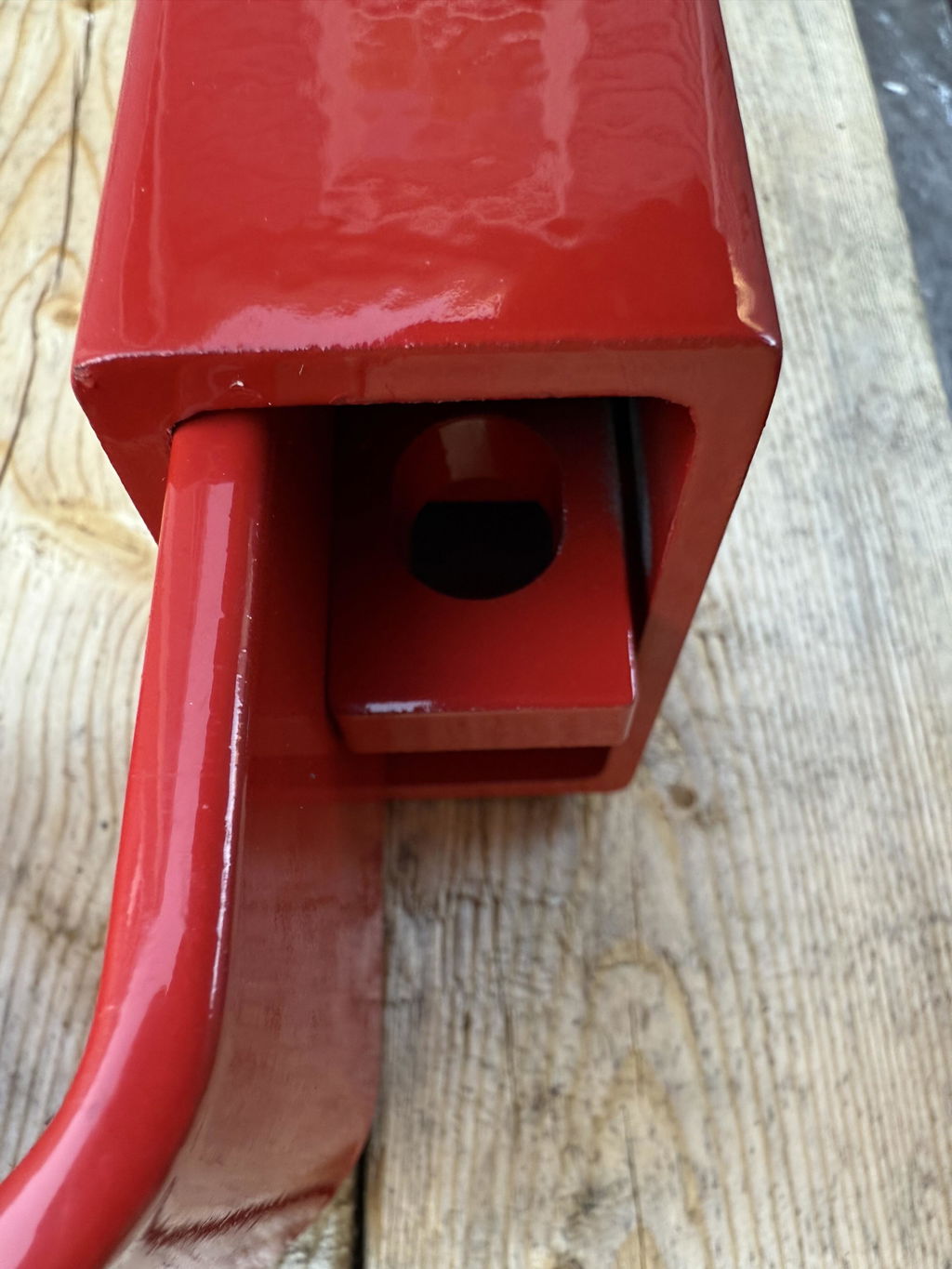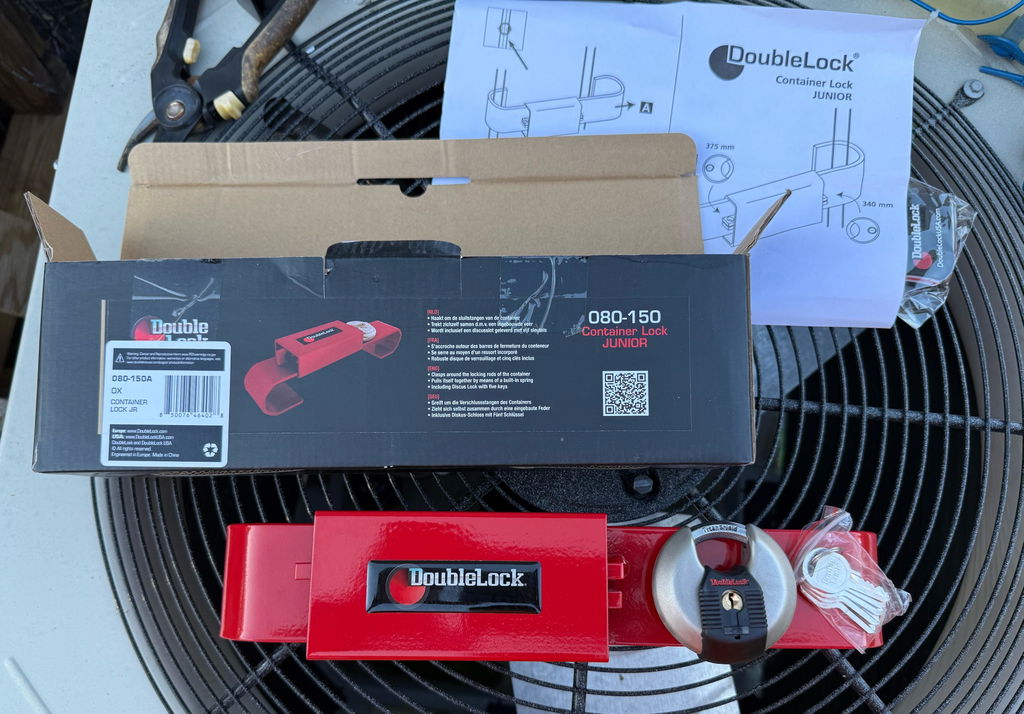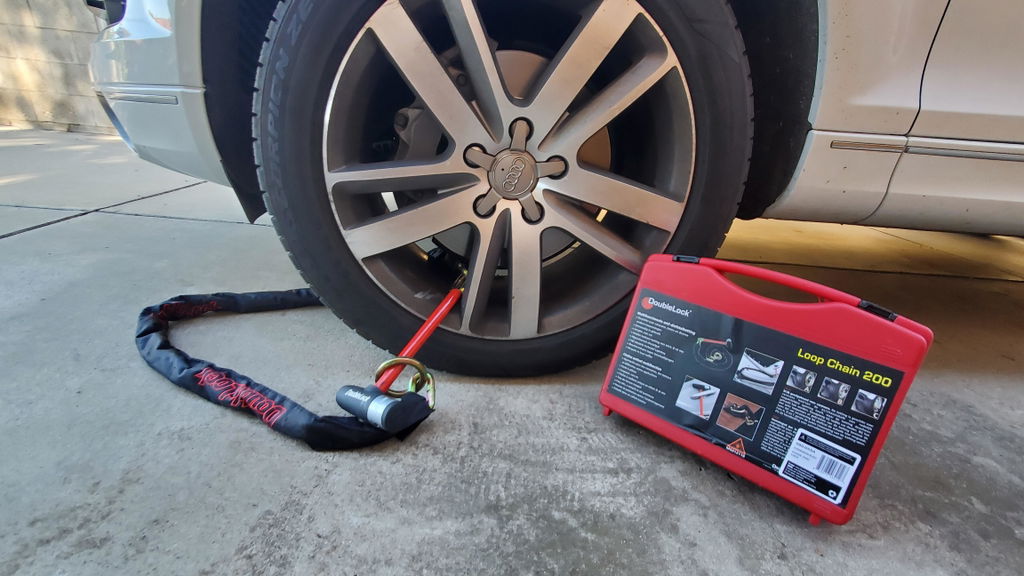

A cargo door lock is a strong security tool that wraps around the upright locking bars of a trailer, truck, or container to stop them from turning. These heavy-duty tools serve as a primary physical deterrent against theft from trailers, trucks, and shipping containers. Most designs use tough alloy steel or thick square tube steel to resist common tools like bolt cutters or saws. Because they secure the locking rods rather than just the handle, they give a much higher level of safety than basic padlocks or stock latches. Many fleet owners use these locks to guard goods at risky places like job sites and night truck stops. They are easy to set up and often do not need any drilling or fixed parts on the door. By blocking the bars, these locks keep your cargo safe during transit and storage.
What does a cargo door lock protect?
A cargo door lock is a heavy-duty bar or clamp that secures the rear doors of a truck or storage unit. It acts as a physical block to stop people from getting inside without a key. These locks are common on semi-trailers, box trucks, and shipping containers. They provide a strong layer of safety that standard door latches cannot offer alone. While no lock is perfect, these tools are a key part of layered security frameworks used in the shipping and maritime sectors.
Trailers and shipping containers
Most cargo locks protect the locking rods on the back of a trailer. These rods are the main point of weakness for many units. A high-quality lock wraps around both rods to keep them from turning. This setup protects costly freight from theft during transit or while parked at a job site. You can use these locks on many types of equipment, including sea cans and utility trailers. For fleet owners, using industrial-grade cargo door locks is a smart way to lower the risk of cargo loss.
Cargo theft is a multi-million dollar problem every year. High-value goods like tools and clothing are top targets for thieves. A visible lock sends a clear sign that the owner takes safety seriously. It forces a thief to spend more time and effort to break in. This often makes them choose an easier target instead. Many locks are made from 3/16 inch thick carbon steel to resist common hand tools like hacksaws or bolt cutters.
Weak rear door surfaces
Standard rear door latches are often the first part to fail during a break-in. Most factory locks are small and easy to bypass with a pry bar. Thieves also target the handle area or the mounting bolts. A cargo door lock covers these weak points by binding the main locking bars together. This design spreads the force across a larger area. This makes it much harder to force the doors open. Some models are also adjustable to fit different door bar widths.
You do not need to drill holes or mount fixed hardware for most of these locks. They slide over the bars and lock in place with a key. This makes them a flexible choice for rental trailers or short storage. If you need to secure a wide container, you may need an extension kit. These kits help the lock reach bars that are farther apart than standard trailer doors. Choosing the right fit ensures the lock stays tight and secure against the door surface.
The role of layered deterrence
Security is about adding steps that a thief must overcome. A cargo lock is one piece of a larger plan to keep goods safe. It works best when used with other habits, like parking in well-lit areas. Using a kingpin lock along with a door lock adds even more safety for trailers. This layered approach is a standard way to protect assets on construction sites and in busy ports. It helps manage risk by making unwanted access as hard as possible.
When you buy safety gear, look for heavy parts like square tube steel. These parts are hard to cut and can withstand harsh weather. You can find good options at specialty stores like Northern Tool for your trailer needs. Always check the fit on your specific door bars before you start a long trip. A tight fit is the best way to ensure your cargo stays where it belongs.
Cargo door lock styles compared
Choosing the right cargo door lock depends on your trailer type and how often you need to move locks between units. Strong locks are the first line of defense against theft, which costs firms millions of dollars each year. Pro gear helps manage risk and protects assets across the sea and land shipping sectors.
Adjustable crossbar locks
Portable crossbar locks are a top choice for fleet managers who need a flexible tool. These locks wrap around the vertical locking bars of a semi-trailer or shipping container. Most designs are made to fit many bar widths. For example, some models can expand from about 9 inches to nearly 16 inches to handle different bar setups.
These locks use heavy-duty steel to resist saws and bolt cutters. Since they are not bolted to the door, you can move them from one trailer to the next in seconds. This makes them great for rental units or short-term storage where you cannot install fixed hardware. You can find similar heavy-duty gear at pro shops like Northern Tool for outdoor and trailer needs.
Enclosed shackle and puck locks
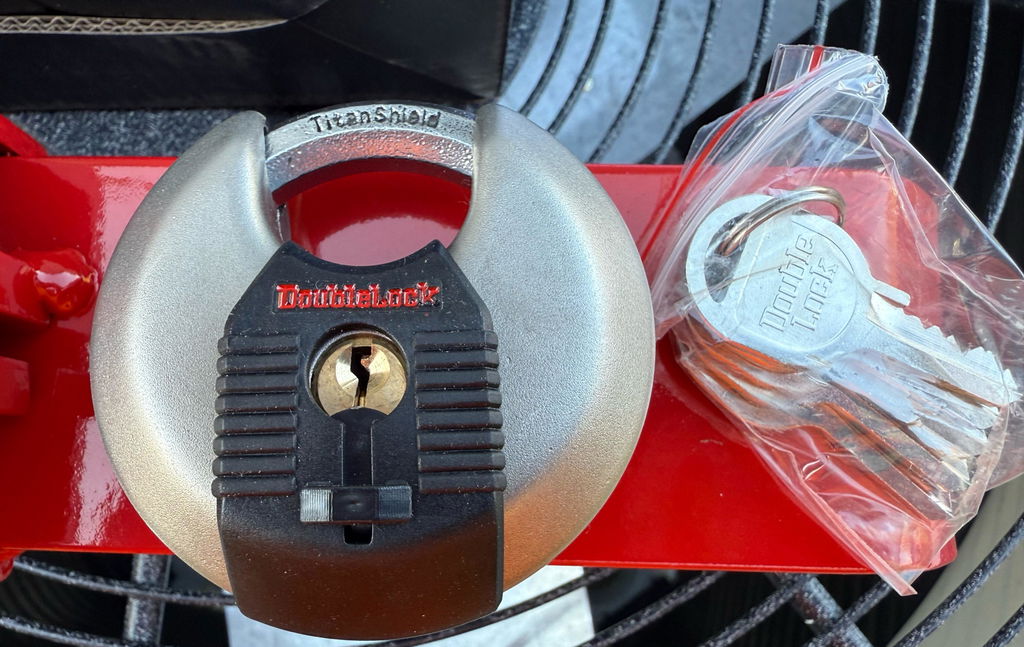
If you want to protect the lock from being cut, enclosed shackle or puck locks work well. These designs hide the padlock shackle inside a steel shell. This makes it very hard for a thief to use a grinder or cutter on the lock. For shipping containers, a lock box or shroud serves a similar goal by hiding the padlock from view and attack.
The BULL container lock uses this style of shell to stop break-ins. By wrapping the locking point in hard steel, you force a thief to spend much more time and noise trying to get inside. This added layer of safety is often enough to make a thief look for an easier target. High-quality locks often use steel with 3/16-inch thick walls to stop power tools.
Fixed hardware and handle locks
Some setups use fixed hardware that stays on the door at all times. This includes handle locks that fix the lever in place or door hardware that replaces the standard latch. These options are great for fleets where every trailer has the same door style. They offer a clean look and ensure the lock is never lost or left behind.
| Lock Style | Best Use Case | Key Benefit | Installation |
|---|---|---|---|
| Adjustable Crossbar | Rental trailers and fleet use | Fits many bar widths | Portable (no tools) |
| Puck / Enclosed Shackle | High-value cargo | Resists cutting tools | Bolt-on or portable |
| Container Lock Box | Static storage units | Shields padlock shackle | Welded or bolted |
| Handle Locks | Local delivery trucks | Fast to open and close | Fixed mount |
Picking the right fit
When you buy a lock, think about the material and the lock rating. Look for locks made of thick steel tubes or solid alloy. If you have many trailers, consider a bulk plan to keep your costs low while you secure your fleet. You can request a quote for bulk needs to get the best value for your business.
How do you choose the right cargo door lock?
Choosing the right cargo door lock is a big step in keeping your freight safe. Not every lock will work for every truck or box. You need a tool that fits your gear and keeps thieves away from your goods. A strong lock acts as a solid bar. It makes it very hard for someone to get inside without the right key. To find the best fit, you must look at how you use your trailer each day. You also need to know the size of your doors and the strength of the steel. A smart choice now can save you from a big loss later.
Finding the right fit
Fit is the most vital part of picking a new lock. Most cargo door locks work by gripping the tall bars on the back of the door. You should measure the space between these bars before you buy. Many strong locks can change size to fit other bars. They can fit widths from about 9 inches to nearly 16 inches. If your bars are farther apart, you may need to add a kit to the lock. A lock that is too loose will not stay in the right place. One that is too tight may be hard to use in the rain or cold. You want a snug fit that does not move much when locked.
Strong steel and weather
The best locks for your doors use very strong steel. Look for alloy carbon steel that is at least 3/16 inch thick. Hardened steel can stop tools like saws or bolt cutters from cutting through the lock. You also need a lock that can handle the sun, rain, and road salt. Many locks have a powder coat finish to stop rust. This finish helps the lock last for many years. If you work near the sea or in wet areas, weather safety is a must. Rust can jam a lock and leave your cargo at risk. High-quality cargo door locking solutions are built to survive this tough weather.
Safety is not just about theft. It is also about keeping the load safe as you drive. Experts say that freight safety depends on using the right tools to keep goods from moving. A lock helps keep doors shut tight so nothing spills out on the road. This keeps the people driving behind you safe. It also keeps your items in good shape until they reach the end of the trip.
- Measure your door bars. Use a tape to find the space between the two locking rods on your door. Make sure the lock you choose fits this size. Some trucks have wider bars than others, so do not guess.
- Check the keeper space. Look at where the bars meet the door frame. Ensure the lock does not hit any parts of the trailer body or the door handle. A clean fit is needed for the lock to stay safe and not rattle.
- Find the attack points. Pick a lock that covers as much of the locking rods as it can. This leaves less room for a thief to use a pry bar. The less metal they can see, the harder it is for them to break in.
- Check the steel quality. Choose a lock made from thick, square tube steel. Hardened steel is much better at stopping someone from cutting the device. Solid welds and thick walls are signs of a high-quality product.
- Look at your daily work. If you open your doors many times a day, you need a lock that is easy to use. Some locks do not need tools or bolts to set up. You just slide them on and lock them in a few seconds.
- Plan your key system. If you have many trucks, you may want locks that all use the same key. This makes it easier for drivers to manage their work. They will not have to carry a large ring of keys for every trailer.
- Use many layers of safety. No single lock can stop every threat. A layered security approach uses solid locks along with GPS tools and bright lights. This total plan lowers your risk and helps keep your cargo safe during long trips.
Matching the lock to trucks, trailers, and containers
Choosing the right cargo door lock depends on what you haul and how you work. A lock for a local box truck must be fast to use. A lock for a storage container must be very strong. Each task has its own needs for fit, route, and risk. You must match the lock to the metal bars on your doors to get the best fit. DoubleLock uses a Bull Rating system to show how strong each lock is. This helps you pick the right level of safety for your exact route and load.
Locks for local delivery and box trucks
Local trucks make many stops each day. Drivers need a lock that is easy to put on and take off. If a lock takes too much time, a busy driver might skip it. This leaves the goods at risk. A good cargo door lock for a box truck fits the upright bars on the back door. Look for a lock that can adjust to many sizes. This helps the driver work fast while keeping the truck safe. Most box trucks use locks that adjust from about nine inches to sixteen inches to fit many door bars.
When you plan your workflow, think about the tools your team needs. If they use many types of trucks, an adjustable lock is the best choice. This cuts the number of spare parts you need to keep in stock. Most city routes involve parking in busy areas. This makes a bright, visible lock very helpful. Thieves look for a target that is easy to hit. A big steel lock shows that your cargo is not an easy mark. It works as a physical security framework to keep people out.
Securing enclosed and fleet trailers
Fleet trailers often sit in yards or at loading docks for a long time. They need a lock that can handle bad weather and high theft risk. Many trailers have standard spacing between the door bars. You can use industrial-grade cargo door locks that slide over both bars. This blocks the doors even if a thief cuts the door latch. These locks use heavy steel to bridge the gap between the bars.
When you buy locks for a fleet, think about how often you check the gear. Long trips mean the lock must resist tools like saws or bolt cutters. Thick steel walls are a must for these locks. The best ones use square tube steel with thick sides to stop people from tampering. You should look for locks with steel walls at least three-sixteenths of an inch thick. Regular checks are easier when the lock has a bright color. This lets you spot a missing lock from a distance. It helps site leads stay on top of security without having to walk up to every trailer.
Protection for shipping and storage containers
Shipping containers are built for big loads and long-term storage. They often have very thick bars that are hard to lock with standard gear. You need heavy-duty cargo container door locks that are made for this exact size. These locks must stay strong even in rain, salt, and hot sun. Containers left in remote yards need the highest level of protection to stop determined thieves.
For containers, look for a lock that wraps around the rods. This stops the rods from turning so the doors cannot open. It is also smart to use locks that allow for quick checks by yard crews. A lock that you can check with just a look saves time at the yard. It shows you right away that the container is still safe and has not been opened. This helps keep your supply chain moving without long delays for manual door checks. High-quality locks for containers often use hardened steel and a secure key box to keep the lock safe from the elements.
Installation, inspection, and maintenance
A high-quality cargo door lock is a strong deterrent. But even the best lock cannot fix a weak or broken door. You must keep your gear in top shape to ensure your goods stay safe. Good security is more than just a piece of metal. It is part of a layered plan that includes locks, watching, and risk checks as noted in cargo security research. Keeping your doors and locks ready for work helps you avoid losses and keep your fleet on the move.
Routine inspection steps
Start your check with the door itself. Look for any bends or gaps in the door frame. If the doors do not line up right, the lock may not sit flush. This gap can give a thief a place to use a pry bar. Check the welds on the locking bars and hasps. Small cracks in a weld can lead to a big failure under stress. Test the handles and hinges to make sure they move without too much play. If parts feel loose, you should tighten the bolts or replace them right away.
Move on to the lock bars and mounting points. For many cargo door locking solutions, you will need to check the bar spacing. Most locks fit a range of about 9 to 16 inches. Make sure the bars are not bent. A bent bar can stop the lock from sliding on or off with ease. Look at the steel for signs of stress or wear near the contact points. Even heavy-duty steel like 3/16 inch alloy carbon steel can wear down over years of hard use in the field.
Cleaning and lubrication
Dirt and road salt are the enemies of security gear. Clean your lock and the door bars with a damp cloth to remove grit. If you see rust, use a wire brush to scrub it off. You can then apply a light coat of paint to stop more rust. For the lock itself, follow the guide from the maker. Use a dry lube like graphite or a light oil if the maker says it is okay. Do not use thick grease, as it can trap dirt and gum up the inner parts. This is vital if you work in cold or wet spots where ice and salt are common.
Check the keys and the lock core. If the key feels sticky, do not force it. A small amount of lube in the keyway can help. Also, keep track of who has your keys. Key control is a big part of your security plan. If a key is lost or stolen, you may need to re-key the lock or replace the whole unit. Keeping a log of key users can help you find gaps in your team's habits.
When to replace your gear
Knowing when to get a new lock is key to your safety. You should replace your lock if you see deep rust that eats into the metal. If a thief tried to break it, the lock might have hidden damage. Do not reuse a lock that has been cut or hit with a heavy tool. Also, watch for triggers like worn-out keys or a core that will not turn. If you find that your bar spacing has changed due to door damage, you may need a new setup to fit the new size. Stay ahead of these issues to keep your cargo secure at all times.
Why a cargo door lock works best in layers
No lock is undefeatable if a thief has enough time and tools. This is why a cargo door lock works best as part of a deep security plan. Physical locks are the first line of defense, but they need support from other layers to keep assets safe. By using a layered approach, you create more work for a thief and increase the chance that they will move on to an easier target.
Physical hardware and trailer protection
A heavy-duty cargo door lock is vital for preventing rear door access. These locks are often built with square tube steel or alloy carbon steel to resist cutting. For trailers that are left alone, you should also use kingpin protection. The LION kingpin lock stops a thief from hooking their truck to your trailer. Using both a door lock and a kingpin lock forces a thief to defeat two different systems to steal your goods.
Operational discipline and inspections
Strong hardware only works if your team uses it every time. Reliable security requires clear rules for how and when to lock doors. Fleet managers should use risk assessment frameworks to find gaps in their daily routines. Routine checks ensure that locks are in good shape and that drivers are following safety steps. Keeping records of every inspection helps find parts of your supply chain that might be at risk.
Site security and lighting
The place where you park is just as important as the lock on the door. Effective cargo security includes choosing well-lit yards with good yard lighting and active monitoring. High-visibility areas make it much harder for a thief to work in secret. When you combine site security with industrial-grade hardware, you create a full defense that protects your cargo from the yard to the road.
Building a cargo lock program for a fleet
Fleet and shipping teams need a clear plan to protect their freight. Buying locks is only part of the job. A good program sets a rule for how every truck and trailer stays safe on the road. This way of working helps lower the risk of theft and keeps your supply chain moving. By picking the right tools and training, you can build a strong plan that protects your cash flow.
Audit your fleet gear
Start by looking at every piece of gear in your yard. Measure the bar width on every trailer and shipping container. Most standard bars are 9 to 16 inches apart, but some may need a cargo door lock with an extra kit. Testing the fit is vital during this stage. You must make sure the lock fits tight and does not shake or slip. A loose lock is easier for a thief to cut or pry off. This check helps you find the right industrial-grade cargo door locks for your fleet. It also stops you from buying gear that your drivers cannot use. Check your list every six months to add new trucks or trailers to the group.
Train and give out gear
Buying a lock is only the first step. You must also teach your drivers how to use it the right way. Show them how to set the lock and how to look for signs of tampering. Key control is another big part of the program. Give each lock to a certain driver or truck. Keep a main log of who has which key at all times. This layered way to keep gear safe is a key part of modern risk plans (PMC8749908). When every team member knows their job, the whole fleet becomes a harder target for thieves. Drivers should also know what to do if they lose a key or if a lock breaks in the field.
Track the lock life cycle
Locks face tough times on the road. Salt, dirt, and rain can wear down even the strongest steel over time. Your plan should include often-made checks of every tool. Use check logs to track the health of your gear. If a lock shows rust or the key sticks, it may be time to pull it from use. Oiling the lock core can help it last longer in wet weather. Keep a small stock of extra locks so you can swap out broken units fast. This makes sure no truck leaves the yard without good safety. For large fleets, you can often save money by using a wholesale quote path for bulk orders. This lets you get the best price while keeping your safety rules high for the whole team.
Frequently Asked Questions
How to choose the best cargo door lock?
Picking a good lock depends on the space between your door bars. Most strong locks use 3/16-inch thick steel to stop thieves from cutting them. You should find a lock that adjusts to fit bars from 9 to 15 inches apart. Look for a lock with a good coat of paint to stop rust. A high Bull Rating from DoubleLock means the lock gives your truck or trailer the best protection.
Do I need a cargo door lock for my semi-truck?
Yes, because cargo theft costs truck fleets a lot of money each year. A strong lock is a great way to stop people from getting into your trailer. Research on the NCBI site shows that physical locks are a key part of keeping goods safe. These locks are easy to put on and do not need extra tools. They add a thick layer of safety that standard door latches cannot match.
Can a cargo door lock prevent trailer theft?
No lock can stop every thief, but a heavy cargo door lock is a very good tool to have. These locks wrap around the door bars so the doors stay shut. This makes it much harder for a thief to grab your goods in a hurry. Using strong gear like the DoubleLock BULL container lock helps lower your risk. It builds a tough wall that most crooks will not want to deal with when they look for a target.
What is the difference between container and trailer door locks?
Many locks work for both, but some shipping containers have bars that are far apart. Most standard locks fit bars up to 15 inches wide. If your container bars are 17 to 23 inches apart, you might need an extension kit to make the lock fit. Both types of locks use hard steel tubes to stop theft. Make sure to measure your bars before you buy a lock to ensure it fits your gear right.
Ready to secure your cargo and units?
Leaving your trailers or bins without heavy-duty locks is a major risk for your business. Every day you wait to lock your goods is a chance for a costly theft to occur. Cargo crime leads to stolen items, high costs, and lost time for your team. You should not wait for a break-in to happen before you think about better locks. Starting your safety upgrade now protects your fleet from these high risks and losses. Heavy-duty locks offer a strong shield to keep your assets safe in any place. These locks use tough steel and smart plans to handle rough job sites and bad weather. Better hardware helps you stay on track and keeps your budget safe from hidden costs. Protect your business today by picking the right tools for your needs.Ready to contact our team? Get a free consultation to shop cargo and container security or request a wholesale quote.