

If you want to buy a high-security shipping container security device, start with the container door rather than the product name. Measure the security hardware, compare the required clamping range, decide how your team will manage keys, and match the security tier to the cargo and exposure. A device that fits poorly creates a purchase problem before it creates a security benefit.
Shop DoubleLock shipping container security devices and compare purpose-built options for storage, freight, and jobsite use.
To buy a high-security shipping container security device, confirm the door configuration and clamping range first. Then compare steel construction, weather resistance, key management, installation requirements, and security rating. Choose max-duty hardware for high-risk or high-value cargo, or a lighter mid-tier bundle when its measured range and operating needs match.
Start with the container door configuration
Shipping containers do not all present the same securing point. Before you compare models, open the doors and identify what the security hardware must capture. Look at the vertical door bars, the distance between the bars, any factory protected door housing, and the space available for the body of the device. Photograph the closed door from the outside and record the measurements for the person placing the order.
A removable container security device generally needs to clamp across the door hardware without interfering with the bars, handles, hinges, or the ground beneath the doors. If a protected door housing already shields the securing point, confirm whether the new device belongs inside that box or must fit around the exposed bars. Do not order from a product photograph alone. Similar-looking containers can have different clearances.
Measure the working span, not just the door width
The useful measurement is the distance between the points that the device must capture. Compare that measurement with the manufacturer's published adjustable clamping range. A product that is too short will not close around the hardware. A product that is much longer than necessary may leave unwanted movement or fail to sit tightly against the door.
Measure with the doors closed and the bars in their normal secured position. If the bars move when you close the doors, measure the final position, not the position they hold while the doors remain open. Keep the measurement, product specification, and a photo together in the purchase record. That simple record prevents a second order based on a guess.
How do you check a container security device's clamping range before ordering?
Check the measured distance across the container's securing points against the product's full adjustable clamping range. The measurement must fall inside that range while the device sits squarely on the closed doors. Leave room for normal movement, but do not assume a wider range automatically means a better fit.
DoubleLock's container lineup gives buyers concrete ranges to compare:
- BULL Container Security Device: 9.5 to 16.5 inches.
- RHINO Ultra Duty Cargo Security Device: 10.25 to 18 inches.
- OX Container Security Device Jr. Bundle: 13.25 to 16 inches.
These ranges serve different door measurements. BULL and RHINO cover more of the broader commercial range, while OX focuses on a narrower span and a lighter format. Select the product whose range contains your actual measurement, then confirm that the closed device does not press against nearby fittings. If the measurement sits at the edge of a range, contact DoubleLock before ordering instead of treating the fit as automatic.
Choose the security tier for the exposure
High-security does not mean every buyer needs the heaviest available device. The right tier depends on what the container holds, how long it remains unattended, where it sits, and how often staff open it. A container holding high-value freight in a remote yard has a different risk profile from a jobsite unit opened every day for ordinary tools.
Use the following questions to set the tier:
- Would a theft create a major cargo, project, or schedule loss?
- Will the container sit at a port, freight yard, jobsite, or exposed storage area?
- Will employees open and secure it once a day, several times a day, or only occasionally?
- Does the team need a lighter device that one person can carry between locations?
- Will one organization manage several containers with a standard key plan?
For high-risk freight and long unattended periods, prioritize hardened steel construction, a purpose-built container form, a broad measured range, and the highest suitable rating in the product line. For a lower-weight operating setup, a mid-tier bundle may make more sense when its range fits and its included hardware matches the door.
Should you buy a max-duty or mid-tier container security device?
Choose max-duty hardware when the container holds high-value cargo, faces extended unattended exposure, or needs the heaviest published construction and rating. Choose a mid-tier option when its measured range fits, a lighter device improves daily handling, and the included hardware covers the access point without leaving avoidable gaps.
When BULL or RHINO makes sense
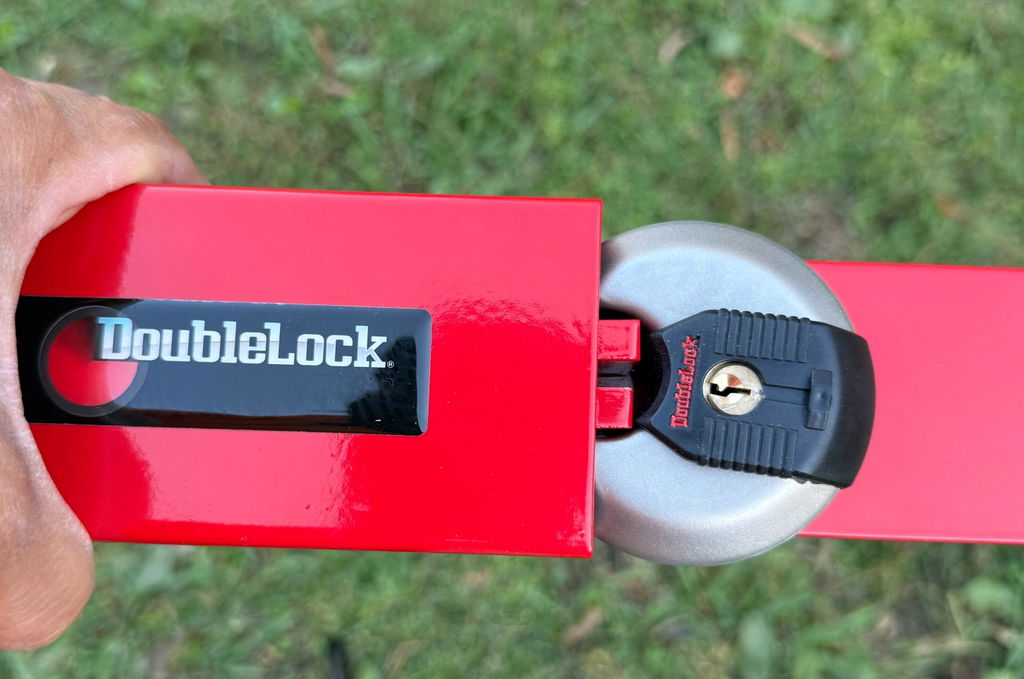
The BULL Container Security Device is the max-duty choice in DoubleLock's container lineup. Its hardened steel construction weighs 26.5 pounds, and its 9.5 to 16.5 inch adjustable clamping range covers many commercial door measurements. It includes five dual-chamber laser-cut keys, carries an EU SCM HEAVY rating, and uses a corrosion-resistant, weather-resistant construction. DoubleLock also lists quick installation without special tools.
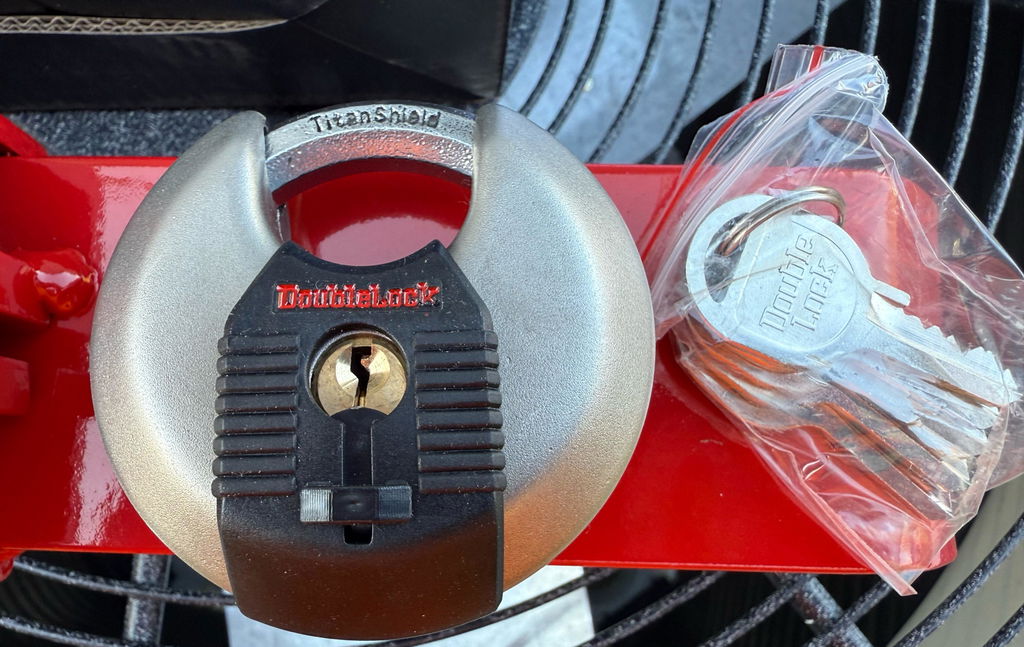
RHINO provides another ultra-duty path. It weighs 16.7 pounds, uses high-grade hardened thick steel, and adjusts from 10.25 to 18 inches. It includes five precision laser-cut keys and a weather-resistant body. Its EU SCM Standard rating gives buyers a published security reference when they are comparing equipment for industrial, fleet, or jobsite use.
Do not select BULL or RHINO only because the device looks substantial. Confirm the range, the handling expectations, and the way your crew will store the device while the container is open. Max-duty construction should solve a real exposure or operating requirement, not create an avoidable handling burden.
When OX Container Security Device Jr. makes sense
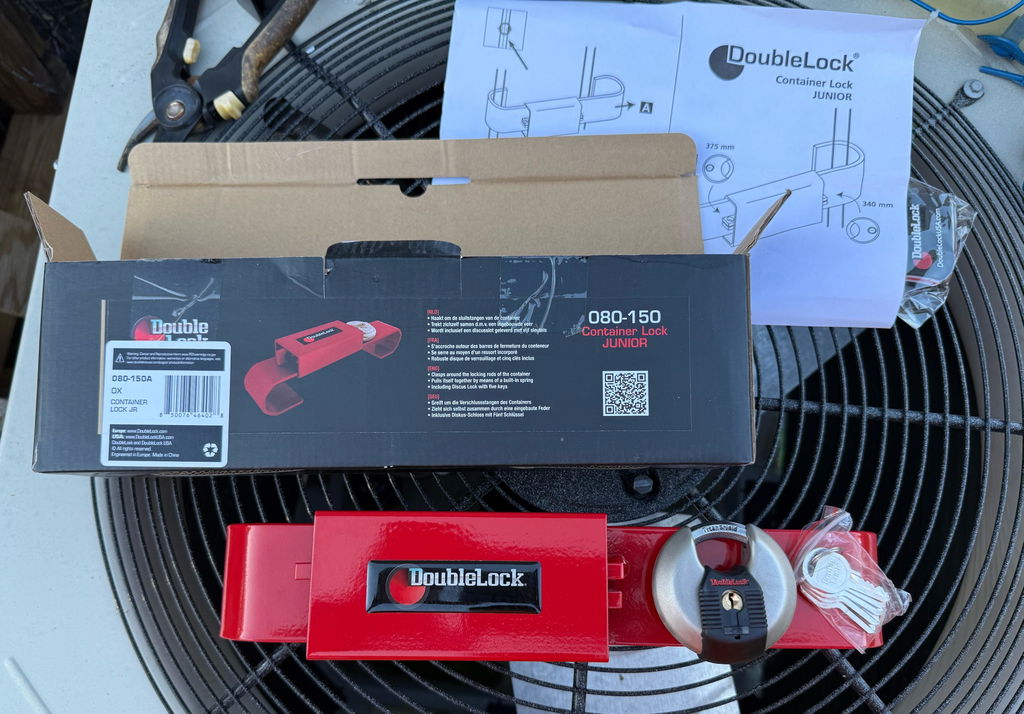
The OX Container Security Device Jr. Bundle is the mid-tier option for buyers who want a lighter container setup. It weighs 7 pounds, adjusts from 13.25 to 16 inches, and uses a spring-tension mechanism. The bundle includes a CRAB Discus Security Device and five precision-cut keys. DoubleLock rates it Heavy and lists applications that include shipping containers, storage units, trailers, jobsite fencing, and mobile offices.
OX can be a practical choice when the measured door span fits its narrower range and the team values easier transport between storage points. It is not a substitute for measuring. A lighter body does not correct an incompatible door span. And the included Discus hardware does not remove the need to understand where the container's securing point is exposed.
Compare freight and trucking security hardware for container, cargo, and fleet applications before you finalize the order.
Plan key management before the order arrives
A container security plan fails quickly when the right people cannot access the key or when an old key stays in circulation after a role changes. Decide who needs access, how many operating locations need keys, and where spare keys will live. Record the product, assigned container, key count, and responsible manager in the same asset register.
BULL includes five dual-chamber laser-cut keys, RHINO includes five precision laser-cut keys, and OX includes five precision-cut keys. Those included quantities may cover a small team, but a larger fleet needs a formal key process. Keep an approved spare in a controlled location, avoid leaving a key inside the container, and remove access when a worker or contractor no longer needs it.
Consider keyed-alike requirements for fleets
Fleet operators and rental companies may prefer a keyed-alike setup so authorized staff can use one key system across multiple units. DoubleLock lists a BULL Key Alike variant with the same BULL specifications for organizations that need this arrangement. Treat keyed-alike planning as an ordering requirement, not as a later add-on. Ask about the available configuration and ordering process before submitting a bulk request.
For a single container, standard keys may be the simplest path. For multiple containers across yards, standardize the naming convention, assign each device to an asset, and set a replacement process before deployment. If your operation needs volume purchasing or a coordinated security package, review the DoubleLock wholesale collection and use the approved inquiry path.
Check installation and daily handling requirements
Installation should be simple enough that staff can repeat it correctly. Before ordering, identify where the device will rest when the doors are closed. Whether one person can position it safely, and how the team will confirm that it is fully engaged. A product that requires awkward lifting or an unclear closing sequence invites inconsistent use.
BULL's published specifications identify quick installation with no special tools. That matters for mobile security teams and operators who move a device between containers. OX uses a spring-tension mechanism and includes a separate CRAB Discus device, so plan the closing sequence around both pieces of hardware. RHINO's broader range may help with fit, but the crew still needs a repeatable placement and key-control routine.
Use a short closeout checklist
- Close both container doors fully.
- Confirm the door bars sit in their normal secured position.
- Place the device squarely across the intended securing points.
- Check that the body does not contact a hinge or interfere with a bar.
- Secure the mechanism and test it with the authorized key.
- Store the key under the assigned access procedure, not on the container.
Train the team on the actual device selected. Do not assume that a BULL, RHINO, and OX installation feels identical simply because each is designed for container security.
Account for weather and maintenance
Outdoor containers face rain, dust, temperature changes, and, in coastal or port settings, salty air. Weather exposure belongs in the purchase decision because corrosion or contamination can make a device harder to operate over time. Look for published weather and corrosion information, then include inspection in the container's normal maintenance schedule.
BULL is listed as corrosion-resistant and weather-resistant. RHINO is listed with a weather-resistant body. Those published attributes support their use in exposed commercial environments, but they do not make any device maintenance-free. Keep the mechanism clean, inspect for dirt or corrosion, and address stiffness before the container becomes inaccessible.
For OX, focus on fit, the spring-tension mechanism, the included Discus hardware, and the actual exposure at the storage location. Do not borrow weather claims from another model. If the container sits near saltwater or in a location with heavy contamination, ask which maintenance practices DoubleLock recommends for the exact model before ordering.
What should you verify on the product page?
Verify the exact model, security rating, adjustable clamping range, construction details, included keys, weather information, installation notes, and any keyed-alike availability. Save the product specification with your measurement and asset record. If one required detail is missing or unclear, ask before ordering rather than filling the gap with an assumption.
| Order check | What to confirm |
|---|---|
| Door configuration | The device can capture the closed door hardware without interfering with bars, hinges, or nearby fittings. |
| Clamping range | Your measured working span sits inside the published adjustable range. |
| Security tier | The rating and construction match the cargo value, exposure, and unattended time. |
| Keys | The included quantity works for the team, and keyed-alike service is available if required. |
| Installation | The crew can position, close, test, and store the device consistently. |
| Weather | The published weather or corrosion information fits the storage environment, with maintenance planned. |
| Order path | Single-unit, multi-unit, or wholesale purchasing matches the operation and delivery plan. |
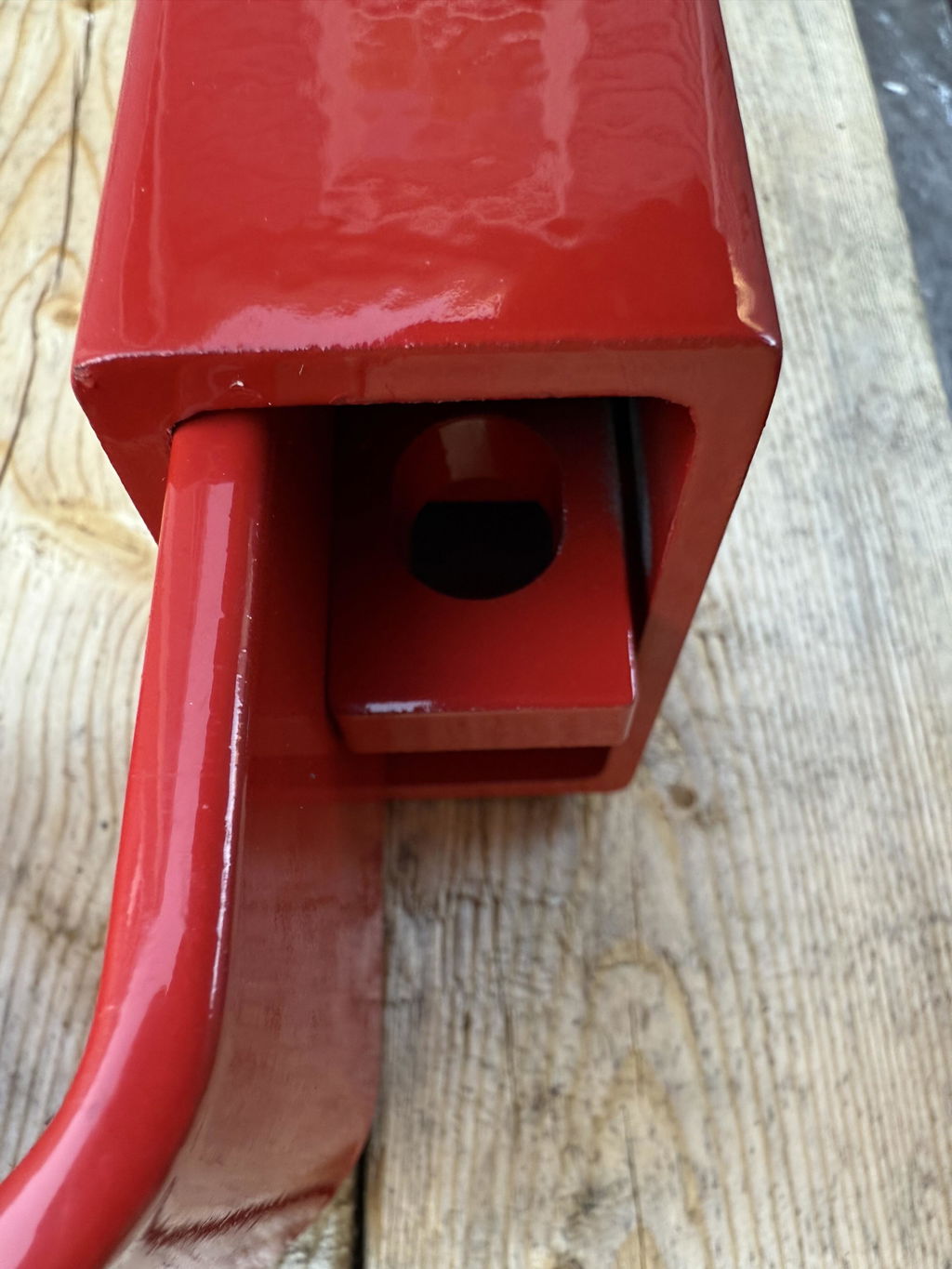
If your setup uses a separate shackle device inside a protected door housing, inspect the securing design as well as the container body. An edge-to-edge securing design gives the key mechanism a more complete engagement across the body and limits unnecessary exposed working room. Match the shackle clearance and body dimensions to the box before you order.
When should you ask for a fleet or wholesale quote?
A single container can follow a standard product path. A fleet, rental operation, or logistics network needs more planning. Ask about wholesale support when you need multiple devices, a consistent tier across sites, keyed-alike service, replacement planning, or a documented rollout. Give the supplier your measured ranges, container count, locations, security tier, and key-management requirements.
DoubleLock positions its direct ecommerce and wholesale channels for commercial buyers. A clear request helps the team recommend a configuration without guessing. You can also compare the commercial security collection when the container program includes related cargo or equipment hardware.
Request a wholesale path for multi-container purchasing when your operation needs coordinated hardware or keyed-alike planning.
Shipping container security device buying FAQs
What is the most important check before ordering?
Confirm that the measured distance between the container's securing points falls within the product's adjustable clamping range. Then check that the body sits squarely without interfering with bars, hinges, or other door hardware.
Is the heaviest container security device always the best choice?
No. Max-duty construction suits higher-risk exposure and high-value cargo, but the device still needs to fit the door and work for the people who install it. A correctly fitted mid-tier option can be the better operational choice when its range and included hardware match the use case.
How many keys should a container security plan include?
Start with the people who need access, the number of locations, and a controlled spare-key process. BULL, RHINO, and OX listings each specify five included keys. Fleets should plan key assignment and replacement before deployment, and ask about keyed-alike availability when one system must serve multiple containers.
Can a container security device remain outside in bad weather?
Review the exact model's published weather and corrosion information. BULL is listed as corrosion-resistant and weather-resistant, and RHINO is listed with a weather-resistant body. Every outdoor device still needs inspection, cleaning, and timely attention when operation becomes stiff.
Does a container security device make a unit impossible to break into?
No physical security device is undefeatable. A purpose-built container security device reduces exposed attack points and raises the time, effort, and noise required for forced entry. Use it with controlled keys, good lighting, site procedures, and regular inspections for a layered security plan.
For a broader overview of container hardware, visit the shipping container security device collection. For this purchase, keep the focus on the measurements and requirements you recorded before ordering. The right product is the one that fits the door, matches the exposure, and gives your team a security routine they will follow.