


Buy a fifth wheel anti-theft device by matching its physical coverage to the trailer’s parked state: a kingpin device protects the coupling point, while additional connection controls and a repeatable fleet routine address other access paths.
Ask DoubleLock about fifth-wheel security options
A fifth-wheel security plan should answer three questions: can an unauthorized tractor couple to the trailer, can someone interfere with its air connections, and will staff notice if its status changes? Start with a purpose-built kingpin device, confirm fit on the actual trailer, then add compatible connection controls where the parking environment and operating procedure justify them.
What does a fifth-wheel anti-theft device need to protect?
A sound buying decision starts with the theft opportunity, not a product label. Fifth-wheel theft can involve unauthorized coupling, movement of a parked trailer, or interference with the connection between tractor and trailer. A device must physically address the point you want to control and fit the coupling hardware without obstructing normal inspection or authorized dispatch.
First identify whether the trailer will sit uncoupled in a yard, remain attached to a tractor, or move between both states. An uncoupled trailer presents an exposed kingpin and coupling plate. A coupled unit has a different security context: the tractor already occupies the coupling, and dispatch staff need a clear way to inspect and release the equipment. A product that works in one state may not suit the other.
Next name the asset and the risk. A single owner-operator may need a visible physical barrier while a trailer sits overnight. A fleet may need a standard device, controlled keys, an assignment record and a check-in procedure across many trailers. A parked trailer near a staffed gate has different exposure from a unit left in an isolated staging area. These details shape what to buy and how many pieces of hardware are useful.
Fifth-wheel security devices are an established physical control in freight settings. A research paper on food distribution security notes that special devices designed for fifth-wheel security are available to prevent unauthorized movement and can be installed quickly. Treat that as support for considering a purpose-built device, not as a guarantee against every attack or a substitute for site controls. Read the food distribution security paper.
Which device should you buy for an uncoupled trailer?
For an uncoupled trailer, begin with a device designed to secure the kingpin against an unauthorized tractor connection. The device should engage the relevant coupling point, resist casual removal and remain visible during a walk-around. Confirm the trailer’s hardware and the product’s fit before ordering; do not assume every fifth-wheel assembly uses identical dimensions or clearances.
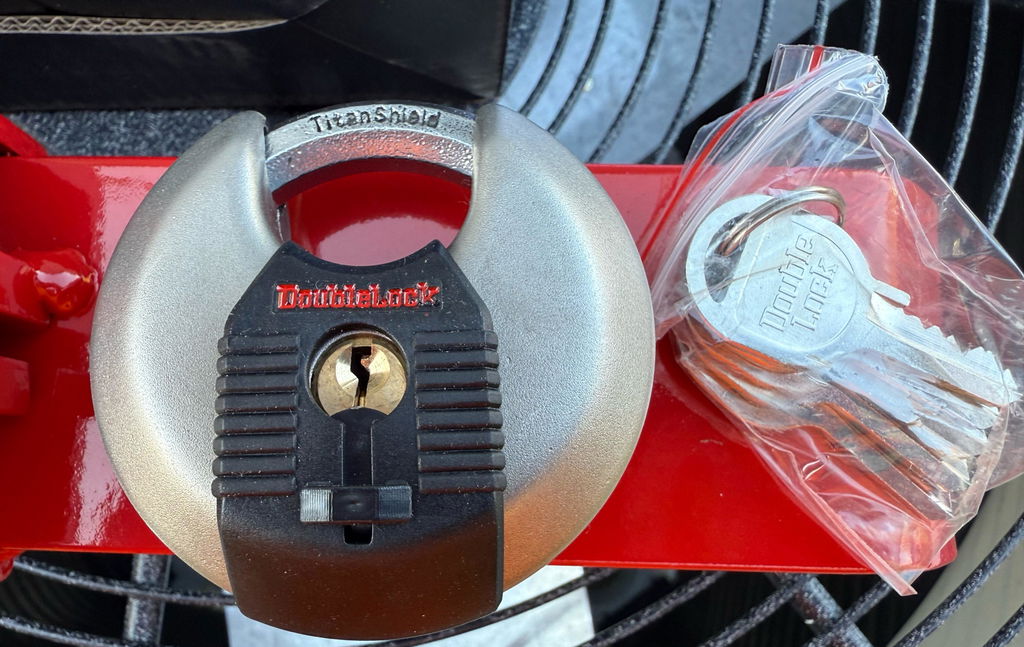
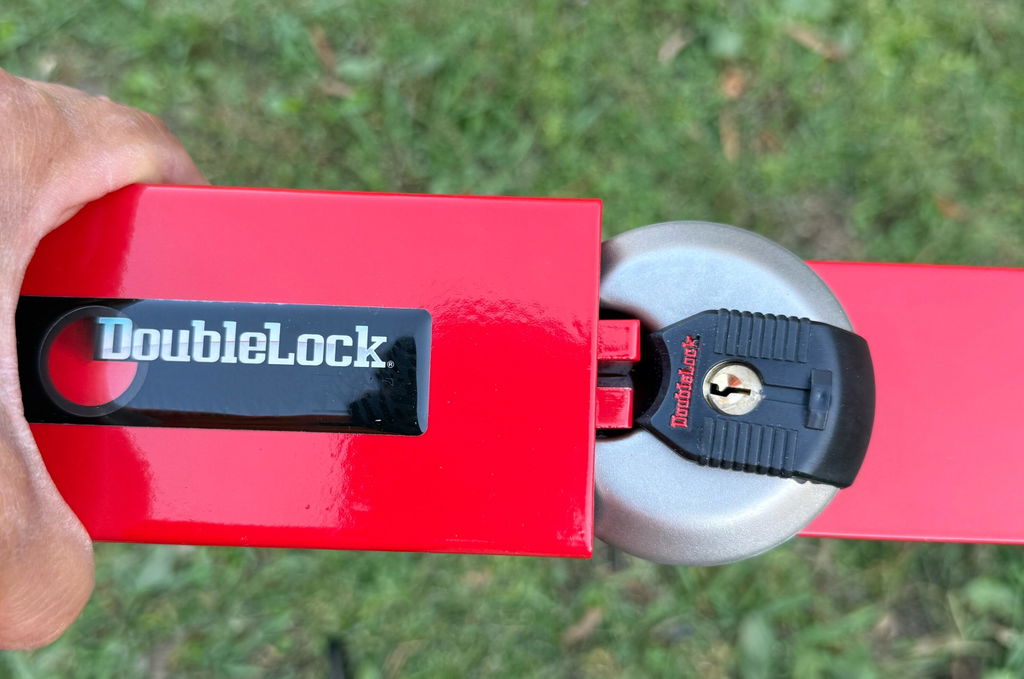
DoubleLock’s LION kingpin trailer device is a purpose-built option to evaluate for this role. Check its current product information against the trailer and the intended use before purchase. A product page and a careful fit check matter more than a broad claim that one device suits every trailer.
Inspect where the device sits, how the key or release works, and whether the operator can see that it is installed. A device that is awkward to fit may get skipped during a rushed handoff. Ask the person who will use it to demonstrate installation and removal on the intended trailer before standardizing it across a fleet.
Also account for authorized access. Decide who holds the keys, where spares are controlled, and how a driver requests release after hours. A fleet without a key process can create delays or tempt staff to leave equipment unprotected. If several operators share trailers, document the issue-and-return process alongside the equipment number.
Consider a practical overnight example before you settle on a setup. An owner-operator leaves an uncoupled trailer in a shared staging yard after the tractor departs. The kingpin device directly addresses unauthorized coupling, while the parking assignment and a recorded status check help the driver know whether the trailer remains where it was left. If an employee cannot identify which device belongs on that unit, the purchase has not yet become a usable routine.
Test the sequence with the actual equipment, not only a photograph or a general product description. Note whether the operator can reach the attachment point comfortably, where the device stays during dispatch, and how the driver confirms it has been removed before coupling. Record any trailer-specific clearance issue and resolve it with the supplier before buying several units.
When should an air-line device join the kingpin device?
An air-line control addresses a different part of the tractor-trailer connection than a kingpin device. Buyers may consider a compatible control for the trailer’s air connections when unauthorized access to those points is part of their risk assessment. It should supplement, not replace, a kingpin device on an uncoupled trailer: covering one point does not physically secure another.
Before buying, map the relevant air connections and ask the equipment maintainer to confirm the exact fitting and operating requirements. Check that an added device will not obstruct inspection, damage a connection, or interfere with authorized coupling and uncoupling. The article’s scope is a purchasing framework, not an installation instruction for a specific airline product; follow the product maker’s directions and your maintenance procedures.
Air-line controls are most useful when the trailer’s operating state and the device design match. A control intended for an uncoupled trailer may be unsuitable while the trailer is connected to a tractor. Write down when the control goes on, who removes it, and where it is stored during dispatch. Without a clear procedure, a second device can add complexity without adding consistent protection.
Do not buy an air-line product based only on a generic description. Confirm compatibility with the trailer and connections in question, how it is secured, what authorized users need to do, and whether it can stay with the asset without obstructing service. If you cannot verify fit and operating steps, pause the purchase and ask the supplier or a qualified fleet technician for clarification.
How do connection guards fit into a layered plan?
A connection guard or coupling-area barrier aims to limit access around a fifth-wheel connection, but product designs and intended uses vary. Ask the seller to identify the exact component the device covers and the trailer state it supports. Do not treat a general-purpose cover as equivalent to a device that engages the kingpin or another defined attachment point.
For an uncoupled trailer, use a kingpin device as the core physical control. Add a guard only when it provides a distinct, compatible layer and the crew can fit it reliably. For a coupled vehicle, review the tractor, trailer and yard procedures together. A guard that blocks a required inspection or delays an authorized driver may undermine routine compliance, even if its physical coverage looks substantial.
Think in terms of access points and operating states rather than stacking products. List the components exposed when the trailer is parked, identify which one each device covers, and note what remains outside the device’s scope. A simple diagram or trailer-specific checklist helps purchasing staff avoid buying multiple products that address the same point while leaving another exposure unmanaged.
A physical barrier is a deterrent and risk reducer, not an undefeatable guarantee. Pair it with controlled yard access, lighting where appropriate, clear parking assignments and regular status checks. Those measures support the device, but they do not change what the device physically secures.
How can buyers compare fifth-wheel device options?
Compare each option by coverage, fit, operating state, key management and ease of routine use. Do not rank products by weight or appearance alone. A heavier device is not automatically the right one if it does not fit the coupling, cannot be applied consistently, or leaves the intended access point open.
| Option | Primary coverage | Best fit in a buying plan | Checks before purchase |
|---|---|---|---|
| Kingpin device | Kingpin and fifth-wheel coupling point on an uncoupled trailer | Core physical control when a trailer is parked separately from its tractor | Confirm dimensions, clearance, installation steps, key control and intended trailer fit |
| Air-line control | Specified trailer air connection or connections | Additional layer when the trailer’s parked state and connection design make it appropriate | Verify exact fitting, maintenance access, authorized operating steps and compatibility |
| Connection guard | Area or component stated by the product maker | Supplemental coverage when it addresses a distinct exposure without blocking service | Ask what it covers, how it attaches, and whether it works while coupled or uncoupled |
| Operating procedure | Key custody, device status, parking assignment and inspection record | Every owner-operator or fleet using physical devices | Assign a responsible person, record application and removal, and define escalation steps |
Use this comparison as a shortlist, not a universal product ranking. Device availability and fit depend on the equipment and the seller’s specifications. If a product page does not clearly describe its intended attachment point, operating state and fit requirements, ask before purchasing. Review DoubleLock’s truck and trailer security collection to compare its applicable freight and trailer options.
Compare truck and trailer security options
What should a fleet buy for several trailers?
A fleet should standardize a practical kit by trailer type and parking state, rather than order a single device for every asset without checking fit. Begin with an inventory: trailer identifier, coupling configuration, normal parking state, exposure, assigned yard and the person responsible for securing it. Group only trailers with verified compatible hardware and operating needs.
Then define a minimum kit. For uncoupled trailers, specify a kingpin device that fits the group. Add an air-line control or connection guard only where its coverage and compatibility are documented. Keep a small exception list for trailers that differ. This approach gives purchasing a repeatable order and gives drivers a clear answer about which equipment belongs on which unit.
Key management deserves equal attention. Decide whether devices will use individually controlled keys or a shared arrangement, who can authorize a spare, and how to handle a lost key or damaged device. Keyed-alike hardware may simplify some fleet processes, but buyers should confirm availability and suitability for the exact product rather than assume a configuration is offered. Track key custody without putting identifying labels that expose the equipment or yard.
Make the check part of a handoff. The departing driver records device status, and the next responsible person confirms the trailer assignment and device condition. A dispatcher should know whether the unit is secured, where it is parked and who can release it. When a trailer changes yards or operating state, the record should change too.
For example, a fleet with trailers parked both at a terminal and at customer yards can create a simple assignment matrix. Record each unit’s usual state, approved device combination, key custodian and last status check. If one trailer is routinely left coupled while another sits uncoupled, do not issue identical directions without confirming that each device supports that state. A dispatcher can use the matrix during a shift change to flag missing status records before the next driver arrives.
Commercial buyers can review DoubleLock’s freight and logistics security collection, and use the request for quote page to discuss a multi-unit purchase. A buyer evaluating broader purchasing needs can also review the wholesale options. Confirm product fit, quantities and configuration directly before placing an order.
Shop truck and trailer security devices
What installation and operating checks belong in the decision?
Choose a device your team can apply and verify correctly. A Pennsylvania driving examination regulation describes setting trailer brakes and backing under until the kingpin engages the fifth wheel as part of a coupling examination. That is a reminder to keep coupling and release procedures clear; it does not certify a theft-prevention product or replace the applicable manufacturer and fleet procedures. See the Pennsylvania coupling examination language.
Before adopting a device, have an authorized operator test the normal sequence on the relevant equipment, following product instructions. Confirm the device does not interfere with required inspection or maintenance. Record the correct installation and removal steps, and make the responsible role clear. If the equipment, coupling or device design changes, review the procedure instead of assuming the old instructions still apply.
Build a short pre-departure check that confirms the right device has been removed, the coupling is correctly engaged, and the trailer connections are ready for service. After parking, use the reverse logic: confirm the unit is in its intended location, the selected device is installed, and its key or release remains under authorized control. This sequence protects operations from both unauthorized movement and preventable dispatch mistakes.
Inspect devices periodically for damage, missing parts or operation that has become difficult. Remove a damaged unit from service until the responsible person determines whether repair or replacement is appropriate. Keep maintenance records with the trailer or fleet asset record. Never force a device into place or improvise a fit where the manufacturer has not confirmed compatibility.
Set clear responsibilities for each checkpoint. The driver who parks the trailer should record its location and device status; the dispatcher or yard lead should know where that record lives and who can approve a release. For a shift change, include the trailer identifier, current operating state, device applied or removed, key handoff and any issue requiring inspection. A short, consistent record gives the next operator useful facts without asking them to infer status from an incomplete note.
What mistakes make a fifth-wheel security purchase weaker?
The first mistake is buying by name alone. A listing that uses “fifth wheel” may describe different equipment or an application unlike yours. Verify the exact attachment point and trailer state. Ask the supplier to confirm fit using the equipment details, and keep that confirmation with the purchase record.
The second mistake is treating a device as complete security. A kingpin device covers its intended point; it does not control yard access, guard other trailer connections or guarantee recovery. Match products to identified exposures and combine them with a realistic parking and inspection routine.
The third mistake is designing for purchase day instead of every shift. If a driver cannot find the device, access a controlled key, or complete the process within a normal handoff, staff may skip it. Keep the device stored with the assigned asset, train operators on the procedure and check compliance without making the routine cumbersome.
The fourth mistake is confusing security layers. Adding a guard that covers the same point may contribute less than confirming fit, assigning responsibility or improving status checks. Map which device addresses which exposure. Replace vague “more is better” purchasing with clear coverage and documented use.
Finally, do not promise that any physical device makes a trailer theft-proof. Explain what the product secures, what it leaves exposed and how users must operate it. Honest boundaries help buyers choose the right combination and keep dispatch teams from relying on a single barrier as the entire plan.
How should you choose a fifth-wheel security setup?
For an uncoupled trailer, select and fit a purpose-built kingpin device first. Add an air-line control or a connection guard only after confirming its coverage, compatibility and operating procedure. Fleets should standardize by trailer configuration, control keys, document handoffs and inspect device condition. A layered plan reduces opportunity, but no single device eliminates risk.
- Record each trailer’s coupling setup and whether it is normally parked coupled or uncoupled.
- Choose a kingpin device for compatible uncoupled trailers and verify fit before standardizing.
- Assess whether an additional connection control covers a separate, relevant exposure.
- Assign keys, device storage, installation, removal and status-record responsibilities.
- Test the procedure with authorized operators and review it when equipment or operations change.
For fleet or equipment questions, contact DoubleLock USA. For product handling references, consult the available product instructions and confirm the selected device suits the exact application.
Fifth-wheel anti-theft device FAQs
Does a kingpin device replace every other trailer security measure?
No. It addresses the kingpin and coupling point for its intended application. It does not control yard access, secure every connection or guarantee that theft cannot occur. Pair the device with an operating routine and any compatible controls justified by the trailer’s parking state and exposure.
Can one device stay on a trailer while it is coupled?
That depends on the device’s design and intended operating state. Check the manufacturer’s directions and the trailer’s procedure before use. Do not assume a device intended for an uncoupled trailer can remain installed during coupling or road operation.
Should a fleet use the same device on every trailer?
Only after confirming that the trailers share compatible coupling hardware, clearance and operating needs. Group verified matches, document exceptions and standardize the procedure for each group. A fleet-wide label is not a substitute for checking equipment fit.
Are air-line controls an alternative to a kingpin device?
They address different components. An air-line control may add a layer where its design fits the trailer’s connections and parked state, but it does not physically cover the kingpin. Confirm compatibility and use it as a distinct addition, not an assumed substitute.
A fifth-wheel security purchase works best when the device, trailer fit and daily handoff procedure all match the real operation.