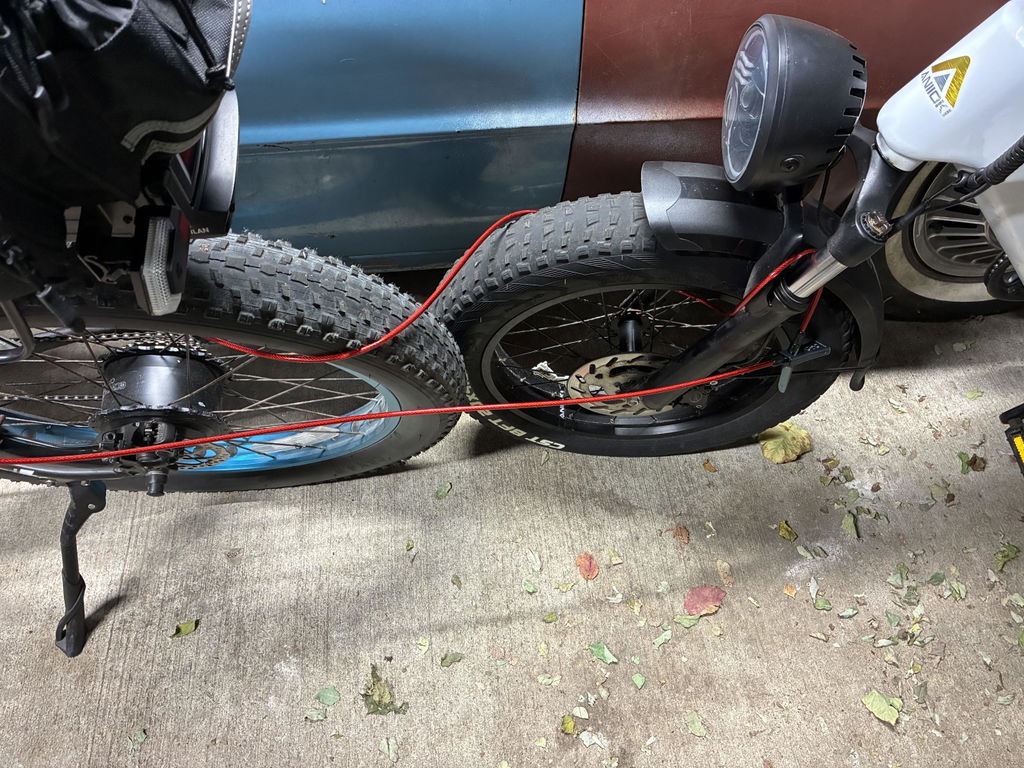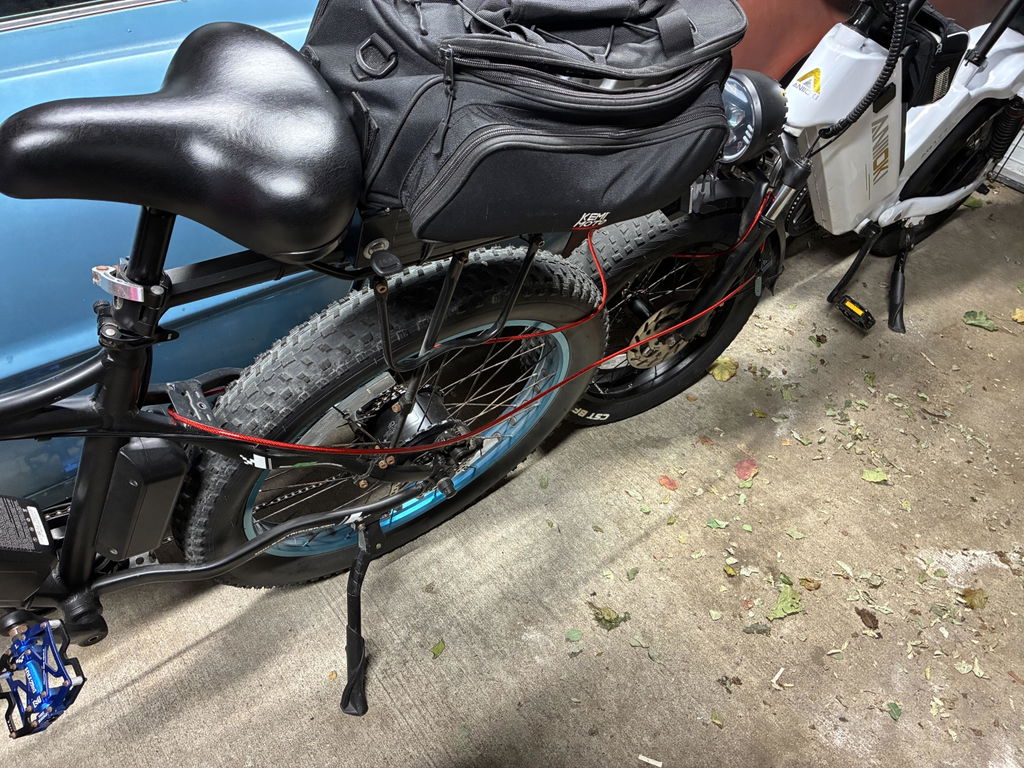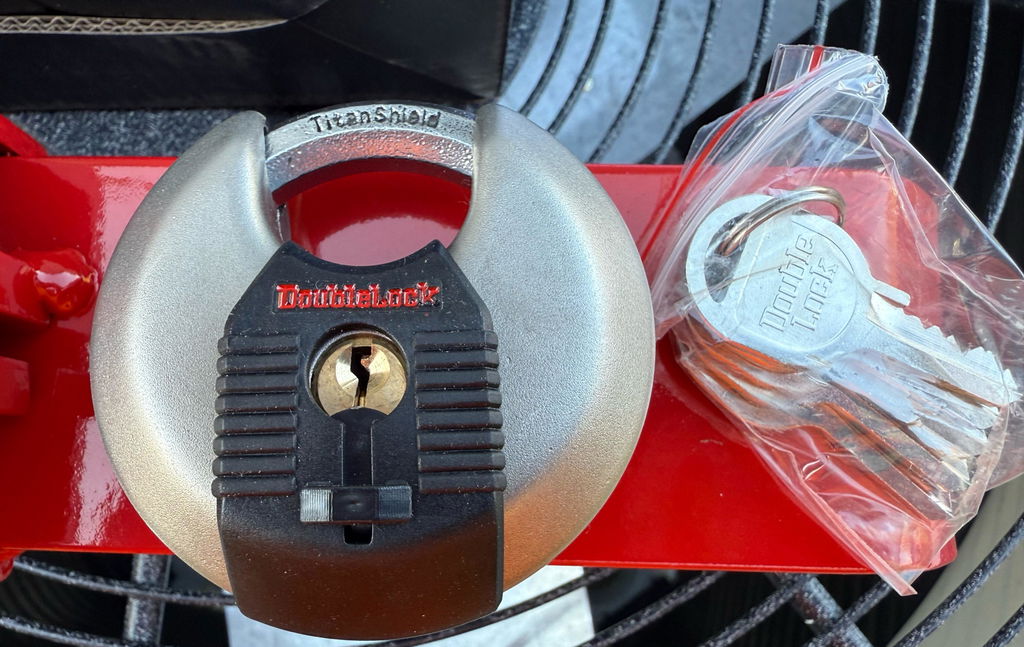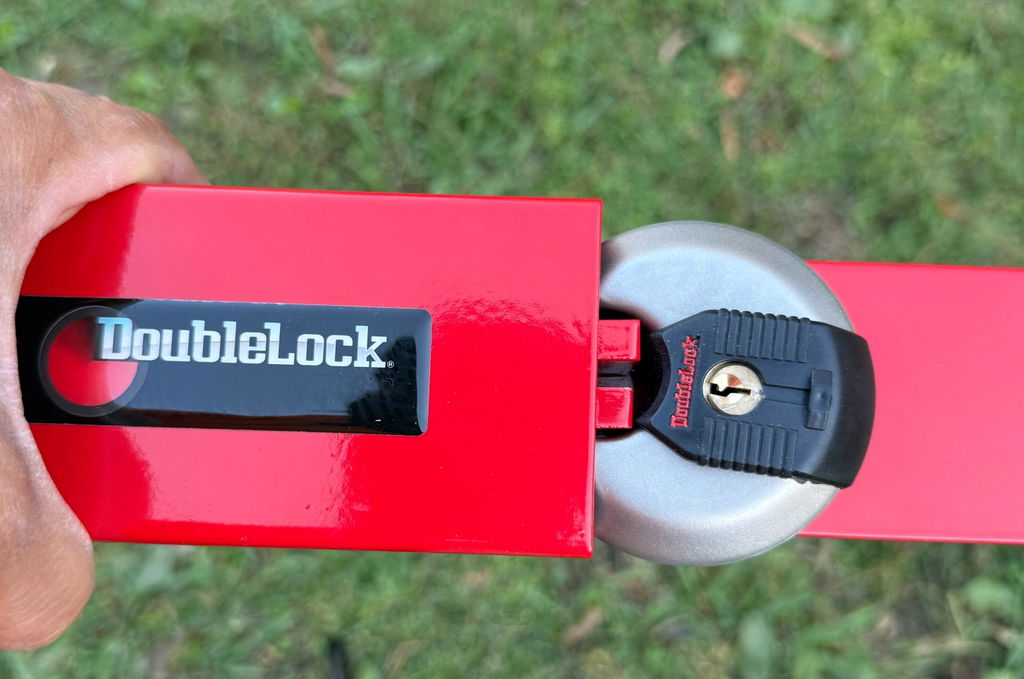

A common mistake when securing property is focusing on just one part of the system. But your security is only as strong as its weakest link. You might buy the toughest cable you can find, but if you pair it with a flimsy, low-quality lock, you’ve created an easy target for thieves. True security comes from a balanced system where every component is strong. The foundation is often a high-quality braided steel cable with looped ends, providing the strength and flexibility to protect your items. Here, we'll show you how to select the right cable and pair it with the right lock for a complete and reliable solution.
Key Takeaways
- Your Security is a System: A braided steel cable is only as effective as the lock it's paired with. Always match a high-quality cable with an equally robust padlock, like a solid or laminated steel model, to avoid creating a weak point.
- Look for Signs of Quality: When choosing a cable, focus on key features that indicate durability. This includes a thickness of at least 3/8 inch, a protective vinyl coating for weather resistance, and securely crimped loop ends that can withstand force.
- Proper Use Prevents Failure: To get the most from your cable, select the correct length to minimize slack, always secure both looped ends with your lock, and regularly inspect it for damage like rust or fraying to ensure it remains reliable.
What Is a Braided Steel Cable?
When you need a flexible and reliable way to secure your property, a braided steel cable is an excellent choice. Unlike a rigid bar or a simple chain, these cables are made from multiple strands of high-strength steel wire twisted together. This construction gives them a unique combination of toughness and adaptability, making them perfect for wrapping around equipment, bikes, or gates. Understanding how they are made and what makes them different from other options will help you choose the right cable for your security needs.
A Brief History of Wire Rope
The braided steel cable we rely on has its roots in a surprising place: 19th-century German mines. The story starts in the 1830s with an engineer named Wilhelm Albert, who needed a better solution than the unreliable hemp ropes and metal chains of the era. His idea was to twist multiple strands of wire together, creating a far more durable and flexible material. This innovation, known as wire rope, was later perfected and used by John A. Roebling to build massive suspension bridges in America, showcasing its immense strength. That foundational principle of combining strands for superior toughness and adaptability is the same reason these cables are trusted for securing valuable equipment and property today.
How Are Braided Steel Cables Made?
The process of creating a braided steel cable is all about building strength through unity. Manufacturers start with individual strands of steel wire and then twist or braid them together into a single, cohesive rope. This intricate pattern isn't just for looks; it allows the cable to distribute stress evenly across all the strands. This method significantly increases the cable's resistance to snapping under tension. The specific braiding technique can vary, resulting in cables with different levels of flexibility and strength, each designed for particular uses, from lifting heavy objects to securing your most valuable gear.
Understanding Construction Codes (e.g., 7x19)
When you look at specifications for steel cables, you might see codes like "7x19." This isn't just technical jargon; it's a shorthand way of describing the cable's construction. The first number tells you how many strands are in the cable, and the second tells you how many individual wires make up each of those strands. So, a 7x19 cable has seven strands, with each strand composed of 19 smaller wires. This specific braiding technique creates a cable that is both strong and highly flexible, making it ideal for security applications where you need to wrap it around various objects. Different codes indicate different properties; a cable with fewer, thicker wires might be more abrasion-resistant but less flexible.
The Role of the Core: Fiber vs. Steel
At the very center of a braided steel cable is its core, which plays a crucial role in its performance. The core can be made from different materials, most commonly fiber or steel. A fiber core provides greater flexibility, making the cable easier to handle and bend. However, for serious security, a steel core is often the superior choice. An Independent Wire Rope Core (IWRC), where the core is a smaller steel cable itself, offers the most strength and resistance to crushing. This added durability is vital when you’re protecting valuable equipment on a construction site or securing marine gear, as it makes the cable much harder to compromise under force.
How Lay Direction Affects Performance
Another important detail in a cable's construction is its "lay," which refers to the direction the wires and strands are twisted. The two most common types are Ordinary Lay and Lang Lay. In an Ordinary Lay, the wires twist in the opposite direction of the strands, creating a stable cable that resists unraveling. In a Lang Lay, the wires and strands twist in the same direction. According to experts on wire rope, this design increases flexibility and fatigue resistance. While you might not always see the lay type specified on consumer products, it’s an integral part of the engineering that makes a high-quality cable both durable and easy to work with for your security needs.
Braided vs. Solid Steel: What's the Difference?
The key difference between braided and solid steel cables lies in their flexibility. A braided cable can be easily looped, bent, and wrapped around objects without compromising its integrity. Solid steel, on the other hand, is rigid and prone to kinking or breaking if bent too sharply. The braided construction also gives these cables a superior strength-to-weight ratio. This means you get incredible durability without the bulk, making the cable easier to carry, position, and store. For most security applications where you need to adapt to different shapes and sizes, a braided cable is the more practical and versatile option.
Why Looped Ends Make a Difference
The loops at the end of a braided steel cable are a simple feature that makes a world of difference. These pre-formed loops create a clean, strong, and reliable point for you to attach a padlock. This design makes securing your items much faster and easier than fumbling with raw cable ends. More importantly, professionally created loops help distribute the load from the lock evenly, preventing stress from concentrating on one spot. These secure end terminations are typically formed using high-pressure methods, ensuring the loop is just as strong as the cable itself and won't pull apart under force.
How to Choose the Right Steel Cable
Choosing the right braided steel cable might seem straightforward, but a few key details separate a reliable security tool from a weak link. The goal is to find a cable that not only fits your specific needs but also provides a formidable barrier against theft. When you’re comparing options, it’s easy to get overwhelmed by different lengths, thicknesses, and features. Thinking through your choice beforehand will help you invest in a cable that gives you confidence and lasts for years.
To make the right decision, you need to look beyond the price tag and consider the construction and materials. A high-quality cable is a balance of strength, flexibility, and durability. It should be tough enough to deter potential thieves yet flexible enough to easily wrap around your equipment and anchor points. From the diameter of the steel to the coating that protects it, every component plays a role in its overall performance. Let’s walk through the five most important features to check before you make a purchase.
Does Cable Diameter Affect Strength?
The first thing to consider is the cable's diameter, as this directly relates to its strength and cut resistance. A thicker cable is simply harder to cut. For a solid mix of security and flexibility, look for a cable made from braided steel with a thickness of at least 3/8 inch (10 mm). The braided construction prevents the cable from easily fraying and provides more resistance than a single, solid wire. This design offers the toughness you need without making the cable too stiff to handle, allowing you to easily loop it through bike frames, equipment handles, and other valuable items.
How to Pick the Perfect Cable Length
A cable that’s too short is unusable, while one that’s too long can be a hassle to carry and store. Before you buy, take a moment to think about what you’ll be securing. Will you be locking a single bike to a rack, or do you need to secure multiple pieces of equipment on a job site? Measure the distance and add a little extra for maneuverability. Some suppliers even let you select any length you need, giving you a perfect fit. A cable with just the right amount of length is easier to use and leaves less slack, which can make it more difficult for a thief to get leverage with cutting tools.
Does Your Cable Need a Protective Coating?
Most high-quality steel cables come with a protective vinyl coating, and for good reason. This coating serves two important purposes. First, it prevents the steel from scratching the paint on your bike, boat, or tools. Second, it provides crucial weather resistance. The vinyl jacket shields the inner steel cable from moisture, which helps prevent rust and corrosion over time. This is especially important if you plan to use the cable outdoors in rain, snow, or salty marine environments. A durable coating extends the life of your cable and keeps it functioning smoothly.
Galvanized Steel for Rust Resistance
Beyond the vinyl jacket, the type of steel itself plays a huge role in your cable's longevity. Galvanized steel is a popular and practical choice for most outdoor security needs. This type of cable is coated with a layer of zinc, which acts as a barrier against moisture and oxygen, the two main culprits behind rust. While it may not have the complete corrosion immunity of stainless steel, galvanization offers a significant level of protection, making it a reliable and affordable option for securing equipment on a construction site or furniture on a patio. Think of it as the dependable workhorse for everyday weather resistance.
Stainless Steel for Marine Environments
If you need to secure items in a place where rust is a serious concern, such as near saltwater or in regions with high humidity, upgrading to stainless steel is a smart move. Stainless steel is an alloy containing chromium, which gives it superior resistance to rust and corrosion. This makes it the best choice for marine applications, like securing a boat, jet ski, or equipment on a dock. While it typically comes at a higher price point, the investment pays off in the long run. You get peace of mind knowing your cable won't weaken over time due to environmental exposure, ensuring your valuable assets remain protected.
Bright Steel for Indoor Use
On the other end of the spectrum is bright, or uncoated, steel. As the name suggests, this type of cable has no protective coating against the elements. Because it is essentially bare steel, it is highly susceptible to rust if it comes into contact with any moisture. For this reason, you should only use bright steel in dry, indoor environments where you can be certain it will not get wet. It can be a cost-effective solution for securing items in a garage, workshop, or storage unit, but it is not suitable for any outdoor application. Choosing the right material for the environment is key to a reliable security setup.
What Makes a Secure Loop End?
The looped ends of a cable are where the security comes together, so their design is critical. Well-made loops allow you to easily thread the cable back through itself or attach it to a variety of padlocks. This versatility is key, as it lets you adapt to different locking situations. When inspecting a cable, pay attention to how the loops are formed. They should be tightly crimped and sealed, creating a secure connection that won’t pull apart under force. A weak or poorly constructed loop can be a failure point, undermining the strength of the entire cable.
Using Thimbles for Added Protection
When you inspect a high-quality cable, you might notice a metal insert lining the inside of the loop. This small but mighty component is called a thimble. Its job is to protect the cable from itself. When you attach a securing device or run the cable through an anchor point, the thimble maintains the loop’s natural shape and prevents the steel strands from pinching, fraying, or wearing down under a heavy load. Think of it as a shield for the cable’s most vulnerable point. Without a thimble, the direct pressure and friction on the loop can cause premature wear and weaken the cable over time. It’s a detail that signals a well-made product designed for long-term reliability.
Creating Loops with Wire Rope Clips
If you're working with a raw length of cable, you can form your own loops using wire rope clips. These consist of a U-shaped bolt and a saddle that clamp the end of the cable back onto itself. When using them, remember the classic rigger’s motto: “never saddle a dead horse.” This means the saddle part of the clip must always be placed on the live, or load-bearing, side of the wire rope. The U-bolt goes on the “dead” end, which is the shorter tail piece. Applying the clips incorrectly can severely reduce the cable's strength. While useful, these clips require regular inspection to ensure they remain tight, making them better for temporary or low-consequence applications.
Permanent Endings: Poured Sockets
For the absolute strongest and most permanent end termination, industries often turn to poured sockets, also known as potted ends. In this process, the individual wires at the end of the cable are unraveled and spread apart inside a cone-shaped metal fitting. Molten zinc or a specialized epoxy resin is then poured into the fitting, permanently bonding the wires into a single, solid anchor. This method creates a termination that is as strong as the cable itself and is the gold standard in heavy lifting and structural applications. While most security cables use crimped loops for flexibility and convenience, understanding poured sockets highlights the engineering required to create a truly secure and reliable end point.
What Do Load Ratings Actually Mean?
While security cables are primarily designed for cut resistance rather than lifting, understanding their general strength is still important. The term "load rating" refers to how much force a cable can handle. For security purposes, think of this as its overall toughness. You’ll want to match the cable’s strength to the value of the items you’re protecting. A lightweight cable might be fine for a patio chair, but you’ll need a much more robust option for expensive construction equipment or a high-end grill. Always choose a cable that feels substantial and appropriate for the task at hand.
Understanding Breaking Strength
While load ratings are often associated with lifting, for security purposes, the "breaking strength" is a more practical measure of a cable's toughness. This figure tells you how much force is required to pull the cable apart. A higher breaking strength indicates a more robust cable that can better withstand pulling, prying, and other brute-force attacks. The cable's construction is a major factor here. A braided steel construction, for example, is inherently strong because the interwoven strands distribute force, making it much more difficult to snap than a single wire. When you're protecting valuable equipment, look for a cable with a substantial breaking strength to ensure it won't be the weak point in your security setup.
The Importance of Industry Quality Standards
When you're comparing different cables, look for any mention of industry quality standards. These specifications, such as those from ASTM International or Federal Specifications, are a reliable indicator of quality and performance. Cables that meet important industry standards have been manufactured and tested to perform consistently under specific conditions. This means you can trust that the cable’s advertised diameter, strength, and material composition are accurate. Choosing a cable that adheres to recognized standards gives you an extra layer of confidence that you are investing in a product built for safety and durability, not one that was cheaply made and might fail when you need it most.
Specialized Cable Types
While a standard braided steel cable is a versatile tool for general security, certain jobs in construction, marine, or industrial settings call for more specialized equipment. The way a cable is constructed—meaning the number of strands and the way they are wound—can give it unique properties. Some designs prioritize extreme flexibility, while others are engineered for maximum abrasion resistance. Understanding these differences can be important when your security needs go beyond simply fastening down a generator. For highly demanding applications, especially those involving dynamic loads or harsh environments, choosing a cable with a specialized design ensures both safety and reliability.
Spin-Resistant Ropes
In some industrial or marine situations, particularly when lifting or suspending heavy items, a standard cable can twist or spin under load. To counter this, manufacturers produce spin-resistant ropes. These cables are specially constructed with multiple layers of strands wrapped in opposite directions. This internal balancing act neutralizes the rotational force, keeping the load stable. You’ll see these types of cables used in hoisting applications where a spinning load would be dangerous or unmanageable. While not typically necessary for basic security, knowing that cables can be designed not to twist is useful if your work involves more complex rigging or material handling.
Practical Uses for Your Braided Steel Cable
When you need security that’s both strong and flexible, a braided steel cable is one of the most useful tools you can have. Unlike a rigid lock that only fits specific applications, a cable can weave through frames, handles, and anchor points, making it an essential item for protecting valuable gear. From your backyard to a busy construction site, a steel cable offers an adaptable security solution. Let's look at some of the most common ways to put one to work.
How to Secure Bikes and Outdoor Gear
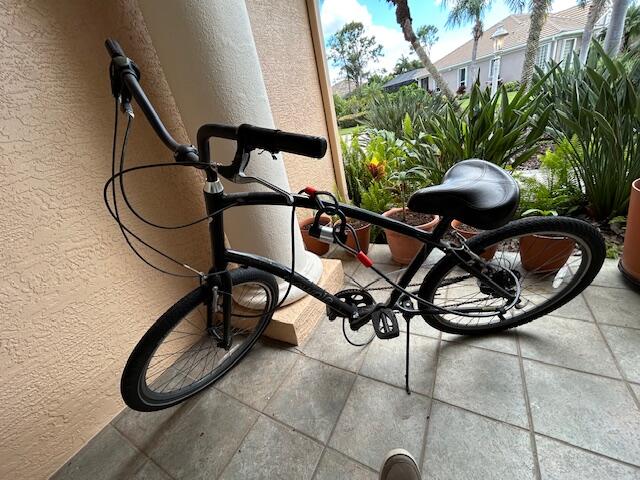
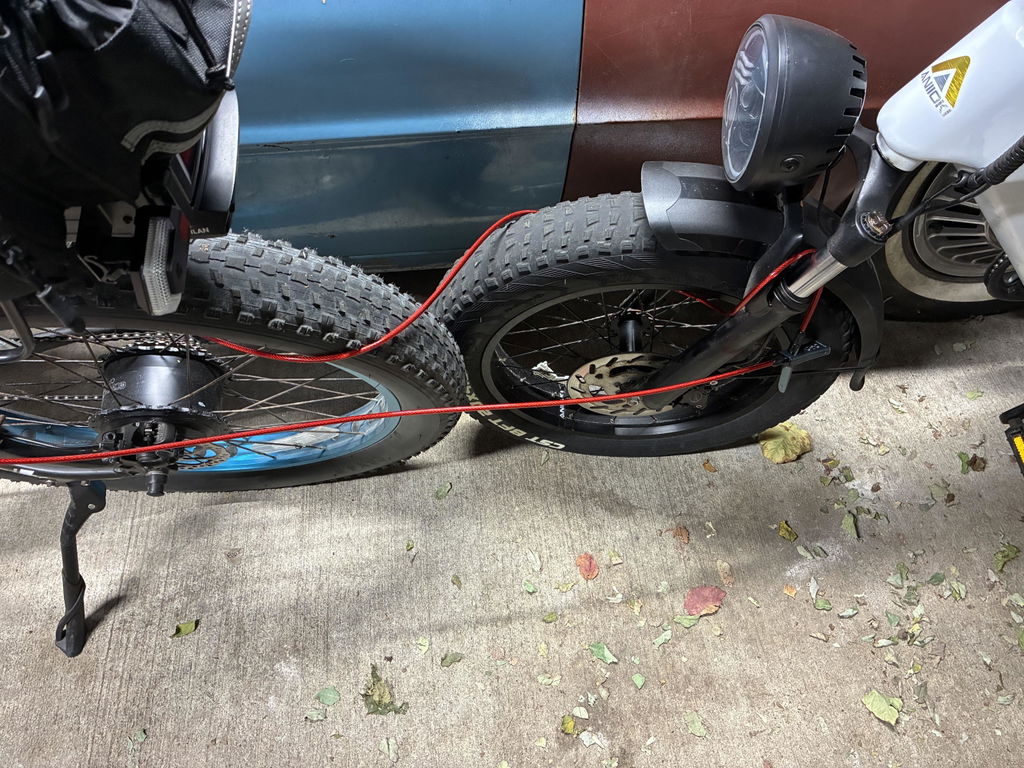
One of the most familiar uses for a braided steel cable is securing a bicycle. Its flexibility allows you to loop it through the frame, both wheels, and around a fixed object like a bike rack or a sturdy post. This method offers far more protection than a lock that only secures the frame to a rack. Beyond bikes, these cables are perfect for protecting other outdoor equipment. You can use them to lock down grills, patio furniture, kayaks, and camping gear, giving you extra peace of mind whether you're at a campsite or in your own backyard.
Keeping Your Job Site Equipment Safe
On a busy job site, tools and equipment are common targets for theft. A braided steel cable is an indispensable security tool for securing high-value items. You can run a long cable through the handles of multiple tool chests, job boxes, or even larger equipment like generators and compressors, then anchor them all to a permanent structure. This strategy secures multiple items at once and makes it difficult for a thief to quickly grab any single piece. For contractors and site managers, this simple measure helps protect your investment and prevent costly project delays. You can find robust security solutions for your business by exploring our wholesale options.
Using Steel Cables for Marine and Boating
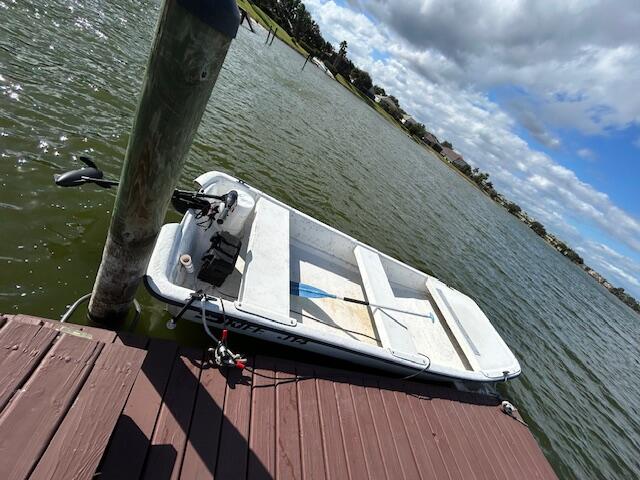
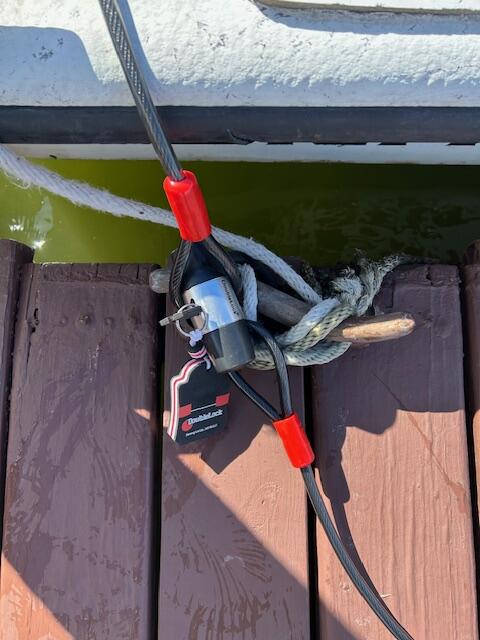
The marine environment is tough on hardware, but a high-quality, vinyl-coated braided steel cable is built to handle it. Boaters use them for everything from securing a vessel to the dock to locking down gear on deck, like coolers, fuel tanks, and fishing equipment. The protective vinyl coating prevents the steel from rusting while also protecting your boat’s finish from scratches. This focus on durability in harsh conditions is a core part of our company’s heritage. Whether you're creating a simple barrier or securing a toolbox, a steel cable is a reliable piece of equipment for any boat owner.
How to Secure Gates, Fences, and Sheds
For homeowners, a braided steel cable offers a versatile way to add another layer of security to your property. It’s an excellent solution for securing gates that don’t align perfectly for a standard latch or for reinforcing a shed door. You can loop the cable through the gate and fence post or around the handles of your shed doors and secure it with a padlock. This is also a great way to lock down items stored outside, like ladders, lawnmowers, or wheelbarrows. It’s an adaptable tool that helps you protect your property and the valuable items on it. You can find our full range of locks to pair with your cable online.
Beyond Security: Other Common Uses
While we've focused on how braided steel cables provide excellent security, their usefulness extends far beyond locking up your gear. The same properties that make them tough security tools—strength, flexibility, and durability—are valued in major industries around the world. From constructing skyscrapers to enabling flight, these cables are unsung heroes in engineering and mechanics. Understanding these other applications can give you a deeper appreciation for the technology you rely on to protect your property. The cable securing your generator might share its fundamental design with one holding up a bridge or lifting materials onto a high-rise building.
Lifting and Rigging
In the world of construction and logistics, braided steel cables are essential for lifting and rigging. Often called running ropes, they are the workhorses of cranes, elevators, and hoists. These cables are specifically designed to bend repeatedly over wheels and drums while carrying immense loads. Their braided construction is critical here, as it allows them to handle the constant stress of pulling and flexing without fatiguing or snapping. The next time you see a crane at a construction site, you'll notice the network of steel cables doing the heavy lifting, a testament to their incredible strength and resilience under pressure.
Structural Support
Braided steel cables also play a vital role as stationary supports in massive engineering projects. You can see them in action holding up iconic suspension bridges or acting as guy wires to stabilize tall communication towers and wind turbines. In these applications, the cables are under constant tension, working to counteract forces like gravity and wind. Their job is to provide unwavering support without stretching or failing over decades of use. This function highlights the cable's incredible tensile strength, which is its ability to resist being pulled apart. It’s this same reliable strength that you count on when you loop a cable around your equipment.
Force Transmission
Beyond lifting and supporting, braided steel cables are also used to transmit force in mechanical systems. A perfect everyday example is the brake cable on a bicycle. When you squeeze the brake lever, a thin steel cable pulls the brake pads against the wheel rim, slowing you down. This works because the cable efficiently transfers the force from your hand to the brake mechanism. This same principle is used in more complex machinery, including the flight controls of some aircraft. The cable's ability to pull with precision and without stretching makes it an ideal component for transmitting control inputs over a distance.
Choosing a Secure Fastener for Your Cable
A braided steel cable is only as strong as the lock you pair it with. Choosing a flimsy lock is one of the most common mistakes people make, creating a weak point that undermines the cable's strength. To get the most out of your cable, you need a lock that can match its durability and resistance. Let's look at the best types of locks to use with your braided steel cable to ensure your property stays secure.
Laminated Steel Options
Laminated steel padlocks are a top choice for securing braided steel cables. They are constructed from layers of steel plates riveted together, creating a body that is highly resistant to cutting and brute-force attacks. This layered design complements the strength of a braided cable, providing a robust security system. For the best results, it's widely recommended to use your cable with laminated or steel locks. This combination ensures there are no weak links in your setup, giving you confidence that your equipment or outdoor gear is protected. You can find a variety of durable laminated padlocks designed for tough conditions.
Solid Steel Options
Another excellent option is a solid steel padlock. Unlike laminated versions, these locks are made from a single piece of hardened steel, offering exceptional protection against drilling, prying, and cutting. Their dense construction makes them a formidable opponent for any would-be thief. Braided steel cables are specifically designed to be used with a separate, strong lock, and a solid steel padlock is a perfect match. When you need maximum security for valuable items on a job site or at home, pairing your cable with a solid steel lock provides a powerful deterrent and reliable protection.
Compact U-Shaped Options
Mini U-locks offer a compact yet powerful way to secure your braided steel cable. Their small, rigid "U" shape leaves very little room for a thief to insert tools like pry bars or jacks, making them incredibly difficult to break. While they are often associated with securing bikes, their design works very well with looped cables for a variety of applications. As security experts note, braided cables are designed for use with locks like laminated padlocks, solid steel locks, or mini U-locks. While we specialize in high-security padlocks, a quality mini U-lock is another effective tool to have in your security arsenal. The key is to choose a lock that offers as much resistance as your braided steel cable.
How to Spot a High-Quality Cable
When you're looking for a security cable, you'll find that most options are made from braided steel, and for good reason. This design weaves multiple steel strands together, creating a cable that is both incredibly strong and usefully flexible. Unlike a single, solid wire that can snap under pressure, a braided cable distributes force across its many strands, making it much more resistant to cutting and breaking. This allows you to easily wrap it around bikes, job site equipment, or marine gear without sacrificing strength.
But just because two cables are made of braided steel doesn't mean they offer the same level of security. The difference between a reliable cable and one that fails often comes down to the details you can see and feel. A high-quality cable feels substantial in your hands. The steel strands are tightly woven, and the entire cable is often covered in a protective coating. The looped ends, which are critical connection points for your padlock, should be securely crimped and reinforced. These are the small but significant signs of quality craftsmanship that show a product was built to last. Knowing what to look for will help you choose a cable that provides real peace of mind.
Comparing Cables: What to Check
As you compare different cables, pay attention to features that make them easier and safer to use. A protective vinyl coating is a key indicator of quality. This coating does more than just add a layer of weather resistance; it prevents the steel from scratching the paint on your bike, boat, or other valuable equipment. Another practical feature to look for is how the cable stores. Some high-quality security cables are designed to coil up on their own, which makes them incredibly easy to pack away in a toolbox or backpack without creating a tangled mess. These thoughtful details separate a functional tool from a frustrating one.
Why Brand Reputation Matters
The brand name on the packaging is more than just a logo; it’s a promise of quality. Established brands have a reputation to protect and a history of performance you can trust. A company's heritage often reflects its commitment to creating reliable products. These companies typically invest in extensive testing to ensure their cables and locks can withstand real-world conditions and attempts at tampering. Choosing a product from a well-regarded brand means you're not just buying a piece of steel; you're investing in a security solution that has been proven to be strong and durable over time. It’s a simple way to gain confidence in your purchase.
How Much Should a Good Steel Cable Cost?
When you start shopping for a braided steel cable, you’ll see that prices can vary quite a bit. It’s easy to just grab the cheapest one, but the cost is often a direct indicator of the cable's quality, durability, and the level of security it provides. A higher price tag usually points to better materials, thicker and more weather-resistant coatings, and more robust loop construction. Investing a little more in a quality cable can save you from the much greater cost of replacing stolen or damaged equipment.
Think of your security setup as a team. A strong cable is a key player, but it needs a reliable lock to work effectively. Spending money on a premium cable only to pair it with a flimsy lock undermines your entire effort. The goal is to create a balanced system where both the cable and the lock offer dependable protection. By understanding what influences the price, you can find a cable that fits your budget and gives you genuine peace of mind.
Budget vs. Premium: Is It Worth Paying More?
The main difference between budget and premium cables comes down to materials and construction. A less expensive cable might use thinner steel strands or have a minimal protective coating, making it more vulnerable to both cutters and rust. Premium cables, on the other hand, often feature thicker, more densely woven steel for greater cut resistance. They also tend to have a substantial vinyl or plastic coating that protects the steel from moisture and prevents the cable from scratching your gear. Pay close attention to the looped ends, as premium options typically have more securely crimped or swaged ends that are less likely to fail under stress.
Where to Find Quality Steel Cables
You can find braided steel cables at most major hardware and home improvement stores. Retailers like The Northern Tool and Lowe’s carry a variety of options suitable for general use, from securing a grill on your patio to locking up equipment on a job site. For more specialized needs, such as marine applications, you might look at boating supply stores or retailers like Northern Tool. When you pick up your braided steel cable, remember to also grab a high-quality padlock. Buying your entire security setup from a trusted source ensures all components are built to last.
Are You Making These Cable Security Mistakes?
Making an informed choice when you buy a braided steel cable means knowing what pitfalls to look out for. A great cable can be let down by a simple oversight. By avoiding these common mistakes, you can ensure your equipment, gear, and property get the protection they deserve. Let's walk through what to keep in mind so you can feel confident in your security setup.
Pairing a Weak Fastener with a Strong Cable
A braided steel cable is only one part of your security system. Its strength is meaningless if you pair it with a flimsy lock. Thieves often target the weakest point, and a low-quality lock is an easy win for them. Think of your cable and lock as a team; they need to be equally strong to be effective. When you invest in a tough, cut-resistant cable, make sure you also select a high-quality padlock to match. For maximum protection, consider a solid steel padlock with a hardened shackle that can resist cutting and prying attempts. Your security is only as strong as its most vulnerable component.
Getting the Cable Length Wrong
When it comes to security cables, size matters. A cable that’s too short won’t be able to secure your items to a fixed anchor point, leaving them vulnerable. On the other hand, a cable that’s excessively long can be cumbersome to handle and store. All that extra slack can also give a thief more room to work with tools. Before you buy, take a moment to measure the distance you need to cover. Consider what you’ll be locking and where you’ll be locking it. Getting the length right from the start saves you hassle and provides better security.
Forgetting to Secure Both Cable Ends
This might sound basic, but it’s a surprisingly common oversight. A braided steel cable with looped ends is designed to have both ends secured by a lock. Simply looping the cable through your gear and locking one end back to the cable itself can sometimes leave enough slack for items to be removed. For true security, you need to ensure both loops are passed through the shackle of your lock, creating a closed system with no weak points. Always double-check your setup to confirm that everything is cinched tight and both ends are properly secured.
Thinking All Steel Cables Are the Same
It’s easy to think that one steel cable is just like any other, but that’s far from the truth. The quality of construction, the thickness of the steel strands, and the durability of the protective coating can vary dramatically between products. A cheap, poorly made cable might not offer much more protection than a simple rope. It’s important to understand the differences and choose a cable designed for your specific security needs. Look at the specifications, not just the price tag, to ensure you’re getting a product that will actually protect your valuables.
Ignoring the Quality of the Loop Ends
The looped ends of a cable are critical points of strength. This is where the cable connects to your lock, and if the loops are weak, the entire cable is compromised. A poorly constructed loop can be a major failure point, making it easier for a thief to cut, pry, or break it free. When you’re inspecting a cable, pay close attention to how the loops are made. Look for cleanly swaged or crimped ends that create a tight, secure connection. Avoid cables with loops that show frayed wires or flimsy-looking hardware, as these are signs of low quality.
Forgetting About Weather and Wear
Your braided steel cable is often exposed to the elements, which can take a toll over time. Rain, humidity, and salt in the air can lead to rust and corrosion, weakening the steel strands from the inside out. The sun’s UV rays can also degrade the protective vinyl coating, causing it to crack and peel. It’s a good practice to regularly inspect your cable for any signs of wear, such as fraying, rust spots, or damage to the coating. Following a few simple cable maintenance tips, like wiping it down and storing it in a dry place, can significantly extend its life and reliability.
Caring for Your Braided Steel Cable
A high-quality braided steel cable is an investment in security. Like any tool, it requires proper use and care to perform its best and last for years. Taking a few simple steps to use, inspect, and store your cable correctly will ensure it’s always ready to protect your valuable equipment. A regular maintenance routine helps you spot potential issues before they become problems, giving you confidence that your gear is secure.
How to Properly Secure Your Gear
When securing your gear, loop the cable through a solid, immovable object and the item's frame. Keep the connection snug with minimal slack to deter tampering. Use a quality lock, like a laminated steel padlock, rated for your cable and security needs. Before walking away, give the lock and cable a firm tug to confirm everything is tight. This simple check protects your equipment and extends the cable's life by preventing unnecessary strain.
How to Check Your Cable for Wear and Tear
Before each use, inspect your cable for wear. Run a gloved hand along its length to feel for broken wires, which feel like sharp pokes. Visually check for fraying, kinks, or flat spots, paying close attention to the looped ends where stress is common. According to OSHA guidelines, visible damage can compromise the cable's strength. If you find significant wear, the cable's integrity is reduced, and it may be time for a replacement.
Why Wire Rope Is a Safer Choice Than Chain
Part of caring for your equipment is understanding why it’s the right tool for the job. A braided steel cable, also known as a wire rope, offers a distinct safety advantage over a traditional chain. It’s constructed from many thin steel wires twisted together to form larger bundles called strands. These strands are then twisted around a central core to create the final cable. This layered design provides incredible redundancy. If one individual wire happens to break under stress, the dozens of other wires surrounding it can still hold the load. This built-in failsafe makes it a much more reliable choice, as a single broken link in a chain can lead to a complete and sudden failure.
Essential Maintenance: Lubrication
To maintain the strength of your cable and prevent the individual wires from corroding, regular lubrication is essential. This is especially true if you use your cable outdoors, where it's exposed to rain and humidity. A quality lubricant penetrates the strands to protect against rust and also reduces friction between the moving wires as the cable flexes. The process is simple: wipe the cable down with a clean cloth to remove any dirt, apply a light coat of a penetrating lubricant, and then wipe away any excess. Keeping your ropes oiled is a quick task that goes a long way in preventing wear and extending the life of your security setup.
How to Cut a Steel Cable Correctly
Sometimes, you may need to shorten a cable for a custom fit. Cutting braided steel requires more care than snipping a simple wire, as the same design that makes it strong also makes it prone to fraying if handled incorrectly. Using the wrong tool or technique can crush the end and cause the strands to unravel, ruining the cable. To get a clean, usable end, you need to use the right tools and follow a few key steps. Properly cutting braided steel ensures the cable remains strong and easy to use with your padlock.
Choosing the Right Cutting Tool
The tool you use makes all the difference. Avoid using standard bolt cutters or pliers, as their blades are designed to crush and pinch, which will flatten the cable and cause the ends to fray badly. Instead, use a dedicated wire rope cutter. These tools have hardened, curved jaws that are specifically designed to surround the cable and slice cleanly through all the strands at once. For most security cables up to about a half-inch thick, a manual wire rope cutter provides excellent control and delivers a sharp, clean cut without damaging the cable’s structure.
Seizing the Cable to Prevent Fraying
Before you make your cut, you need to "seize" the cable to hold its strands together. This is the most important step for preventing the end from unraveling. To do this, simply wrap a strong tape, like electrical or duct tape, tightly around the cable on both sides of where you plan to cut. This binding holds the individual wires and strands in their braided formation during the cut. Without this step, the tension in the rope will cause the strands to spring apart the moment they are severed, leaving you with a messy and unusable end.
Finishing the Cut End
Once the cut is made, finishing the end keeps it neat, safe from sharp edges, and prevents it from unraveling over time. For a permanent, professional finish, you can have the tip welded or have a metal end cap, called a ferrule, crimped on. For most do-it-yourself applications, a simpler solution works just as well. You can leave the seizing tape in place or, for an even cleaner look, trim the tape and slide a piece of heat-shrink tubing over the end. A quick blast with a heat gun will shrink the tubing tightly around the cable, creating a durable and tidy finish.
The Right Way to Store Your Cable
Proper storage prevents damage and keeps your cable in good working condition. Store your cable in a cool, dry place away from direct sunlight and harsh chemicals. Avoid leaving it coiled tightly for long periods, as this can create permanent kinks and weaken the steel strands. Instead, loosely coil the cable or hang it from a hook. This simple practice prevents deformation and corrosion, ensuring your cable is reliable and ready for its next job.
Knowing When It's Time for a New Cable
Knowing when to retire your cable is crucial for security. If an inspection reveals broken wires, significant corrosion, or kinks that don't straighten out, it's time to replace it. A cable that has been stretched or overloaded beyond its capacity should also be replaced, even without visible damage, as its internal structure may be compromised. Don't risk your property's security with a worn-out cable. Investing in a new, high-quality braided steel cable is a small price for peace of mind.
Finding Your Perfect Braided Steel Cable
Selecting the perfect braided steel cable really comes down to what you plan to secure. Before you buy, take a moment to think about your specific needs. Are you looking to fasten down a bicycle or patio furniture in your backyard? Or do you need to protect expensive tools and equipment on a busy job site? The environment and the value of the items you're protecting will guide you toward the right choice. A cable for securing a generator requires different features than one used to simply create a visual barrier.
Once you know your application, you can match it to the cable’s features. For large or bulky items, a flexible braided steel cable with looped ends offers great versatility. The loops allow you to easily thread the cable and attach security hardware, creating a secure anchor. Pairing a tough cable with an equally tough security device is essential for creating a complete security solution. A strong cable is only as good as the mechanism it’s paired with, so don't overlook the importance of high-quality hardware to finish the job.
Consider the balance between strength and convenience. A thicker, heavier-gauge steel cable provides a formidable defense against cutting, but it will also be heavier and less flexible to handle. For everyday use with lower-risk items, a slightly thinner and more manageable cable might be more practical. Also, pay attention to the protective coating. A durable vinyl coating not only shields the steel from weather and rust but also prevents the cable from scratching your valuable equipment, from boat finishes to bike frames. By thinking through these details, you can find a cable that works for you.
Related Articles
Frequently Asked Questions
Is a thicker cable always the best choice? Not always. While a thicker cable provides more cut resistance, it is also heavier and less flexible, which can make it difficult to use. The key is to match the cable's strength to your needs. For securing very expensive equipment in a high-risk area, a thicker cable is a wise investment. For everyday items like a bicycle or patio furniture, a quality cable around 3/8 inch thick offers a great balance of security and convenience.
Can I just use any old padlock I have lying around? It's best not to. Your security is only as strong as its weakest component, and a flimsy lock creates an easy target for thieves, no matter how tough your cable is. We recommend pairing your cable with a high-quality laminated or solid steel padlock. This ensures your entire security setup is strong and there are no obvious weak points for a thief to exploit.
How do I figure out the right length to buy? The best way to determine the right length is to measure before you shop. Use a piece of rope or a flexible measuring tape to trace the path the cable will take. Loop it through your equipment and around the fixed object you plan to lock it to. Add a little extra for maneuverability, but try to avoid having too much excess slack, as this can make it easier for a thief to work with tools.
My cable's vinyl coating is peeling. Is it still safe to use? You should be cautious if the coating is damaged. That vinyl layer is what protects the inner steel from moisture, which leads to rust and corrosion. Once the steel is exposed, it will begin to weaken, especially if used outdoors. While the cable may still seem strong, its integrity is compromised. A peeling coat is a clear sign that you should inspect the cable for rust and consider getting a replacement soon.
What is the most common mistake people make when using a security cable? The most frequent mistake is pairing a strong, high-quality cable with a cheap, weak lock. This completely undermines the security of the entire system. Another common error is failing to get a snug fit. Leaving too much slack in the cable can give a thief more leverage to use cutting tools. Always choose a strong lock and ensure the cable is pulled tight around your items.