


A boat dock box keeps lines, fenders, tools, and other gear close to the slip, but its security depends on the box, mounting point, and hardware working together. Choosing a boat dock box lock starts with checking the box’s existing latch and exposure to salt spray, then matching the shackle and lock body to the available clearance. This guide walks through that process, explains padlock versus integral-lock choices, and gives you an installation and marina-use routine that can make casual access less convenient.
Ask about a marine security option
What should a dock box security plan protect?
Start with the contents and the setting, not just the lock. A box may hold inexpensive, replaceable items, or it may contain equipment that would be costly or difficult to replace during a trip. Make a short inventory and note which items are truly necessary to keep at the dock. Store valuable electronics, documents, keys, and other easy-to-carry valuables elsewhere when practical. A lock is one layer of protection; it does not make a portable box, weak latch, or poorly secured dock area immune to theft.
Think about the likely access points. On many boxes, the lid has a latch or hasp with an opening for a shackle. Some units have a built-in keyed mechanism. Others have two or more attachment points, a flexible lid, exposed fasteners, or a location where the whole box could be moved. Inspect the complete assembly. A strong padlock cannot compensate for a corroded loop, loose screws, cracked plastic, or a latch that can be bypassed without touching the lock.
Next, consider how the marina is used. Is the box beside a busy walkway or in a quieter part of the dock? Does staff have access? Do family members, crew, or service providers need to open it? How often will you visit, and will the hardware remain exposed to spray, rain, sun, and grime between visits? These details shape your choice of keying, material, and maintenance routine.
How does saltwater exposure affect lock selection?
Salt and moisture can leave deposits on exposed surfaces and accelerate corrosion on susceptible materials. A lock used beside a saltwater slip may face repeated spray, damp air, rain, and periods without attention. A product described as suitable for outdoor or marine use is a starting point, not a reason to skip inspection. Read the product details for the materials and intended environment, and ask the manufacturer if the description is unclear.
Pay attention to the parts that move or touch. The shackle, body, keyway, latch, and box attachment can all be exposed. Corrosion resistance is not a single feature that automatically applies to every component. A corrosion-resistant body paired with a vulnerable shackle, or a durable padlock fitted to a deteriorating latch, can still leave a weak point. When comparing options, look for clear material information and care instructions rather than relying on a broad label alone.
Rinse away salt deposits with fresh water when appropriate for the product and the box material. Dry the hardware, then follow the manufacturer’s directions for lubrication and maintenance. Do not apply a lubricant simply because it is marketed for general use: some products attract grit or may not suit a particular keyway or material. Keep the keyway clear, and do not force a key that feels rough. If operation changes, inspect the lock before the next outing and replace a damaged or badly corroded unit.
Marine hardware shops and specialty retailers can help you compare intended uses. Northern Tool is one place boating customers may encounter specialty and outdoor hardware; confirm the item’s material, fit, and stated environment before buying. For general boating-industry resources, see the National Marine Manufacturers Association. Product suitability still depends on the specific lock and the conditions at your slip.
Should you choose a padlock or an integral-lock box?
A padlock is a separate device that attaches through the box’s existing hardware. This approach can be convenient when the box already has a sound, compatible latch or when you want to replace the security device without changing the entire box. It also makes fit checks important: the shackle has to pass through the attachment point, the body must clear the lid and latch, and there should be enough room to close and remove it normally.
An integral-lock box uses a lock mechanism built into the box. It can reduce the number of separate parts to manage and may offer a neat, low-profile appearance. Before choosing one, check that the mechanism is designed for the box’s environment and can be serviced or replaced if it becomes difficult to operate. Confirm whether the box itself has the strength and mounting arrangement you need. An integrated mechanism does not automatically make the surrounding structure stronger.
| Consideration | Separate padlock | Integral-lock box |
|---|---|---|
| Compatibility | Must match the existing latch opening, shackle clearance, and lid movement. | Must match the box design and its built-in mechanism. |
| Replacement | The lock may be changed independently if the box hardware remains sound. | Repair or replacement may depend on the box maker and mechanism. |
| Exposure | Check all exposed padlock components and the box attachment for marine suitability. | Check the built-in mechanism, keyway, and surrounding materials for the same exposure. |
| Routine | Requires carrying and controlling a separate key or combination. | Can simplify the number of separate devices, but access still needs to be managed. |
| Best first check | Measure the latch opening and compare it with shackle dimensions. | Confirm the box’s intended use, mechanism access, and maintenance instructions. |
Choose based on the box you own and the habits of the people who use it. If you already have sound hardware and want to keep the box, a compatible padlock is often the straightforward route. If you are selecting a new box, compare the built-in mechanism and construction as a complete assembly. In either case, make sure the lock can be operated without twisting, prying, or forcing the lid.
How do you match shackle size to the box hardware?
Measure before ordering. A shackle that is too large may not pass through the latch opening. One that is too small may fail to clear the box hardware or may prevent the lock body from sitting in the intended position. The correct fit is not simply the thickest shackle that can be forced into place; the lock must close fully and leave the lid free to seat correctly.
- Inspect the attachment. Open and close the box. Look for a metal loop, a latch aperture, or another purpose-made point. Check for cracks, sharp deformation, looseness, or corrosion before measuring.
- Measure the opening. Record the narrowest usable width and height of the aperture. If the opening is irregular, measure at the tightest point where the shackle must pass.
- Check clearance behind the opening. Note how much room exists for the shackle and lock body once the lid is closed. A lock may fit through the hole but still collide with the lid, rim, or adjacent hardware.
- Compare manufacturer dimensions. Check shackle diameter, inside width, inside height, and body dimensions. Product listings may use different terms, so compare the drawing or specification details rather than relying on a product photo alone.
- Test movement after installation. The lock should close and open without binding. Check that the box lid shuts fully and the lock does not press against a surface in a way that keeps the latch from seating.
Do not modify the box or its attachment just to make an ill-fitting lock work unless the box manufacturer confirms the change is appropriate. Enlarging an opening can weaken the hardware or expose an edge to further damage. If the current latch is too thin, loose, or poorly positioned, repair the box or have a suitable attachment installed before treating it as a secure point.
How do you install and check a dock box padlock?
Installation should be simple, but a few deliberate checks can prevent a poor fit. Start with the box empty or with the contents moved away from the lid. Clean the latch area and inspect its fasteners. If the unit is new, follow the box manufacturer’s instructions for assembly and mounting. Do not drill through a box or add hardware without confirming that the modification will not compromise its strength, water management, or warranty.
- Confirm the box is closed properly. Align the lid and latch as designed. A padlock should secure a properly seated lid, not pull a misaligned lid into position.
- Place the shackle through the intended opening. Avoid attaching it to a thin edge, a handle, or a part not designed to carry the load of the secured lid.
- Close the lock fully. Confirm the shackle is seated and the lock body hangs naturally. It should not be wedged against the box or held under constant pressure.
- Test the lid gently. Pull on it using normal hand pressure to confirm the latch engages and the lock prevents ordinary opening. Do not use tools to test it; destructive testing can damage the box.
- Check the key or combination routine. Make sure each authorized user can open and relock it, and that a spare key or access plan is stored somewhere appropriate rather than left inside the box.
- Recheck after use. Look for movement, loose fasteners, changes in key operation, or new corrosion. Address a problem before leaving the dock for an extended period.
If the box is mounted to a dock or a vessel, inspect that mounting separately. A padlock secures the opening; it does not anchor the box or protect the dock itself. Check that the box cannot be easily lifted or carried away, and avoid leaving its attachment hardware accessible when the box is unattended. Any permanent installation should respect marina rules and the box maker’s guidance.
How can you deter gear theft at a marina?
A lock is most useful as part of a repeatable routine. Keep the box closed when it is not in use, even during a short stop. Avoid leaving a key visible nearby or sharing access more broadly than necessary. If several people use the box, decide who controls keys, where spares are held, and how access is updated when a crew member or service provider no longer needs it.
- Reduce the value left in the box. Take portable, high-value items home when practical. Keep an inventory and record identifying details for equipment that stays aboard or at the slip.
- Make access less predictable. Avoid routinely leaving the box open while loading or working elsewhere on the dock. Close it when you step away.
- Use visible, appropriate security. A properly fitted lock can make casual access less convenient. Choose a device that fits the hardware and stated conditions rather than adding a chain or other component that creates a new weak point.
- Keep the area orderly. Store gear so the lid can close fully and the latch is not obstructed. Remove packaging or loose items that could signal the presence of valuable contents.
- Report concerns promptly. Follow marina procedures if you notice damage, attempted entry, unfamiliar activity, or missing equipment. Share useful details with the marina team and relevant authorities.
Consider the whole access path. If someone can remove the box, reach the contents through a damaged panel, or access it through a weak attachment, changing the padlock alone may not solve the problem. Improve the weakest practical point first. For a dock cleat application rather than a storage box, review the CROC dock cleat lock; it is a different application and should not be treated as a dock-box solution.
What should you compare before choosing a marine lock?
Use a short checklist when looking at product pages or asking a retailer a question. It helps you compare products on relevant details instead of appearance alone.
- Intended use: Is the device specified for the kind of box, latch, or marine application you have?
- Materials: Are the shackle and body materials clearly stated, and do the care notes address moisture or salt exposure?
- Dimensions: Do the shackle diameter, interior width and height, and body size fit your measured attachment and surrounding clearance?
- Access: Is a keyed or combination method more practical for your authorized users? How will you control spare access?
- Service: Are operating and maintenance instructions available? What will you do if the mechanism becomes difficult to use?
- Whole assembly: Is the latch sound, are the fasteners secure, and is the box itself difficult to remove or open by another route?
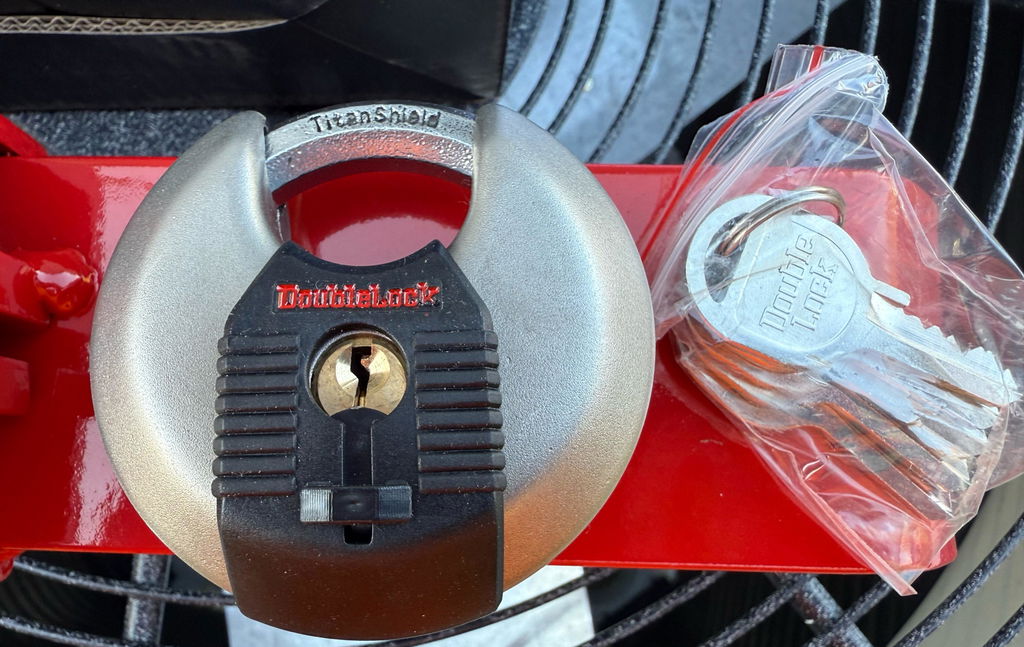
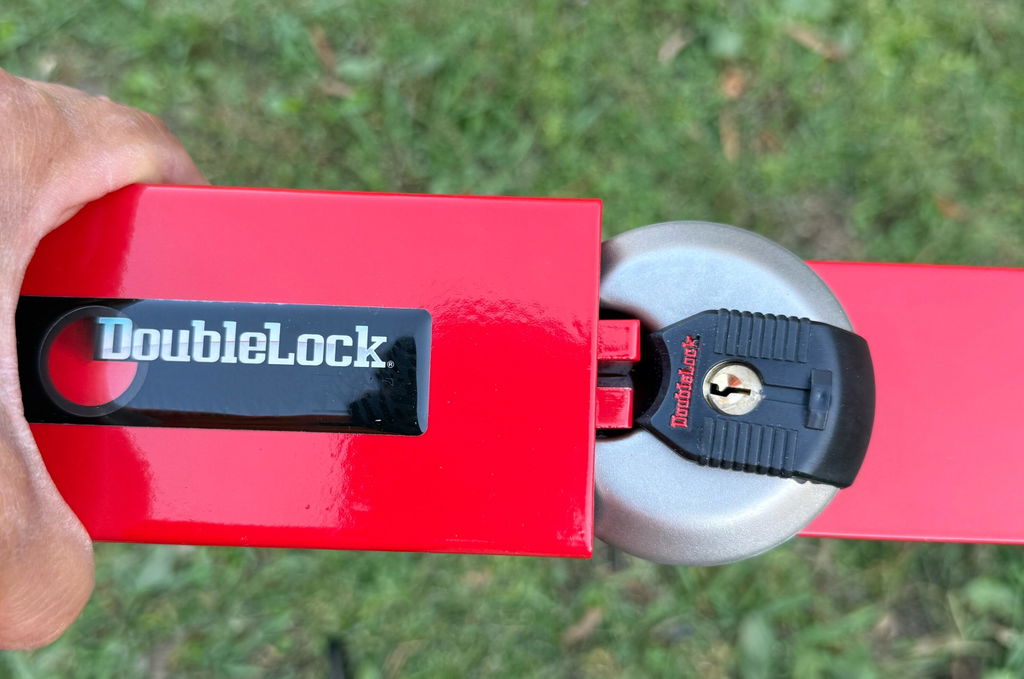
DoubleLock’s marine lock collection provides a place to review products intended for marine applications. For the specific dock cleat device mentioned above, see the marine locks and dock-security information. Use each product’s specifications to confirm the intended application; not every marine lock is designed to secure a dock box.
Other useful starting points include the product information and guides and product instructions. If you are securing several boxes or need to coordinate access for a group, contact the company with the box and hardware details before selecting a device. Include clear measurements and photos of the attachment point, but avoid sending sensitive access information.
How should location and box construction shape the plan?
The same lock can face very different conditions depending on where the box sits. A box on an exposed dock may receive repeated spray and direct sun, while one set farther back may experience more rainwater, dirt, or condensation than salt spray. Note the actual conditions at your berth instead of relying only on the marina’s general location. Include the way the lid drains, whether water pools around the latch, and whether dock activity might knock or snag the device.
Inspect the box material and how the latch is attached. A metal box may have a rigid fitting, but its fasteners can still loosen or corrode. A molded box may flex around the latch, and the lid may move as contents shift. Look for cracks, worn hinge areas, distortion, missing screws, and sharp edges. If the box has been modified before, check that the latch still lines up and that the change has not created a gap or weakened the area around it. Seek advice from the box maker or a qualified installer if the attachment is damaged or its strength is uncertain.
Where possible, position the box so routine access does not leave it open and unattended. Do not block walkways, interfere with marina equipment, or place it where it creates a trip hazard. Follow the marina’s placement rules. If the box is shared or belongs to a club, rental operator, or vessel crew, agree who is responsible for inspection and who will report damage. A short handoff note can prevent one user from assuming another person secured the box.
For a broader look at marine applications, the company’s marine security products information can help you distinguish devices by use. Check the individual product details rather than assuming that a product suitable for a dock cleat, motor, or vessel fitting is also intended for a storage box. The marine collection is another place to review intended uses and specifications.
How should you manage keys and routine access?
Key control matters when more than one person uses the box. Decide who needs access, how many keys are necessary, and how an authorized person can obtain a spare if the main key is misplaced. Keep a basic record of who has a key, but do not label it with the slip number or other details that would connect it to the box if lost. If a key goes missing, assess whether the access plan still makes sense and whether the lock should be rekeyed or replaced.
A combination can avoid distributing physical keys, but it introduces its own management questions. Choose an option that authorized users can operate reliably, and share the combination only through a method appropriate for your group. Do not write it on the box or store it where an unauthorized visitor can easily find it. Change access details when the group changes, when the combination may have been exposed, or as required by your organization’s policies.
Think through the practical routine before you buy. A mechanism that is difficult to use with wet hands, poor light, or gloves may be frustrating during a quick stop. Try operating it in normal conditions before relying on it for a trip. Make sure the key or combination method is understood by everyone who needs access, and retain the instructions in a place that is available without being attached to the box.
What common mistakes weaken dock box security?
- Buying by appearance alone. Similar-looking locks can have different shackle dimensions, materials, and intended applications. Compare specifications to your measurements.
- Ignoring the latch. If the box’s attachment point is loose or damaged, replace or repair it before relying on a new padlock.
- Assuming a marine label answers every question. Confirm which components are intended for exposure and what care is required.
- Forcing a tight fit. Binding can make routine use difficult and may keep the lid from closing. Choose a size that operates freely.
- Leaving a spare key in the box. That defeats the purpose of securing the contents. Use a separate, controlled access plan.
- Overlooking the box itself. Secure the contents, inspect the mounting, and consider whether the box can be removed as a whole.
- Neglecting maintenance. Salt, grime, and wear can change how hardware works. Inspect and care for the device according to its instructions.
Explore marine security products
Boat dock box lock FAQs
Can I use an ordinary padlock on a dock box?
Only if its dimensions and intended use fit the box hardware and environment. Check shackle clearance, body clearance, material details, and care instructions. A tight fit or unclear material specification is a reason to compare another option or ask the manufacturer.
Is a stainless-looking finish enough to show that a lock is suitable for saltwater?
No. Appearance does not identify the material or tell you how every component will perform. Review the listed materials and stated application, including the shackle, body, and operating mechanism, then follow the maintenance guidance.
Should the padlock be as large as possible?
No. The lock should fit the attachment and operate freely. A larger body or shackle can collide with the lid or surrounding hardware, while an unsuitable fit may leave the latch under pressure. Use measurements and product dimensions to select a compatible size.
Does a lock stop someone from taking the entire dock box?
Not by itself. A lock secures the opening at its attachment point. Inspect how the box is mounted and whether that mounting is appropriate for the location. Follow marina rules and the box manufacturer’s instructions before making changes.
How often should I check the lock?
Check it during normal visits, especially after heavy spray, storms, long periods without use, or any sign of damage. Look for corrosion, loose hardware, and changes in key operation. Follow the maker’s care schedule and address problems before leaving gear unattended for an extended period.
A good dock-box security choice starts with a sound box, a measured fit, and a device suited to its exposure. Check the entire attachment, keep valuable gear to a minimum, and make regular inspection part of your marina routine.