
Best Weatherproof Padlock Picks for Outdoor Use
Leaving valuable outdoor property secured with a basic indoor lock creates an avoidable weak point. Heavy rain and road salt can turn a basic lock into a rusted paperweight. You need a lock built for the real world.
Shop DoubleLock USA outdoor padlocks or request a wholesale quote for fleet, jobsite, marine, and storage security.
The best weatherproof padlock must survive more than just a light rain shower; it needs to withstand constant moisture and temperature shifts without seizing. True weather resistance needs a mix of rust-proof internal parts and a shackle that can resist both bolt cutters and the elements. According to research on top-rated padlocks, material choice is the main factor for outdoor strength, with brass and hardened steel being the best choices. For those with fleet or marine gear, a lock that fails due to rust is as useless as no lock at all. Finding the right lock depends on your specific setting, whether you face salt spray or the grit of a busy job site.
Best weatherproof padlock picks by outdoor use case
Picking the best weatherproof padlock depends on your area. Start with our weatherproof outdoor padlock guide for the core selection criteria, then use the scenarios below to match a lock to your site. A lock on a yard gate faces risks that a salt dock does not. Rain, salt, and dirt can cause cheap locks to rust or jam in weeks. You need gear built for long-term use. High-grade locks use metals like steel or brass to fight rust. Study work on padlocks shows these metals are standard for outdoor strength. While no lock is fully thief-proof, the right pick is a strong stop. It forces thieves to find easier targets.
Marine and coastal safety
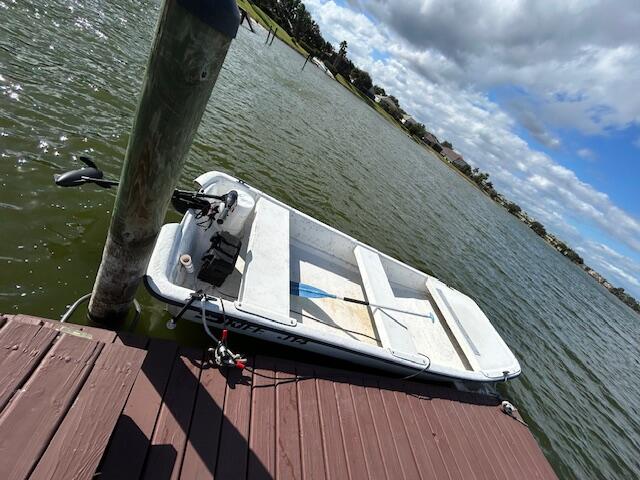
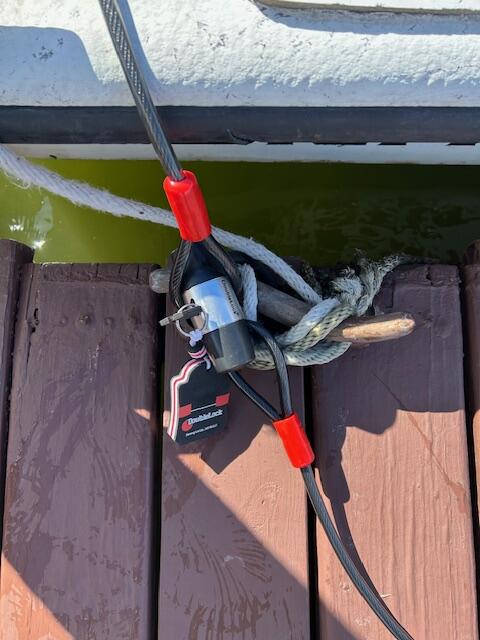
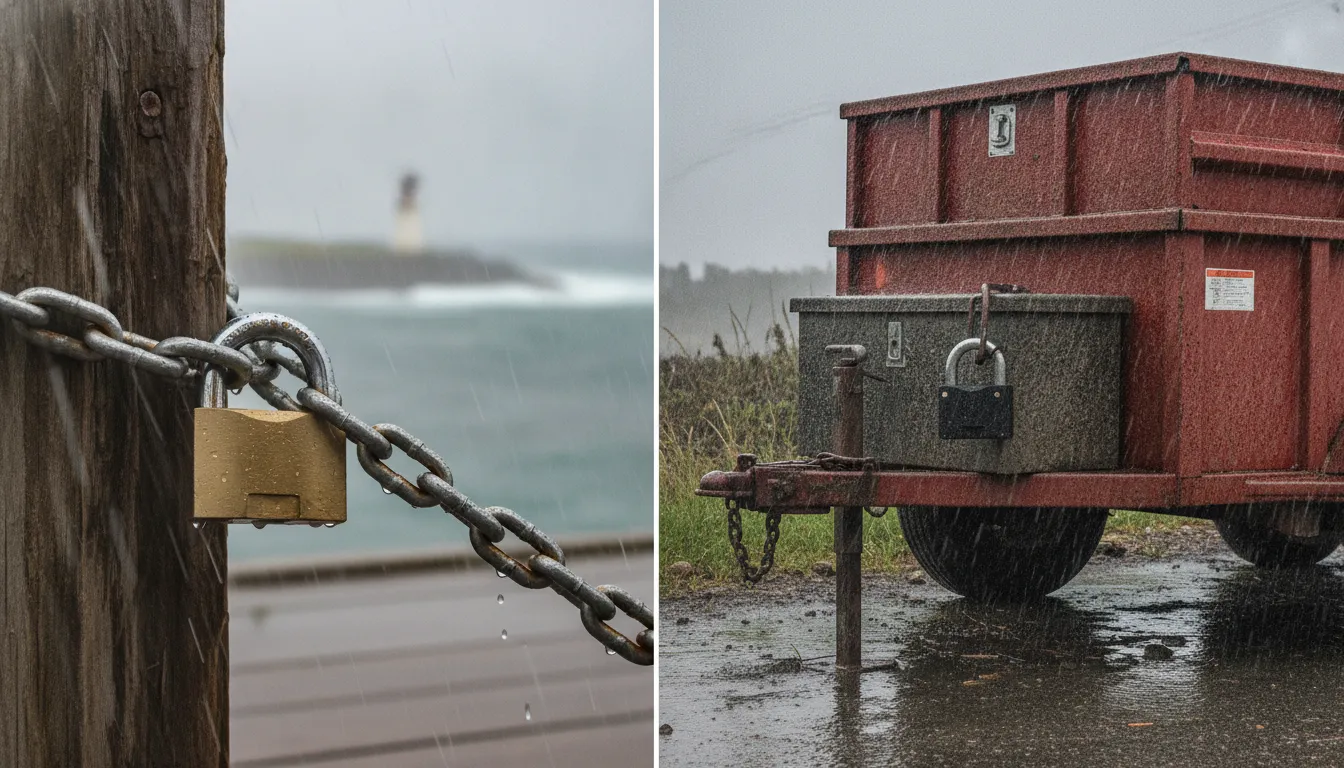
Saltwater is the hardest test for any lock. Salt spray and damp air quickly rust most metals. For docks or boat motors, you need a marine grade padlock. These locks use custom layers to stop rust from seizing the parts. Rust can lock a shackle in place or ruin the keyway. Without a marine grade, a lock may fail fast near the sea.
Gear for sea use often uses a hot-dip zinc coating. This heavy method gives long-term fight against salt and water. The National Institute of Standards and Technology backs this for steel in wet areas. Using a marine lock keeps your gear safe even in the spray. You should also look for a lock with a drain hole. This lets water out of the body so it does not sit inside.
Heavy duty and building sites
Building sites and cargo yards face dust, mud, and theft. These sites need more than just a rain seal. They need physical strength. A max duty brass padlock like the FALCON X is built for this. Brass fights rust while the solid body stops brute force. It is the right choice for big gear and jobsite boxes.
Strong locks often use hard steel shackles. These parts are the top target for bolt cutters. A shackle made from hard steel helps stop cutting and grinding. This makes the FALCON X a top pick for shipping bins and tool lockers. On a busy site, you need a lock that can take a hit. Dirt and grit should not jam the keyway. A good lock will have tight seals to keep the inside clean.
Home gates and garden sheds
Home use still needs a good seal against the rain. A general all-weather grade 50mm padlock is often the best fit for gates. It offers a mix of size and safety. These OSPREY locks use a tough build to last through the years. They work well for sheds, side gates, and outdoor bins.
Layered steel locks are common for home use, but they can trap water. Solid body locks or those with weather covers are better. A cover keeps the keyhole safe from dirt and ice. This is key in areas with cold winters. Regular oiling also helps keep the lock smooth in the cold. A small drop of oil can stop a lock from sticking when you need it most.
Compare your outdoor security needs with the options below to find your match.
| Use Case | Main Risk | Best Pick |
|---|---|---|
| Marine | Saltwater Rust | OSPREY 30 |
| Logistics | Cargo Theft | FALCON X |
| Building | Dust and Mud | FALCON X |
| Home | Rain and Ice | OSPREY 50 |
| Storage | Brute Force | FALCON X |
What makes a padlock truly weatherproof?
A lock that works well inside may fail fast once you put it outdoors. To find the best weatherproof padlock, you must look at how it handles the world. A true outdoor lock needs to survive rain, snow, and sun without losing its strength. It must also resist rust and dirt that can jam the parts inside. Choosing the right lock means looking at the metal used and the way it is built.
Rust resistant metals
The metal used to make the lock is the first line of defense. High-quality outdoor locks often use brass or hardened steel for the body. Brass is a top choice because it does not rust in wet air. If you live near the ocean, you will need a marine grade padlock made to fight salt spray. Salt is very hard on metal and can eat through poor coatings in a few weeks.
Some steel locks use a process called hot-dip galvanizing. This method provides long-term corrosion resistance for gear that stays outside for years. It adds a thick layer of zinc that protects the steel from water and oxygen. Laminated steel locks can sometimes trap moisture between their plates. This can lead to rust if the lock does not have a good outer seal.
Protecting the parts inside
The parts inside the lock are just as vital as the shell. Dust, sand, and ice can clog a keyway and make the lock hard to turn. The best outdoor locks often come with rubber boots or plastic caps. These covers seal the keyhole and keep out water and grit. This protection helps the pins and springs move as they should.
You should also check if the lock has drainage paths. Good locks allow water to flow out of the body instead of sitting inside. If water stays in the lock, it can freeze in winter and crack the metal. For heavy jobs like shipping or building, an all-weather grade 50mm padlock offers the right mix of grit protection and strength. Keeping the lock well-oiled also helps it work in all types of weather.
Shackle design and fit
The shackle is the most exposed part of any lock. It is often the first place rust starts to form. To stay weatherproof, a shackle should be made from stainless steel or boron alloy with a hard coating. These metals are tough enough to resist bolt cutters but also stand up to the rain.
A good fit between the shackle and the hasp is also key. If there is too much space, rain can easily get into the top of the lock. A tight fit keeps the lock body more dry. While no lock is fully safe from every tool, a thick and well-coated shackle acts as a firm deterrent to theft. Experts use lab tests to see how well these coatings last in the real world. This testing ensures that the lock you buy can handle the harsh path ahead.
How to assess your outdoor exposure before buying
Picking the all-weather grade 50mm padlock depends on where you plan to use it. Not all outdoor sites are the same. A lock on a desert gate faces different risks than one on a coastal dock. You must look at the exact threats in your area to pick a tool that lasts. Weather resistance keeps the lock working, while security strength keeps thieves out.
Check your local climate
Moisture is the main foe of any lock mechanism. If you live in a place with heavy rain or high humidity, you need a lock built to shed water. Salt spray is even worse. Salt speeds up rust and can seize a lock in weeks. For coastal areas, you should look for high-grade corrosion resistance. This is vital for dock locks and boat security.
Metals like brass or hardened steel work well for most places. But the coating matters just as much as the metal inside. Industrial hardware often uses zinc coatings or hot-dip galvanizing to stop rust from forming. These layers provide long-term protection against the weather. This is why the best weatherproof padlock for a marine site often has extra coatings.
Audit your site for grit and grime
Dust and grime can be just as bad as water. On construction sites, fine dirt gets into the keyway and blocks the pins. This makes the lock hard to turn or open. If your site is dusty, find a lock with a weather cover. These covers keep dirt out of the keyhole and protect the internal parts. Heavy-duty jobs often need these extra shields to stay safe.
Think about how often you use it
A lock that stays shut for months faces different risks than one you open daily. Rare use allows moisture and dust to settle and harden inside. This can cause the shackle to stick. If you do not open the lock often, regular oiling is a must. You should use a dry lube to keep the parts moving without pulling in more dirt. This helps the internal springs stay active.
- Rain and snow: Measure how much precipitation falls in your area each year.
- Salt exposure: Check if your site is near saltwater or faces constant sea mist.
- Grit and mud: Look for high levels of dust, mud, or construction debris.
- Access frequency: Note how many times you will open the lock each week.
- Freezing risk: Check if the temperature often drops below freezing.
- Sun exposure: Verify if the lock will sit in direct sun all day.
No lock can stay perfect forever without help. But a lock designed for your exact site will serve as a strong deterrent. Picking the right metal for your site is the best way to prevent theft and keep your gear safe. Always match the lock rating to the level of risk at your location. This ensures you get the best value for your security needs.
Why lock fit matters as much as weather resistance
Even the best weatherproof padlock needs a good fit to keep your gear safe. A lock that keeps out rain but sits loose on a gate is an easy target. Thieves look for gaps where they can fit a pry bar or a saw. If your lock does not fill the hasp, you give them the space they need to work. Good fit and rust strength go hand in hand to stop theft on your site.
Match the shackle to the hasp
The shackle is the metal loop that snaps into the lock body. When you pick a lock for a shed or a gate, check the size of the hole it must go through. If the shackle is too thin, the lock will rattle and hang low. This space lets a bolt cutter get a firm bite on the metal. Proper setup of a padlock is just as key as the lock build itself.
You should look for a shackle that fills as much of the hole as it can. A thick shackle made of hard steel stays strong against saws. For big jobs like trailer hitches, you might need a lock made for that one use. The LION kingpin lock is a good case of a fit made for a single task. It wraps around the hitch so there is no room for tools to get in.
Limit shackle view
The shackle is the most weak part of any lock. It is often the first thing thieves try to cut or grind. A tight fit means the lock body sits very close to the hasp. When the body covers most of the loop, there is less metal for a thief to see. This makes it much harder to use a saw or a tool.
For shipping boxes, a max duty brass padlock often has a hidden shackle style. This build puts the lock body over the loop so you can only see a small part of it. This blocks tools from reaching the steel. It also helps with rust because less of the shackle is out in the rain and sun.
Check for daily use and movement
A lock must be easy to use every day in all types of weather. If the fit is too tight, you may have a hard time with the key or the latch. Metal parts can grow in the heat or shrink in the cold. You need just enough room for the lock to move without a lot of wiggle. If a lock is stuck, a person might pull on it and break the gate or the shed.
Steady care keeps your locks working well for a long time. You should use a bit of oil in the keyhole and on the shackle every few months. This stops dirt and rust from jamming the parts. A marine grade padlock is a great choice for wet areas, but it still needs a drop of oil to stay smooth.
- Choose a shackle thickness that fills the hasp hole.
- Use a short shackle to keep the lock body close to the gate.
- Look for hidden shackle locks for high-value gear like trailers.
- Make sure you have enough room to turn the key with ease.
How to maintain an outdoor padlock
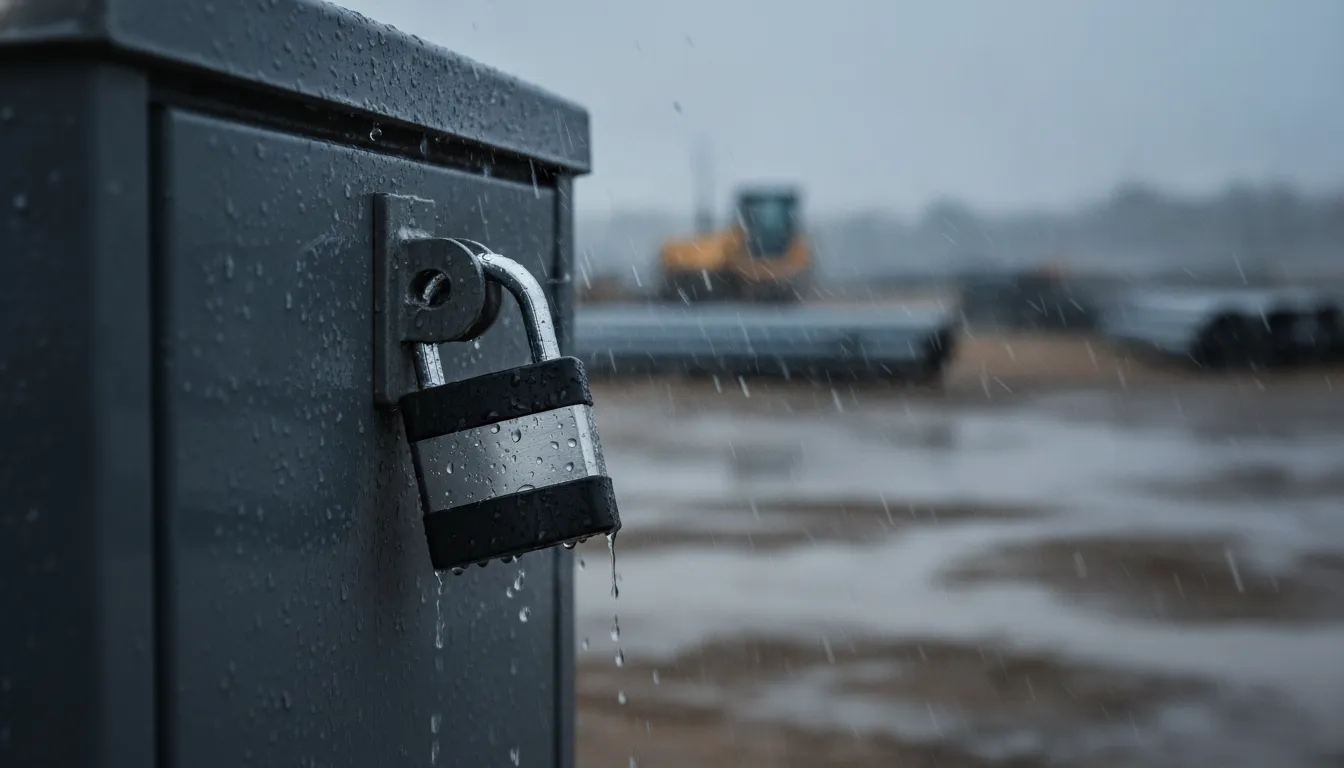
Routine inspection matters: even the best weatherproof padlock needs a little care to stay in top shape. Outdoor locks face rain, mud, and salt air each day. These things can cause rust or grit to build up inside the inner works. A steady care routine helps your lock last longer and keep your gear safe.
Regular check and clean
You should look at your lock every few months to find early signs of trouble. Check the shackle and body for rust spots or deep scratches. Dust and road salt can get into the keyhole and jam the inner parts. If the lock looks dirty, use a damp cloth to wipe the outside.
For locks used in harsh spots, like a boat dock or a job site, you may need to clean them more often. Salt spray and heavy dust can speed up wear on even high-grade steel. If you find heavy grime, you can use a blast of canned air to clear the keyway. Keeping the parts clear helps the lock survive corrosive environments over time.
How to use lube
Adding lube to your lock keeps the parts moving smooth. But you must use the right kind of product. Many makers tell you to use a dry lube like graphite or a PTFE spray. These do not attract dust like heavy oils do. Never use thick grease or sticky oils, as these can jam the pins in cold weather.
Apply a small amount of lube into the keyhole and where the shackle meets the body. Turn the key and open the lock a few times to spread the lube. This simple task ensures the parts stay moving in all-weather grade 50mm padlock models and other heavy-duty gear. Follow the maker's guide for how often to do this, as some spots need more care than others.
Signs it is time to replace
No lock lasts forever, mainly in the sun and rain. You should know when a lock is too far gone to fix. If the key is hard to turn even after you lube it, the pins may be worn out. A stiff shackle that will not snap shut is another warning sign.
Look for deep pits in the metal or a shackle that feels loose. If the outer cover is torn or the metal is flaking off, the strength of the lock is at risk. It is better to buy a new lock than to wait for an old one to fail. A new lock put in before the old one jams keeps your gear safe without any hassle.
Are keyed or combination padlocks better outdoors?
Choosing between a keyed or combination lock depends on how you use it and where you place it. Both types can offer high safety for your gear. But the best weatherproof padlock for a yard gate might not work as well for a shared fleet. You should think about who needs access and how much dirt the lock will face.
Managing shared access
Combination locks are helpful when many people need entry. You can share a code with a team without making extra keys. This removes the risk of a lost or copied key. Fleet managers often prefer these to keep jobs moving fast. But you must ensure the dial stays clear of grit and mud to prevent it from jamming.
Keyed locks offer better control for single owners. You know exactly who holds a key to your shed or trailer. These locks usually have fewer moving parts on the outside. This design often makes them more robust in harsh settings. A max duty brass padlock is a solid choice for sites where security is the top goal.
Climate impact on parts
Outdoor locks face rain, sun, and ice every day. Grime can build up inside dials and make them hard to turn. If you work in cold areas, frozen water can also lock the dials in place. Keyed locks can also freeze, but you can often clear the keyway more easily with a heat source or oil.
Regular care is needed for any lock left outside. You should oil the internal parts every few months to stop rust. According to research on padlock strength, part choice is the main factor in how well a lock resists rust. Using a marine grade padlock ensures the internal parts can handle high moisture without failing.
Usability and security needs
Think about how you use your hands when picking a lock. Dials can be hard to use if you wear thick gloves on a jobsite. A key is often faster to use in the dark or in bad weather. But if you often lose small items, a combination code might save you from a lot of stress.
- Keyed locks offer high strength against picking and physical force.
- Combination locks provide keyless entry for groups and teams.
- Both types need weather seals to keep out dirt and water.
No lock can stop every thief, but a strong lock acts as a great deterrent. You should look for locks with hardened steel shackles to resist cutting. Buying a high-quality lock for your site will keep your assets safe for years. Choosing the right lock ensures your security stays strong in any weather.
Your final weatherproof padlock buying checklist
Finding the best weatherproof padlock for your site needs more than a quick trip to the store. You must match the hardware to the exact risks of your setting. A lock used on a dry jobsite faces different threats than one on a saltwater dock. Use this list to ensure your choice gives the right level of protection.
Evaluate your site and shackle needs
Start by looking at where you will use the lock. High moisture or salt spray can cause poor-quality metal to rust and seize. Academic studies show that weather resistance is the ability of a lock to endure rain and heat without failing. If you work in a marine setting, look for metals like brass or stainless steel that resist salt.
The shackle is the most exposed part of any lock and a common target for thieves. Choose a shackle length that fits tight against the latch to limit the space for cutting tools. An all-weather grade 50mm padlock often gives a good balance of size and strength for most outdoor gates or trailers.
Inspect body build and locking systems
Check the body build of the lock before you buy it. Solid brass or hardened steel bodies offer better strength than cheap metal mixes. Some locks use zinc coatings or hot-dip galvanizing to prevent rust over long periods. Avoid using indoor locks outside, as their internal parts will fail when they face dirt or moisture.
The internal locking system also matters for security. Disc tumbler systems are often better for outdoor use because they have fewer tiny springs that can clog with grit. While combination locks offer ease of use, a keyed system is usually more rugged for harsh sites. Look for models with weather-proof covers that keep rain out of the keyhole.
Maintain and replace for lasting security
Regular care keeps your security hardware working well. You should lubricate your outdoor locks at least once a year to keep the internal parts moving. Use a dry graphite or a specialized lock spray that does not attract dust. Proper lock installation and upkeep ensure the hardware lasts for years in the wind and rain.
No lock is truly undefeatable, so treat your hardware as a visible deterrent. A strong lock forces a thief to spend more time or make more noise to get in. This risk often makes them choose an easier target instead. For heavy-duty needs, a max duty brass padlock gives the physical weight and strength needed to protect high-value cargo.
Frequently Asked Questions
What is the difference between water-resistant and waterproof locks?
A water-resistant lock can handle light rain or splash but might fail if it stays wet for a long time. In contrast, a waterproof lock is built to keep moisture out even when left in heavy storms. According to DoubleLock USA, this choice is vital for outdoor gear. Most outdoor locks are water-resistant and use seals to protect the inner parts. If your lock stays in a very wet spot, you need one that is truly waterproof to avoid rust.
Are combination locks better for outdoor use than keyed padlocks?
Keyed padlocks are often more secure because they have fewer moving parts that can jam with dirt. However, a combination lock is useful if many people need access without sharing keys. For outdoor use, you must find a model made of brass or stainless steel to prevent rust. According to Rice University, material choice is the main factor in how well a lock resists rust. Keyed locks usually offer better protection against the elements if they have a cap.
How do I choose the best weatherproof padlock for an outdoor gate?
When picking a lock for an outdoor gate, first check the weather in your area. If you live near the coast, you need a lock with high-grade rust resistance for marine use. You should also look for a hardened steel shackle that resists cutting. According to DoubleLock USA, these metals help a lock survive in harsh spots. Make sure the lock has a cover for the keyhole to keep out dust and ice. This helps the lock work well for years.
Do I need a heavy-duty padlock for outdoor equipment?
If you are locking expensive gear outside, a heavy-duty lock is a smart choice. These locks use hardened steel to stop thieves from cutting the shackle. While no lock is fully safe from every tool, a thick lock acts as a strong deterrent. According to Rice University, parts like these are common in high-security devices. For the best result, pick a heavy lock that also has a weather seal. This keeps the lock safe from both thieves and the rain.
Ready to find the best weatherproof padlock?
Shop outdoor security padlocks or request a wholesale quote from DoubleLock USA.
Leaving your tools out in the rain leads to rust and lock failure that puts your gear at risk. If you wait until a lock jams or a thief strikes, it is now too late. Most basic padlocks cannot handle the heavy salt air or cold winter ice that eats inner parts over time. Secure your assets now with a lock built for harsh outdoor use to stop theft and damage. Taking action today keeps your trailers and gear safe through every season. You do not want to find out your lock failed when you need it most. Choosing a tough lock now saves you from the stress and cost of buying new gear later. Request your heavy duty lock now to protect your assets.
Ready to request a quote? Contact DoubleLock USA to shop outdoor security padlocks or request a wholesale quote.