
It’s a common myth that any lock is better than no lock at all. While that might stop an amateur, today’s thieves are more sophisticated and often come equipped with power tools that can defeat a standard lock in seconds. Your security strategy needs to be just as modern as their methods. A lock designed a decade ago simply won't stand up to an angle grinder or a high-powered drill. Choosing the best trailer lock requires a new way of thinking, one that prioritizes power-tool resistance and advanced internal mechanisms. This article will explain what to look for in a top-tier lock and show you how to build a defense that protects your trailer from modern threats.
Key Takeaways
- Focus on Construction, Not Cost: True security is found in a lock's materials and design. Prioritize hardened steel, power-tool resistance, and anti-pick cores over a high price tag to ensure your lock can withstand a real-world attack.
- Layer Your Security for a Stronger Defense: A single lock creates a single point of failure. The most effective way to protect your trailer is to use multiple locks of different types, like a coupler lock and a wheel lock, to make it a more difficult and time-consuming target.
- Match the Lock to Your Lifestyle: The right lock depends on your specific needs. Consider your trailer's value, where you park it, and how often you use it to find a solution that offers the perfect balance of security and everyday convenience.
What Makes a Trailer Lock Secure?
When you’re looking for a trailer lock, it’s easy to feel overwhelmed by the options. The truth is, not all locks provide the same level of protection. A truly secure lock is more than just a visual deterrent; it’s a robust piece of engineering designed to withstand force, manipulation, and even the elements. Understanding the key components of a high-quality lock will help you sort through the noise and find a solution that gives you genuine peace of mind. It all comes down to the materials, the internal mechanism, and its ability to stand up to modern theft tactics.
Choose Hardened Steel
The foundation of a strong lock is the material it’s made from. For maximum security, always look for locks constructed from hardened steel. This isn't the same as standard steel; it's been heat-treated to increase its toughness and resistance to cutting, sawing, and prying. A lock made from a weaker metal can be compromised quickly with simple tools. When you shop for a lock, prioritize high-security models made from hardened steel, as they are specifically designed to resist brute-force attacks and keep your trailer safe.
Look for Power-Tool Resistance
Today’s thieves often come prepared with power tools like angle grinders, which can slice through inferior locks in seconds. An older or less durable lock simply can't stand up to this kind of assault. That’s why power-tool resistance has become a critical feature for any serious trailer lock. A lock built to withstand an angle grinder attack is made from exceptionally tough materials and often features a design that makes it difficult for a grinder blade to get a good grip. This feature is a clear indicator that the lock was built with modern security threats in mind.
Insist on Anti-Pick and Anti-Drill Cores
A lock is only as strong as its weakest point, and for many, that’s the locking mechanism itself. Security starts with a proper locking core. Thieves may try to bypass the lock's body entirely by picking the internal pins or drilling straight through the core to destroy it. High-security locks feature complex, anti-pick pin systems and are built with hardened steel components that resist drilling. This internal defense is just as important as the external strength of the lock body, ensuring your trailer is protected from both brute force and more subtle attacks.
Check for Weather Resistance
Your trailer lock will be exposed to the elements, from rain and snow to dirt and road salt. A lock that isn't built for outdoor use can quickly rust and corrode, causing the mechanism to seize up. This not only makes it difficult for you to use but can also weaken its structural integrity. Look for locks made from stainless steel or those with a protective coating designed for all-weather performance. A weather-resistant lock will function reliably for years and won't fail you when you need it most, reflecting the heritage of durability that a quality brand provides.
An Introduction to Trailer Lock Types
When you're thinking about how to secure your trailer, it helps to know the main points of attack a thief might consider. Different security devices are designed to protect different parts of your trailer, from the coupler where it hitches to the wheels that let it roll. Understanding these types is the first step in building a solid security plan. Let's look at the three primary methods for securing your trailer.
Securing the Coupler
A coupler lock is your first line of defense. This device fits over or into your trailer's coupler, making it impossible for someone to attach it to their own vehicle and drive away. When you're shopping for one, material matters more than anything. For a trailer that holds valuable equipment or is left in storage, you'll want a device made from premium hardened steel. A simple, budget-friendly model might act as a visual deterrent, but it won't stand up to a determined thief. Investing in a robust coupler lock gives you confidence that your trailer will stay where you left it.
Locking the Hitch Pin
A hitch pin lock secures the ball mount inside your vehicle's receiver. While a coupler lock protects a detached trailer, a hitch pin lock prevents theft while your trailer is connected to your tow vehicle. It replaces the standard, unsecured pin with a locking version, stopping a thief from simply pulling the pin, unhooking your trailer, and attaching it to their own truck. It also prevents someone from stealing your expensive ball mount. Investing in a quality hitch lock provides peace of mind during quick stops or when your vehicle is parked overnight.
Immobilizing the Wheel
For an added layer of security, you can immobilize the wheel. This method physically stops the trailer's wheels from turning, making it impossible to roll away. The most common options are wheel boots, which clamp onto the tire, or heavy-duty cables and security devices that you can run through the wheel and around the axle. This approach is especially effective for long-term storage or in areas where trailer theft is common. It serves as a powerful visual deterrent and a serious obstacle for anyone trying to move your trailer without permission.
Choosing the Right Lock for Your Trailer
Finding the perfect lock for your trailer involves more than just picking one off the shelf. It’s about matching the lock’s features to your specific needs, your daily routine, and the level of risk you face. A lock that works for a small utility trailer stored in a garage might not be the right fit for a large construction trailer left on a job site overnight. By thinking through a few key factors, you can confidently select a lock that provides the right balance of security and convenience for your situation.
Comparing Security Levels
Security begins with a solid locking mechanism, and a common mistake is leaving the trailer’s hitch vulnerable. While any lock is better than no lock, not all provide the same level of protection. For a low-value trailer stored in a secure area, a basic lock might be enough to deter casual opportunists. However, if you’re protecting a high-value trailer or expensive equipment, you should think in layers.
No single lock can stop a truly determined thief. The best approach is to use several security devices at once. For example, you can combine a coupler lock with a hitch pin lock and a wheel lock. This layered strategy creates multiple obstacles, making your trailer a much harder and more time-consuming target. Each additional lock forces a thief to carry different tools and spend more time at your trailer, significantly increasing the chances they’ll give up and move on.
Factoring in Ease of Use
Your daily routine plays a big role in what kind of lock will work best for you. Think about how often you connect and disconnect your trailer. If you’re hitching up every day, you’ll want a lock that is quick and simple to operate. A complicated, multi-step lock can become a hassle, and you might be tempted to skip using it altogether, which defeats the purpose.
On the other hand, if you park your trailer and leave it in one spot for weeks or months at a time, convenience is less of a priority. In this case, a more robust, high-security lock is a better choice, even if it takes a few extra minutes to install. You can browse our locks to find a design that fits your lifestyle without compromising on protection. The key is to be realistic about what you’re willing to do every day to keep your trailer secure.
Matching the Lock to Your Needs
Ultimately, choosing the right lock depends entirely on how and where you use your trailer. Start by assessing your environment. Do you park your trailer in a well-lit, fenced-in yard or an unattended lot? Is it usually attached to your tow vehicle, or is it left standing alone? A trailer that remains connected to your truck may only need a quality coupler lock to prevent a quick tow-away.
If you frequently park your trailer by itself, especially in an area with little oversight, you need to increase your security. This is where a heavy-duty coupler lock becomes essential, and adding a wheel lock is a smart move. Our commitment to security drives us to create locks for every scenario, but it’s up to you to evaluate your personal risk. By taking an honest look at your situation, you can invest in the right level of protection and gain true peace of mind.
What to Look for in a Top-Tier Trailer Lock
Selecting the right trailer lock means looking past the packaging and understanding what makes a lock truly secure. A top-tier lock is more than just a visual deterrent; it’s a robust security device engineered to protect your property. The best locks combine strong materials, smart design, and resistance to modern theft techniques. When you start your search, focus on the lock’s core features: the type of metal it’s made from, its ability to withstand power tools, and how its design balances security with practical, everyday use. Thinking through these points will help you find a lock that offers genuine peace of mind, not just a false sense of security.
The Gold Standard: DoubleLock's Coupler Lock
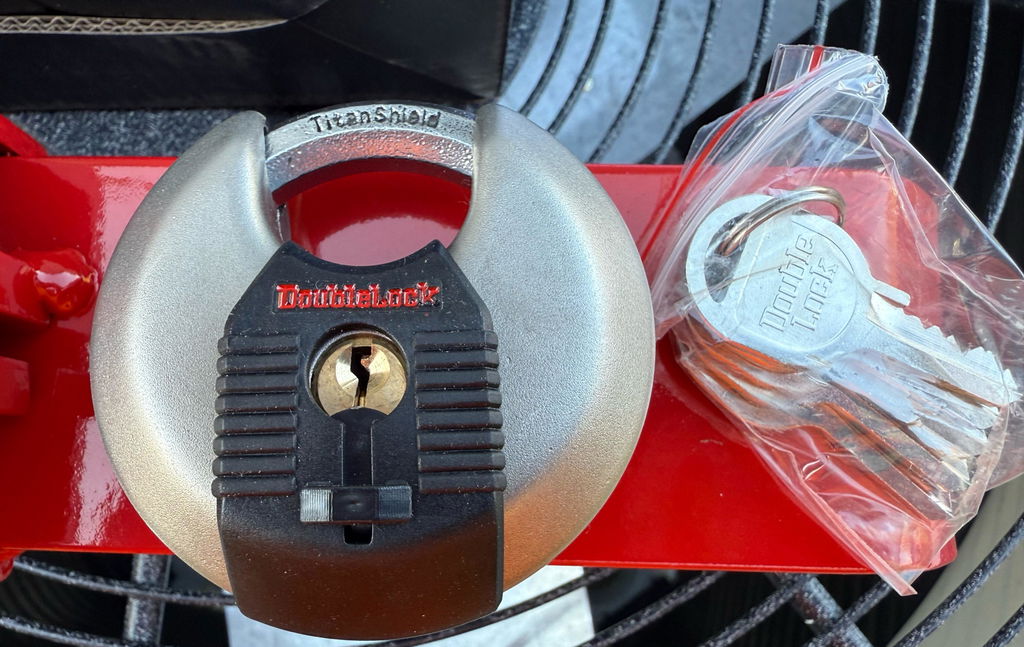
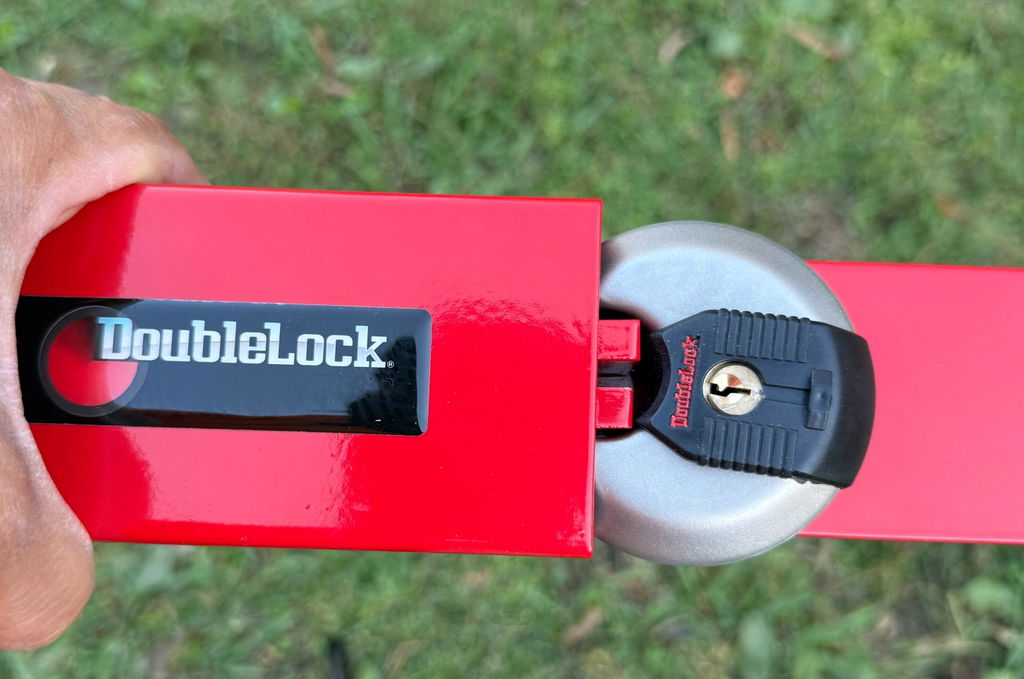
When you need a benchmark for trailer security, look no further than a high-quality coupler lock. These locks are designed to fit over the trailer's coupler, preventing anyone from hitching it to their own vehicle and driving away. DoubleLock USA offers a range of high-security trailer locks built with advanced features that provide superior protection against theft. By securing the coupler, you disable the most common method of trailer theft. A well-designed coupler lock is the foundation of any effective trailer security plan, making it an essential piece of equipment for any owner.
Features of a Heavy-Duty Lock
The best trailer locks are made from hardened steel and designed for quick, simple installation, allowing you to secure your property in seconds. Hardened steel is crucial because it resists cutting from tools like bolt cutters and saws. Beyond the material, look for models with high-security cores that are specifically designed to resist picking and drilling. A lock is only as strong as its weakest point, so a pick-resistant cylinder is just as important as a tough shackle. These theft-proof trailer locks combine material strength with sophisticated locking mechanisms to create a formidable defense.
Why Power-Tool Resistance Is Non-Negotiable
Many trailer locks on the market are based on old designs that simply can't stand up to modern theft methods. Today’s thieves often use battery-powered angle grinders and drills to defeat locks quickly. That's why power-tool resistance has become a non-negotiable feature for any serious security lock. A top-tier lock is specifically engineered to fight against these modern power-tool attacks, often using rotating collars, anti-drill plates, and complex shapes that are difficult for a grinder wheel to bite into. Investing in a lock designed for today's threats is the only way to ensure your trailer is protected.
Balancing Security and Everyday Convenience
When choosing your locks, consider how you use your trailer. Your security needs can change depending on how often you tow and where you park. If you hook up your trailer frequently, you’ll want a lock that is easy and fast to apply and remove. If your trailer is often parked by itself for extended periods, you need a more robust security solution, even if it takes a bit longer to set up. The goal is to find the right balance between security and convenience so that you use your lock consistently every single time.
Finding a Reliable, Budget-Friendly Option
Investing in a quality lock always pays off in the long run. While it can be tempting to save money with a cheaper option, these locks often fail when tested by a determined thief or after exposure to harsh weather. A reliable lock is an investment in protecting your trailer and its contents, which are far more valuable than the lock itself. Instead of focusing only on the upfront cost, consider the value you get from a durable, well-engineered lock. You can find a range of dependable options by exploring the full DoubleLock USA collection to find the right fit for your needs and budget.
Key Features to Prioritize in a Trailer Lock
Choosing the right trailer lock comes down to understanding a few key features that separate a simple deterrent from a truly secure solution. When you start comparing models, it’s easy to get lost in the details. Instead, focus on the core elements that directly contribute to the lock’s strength and effectiveness. By prioritizing these features, you can confidently select a lock that matches your specific security needs and gives you peace of mind, whether your trailer is parked in your driveway or at a remote job site.
Decide Between a Custom or Universal Fit
One of the first decisions you'll make is whether to get a lock designed for your specific trailer model or one that offers a more universal fit. A custom-fit lock is made to match the exact dimensions of your coupler, providing a snug and secure connection. This is a great option if you only have one trailer to protect. However, if you own or manage multiple trailers with different coupler sizes, a universal coupler lock is far more practical. These adjustable locks are designed to work with a variety of trailer types, giving you the flexibility to secure any piece of equipment without needing a different lock for each one.
Understand Security Certifications
While there isn't one single, universally recognized certification for trailer locks, you can look for indicators of quality and strength. Manufacturers who are serious about security will often test their products against common theft techniques. Look for locks made from hardened steel, which is specifically treated to be more resistant to cutting and drilling. A lock’s design should also include anti-pick and anti-drill features within the core mechanism. A company's commitment to quality and its manufacturing standards can tell you a lot about the reliability you can expect from its products. Reading about a brand’s heritage can give you confidence in its security claims.
Prioritize Power-Tool Resistance
In the past, a sturdy lock was enough to stop most thieves. Today, the widespread availability of battery-powered tools like angle grinders has changed the game. A common thief can cut through a standard lock in minutes. This is why power-tool resistance is no longer a luxury feature; it's a necessity for high-value assets. When shopping, look for locks specifically advertised as being resistant to this type of attack. These heavy-duty locks are typically made from specialized steel alloys and have designs that make it difficult for a grinder's cutting wheel to get a good angle, buying you precious time and often stopping the attempt altogether.
Use Visibility as a Deterrent
Sometimes, the best defense is making your trailer look like too much trouble to steal. A brightly colored, substantial lock acts as a strong visual deterrent. When a potential thief is scanning a parking lot or job site, they are looking for the easiest target. A small, discreet lock might go unnoticed, but a robust, heavy-duty lock sends a clear signal that your trailer is well-protected. This simple visual cue can be enough to convince them to move on to a less challenging target. Think of your lock not just as a physical barrier but as a clear, silent warning to anyone with bad intentions.
Common Myths About Trailer Security
When it comes to securing your trailer, a lot of common advice can be misleading. Believing these myths can leave your valuable assets vulnerable. Let's clear up a few misconceptions so you can make informed decisions about protecting your property.
Myth: One Lock Is Enough
Relying on a single lock for your trailer is a risky gamble. Many people assume that one coupler lock is sufficient, but this often creates a false sense of security. A determined thief can defeat a lone, standard lock with relative ease, sometimes in just a few minutes. A single point of failure is an open invitation for trouble.
Instead of depending on one device, a layered approach is a much stronger strategy. Using multiple locks of different types, such as a coupler lock combined with a wheel immobilizer, creates more obstacles for a potential thief. This forces them to spend more time and use different tools, significantly increasing the chance they will give up and move on. Exploring robust security solutions can help you build a more comprehensive defense for your trailer.
Myth: Any Lock Deters a Thief
The simple presence of a lock might stop an amateur, but it won’t do much to discourage a seasoned criminal. Thieves are skilled at spotting low-quality hardware from a distance. A flimsy lock made of cheap metal is more of a visual suggestion than a real barrier. As one forum user noted, a pair of bolt cutters can make quick work of most basic locks.
A truly effective lock does more than just look the part; it is built to withstand a real attack. Your security should be based on solid construction and proven design, not just wishful thinking. This is why a commitment to quality is so important when choosing a lock manufacturer. A well-made lock acts as a genuine deterrent because it presents a real challenge.
Myth: A Higher Price Means Better Protection
While it’s true that you often get what you pay for, a high price tag is not a guarantee of superior security. Some expensive locks prioritize flashy features or aesthetics over core strength, leaving them vulnerable to simple attacks. It's easy to assume cost equals quality, but even pricey chains and cables can be cut in seconds if they aren't made from the right materials.
Instead of focusing solely on price, pay attention to the lock’s construction. Look for specific security features like hardened steel bodies, anti-pick cylinders, and designs that resist power tools. A moderately priced lock with these characteristics will almost always outperform an expensive one without them. Your investment should be in proven strength, not just a brand name or a high price.
Myth: All Locks Are Made from Durable Materials
The material a lock is made from is one of the most critical factors in its effectiveness, and quality varies widely. Many locks on the market use inferior metals that can be easily broken, drilled, or cut. Others are prone to rust and corrosion, especially in wet or coastal environments, which weakens them over time. Not all locks are created equal, and the material makes all the difference.
A high-quality trailer lock should be made from rustproof, rugged materials like hardened steel or specially treated aluminum. These materials are designed to withstand both physical attacks and the elements. Our unwavering commitment to top-notch security is built on using only the best materials, ensuring your lock remains strong and reliable for years to come. Always check the material specifications before you buy.
Should You Use More Than One Trailer Lock?
The short answer is yes. While a single, high-quality lock is a great start, relying on just one can leave your trailer vulnerable. The goal of trailer security isn't just to make it impossible to steal, but to make it so difficult and time-consuming that a thief gives up and moves on to an easier target. Think of it as creating a security puzzle that takes too long to solve.
The best way to secure a trailer is to use two or more locks to slow down even skilled thieves. This strategy, known as layered security, is a core principle of protecting valuable assets. By combining different types of locks, you force a potential thief to carry multiple tools and spend more time at your trailer, which significantly increases their risk of being caught. A single lock might be defeated with one method, but overcoming two or three different lock types requires more effort than most criminals are willing to invest. This approach turns your trailer from a quick score into a high-risk job, which is a powerful deterrent on its own.
How to Layer Your Security
Layering your security means using a combination of different locks that each protect a different part of your trailer. No single lock can stop a truly determined thief, but using several deterrents at once makes the task much harder. A strong strategy is to combine a robust coupler lock with a hitch pin lock and a wheel lock. The coupler lock prevents someone from hitching your trailer to their vehicle, the hitch pin lock secures the receiver, and a wheel lock physically stops the trailer from rolling. Each lock requires a different method to defeat, compounding the time and effort a thief needs to succeed.
Other Deterrents to Consider
Beyond locks, you can add other deterrents to make your trailer a less appealing target. Making your trailer look difficult to steal often encourages thieves to move on. Brightly colored, highly visible locks can signal that your trailer is well-protected. You can also park in well-lit areas, install motion-sensor lights if parked at home, or even place security camera decals on the windows. While GPS tracking devices can be helpful for recovery, they may not prevent the theft itself. True security comes from a comprehensive approach, and our commitment to that principle is what drives our designs. The more obstacles you put in a thief's way, the safer your trailer will be.
How to Set Your Trailer Lock Budget
Deciding how much to spend on a trailer lock can feel tricky. While it's tempting to grab the cheapest option, your budget should reflect the value of what you're protecting. A higher price often means stronger materials and more complex security features designed to stop a determined thief. Let's break down the different price points so you can find the right balance of security and value for your needs.
What You Get for Under $50
Locks in this price range offer basic protection and are best suited for low-risk situations. Think of a trailer parked in a secure garage overnight or left for a short time in a busy, well-lit area. These locks act as a visual deterrent, signaling to opportunistic thieves that your trailer is not an easy target. While a basic lock is better than no lock at all, it may not hold up against someone with tools and time. For high-value trailers and cargo, you’ll want to consider a more robust security system to keep your property safe.
The Mid-Range Sweet Spot: $50–$150
This price range is where you’ll find a great balance of security, durability, and cost. Locks in this category are typically made from stronger, more rugged materials like hardened steel and are designed to be rustproof. They offer a significant step up in protection, featuring more complex mechanisms that are harder to pick or force open. For most trailer owners, this is the ideal investment for securing their property with confidence. You can find a range of reliable locks in this category that provide dependable security without breaking the bank.
Investing in Premium Security: $150+
If you’re hauling a high-value trailer, expensive equipment, or irreplaceable cargo, investing in a premium lock is a wise choice. These locks are built for maximum security, featuring the toughest materials and advanced designs that resist power tools, drilling, and picking. This is more than just a lock; it's a serious security device that provides true peace of mind. Investing in quality pays off, as cheaper options can fail under duress. This commitment to lasting security is part of our heritage, ensuring your assets are protected by the best.
Where to Find Your DoubleLock
Once you have an idea of what you need, finding the right DoubleLock product is straightforward. The best place to start is by exploring our complete collection online. Shopping directly from our website gives you access to every lock we make, complete with detailed descriptions and specifications to help you confirm you’re choosing the perfect fit for your trailer. It’s the most comprehensive resource for understanding the unique features of each model.
If you prefer to shop in person, you can find DoubleLock products at major retailers like The Home Depot, Lowe's, and Northern Tools. Visiting a local store is a great option if you want to see and handle the locks before buying. This allows you to get a real feel for the weight and construction of our heavy-duty materials.
As you browse, whether online or in-store, consider how different locks can work together to create a layered security system. Combining a coupler lock with a wheel lock, for example, provides multiple barriers against theft. If you have questions or want a second opinion before making a decision, you can always reach out to our team for support. We’re here to help you weigh your options and feel confident in your choice.
Related Articles
- 5 Best Theft Proof Trailer Locks (Buyer's Guide)
- 5th Wheel Lock for Semi Trailer: The Ultimate Guide
Frequently Asked Questions
If I can only buy one lock to start, which one should it be? If you're starting with a single lock, make it a high-quality coupler lock. This type of lock prevents the most common form of trailer theft, which is when someone simply hitches your trailer to their own vehicle and drives off. A robust coupler lock is the foundation of a good security plan and provides a strong first line of defense.
Is it really necessary to use more than one lock on my trailer? Yes, it is the most effective strategy. Using multiple locks creates layers of security that make your trailer a much more difficult and time-consuming target. A thief might come prepared to defeat one type of lock, but they are less likely to have the tools and time to get past a coupler lock, a hitch pin lock, and a wheel lock. Each additional layer significantly increases the chances that they will give up and look for an easier target.
How can I tell if a lock is actually strong, or if it just looks tough? A lock's true strength comes from its materials and internal design, not just its size. Look for locks made from hardened steel, as this material is specifically treated to resist cutting and sawing. You should also check for features like anti-pick and anti-drill cores, which protect the locking mechanism itself from being manipulated or destroyed. These features are what separate a real security device from a simple visual deterrent.
My trailer is parked outside all year. What should I look for in a lock? For a trailer exposed to the elements, weather resistance is just as important as strength. Look for locks made from stainless steel or those that have a durable, all-weather coating. This prevents rust and corrosion from seizing the locking mechanism or weakening the lock's body over time. A good outdoor lock will function smoothly for years, regardless of rain, snow, or dirt.
A more expensive lock seems like a big investment. Is it really worth it? Think of a high-quality lock as an investment in protecting your trailer and everything in it, which are far more valuable. While a lower-priced lock might seem like a good deal, it often provides a false sense of security and may fail against a determined thief. Paying more typically gets you stronger materials, more advanced anti-theft features, and better durability, which provides genuine peace of mind.