
You’ve seen the hardware aisle—dozens of security devices that all seem to do the same thing. But when protecting something as valuable as your trailer, not all locks are created equal. A cheap deterrent only creates a false sense of security. The difference is in the details: the quality of the steel, the complexity of the internal mechanism, and its resistance to weather. We'll help you spot what makes the best trailer coupler lock so you can find one that offers genuine, reliable protection for your property.
Key Takeaways
- Focus on quality over price: A great lock combines physical strength from hardened steel with smart design features like pick-resistant cylinders and a weather-resistant finish to provide reliable, long-term security.
- Create a layered security system: A single lock is a good start, but a layered approach is far more effective. Combining a coupler lock with other devices like wheel boots creates a much harder target for thieves to defeat.
- Match the lock to your needs: The right lock is one that fits your specific trailer and situation. Before buying, measure your coupler size for a secure fit and consider where you park your trailer to match the lock's security level to your actual risk.
What is a Trailer Coupler Lock? (And Why It's a Must-Have)
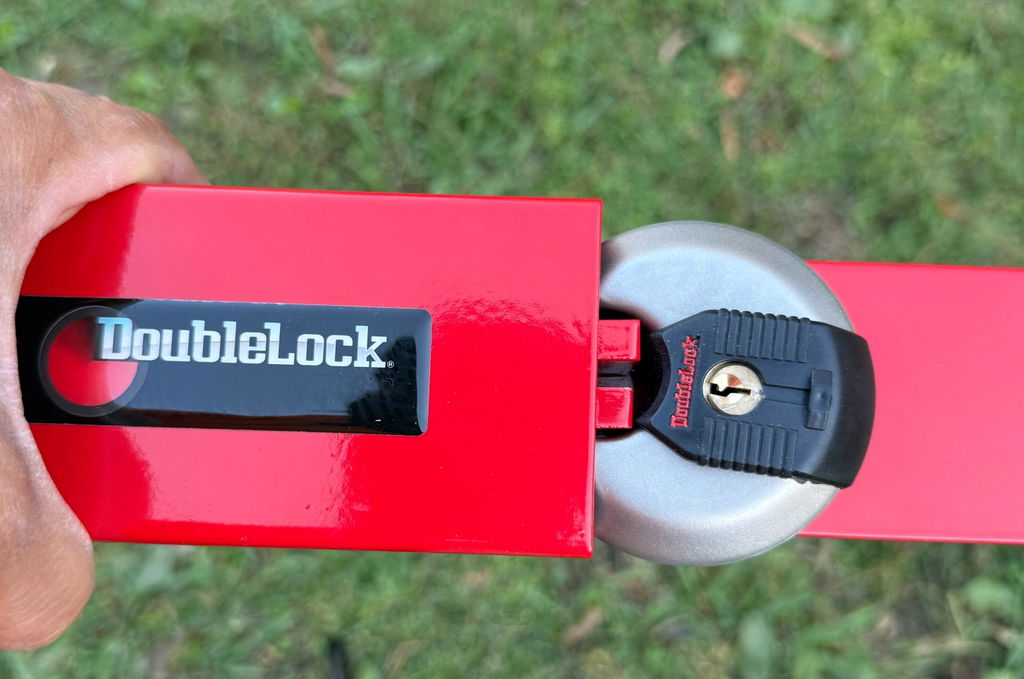
A trailer coupler lock is a security device designed to fit over your trailer’s coupler, the part that connects to your vehicle’s hitch. When your trailer is unhitched, this lock physically blocks another vehicle from hooking up to it and driving away. It’s a simple yet highly effective tool for protecting your trailer and everything in it, whether it’s parked in your driveway or at a job site.
The main reason you need one is deterrence. While no lock can guarantee 100% protection, the goal is to make your trailer a much more difficult target. Most thieves are opportunistic and look for the easiest score. A visible, robust coupler lock signals that your property is secured, which is often enough to convince a potential thief to move on. This added layer of security provides valuable peace of mind when you have to leave your trailer unattended.
A coupler lock is a fantastic starting point, but it works best as part of a complete security plan. For maximum protection, it’s wise to use multiple security devices to slow down even the most determined individuals. When choosing your lock, look for one made from high-quality materials like hardened steel, as these are far more resistant to cutting, drilling, and picking. Investing in a well-made trailer lock is a small price to pay for securing your valuable assets.
Understanding Your Towing System
Before you can effectively protect your trailer, it helps to know the key parts you’re working with. Your towing setup is a system of components designed to connect and work together safely. Understanding how the receiver, ball mount, and coupler function is the first step in identifying potential weak points and choosing the right security device. Each part plays a distinct role in keeping your trailer attached to your vehicle, and each presents a different opportunity for a thief. Getting familiar with this basic anatomy will make it much easier to build a security strategy that truly works.
Key Components: Receiver, Ball Mount, and Coupler
Think of your towing system in three main parts. First is the receiver, which is the square tube attached to the frame of your tow vehicle. Next, the ball mount slides into the receiver and is held in place by a pin; it provides the platform with the hitch ball. Finally, the trailer coupler is the mechanism at the very front of your trailer's tongue. This part fits over the hitch ball and latches down, creating the connection that allows you to tow. Since the coupler is what physically joins the trailer to a vehicle, securing it is fundamental to preventing theft when your trailer is unhitched and most vulnerable.
The Main Types of Trailer Protection
Just as there are different parts to your towing system, there are different types of security devices designed to protect them. Not all protection is the same, and the right choice depends on whether your trailer is attached to your vehicle or parked on its own. The most common solutions focus on blocking the critical connection points to make it nearly impossible for a thief to hook up and drive away. By understanding the main categories of protection, you can select the best device for your specific situation, whether you’re storing your trailer at home or leaving it at a job site overnight.
Coupler Locks: For Unhitched Trailers
A trailer coupler lock is your first line of defense when your trailer is parked and detached from your vehicle. This robust security device is designed to fit directly over or around your trailer’s coupler, physically obstructing it. By covering the space where the hitch ball would go, it prevents a potential thief from connecting their vehicle to your trailer. It’s an essential tool for anyone who stores a trailer in a driveway, storage lot, or work area. A visible, high-quality coupler lock sends a clear message that your property is protected, deterring opportunistic criminals before they even make an attempt.
Hitch Locks: For Connected Trailers
While a coupler lock protects a detached trailer, a hitch lock secures it when it’s still connected to your tow vehicle. This device replaces the standard clip or pin that holds your ball mount inside the receiver. Its purpose is to prevent a thief from simply pulling out the pin, removing the entire ball mount assembly with your trailer still attached, and sliding it into their own receiver. This is especially useful for situations where you need to leave your vehicle and trailer unattended for a short time, like at a rest stop or hotel parking lot. It’s a simple but critical component of a layered security approach, reflecting a commitment to protection at every step.
Ball Locks: An Alternative for Unhitched Trailers
A ball lock offers another effective way to secure an unhitched trailer. Instead of covering the outside of the coupler, this device works from the inside. It consists of a part that looks like a hitch ball, which you insert into the coupler’s socket and then expand or secure in place. Once installed, it fills the space and makes it impossible for a thief to insert their own hitch ball to tow the trailer away. Like coupler locks, ball locks are designed specifically for when your trailer is parked by itself. They provide a strong, internal barrier against theft and are a great option to consider for your overall security plan.
Finding the Right Trailer Coupler Lock: What to Look For
A good trailer coupler lock is one of your best defenses against theft. But with so many options available, it can be tough to know which one is right for you. Choosing the best lock isn't just about finding the biggest or heaviest one. It's about understanding the key features that provide real security. When you're ready to shop for a lock, focus on four main areas: the material it's made from, its security design, how it fits your specific trailer, and its ability to stand up to the weather. Getting these details right will give you confidence that your trailer is protected.
Prioritize Durable Materials and Construction
The material of your coupler lock is its first line of defense. You'll often see locks made from hardened steel, which is excellent for resisting brute force attacks from tools like crowbars or saws. However, if you live in an area with wet winters or salty air, standard steel can be prone to rust. That's where stainless steel or locks with protective coatings come in. They offer superior corrosion resistance, keeping the lock functional for years. While other materials like aluminum alloys are lighter, they generally don't provide the same level of strength as steel. Consider your environment and security needs to find the right balance between raw strength and durability.
Evaluate the Design and Security Features
A strong material is a great start, but the lock's internal design is just as important. A determined thief might try to pick or drill the lock instead of cutting through it. Look for models with features specifically designed to counter these tactics, such as pick-resistant cylinders or anti-drill plates. The best theft-proof trailer locks combine robust materials with smart security mechanisms. Don't forget about ease of use. A lock that is complicated to attach is one you might be tempted to skip using. A well-designed lock should be simple to install, allowing you to secure your trailer quickly and get on with your day.
Ensure a Snug and Secure Fit
A coupler lock is only effective if it fits correctly. A lock that's too loose can be pried off or jiggled open, leaving your trailer vulnerable. Before you buy, you need to know your trailer's coupler size. Most common sizes are 1-7/8 inch, 2-inch, and 2-5/16-inch. Check your coupler to see which size you need. Some locks are designed for a specific size, offering a snug and secure fit. Others are universal, designed to work with multiple coupler sizes. While universal locks offer flexibility, always make sure they can be tightened properly to eliminate any gaps that could be exploited when you browse different coupler lock models.
Match the Lock to Your Trailer's Coupler
A lock is only as good as its fit. Beyond just matching the size, you need to match the lock to your trailer's specific coupler style. Couplers come in several designs, and each one connects to a vehicle differently. A lock designed for a small boat trailer's straight-tongue coupler will be completely ineffective on a heavy-duty gooseneck setup. Taking a moment to identify your coupler is a crucial step toward finding a device that offers a truly secure connection. This ensures there are no gaps or weak points for a thief to exploit, giving you confidence that your property is properly protected when you select a lock.
Straight-Tongue and A-Frame Couplers
These are two of the most common coupler types you'll encounter, especially on personal trailers. Straight-tongue couplers are often used for small utility trailers and boats, while A-frame couplers are designed for campers and other heavier trailers. Because they are so widespread, many security devices are made to fit them. However, it's still vital to choose a lock specifically designed for this style. A proper fit will envelop the entire mechanism, making it impossible for someone to hook it up to their own vehicle. Always match the coupler to your trailer's needs and use a lock designed for that specific application.
Adjustable Channel Couplers
If you use your trailer for work in fields like construction or commercial hauling, you might have an adjustable channel coupler. These are valued for their versatility, as they allow you to change the hitch height to connect to different tow vehicles. This flexibility also creates a unique security requirement. You need a lock that can accommodate the adjustable features without leaving any wiggle room. A standard lock may not fit correctly or could potentially be bypassed by manipulating the channel. When securing this type of coupler, look for a lock built to handle its design and provide a solid, immovable barrier.
Gooseneck, Fifth-Wheel, and Lunette Ring Couplers
For the heaviest and most demanding towing jobs, you’ll find specialized couplers like goosenecks, fifth-wheels, and lunette rings. Gooseneck couplers are the standard for heavy-duty equipment like livestock trailers and large flatbeds, while fifth-wheels provide stability for large RVs. Lunette rings are typically reserved for industrial and military applications. These robust systems require equally tough security solutions. A generic lock won't fit these unique mechanisms and wouldn't offer the strength needed to protect such valuable assets. You need a lock specifically engineered for the design and weight capacity of these couplers to ensure your property is secure.
Can It Handle Bad Weather?
Your trailer and its lock will likely spend a lot of time exposed to the elements. Rain, snow, sun, and salt can all take a toll, causing rust and corrosion that can weaken the lock or seize the mechanism. A lock that's compromised by weather is no longer a reliable security device. For this reason, weather resistance is a critical feature. Look for locks made from corrosion-resistant materials like stainless steel or those with a protective finish, such as chrome plating or a powder coat. This ensures your lock continues to function smoothly and provide dependable security, reflecting a heritage of durability, no matter the forecast.
What Separates a Good Coupler Lock from a Great One?
When you're choosing a coupler lock, it's easy to get overwhelmed by the options and assume they're all pretty much the same. But the difference between a basic lock and a great one comes down to a few key features that work together to provide real security. A top-tier lock doesn't just deter a casual thief who might be passing by; it’s engineered to stand up to determined attacks and the harshest environmental conditions. It’s the kind of lock that lets you walk away from your trailer with confidence, knowing it’s protected by more than just a visual deterrent. The best designs combine brute strength with smart engineering, creating a formidable barrier against theft. They are built from superior materials, feature sophisticated internal mechanisms, fit your equipment perfectly, and last for years without succumbing to the elements. Understanding these essential qualities is the first step in making an informed choice. It will help you find a lock that gives you genuine peace of mind, whether your trailer is parked in the driveway, at a busy construction site, or at a remote boat launch. Let's look at the four non-negotiable features of a truly great coupler lock.
Look for a Hardened Steel Body
The foundation of any great lock is its material. A quality coupler lock is built from hardened steel, a metal treated to be exceptionally tough. This process makes it highly resistant to common break-in methods like cutting with bolt cutters, sawing, or smashing with a hammer. While a standard steel lock might give way under force, a hardened steel body provides the physical strength needed to stop thieves in their tracks. When you see a lock made from this material, you know it’s designed for serious protection. You can explore our full range of robust security solutions to see this principle in action.
It Should Have a Pick-Resistant Mechanism
Brute force isn't the only threat to your trailer. A determined thief might try a more subtle approach: lock picking. That's why a great coupler lock includes a pick-resistant mechanism. These internal designs feature complex pin and tumbler systems or unique keyways that are incredibly difficult for picking tools to manipulate. This adds a crucial layer of technical security, ensuring that your lock can't be quietly bypassed. It’s a testament to thoughtful engineering that goes beyond simple strength. Our company heritage is built on this commitment to superior design and unwavering quality.
High-Security Cores like Disc-Detainer Mechanisms
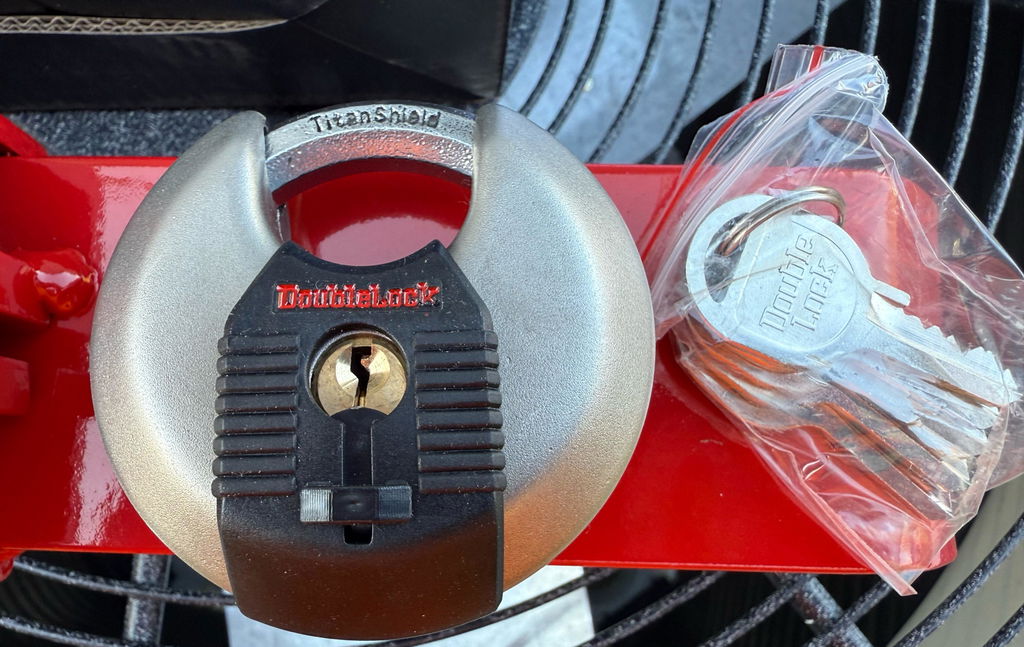
Going a step further than standard pick-resistant designs, you'll find high-security cores like the disc-detainer mechanism. Unlike traditional pin-tumbler systems that use springs and pins, a disc-detainer core uses a series of rotating discs that must be perfectly aligned by the key. This complex internal structure is exceptionally difficult to manipulate with picking tools and is also immune to bumping, a common technique used to defeat simpler security devices. Choosing a unit with this type of advanced core provides a significant security advantage, offering the kind of robust protection needed for valuable equipment left in high-risk areas. It’s an investment in a higher level of security engineering.
It Provides a Universal or Custom Fit
A lock is only effective if it fits your trailer's coupler correctly. A loose or ill-fitting lock can be rattled, pried, or leveraged off, creating a weak point in your security. The best coupler locks offer either a universal or a custom fit. Universal designs are adjustable to secure a wide range of coupler types, which is great for versatility. Custom-fit locks are engineered for specific models, providing a snug, no-rattle connection. Either way, the goal is a secure fit that’s also simple to install. If you have questions about finding the right fit for your equipment, feel free to contact us for guidance.
It's Designed for All-Weather Durability
Your trailer lock lives outdoors, exposed to everything from rain and humidity to road salt and snow. A great lock is built to endure these conditions without failing. While hardened steel is strong, it can be vulnerable to rust. Look for locks made from corrosion-resistant materials like stainless steel or those with a protective chrome plating. This prevents rust from weakening the lock body or seizing the internal mechanism. A weather-resistant lock ensures you can always open it smoothly with your key, providing reliable security year after year. This focus on long-term durability is central to our story and our promise of peace of mind.
Look for Convenient Features
Security should never feel like a chore. A security device that is complicated or time-consuming to attach is one you might be tempted to skip using, especially when you're in a hurry. The most effective protection is what integrates seamlessly into your routine, ensuring you use it consistently. That’s why convenience is a critical aspect of a great coupler guard. Features designed for ease of use don't compromise on strength; they enhance overall protection by removing the barriers to correct and constant application. When you're comparing models, think beyond just the materials and consider how a security mechanism will function in your day-to-day life. A user-friendly design means your valuable assets get secured properly every time.
Keyed-Alike Systems
If you need to secure multiple items, a keyed-alike system is an incredibly practical feature. This allows you to operate several different security devices—like one for your trailer coupler, another for a storage box, and a third for a gate—all with a single key. It completely eliminates the hassle of fumbling through a heavy, confusing keychain to find the right one for each item. For business owners with a fleet of trailers or individuals with extensive equipment, this streamlined approach saves significant time and frustration. It makes managing your security simpler and more efficient, allowing you to perform security checks quickly. You can find various security solutions that can be ordered as a keyed-alike set.
How to Decode Security Ratings
Choosing a trailer coupler lock can feel overwhelming with all the different terms and features. Security ratings are designed to simplify this process by giving you a clear idea of how much protection a lock offers. Think of them as a grade for the lock's ability to stand up to a determined thief. These ratings aren't just marketing fluff; they often come from rigorous testing that simulates real-world break-in attempts, like prying, cutting, and drilling.
Understanding what these ratings mean helps you choose a lock that can survive abuse on the road and keep criminals away from your valuable trailer. It’s about matching the level of security to your specific needs. A trailer parked in a secure facility might not need the same level of protection as one left on a job site overnight. By learning to decode these ratings, you can confidently select a lock that provides the right amount of security without overspending. The key is to look at three main areas: the standards it meets, the materials it's made from, and the type of locking mechanism it uses.
What Do Security Standards Actually Mean?
When you see a lock advertised as "high-security," it’s helpful to know what that actually means. Security standards are benchmarks that measure a lock's resistance to common forms of attack. While there isn't one single, universal rating system for all trailer locks, manufacturers often test their products against known vulnerabilities. A quality lock will have features specifically designed to prevent picking, drilling, and cutting. When you're comparing options, look for descriptions that detail these protective features. This shows the manufacturer has considered common theft tactics and engineered the lock to counter them. The goal is to find high-security models that offer a robust defense against a variety of break-in methods.
Gauge the Strength of Different Materials
The material a lock is made from is the foundation of its strength. Different materials offer a trade-off between security, weather resistance, and cost. For example, hardened steel is incredibly tough against brute force attacks like crowbars, but it can be susceptible to rust on salty winter roads. Stainless steel is excellent at fighting corrosion, making it ideal for marine environments or harsh weather, though it often comes with a higher price tag. You might also see aluminum alloys, which are lightweight but generally offer less brute strength than steel. Your choice of material should reflect where and how you'll be using your trailer. Consider your local climate and the level of security you need to find the right balance.
Assess the Security of the Mechanism
Beyond the material, the internal locking mechanism is what truly secures your trailer. This is the part of the lock that stops a thief from simply picking it open. The most secure locks have complex mechanisms that are difficult to manipulate. Look for features that specifically resist picking, drilling, and cutting attempts. For instance, some locks use hardened steel pins that are resistant to drilling, while others have intricate keyways that make picking nearly impossible. A shrouded shackle, which covers most of the metal loop, also adds a significant layer of protection by leaving very little exposed for bolt cutters to grab. When you’re shopping, pay close attention to these details in the product description to ensure you’re getting a truly secure lock.
Common Mistakes When Securing a Trailer
When it comes to protecting your trailer, even small oversights can create big vulnerabilities. It’s easy to assume that any lock is better than no lock, but choosing the wrong device can give you a false sense of security. The most common mistakes aren't about spending too little, but about overlooking critical details like fit, material, and design. A thief looks for the path of least resistance, and these simple errors can make your trailer an easy target. Avoiding these pitfalls is straightforward once you know what to look for, ensuring the lock you choose provides genuine protection.
Choosing a "One-Size-Fits-All" Device
The idea of a universal lock that fits any trailer is appealing, but it’s a common trap. A coupler lock is only effective if it fits snugly, and a "one-size-fits-all" solution can often be too loose. A gap between the lock and the coupler is an open invitation for a thief to use a pry bar or simply jiggle the lock off. Before you shop for a lock, you need to know your trailer's coupler size—most are 1-7/8 inch, 2-inch, or 2-5/16-inch. While some universal models can be tightened for a secure fit, a lock designed for your specific size often provides the most reliable connection, leaving no room for tampering.
Overlooking Coupler and Ball Size Compatibility
Simply matching the number on the package to your coupler size isn't always enough. The real test is how the lock performs when installed. A lock that seems correct on paper might still leave dangerous gaps in practice, rendering it ineffective. The goal is to create a connection so tight that it can't be easily manipulated. A loose fit, even by a fraction of an inch, can be exploited. When you secure your trailer, you should feel a solid, immovable connection. This ensures the lock can’t be bypassed, making it a truly theft-proof device rather than just a visual deterrent.
Prioritizing Looks Over Build Quality
A heavy, shiny lock might look intimidating, but appearances can be deceiving. True security lies in the quality of its construction, not just its looks. A determined thief is more likely to attack the lock's mechanism with picking or drilling tools than try to smash it open. That’s why the best locks integrate smart security features, like pick-resistant cylinders or anti-drill plates, into their design. These internal defenses are far more important than a polished exterior. This commitment to robust engineering is a core part of our company heritage, ensuring our products provide security you can count on, not just security you can see.
What to Look For When Reading Reviews
Product descriptions give you the specs, but customer reviews tell you the real story. They offer a window into how a lock performs day-to-day, in different weather, and on various trailers. When you’re reading through reviews, you’re not just looking for a star rating. You’re looking for patterns and specific details that speak to your needs. Pay attention to comments that describe the lock’s feel, its fit on a specific trailer model, and how it holds up over several months or years. This is where you’ll find the most honest and practical information to guide your decision.
Check for Feedback on Real-World Performance
Look for reviews that describe how the lock makes the owner feel. Words like “hefty,” “solid,” and “well-built” are great indicators of a product that provides genuine peace of mind. When someone takes the time to mention that a lock is “simple and effective,” it suggests the design is both secure and user-friendly. These firsthand accounts confirm that the lock isn’t just a deterrent in theory but a reliable security tool in practice. You can often find these types of comments on a company’s social media or product pages, giving you confidence in the quality of the locks you’re considering.
Identify Potential Installation Headaches
Reviews are invaluable for flagging potential installation problems before you buy. Search for comments from people who have the same trailer or coupler style as you. They might mention specific challenges, like a coupler not having enough clearance for a particular lock model. This simple step can save you from buying an incompatible product. Reviews also reveal common security mistakes. For instance, experienced owners often recommend a theft-proof trailer strategy that involves using more than one lock, as a single, easily accessible hitch can be a target for thieves.
How Does It Hold Up Over Time?
The best reviews come from people who have used the lock for an extended period. These comments provide insight into long-term durability. For example, you might learn that while hardened steel is tough, it can show rust after a winter of salty roads. In contrast, stainless steel resists corrosion better but often comes at a higher price. This kind of feedback helps you weigh the pros and cons of different materials based on your climate and budget. Also, look for mentions of how easy the lock is to use over time. A product that is quick and simple to install makes securing your property a seamless part of your routine.
How to Build a Complete Trailer Security Plan
A quality coupler lock is a great start, but a complete security strategy offers true peace of mind. Thieves look for easy targets, so the goal is to make your trailer as difficult as possible to steal. By combining different security devices, you create layers of defense. Each layer adds more time and effort for a thief, making your trailer a much less appealing target. Here’s how to build a complete security plan.
Secure Your Wheels and Tires
Even with a secured coupler, a thief could still try to tow your trailer. Immobilizing the wheels is a critical step. Wheel locks, often called "boots," are highly visible deterrents that clamp onto your trailer’s wheels, physically stopping them from rolling. The sight of these devices alone can make a thief move on to an easier target. They add a significant physical barrier that requires specialized tools and a lot of time to defeat, which is exactly what you want in a security device. Using one on each side is particularly effective.
A Note on Wheel Boot Vulnerabilities
While wheel boots are a strong visual deterrent, it's important to understand their limitations. The effectiveness of a boot often comes down to its construction. Cheaper models made from weaker metals can be vulnerable to cutting or prying. The lock mechanism on the boot itself can also be a weak point, susceptible to being picked or drilled by a skilled thief. An even more direct approach is for a thief to simply deflate the tire to create slack or remove the wheel entirely and replace it with a spare. This is why a wheel boot should be seen as just one component of a complete security strategy. By pairing it with a robust coupler lock, you create multiple obstacles, making your trailer a much more difficult and time-consuming target.
Secure the Hitch and Safety Chains
Your trailer’s hitch is its most vulnerable point, so securing it is fundamental. Always use a hitch pin lock to fasten your hitch to your vehicle when towing. When your trailer is parked, a robust coupler lock is essential to prevent someone else from hooking it up. For an extra measure, you can also use a padlock to secure the safety chains, making it harder for a thief to drag the trailer away. These basic steps form the foundation of any solid trailer security system.
Consider GPS Tracking
Physical locks are your first line of defense, but a GPS tracker is an excellent backup plan. These small devices can be hidden on your trailer and will transmit its location to your phone. If your trailer is stolen, you can provide law enforcement with its real-time location, which greatly increases the chances of recovery. While a tracker won’t stop the initial theft, it provides a powerful tool to get your property back. It’s a modern security measure that complements traditional locks perfectly, offering another layer of protection and peace of mind.
Layer Your Security Measures
No single device can guarantee complete protection. The most effective way to secure your trailer is to use several layers of security. Combining a coupler lock, a hitch pin lock, and a wheel boot creates a multi-faceted defense. Each lock requires a different tool and technique to bypass, which slows down even experienced thieves. The more time and noise they have to make, the more likely they are to give up. A layered approach makes your trailer a difficult and risky target, which is the ultimate goal of any theft prevention strategy.
Other Security Devices to Consider
A coupler lock is an excellent foundation, but it works best as part of a complete security plan. To truly secure your trailer, consider other vulnerable points. A highly visible wheel immobilizer, which clamps onto a tire, physically prevents it from rolling and signals to thieves that your trailer is a difficult target. You can also use a separate fastening device to secure your safety chains together, making it harder to drag the trailer away. Don't forget about your spare tire or any onboard storage; a heavy-duty cable and a robust shackle mechanism can protect these valuable assets. Each additional device creates another barrier, contributing to a layered approach that is the core of any effective trailer security strategy.
How Much Should a Quality Coupler Lock Cost?
When you start shopping for a coupler lock, you’ll notice the prices can range quite a bit. You might find some for as little as $20 and others for over $100. While it can be tempting to grab the cheapest option, it’s important to remember what you’re protecting. Your trailer and its contents are valuable, and the lock is your first line of defense. A common mistake is leaving the trailer’s hitch easily accessible, and a low-quality lock can create a false sense of security.
Generally, you can expect to pay between $30 and $80 for a reliable, durable coupler lock. Locks in this price range are typically made from hardened steel and feature pick-resistant mechanisms. They offer a solid balance of security and value for most trailer owners. Cheaper locks might act as a visual deterrent but can often be compromised quickly with simple tools. More expensive models may offer specialized features, premium materials like stainless steel for superior corrosion resistance, or unique designs for specific high-security needs.
The cost of a coupler lock is directly tied to its materials and design. For example, a lock made from hardened steel will cost more than one made from a standard alloy because it offers greater resistance to cutting and prying. Similarly, a complex locking mechanism designed to thwart picking is a more significant investment than a basic pin tumbler lock. Think of the price not as a cost, but as an investment in peace of mind. Investing in a quality locking mechanism is a small price to pay compared to the potential loss of your trailer.
Understanding the Trailer Security Market
When investing in security, it helps to know the landscape. The trailer security market is more than just products on a shelf; it's an industry responding to real-world needs like theft rates and new technologies. Understanding the major trends, key players, and where the market is heading makes you a smarter shopper. It helps you see beyond marketing claims to find a solution that’s built to last. This knowledge empowers you to choose a device that truly aligns with your security needs and personal values.
The Scale of the Market
The demand for trailer security is a growing, measurable trend. As the value of trailers and their cargo increases, so does the risk of theft. Industry analysis shows the global trailer security market is steadily expanding, with a projected growth rate of over 5% annually. This reflects a collective awareness that proactive protection is essential. This growth encourages manufacturers to innovate, leading to better security options for everyone. It confirms that investing in a high-quality security device is a shared, practical step people are taking to protect their assets.
An Overview of Common Brands
In retailers like Lowe's or Lowe's, you'll see several established brands. Names like Reese, Bulldog, and Master Lock have a long history and offer a variety of security devices. While familiar names can be helpful, it's important to look past the brand and focus on the product's construction and security features. A brand's reputation is built one product at a time, and the best choice is always the one that offers uncompromising strength. We believe a commitment to quality speaks louder than a name, which is why focusing on material and design is so critical.
The Rise of Sustainable Options
A newer trend in the security market is a focus on sustainability. As consumers become more environmentally conscious, some manufacturers are responding with greener practices. This includes using recycled materials or adopting eco-friendly coatings that minimize environmental impact. Brands are emerging that build their identity around these principles, appealing to buyers who want to secure their property without compromising their values. This shift shows that durability and responsibility can go hand in hand. A well-made product that lasts for years is inherently sustainable, reducing waste and aligning with choosing security solutions built for the long haul.
Your Checklist for Choosing the Right Coupler Lock
Selecting the right coupler lock isn't about finding a single "best" option; it's about finding the one that best fits your specific needs. Your trailer, where you store it, and how you use it all play a role in this decision. By thinking through a few key factors, you can confidently choose a lock that provides the right level of protection.
Assess Your Environment and Risk
Start by considering your trailer's typical surroundings. Is it parked in a well-lit, secure driveway, or is it often left at a remote job site or in a public storage lot? The level of risk associated with its location should directly influence your choice. A trailer stored in a high-theft area requires a more robust security solution than one kept in a locked garage. Thinking honestly about your risk level helps you determine how much security you truly need and where to invest your budget for the most impact.
Prioritize Strong Materials
The material of a lock is its first line of defense. Look for coupler locks constructed from hardened steel, which is designed to withstand cutting, drilling, and brute-force attacks. Weaker materials, like cast aluminum, can often be broken with a simple hammer, offering a false sense of security. When you browse for a lock, always check the product specifications to confirm it’s made from high-strength, durable materials that can hold up against determined thieves.
Check for a Snug Fit
A lock is only effective if it fits correctly. A loose-fitting lock with a lot of extra space, or "slop," creates an opportunity for thieves. This gap allows them to insert prying tools like crowbars to gain leverage and break the lock. The ideal coupler lock should fit snugly around your trailer's coupler, leaving minimal room for movement. This tight fit makes it much more difficult for anyone to tamper with or force the lock off.
Look for Advanced Security Features
Beyond strong materials, the lock's design is critical. Modern locks often include features that resist common tampering methods. Look for models with pick-resistant mechanisms, which make it difficult for thieves to manipulate the lock cylinder. Some designs also shield the shackle, protecting it from bolt cutters. These advanced features are essential components of a truly theft-proof trailer lock, giving you an extra layer of defense against skilled criminals.
Consider Layering Your Security
Even the best coupler lock shouldn't be your only security measure. A determined thief might be able to defeat a single lock, but multiple obstacles will significantly slow them down and increase the chances they give up. The most effective approach is to layer your security. Combine a high-quality coupler lock with other devices, such as wheel locks or a heavy-duty safety chain lock. Using two or more locks creates a formidable defense that makes your trailer a much less appealing target.
Related Articles
- 5 Best Theft Proof Trailer Locks (Buyer's Guide)
- 5th Wheel Lock for Semi Trailer: The Ultimate Guide
Frequently Asked Questions
Is a coupler lock really enough to stop a thief? A high-quality coupler lock is an excellent deterrent and a crucial first step, but it works best as part of a team. Think of it as the foundation of your security plan. For maximum protection, we always recommend layering your security. By adding a wheel boot or a heavy-duty chain lock, you create multiple obstacles that make your trailer a much more difficult and time-consuming target for a potential thief.
How do I find the right size lock for my trailer? Finding the correct size is simpler than it sounds. The size you need is determined by your trailer's coupler, which is the part that fits over the ball on your vehicle's hitch. Most couplers have the size stamped directly onto the metal. The most common sizes are 1-7/8 inch, 2-inch, and 2-5/16-inch. Once you know your size, you can choose a lock designed for that specific fit or a universal model that adjusts to fit snugly.
What's the single most important feature to look for in a lock? It’s less about a single feature and more about the combination of two: a strong body and a secure mechanism. A lock made from hardened steel can resist physical attacks like cutting or hammering, but that strength is useless if the internal locking cylinder is easy to pick. A great lock pairs a robust, hardened steel body with a complex, pick-resistant mechanism, ensuring it’s protected against both brute force and more subtle attacks.
Why should I spend more on a lock when cheaper ones are available? The price of a lock often reflects the quality of its materials and the complexity of its design. Less expensive locks might look secure, but they are frequently made from softer metals and have simple mechanisms that can be defeated in seconds. Investing in a mid-range or premium lock gets you superior materials like hardened steel and advanced features like pick-resistant cylinders. You are paying for genuine security and durability, not just a visual deterrent.
My trailer is always outside. What kind of lock will hold up best in bad weather? For equipment that lives outdoors, weather resistance is just as important as strength. Constant exposure to rain, snow, and humidity can cause rust and corrosion, which can weaken a lock or cause its mechanism to seize. Look for locks made from naturally corrosion-resistant materials like stainless steel, or choose a hardened steel lock that has a protective finish, such as chrome plating or a thick powder coat. This ensures your lock will function smoothly for years to come.