
Protecting your property outdoors means fighting a battle on two fronts: against thieves and the elements. The weather is often the tougher opponent. A lock that works perfectly in a dry climate might rust solid in salty coastal air or freeze up during a harsh winter. Finding the right solution means matching it to your specific conditions. We'll break down the key features to consider, from corrosion-resistant materials to designs that shield internal parts from moisture. This guide will help you identify the best outdoor padlock weatherproof for your unique environment, ensuring reliable performance year-round.
Key Takeaways
- Focus on construction, not just claims: A truly durable outdoor lock is defined by its materials and design. Opt for padlocks made from stainless steel or heavy-duty brass, and choose disc or shrouded models that physically shield the shackle from weather and tools.
- Match your investment to what you're protecting: Price often indicates quality, so avoid the cheapest options for securing valuable property. For most needs, a mid-range lock provides a great balance of security and durability, giving you reliable protection without overspending.
- Perform regular maintenance for long-term reliability: A few simple steps can dramatically extend your padlock's life. Keep the mechanism clean and apply a dry lubricant twice a year to prevent rust, sticking, and freezing, ensuring your lock works smoothly when you need it.
What Makes an Outdoor Padlock Genuinely Weatherproof?
When you see the word "weatherproof" on a padlock's packaging, it’s easy to assume it can handle anything nature throws its way. But not all weatherproof locks are created equal. A truly durable outdoor padlock is a combination of smart material choices, protective design features, and proven security. Understanding what to look for will help you find a lock that stands up to rain, snow, and salty air without rusting shut or failing when you need it most.
Start with Materials That Defy the Elements
Many padlocks marketed as weatherproof can struggle in consistently wet or salty environments, like on a boat or coastal property. The foundation of a reliable outdoor lock is its material. The best options are typically made from stainless steel or hardened steel, as these metals are inherently resistant to rust and corrosion. Stainless steel is particularly effective against moisture, while hardened steel provides exceptional strength against physical attacks. When you shop for a padlock, start by checking what it’s made of. The right material ensures your lock’s core integrity remains intact, season after season.
Advanced Shackle Materials: Boron Carbide and Boron Alloy
For high-value assets or areas where a security device might face a direct assault, the shackle material is your first line of defense. While hardened steel is a strong standard, materials like boron carbide and boron alloy offer a significant upgrade in protection. Boron carbide is an exceptionally hard compound that offers incredible resistance to cutting and sawing. This toughness is so significant that some tests show it can be twice as strong as hardened steel. This level of resistance means that common tools like bolt cutters will have a much harder time getting through, giving you an added layer of security and peace of mind for your most important property.
Alternative Body Materials: Aluminum and Zinc
While the shackle handles the direct force, the body of the padlock protects the internal mechanism from both tampering and the environment. Beyond steel and brass, materials like aluminum and zinc offer unique advantages. Aluminum is lightweight and naturally resistant to corrosion, making it an excellent choice for marine applications or humid climates where rust is a constant concern. Zinc is another viable option that provides good weather resistance, often at a more accessible price point. Choosing between these materials comes down to your specific needs. While a heavy-duty steel body offers maximum durability against physical force, an aluminum body might provide longer-lasting performance in a corrosive, salty environment.
Why Coatings and Seals Are Your First Line of Defense
Beyond the core material, a great outdoor lock includes extra layers of defense. Look for models with protective coatings that shield the lock body from moisture and UV rays. A vinyl or plastic casing can add significant durability. More importantly, check for sealed components. A small rubber cover over the keyway does wonders to keep rain, dust, and ice out of the delicate locking mechanism. Some designs also feature gaskets around the shackle openings to prevent water from seeping inside. These seemingly small details are what separate a lock that merely survives the outdoors from one that thrives in it.
How to Read Outdoor Security Ratings
A lock that resists rust but not a bolt cutter isn't doing its job. Weather resistance must go hand-in-hand with robust security. This is where security ratings and certifications come in. These ratings offer a standardized way to compare a lock's resistance to common forms of attack, like picking, drilling, and cutting. While a high-security lock might seem like overkill for a garden shed, it could be essential for a construction site or trailer. The best padlock for you depends entirely on what you're protecting. A formal rating gives you confidence that your lock has been tested and proven to perform under pressure.
Common Uses for Weatherproof Outdoor Padlocks
A reliable outdoor padlock does more than just secure a gate; it provides peace of mind in some of the most demanding environments. The true test of these locks isn't just their ability to deter theft but their capacity to function flawlessly after months of exposure to rain, sun, and fluctuating temperatures. Their versatility makes them essential for a wide range of applications where standard indoor locks would quickly fail. From securing valuable equipment on the move to protecting assets in stationary, exposed locations, the right weatherproof padlock is a critical component of any security plan. We'll look at three common scenarios where these specialized locks are not just a good idea, but a necessity for dependable protection.
Securing Trailers and Towing Equipment
Trailers are constantly exposed to the elements, whether they're on the highway in a downpour or parked in a yard for weeks at a time. A weatherproof padlock is essential for securing everything from the coupler, which prevents the entire trailer from being stolen, to the doors and on-board storage boxes holding valuable cargo or tools. These locks need to withstand road grime, moisture, and vibrations without seizing up. Choosing a durable, corrosion-resistant padlock ensures you can always access your equipment when you need it, without fighting a rusted or jammed mechanism on the side of the road or at a job site.
Marine and Boating Applications
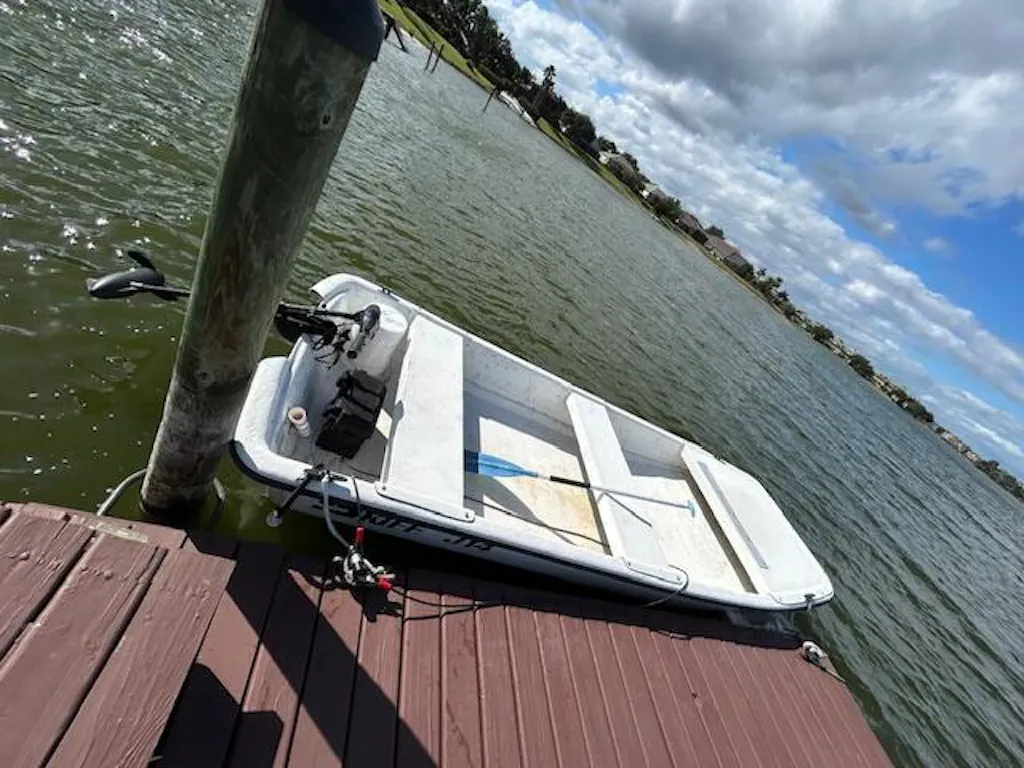
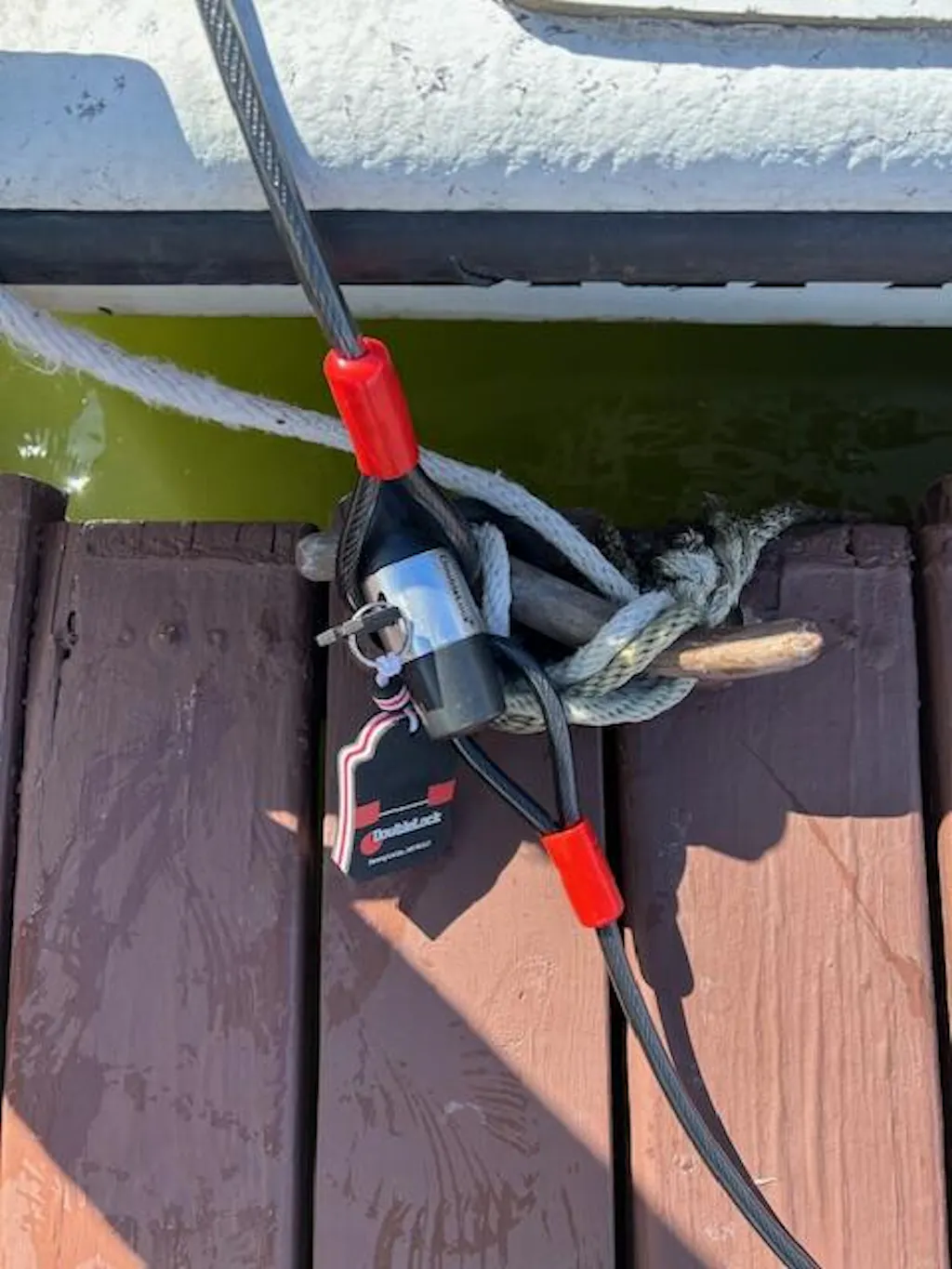
The marine environment is one of the harshest settings for any type of hardware. The constant presence of moisture and salt in the air creates a highly corrosive atmosphere that can destroy an ordinary lock in a short amount of time. For boat owners, a weatherproof padlock made from materials like stainless steel is non-negotiable. These locks are used to secure dock boxes, fuel tanks, cabin doors, and other on-board storage compartments. A high-quality marine-grade lock ensures that your gear stays safe and that the lock itself remains functional, resisting the rust that could otherwise render it useless. This is a core part of our heritage in providing lasting security.
Protecting Construction Site Assets
Construction sites are prime targets for theft, containing thousands of dollars in tools, materials, and equipment. At the same time, these sites are completely exposed to the weather. A padlock used here must offer a dual defense: robust physical strength against bolt cutters and drills, and exceptional resilience against mud, dust, rain, and ice. These locks are used to secure storage containers, temporary fencing, and heavy machinery. For site managers, a lock that fails due to weather can cause costly delays, while a lock that fails against force can lead to significant financial loss. Investing in high-security, weatherproof padlocks is a fundamental step in any effective site security strategy.
The DoubleLock USA Approach to Outdoor Security
When you need to secure your property outside, you’re not just protecting it from people; you’re also fighting against the weather. Rain, snow, salt, and sun can weaken a padlock over time, leaving your valuables vulnerable. That’s why we approach our designs with a focus on durability from the inside out. We combine robust materials with thoughtful engineering to create security solutions that hold up in tough environments, giving you confidence that your gear is safe no matter the conditions.
The Strength of Military-Grade Stainless Steel
The foundation of a strong outdoor padlock is the material it’s made from. We construct our padlocks using hardened stainless steel, a material specifically chosen for its ability to resist cutting, prying, and other brute-force attacks. This isn't just any steel; its military-grade composition provides the strength needed for reliable, long-term protection. When you secure your equipment with a stainless steel discus padlock, you can trust that its core construction is designed to withstand serious attempts at tampering. This focus on high-quality materials is the first line of defense for your outdoor security needs.
A Closer Look at Our Weather-Resistant Design
A truly weatherproof padlock does more than just resist rust. Its design must actively prevent the elements from getting inside and compromising the locking mechanism. Our padlocks feature professional-grade, weather-resistant construction that shields the internal components from moisture and debris. We’ve also upgraded the internal parts to prevent picking, ensuring the lock remains secure even after prolonged exposure to harsh weather. This comprehensive approach means our security solutions are built to defend against rain, hammering, and drilling, keeping the lock functional and your property safe year-round.
How We Protect Against Tampering
Beyond physical strength, a reliable outdoor padlock needs to defend against more subtle attacks. That’s why our designs incorporate advanced pick-resistant technology to add another layer of security. For example, the DoubleLock Falcon X padlock includes a robust locking dowel that makes it incredibly difficult for thieves to manipulate. We also added a striking red deterrent cap, which serves as a visual warning that your property is protected by a high-security device. These features work together to create a formidable defense, ensuring your outdoor spaces and equipment are protected by more than just a strong exterior.
How to Choose the Right Weatherproof Padlock
Choosing the right padlock comes down to understanding which materials and designs work best for your specific needs. Whether you're securing a gate, a shed, or equipment on a job site, the lock's construction plays a huge role in how well it holds up against both weather and potential threats. Let's look at a few key options to help you decide.
Why Stainless Steel Is a Top Choice
When you need a lock that can handle tough outdoor conditions, stainless steel is a fantastic choice. It’s known for its incredible durability and natural resistance to rust and corrosion. This means your lock will continue to function smoothly even after being exposed to rain, snow, and humidity. A well-made stainless steel padlock provides long-lasting security you can depend on. For instance, the DoubleLock CRAB has a hardened stainless steel body that effectively resists cutting and prying, giving you reliable protection for your valuable property.
When Should You Choose a Heavy-Duty Brass Padlock?
Heavy-duty brass padlocks are another excellent option for outdoor security, especially in damp or marine environments. Brass is inherently resistant to rust, making it a reliable material where moisture is a constant concern. Many high-quality brass locks also feature components like zinc-coated steel to add another layer of weather protection. If you live in a coastal area or need to secure property near water, a brass padlock can offer superior defense against the corrosive effects of salt and humidity. You can find a variety of DoubleLock locks designed to withstand these specific challenges.
How Disc and Shrouded Designs Improve Security
Beyond the material, the physical design of a padlock is critical for its security. Disc and shrouded designs are engineered to minimize weak points. A disc lock’s round shape leaves very little of the shackle exposed, making it extremely difficult for bolt cutters to get a grip. Similarly, a shrouded padlock has a protective housing that covers most of the shackle. These designs are built to stand up to forceful attacks like prying, hammering, and drilling. This commitment to superior design is a core part of our heritage and ensures our locks provide the highest level of protection.
Exploring Different Locking Mechanisms and Features
Once you've settled on the right material and design, it's time to think about how you'll actually use the padlock day-to-day. The locking mechanism and other features can make a big difference in convenience and long-term functionality. Are you the only one who needs access, or will a team be using it? Will the security device be exposed to a lot of dust and grime? Answering these questions will help you narrow down the options and find a solution that fits your workflow perfectly, whether you're securing a single gate or an entire job site.
The Convenience of Combination Padlocks
If you’re tired of fumbling for keys or worrying about losing them, a combination padlock is a great alternative. Their biggest advantage is the ability to grant shared access without having to duplicate and distribute physical keys. This is incredibly useful in settings where multiple people need to get into a secured area, like a construction crew accessing a tool container or a family using a shared storage unit. You can simply share the code with authorized users, and change it if you need to revoke access. This keyless approach simplifies security management for groups.
Protective Keyway Covers for Harsh Environments
For padlocks used in dusty, muddy, or icy conditions, the internal mechanism is the most vulnerable part. A protective keyway cover is a simple but critical feature that shields the device from the elements. This small rubber or plastic cap seals the opening, preventing rain, dirt, and ice from getting inside and causing the components to seize up. This is especially important for maintaining functionality in tough outdoor environments, like on a farm or at a marine facility. Many of our weather-resistant designs incorporate sealed components to ensure they operate smoothly year after year, no matter the conditions.
The Flexibility of Rekeyable Locks
In some situations, you may need to change who has access to a secured area without replacing all of your hardware. Rekeyable security devices offer a practical solution. This feature allows you to change the internal pinning so that a new key will operate the device, rendering the old key useless. It’s a cost-effective option for property managers who have new tenants or for businesses that experience employee turnover. Instead of buying and installing a brand-new padlock, you can simply rekey the existing one, saving both time and money while maintaining security.
Purchasing Options for Multiple Locks
Managing security for a large property or multiple assets often means dealing with more than one padlock. Juggling a heavy ring of keys for every gate, shed, and container can be a major hassle. Fortunately, there are purchasing options designed to simplify this process. By choosing a system that allows one key to open multiple security devices or establishes a hierarchy of access, you can streamline your security without sacrificing protection. This approach is ideal for business owners, site managers, and anyone who needs to secure several points of entry efficiently.
Understanding Keyed-Alike Sets
If you need to secure several areas but want the convenience of a single key, keyed-alike sets are the perfect solution. This option allows you to purchase multiple padlocks that are all designed to open with the same key. It’s incredibly convenient for securing several toolboxes on a work truck, multiple gates on a property, or a series of storage units. You get the benefit of robust, individual security at each point without the burden of carrying a different key for every padlock. This system simplifies access and makes it easy to manage security across your property.
When to Consider a Master Key System
For more complex security needs, a master key system provides a higher level of control. In this setup, each padlock has its own unique key, but a single master key can open all of them. This creates a hierarchy of access that is perfect for commercial settings. For example, a site manager can use the master key to access every secured area, while individual employees have keys that only open the specific containers or rooms they are authorized to enter. This system offers both security and operational efficiency, allowing you to control access permissions with precision.
Which Padlock Design Is Best for Bad Weather?
When you're securing property outdoors, a padlock's material is only half the story. The physical design of the lock is just as critical for standing up to harsh weather. Certain shapes and features are specifically engineered to shield vulnerable parts from rain, ice, and debris. Let's look at a few designs that offer superior protection against the elements, keeping your assets secure in any condition.
Why Disc Designs Excel in Harsh Conditions
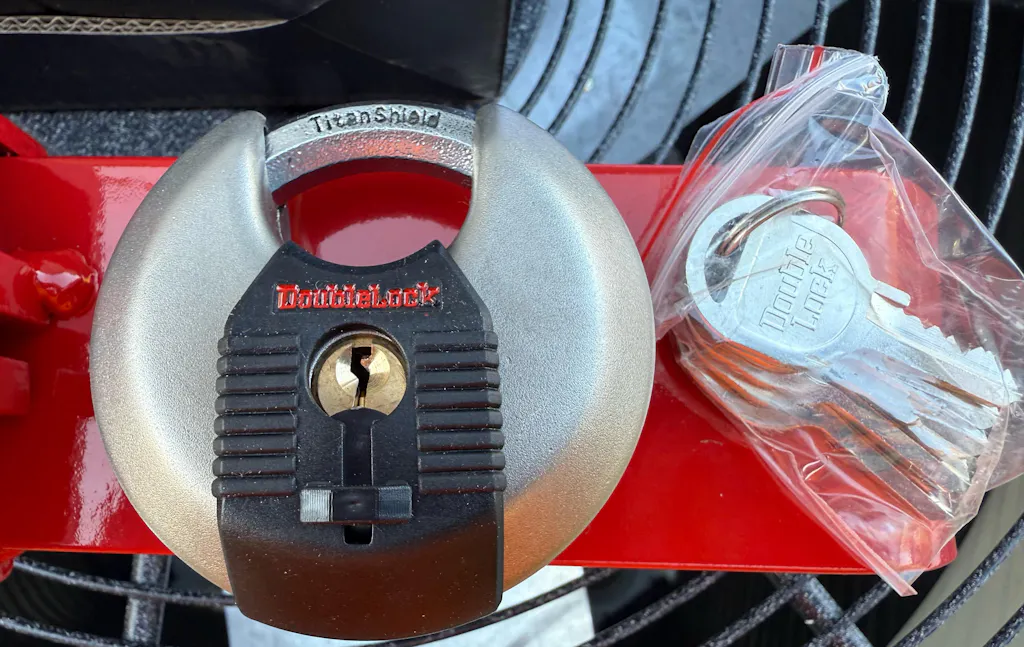
Disc locks are easily recognizable by their round, discus-like shape. This design isn't just for looks; it's a major security feature. The curved body and minimal shackle exposure make it incredibly difficult for a thief to get a grip with bolt cutters or other tools. This same compact design also makes them highly resistant to weather. With fewer exposed seams and a shackle that’s barely visible, there are minimal entry points for rain and snow. This reduces the risk of internal rusting and freezing, making disc locks a reliable choice for self-storage units, shipping containers, and marine applications where durability is key.
How a Shrouded Shackle Protects from Rain and Debris
A shrouded shackle padlock features a design where the lock's body extends up to cover the sides of the shackle. Think of it as a built-in shield. This "shroud" leaves very little of the shackle exposed, which is a major deterrent for anyone trying to use bolt croppers. That same protective barrier also works wonders against bad weather. It blocks rain, sleet, and snow from directly hitting the shackle and the entry points to the lock's internal mechanism. By minimizing moisture exposure, a shrouded padlock helps prevent rust and freezing, keeping your lock operational when you need it most.
How to Prevent Your Padlock from Freezing
Even the best weatherproof padlock can have trouble with freezing temperatures. The term often means the lock is resistant to corrosion, not that it can completely keep water out of its inner workings. Moisture can still find its way inside, and on a cold night, that can freeze the mechanism solid. A simple bit of preventative maintenance can make all the difference. Periodically spraying a lubricant into the keyway and around the shackle helps displace moisture and prevent ice from forming. This small step ensures you can always access your property, no matter how low the temperature drops.
Choosing an Outdoor Padlock? Avoid These Mistakes
Choosing the right outdoor padlock can feel like a small decision, but it has a big impact on the security of your property. Whether you're securing a gate, a shed, or expensive equipment, a few common missteps can leave your belongings vulnerable. Thinking through your options and avoiding these frequent mistakes will help you select a lock that provides genuine peace of mind.
Making an informed choice means looking beyond the price tag and understanding what makes a lock truly suitable for outdoor use. From the materials it's made of to its specific design, every detail matters. Let’s walk through the most common errors people make so you can find a padlock that stands up to both thieves and the elements.
The Hidden Cost of a Cheap Padlock
It’s always tempting to go for the less expensive option, but when it comes to security, a lower price often means a significant compromise. Cheaper padlocks are typically made with lower-quality materials and lack the advanced security features needed to deter a determined thief. Things like pick-resistant cylinders, hardened steel shackles, and robust body construction are often the first things to go when manufacturers cut costs.
Think of a quality padlock as an investment in the safety of your valuables. Spending a little more upfront on a well-built lock from a reputable brand can save you from the much greater cost and stress of a break-in. When you browse for security solutions, consider the value of what you’re protecting and choose a lock that reflects that.
Weatherproof vs. Waterproof: What's the Difference?
The terms "weatherproof" and "waterproof" are often used interchangeably, but they mean very different things for a padlock. A weatherproof lock is designed to resist the effects of weather, like UV rays and light rain, but it isn't necessarily sealed against moisture. In heavy downpours or freezing conditions, water can still seep inside, leading to rust and a frozen, inoperable lock.
If your padlock will be exposed to harsh conditions, look for one that is explicitly rated as waterproof or designed for marine use. These locks feature sealed bodies, covered keyways, and corrosion-resistant materials that prevent water from getting in. Always check the product’s technical specifications to understand exactly what level of protection it offers against the elements.
How to Ensure the Perfect Size and Fit
A padlock is only as effective as its fit. A lock that’s too small might not properly secure your hasp, while one with a shackle that’s too long can provide extra leverage for a thief to pry or cut it open. As a general rule, larger and heavier locks made from solid steel offer greater resistance to brute-force attacks. A thick, hardened steel shackle is much more difficult to cut than a thin, standard one.
However, security needs to be balanced with usability. Make sure the lock’s body and shackle will fit the hasp, chain, or latch you intend to use it on. Measure the opening before you buy. The goal is to find a lock that is substantial enough to provide real security without being too cumbersome for your specific application.
How Much Should You Invest in a Weatherproof Padlock?
When you’re standing in the hardware aisle, it’s easy to see a wall of padlocks and wonder if there’s really a difference between a $10 lock and a $60 one. When it comes to securing your property, the price of a padlock often directly reflects its quality, durability, and the level of protection it offers. While it can be tempting to grab the cheapest option, investing a bit more can make a significant difference in how well your assets are protected from both thieves and the elements. The right investment depends entirely on what you need to secure and the environment it will be in. A lock for a garden shed in a dry climate has different needs than one used on a boat trailer constantly exposed to salty air.
Understanding the different price tiers can help you make an informed decision. Generally, cost is tied to the quality of the materials, the complexity of the locking mechanism, and the lock’s overall design. A higher price often means better resistance to corrosion, picking, and brute-force attacks. For example, a padlock made from solid stainless steel will naturally cost more than one made from plated zinc, but it will also offer far superior rust resistance. Let’s break down what you can expect at different price points so you can find the perfect balance of security and value for your needs.
What You Can Expect for Under $20
Padlocks in this price range are widely available, but it’s important to be cautious. Many locks under $20 that are labeled "weather-resistant" may not hold up in truly harsh conditions. They often use lower-grade materials that are susceptible to rust, especially in damp or salty environments. While one of these might work for a low-risk application in a sheltered area, they typically lack the robust construction needed for serious outdoor security. Independent tests have shown that budget-friendly locks can fail quickly when exposed to the elements, leaving your valuables vulnerable. Think of this category as light-duty at best.
Finding Value in the Mid-Range ($20-$50)
For most outdoor applications, this price range offers the best combination of security, durability, and value. Padlocks in this category are typically built with higher-quality materials like stainless steel or heavy-duty brass and often include features like shrouded shackles and protective coatings. These locks are designed to resist common threats like bolt cutters and rust. You’ll find that they provide reliable, long-term security for everything from construction site toolboxes to boat equipment. Investing in a mid-range lock gives you peace of mind, knowing your padlock was built to withstand both tampering and tough weather without breaking the bank.
When to Invest in a Premium Padlock (Over $50)
If you’re securing high-value assets or need a lock for an extremely corrosive environment, a premium padlock is a wise investment. These high-security locks are engineered for maximum protection. They are almost always constructed from solid stainless steel or other top-tier alloys that offer exceptional resistance to rust and brute-force attacks. Premium models often feature advanced pick-resistant cylinders and designs that leave no weak points for thieves to exploit. For marine use, securing expensive industrial equipment, or protecting property in a high-risk area, the superior construction of a premium padlock provides an essential layer of security.
How to Maintain Your Outdoor Padlock
Even the most durable padlock needs a little attention to perform its best year after year. Think of it like any other piece of essential equipment that works hard for you outdoors. A high-quality lock is your first line of defense, but constant exposure to the elements can take a toll. Rain, dust, ice, and humidity all work against the internal mechanisms if they are not cared for properly. In coastal areas, salty air can accelerate corrosion, while in dry climates, fine dust can clog the keyway. Even the sun’s UV rays can degrade plastic components over time.
A failed lock is more than just an inconvenience. It can mean being locked out of your own property, unable to access critical equipment on a job site, or discovering that your assets are no longer secure. That’s why a few simple maintenance steps are so important. They extend the life of your lock, ensure it operates smoothly every time you use it, and help you maintain the security you depend on. By regularly cleaning, inspecting, and preparing your padlock for seasonal changes, you protect your investment and make sure it’s always ready to do its job. Taking care of your security hardware is a straightforward process that prevents frustration and keeps your peace of mind intact. The following tips will guide you through everything you need to know.
Your Guide to Cleaning and Lubrication
The first step to a long-lasting padlock is keeping it clean and properly lubricated. Over time, dust, salt, and grime can work their way into the keyway and locking mechanism, causing it to stick or become difficult to open. At least twice a year, wipe down the body and shackle of your lock with a clean cloth. Then, apply a quality dry lubricant into the keyway and the holes where the shackle enters the lock body. A dry lubricant, like one with a graphite or PTFE base, is ideal because it won’t attract the dirt and dust that oil-based products can. After applying, insert your key and turn it a few times to distribute the lubricant evenly.
Why Regular Inspections Are Important
A quick visual inspection every few months can help you spot potential problems before they leave you locked out. Check the padlock for any signs of damage, such as deep dents, corrosion, or evidence of tampering. Pay close attention to how the key feels when you insert and turn it. If it feels gritty, catches, or becomes hard to open, the lock likely needs cleaning and lubrication. If it still does not operate smoothly after maintenance, it may be time for a replacement. Consistent performance is a hallmark of quality, reflecting a commitment to durability that we value in our own company heritage. A regular checkup ensures your lock is always in good working order.
Simple Steps to Winterize Your Padlock
Winter weather is especially tough on outdoor locks. The biggest threat is moisture getting inside the mechanism and freezing, which can render the lock completely inoperable. Many so-called "weatherproof" locks fail when water seeps in and expands as it turns to ice. To prevent this, spray a moisture-displacing product into the keyway and shackle openings before the first freeze. This helps push out any water that has accumulated inside. If you do find your lock frozen solid, avoid forcing the key. Instead, you can gently warm the lock with a hairdryer or use a dedicated lock de-icer spray to safely thaw the mechanism.
Using Lubricants to Displace Moisture
A good lubricant does more than just keep things moving smoothly; it’s also your best tool for fighting moisture. When you spray a moisture-displacing product into the keyway and shackle openings, it gets into all the tiny spaces inside the lock. There, it creates a protective barrier that pushes water out and stops it from settling on the metal parts. This simple step is the most effective way to prevent the internal rust that can cause a lock to jam. Taking a minute to do this helps maintain the quality of your lock, ensuring the internal pins and springs work correctly through rainy seasons and humid weather.
Where to Find a Quality Weatherproof Padlock
Knowing what features to look for in a weatherproof padlock is the first step. The next is knowing where to find one that meets your standards. The right padlock for your needs could be waiting on a local store shelf, available through a specialized dealer, or just a few clicks away online. Each option has its benefits, whether you prioritize convenience, expert advice, or a wide selection. Let’s walk through the best places to find a durable, high-quality padlock that will protect your property in any weather.
Shopping at Your Local Hardware Store
Your local home improvement store is often the most convenient place to start your search. Retailers like The Home Depot and Lowe’s carry a variety of options specifically made for outdoor use. When you’re browsing the aisles, look for packaging that clearly labels the lock as "weather-resistant" or "weatherproof." This is your first clue that it’s designed to handle the elements. As a general rule, if you plan to use a lock outdoors, you should always choose a weather-resistant model to prevent rust and corrosion while protecting your valuables. This simple step ensures your lock continues to function smoothly, season after season.
When to Visit a Specialty Security Supplier
If your security needs are more demanding, a specialty security supplier is your best bet. These suppliers cater to professionals and homeowners who require a higher level of protection. Here, you’ll find professional-grade, weather-resistant padlocks that stand up to prying, hammering, and drilling. These locks often contain upgraded internal components to prevent picking, offering a significant step up in security. Visiting a specialist is a great idea if you’re securing high-value equipment on a construction site or need a robust solution for a commercial gate. Their staff can also provide expert advice tailored to your specific situation.
What to Look for When Shopping Online
Shopping online gives you access to a massive selection of padlocks, but it’s important to read product descriptions carefully. Look for listings that emphasize a secure and durable construction. Phrases like "hardened stainless steel body resists cutting, prying, and tampering" are good indicators of a quality lock. You should also seek out products described as being built for long-lasting durability and high performance in demanding outdoor environments. Pay close attention to customer reviews and detailed specifications to ensure the padlock you choose will provide the reliable protection you need for your outdoor assets.
How to Use Customer Reviews and Sales Data
Customer reviews are your best resource for understanding how a padlock holds up in the real world. Look for patterns in the feedback. Do multiple people mention that the lock performs well in a rainy climate or on a construction site? Verified reviews are especially valuable because they confirm the reviewer actually purchased the product, which helps build trust in their feedback. By analyzing what other buyers are saying, you can get a much clearer picture of a product's strengths and weaknesses under real-world conditions. This insight is often more telling than the product description alone and can help you make a choice with confidence.
Decoding Labels like 'Best Seller' or 'Amazon's Choice'
It’s easy to be drawn to a padlock with a 'Best Seller' badge, but it’s important to understand what that label really means. These designations are typically based on sales volume, indicating a product's popularity, not necessarily its suitability for your specific needs. A best-selling lock might be perfect for general home use but may not have the corrosion resistance required for a marine environment. Use these labels as a starting point, but don’t let them be your only guide. Always dig deeper into the product specifications, materials, and customer reviews to ensure the lock you choose is the right one for the job.
Related Articles
Frequently Asked Questions
Is there a real difference between 'weatherproof' and 'waterproof' padlocks? Yes, and it's an important distinction. A weatherproof lock is built to resist damage from general outdoor conditions like sun and light rain. However, it isn't sealed against heavy moisture. A waterproof lock, often designed for marine use, has seals to prevent water from getting inside the mechanism. If your lock will be in a very wet or coastal environment, look for one that is specifically designed to be waterproof to avoid internal rust and freezing.
My outdoor lock keeps freezing in the winter. What can I do? This is a common problem, even with good locks. The best solution is prevention. Before the cold weather arrives, spray a dry lubricant, like one with a graphite or PTFE base, into the keyway and shackle openings. This helps push out any moisture that could freeze and jam the mechanism. If your lock is already frozen, avoid forcing the key. Instead, gently warm it with a hairdryer or use a lock de-icer spray.
Besides the material, what design features should I look for in an outdoor lock? The physical shape of the lock is just as important as what it's made of. Look for designs that protect the shackle, which is the most vulnerable part. Disc locks are a great choice because their round shape leaves very little of the shackle exposed, making them hard to cut. Similarly, a shrouded padlock has a built-in housing that covers the sides of the shackle, offering protection from both bolt cutters and the elements.
How often should I be maintaining my outdoor padlock? A little maintenance goes a long way in extending the life of your lock. A good habit is to clean and lubricate it at least twice a year, perhaps in the spring and fall. Simply wipe down the lock body and shackle to remove any dirt or grime. Then, apply a quality dry lubricant into the keyway and around the shackle to keep the internal parts moving smoothly and prevent rust.
Is it really worth spending more on a premium padlock? For most situations, a quality mid-range lock provides excellent security. However, if you are protecting high-value equipment or your lock will be in an extremely harsh environment, investing in a premium model is a smart choice. A higher price typically gets you superior materials like solid stainless steel, more complex pick-resistant mechanisms, and a design that has been engineered to withstand serious force. Think of it as an investment that matches the value of what you're protecting.