
What's inside your shipping container is valuable. The security protecting it should be, too. But in a hardware store, most options look the same, and choosing the wrong one is a costly mistake. A weak point like an exposed shackle or soft metal can put everything at risk. You don't need to be an expert to get this right. This guide simplifies the process, focusing only on the features that provide real security. We'll show you exactly what to look for in the best shipping container locks so you can confidently protect what matters.
Key Takeaways
- Prioritize hardened steel and a shrouded shackle: A lock's real strength comes from its materials and design. Hardened steel resists cutting and drilling, while a shrouded shackle protects the lock's most vulnerable part from bolt cutters.
- Create layers of security: Don't rely on a single lock. The most secure containers use multiple defenses, such as combining a high-quality padlock with a protective lockbox or adding a secondary crossbar lock.
- Choose a lock that fits your specific needs: A great lock must fit your container’s hasp snugly to be effective. Always measure first and select a weather-resistant model that matches the value of the items you are protecting.
What Are the Go-To Locks for Shipping Containers?
When you’re looking to secure a shipping container, you’ll quickly find that not all locks are created equal. The right lock for you depends on what you’re storing, where the container is located, and how much traffic the area gets. Understanding the main types of locks is the first step toward making a smart choice. From heavy-duty padlocks to specialized crossbar systems, each design offers a different level of protection against theft and tampering. Let’s walk through the most common options so you can find the perfect fit for your security needs.
Padlocks vs. Hidden Shackle Designs
Padlocks are a familiar and versatile option, but for a shipping container, you’ll want to look at high-security models. The most significant upgrade in this category is the hidden shackle padlock. As the name suggests, the shackle (the U-shaped part of the lock) is almost completely concealed within the lock’s solid steel body. This clever design makes it nearly impossible for thieves to get a grip with bolt cutters, which is one of the most common methods for breaking a standard lock. By protecting the most vulnerable part of the lock, a hidden shackle design provides a simple yet powerful security solution.
Puck Locks and Their Concealed Design
Puck locks offer a unique and highly secure solution, named for their round, hockey puck-like shape. This design is more than just a visual distinction; it’s a core part of its strength. Because there is no exposed shackle, a puck lock leaves no room for bolt cutters to get a grip, immediately neutralizing one of the most common break-in methods. These are typically used with a specialized hasp that shrouds the device, creating a formidable barrier. This system works by completely enclosing the locking mechanism, making it incredibly difficult to tamper with or force open. For anyone serious about container security, the puck lock’s clever, concealed design presents a significant challenge to potential thieves.
The Strength of Monoblock Padlocks
Monoblock padlocks are another top-tier choice, engineered from a single, solid piece of hardened steel for maximum resistance. Their rectangular shape and horizontal shackle are designed to fit snugly within a container’s lock box, leaving minimal space for prying or tampering. This robust construction makes them exceptionally resistant to drilling, cutting, and impact. The solid body protects the internal mechanism from both brute force attacks and harsh weather conditions, which is essential for containers exposed to the elements. Choosing a high-quality monoblock padlock provides the kind of durable, all-weather protection that ensures your valuables remain safe, no matter where your container is located.
How Crossbar Systems Add Heavy-Duty Protection
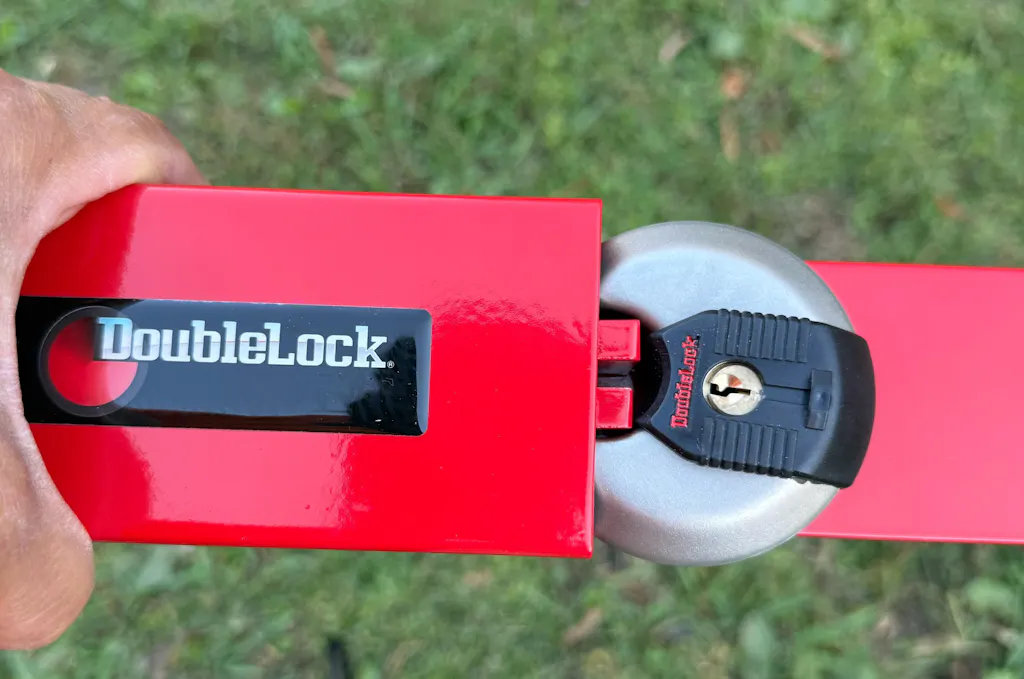
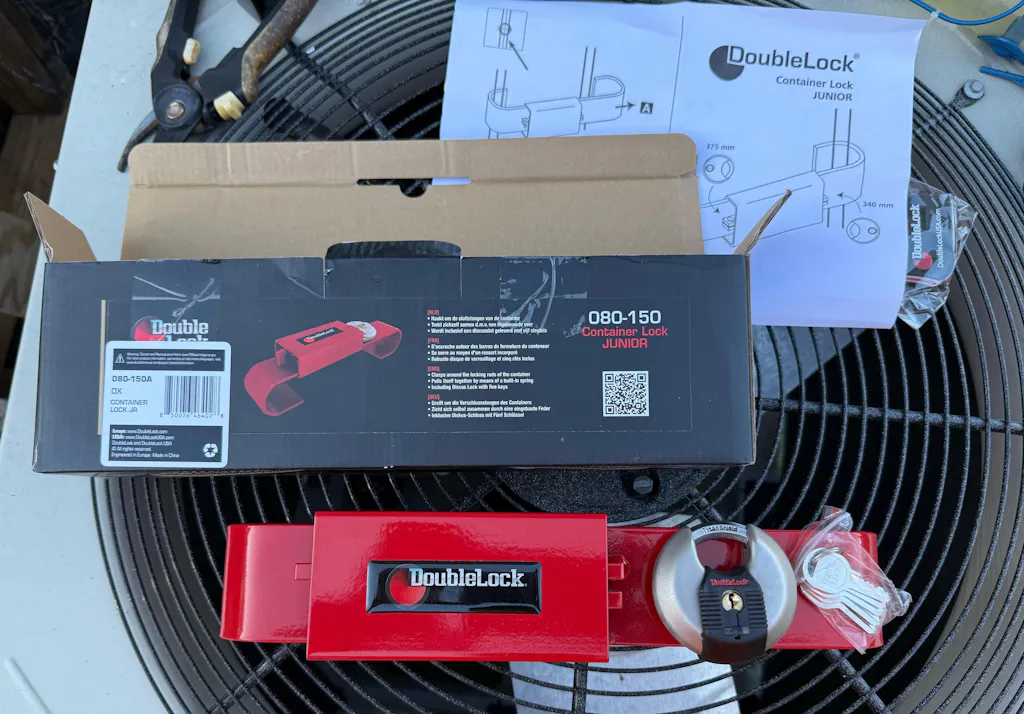
Crossbar locks are heavy-duty devices designed specifically for the vertical locking rods on container doors. These locks feature a long steel bar that fits across both rods, securing them together and preventing the handles from turning. This mechanism adds a formidable layer of security that’s tough to pry or force open. Because they are large and highly visible, crossbar locks also act as a strong visual deterrent, signaling to potential thieves that your container is well-protected. They are an excellent choice for containers in remote or high-risk locations where extra reinforcement is needed.
The Unique Security of Disc-Style Systems
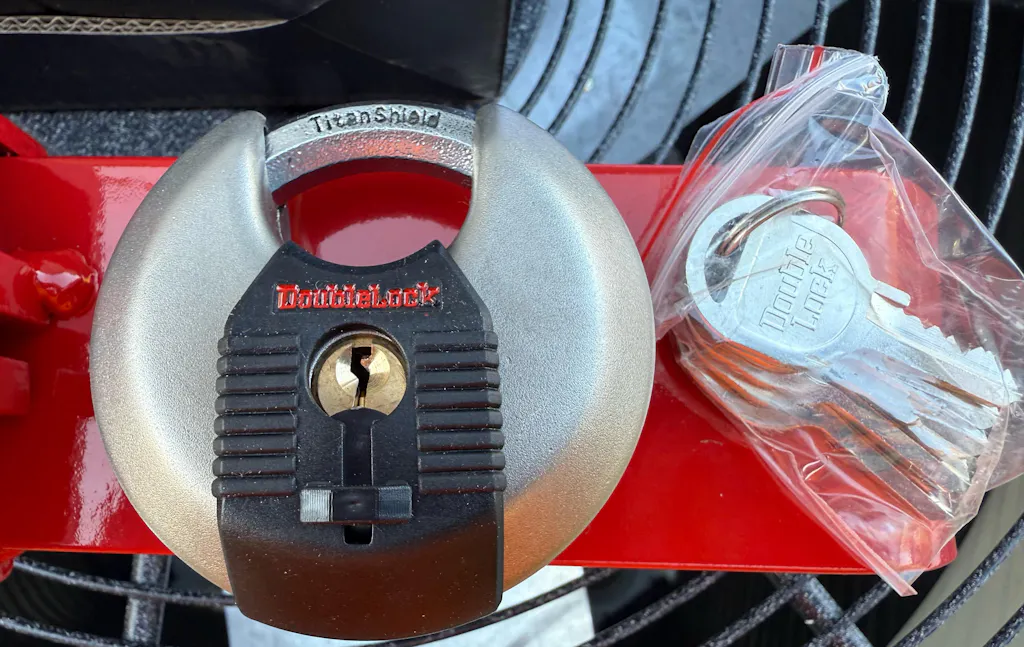
Disc locks are another popular choice for containers because their circular shape makes them highly resistant to bolt cutters. The shackle is short, curved, and tightly shielded by the lock’s body, leaving very little metal exposed. This makes it difficult for thieves to get the leverage needed to cut through it. Disc locks are also known for their durability and weather resistance. However, it’s important to check compatibility before you buy one. Their unique shape doesn’t fit every container latch system, so you’ll want to measure your container’s hasp to ensure a snug and secure fit.
Twist Locks for Stacking and Transport
Securing a container isn't just about the doors, especially when you’re stacking them for transport. For this specific task, you need a specialized fastener known as a twist lock. A twist lock connects shipping containers together at their corner castings, creating a stable and unified block. Typically made from high-quality, all-steel materials with a galvanized finish, they withstand harsh weather and the corrosive effects of saltwater, making them ideal for marine environments. Their primary function is to prevent shifting during transit on ships, trains, or trucks, ensuring the entire stack moves as a single, secure unit. This is crucial for both safety and protecting the cargo inside from damage caused by movement.
The real value of a twist lock is its incredible strength. These mechanisms handle immense forces, often withstanding up to 50 tons of tension and 40 tons of sideways force. This level of resilience makes the global transport of stacked containers possible. Most feature a simple manual lever that allows workers to securely fasten or release containers, which makes the process of loading and unloading efficient. For any business involved in logistics or that needs to stack containers for storage, using the correct twist lock system is a fundamental part of a comprehensive security and safety strategy. It’s a simple device that solves a massive logistical challenge.
Adding an Extra Layer with a Lockbox
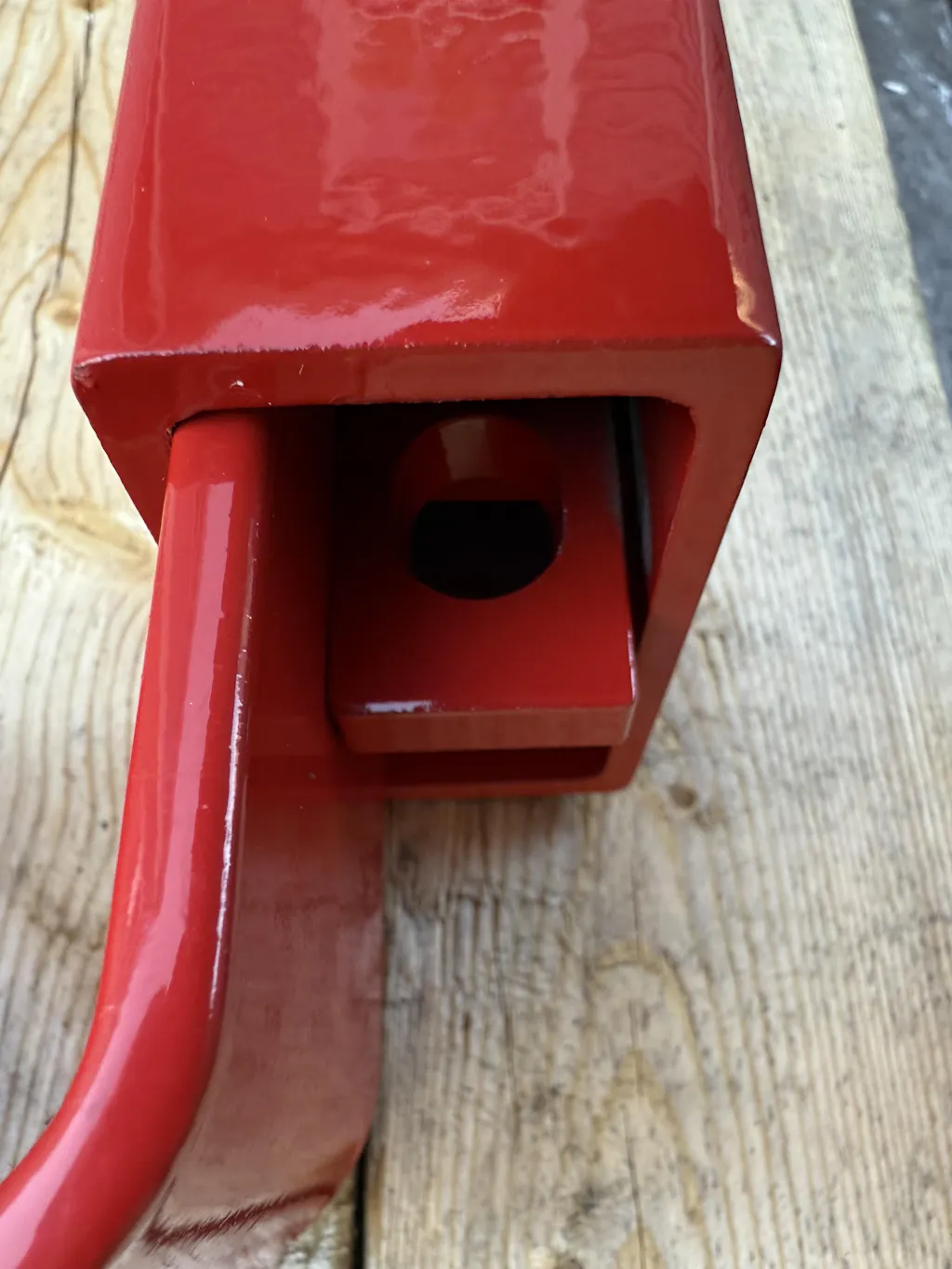
A lockbox isn’t a lock itself, but rather a thick steel housing that gets welded directly onto the container door. You then place a padlock inside the lockbox, which completely shields it from attack. This system creates a powerful barrier, making the padlock inaccessible to bolt cutters, grinders, or prying tools. Using a lockbox is one of the most effective ways to secure a shipping container, as it adds a serious layer of protection. When paired with one of our high-quality DoubleLock USA padlocks, a lockbox system offers peace of mind that your assets are safe.
What Separates a Good Container Lock from a Great One?
When you’re protecting valuable assets, not just any lock will do. A truly secure container lock is more than just a visual deterrent; it’s a formidable barrier against theft and tampering. The difference between a standard padlock and a high-security lock comes down to a few key elements: the materials it’s made from, its physical design, its ability to stand up to harsh weather, and its built-in defenses against sophisticated attacks. Understanding these features will help you see why investing in a quality lock is one of the smartest moves you can make for your container’s security. It’s about choosing a lock that’s been thoughtfully engineered to defeat the tools and tactics thieves rely on. A secure lock gives you peace of mind, knowing your equipment, inventory, or personal belongings are safe. It's the first and most important line of defense. So, before you grab the first lock you see at the hardware store, let's explore what really makes a lock tough enough for the job. We'll cover the specific qualities that separate a basic lock from a true security solution.
Understanding Deterrence vs. True Security
When choosing a lock, it’s helpful to consider if you want to deter a casual thief or truly secure your property. Deterrence is about appearances. A large, visible lock can make your container seem like too much effort, encouraging an opportunistic person to move on to an easier target. True security, on the other hand, is about substance. It means choosing a lock that can withstand a determined attack from tools like bolt cutters or drills. This level of protection comes from a lock's core components. A truly secure lock is a formidable barrier built with hardened steel and a shrouded shackle to protect its most vulnerable points. The best security solutions do both: they act as a strong visual warning while also providing a physical defense you can count on.
Why Material Strength is Non-Negotiable
The foundation of any great lock is the material it’s made from. A lock is only as strong as its weakest point, and for many, that’s the lock body or shackle. To prevent cutting and drilling, you need a lock made from exceptionally strong metal. Look for materials like hardened steel, boron alloy, or high-grade stainless steel, as these are specifically designed to resist cutting from tools like bolt cutters and angle grinders. A cheap lock made of softer metal can be compromised in seconds. Investing in a lock made from superior steel means you’re getting a product built for maximum resistance, ensuring your container remains protected against brute-force attacks.
The Real Reason a Hidden Shackle Matters
One of the most effective designs for a container lock is the hidden, or shrouded, shackle. The shackle is the U-shaped part of a padlock that is most vulnerable to cutting. As the name suggests, a hidden shackle design conceals this part of the lock within a hardened steel casing, making it nearly impossible for a thief to get a grip with bolt cutters. This simple but brilliant design removes the most obvious point of attack. When you choose one of our heavy-duty locks, you’re not just getting a lock; you’re getting a fortress where the weakest link has been completely shielded from harm.
How Weather Resistance Protects Your Investment
Shipping containers are exposed to everything from blistering sun and heavy rain to salty air and freezing temperatures. A lock that isn’t built for these conditions will quickly rust, corrode, and fail. A seized or rusted lock isn't just an inconvenience; it’s a security risk. That’s why weather resistance is a non-negotiable feature. For example, the DoubleLock BULL is a max-duty lock specifically built to be weather- and corrosion-resistant. This ensures it will function smoothly and provide reliable security year after year, no matter what the forecast says. This commitment to durability is part of our company’s heritage.
What to Look for in a Tamper-Proof Design
While brute-force attacks like cutting are common, a truly secure lock must also defend against more subtle methods. Advanced tamper-proof designs incorporate features that resist picking, prying, and drilling. This can include complex keyways that are difficult to manipulate, anti-drill plates that protect the locking mechanism, and solid, heavy-duty construction that prevents prying. For instance, the DoubleLock Crab 2.0 is a heavy-duty discus lock made from hardened steel, specifically engineered to resist cutting, prying, and tampering. These features provide layers of defense that stop even the most determined and skilled thieves in their tracks.
Key Features of a High-Security Container Lock
When you're protecting valuable assets, the details of your lock matter. A truly secure lock isn't just a deterrent; it's a fortress. Understanding the key features that separate a standard padlock from a high-security one will help you make the right choice. Let's look at the non-negotiable elements you should look for.
Why We Trust Hardened Steel
The material a lock is made from is its first line of defense. That's why hardened steel is the gold standard for high-security locks. This isn't just regular steel; it's been heat-treated to increase its toughness and durability, making it incredibly resistant to brute-force attacks like cutting, sawing, or drilling. Beyond its strength, hardened steel is also less prone to rust and corrosion. This is essential for a shipping container lock that will be exposed to rain, salt, and extreme temperatures. A lock that can withstand both force and the elements provides reliable security year after year. When you see a lock made from hardened steel, you know it’s built to last.
Exploring Other Durable Materials
While hardened steel is the champion for high-security applications, other materials also bring unique strengths to the table. The right choice often depends on your specific environment and security needs. Metals like stainless steel, brass, and aluminum each offer distinct advantages, from superior rust prevention to lighter weight. Understanding these alternatives helps you make a more informed decision, ensuring your lock is perfectly suited for its job. Let's look at a few other common materials and what makes them effective.
Alloy Steel and Stainless Steel
Alloy steel is created by mixing carbon steel with other elements to enhance its properties, resulting in a material that is exceptionally strong and durable. Stainless steel, on the other hand, is prized for its incredible resistance to rust and corrosion. This makes it an ideal choice for securing containers in coastal or humid areas where moisture is a constant threat. If you need protection in a marine environment, a high-grade stainless steel lock will provide lasting security without seizing up from rust.
Brass and Aluminum
Brass is another material known for its excellent corrosion resistance, which is why it’s frequently used for hardware exposed to the elements. It’s a softer metal than steel but offers reliable performance in many situations. Aluminum is a much lighter material, which can be beneficial in certain applications where weight is a concern. However, for securing a shipping container filled with valuable assets, the superior strength and resistance of steel remain the most dependable choice for maximum protection.
Keying Options: Keyed Alike vs. Keyed Differently
When you purchase multiple locks, you have a choice in how they are keyed. "Keyed alike" means a single key can open all the locks in the set. This is incredibly convenient if you need to access several containers or toolboxes, as you only need to carry one key. The alternative is "keyed differently," where each lock has its own unique key. This option is better when you need to restrict access, ensuring that someone with a key to one container cannot open another. Your choice depends on whether your priority is convenience or compartmentalized security.
The Flexibility of Interchangeable Cores
For businesses and institutions, managing keys can be a major challenge. An interchangeable core (IC) system offers a practical solution. These locks have a core cylinder that can be quickly removed and replaced with a special control key, effectively re-keying the lock in seconds without having to take it apart. If a key is lost or an employee leaves, you can swap the core for a new one, instantly rendering the old key useless. This feature provides a flexible and efficient way to maintain security over time.
Beyond Keys: Combination and Biometric Options
If you prefer to avoid keys altogether, combination locks are a popular alternative. They use a numeric code, eliminating the risk of lost or stolen keys. For an even more modern approach, biometric locks use a fingerprint for access, offering a high level of personalized security. While these keyless options provide great convenience, it’s crucial to ensure they are built from the same tough, weather-resistant materials as their traditional counterparts. The locking mechanism is only one part of the equation; the lock’s physical strength is just as important.
The Advantage of a Shrouded Shackle
One of the most vulnerable parts of a traditional padlock is its exposed U-shaped shackle. It’s a prime target for bolt cutters. A shrouded shackle design cleverly solves this problem by enclosing the shackle within a protective steel housing, leaving very little of it exposed. This simple but effective feature makes it nearly impossible for thieves to get a grip with cutting tools. It’s a visual deterrent that also provides a serious physical barrier. For anyone serious about container security, choosing a lock with a shrouded shackle is one of the smartest moves you can make. It’s a design that anticipates an attack and stops it before it can even start.
How to Decode Security Ratings
How can you be sure a lock is as tough as it claims? Look for its security rating. Independent certifications offer an unbiased measure of a lock's strength and resistance. One of the most respected standards is the CEN (Central European Norm) rating, which grades locks on a scale from 1 to 6. For high-security applications like shipping containers, you should look for locks with a CEN rating of 4 or higher. These ratings aren't just for show; they mean the lock has been rigorously tested against drilling, pulling, and other forms of attack. A certified lock gives you confidence that you’re getting proven protection, not just clever marketing.
How DoubleLock USA Sets the Standard
At DoubleLock USA, we build our locks with these exact principles in mind. We believe that true security comes from thoughtful design and uncompromising materials. Our heavy-duty locks are engineered to provide maximum protection against theft and unauthorized access. We use hardened steel and incorporate features like shrouded shackles to create tamper-proof solutions specifically for shipping containers and other high-stakes environments. It’s our mission to provide the kind of robust security that gives you complete peace of mind. When you choose DoubleLock, you’re not just buying a lock; you’re investing in a standard of protection trusted by professionals across the country.
How to Add Extra Layers to Your Container's Security
A high-quality lock is your first line of defense, but why stop there? When you're protecting valuable equipment or inventory, creating multiple barriers is the smartest strategy. Think of it like securing your home. You have a lock on the door, but you might also have a deadbolt, a security system, and window locks. Each layer makes a potential break-in more difficult, more time-consuming, and less likely to succeed. The same principle applies to your shipping container.
Adding extra security measures sends a clear message to would-be thieves: this container is not an easy target. Most criminals are looking for a quick and simple score. When they see reinforced latches, protected locks, and multiple locking points, they’ll often decide it’s not worth the risk and move on. These additional layers work together with your primary lock to create a comprehensive security system. From simple additions like a lockbox to more permanent solutions like welded features, you have plenty of options to fortify your container. Let's walk through some of the most effective ways to build up your container's defenses and give you total peace of mind.
Protect Your System with a Lockbox
One of the best ways to protect your padlock is to hide it from attack. That’s exactly what a lockbox does. A lockbox is a heavy-duty steel case that gets mounted directly onto your container doors, creating a protective shield around your lock. With the padlock sitting inside, it becomes nearly impossible for anyone to get at it with bolt cutters, saws, or grinders. This simple addition instantly neutralizes the most common methods of attack. By shielding the lock's shackle and body, a lockbox forces a thief to deal with a thick steel box first, which is a much tougher and louder job than simply cutting a lock.
Why You Should Reinforce Latches and Bolts
Your container's built-in latches are strong, but they can be made even stronger. Adding a crossbar lock is an excellent way to reinforce the entire door system. These locks are designed to span across the vertical locking rods on both container doors, holding them securely together. This provides a powerful secondary locking point. If a thief somehow manages to defeat your primary padlock, they’ll still be stopped by the crossbar lock. It creates a crucial layer of redundancy, ensuring that a single point of failure won’t compromise your entire setup. It’s a straightforward and highly effective way to fortify your container's entry points.
Using Multiple Points of Security
Why rely on just one lock when you can use two or three? Using multiple locks is a powerful deterrent because it dramatically increases the time and effort required to break in. A thief might be able to defeat one lock, but dealing with several different types is a whole other challenge. For instance, you could use a high-security hidden shackle lock inside a lockbox and add a separate heavy-duty disc lock on the latch handle. This strategy forces a criminal to carry and use multiple tools, making the process slower and riskier for them. Every additional lock you add from our full collection is another obstacle that makes your container a less appealing target.
Consider Adding Welded Security Features
For the ultimate in container security, consider permanent, welded additions. While bolt-on accessories are great, welding security features directly onto the container creates a seamless and incredibly strong defense. You can have a steel lockbox welded on, making it an integral part of the door. You can also add welded steel plates to reinforce the areas around the locking mechanisms or even add custom brackets for additional locks. This approach physically bonds your security hardware to the container, eliminating any potential weak points that could be pried or forced open. It’s a more involved solution, but for long-term storage of high-value assets, it provides an unmatched level of protection.
More Than Just Containers: Other Uses for Heavy-Duty Security
The same features that make a lock tough enough for a shipping container—hardened steel, a protected shackle, and weather resistance—also make it the perfect choice for other high-stakes security needs. While these locks are engineered to withstand the harsh conditions of global transport, their strength is just as valuable closer to home. A high-security lock isn’t just for one specific job; it’s a versatile tool for protecting your most important assets, wherever they are. From your backyard shed to a commercial warehouse, the principles of strong security remain the same. Let's explore how you can apply these heavy-duty solutions to other areas that need serious protection.
Securing Storage Units and Sheds
Your storage unit or backyard shed often holds more value than you realize, from expensive tools and lawn equipment to sentimental family belongings. These structures are common targets for thieves because they are often protected by flimsy, low-cost locks that can be cut in seconds. Upgrading to a heavy-duty lock is a simple and effective way to fortify these spaces. A lock with a shrouded shackle and a hardened steel body provides a formidable defense against bolt cutters and prying. Because sheds are exposed to the elements, choosing a weather-resistant model from our full collection ensures it won’t rust or seize, giving you reliable access and protection year-round.
Protecting Gates and Warehouses
For business owners, securing the perimeter is critical. A heavy-duty lock on a gate or warehouse door is your first line of defense against unauthorized entry and theft. These locations demand a lock that can withstand both determined attacks and harsh weather. A lock that isn’t built for outdoor conditions will quickly corrode and fail, creating a significant security risk. As we've discussed, a seized or rusted lock isn't just an inconvenience; it’s a vulnerability. A robust, weather-resistant lock acts as a powerful visual deterrent and provides the reliable performance needed to protect your inventory and property day in and day out.
Securing Semi-Trailers and Equipment
Semi-trailers, cargo vans, and heavy construction equipment are high-value assets that are constantly on the move or left in vulnerable locations. Securing them requires specialized, heavy-duty solutions. Crossbar locks, which are designed to secure the vertical locking rods on container doors, are also an excellent choice for semi-trailers. They create a strong physical barrier that prevents the doors from being opened, protecting valuable cargo during transit and at rest stops. For construction equipment left on a job site, a high-security padlock can secure tool chests, gates, and other critical components, preventing costly theft and project delays. These locks provide the strength needed to protect your most valuable mobile assets.
How to Choose the Right Security for Your Container
Picking the right lock for your shipping container goes beyond just grabbing the heaviest one off the shelf. The best choice is a lock that fits your specific container, matches your security needs, and works for your day-to-day routine. Thinking through a few key points before you buy will ensure you get the right protection and true peace of mind. Let’s walk through how to find the perfect lock for what you need to protect.
Start by Assessing Your Real Security Needs
First, take a moment to think about what you’re actually storing inside your container. Are you protecting thousands of dollars in construction equipment or just some old office furniture? The value of the contents should directly influence your security budget. A high-security lock is a non-negotiable for expensive tools, machinery, or inventory. For lower-value items, a solid, mid-range lock might be sufficient. It’s not about buying the most expensive option, but the smartest one for your situation. Making a quick list of what’s inside can help you decide on the right level of protection.
Special Considerations for Remote Locations
A container sitting in a remote field or an unmonitored construction site presents a unique challenge. Thieves have the advantage of time and privacy, allowing them to work on a lock without fear of being interrupted. This is where your security strategy needs to be especially thoughtful. If you're protecting thousands of dollars worth of equipment, a single lock might not be enough. Using multiple locks, like pairing a heavy-duty padlock with a crossbar system, creates a powerful deterrent. It dramatically increases the time and effort required for a break-in and sends a clear signal that your container is not an easy target, which is often enough to make a potential thief look for a simpler score elsewhere.
Ensure Your New System Fits Your Container
A great lock is useless if it doesn’t fit your container correctly. The part of the container your lock attaches to is called the hasp, and its size and design can vary. Before you purchase a lock, you need to make sure it’s compatible with your container’s specific locking mechanism. An ill-fitting lock can leave gaps that create vulnerabilities. Measure the hasp and check the shackle diameter of any lock you’re considering. A snug, secure fit is critical for deterring thieves. Many of our heavy-duty padlocks are designed with standard container hasps in mind, giving you a great place to start.
Balancing Maximum Security with Ease of Use
Security is the top priority, but practicality matters, too. Think about who will need access to the container and how often. A lock with a complicated mechanism might offer incredible security, but it could slow down your team if they need to get in and out multiple times a day. The ideal lock provides robust protection while still being user-friendly for authorized individuals. If you manage multiple containers, you might consider keyed-alike locks to simplify key management. The goal is to find a solution that secures your assets without creating a daily headache for your crew.
Why a Quality System is a Smarter Investment
When it comes to security, you often get what you pay for. A cheap, flimsy lock can provide a false sense of security and is easily defeated by a determined thief. Think of a high-quality lock as an investment in protecting your valuable assets. Spending a bit more on a lock made from hardened steel with tamper-proof features is a small price to pay compared to the cost of replacing stolen equipment. You can explore a full range of security solutions that prioritize strength and durability, so you can trust that your property is properly protected.
Do Your Homework: Check Vulnerability Tests and Reviews
A lock's packaging can make a lot of promises, but independent testing reveals its true strength. Before making a final decision, look up vulnerability tests and professional reviews for the models you’re considering. Pay close attention to certifications like the CEN rating, which grades a lock’s resistance to attack. For a shipping container, a rating of CEN 4 or higher is a solid benchmark, as it means the lock has been rigorously tested against common threats like drilling and prying. This research helps you see past marketing claims and understand how a lock performs under pressure, confirming if its design can withstand both brute force and more subtle attacks.
Using Customer Ratings to Guide Your Choice
Beyond professional tests, customer reviews offer insight into a lock's long-term performance. Real-world users can tell you how a lock holds up after months of exposure to rain, salt, and sun. A lock that rusts or seizes isn't just an inconvenience; it’s a security risk. When reading reviews, look for patterns in feedback related to durability, key operation, and overall reliability. Do multiple people mention the key sticking after a few weeks, or does it function smoothly in cold weather? These experiences help you build a complete picture of daily use, ensuring you invest in a product that provides lasting peace of mind.
Proper Installation and Maintenance for Your System
Choosing a high-quality lock is the first step, but how you install and care for it makes all the difference. A great lock that’s poorly installed is like having a state-of-the-art security system that’s turned off. Proper setup and simple maintenance ensure your lock performs as it should for years, giving you reliable security and peace of mind. Let’s walk through how to get the most out of your investment, from achieving the perfect fit to keeping it in top working condition.
Getting the Perfect, Secure Fit
A secure fit is non-negotiable. Your lock should fit snugly on the container’s hasp with as little of the shackle exposed as possible. For an extra layer of protection, consider using a lock box. This is a protective steel box that gets welded onto your container, creating a shield around the padlock. It makes it incredibly difficult for anyone to get access with bolt cutters or grinders. For the highest level of security, a hidden shackle padlock combined with a lock box is one of the toughest setups to beat. Some systems even require welding parts directly onto the container, creating a permanent and formidable barrier.
Easy Maintenance Tips to Make It Last
Your container lock lives outdoors, facing everything from rain and salt spray to dust and extreme temperatures. A little regular maintenance goes a long way in extending its life. Periodically, check your lock for any signs of rust or debris inside the keyway. You can use compressed air to blow out any dirt. To keep the internal mechanism moving smoothly, apply a small amount of graphite-based lubricant every few months. If you ever lose your keys, avoid trying to force the lock open yourself. The best course of action is to call a professional locksmith who can open it without damaging your lock or your container.
Common Installation Mistakes to Avoid
One of the most common mistakes is choosing a lock with a shackle that’s too long or too thin for the hasp. This extra space creates a weak point that can be exploited. Always measure your container’s locking mechanism before you shop for a lock to ensure a tight, secure fit. Another misstep is assuming the lock alone is enough. Even the best lock can be defeated by a determined thief if other parts of your container are weak. Always inspect the hasps, latches, and door alignment to make sure your entire locking system is solid. Don’t let a simple installation error undermine your security.
Are You Making These Container Security Mistakes?
Choosing the right lock can feel like a high-stakes decision, but avoiding a few common pitfalls will put you on the right track. We see people make the same slip-ups time and again. Let's walk through them so you can secure your container with total confidence.
Why the Cheapest Option Isn't the Safest
It’s tempting to grab the cheapest lock on the shelf, but that’s often the biggest mistake you can make. Think about the value of what’s inside your container. Whether it’s expensive equipment, business inventory, or personal belongings, the cost of a high-quality lock is a small investment for major peace of mind. A cheap lock is an open invitation for trouble, as it can often be cut, picked, or broken in seconds. Prioritizing quality materials and proven design ensures your valuables are protected by a lock that’s built to last and deter potential thieves. Choosing the right lock is the first and most important step in keeping your stored items safe.
Understanding the Price and Quality Spectrum
The price of a security device often reflects the quality of its materials and the complexity of its design. While a less expensive unit might seem like a good deal, it's typically made from softer metals that can't stand up to a determined attack, offering little more than a false sense of security. When you invest in a quality system, you're paying for superior, hardened steel and advanced engineering built for maximum resistance. Spending a bit more upfront for a robust security solution is a small price to pay compared to the potential cost of replacing stolen equipment or inventory. It’s about choosing a unit that provides genuine protection, not just the appearance of it.
Forgetting to Measure for a Proper Fit
There’s nothing more frustrating than buying a heavy-duty lock only to find it doesn’t fit your container. Before you purchase, take a moment to check the locking mechanism on your unit. The lock you choose needs to be compatible with the container's hasp, which is the slotted metal plate the lock attaches to. Measure the opening and the thickness of the hasp to ensure the lock’s shackle will fit through it properly and securely. A lock that’s too loose can be easily pried off, while one that’s too small is completely useless. Taking a few quick measurements beforehand will save you a lot of time and hassle.
Relying on a Single Point of Security
A single lock is good, but multiple security measures are even better. Relying on just one padlock, even a strong one, leaves you with a single point of failure. A great way to enhance your defense is to create layers of security. For example, you can protect your padlock from bolt cutters and grinders when you combine it with a lockbox. A lockbox is a steel housing that gets welded onto the container doors, creating a protective shroud around the lock itself. This simple addition makes it significantly more difficult and time-consuming for anyone to tamper with your lock, encouraging them to move on to an easier target.
Ignoring the Impact of Weather and Corrosion
Your shipping container lives outside, exposed to everything from intense sun and pouring rain to snow and salty air. Your lock needs to be tough enough to handle it all. A common oversight is choosing a lock made from materials that can’t stand up to the elements. Rust and corrosion can cause a lock to seize up, making it impossible to open when you need to, or weaken it to the point of failure. Look for weather-resistant locks made from hardened or stainless steel with protective coatings. This ensures your lock operates smoothly and remains strong for years, no matter what the weather throws at it.
Related Articles
- Why Strong Container Locks Are More Crucial Than Ever
- Container Twist Lock Mechanism: A Complete Guide
- Securing Shipping Containers: The Bull Heavy-Duty Lock for Reliable Cargo Protection
- Innovative Discus Locks for Containers: Introducing the New Crab Lock for Shipping Security
- BULL Cargo Container Lock | Max Duty Freight Lock
Frequently Asked Questions
How do I know which type of lock is right for my specific needs? The best lock for you really depends on two things: what you're storing and where your container is located. If you're protecting high-value equipment in a remote area, a heavy-duty crossbar lock combined with a hidden shackle padlock offers powerful, layered security. For general storage in a lower-risk location, a quality disc lock or hidden shackle padlock provides excellent protection against common break-in methods. The key is to match the strength of the lock to the value of your assets.
Is a more expensive, high-security lock really worth the investment? Absolutely. Think of a quality lock not as a cost, but as an investment in protecting your property. A cheap lock often provides a false sense of security and can be defeated in seconds with basic tools. Investing a little more in a lock made from hardened steel with tamper-proof features means you're getting a real defense. It's a small price to pay for the peace of mind that comes from knowing your valuables are truly secure.
My container doesn't have a lockbox. Do I really need one? While you don't absolutely need one, a lockbox is one of the single best security upgrades you can make. It's a thick steel housing that shields your padlock from direct attacks, making it nearly impossible for thieves to use bolt cutters or grinders. If you're serious about security, pairing a high-quality padlock with a lockbox creates a formidable combination that deters all but the most determined criminals.
What's the most important thing to check before I buy a lock to make sure it fits my container? Before you buy anything, you need to measure your container's hasp. The hasp is the slotted metal tab on the door where the lock attaches. You'll want to measure the diameter of the hole and the thickness of the metal. A lock is only effective if it fits snugly, so ensuring the shackle is the right size for your hasp is the most critical step to prevent a weak point that could be pried open.
How can I make sure my outdoor lock lasts and doesn't rust or seize up? The best strategy starts with choosing a lock built for outdoor use, specifically one made from weather-resistant materials like hardened or stainless steel. To keep it working smoothly, periodically spray a little compressed air into the keyway to clear out dust and debris. A couple of times a year, apply a graphite-based lubricant (not an oil-based one, which can attract dirt) to keep the internal mechanism from seizing.